About Goraici Islands
The Goraici Islands, nestled in Halmahera within the Maluku archipelago, represent a premier diving destination celebrated for its rich marine biodiversity and dramatic underwater landscapes. Located squarely in the Coral Triangle, these islands benefit from nutrient-rich waters that support an abundance of marine life, making them a hotspot for pelagic encounters. Diving here reveals steep vertical walls plunging into the deep, attracting large schools of fish and offering sightings of impressive pelagic species. The topography is also characterized by pristine reef systems that remain largely untouched due to the area's remote nature and limited human activity. Water temperatures are consistently warm, and visibility is often exceptional, providing clear views of the vibrant ecosystems. Most notably, Goraici Islands host a highly active manta ray cleaning station, where both oceanic and reef mantas gather to be serviced by smaller wrasses. This makes the area one of the most reliable locations in the Maluku region for manta ray observations. Beyond mantas, the nutrient-rich currents circulating through the region draw in a diverse array of larger marine animals. Diving at Goraici typically involves liveaboard trips, which allow access to these remote sites. Conditions can include strong currents, especially in passages, making drift diving a common technique. Divers can expect an uncrowded experience, often having the extensive reefs to themselves, which enhances the feeling of exploring a true underwater frontier.
Highlights
Active manta ray cleaning stationSteep vertical wallsSchooling fish encountersPristine coral reefsPelagic marine lifeExceptional visibility
Season calendar
Best months to dive here
Jan
Feb
Mar
Apr
May
Jun
Jul
Aug
Sep
Oct
Nov
Dec
Excellent
Good
Dive site facts: Goraici Islands
- Depth
- Variable, steep walls to cleaning stations
- Current
- Mild to strong, dynamic
- Visibility
- 20–30 m, often >30 m
- Water temperature
- 27–31°C (80–88°F)
- Entry
- Liveaboard tender / negative entry
- Level
- AOWD recommended, current experience helpful
- Dive type
- Wall, drift, pelagic, coral garden
- Night dive
- Possible (if itinerary allows)
- Region / port
- Halmahera, North Maluku
- Coordinates
- 5.1909° S, 129.1010° E
Conditions & Currents
The Goraici Islands are subject to dynamic currents, particularly due to the nutrient-rich water flows around the islands in North Maluku. These currents, which can range from mild to strong, are a significant factor in attracting the abundant pelagic life that thrives here. Divers should be prepared for drift diving, especially around prominent features and cleaning stations. While specific entry and exit techniques are guided by liveaboard crew, negative entries are common in areas with stronger flow to quickly reach desired depths. Surge may be present depending on conditions, and thermoclines are generally not a concern as water temperatures remain warm. Visibility is consistently excellent, often exceeding 30 meters, though strong currents can sometimes stir up particulate matter. Due to the remote nature, boat traffic is minimal, ensuring an uncrowded dive experience. Divers with e
Marine life & sighting chances
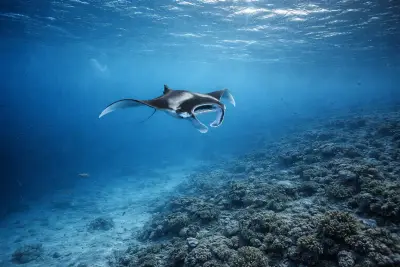
Manta ray
common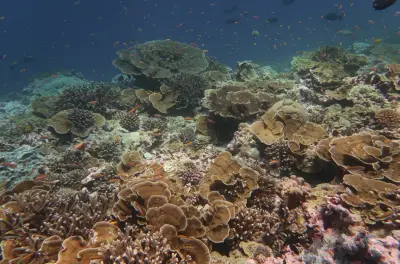
Schooling fish
common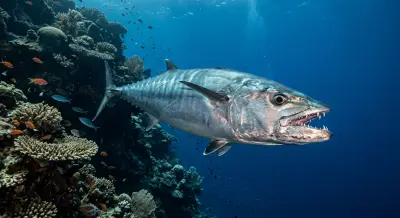
Tuna
occasional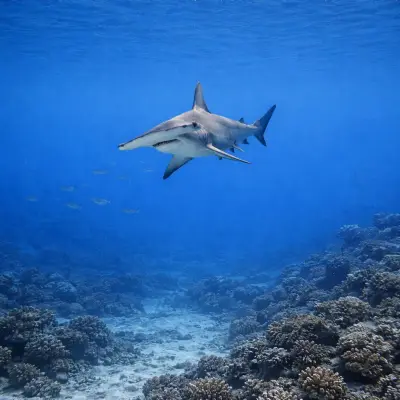
Hammerhead shark
occasional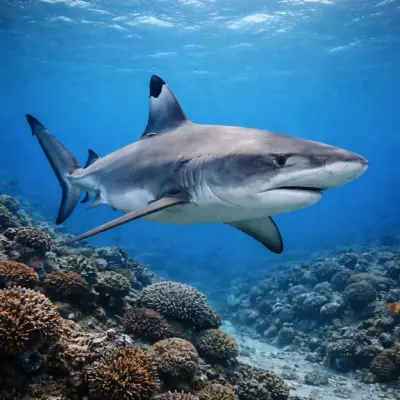
Grey reef shark
occasional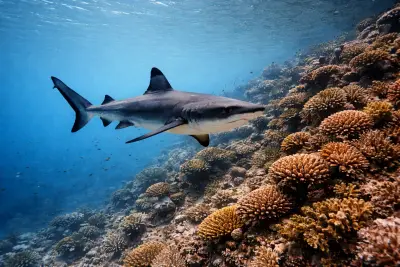
Blacktip reef shark
occasional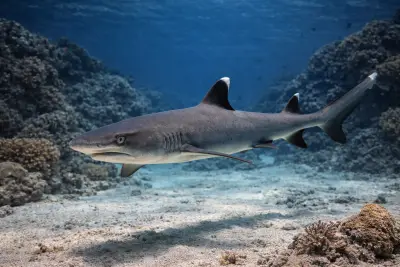
Whitetip reef shark
occasional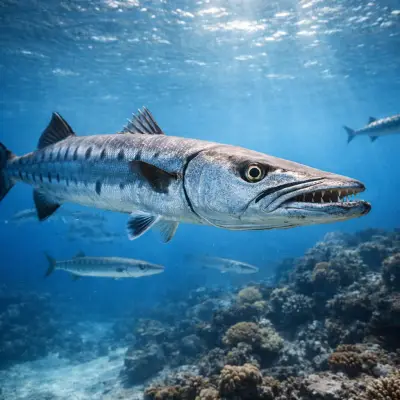
Barracuda
occasional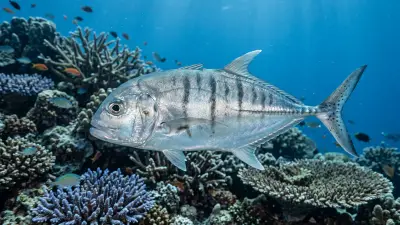
Bigeye trevally
occasional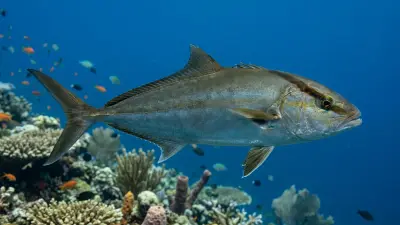
Jacks
occasionalDive profile & how the dive runs
Diving at Goraici Islands often begins with a tender drop-off near a prominent wall or reef, typically initiating a drift dive profile to cover larger areas with the prevailing current. Divers descend along the steep vertical walls, keeping an eye on the blue for pelagic encounters like tuna, schooling fish, and sharks. A primary focus is usually the active manta ray cleaning station, where divers can position themselves to observe these majestic creatures. Depth progression varies, but many dives involve exploring the wall at moderate depths to maximize bottom time while monitoring air consumption, especially given potential current challenges. The dive concludes with a gradual ascent, often allowing for a safety stop in shallower, sheltered sections of the reef or along the top of the wall, where smaller reef fish and vibrant corals can be observed before surfacing for pickup by the tender.
Underwater photography
Goraici Islands offer exceptional opportunities for wide-angle photography, particularly focusing on the dramatic walls, large schools of fish, and especially the manta rays at their cleaning station. A wide-angle lens (e.g., 8-16mm fisheye or 16-35mm rectilinear) is essential to capture the scale of these subjects and the expansive underwater scenery. For mantas and schooling fish, external strobes are beneficial to bring out colors and add definition, though natural light can be sufficient in the crystal-clear visibility. Buoyancy control is paramount, especially during drift dives and when near the cleaning station, to avoid disturbing the environment. While pelagics dominate, a macro lens could be interesting if conditions allow for exploring the reef structure in calmer areas, though this is not the primary photographic focus.
Combine with nearby dive sites
Getting there & logistics
Access to the Goraici Islands, like many remote Halmahera dive sites, is primarily achieved via liveaboard. Divers typically fly into regional airports like Manado or other Indonesian hubs, connecting onwards to smaller local airports, from where transfers to liveaboard departure points are arranged. Liveaboard itineraries exploring North Maluku and the broader Halmahera region commonly include Goraici Islands. Trips usually range from 7 to 10 days, allowing ample time to explore various sites. Due to the remote nature and the pristine condition of the reefs, specific park fees may apply, typically managed as part of the liveaboard package. This area is often combined with other Coral Triangle destinations like Lembeh Strait or Raja Ampat for extended diving expeditions.
Safety & environment
Diving in the remote Goraici Islands requires careful consideration of safety protocols. The nearest recompression chamber is located in Manado, a considerable distance away, highlighting the importance of cautious diving practices. Evacuation in case of a serious incident would involve significant logistical challenges and time. Therefore, comprehensive dive insurance covering emergency medical evacuation and recompression treatment is absolutely essential. Site-specific hazards include dynamic currents, which necessitate good dive planning, thorough briefings, and adherence to guide instructions, especially during drift dives. Always dive within your training limits, maintain excellent buoyancy control, and carry personal safety equipment like an SMB and whistle. Maintaining situational awareness of your buddy and the marine environment is crucial.
Who it suits — and who it doesn't
Suited for
- Experienced divers comfortable with currents
- Photographers seeking wide-angle pelagic shots
- Divers passionate about manta ray encounters
- Adventurous divers seeking remote, pristine reefs
- Liveaboard enthusiasts
Less suited for
- Beginner divers without current experience
- Divers uncomfortable with deep walls
- Those prone to seasickness on liveaboards
- Divers seeking easy shore entry sites
- Individuals without comprehensive dive insurance
FAQ
Goraici Islands FAQ
What marine life can I expect to see at Goraici Islands?
Goraici Islands are famous for consistent sightings of manta rays at an active cleaning station, making them a highlight. Beyond mantas, you can often encounter schooling fish, tuna, and various shark species like hammerheads, grey reef sharks, blacktips, and whitetips, as well as barracuda and jacks.
What are the typical dive conditions like?
The dive conditions at Goraici Islands feature dynamic currents, which can range from mild to strong, attracting abundant pelagic life. Visibility is generally excellent, often exceeding 30 meters, with water temperatures consistently warm, typically between 27-31°C (80-88°F). Divers should be prepared for drift diving.
When is the best time to visit Goraici Islands for diving?
The best time to dive the Goraici Islands is during the dry season, from April to October. These months offer optimal conditions with calmer seas and the clearest visibility, particularly from June to October, which is considered prime time for pelagic encounters.
Is Goraici Islands suitable for beginner divers?
Goraici Islands are generally recommended for experienced divers, especially those comfortable with strong currents and drift diving techniques. While specific sites might be milder, the overall dynamic environment makes it less suitable for beginners or those without prior current diving experience.
How do I get to the Goraici Islands?
The Goraici Islands are remote and primarily accessible via liveaboard dive cruises operating in the Halmahera and North Maluku regions. Divers typically fly into major Indonesian airports and then connect to regional hubs like Manado, from where liveaboards depart for multi-day itineraries.
Why dive Goraici Islands from a liveaboard?
Goraici Islands is one of Banda Sea's signature dive sites. A liveaboard sleeps you on the water and puts you in the water for three to four guided dives per day, including dawn and night dives that day-boat operators rarely offer. You skip the daily commute back to port and reach quieter, less-crowded sites in the same region on a single trip.
Below are the liveaboards that include Goraici Islands on their Banda Sea itineraries.
Liveaboards diving Goraici Islands
These liveaboards may visit Goraici Islands on selected itineraries — the exact dive sites depend on departure, weather and conditions.
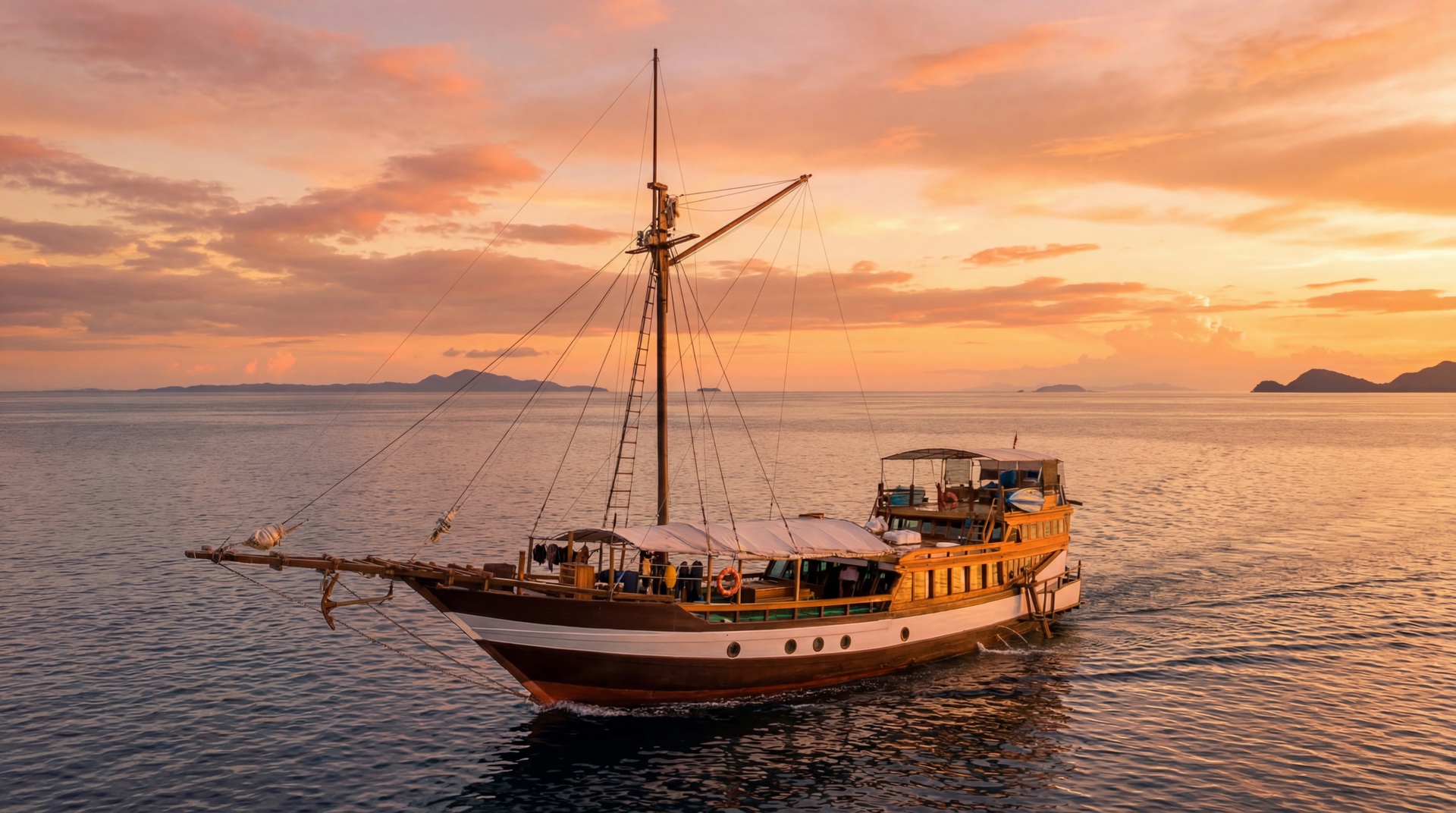
Wellenreng
Indonesia
9 guests25 m
$427/day
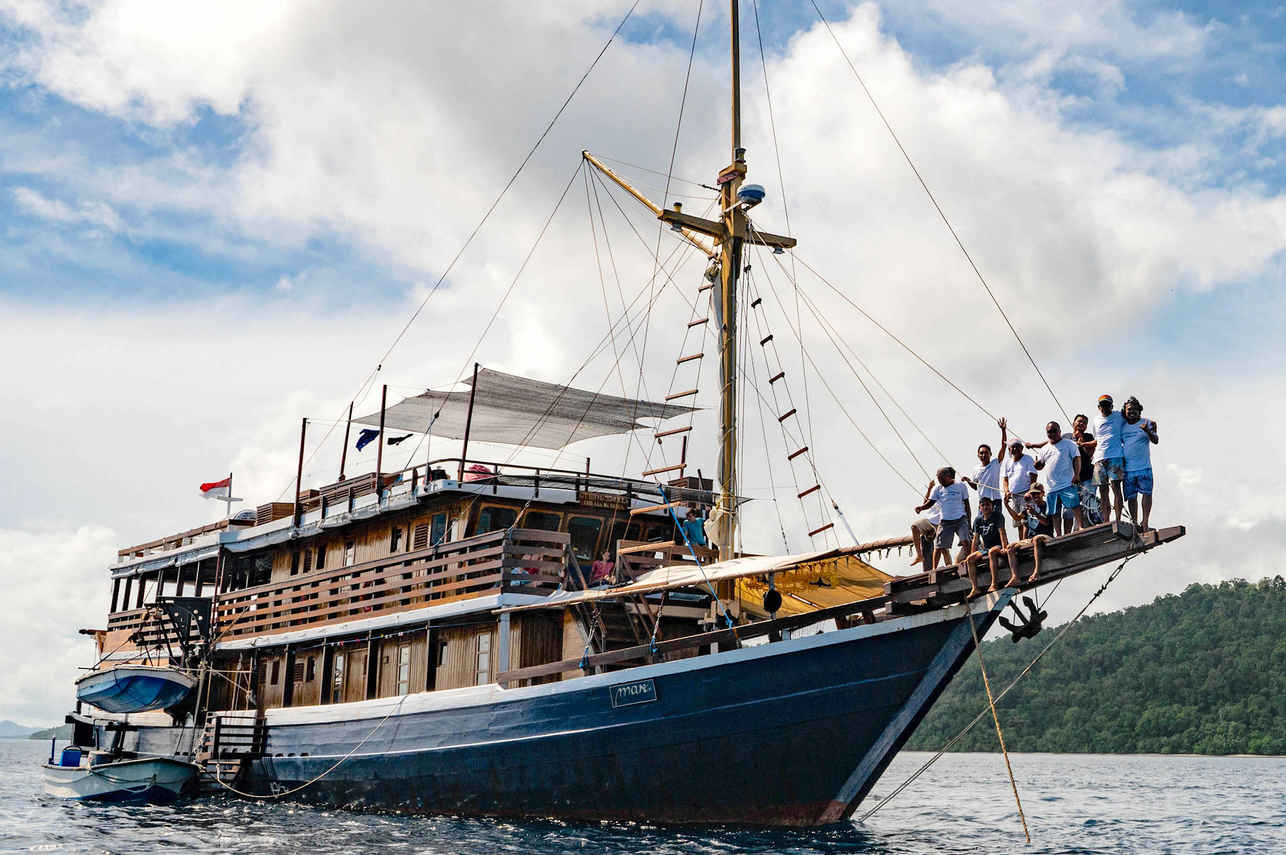
Mari
Indonesia
14 guests32.2 m
$373/day
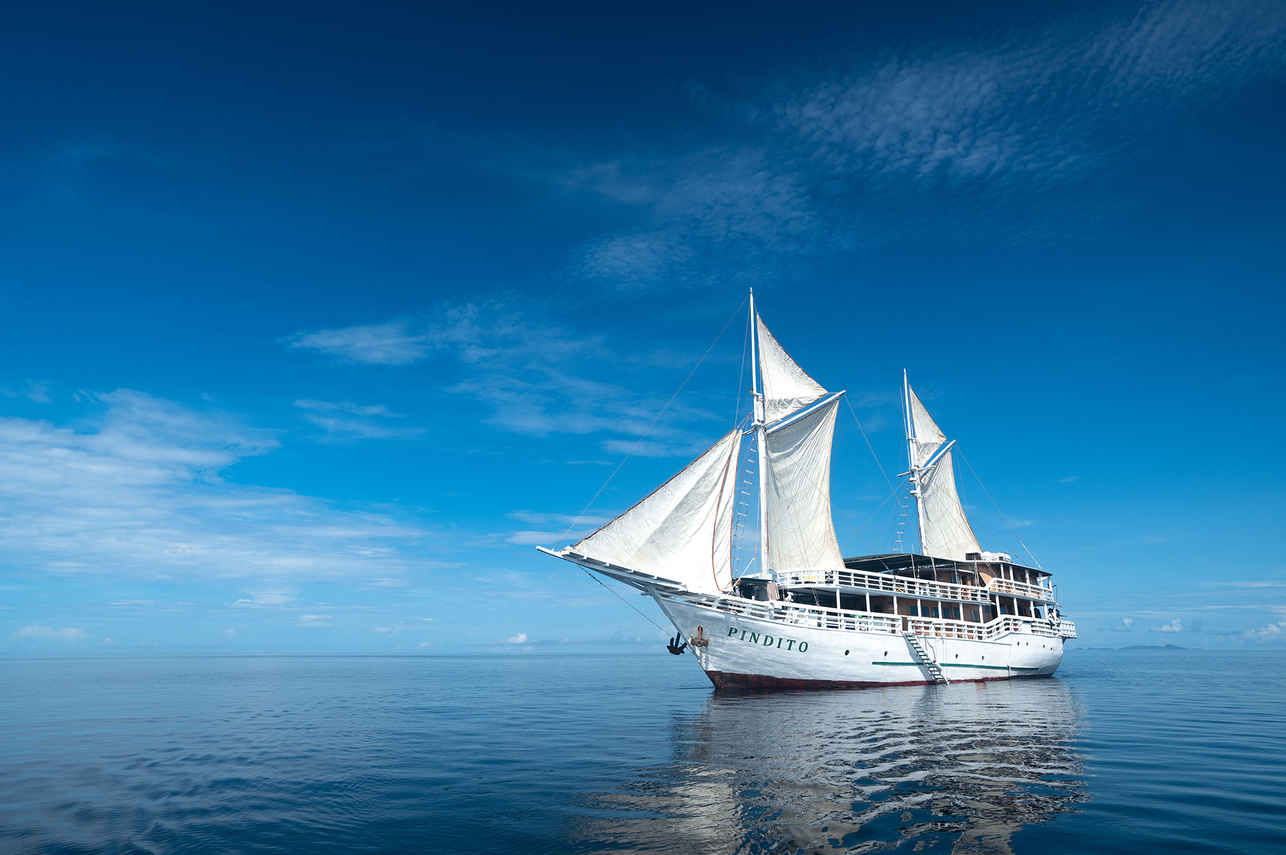
Pindito
Indonesia
16 guests37.79 m
$533/day
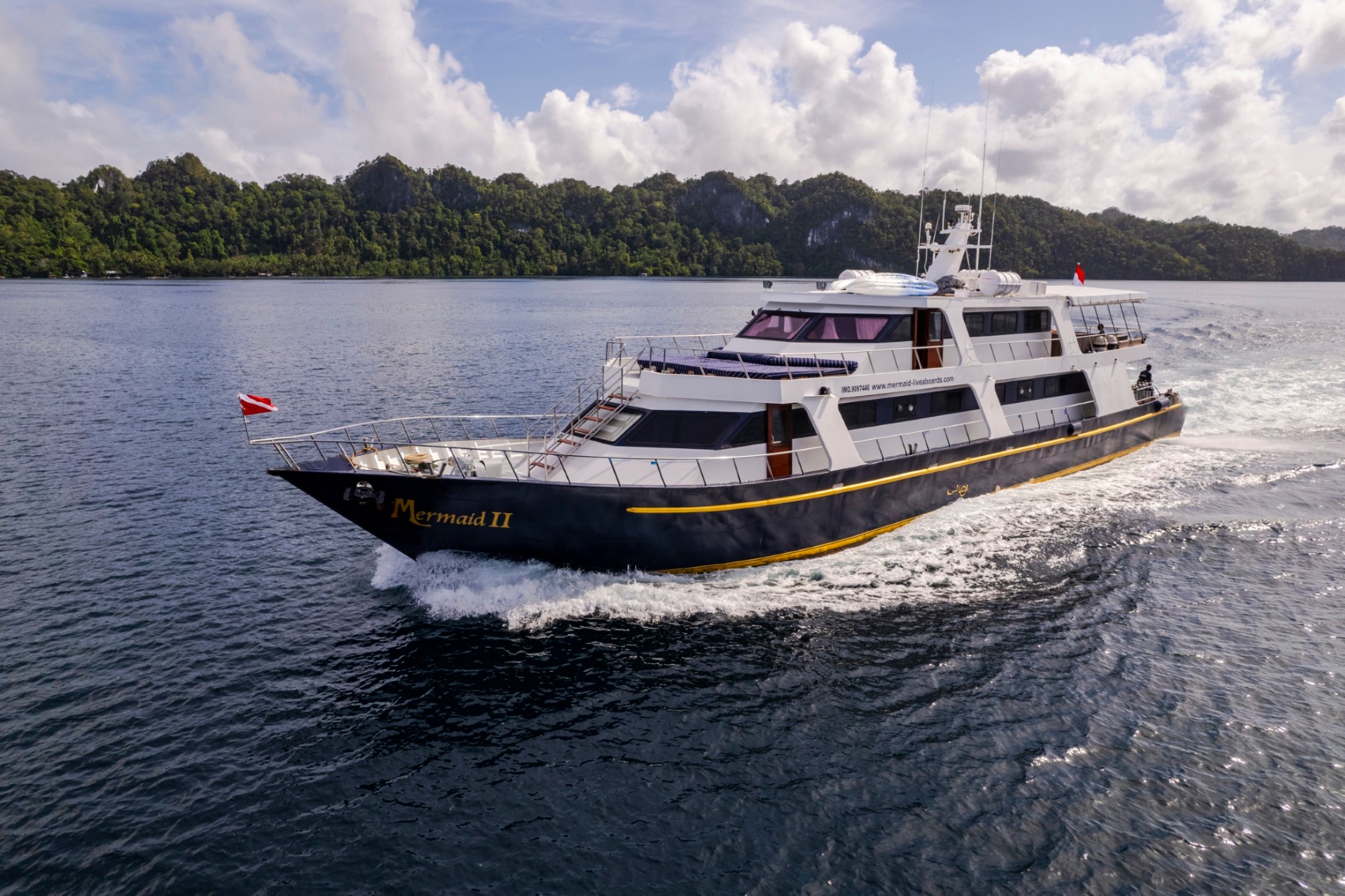
Mermaid II
Komodo, Indonesia
18 guests
$404/day
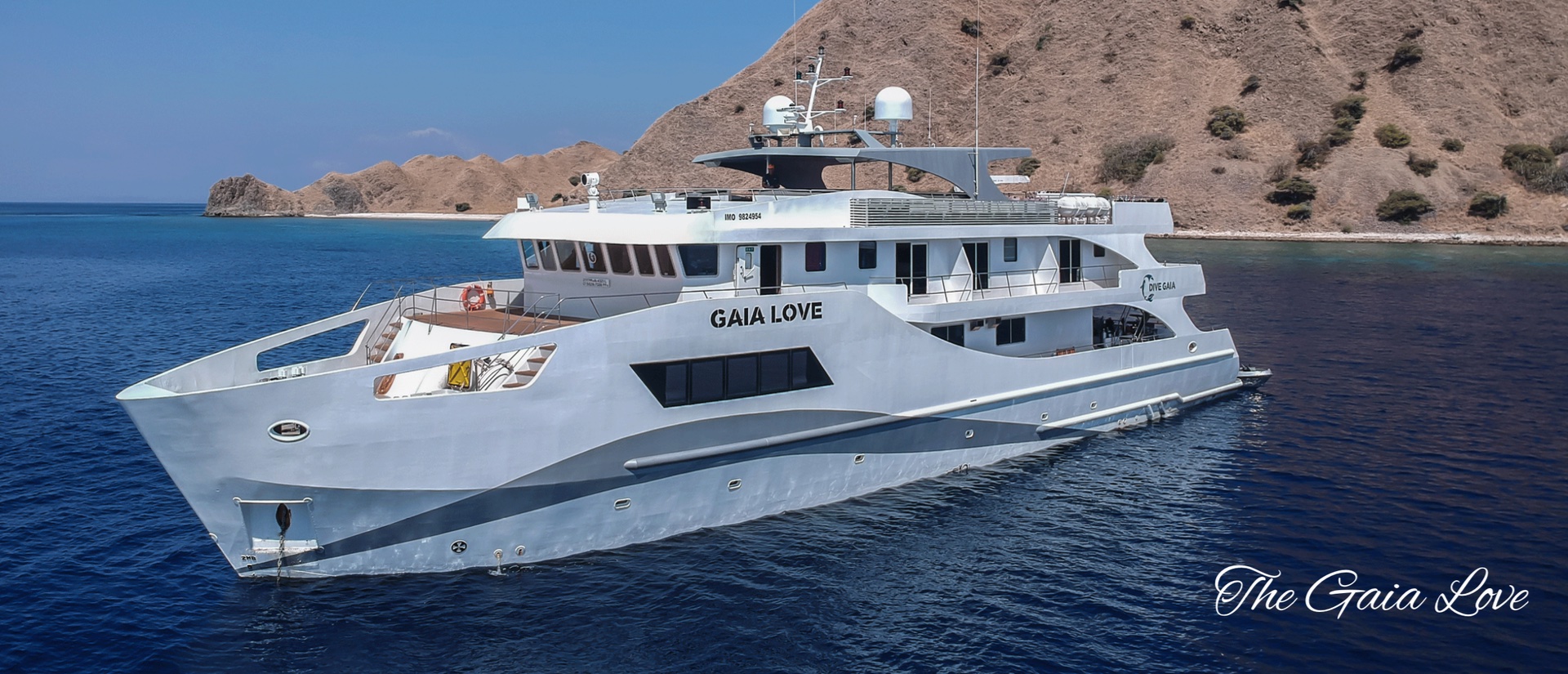
Gaia Love
Alor
20 guests
$554/day
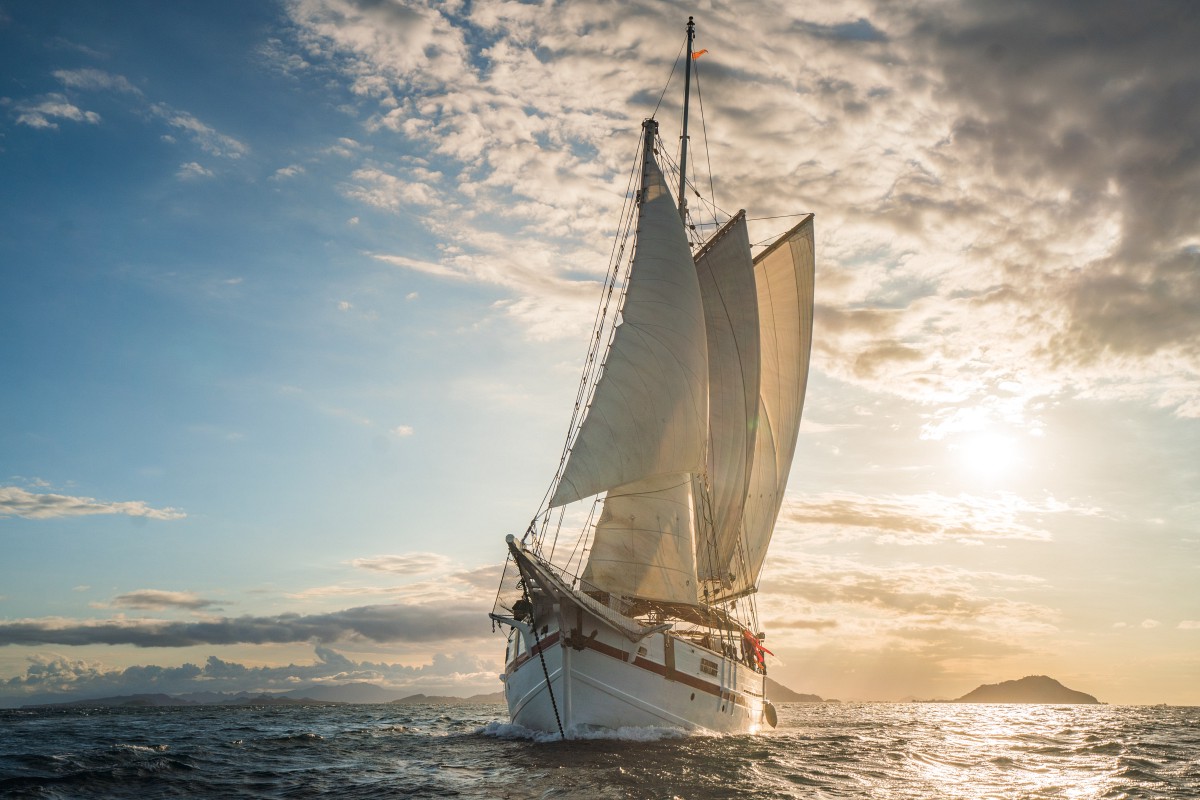
Emperor Raja Laut
Raja Ampat, Indonesia
12 guests31 m
$413/day
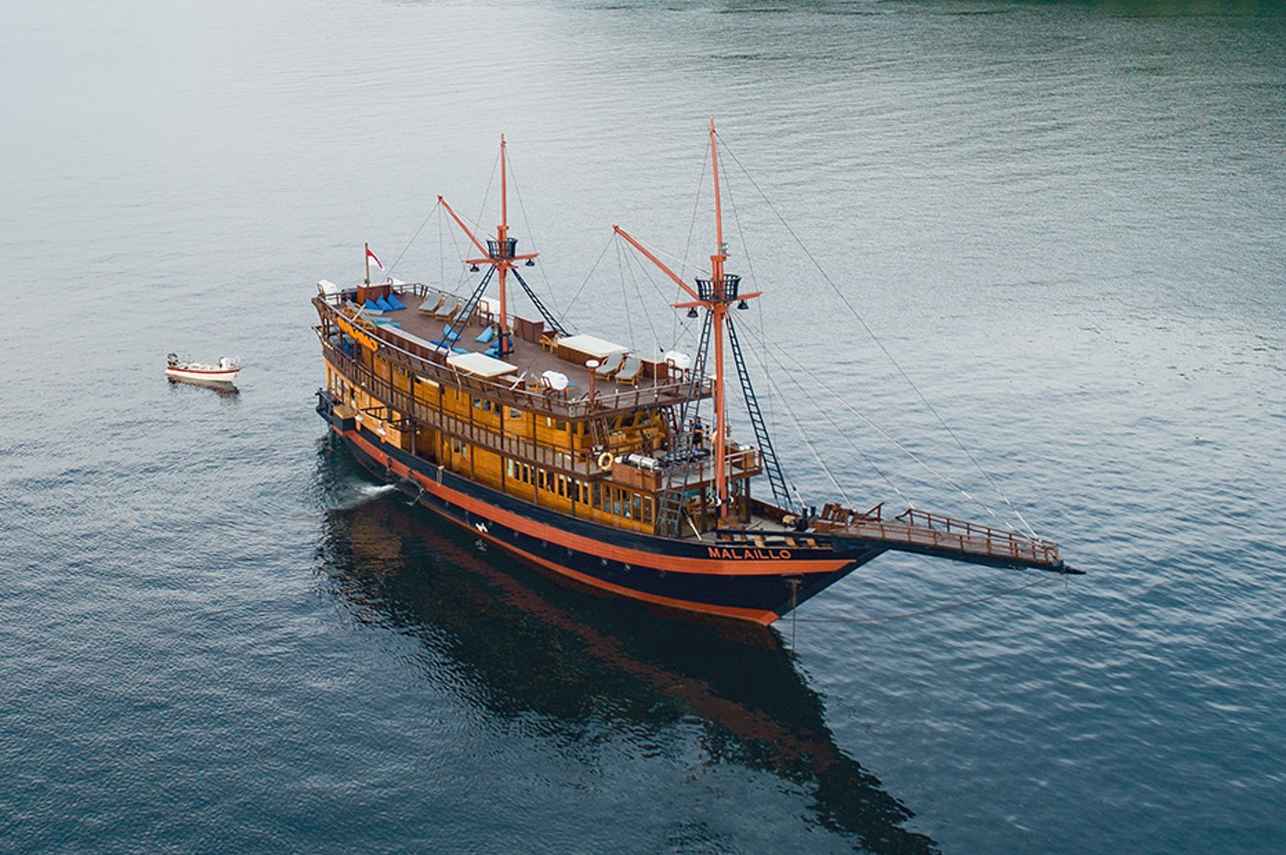
Malaillo
Indonesia
14 guests45.57 m
$348/day
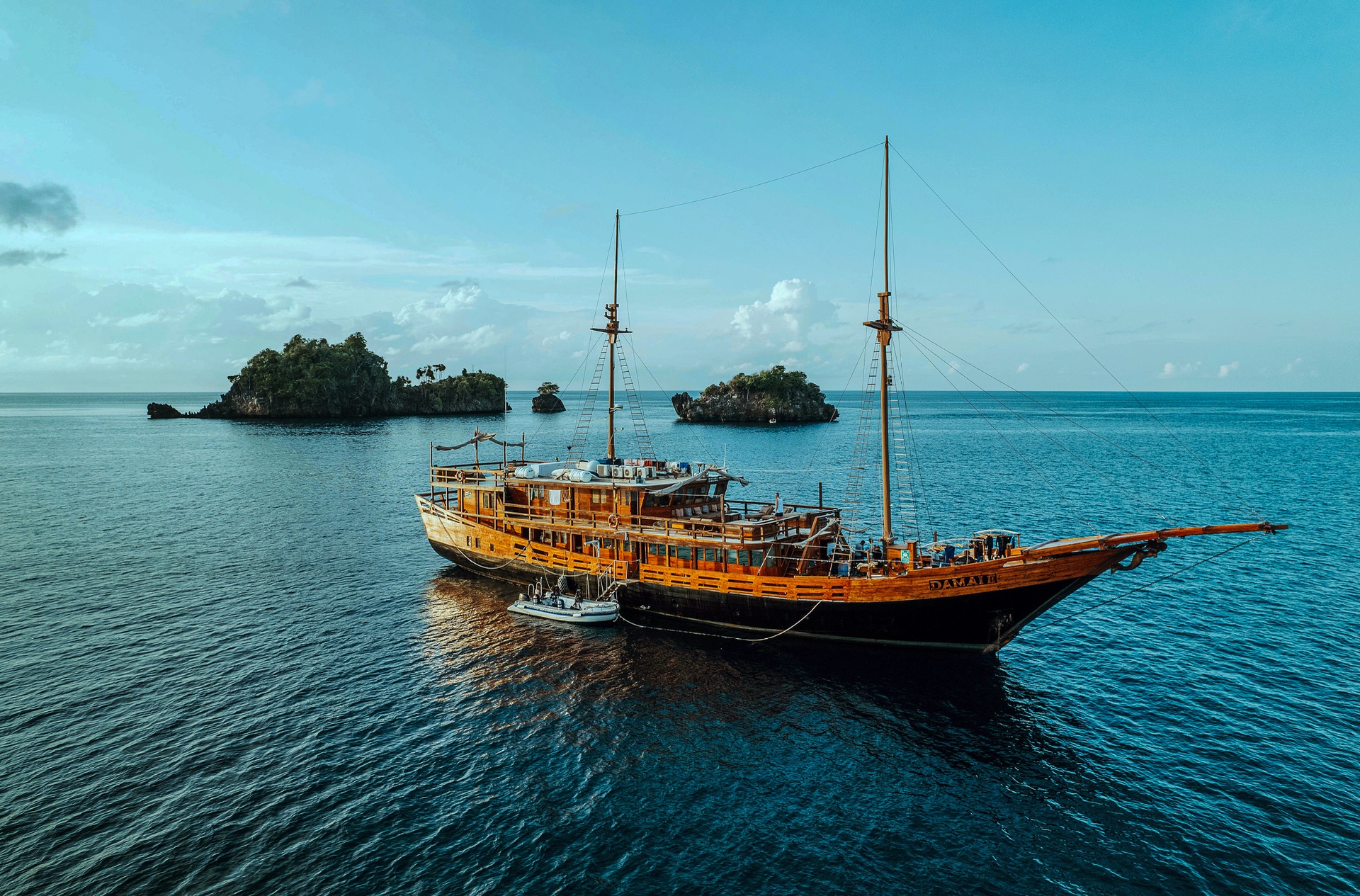
Damai II
Komodo, Indonesia
14 guests
$459/day
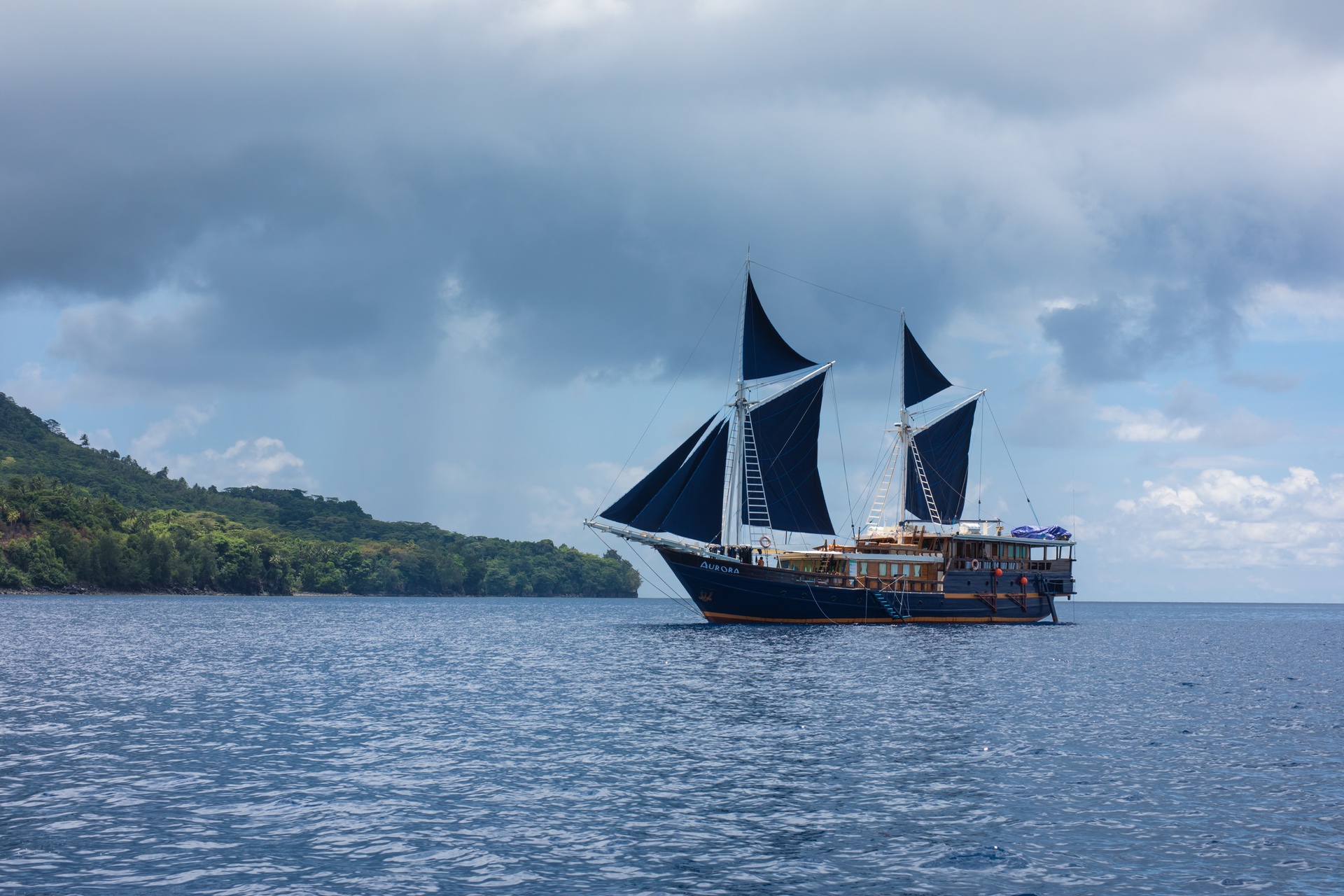
DUNE Aurora
Indonesia
18 guests
$344/day
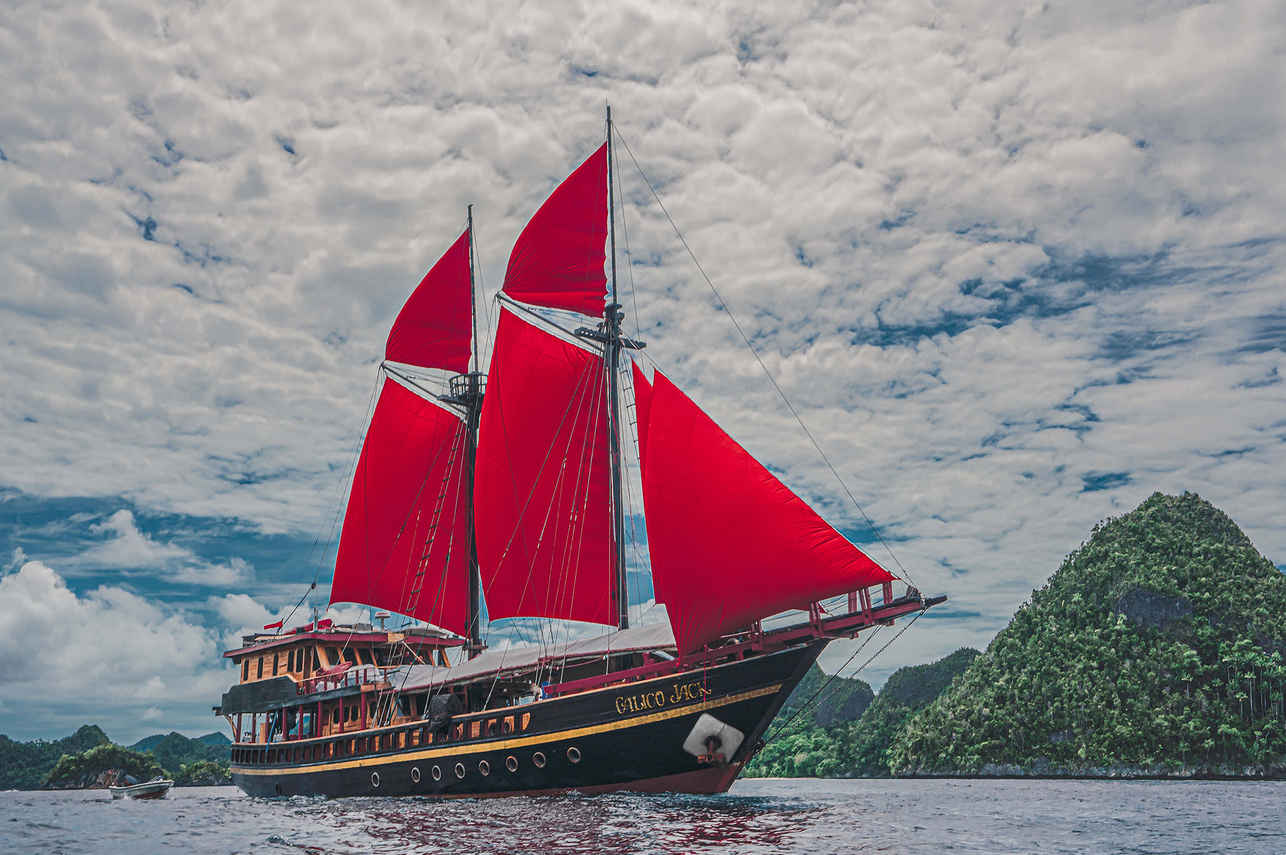
Calico Jack
Indonesia
10 guests30 m
$398/day
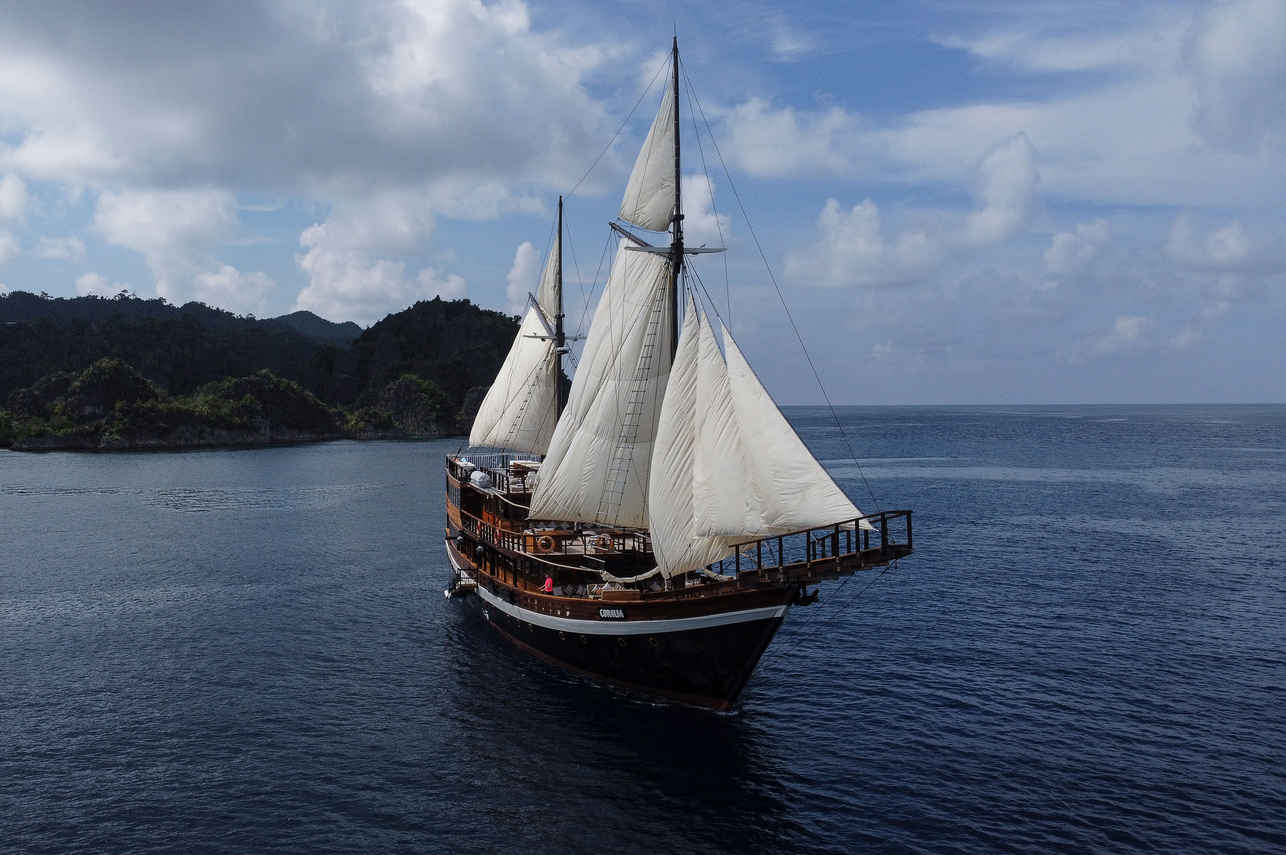
Coralia
Indonesia
16 guests48 m
$577/day
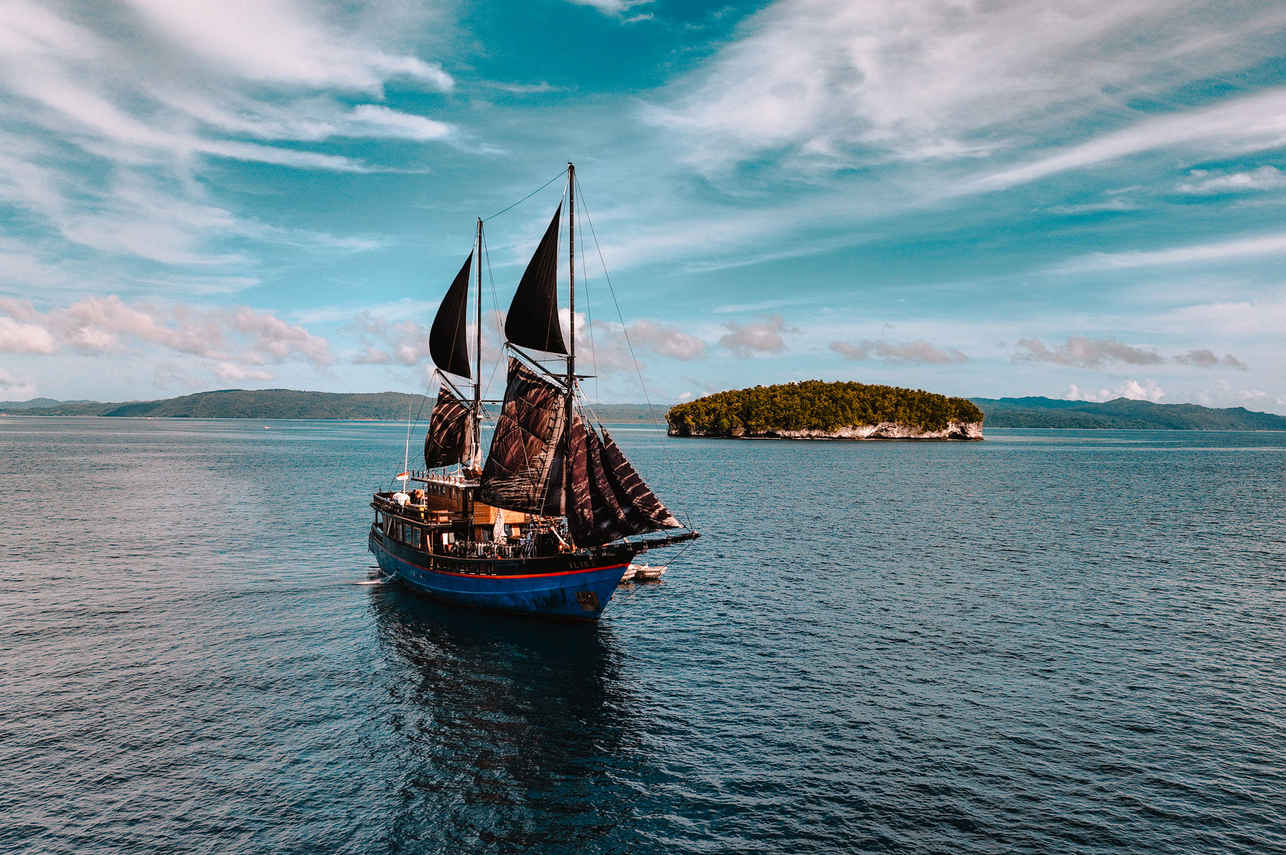
Ilike
Indonesia
16 guests40 m
$298/day
Dive sites similar to Goraici Islands
Same character, same waters — six more sites divers love for the exact same reasons.Compare seasons, access and liveaboard routes — then pick the site that fits your trip best.
© Esri — Maxar, Earthstar, GIS
Patinti Strait
Banda Sea
The Patinti Strait, also known as Selat Patiente, is a renowned dive site located in South Halmahera, nestled between the main island of Halmahera and Bacan Island.
- Suitable for
- Advanced
- Current
- Strong
- Access
- Liveaboard only
- Depth
- 5–30 m
- Theme
- Drift / Reef
© Esri — Maxar, Earthstar, GIS
Banda Api North
Banda Sea
Banda Api North, nestled within Indonesia's remote Banda Sea, offers an extraordinary dive experience shaped by its active volcanic past.
- Suitable for
- Intermediate
- Current
- Strong
- Access
- Liveaboard only
- Depth
- 5–30 m
- Theme
- Reef
© Esri — Maxar, Earthstar, GIS
Nil Desperandum Atoll
Banda Sea
Nil Desperandum Atoll is an isolated seamount in the Banda Sea, part of the remote 'Forgotten Islands' chain.
- Suitable for
- Advanced
- Current
- Strong
- Access
- Liveaboard only
- Depth
- 20–40 m
- Theme
- Reef
© Esri — Maxar, Earthstar, GIS
Pohon Miring
Banda Sea
Pohon Miring, located near Banda Neira, is a dive site within the central Banda Islands group, offering a unique blend of marine biodiversity and accessibility.
- Suitable for
- Beginner
- Current
- Strong
- Access
- Liveaboard only
- Depth
- 3–20 m
- Theme
- Reef / Seamount
© Esri — Maxar, Earthstar, GIS
Serua Island
Banda Sea
Serua Island is located within the remote Banda Sea, a region known as the "Ring of Fire" due to its volcanic islands and immense depths.
- Suitable for
- Advanced
- Current
- Strong
- Access
- Liveaboard only
- Depth
- 8–40 m
- Theme
- Seamount / Wall
© Esri — Maxar, Earthstar, GIS
Dawera Island
Banda Sea
Dawera Island is a captivating dive destination nestled within the Forgotten Islands, a remote chain of islands in the vast Banda Sea, Indonesia.
- Suitable for
- Advanced
- Current
- Moderate
- Access
- Liveaboard only
- Depth
- ≥ 15 m
- Theme
- Reef / Wall