About Serua Island
Serua Island is located within the remote Banda Sea, a region known as the "Ring of Fire" due to its volcanic islands and immense depths. This area offers an experience of pristine underwater wilderness, with marine life thriving because of low fishing levels and nutrient-rich waters. The topography here features dramatic volcanic walls that plunge into the deep, providing ideal conditions for schooling pelagics. The dive site is particularly famous for attracting large concentrations of hammerhead sharks. During specific seasons, cooler thermoclines draw these impressive sharks into recreational diving depths, creating spectacular encounters. Beyond hammerheads, the site boasts crystal-clear waters and abundant coral reefs, which support a wide array of reef fish and other pelagic species. Divers can expect to see various sharks, rays, and diverse macro life in the Banda Sea. Diving at Serua Island and similar deep-water seamounts in the Banda Sea is characterized by strong currents, making it an advanced diving destination. The exceptional visibility, often exceeding 30-40 meters, enhances the experience of observing large schools of marine life against the backdrop of deep drop-offs. Access to these remote sites is exclusively via liveaboard, catering to adventurous divers seeking challenging conditions and unparalleled pelagic action.
Highlights
Hammerhead SchoolsDeep WallsPelagicsRemote Diving
Season calendar
Best months to dive here
Jan
Feb
Mar
Apr
May
Jun
Jul
Aug
Sep
Oct
Nov
Dec
Excellent
Good
Dive site facts: Serua Island
- Depth
- 5–40+ m
- Typical dive
- 15–30 m, 50–60 min
- Current
- Mild to strong, variable
- Visibility
- 20–40 m
- Water temperature
- 25–28°C
- Entry
- Liveaboard / tender
- Level
- Advanced recommended, current experience beneficial
- Dive type
- Wall, pelagic, coral gardens
- Region / port
- Banda Sea, Maluku
- Coordinates
- -6.3, 130.0167
Conditions & Currents
Currents around Serua Island can be quite dynamic, ranging from mild to strong, and are often influenced by the lunar cycle. These currents are typically stronger in passages and around seamounts, bringing nutrient-rich waters that attract a wide array of marine species, including pelagics. Divers should be proficient in current diving techniques, as drift dives are common and exhilarating. While some areas may offer sheltered conditions suitable for less experienced divers, an understanding of how to manage varying current strengths is beneficial for a full appreciation of the site. Visibility typically remains excellent, ranging from 20 to 40 meters, even with stronger currents.
Marine life & sighting chances

Scalloped hammerhead shark
October-November · common
Barracuda
common
Trevallies
common
Surgeonfish
common
Fusiliers
common
Manta ray
occasional
Mobula ray
occasional
Whale
occasional
Dolphin
occasional
Silky shark
occasional
Grey reef shark
occasionalDive profile & how the dive runs
Diving at Serua Island often begins at the northern tip, where current-swept 'Magic Corners' attract schooling pelagics. Entry is typically by tender, often a negative entry due to currents. The dive progresses along deep walls adorned with massive sponges and vibrant coral formations, maintaining depths between 15-30 meters to maximize bottom time while observing the rich reef life. Keep an eye into the blue for passing hammerheads and other large pelagics. The turn point is determined by air consumption and current direction, typically ascending slowly along the wall before a multi-level safety stop, often in shallower, protected coral gardens. Exits are usually back to the tender, sometimes requiring a surface swim depending on conditions.
Underwater photography
Serua Island offers incredible opportunities for wide-angle photography, especially when schools of hammerhead sharks are present. A fisheye or wide-angle lens is essential to capture the expansive coral formations and large pelagic schools. For hammerhead encounters, consider waiting at depth, often around cleaning stations or pinnacles, and be prepared for fast-moving action. Buoyancy control is paramount, particularly in strong currents, to avoid damaging the pristine corals and maintain position for shots. While wide-angle is dominant, the vibrant reef fish and macro life on the walls can also be subjects for macro lenses, though pelagic opportunities are the main draw here. Natural light can be sufficient in the clear waters, but strobes will enhance color and detail on the corals.
Combine with nearby dive sites
- Nil Desperandum
An expansive atoll known for schooling sharks, including hammerhead, silky, and grey reef sharks.
- Hatta Island Wall
Features sloping reefs, huge schools of fusiliers, and large sponges, with sightings of eagle rays and barracuda.
- Manuk Island
Famous for its sea snake colonies and diverse pelagic life.
- Gunung Api Lava Flow
Known for unique sea snake colonies and volcanic underwater landscapes.
Getting there & logistics
Access to Serua Island and the Banda Sea is exclusively via liveaboard, typically departing from Ambon, the capital city of Maluku province. Ambon is accessible by daily local flights from major Indonesian hubs such as Jakarta, Bali, Makassar, and Manado. Liveaboard trips to the Banda Sea usually range from 7 to 16 nights, with 11 to 12 nights being common, often combining sites across the Forgotten Islands. Guests are usually picked up from Ambon airport or their hotel and transferred to the liveaboard. Given the remote nature of the region, these itineraries are designed to cover significant distances between dive sites, often involving overnight crossings. Park fees are usually included in the liveaboard package.
Safety & environment
Diving in the Banda Sea, including Serua Island, is generally conducted from liveaboards, which are equipped with emergency oxygen and first aid. Due to the remote location, the nearest recompression chamber is in Ambon or potentially further afield in Bali, making evacuation a significant logistical challenge. Comprehensive dive insurance, including coverage for emergency evacuation and medical treatment, is highly recommended and often mandatory for liveaboard trips. Divers should be experienced in current management and possess good buoyancy control to navigate the dynamic conditions. Following the dive guide's instructions is crucial, especially in areas known for strong currents or specific pelagic encounters. Always maintain awareness of your surroundings and respect marine life.
Who it suits — and who it doesn't
Suited for
- Experienced divers comfortable with currents
- Advanced Open Water certified divers
- Underwater photographers focusing on wide-angle and pelagics
- Divers seeking remote, unspoiled marine environments
- Liveaboard enthusiasts
Less suited for
- Beginner divers without current experience
- Divers prone to seasickness
- Those preferring shore-based diving
- Divers with limited bottom time allowances
- Individuals not comfortable with remote, open-ocean travel
FAQ
Serua Island FAQ
What is the best time of year to see hammerhead sharks at Serua Island?
The prime season for encountering schooling hammerhead sharks at Serua Island is typically during October and November. These months are part of the broader September to December period, which offers optimal diving conditions with excellent visibility and calm seas, enhancing the chances of these spectacular sightings. Sightings, while frequent, are never guaranteed on every dive.
What kind of marine life can I expect to see at Serua Island?
Serua Island boasts rich marine biodiversity. Beyond the famed schooling hammerhead sharks, you can expect to see large schools of barracuda, trevallies, surgeonfish, and fusiliers. Occasional sightings of manta rays, mobula rays, and various whale and dolphin species also occur. The reefs themselves are vibrant, featuring massive sponges and diverse coral formations.
What are the typical diving conditions at Serua Island?
Diving conditions at Serua Island offer clear, unmatched visibility, often ranging from 20 to 40 meters. Water temperatures remain stable, typically between 25°C and 28°C. Currents can be variable, from mild to strong, especially in channels and around pinnacles, providing exhilarating drift dives. Divers should be prepared for dynamic conditions and have experience with currents.
How do I get to Serua Island?
Serua Island is located in a remote part of the Banda Sea and is exclusively accessible via liveaboard. Most liveaboard trips depart from Ambon, which is reachable by domestic flights from major Indonesian cities like Jakarta, Bali, and Makassar. Liveaboard itineraries typically range from one to two weeks, combining Serua with other iconic dive sites in the Banda Sea and Forgotten Islands.
Is Serua Island suitable for beginner divers?
While some sheltered areas might exist, Serua Island is generally recommended for experienced divers due to its often dynamic currents and deep diving profiles. Advanced Open Water certification and prior experience with current diving are highly beneficial. Beginners without significant drift diving experience may find the conditions challenging.
Why dive Serua Island from a liveaboard?
Serua Island is one of Banda Sea's signature dive sites. A liveaboard sleeps you on the water and puts you in the water for three to four guided dives per day, including dawn and night dives that day-boat operators rarely offer. You skip the daily commute back to port and reach quieter, less-crowded sites in the same region on a single trip.
Below are the liveaboards that include Serua Island on their Banda Sea itineraries.
Liveaboards diving Serua Island
These liveaboards may visit Serua Island on selected itineraries — the exact dive sites depend on departure, weather and conditions.
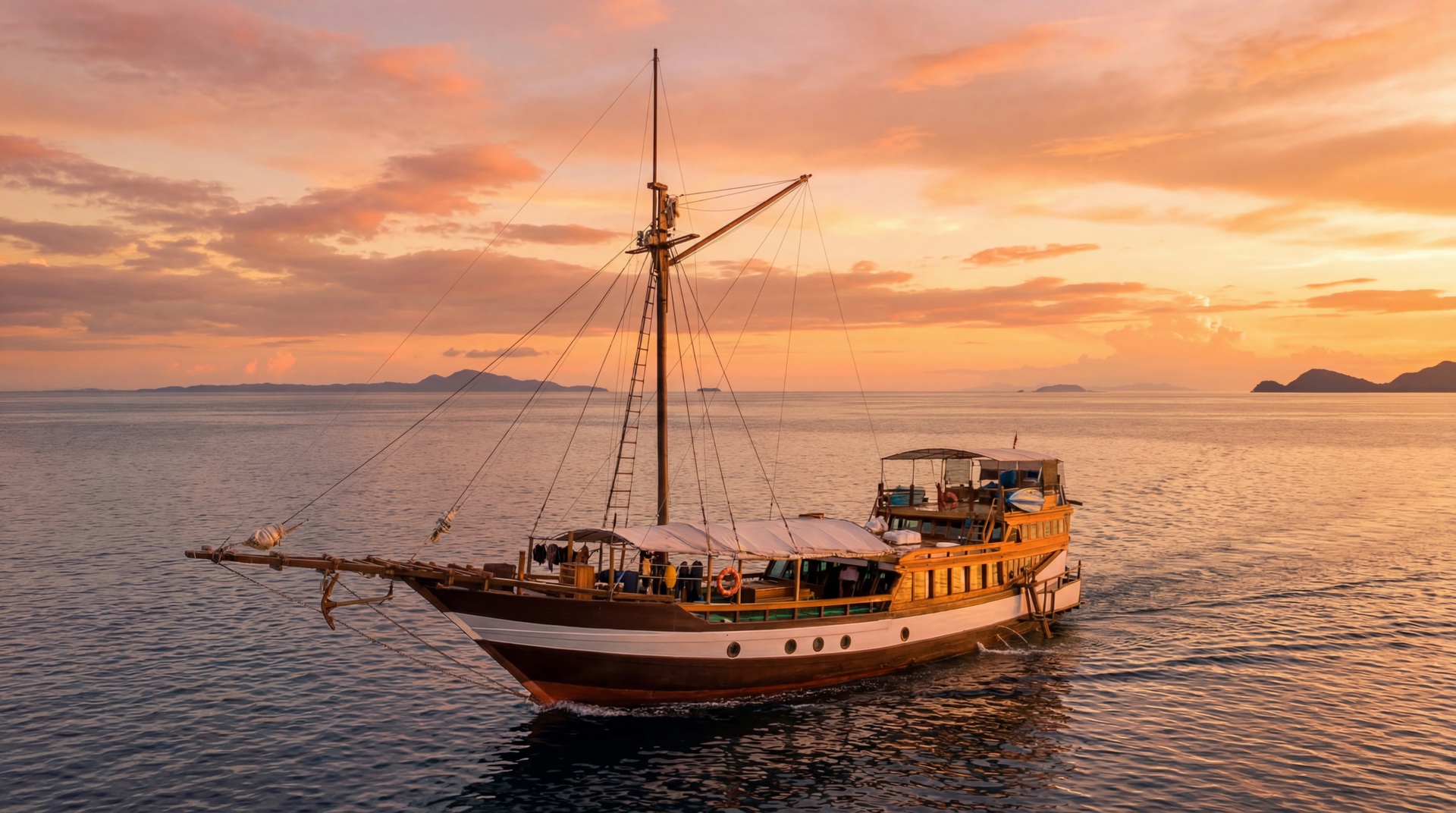
Wellenreng
Indonesia
9 guests25 m
$425/day
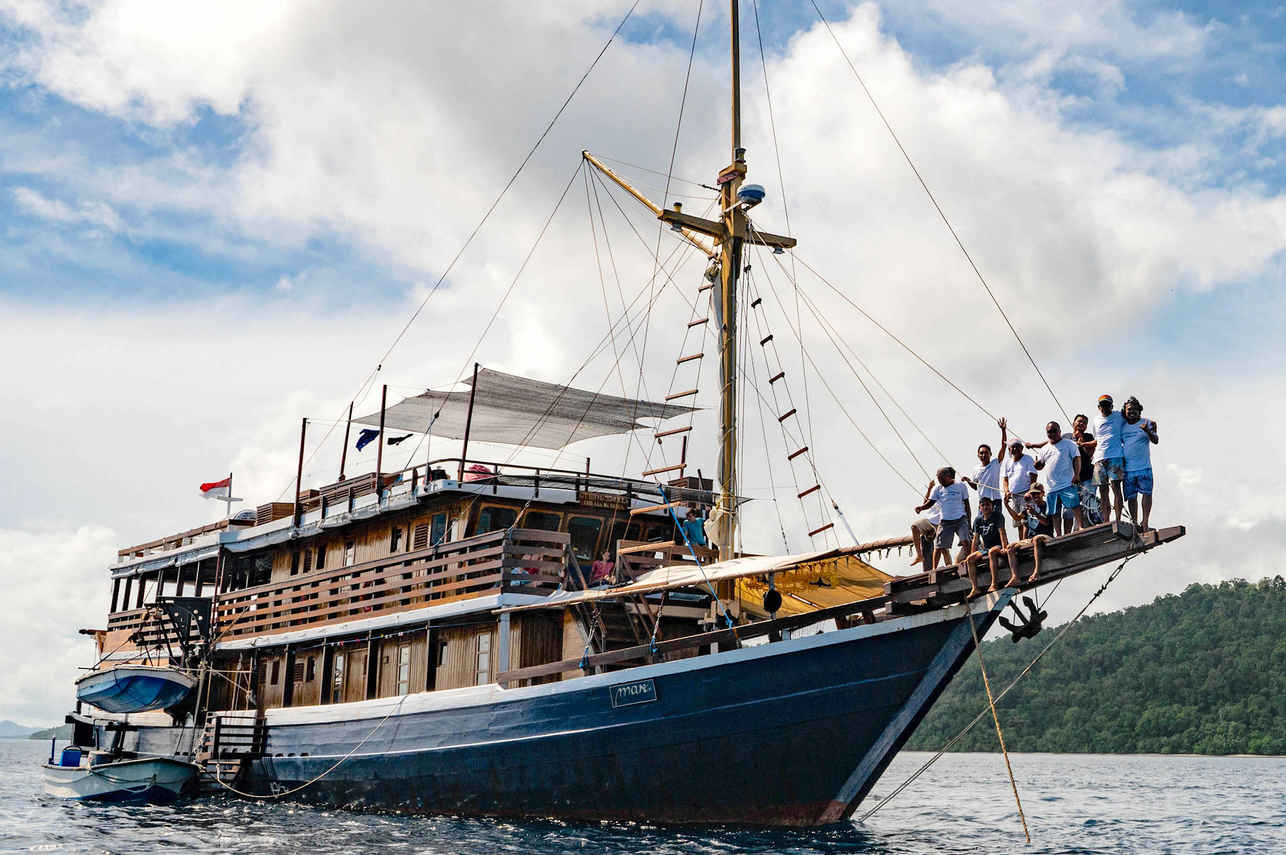
Mari
Indonesia
14 guests32.2 m
$321/day
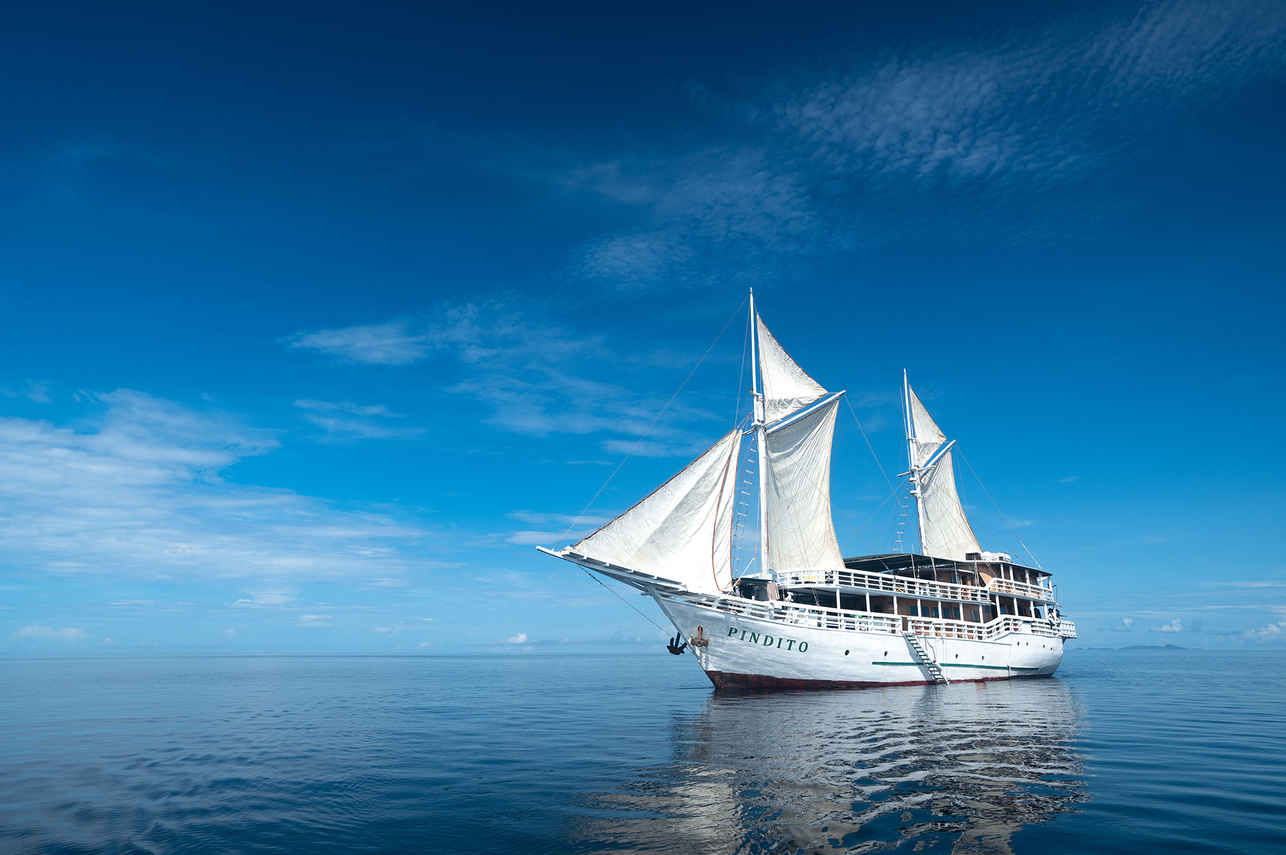
Pindito
Indonesia
16 guests37.79 m
$533/day
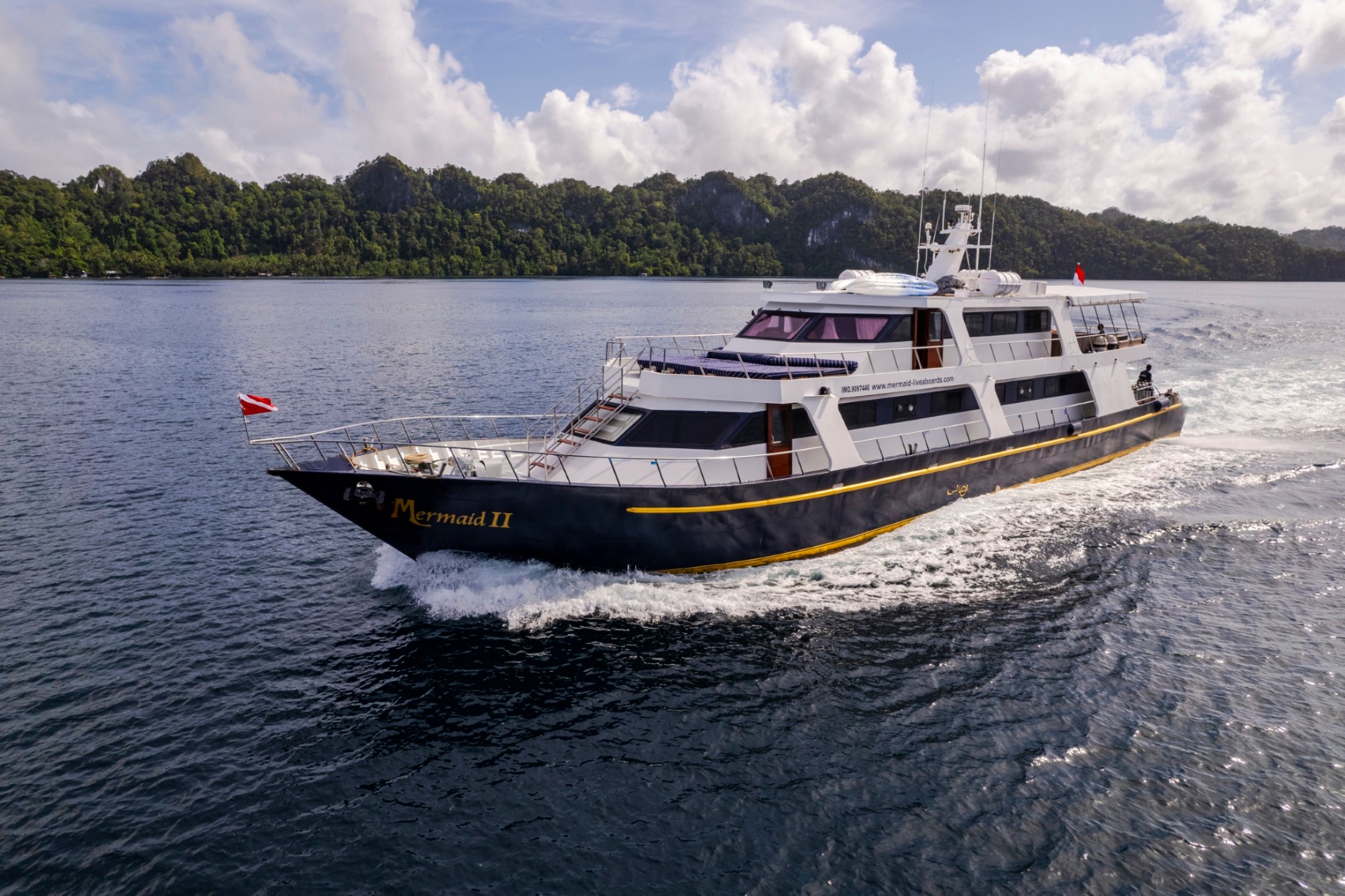
Mermaid II
Komodo, Indonesia
18 guests
$389/day
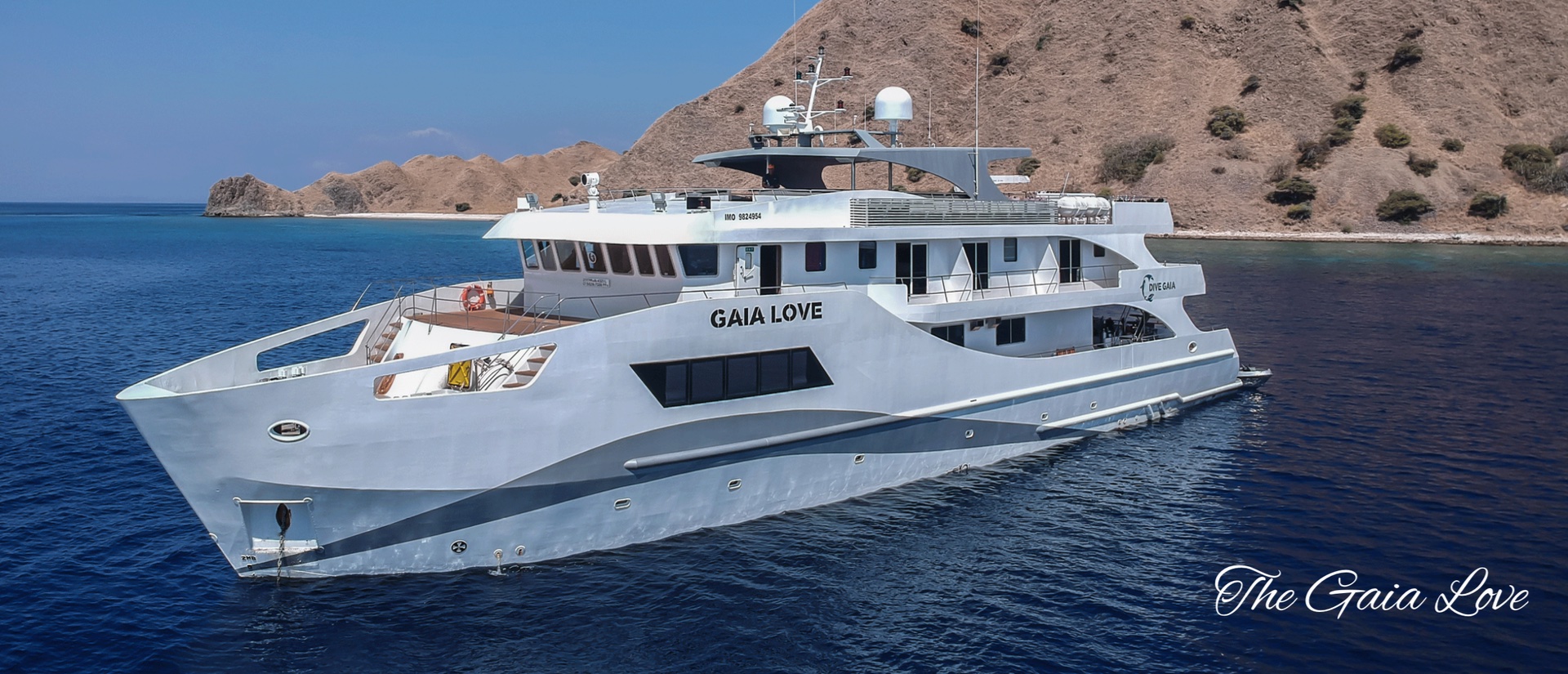
Gaia Love
Alor
20 guests
$554/day
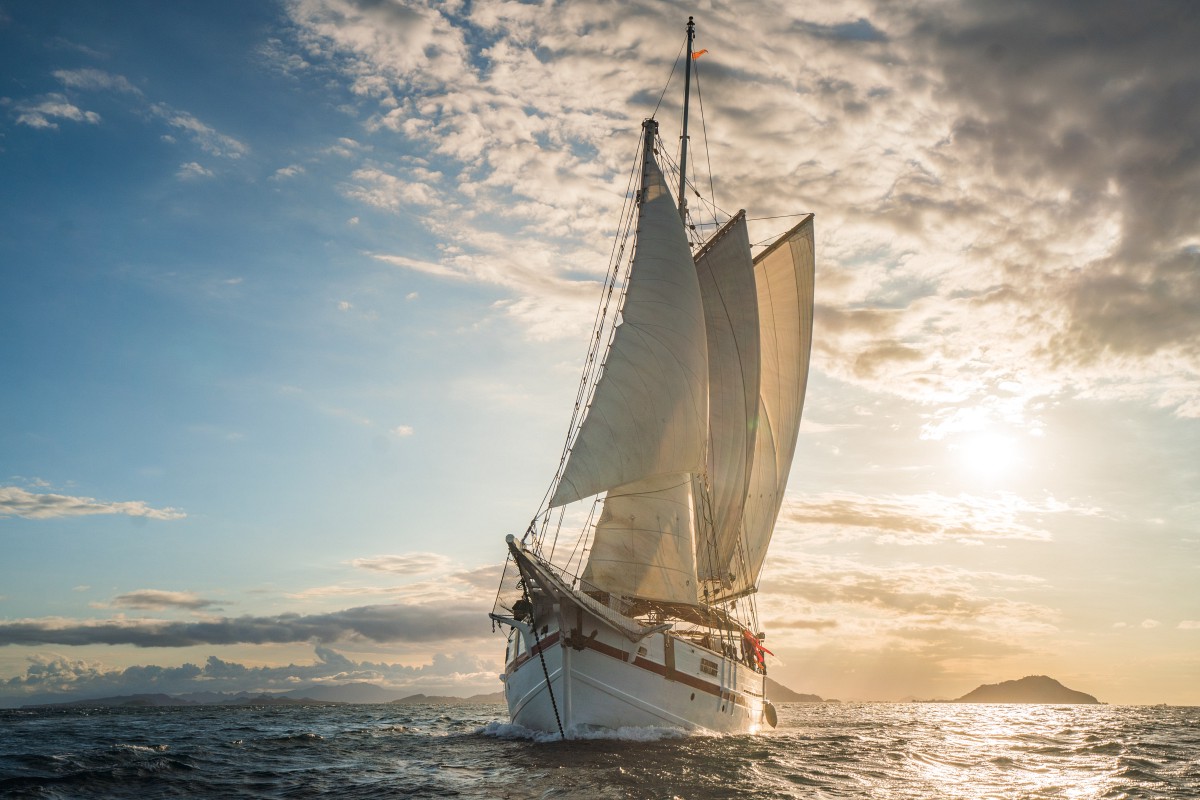
Emperor Raja Laut
Raja Ampat, Indonesia
12 guests31 m
$413/day
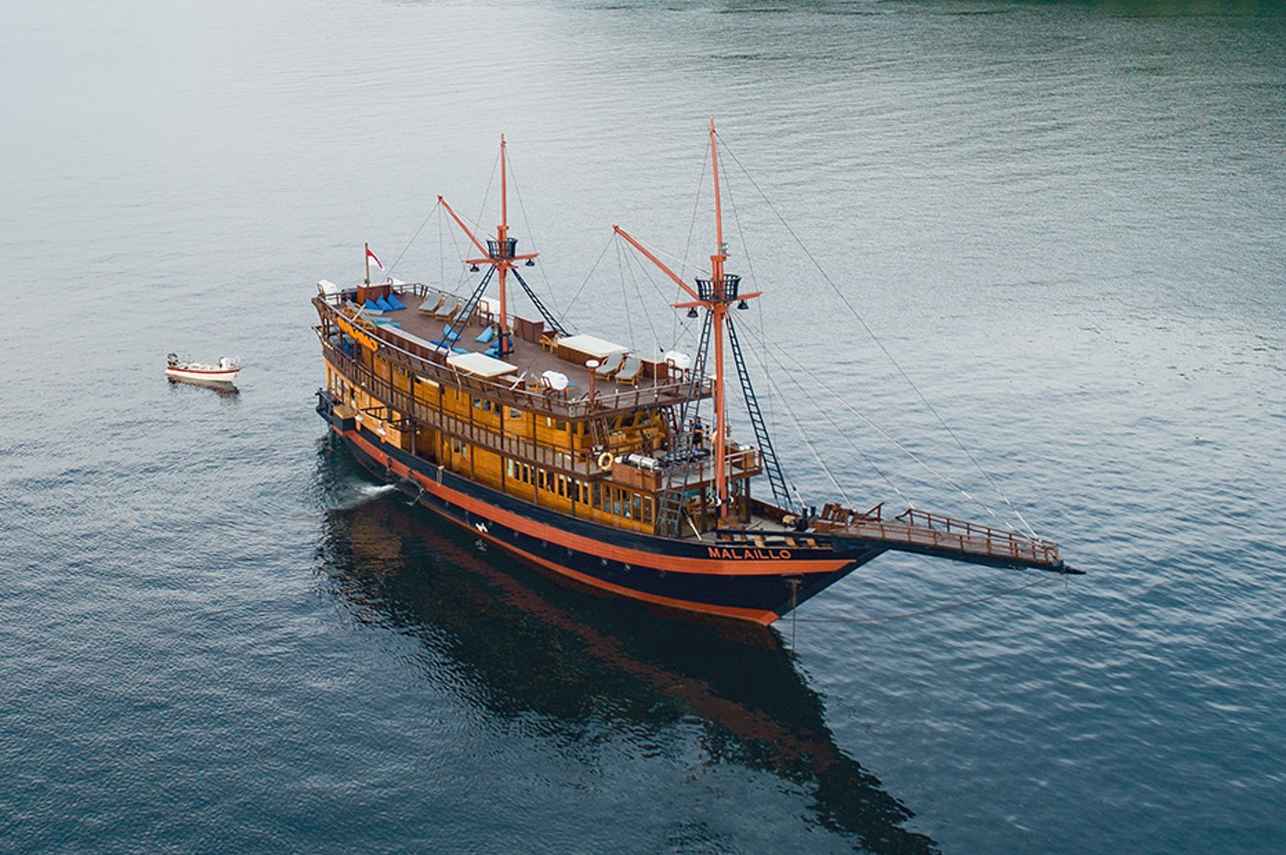
Malaillo
Indonesia
14 guests45.57 m
$409/day
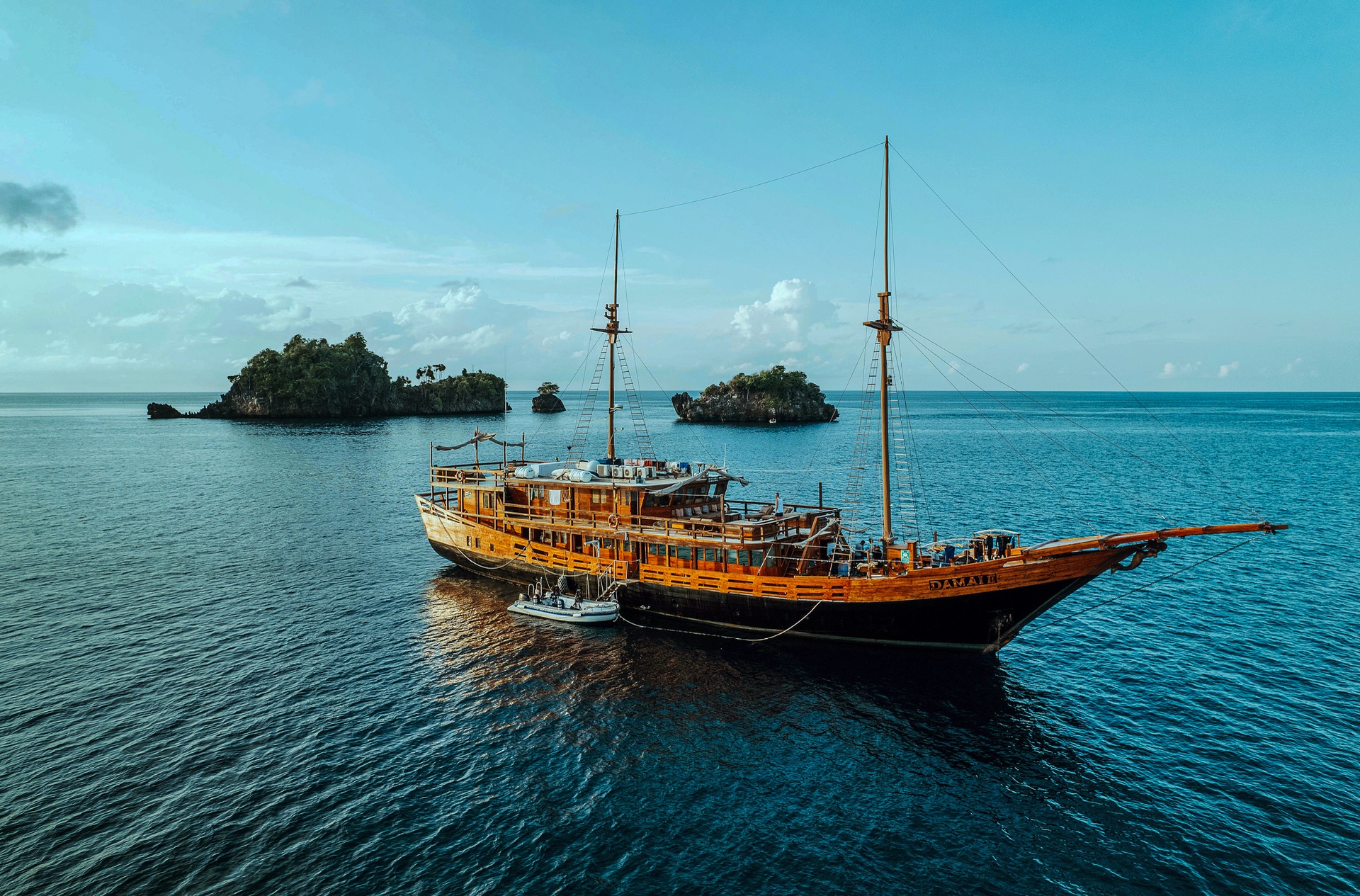
Damai II
Komodo, Indonesia
14 guests
$441/day
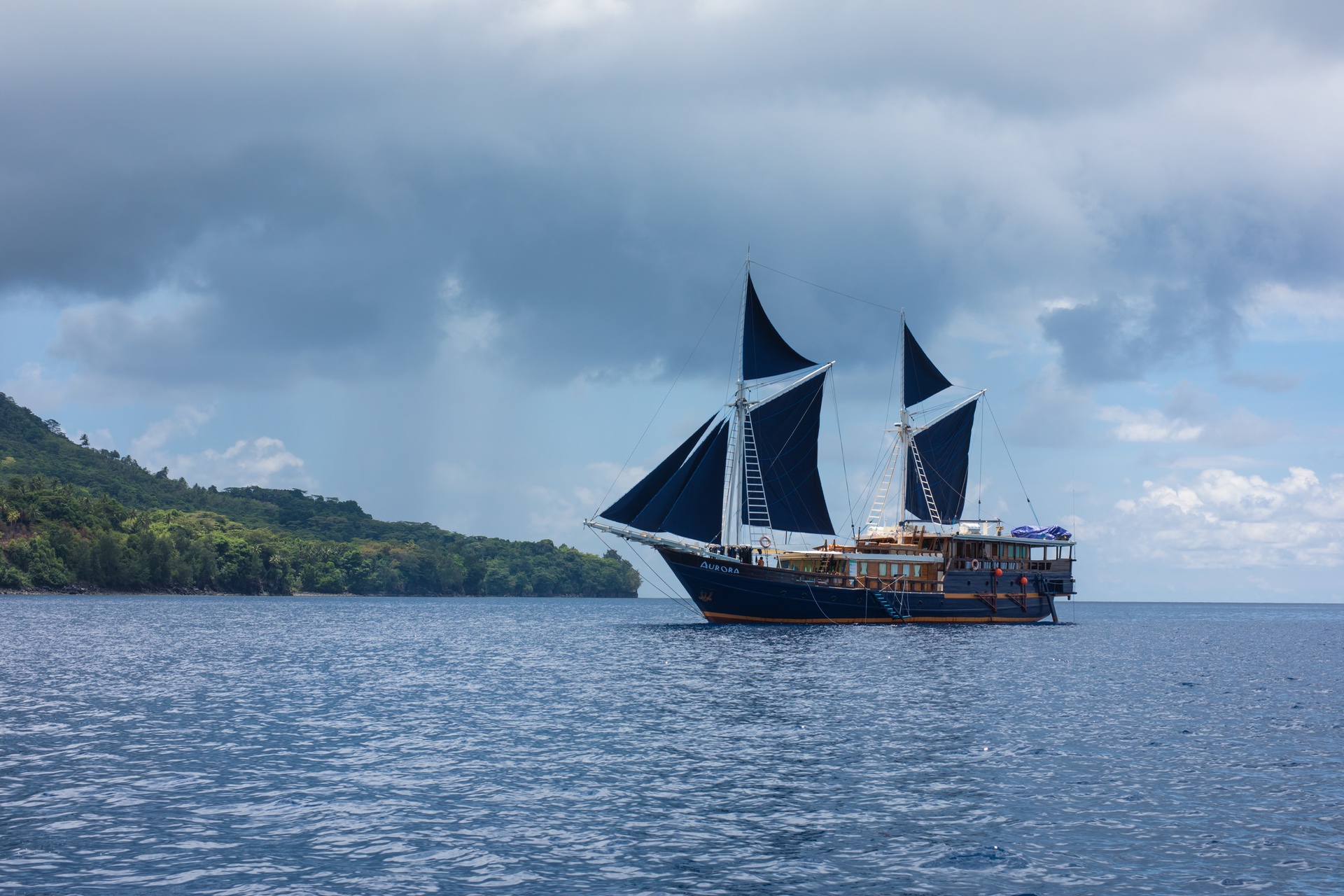
DUNE Aurora
Indonesia
18 guests
$344/day
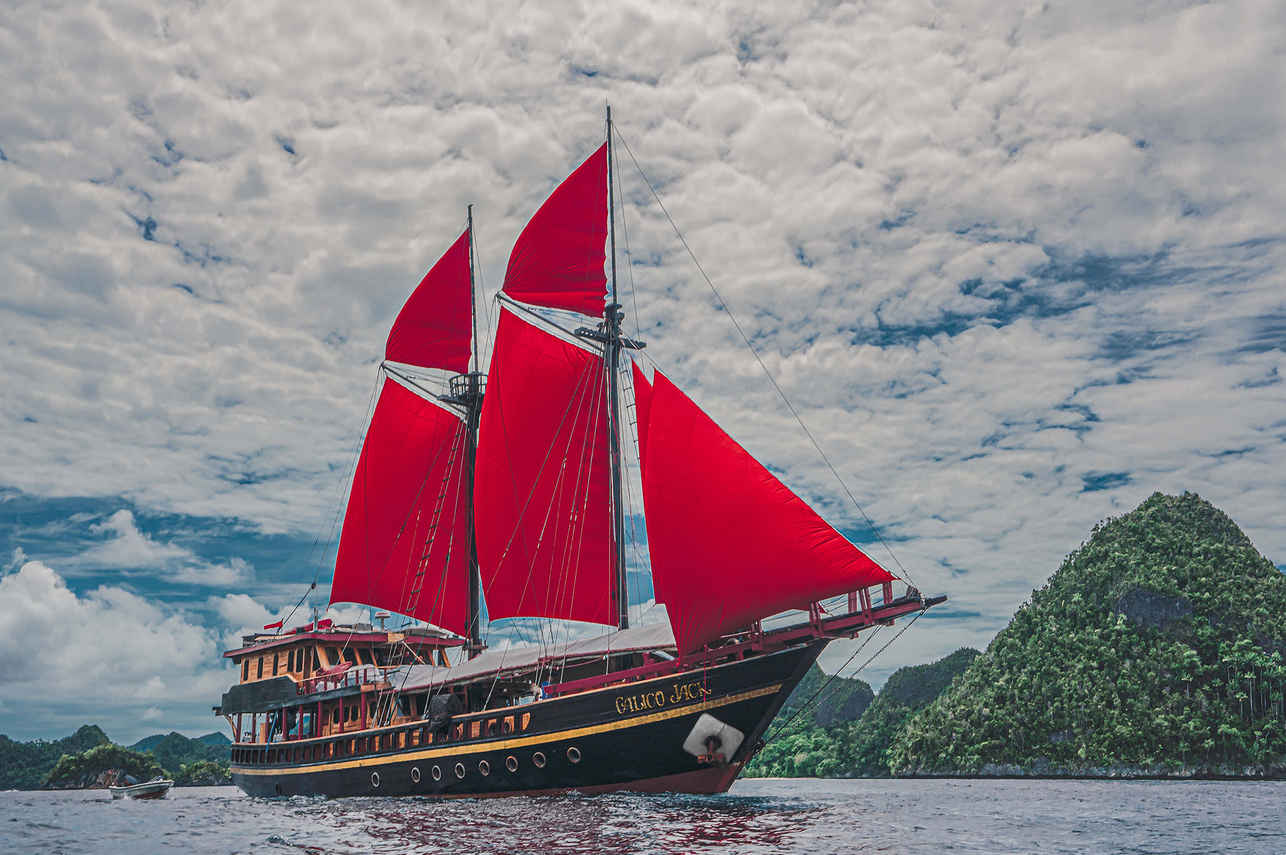
Calico Jack
Indonesia
10 guests30 m
$398/day
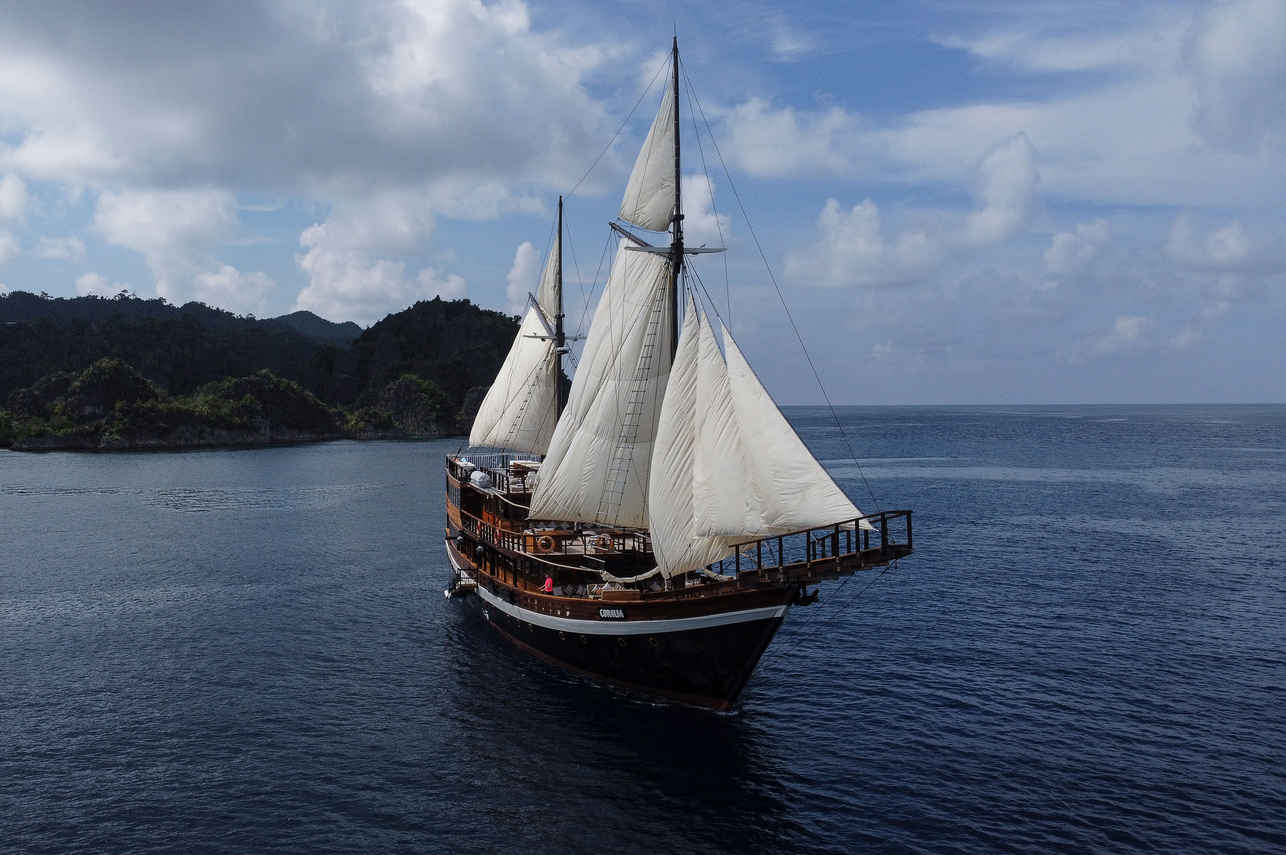
Coralia
Indonesia
16 guests48 m
$577/day
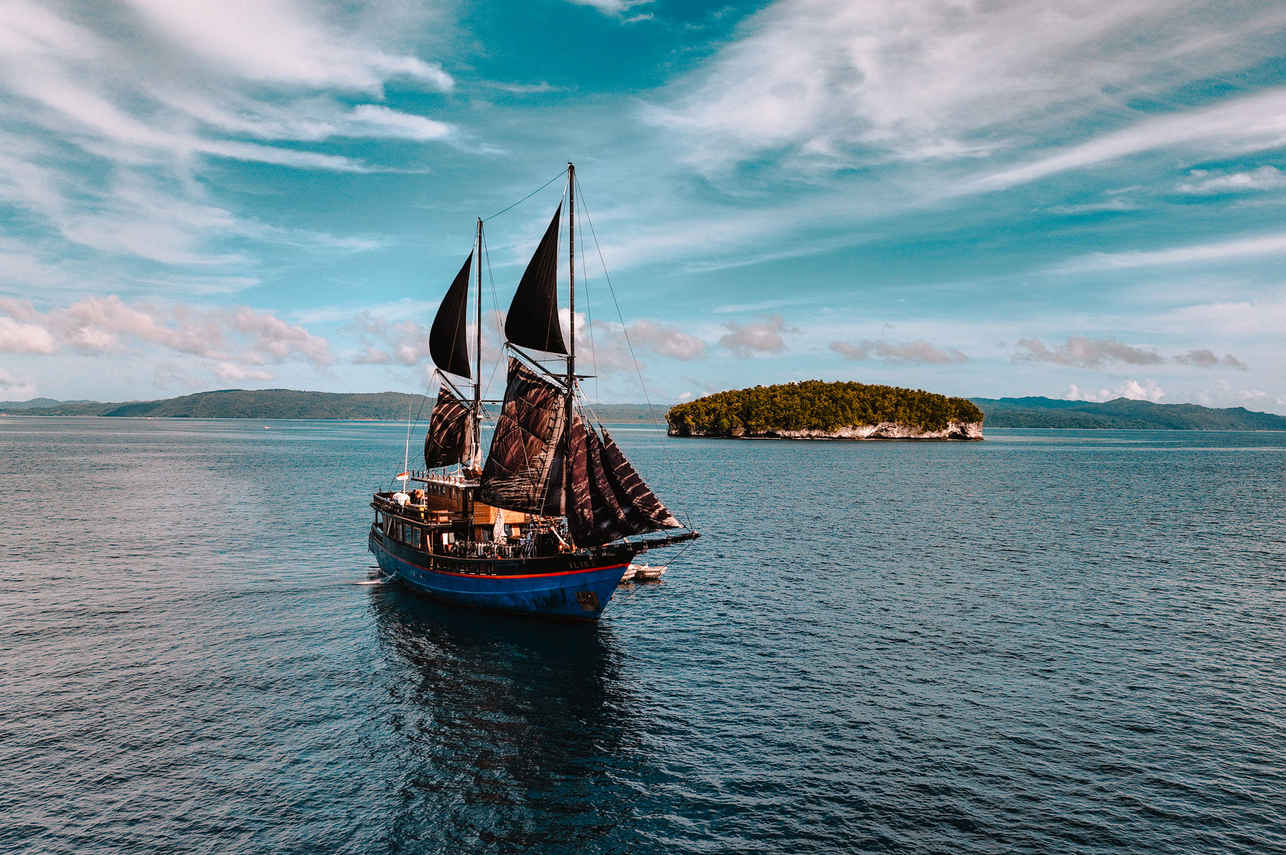
Ilike
Indonesia
16 guests40 m
$350/day
Dive sites similar to Serua Island
Same character, same waters — six more sites divers love for the exact same reasons.Compare seasons, access and liveaboard routes — then pick the site that fits your trip best.
© Esri — Maxar, Earthstar, GIS
Pohon Miring
Banda Sea
Pohon Miring, located near Banda Neira, is a dive site within the central Banda Islands group, offering a unique blend of marine biodiversity and accessibility.
- Suitable for
- Beginner
- Current
- Strong
- Access
- Liveaboard only
- Depth
- 3–20 m
- Theme
- Reef / Seamount
© Esri — Maxar, Earthstar, GIS
Dawera Island
Banda Sea
Dawera Island is a captivating dive destination nestled within the Forgotten Islands, a remote chain of islands in the vast Banda Sea, Indonesia.
- Suitable for
- Advanced
- Current
- Moderate
- Access
- Liveaboard only
- Depth
- ≥ 15 m
- Theme
- Reef / Wall
© Esri — Maxar, Earthstar, GIS
Patinti Strait
Banda Sea
The Patinti Strait, also known as Selat Patiente, is a renowned dive site located in South Halmahera, nestled between the main island of Halmahera and Bacan Island.
- Suitable for
- Advanced
- Current
- Strong
- Access
- Liveaboard only
- Depth
- 5–30 m
- Theme
- Drift / Reef
Sermata is part of the Forgotten Islands, a long chain of remote islands and atolls in the Southern Maluku, Indonesia, situated between the nutrient-rich Banda Sea and the Arafura Sea.
- Suitable for
- Advanced
- Current
- Moderate
- Access
- Liveaboard only
- Depth
- 15–40 m
- Theme
- Reef / Wall
© Esri — Maxar, Earthstar, GIS
Pulau Ai Wall
Banda Sea
Pulau Ai Wall is a distinguished dive site within the Banda Islands, recognized for its vivid drop-off that plunges from the surface into deeper waters.
- Suitable for
- Intermediate
- Current
- Moderate
- Access
- Liveaboard only
- Depth
- 3–30 m
- Theme
- Wall / Drift
© Esri — Maxar, Earthstar, GIS
Goraici Islands
Banda Sea
The Goraici Islands, nestled in Halmahera within the Maluku archipelago, represent a premier diving destination celebrated for its rich marine biodiversity and dramatic underwater landscapes.
- Suitable for
- Advanced
- Current
- Moderate
- Access
- Liveaboard only
- Depth
- —
- Theme
- Reef / Wall