About Manuk Island
Manuk Island, known as "Snake Island", is an isolated, uninhabited volcanic island situated in the Banda Sea, approximately 100 miles from the Banda Islands in Indonesia. Its remote location, primarily accessible by liveaboard, contributes to its pristine and untouched marine ecosystem, making it a unique diving destination. The island's underwater landscape is characterized by active geothermal vents emerging from the depths amidst coral reefs, a result of the region's volcanic activity within the Ring of Fire. Diving at Manuk Island reveals diverse topography, including black-sand bottoms, coral ridges, and dramatic drop-offs. Depths can vary, with hammerhead sharks occasionally sighted in deeper channels and along outer reef slopes. The geothermal activity is believed to attract the island's abundant sea snake population, which is a major draw for divers. Manuk Island is famous for its large congregation of sea snakes, predominantly banded sea kraits, which are curious and often approach divers. These venomous snakes are generally harmless to humans, allowing for unique close-up encounters. Beyond the snakes, the site hosts schooling trevally and barracuda, occasionally exhibiting cooperative hunting behaviors with the sea snakes. Divers might also spot blacktip and whitetip reef sharks in shallower waters, with occasional sightings of hammerhead sharks. Due to its remote location and potential currents, Manuk Island is best experienced by liveaboard. Divers should be proficient in buoyancy control given the presence of numerous sea snakes. Typical dives focus on exploring the volcanic features and marine life interactions around the island, with sites like Manuk Ridge and Palm Point offering opportunities for larger pelagic sightings.
Highlights
Abundant banded sea kraitsActive underwater geothermal ventsCooperative hunting by trevally and snakesPristine coral ridges and drop-offsOccasional hammerhead shark sightings
Season calendar
Best months to dive here
Jan
Feb
Mar
Apr
May
Jun
Jul
Aug
Sep
Oct
Nov
Dec
Excellent
Good
Dive site facts: Manuk Island
- Depth
- 5–40 m
- Typical dive
- 15–30 m, 50–60 min
- Current
- Mild to strong, site-dependent
- Visibility
- 15–40 m (average 30 m)
- Water temperature
- 27–30°C
- Entry
- Liveaboard tender / negative entry
- Level
- Advanced recommended, drift diving experience beneficial
- Dive type
- Wall, pinnacle, pelagic, volcanic reef
- Region / port
- Banda Sea, Maluku, Indonesia
- Coordinates
- -5.7234, 129.2178
Conditions & Currents
The waters around Manuk Island are generally calm, but occasional mild to strong currents can be present, especially in deeper channels and along outer reef slopes. Divers should be prepared for varying current conditions and possess good buoyancy control to navigate these areas safely, particularly with the high density of sea snakes and fragile corals. The currents are crucial for bringing in nutrients that sustain the abundant marine life, including the pelagic species like hammerheads and mobulas. Visibility typically ranges from 15 to 40 meters, often reaching up to 30 meters, and is not significantly affected by rain due to the lack of river runoff.
Marine life & sighting chances

Banded Sea Krait
common
Olive Sea Snake
common
Scalloped Hammerhead Shark
September-October · occasional
Blacktip Reef Shark
occasional
Whitetip Reef Shark
occasional
Mobula Ray
occasional
Giant Trevally
common
Barracuda
common
Hawksbill Sea Turtle
occasionalBanded Sea Snake
common
Pygmy Blue Whale
rareDive profile & how the dive runs
Dives at Manuk Island typically begin with a tender drop close to the reef, often employing a negative entry in areas with stronger currents to quickly descend to depth. Common dive sites include Manuk Ridge and Palm Point. The route usually follows a sloping wall or pinnacle, exploring the vibrant coral gardens and looking out into the blue for pelagic encounters. Divers progress along the reef, observing the prolific sea snake population and schools of trevally. Depths often range between 15 to 30 meters to maximize bottom time in rich areas, with potential excursions to deeper channels around 40 meters for hammerhead sightings. Turn points are dictated by air consumption and current, usually allowing for a drift along the reef. The safety stop is typically conducted in shallower, calmer waters, allowing observation of reef fish before surfacing for tender pickup.
Underwater photography
Manuk Island offers exceptional opportunities for both wide-angle and macro photography, though wide-angle is often preferred to capture the volcanic landscapes and prolific pelagic action. For wide-angle, a fisheye lens is excellent for capturing schooling hammerheads, mobula rays, and the unique interaction of sea snakes with trevally. Consider a wide-angle rectilinear lens for documenting the vast coral formations and steep drop-offs. For sea snakes, approach slowly and maintain a respectful distance; their curious nature often brings them close. Strobes are essential for bringing out the true colors of the corals and marine life, especially at depth. Practice excellent buoyancy control to avoid contact with the delicate corals and to position yourself for shots without stirring up sediment. Patience and readiness to switch between subjects are key, as pelagics can appear unexpectedly while focusing on the reef.
Combine with nearby dive sites
- Suanggi Island
Home to the Jackpot dive site, featuring deep-water pinnacles and frequent hammerhead sightings.
- Nusa Laut
Known for reliable hammerhead encounters at sites like Ameth, often visited on Banda Sea itineraries.
- Hatta Island Reef
Features beautiful sloping reefs and large schools of fusiliers, with chances for pelagic sightings.
- Banda Sea Seamounts
Isolated seamounts in the Banda Sea provide cleaning stations and aggregation points for pelagic species.
Getting there & logistics
Access to Manuk Island is primarily via liveaboard trips departing from Ambon (AMQ), the capital city of Maluku province. Ambon is reachable by daily local flights from major Indonesian hubs like Bali, Jakarta, Makassar, and Manado. Liveaboard itineraries typically range from 7 to 12 days, combining Manuk Island with other Banda Sea highlights such as the Banda Islands, Nusa Laut, and occasionally the Forgotten Islands. Some longer trips might include muck diving in Ambon Bay at the beginning or end. Divers should book flights early and factor in buffer time for transfers. Park fees are usually included in liveaboard packages, but it's advisable to confirm this with the operator.
Safety & environment
Diving at Manuk Island, given its remote location, requires adherence to stringent safety protocols. The nearest recompression chamber is likely in Ambon, but evacuation can be complex and time-consuming, involving multiple transport stages. Comprehensive dive insurance covering medical emergencies and evacuation is mandatory. Divers should maintain excellent buoyancy control to avoid contact with potentially venomous sea snakes and fragile coral, although the snakes are generally not aggressive. Currents can be strong, necessitating advanced diving skills and the use of safety equipment like a delayed surface marker buoy (DSMB). Always dive with an experienced guide familiar with local conditions and respect marine life by observing without touching.
Who it suits — and who it doesn't
Suited for
- Advanced divers comfortable with currents
- Underwater photographers seeking unique marine life
- Divers interested in pelagic encounters
- Adventurous divers seeking remote, unspoiled sites
- Those looking for unique animal interactions like sea snake-trevally hunts
Less suited for
- Beginner divers or those without current experience
- Divers who prefer shallow, calm, or current-free environments
- Individuals sensitive to remote travel and limited shore-based amenities
- Divers uncomfortable with close encounters with sea snakes
- Those on a tight schedule without flexibility for liveaboard travel
FAQ
Manuk Island FAQ
Why is Manuk Island called 'Snake Island'?
Manuk Island earned its nickname 'Snake Island' due to the exceptionally large congregation of sea snakes found in its waters. Divers frequently encounter numerous banded and olive sea kraits gracefully swimming through the reefs and volcanic vents. This unique abundance of sea snakes makes it one of the few places globally where such close interactions with these creatures are common.
Are the sea snakes at Manuk Island dangerous to divers?
Despite being venomous, the sea snakes at Manuk Island are generally not considered dangerous to divers. They are known for their curious yet calm nature and typically pose no threat unless provoked or mishandled. Divers are advised to maintain a respectful distance, avoid touching them, and practice excellent buoyancy control to prevent accidental contact, ensuring a safe and memorable encounter.
What kind of unique marine life interactions can be observed at Manuk Island?
Manuk Island is famous for a unique cooperative hunting behavior observed between its sea snakes and trevally. The trevally often work in conjunction with the snakes, chasing smaller prey into cracks and crevices within the reef, where the sea snakes can then catch them. This interspecies collaboration is a rare and fascinating sight for divers.
What is the best way to get to Manuk Island for diving?
Due to its remote and uninhabited nature, the only practical way to access Manuk Island for diving is via a liveaboard dive trip. These trips typically depart from Ambon, Indonesia, and often include Manuk Island as a highlight within broader Banda Sea itineraries. Booking with a reputable liveaboard operator is essential for a well-organized and safe trip.
What diving skill level is required for Manuk Island?
Manuk Island is best suited for advanced divers with experience in drift diving and comfort in potentially strong currents. While some areas may be milder, certain sites and deeper channels can experience vigorous currents, especially during optimal hammerhead seasons. Good buoyancy control is also crucial for navigating the delicate reef systems and dense snake population without disturbance.
Why dive Manuk Island from a liveaboard?
Manuk Island is one of Indonesia's signature dive sites. A liveaboard sleeps you on the water and puts you in the water for three to four guided dives per day, including dawn and night dives that day-boat operators rarely offer. You skip the daily commute back to port and reach quieter, less-crowded sites in the same region on a single trip.
Below are the liveaboards that include Manuk Island on their Indonesia itineraries.
Liveaboards diving Manuk Island
These liveaboards may visit Manuk Island on selected itineraries — the exact dive sites depend on departure, weather and conditions.
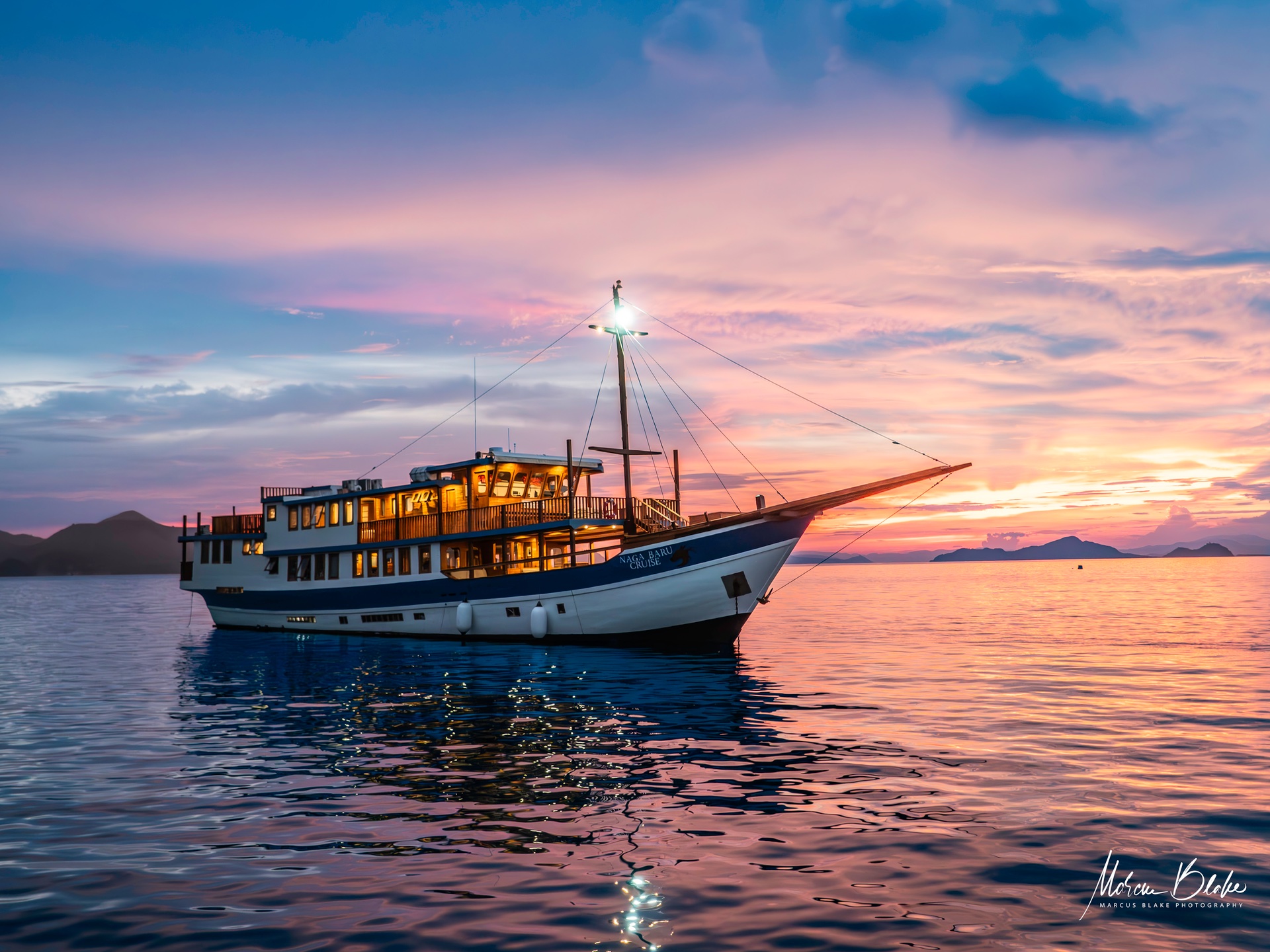
Naga Biru
Indonesia
12 guests40 m
$274/day
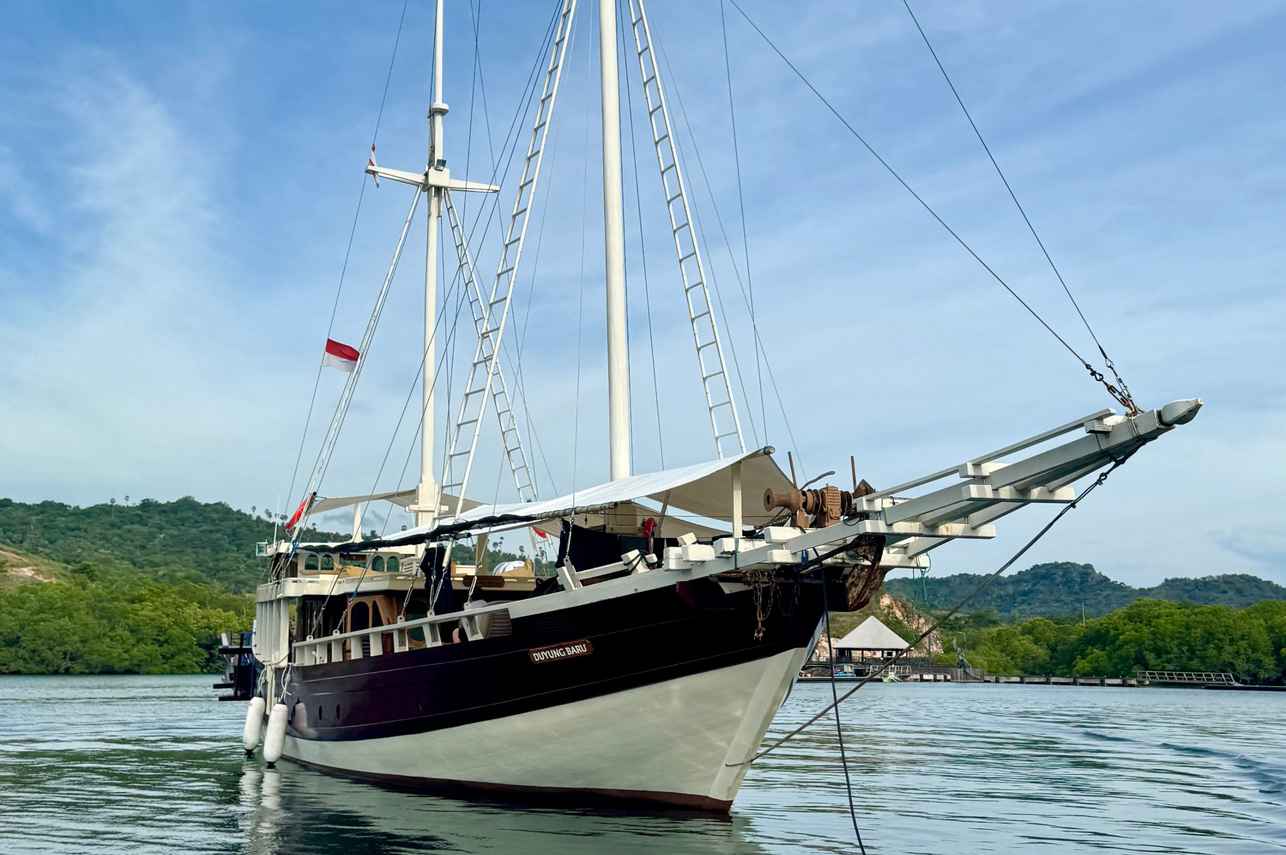
Ecopro Duyung Baru
Indonesia
6 guests27 m
$361/day
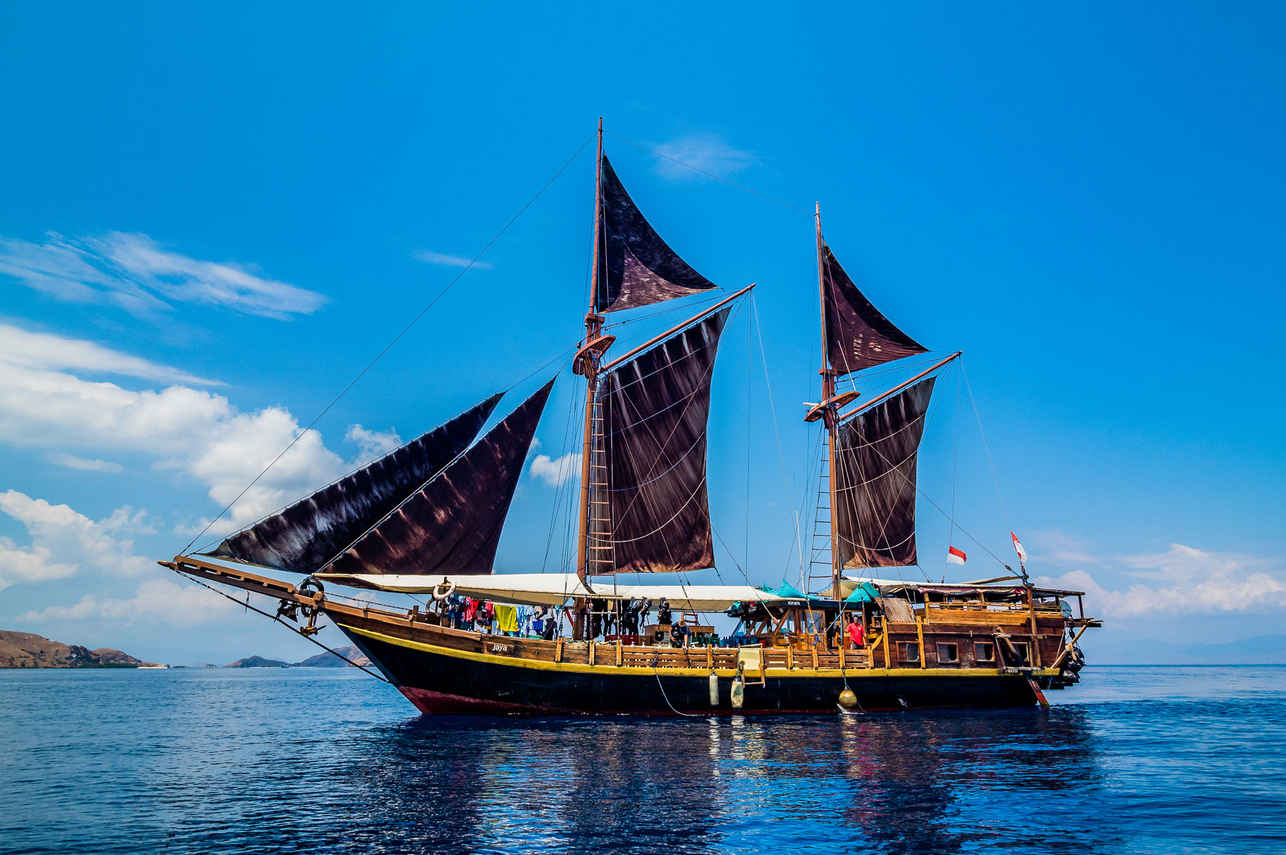
Jaya
Indonesia
14 guests23 m
$280/day
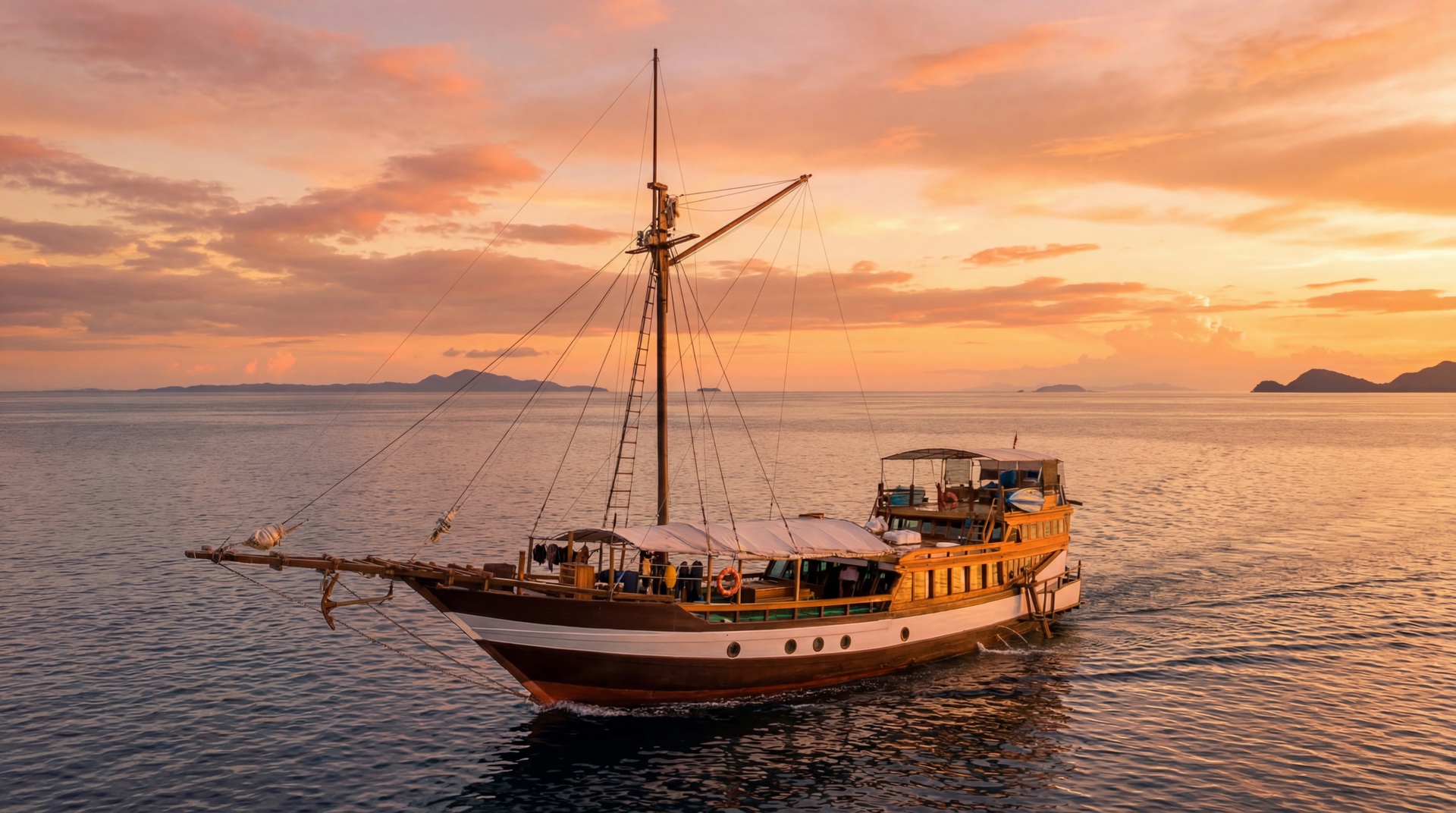
Wellenreng
Indonesia
9 guests25 m
$427/day
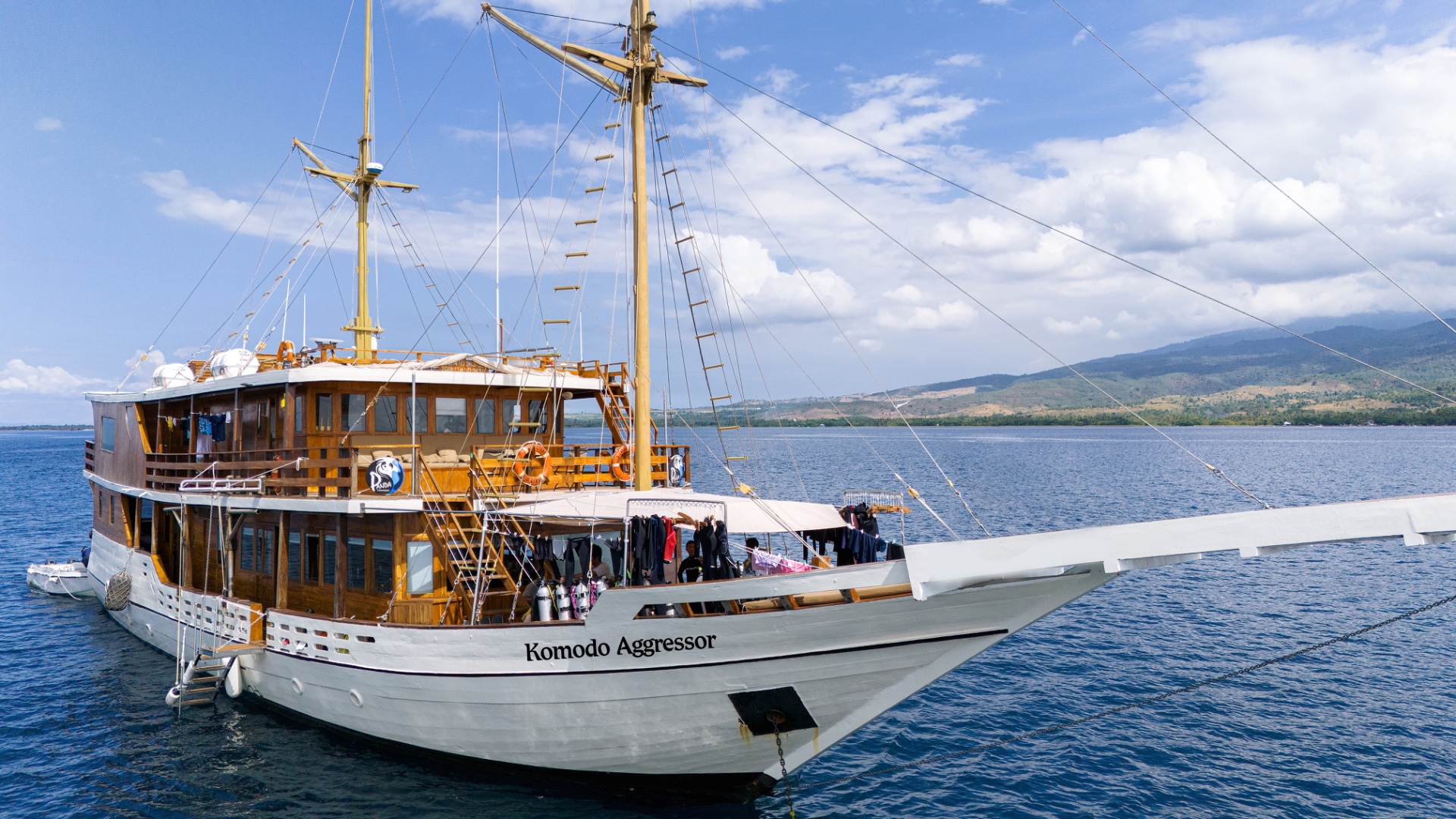
Komodo Aggressor
Komodo, Indonesia
16 guests29 m
$312/day
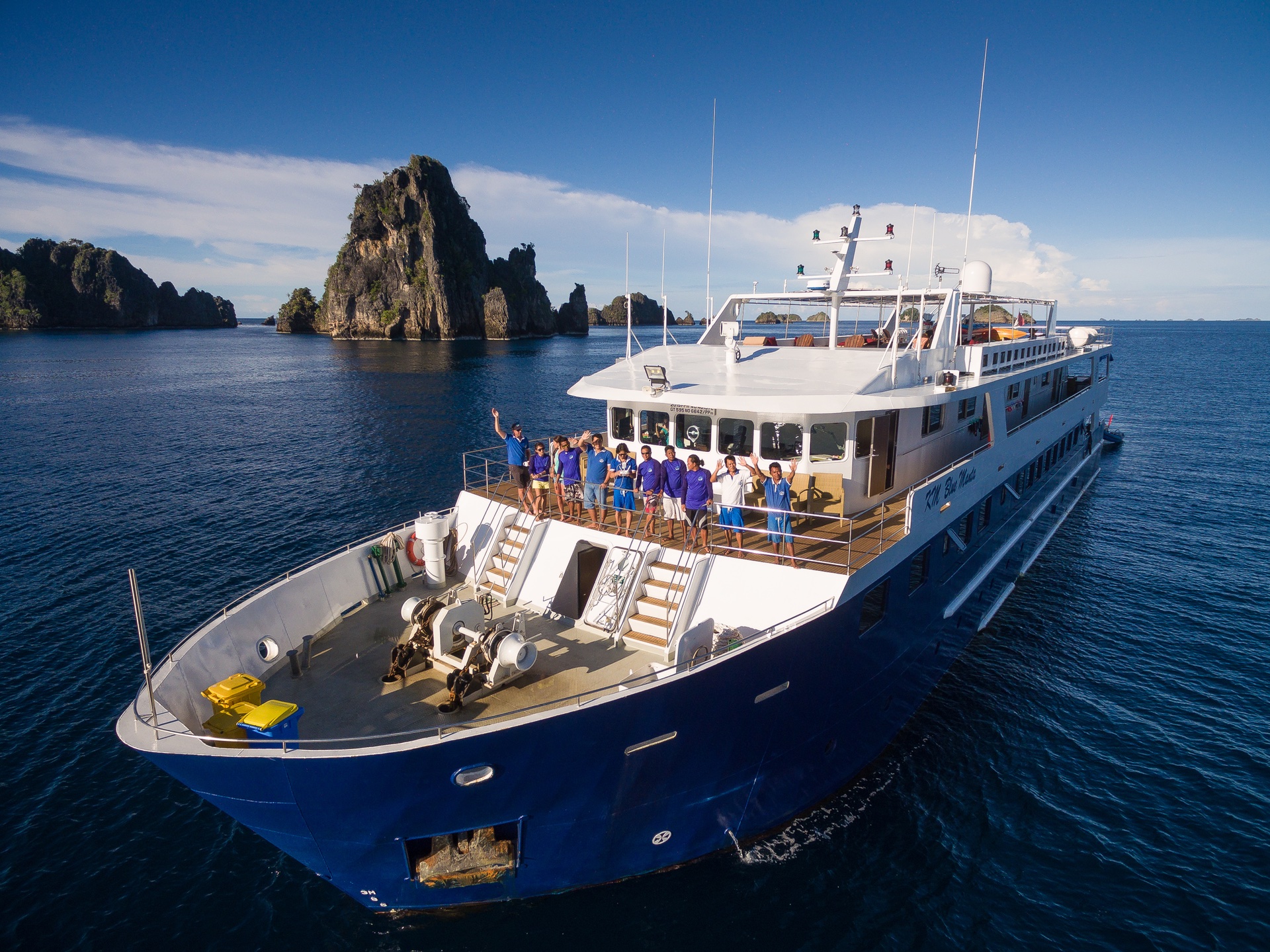
Blue Manta
Indonesia
20 guests45 m
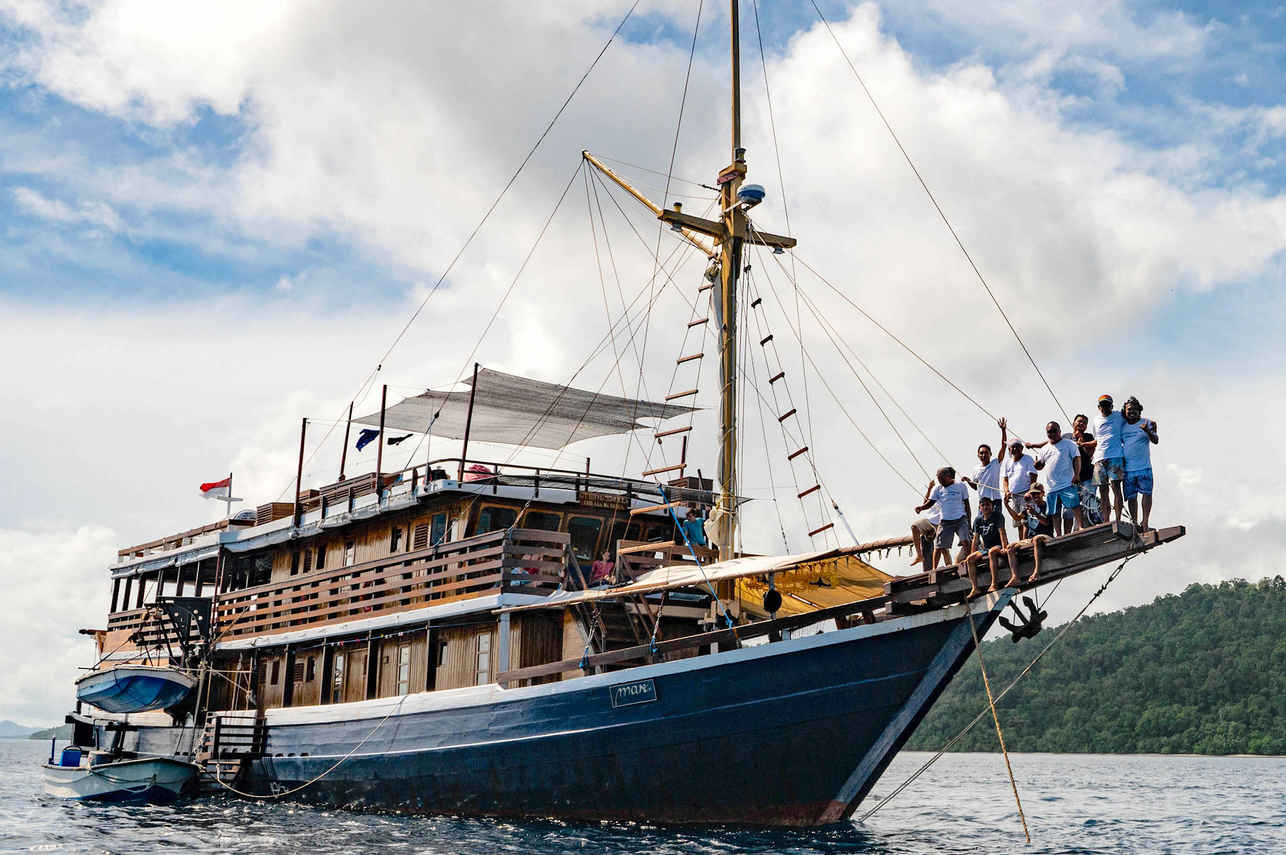
Mari
Indonesia
14 guests32.2 m
$328/day
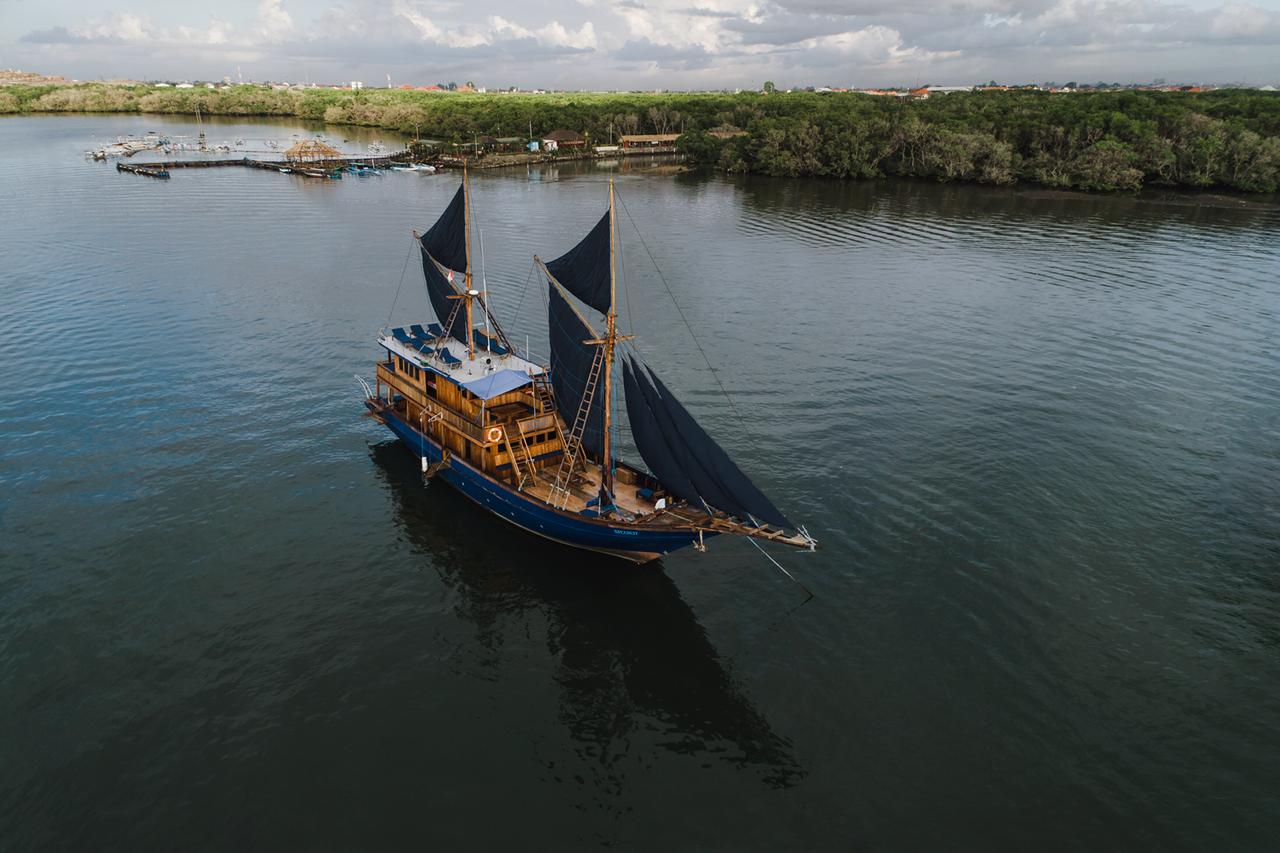
Situju7
Komodo, Indonesia
10 guests32.7 m
$362/day
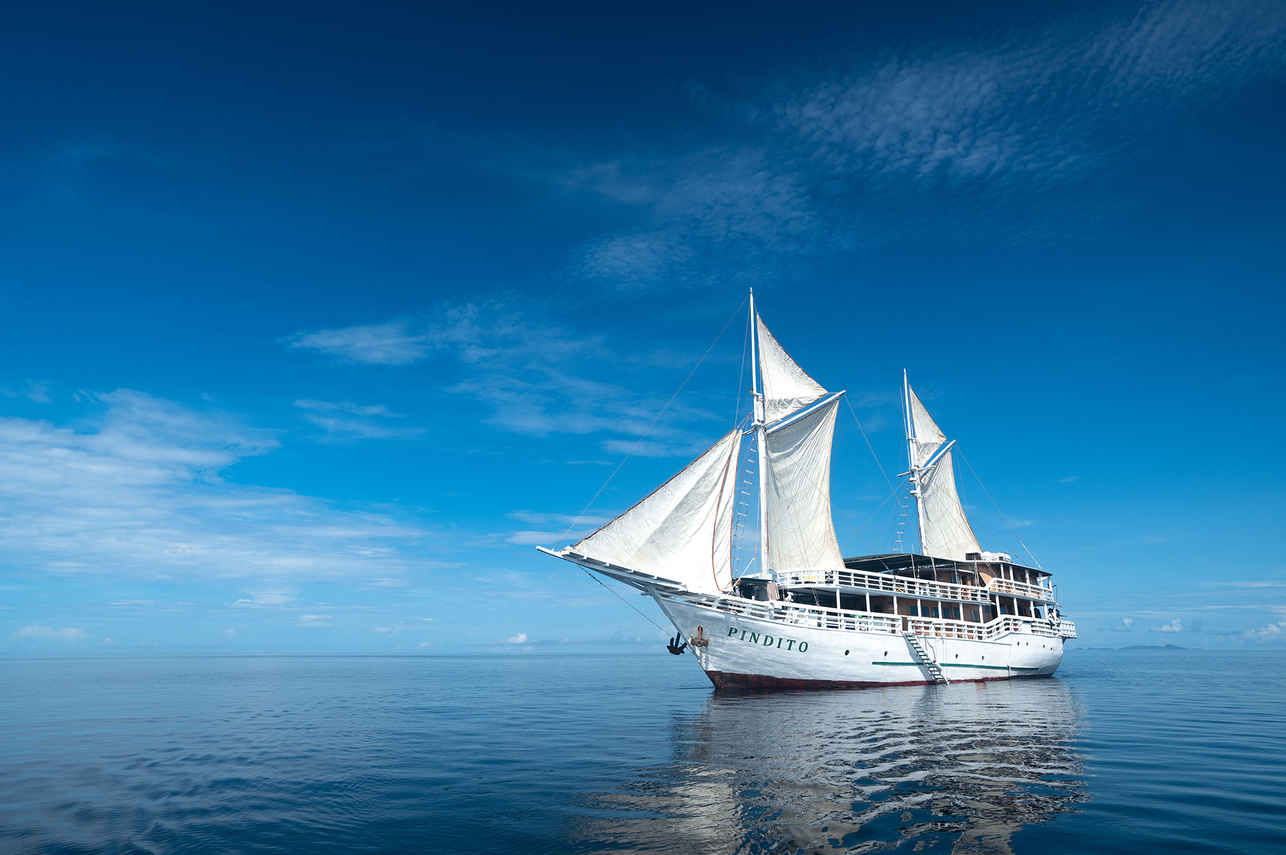
Pindito
Indonesia
16 guests37.79 m
$533/day
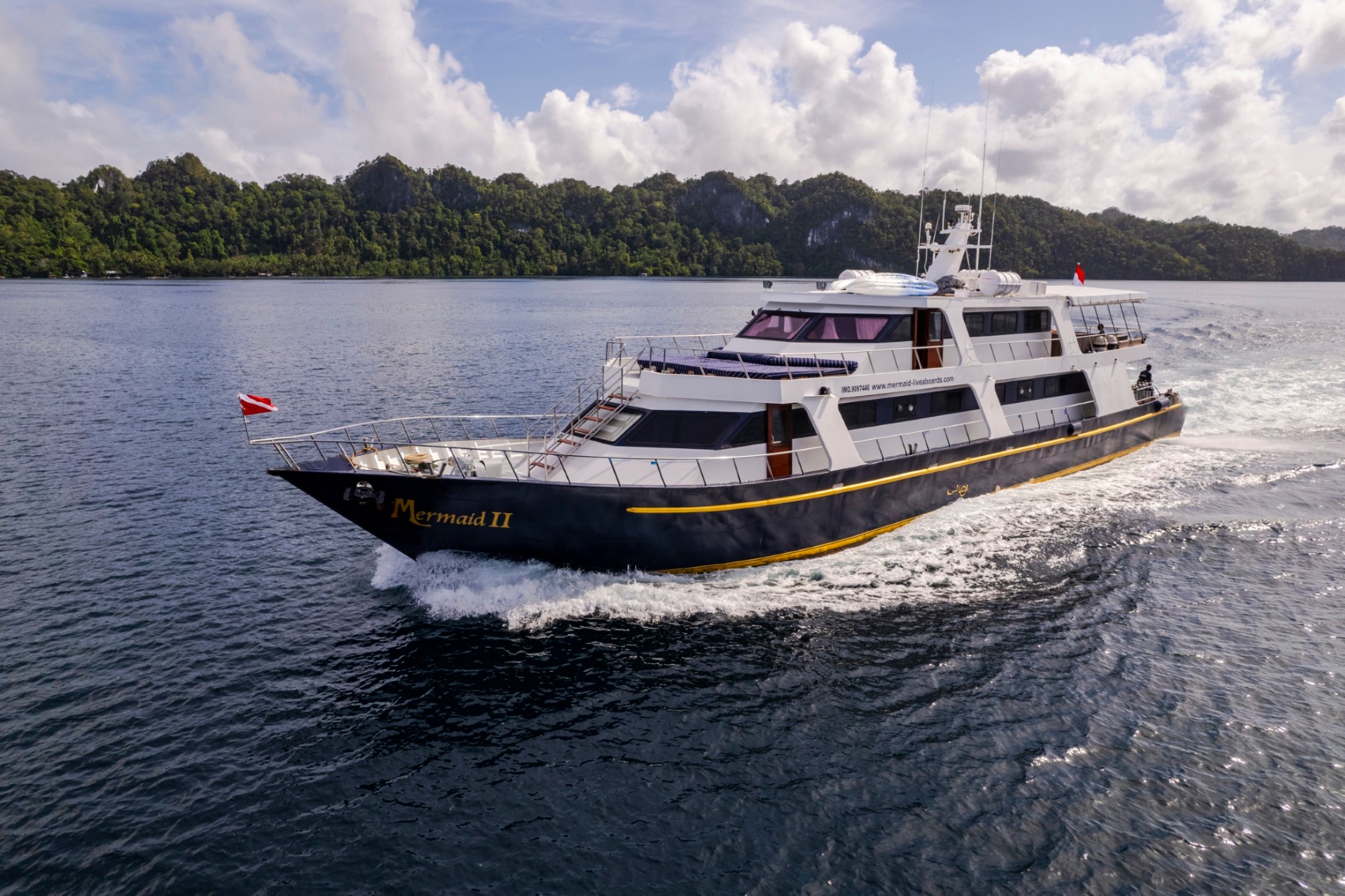
Mermaid II
Komodo, Indonesia
18 guests
$356/day
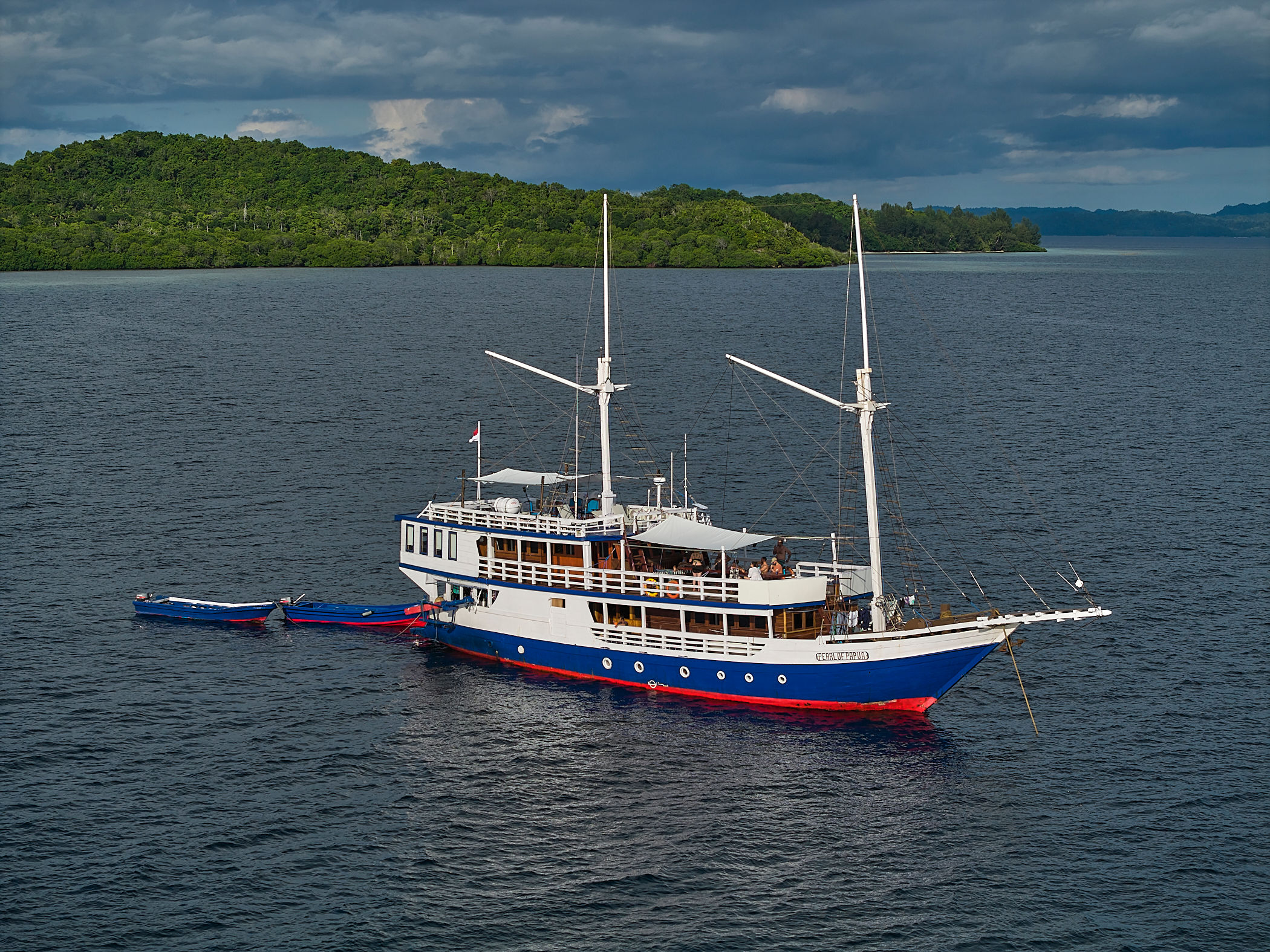
Pearl of Papua
Raja Ampat, Indonesia
14 guests30 m
$303/day
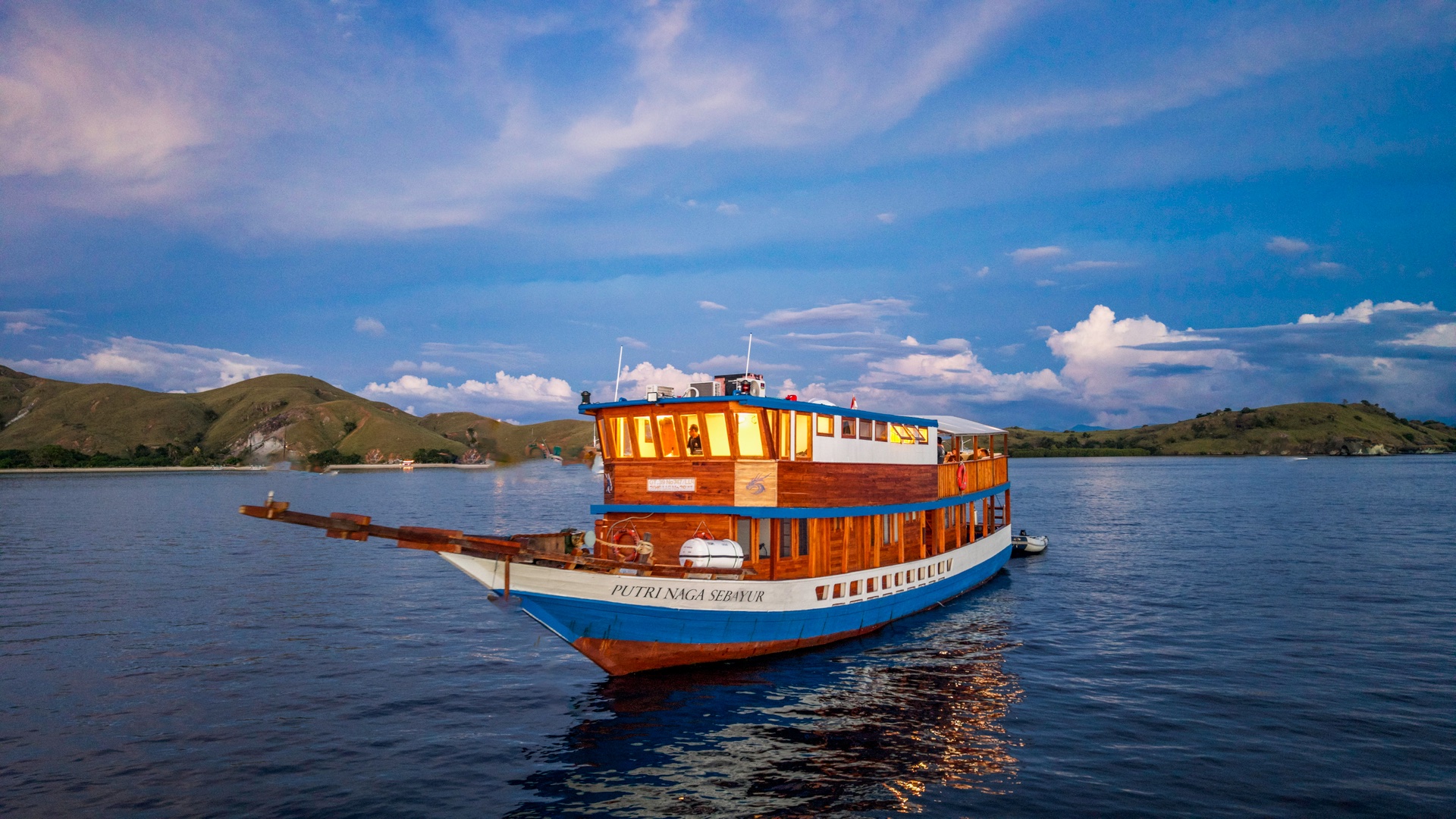
Putri Naga
Komodo, Indonesia
6 guests25 m
Dive sites similar to Manuk Island
Same character, same waters — six more sites divers love for the exact same reasons.Compare seasons, access and liveaboard routes — then pick the site that fits your trip best.
© Esri — Maxar, Earthstar, GIS
Adonara Wall
Indonesia
Adonara is an Indonesian island dive site, renowned for its vibrant underwater topography characterized by submerged seamounts.
- Suitable for
- Intermediate
- Current
- Strong
- Access
- Liveaboard or dayboat
- Depth
- 5–35 m
- Theme
- Seamount / Wall
Babylon is a captivating dive site located in the Alor Sea, renowned for its exceptional visibility and vibrant marine ecosystem.
- Suitable for
- Intermediate
- Current
- Strong
- Access
- Liveaboard or dayboat
- Depth
- 3–20 m
- Theme
- Reef / Wall
© Esri — Maxar, Earthstar, GIS
Shark Close
Indonesia
Shark Close is an exhilarating dive site in the Indonesian portion of Borneo, renowned for its strong currents and abundant marine life.
- Suitable for
- Advanced
- Current
- Strong
- Access
- Liveaboard or dayboat
- Depth
- 5–25 m
- Theme
- Channel / Drift
Wakatobi, an acronym for the islands of Wangi-Wangi, Kaledupa, Tomia, and Binongko, lies in Southeast Sulawesi, Indonesia, at the heart of the Coral Triangle.
- Suitable for
- Beginner
- Current
- No current
- Access
- Liveaboard only
- Depth
- 5–30 m
- Theme
- Wall / Reef
© Esri — Maxar, Earthstar, GIS
Raymond’s Point
Indonesia
Raymond's Point is a distinguished dive site located south of Mike's Point within the Bunaken National Marine Park, renowned for its dramatic vertical wall.
- Suitable for
- Advanced
- Current
- Strong
- Access
- Dayboat
- Depth
- 5–35 m
- Theme
- Reef / Wall
© Esri — Maxar, Earthstar, GIS
Manado Tua
Indonesia
Manado Tua, or 'Old Manado,' is one of five islands that form the Bunaken Marine Park, a celebrated marine protected area in North Sulawesi, Indonesia.
- Suitable for
- Intermediate
- Current
- Moderate
- Access
- Dayboat
- Depth
- 5–80 m
- Theme
- Wall / Drift