About Babylon
Babylon is a captivating dive site located in the Alor Sea, renowned for its exceptional visibility and vibrant marine ecosystem. Situated near Pantar Island, this site is part of an archipelago where immense tidal exchanges from the Indian and Pacific Oceans funnel nutrient-rich waters through volcanic channels, creating one of Indonesia's most biodiverse marine environments. Divers here can explore a dramatic drop-off teeming with life, ranging from bustling reef fish to graceful pelagic species. The topography of Babylon features a significant wall that plunges into deep waters, adorned with healthy hard and soft corals. This structure provides a habitat for a wide array of marine creatures, from macro subjects hiding in crevices to larger schooling fish patrolling the blue. The clear conditions allow for excellent appreciation of both the expansive reef structures and the diverse inhabitants. The marine life at Babylon is consistently active, with frequent sightings of reef sharks, dogtooth tuna, and barracuda. The currents, while providing nutrients, also attract pelagic action. Divers may also encounter unique local activities, such as Babu fishermen traditionally setting fish traps or free-diving for their catch, offering a glimpse into the local culture coexisting with this pristine environment. Sea snakes are also a common and elegant sight gracefully navigating the water column. Accessibility to Babylon is typically via liveaboard, often as part of an itinerary exploring the Alor and Banda Sea regions. Diving conditions are generally excellent, with strong visibility and consistent water temperatures. The site offers a dynamic experience suitable for those looking to explore a thriving and relatively untouched underwater world.
Highlights
Exceptional visibilityVast drop-offAbundant marine lifeGraceful sea snakesTraditional Babu fishermenHealthy coral formationsPelagic species encounters
Season calendar
Best months to dive here
Jan
Feb
Mar
Apr
May
Jun
Jul
Aug
Sep
Oct
Nov
Dec
Excellent
Good
Dive site facts: Babylon
- Depth
- 5–30 m+
- Current
- Moderate to strong
- Visibility
- 20–30 m+
- Water temperature
- 26–30°C
- Entry
- Boat
- Level
- Intermediate to Advanced
- Dive type
- Wall, drift, pelagic, macro
- Night dive
- Possible
- Region / port
- Alor Sea, Indonesia
- Coordinates
- -8.2178, 124.3534
Conditions & Currents
Babylon is located in an area influenced by significant tidal exchanges, leading to potentially dynamic currents. While these currents are instrumental in delivering nutrients that support the abundant marine life, divers should be prepared for varying strengths. Experienced dive guides typically plan dives to coincide with optimal current conditions, such as slack tide or manageable drift profiles, to ensure a safe and enjoyable experience. Entry and exit strategies will depend on the prevailing currents, often involving tender support or negative entries for swift descent. Visibility is generally excellent due to the oceanic currents, but occasional plankton blooms can occur, which might slightly reduce clarity but often attract pelagic feeders. Thermoclines are possible in deeper sections, though typical water temperatures remain comfortable. Divers should have good buoyancy control a
Marine life & sighting chances

Sea snake
common
Reef shark
occasional
Dogtooth tuna
occasional
Barracuda
occasional
Napoleon wrasse
occasional
Hard corals
common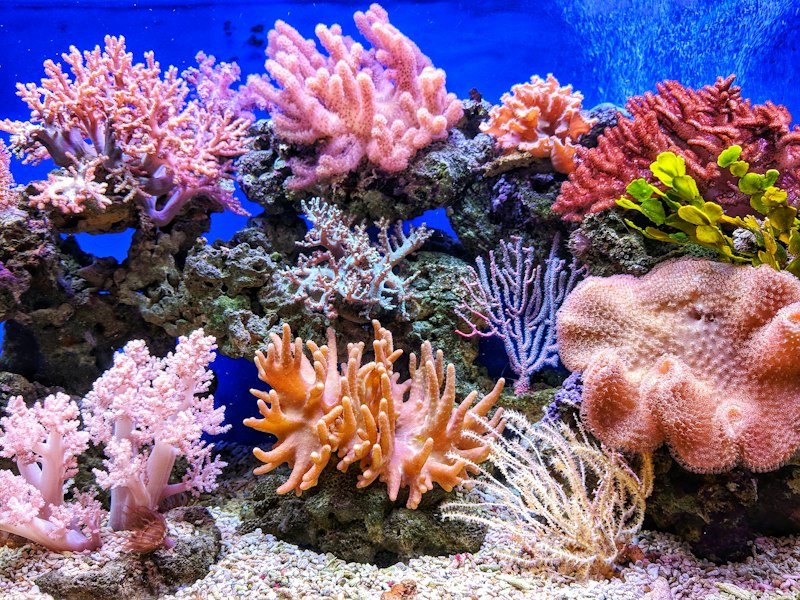
Soft corals
common
Fusiliers
common
Giant trevally
occasional
Hammerhead shark
rareDive profile & how the dive runs
Dives at Babylon typically begin with a boat entry, often close to the wall where the vibrant reef begins. The route usually follows the dramatic drop-off, allowing divers to explore the coral formations and observe pelagic activity in the deeper blue. Depending on current conditions, it may be a drift dive along the wall. Divers gradually ascend the wall, paying close attention to the various marine life inhabiting the different depth zones. The turn point is often determined by air consumption and bottom time, typically around 25-30 meters. The safety stop is conducted along the shallower reef crest, where colourful reef fish are abundant and provide an excellent opportunity for decompression.
Underwater photography
Babylon offers excellent opportunities for both wide-angle and macro photography. For wide-angle, focus on the dramatic drop-off and the overall healthy coral coverage, especially when pelagic action such as schooling fish or sharks are present. A wide-angle lens with external strobes will help capture the vibrant colours against the clear blue water. For macro subjects, explore the coral crevices and overhangs where smaller critters might hide; a macro lens with a snoot or focused lighting can highlight these details. Buoyancy control is paramount, especially when navigating close to the reef or in currents, to avoid disturbing the delicate ecosystem. Patience and observation are key to capturing elusive subjects like sea snakes gracefully moving through the water.
Combine with nearby dive sites
- Munaseli
Known as Yellow Corner near North Pantar Island, with steep walls and strong currents attracting large fish and sharks.
- Bama Wall
A vibrant wall near Bama village on Pantar Island, rich in corals and reef fish, with occasional pelagic sightings.
- Suanggi Island
Part of the 'Forgotten Islands' region, offering diverse reef and wall diving.
- Hatta Island Reef
Located within the Banda Sea, often part of itineraries that combine Alor with the Forgotten Islands.
Getting there & logistics
Access to Babylon, located in the Alor Sea, is primarily via liveaboard trips that often originate from Kalabahi (Alor's main airport, code ARD) or sometimes Maumere. These itineraries typically span 11 to 12 nights, exploring the Alor archipelago and extending into the Forgotten Islands or the Banda Sea. Kalabahi is reachable via domestic flights from major Indonesian hubs like Jakarta. Park fees and permits for the region are generally included in liveaboard packages. Itineraries are flexible, adapting to tides, currents, and marine life, allowing for revisits to exceptional sites under optimal conditions. This remote location offers a unique expedition-style diving experience.
Safety & environment
Diving in the Alor region, including Babylon, requires careful attention to safety protocols due to its remote location and dynamic conditions. The nearest recompression chamber is typically located in Denpasar, Bali, requiring significant evacuation time. Therefore, comprehensive dive insurance covering emergency medical treatment and evacuation is essential. Divers should maintain excellent buoyancy control, especially on wall dives and in variable currents, and adhere strictly to dive computer limits. Always dive with a qualified guide and ensure your equipment is in good working order. Local dive operators prioritize safety, but individual responsibility for preparedness is crucial. Respect local customs and avoid disturbing marine life, particularly the traditional fishing activities observed at the site.
Who it suits — and who it doesn't
Suited for
- Experienced divers comfortable with currents
- Underwater photographers seeking diverse subjects
- Divers interested in remote, pristine ecosystems
- Pelagic enthusiasts
- Liveaboard adventurers
Less suited for
- Beginner divers without current experience
- Divers prone to seasickness
- Those seeking shallow, calm dives exclusively
- Individuals with strict time constraints for travel
FAQ
Babylon FAQ
What kind of visibility can I expect at Babylon?
Babylon is renowned for its incredible visibility, often ranging from 20 to 30 meters or more. This exceptional clarity is due to the strong oceanic currents that flush the area, ensuring nutrient-rich but clear waters. It provides fantastic conditions for observing both the extensive reef structures and distant pelagic action.
Are there strong currents at Babylon?
Yes, Babylon is situated in an area influenced by significant tidal exchanges, meaning currents can be moderate to strong. While these currents support the vibrant marine ecosystem, dives are typically planned to coincide with optimal conditions. Divers should have good buoyancy control and experience diving in currents.
What kind of marine life will I see at Babylon?
Babylon is rich in marine life, offering a mix of pelagic and reef species. You can expect to see graceful sea snakes, various reef sharks, dogtooth tuna, and barracuda. The vibrant drop-off is also home to abundant hard and soft corals, providing shelter for numerous reef fish and occasional larger species like Napoleon wrasse.
Is Babylon suitable for all levels of divers?
Babylon is best suited for intermediate to advanced divers due to the potential for strong currents and the depth of the drop-off. While guides manage dives carefully, prior experience with drift diving and maintaining good buoyancy in varying conditions is highly recommended for a safe and enjoyable experience.
How do I get to Babylon?
Babylon is located in the Alor Sea and is primarily accessed via liveaboard tours. Most liveaboards depart from Kalabahi, the capital of Alor, which can be reached by domestic flights from major Indonesian cities. These trips often combine Babylon with other dive sites in the Alor and Forgotten Islands regions.
What is unique about Babylon compared to other sites in Alor?
Beyond its excellent visibility and diverse marine life, Babylon offers a unique cultural element with sightings of local Babu fishermen. You can observe them traditionally setting fish traps or free-diving, providing a rare glimpse into the harmonious coexistence of human activity and marine conservation in this remote area.
Why dive Babylon from a liveaboard?
Babylon is one of Indonesia's signature dive sites. A liveaboard sleeps you on the water and puts you in the water for three to four guided dives per day, including dawn and night dives that day-boat operators rarely offer. You skip the daily commute back to port and reach quieter, less-crowded sites in the same region on a single trip.
Below are the liveaboards that include Babylon on their Indonesia itineraries.
Liveaboards diving Babylon
These liveaboards may visit Babylon on selected itineraries — the exact dive sites depend on departure, weather and conditions.
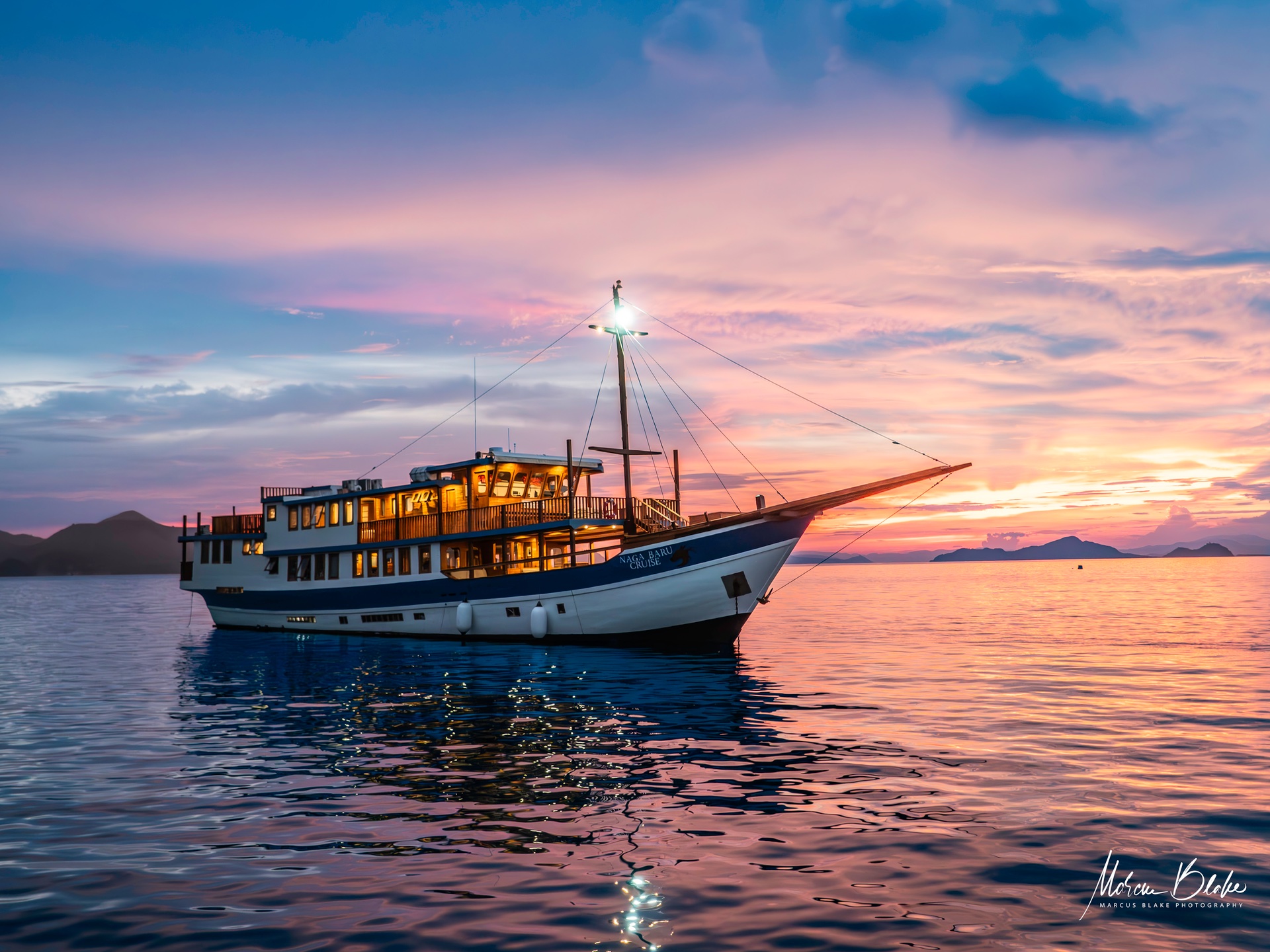
Naga Biru
Indonesia
12 guests40 m
$308/day
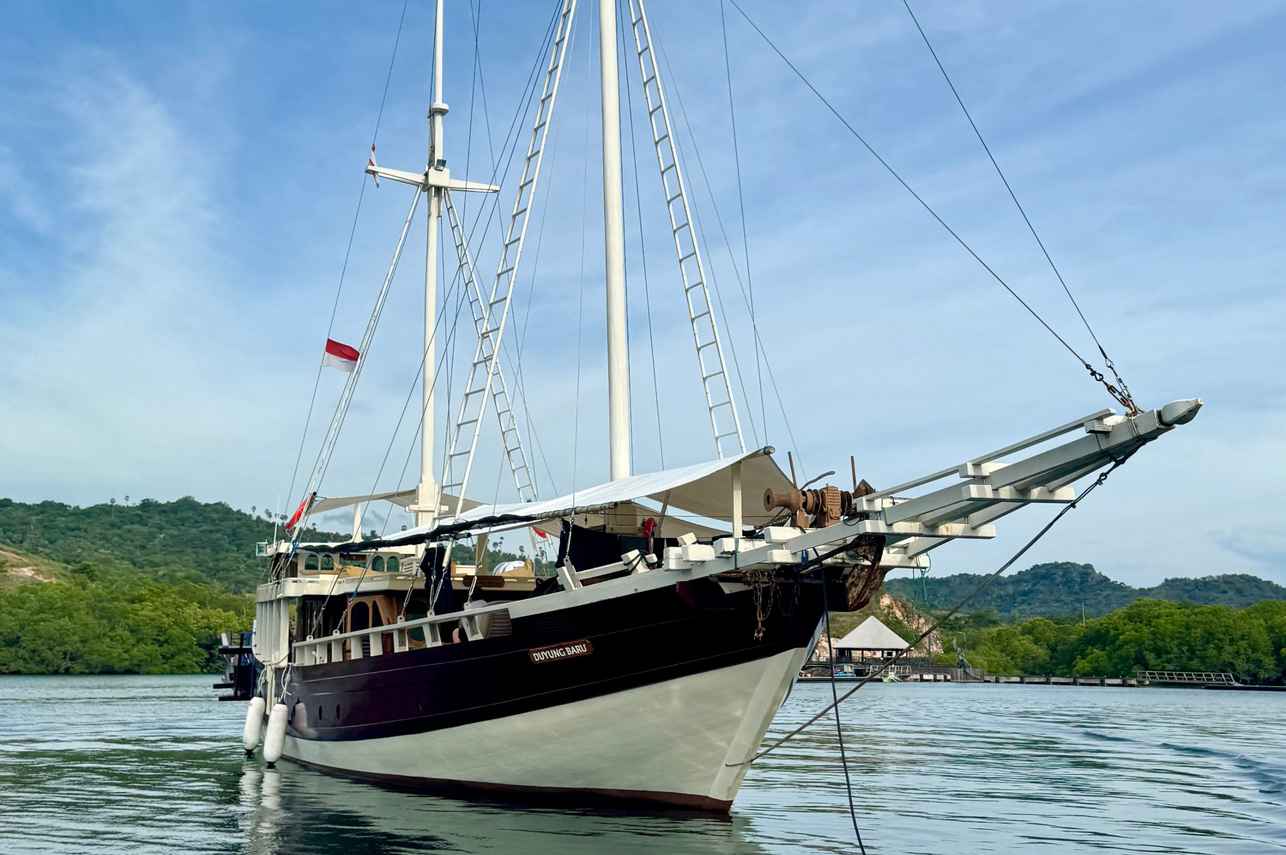
Ecopro Duyung Baru
Indonesia
6 guests27 m
$361/day
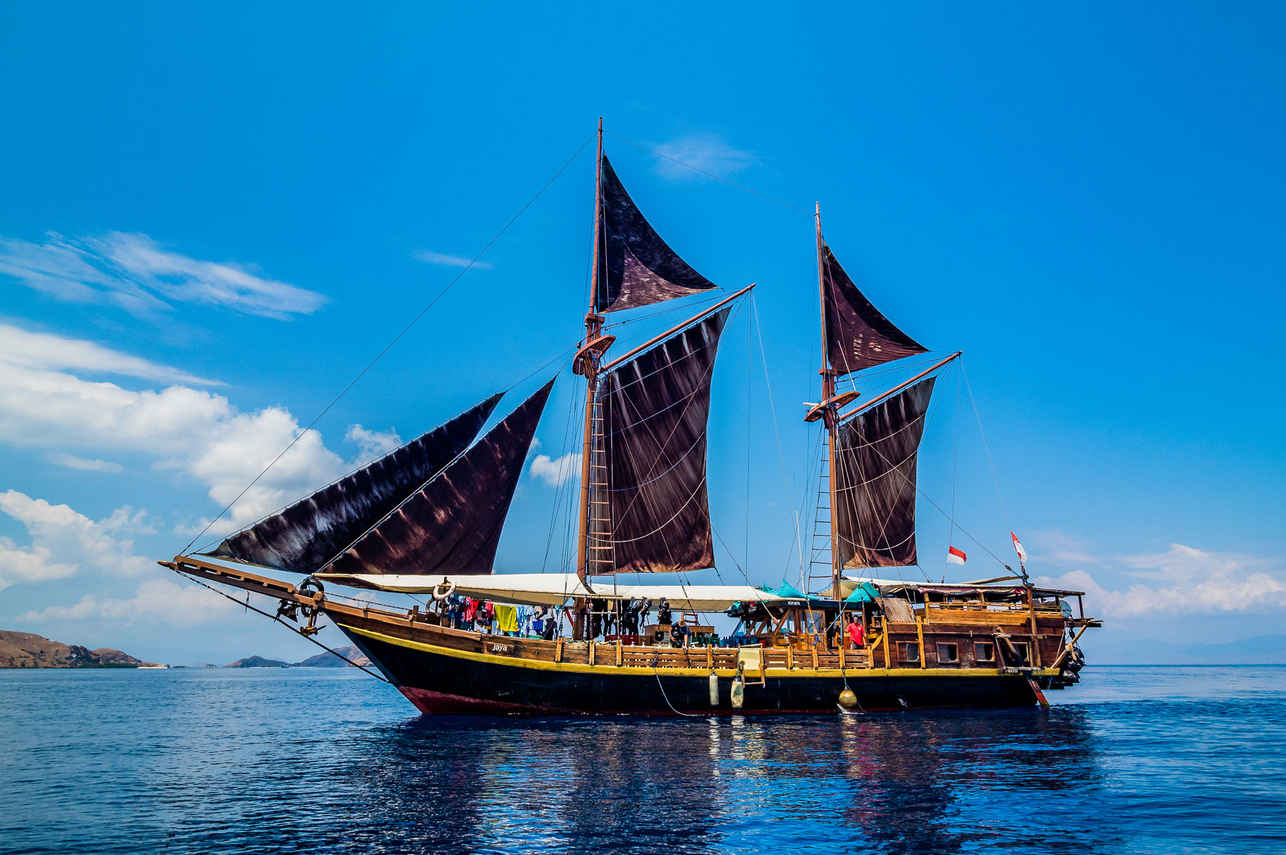
Jaya
Indonesia
14 guests23 m
$280/day
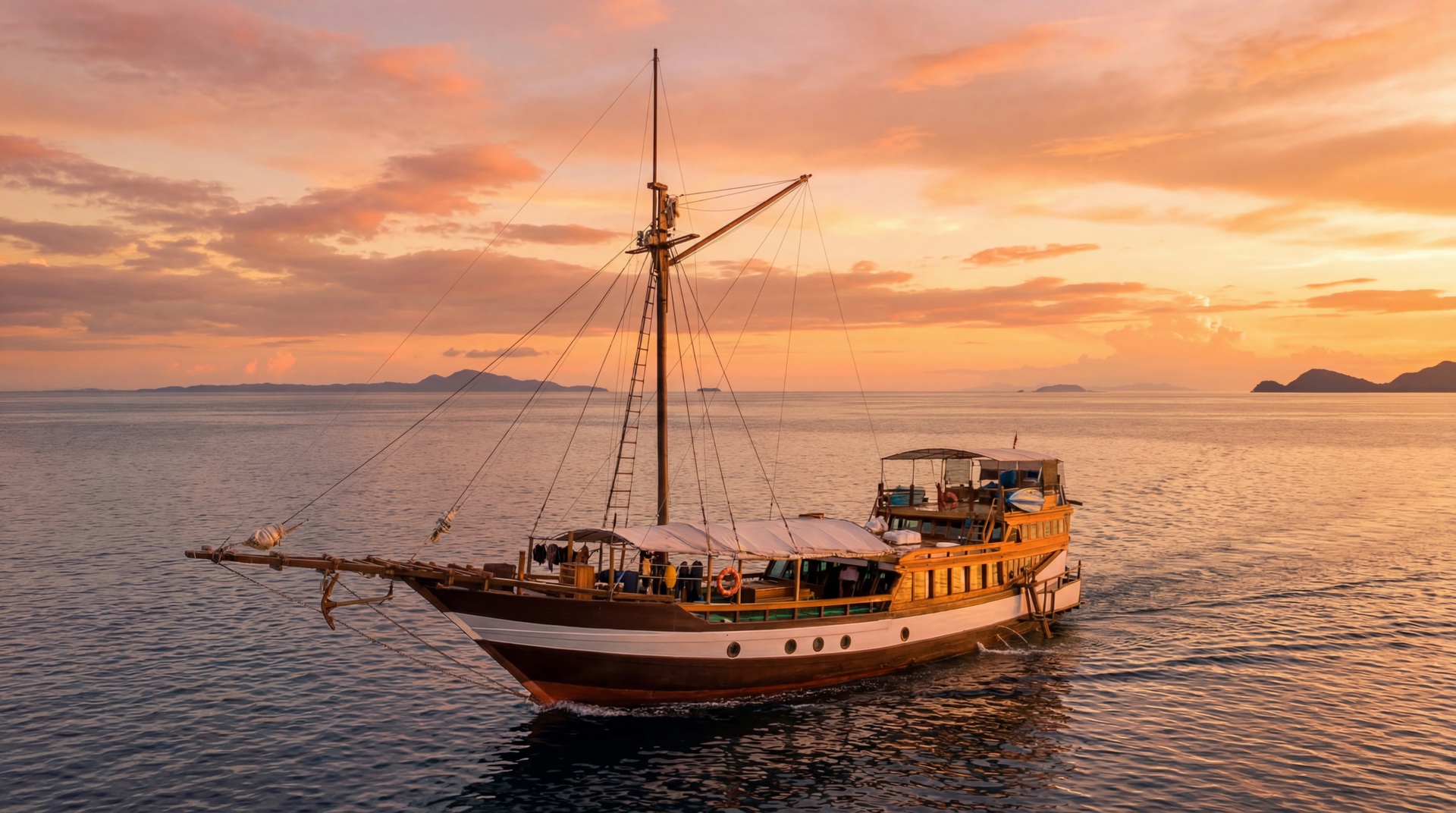
Wellenreng
Indonesia
9 guests25 m
$423/day
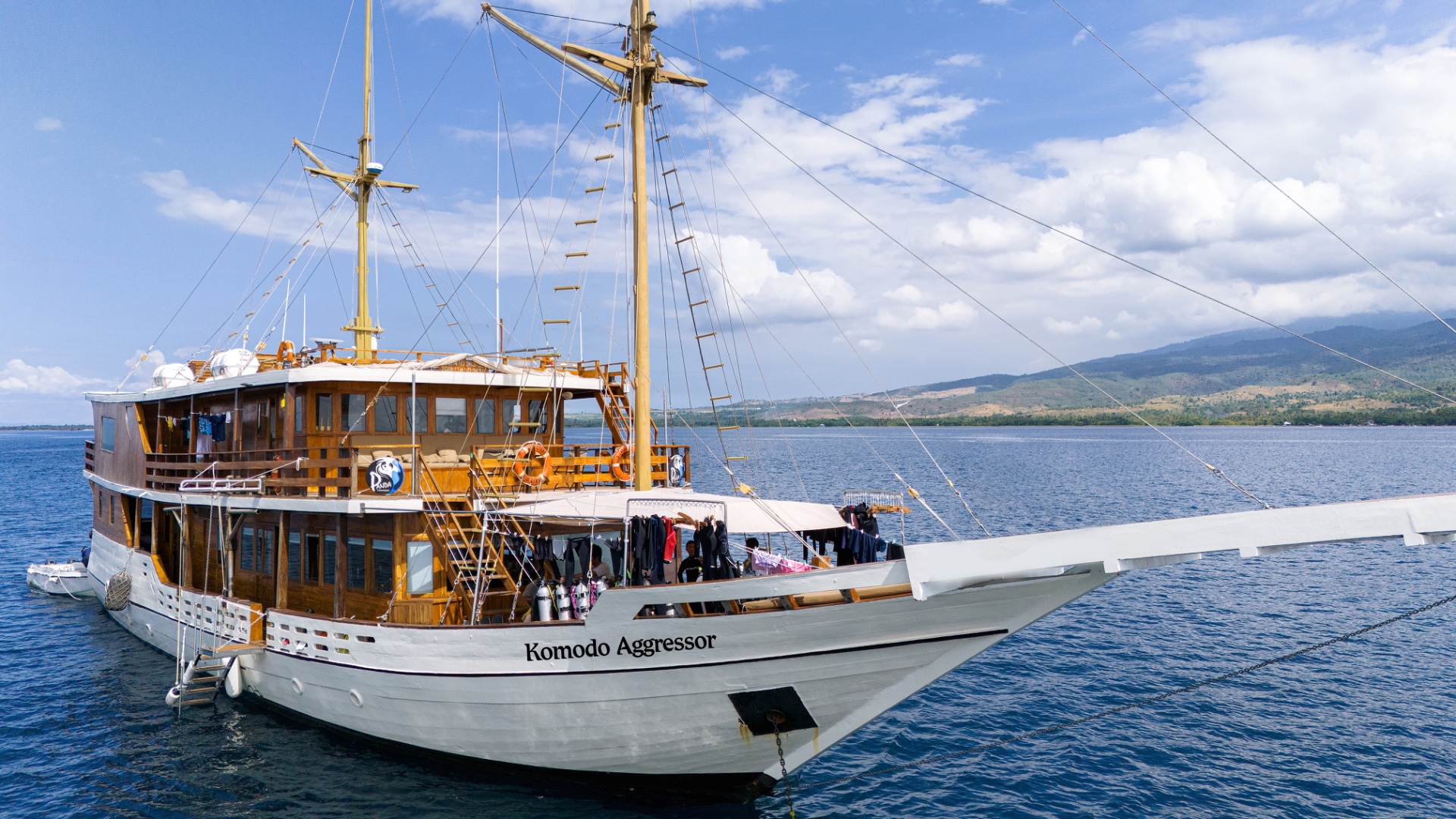
Komodo Aggressor
Komodo, Indonesia
16 guests29 m
$312/day
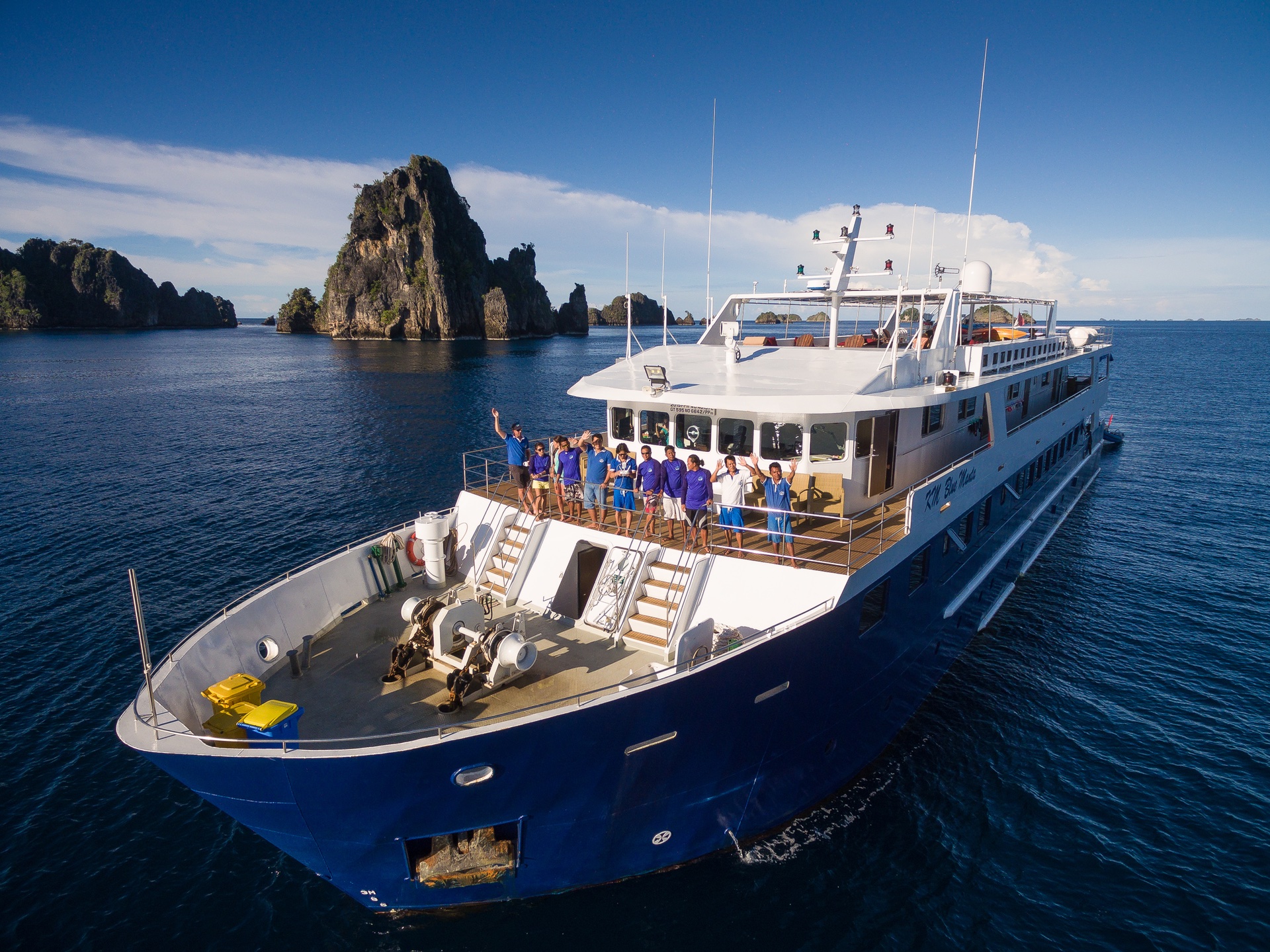
Blue Manta
Indonesia
20 guests45 m
$482/day
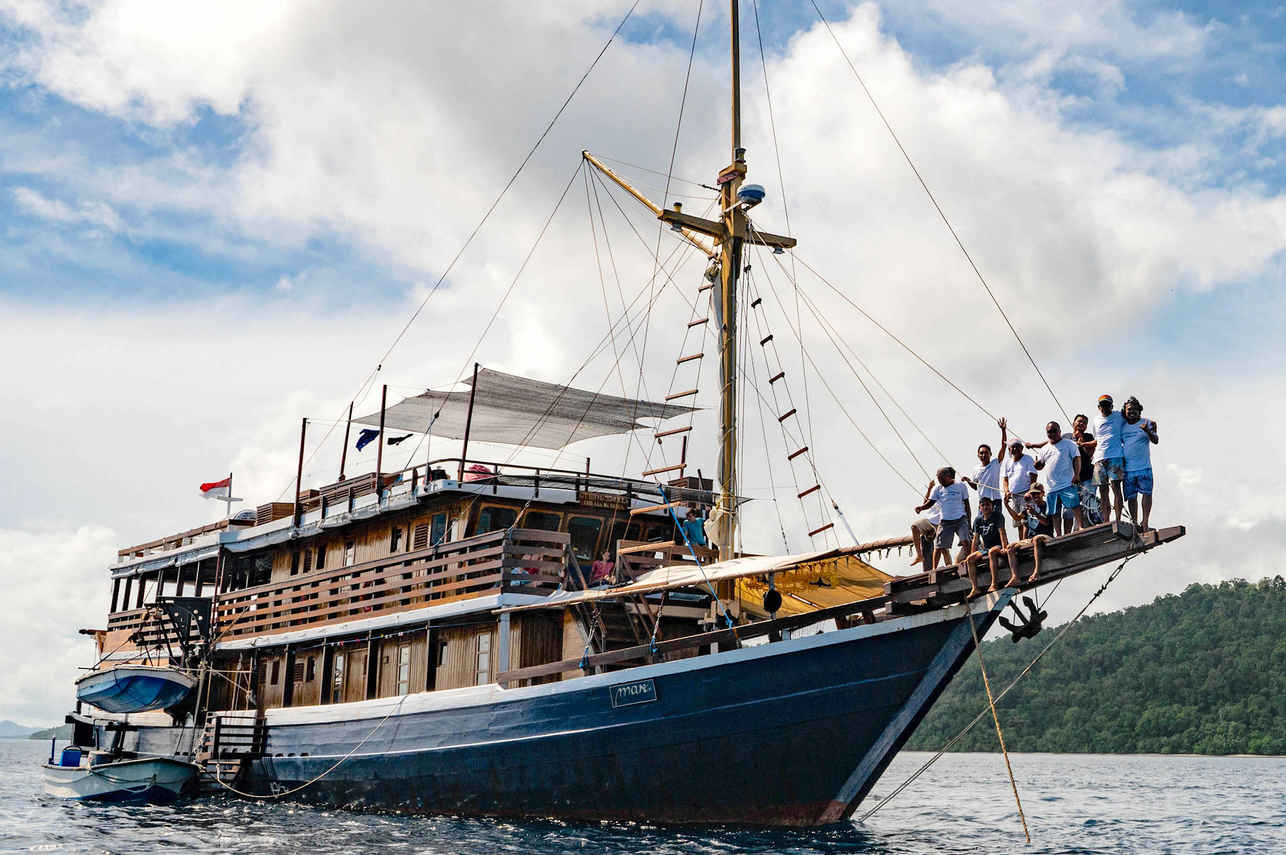
Mari
Indonesia
14 guests32.2 m
$320/day
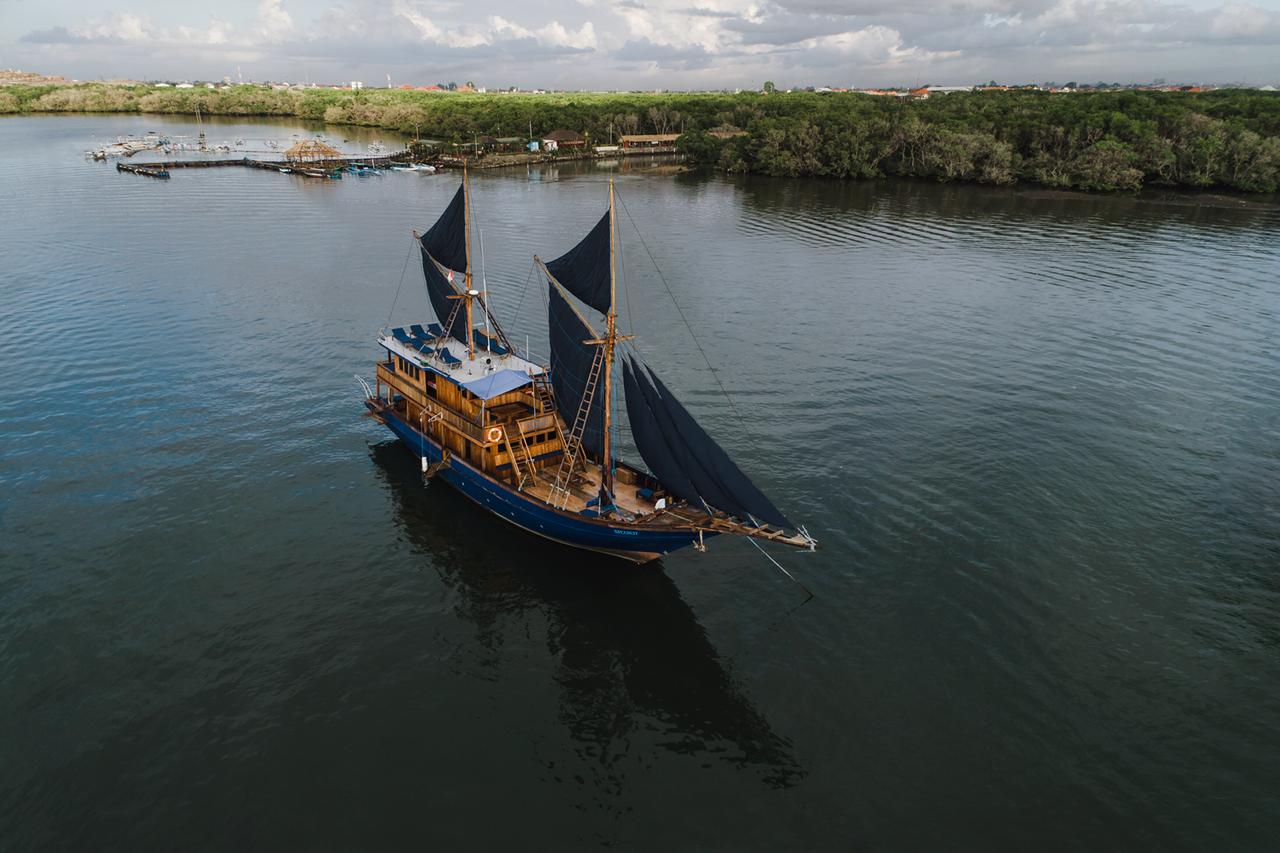
Situju7
Komodo, Indonesia
10 guests32.7 m
$362/day
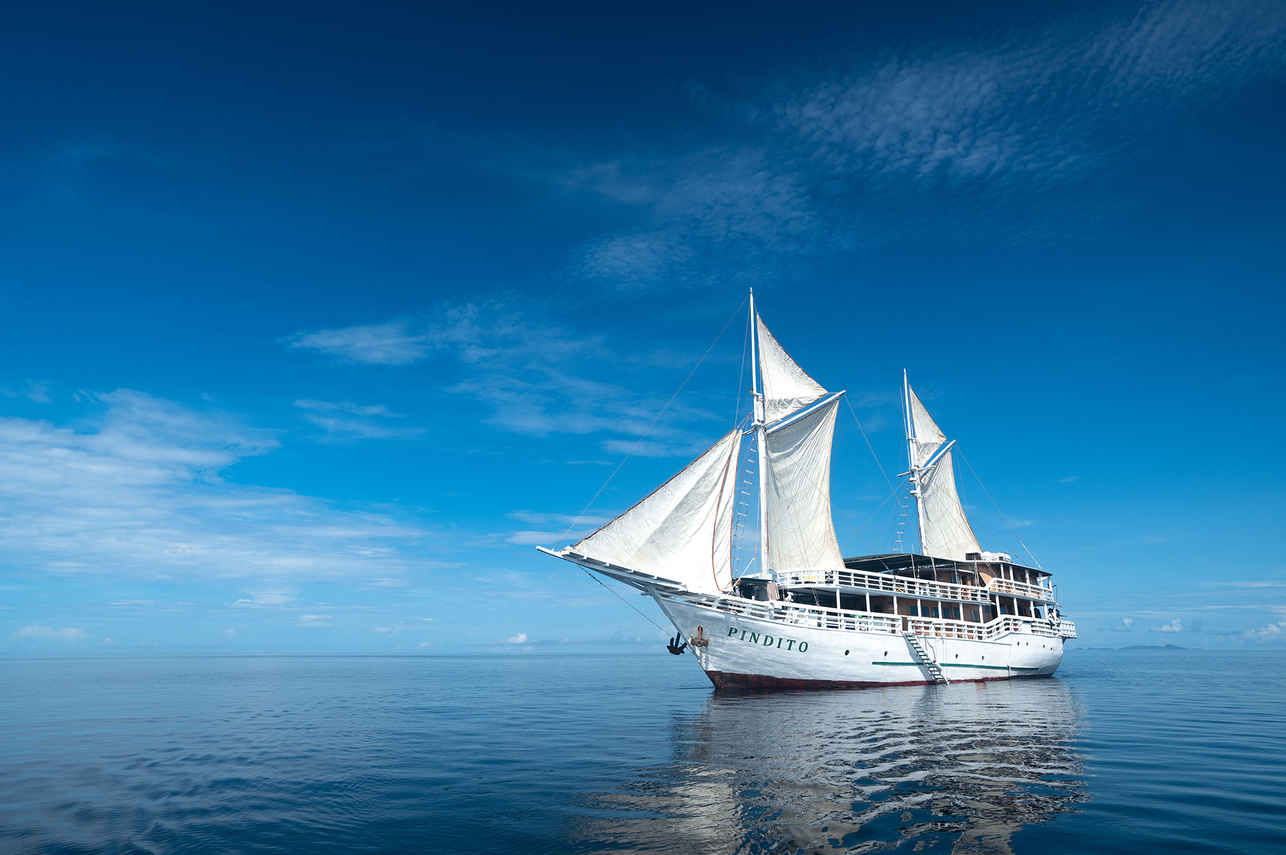
Pindito
Indonesia
16 guests37.79 m
$533/day
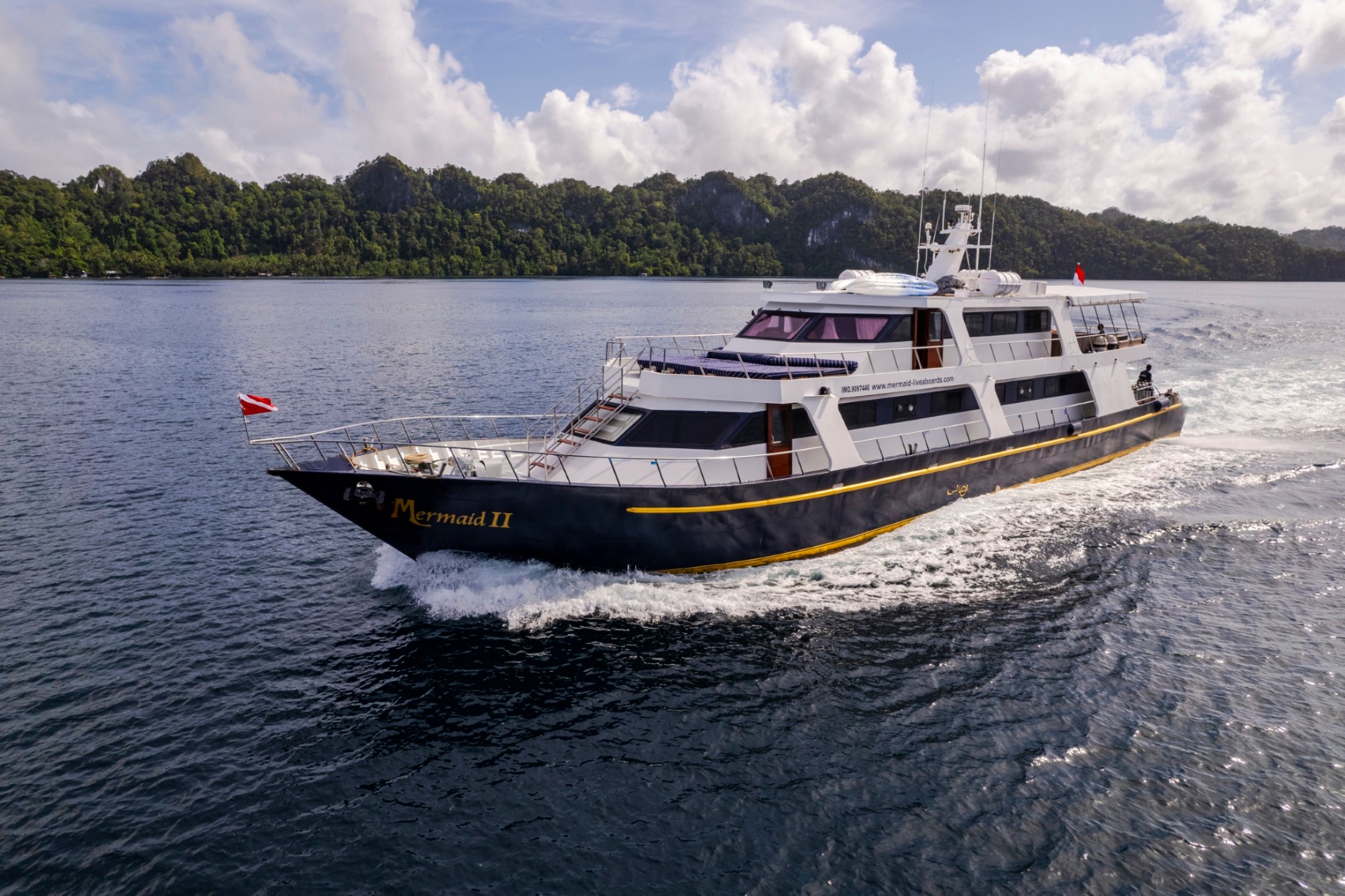
Mermaid II
Komodo, Indonesia
18 guests
$388/day
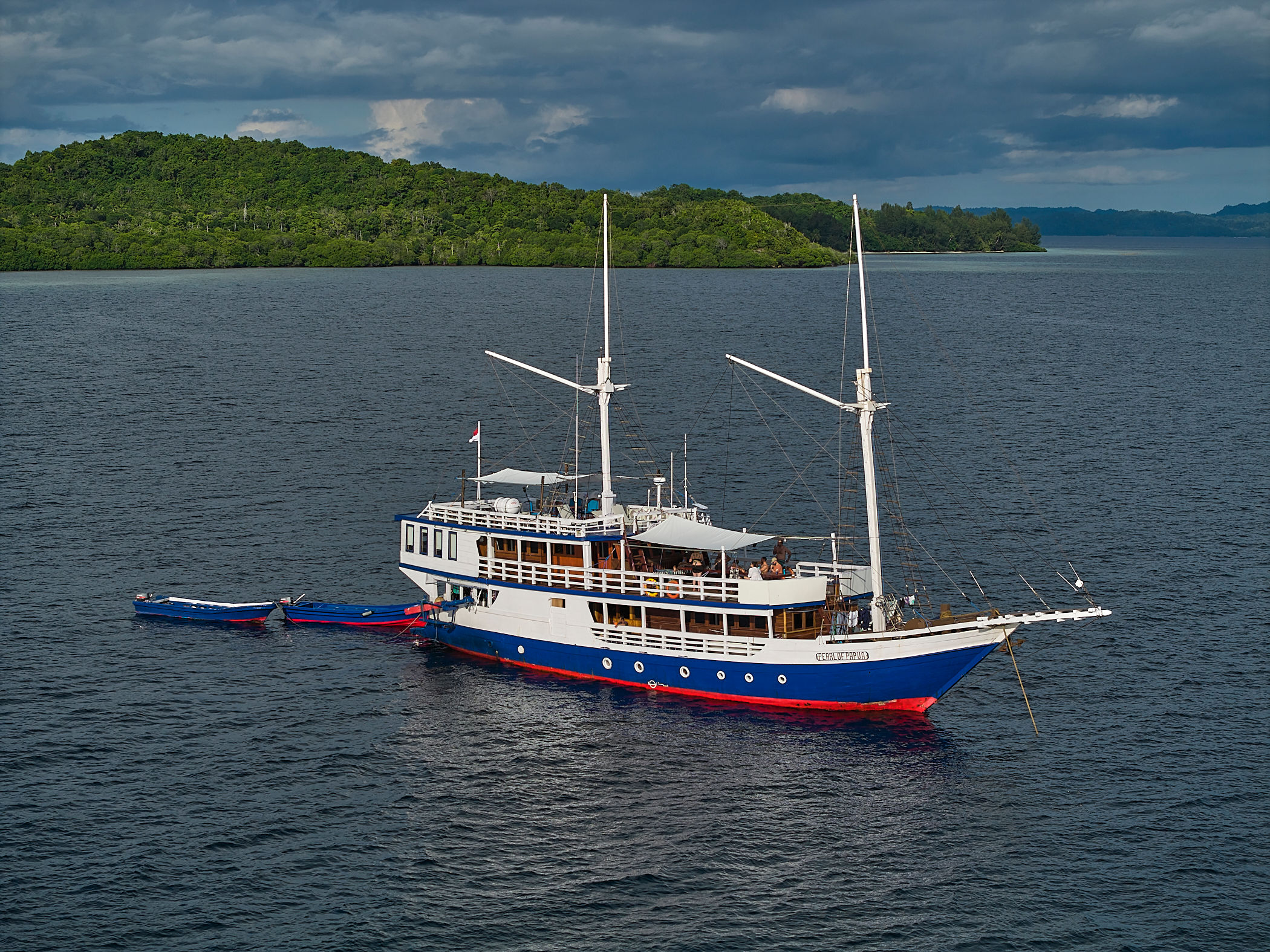
Pearl of Papua
Raja Ampat, Indonesia
14 guests30 m
$303/day
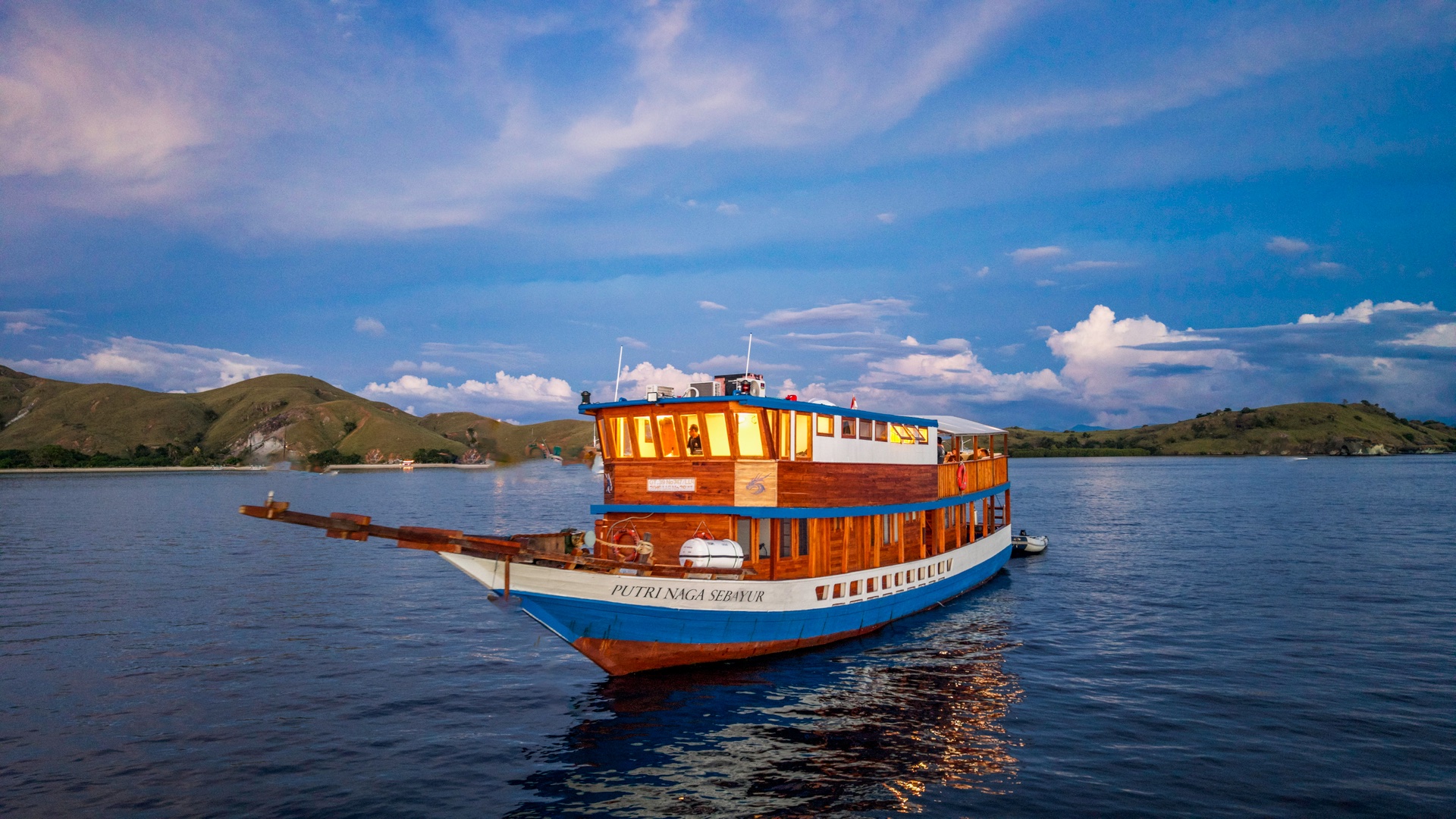
Putri Naga
Komodo, Indonesia
6 guests25 m
Dive sites similar to Babylon
Same character, same waters — six more sites divers love for the exact same reasons.Compare seasons, access and liveaboard routes — then pick the site that fits your trip best.
© Esri — Maxar, Earthstar, GIS
Big La Laguna
Philippines
Big La Laguna is a beach community situated on the western edge of the Sabang Peninsula, a popular dive region on Mindoro Island, Philippines.
- Suitable for
- Intermediate
- Current
- Moderate
- Access
- Dayboat
- Depth
- 5–35 m
- Theme
- Reef / Wall
© Esri — Maxar, Earthstar, GIS
Rusa Pinnacle
Alor
Rusa Pinnacle is a challenging yet highly rewarding dive site situated in the Alor archipelago, part of Indonesia's East Nusa Tenggara.
- Suitable for
- Advanced
- Current
- Strong
- Access
- Liveaboard only
- Depth
- 6–30 m
- Theme
- Reef
Lipah Bay is situated on Bali's northeast coast within the Amed area, nestled against the dramatic backdrop of Gunung Agung.
- Suitable for
- Beginner
- Current
- Mild
- Access
- Liveaboard or dayboat
- Depth
- 5–30 m
- Theme
- Reef / Drift
© Esri — Maxar, Earthstar, GIS
Tangked Cave
Bali
Tangked Cave, sometimes referred to as Tangked Taked Shark Cave, is an advanced dive site situated in the open ocean off Bali's southeastern coast.
- Suitable for
- Advanced
- Current
- Moderate
- Access
- Liveaboard or dayboat
- Depth
- 15–40 m
- Theme
- Cave & cavern / Reef
© Esri — Maxar, Earthstar, GIS
Schools Out
Alor
Schools Out in Alor offers divers an exceptional encounter with healthy coral reefs and a rich variety of marine species.
- Suitable for
- Intermediate
- Current
- Mild
- Access
- Liveaboard only
- Depth
- 20–30 m
- Theme
- Reef
© Esri — Maxar, Earthstar, GIS
Batununggul
Bali
Batununggul, also known as Suana or Batumulapan by some operators, is a dynamic wall and sloping reef dive site situated on the eastern side of Nusa Penida, Bali.
- Suitable for
- Advanced
- Current
- Strong
- Access
- Liveaboard or dayboat
- Depth
- 10–40 m
- Theme
- Wall