About Bama Wall
Bama Wall, or "The Great Wall of Pantar," is a prominent dive site located on Pantar Island, directly opposite Alor. This site is celebrated for its dramatic topography, featuring a wall that plunges to depths exceeding 40 meters. The vertical expanse is densely covered in healthy, colorful hard and soft corals, creating a vivid underwater landscape. The site transitions from this impressive wall to a sloping reef, providing a habitat for an abundance of resident reef fish. Divers can observe large schools of anthias and butterflyfish, along with humphead parrotfish, snappers, and Napoleon wrasse feeding or seeking shelter within the coral formations. While the site is generally known for its vibrant reef life, pelagic encounters are also possible. Bama Wall offers superb visibility, contributing to its reputation as a richly colored and lively dive experience. Currents here can vary significantly, ranging from mild conditions suitable for many divers to occasionally ripping flows that make for an exhilarating drift dive. This variability means the dive experience can range from serene exploration to a dynamic current-fueled adventure. The site is a testament to the pristine nature of Alor's reefs, showcasing excellent coral health and high biodiversity.
Highlights
Dramatic wall exceeding 40 metersDense, healthy coral coverageAbundant reef fish schoolsOccasional humphead parrotfishVariable current conditionsVibrant, colorful marine life
Season calendar
Best months to dive here
Jan
Feb
Mar
Apr
May
Jun
Jul
Aug
Sep
Oct
Nov
Dec
Excellent
Good
Dive site facts: Bama Wall
- Depth
- 5-40+ m
- Current
- Mild to ripping
- Visibility
- 20-40 m
- Water temperature
- 25-29°C
- Entry
- Boat
- Level
- Intermediate to Advanced
- Dive type
- Wall, drift, reef
- Region / port
- Alor, East Nusa Tenggara
- Coordinates
- 8.3651° S, 124.2729° E
Conditions & Currents
Currents at Bama Wall are a significant factor, varying from mild to occasionally ripping, and are known to be unpredictable, especially due to Alor's strong tidal movements. While some days offer gentle conditions for relaxed exploration, other times can present exhilarating drift dives, requiring divers to stay close to the reef. The presence of strong currents attracts larger fish and contributes to the site's rich biodiversity, bringing in nutrient-rich water. Divers should be prepared for varying conditions, always carry an SMB, and have experience with current-rich environments or be guided by experienced dive leaders to manage dynamic flows effectively. Entry techniques may vary depending on current strength, and a current hook could be useful.
Marine life & sighting chances
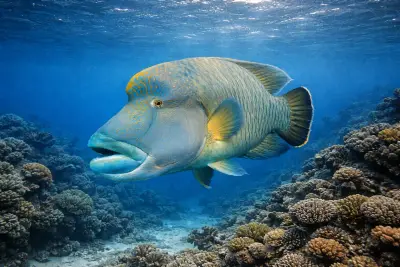
Napoleon wrasse
occasional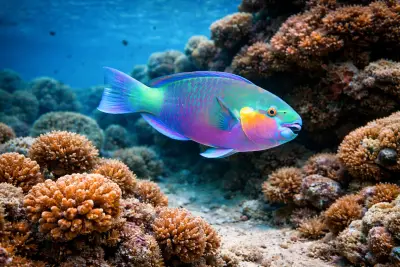
Humphead parrotfish
occasional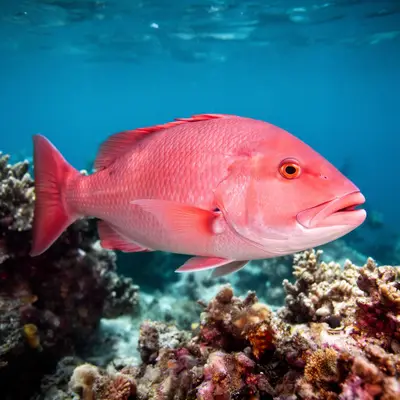
Snapper
common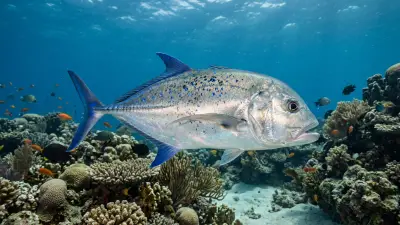
Bluefin trevally
occasional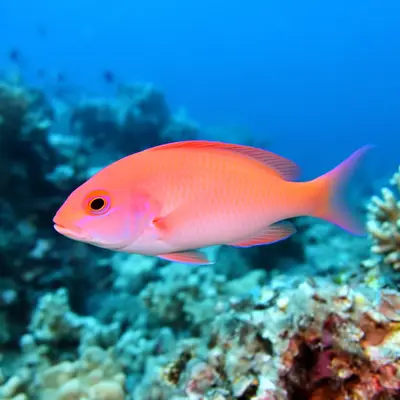
Anthias
common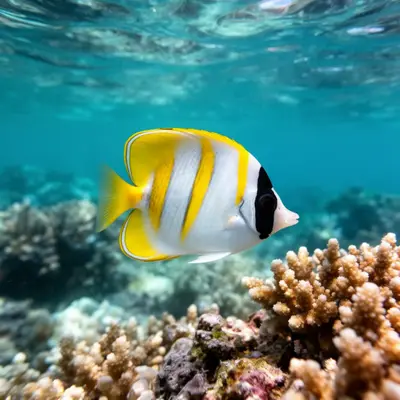
Butterflyfish
common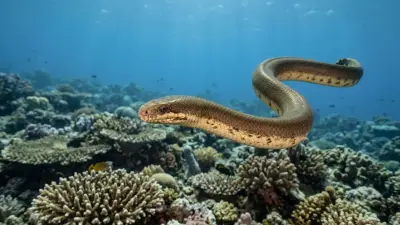
Sea snake
occasional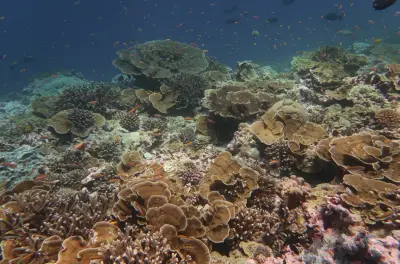
Schooling fish
common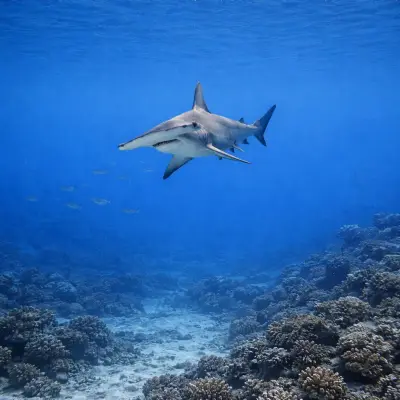
Hammerhead shark
rare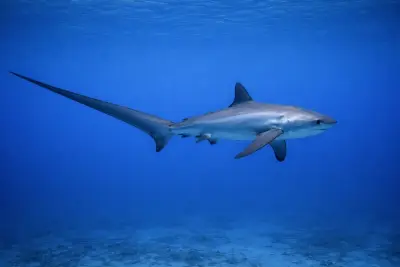
Thresher shark
rareDive profile & how the dive runs
Diving at Bama Wall typically begins with a boat entry directly onto the steep drop-off. Depending on current conditions, the dive may proceed as a drift along the wall, allowing divers to observe the rich coral coverage and schooling fish. The wall descends beyond 40 meters, offering varied depth segments. Divers will follow the contours of the wall, paying attention to the cracks and crevices for smaller reef inhabitants, while also looking into the blue for larger pelagics. The dive often transitions to a shallower sloping reef section, densely populated with anthias and butterflyfish, before ascending gradually. Safety stops are generally conducted at the shallower parts of the slope or near the surface, depending on the drift.
Underwater photography
Bama Wall is excellent for wide-angle photography due to its dramatic wall topography and extensive, healthy coral coverage. A wide-angle lens will capture the grandeur of the drop-off and the vibrant reefscapes. For capturing the numerous schooling fish like anthias and butterflyfish, a wide-angle or mid-range zoom can be effective. Consider using strobes to bring out the true colors of the corals and fish, especially at deeper sections of the wall. When currents are strong, maintaining stable buoyancy is crucial for sharp images. While primarily a wide-angle site, there are opportunities for macro shots among the wall's crevices, so a wet macro lens could be beneficial for versatile shooters. Always maintain a respectful distance from marine life.
Combine with nearby dive sites
- Kal's Dream
A seamount known for strong currents and large pelagics, requiring experienced divers.
- Mike’s Delight
A sloping reef drift dive on Pura Island with abundant corals and pelagic fish.
- Pasir Merah
Features unique red sandy slopes and a wall, known for macro life and volcanic vents.
- Wolang Cavern
Offers a beautiful shallow dive with two large caverns and abundant marine life including nurse sharks.
Getting there & logistics
Alor, situated in East Nusa Tenggara, requires flying into Kupang (KOE) from major Indonesian hubs like Jakarta or Bali, then taking a domestic flight to Alor (ARD). Trips typically range from 6 to 7 days, often combining various dive styles across the archipelago. Liveaboards or resorts, such as Alor Tanapi Dive Resort, often access Bama Wall as part of a broader itinerary covering Pantar and other islands. Park fees apply as Alor's dive sites are located within a marine park. Operators provide transfers from Alor's airport to their facilities or liveaboard embarkation points, typically in Kalabahi Bay.
Safety & environment
The nearest recompression chamber is located in Bali, necessitating robust evacuation plans for serious diving emergencies. Divers in Alor should have comprehensive dive insurance that covers emergency medical treatment and evacuation. Given the potentially strong and unpredictable currents at Bama Wall, it is crucial to carry an SMB (Surface Marker Buoy) and be proficient in deploying it. Always dive with an experienced guide who understands local conditions and current patterns. Maintain adequate gas reserves, especially on deeper wall dives, and be mindful of thermoclines which can affect comfort and gas consumption. Always follow your dive guide's instructions and stay with the group to mitigate risks in dynamic current conditions.
Who it suits — and who it doesn't
Suited for
- Experienced divers comfortable with currents
- Wall diving enthusiasts
- Coral reef admirers
- Photographers seeking wide-angle opportunities
- Divers looking for diverse reef fish
Less suited for
- Beginner divers without current experience
- Divers uncomfortable with strong drifts
- Those strictly seeking muck diving
- Divers prone to seasickness in choppier conditions
- Individuals not carrying appropriate dive insurance
FAQ
Bama Wall FAQ
What is the best time of year to dive Bama Wall?
The prime diving season for Bama Wall, and Alor generally, is from April to November. During these months, the weather is stable, seas are calm, and underwater visibility is at its best, often exceeding 20 meters. This period offers optimal conditions for experiencing the site's rich marine life and dramatic topography.
Are there strong currents at Bama Wall?
Yes, currents at Bama Wall can be quite variable, ranging from mild to occasionally ripping. Alor is known for its strong tidal movements, which can create exhilarating drift dives. Divers should be prepared for these conditions, carry an SMB, and ideally have experience diving in current-prone areas.
What kind of marine life can I expect to see at Bama Wall?
Bama Wall is teeming with diverse reef life, including large schools of anthias and butterflyfish. You might also spot humphead parrotfish, snappers, Napoleon wrasse, and occasionally sea snakes. While primarily known for its coral and reef fish, there's always a chance to spot larger pelagics in the blue.
Is Bama Wall suitable for beginner divers?
Bama Wall is generally recommended for intermediate to advanced divers due to its potential for strong and unpredictable currents. While some days offer calmer conditions, divers should be comfortable with varying current strengths and proficient in buoyancy control. Beginners should consult their dive operator for site-specific advice on the day of the dive.
What kind of photography gear is best for Bama Wall?
Bama Wall is a fantastic site for wide-angle photography, given its expansive coral-covered wall and schooling fish. A wide-angle lens is ideal for capturing the grand scale of the reef. Strobes are highly recommended to enhance colors and bring out the vibrancy of the corals. Divers should be mindful of current when planning shots.
Why dive Bama Wall from a liveaboard?
Bama Wall is one of Alor's signature dive sites. A liveaboard sleeps you on the water and puts you in the water for three to four guided dives per day, including dawn and night dives that day-boat operators rarely offer. You skip the daily commute back to port and reach quieter, less-crowded sites in the same region on a single trip.
Below are the liveaboards that include Bama Wall on their Alor itineraries.
Liveaboards diving Bama Wall
These liveaboards may visit Bama Wall on selected itineraries — the exact dive sites depend on departure, weather and conditions.
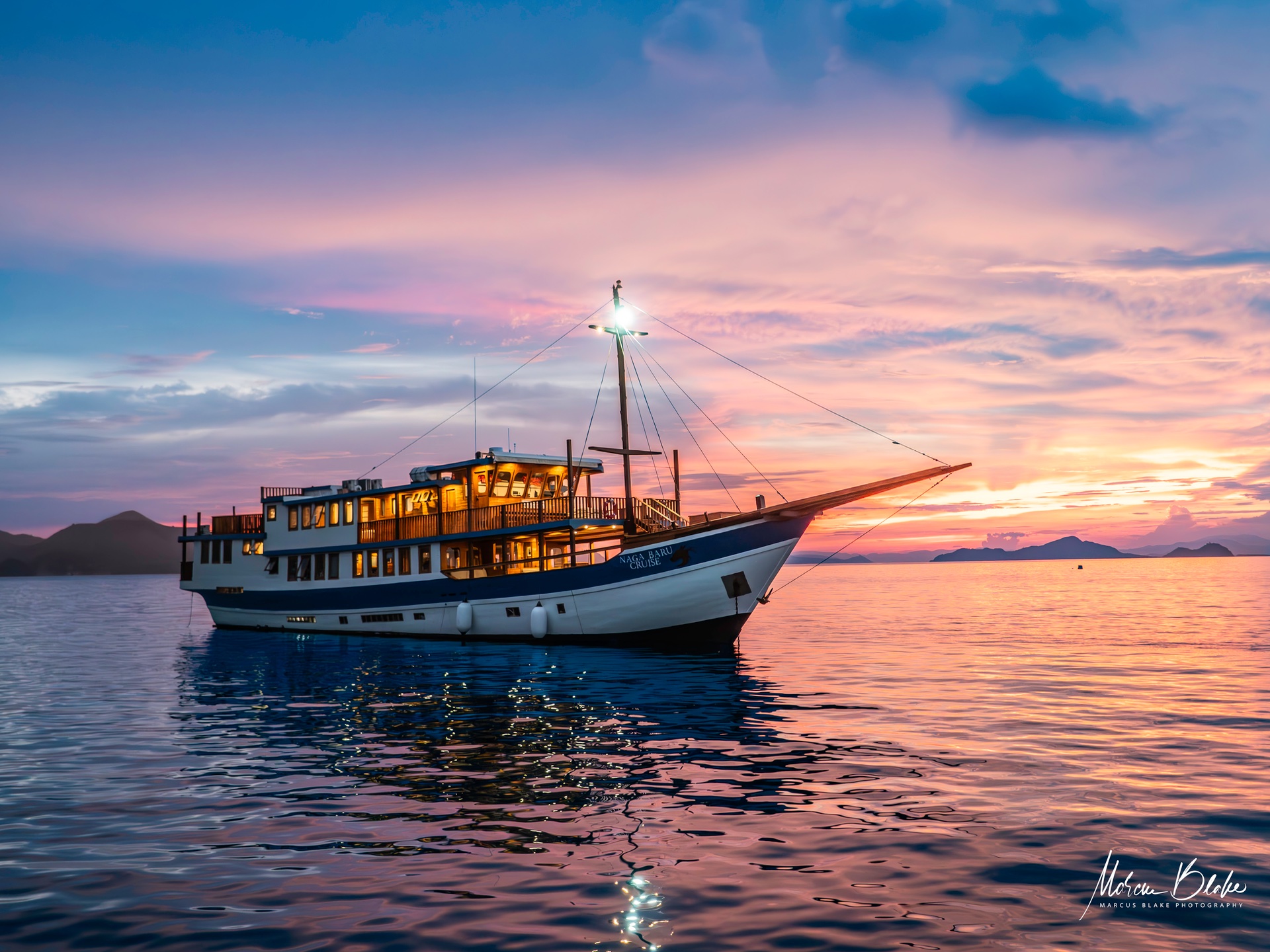
Naga Biru
Indonesia
12 guests40 m
$274/day
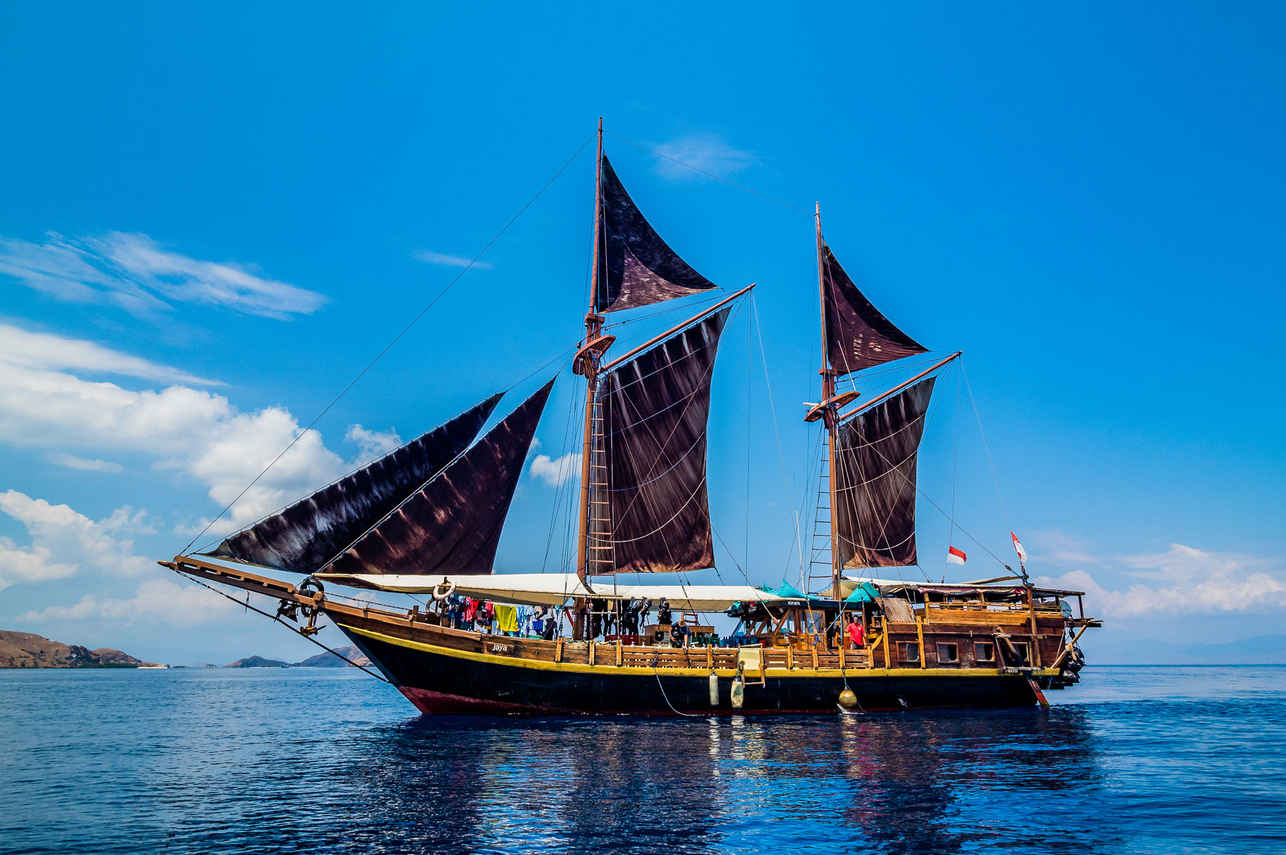
Jaya
Indonesia
14 guests23 m
$280/day
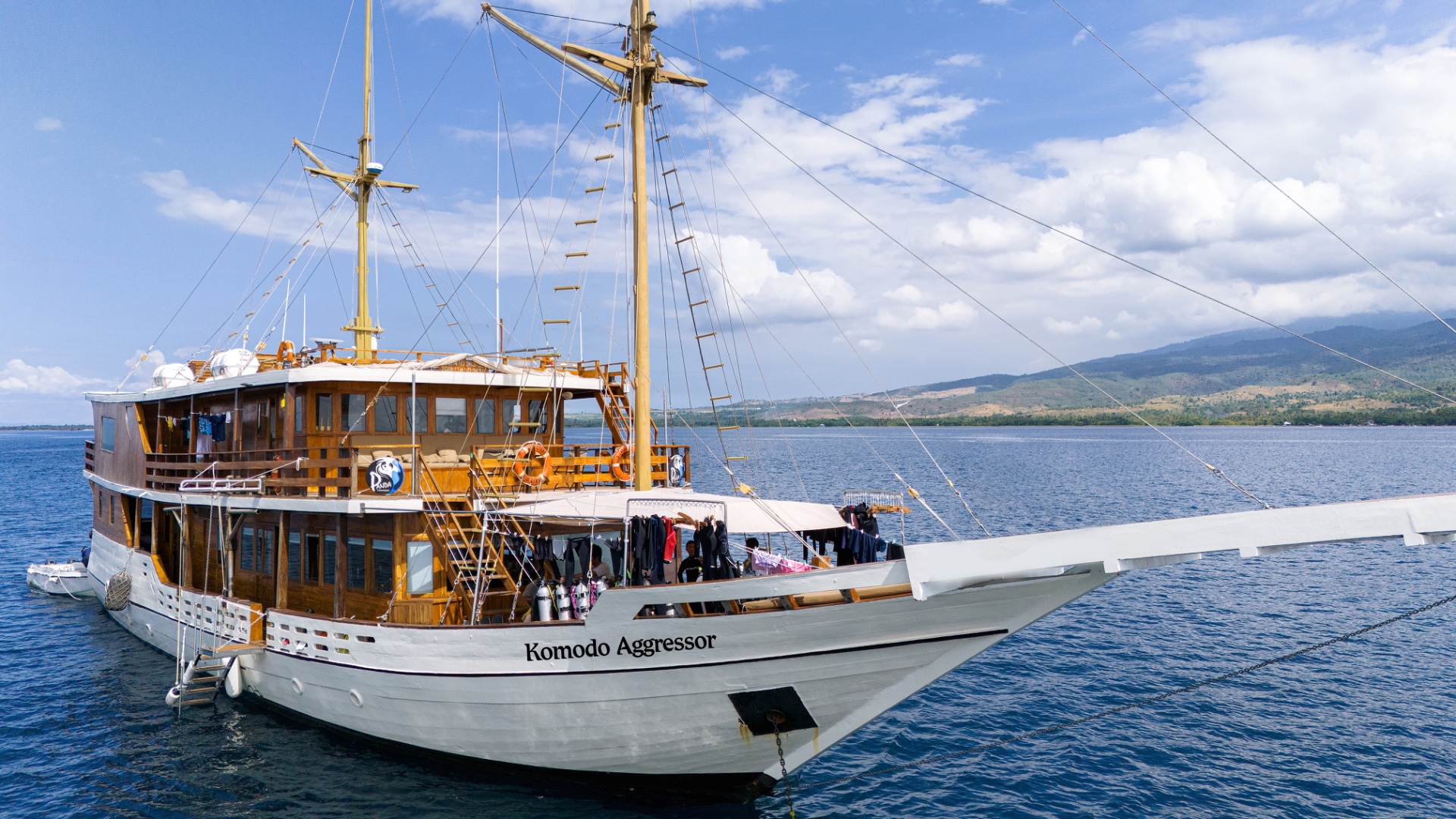
Komodo Aggressor
Komodo, Indonesia
16 guests29 m
$312/day
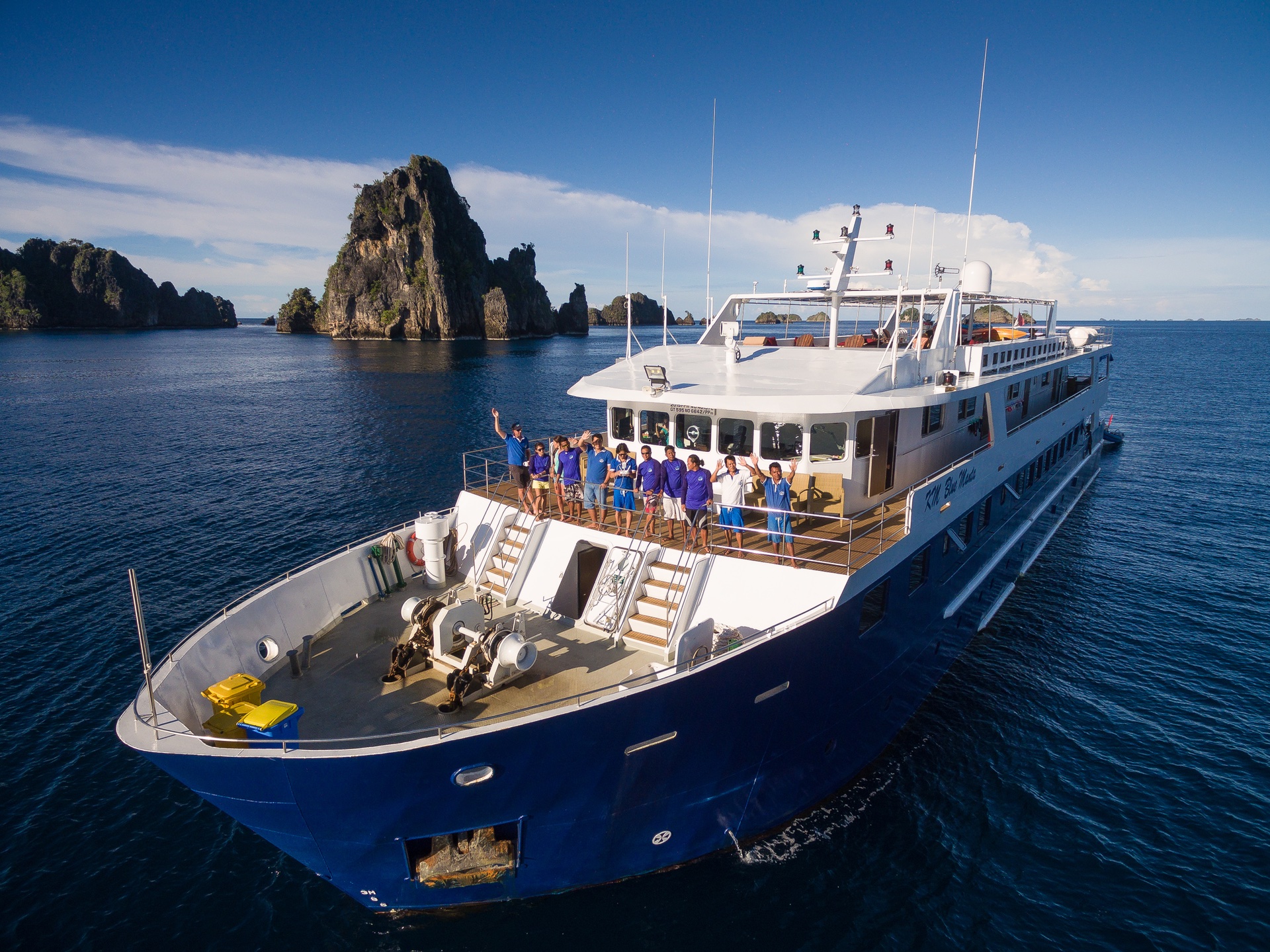
Blue Manta
Indonesia
20 guests45 m
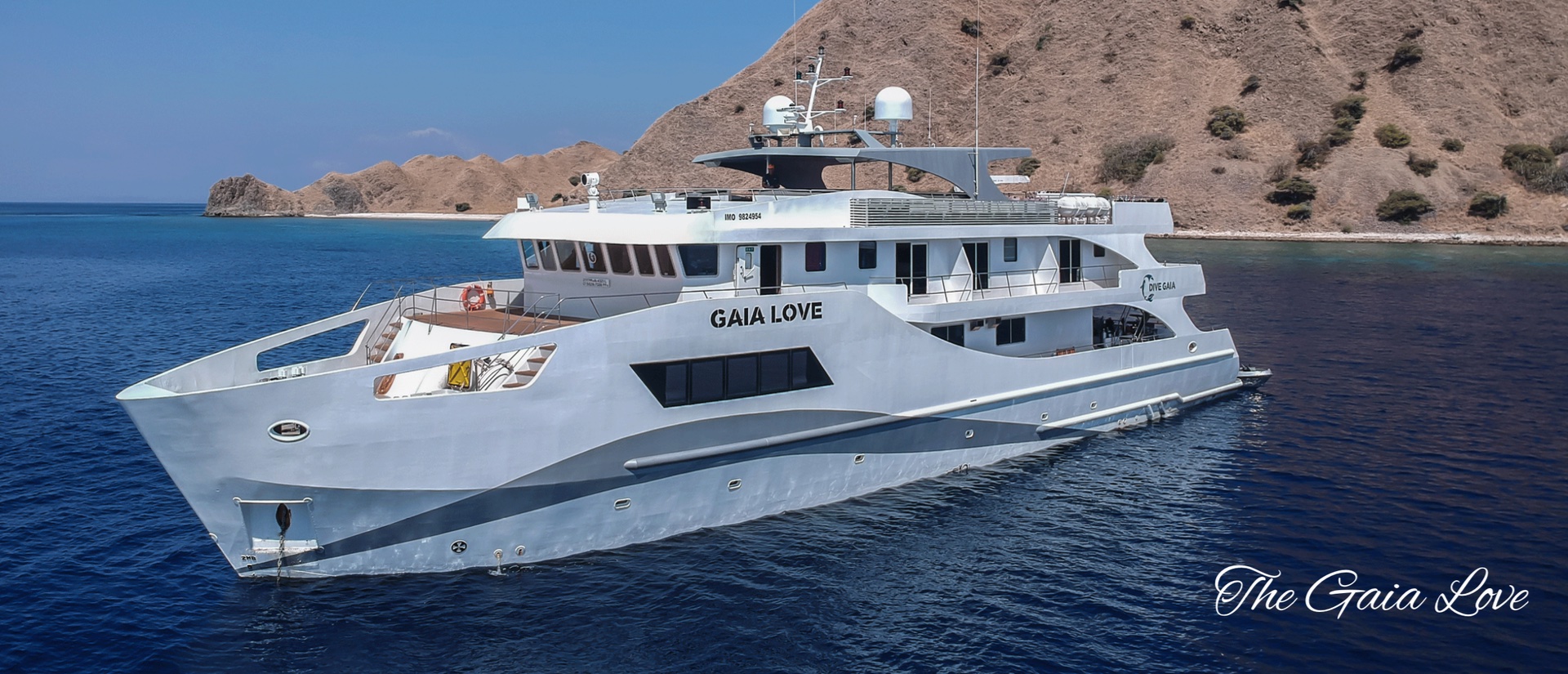
Gaia Love
Alor
20 guests
$554/day
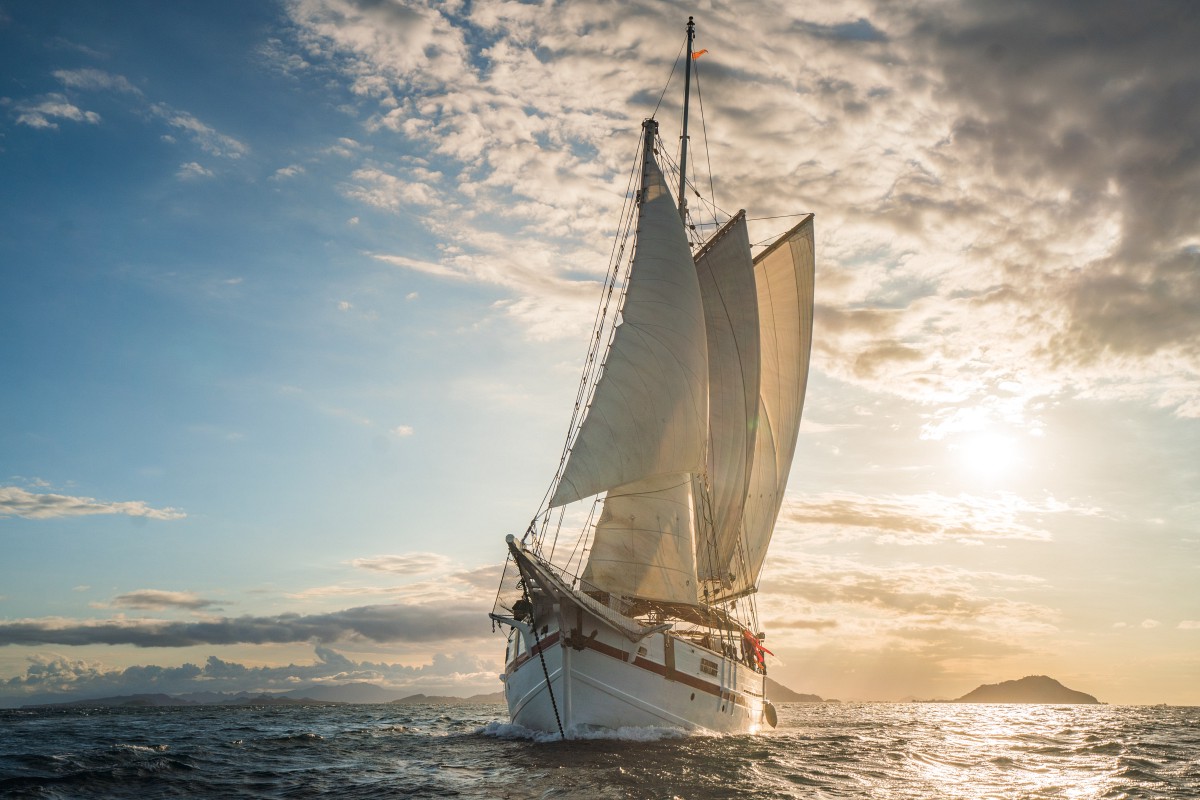
Emperor Raja Laut
Raja Ampat, Indonesia
12 guests31 m
$413/day
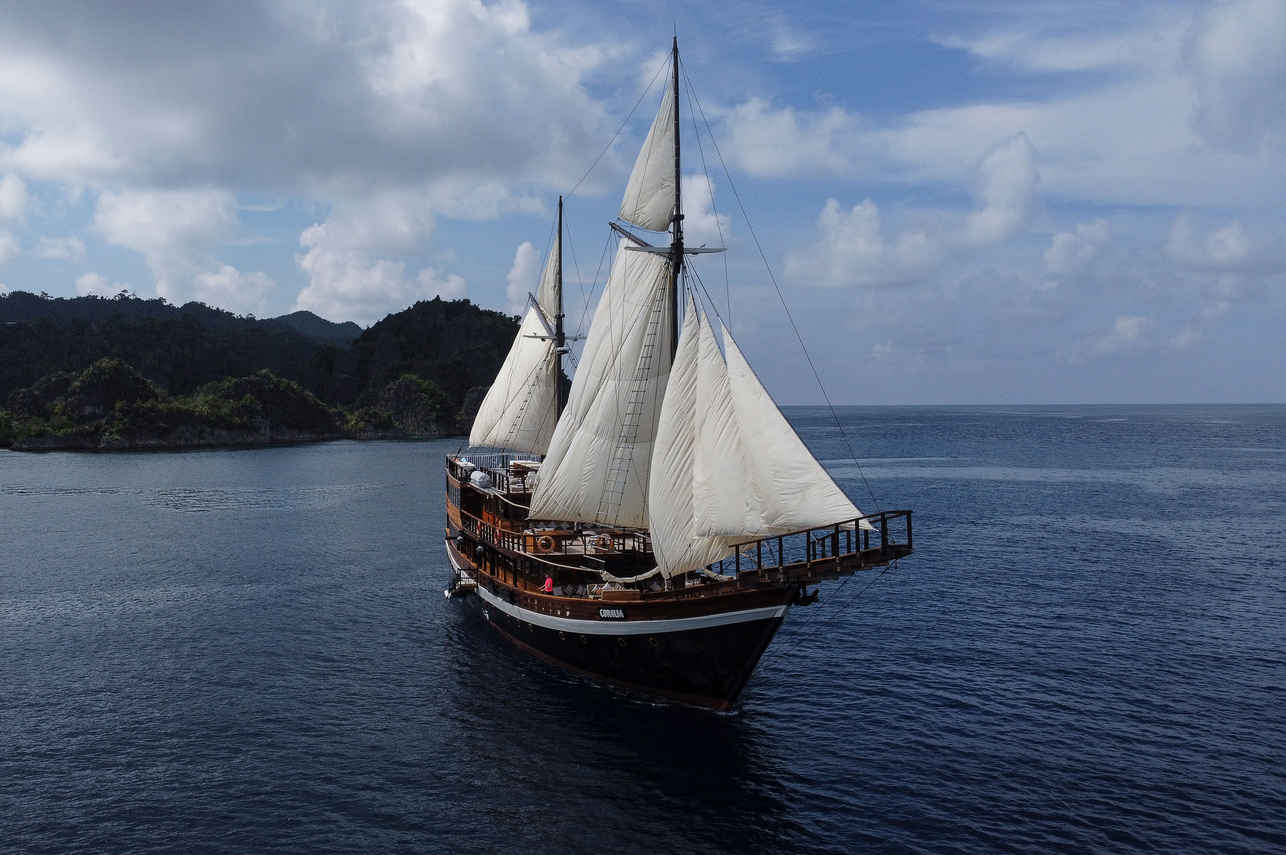
Coralia
Indonesia
16 guests48 m
$563/day
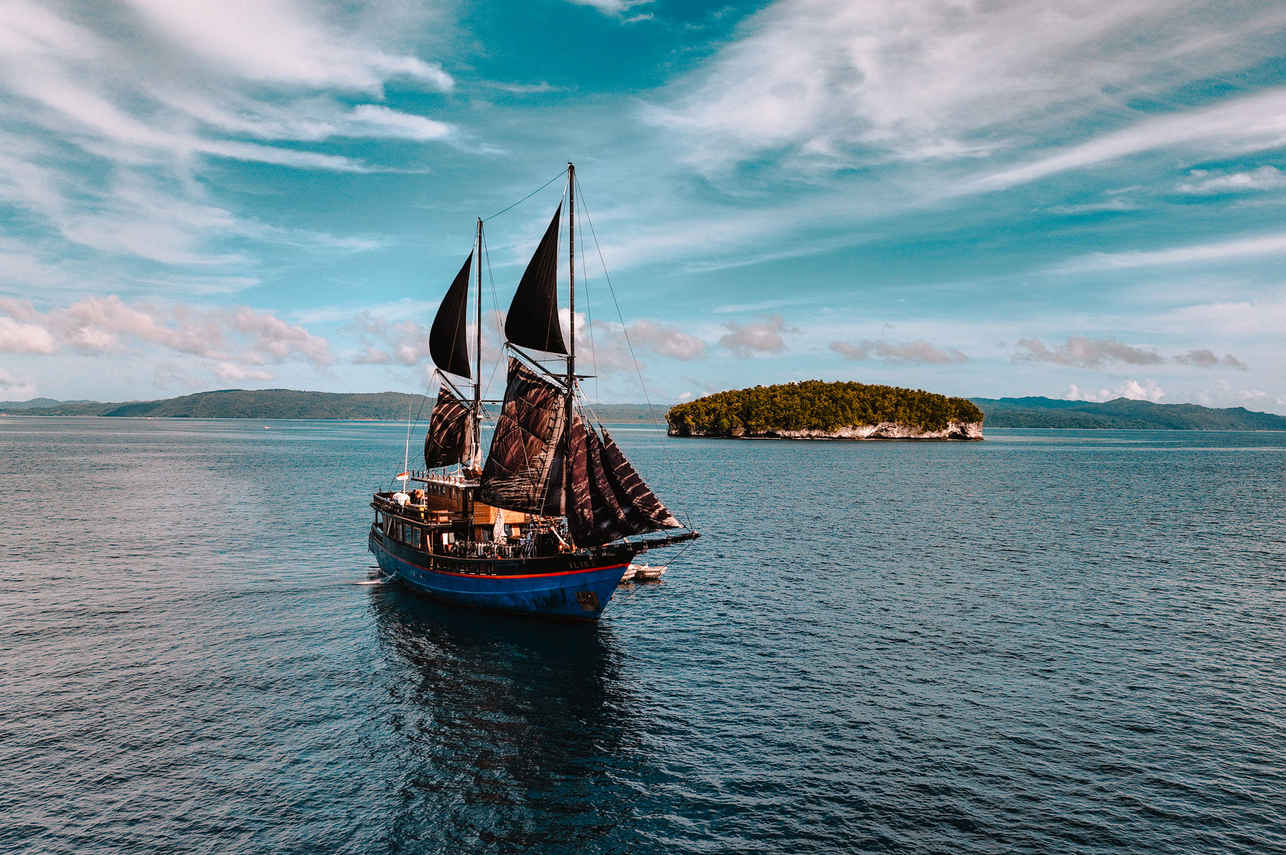
Ilike
Indonesia
16 guests40 m
$298/day
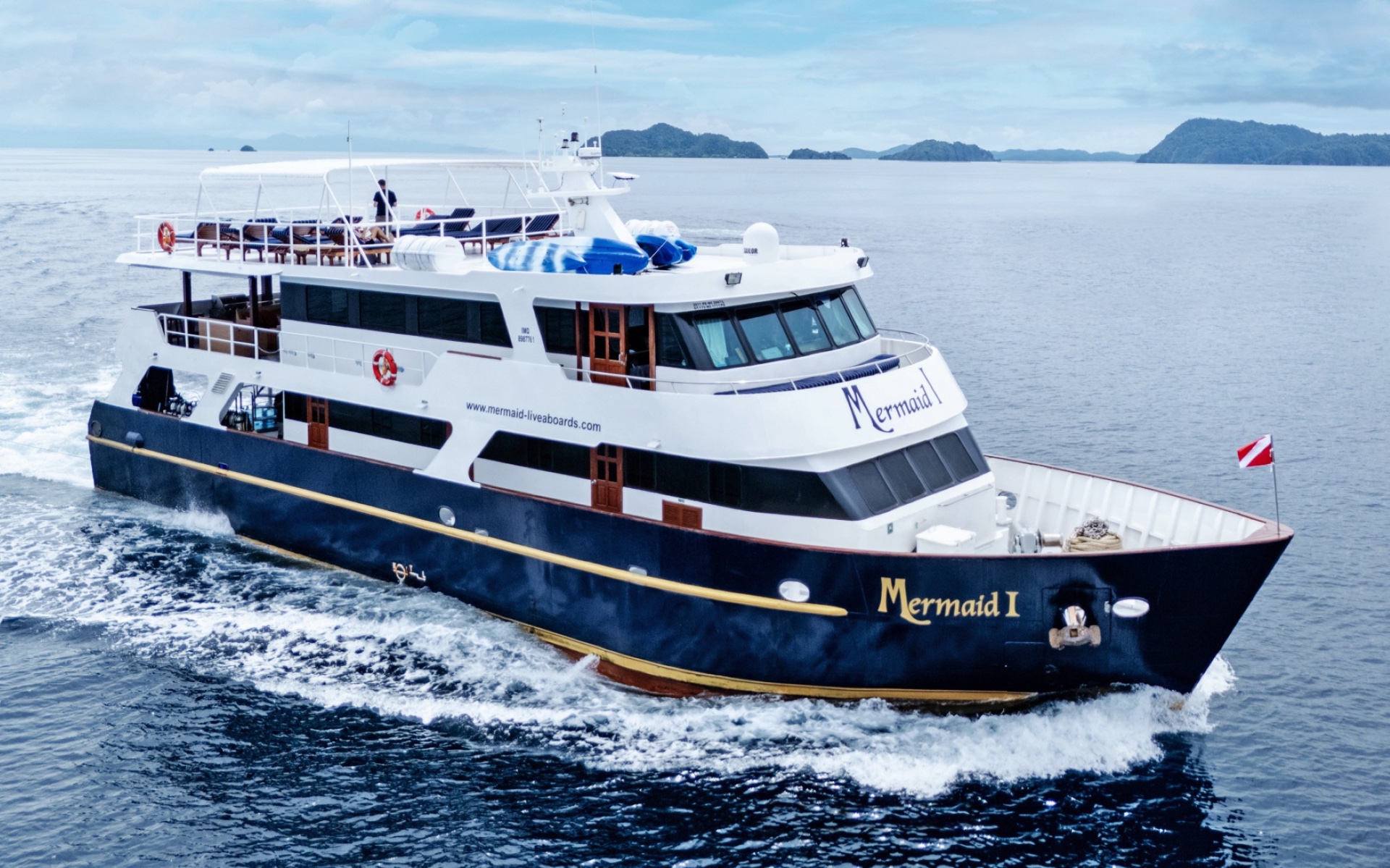
Mermaid I
Alor
15 guests28 m
$372/day
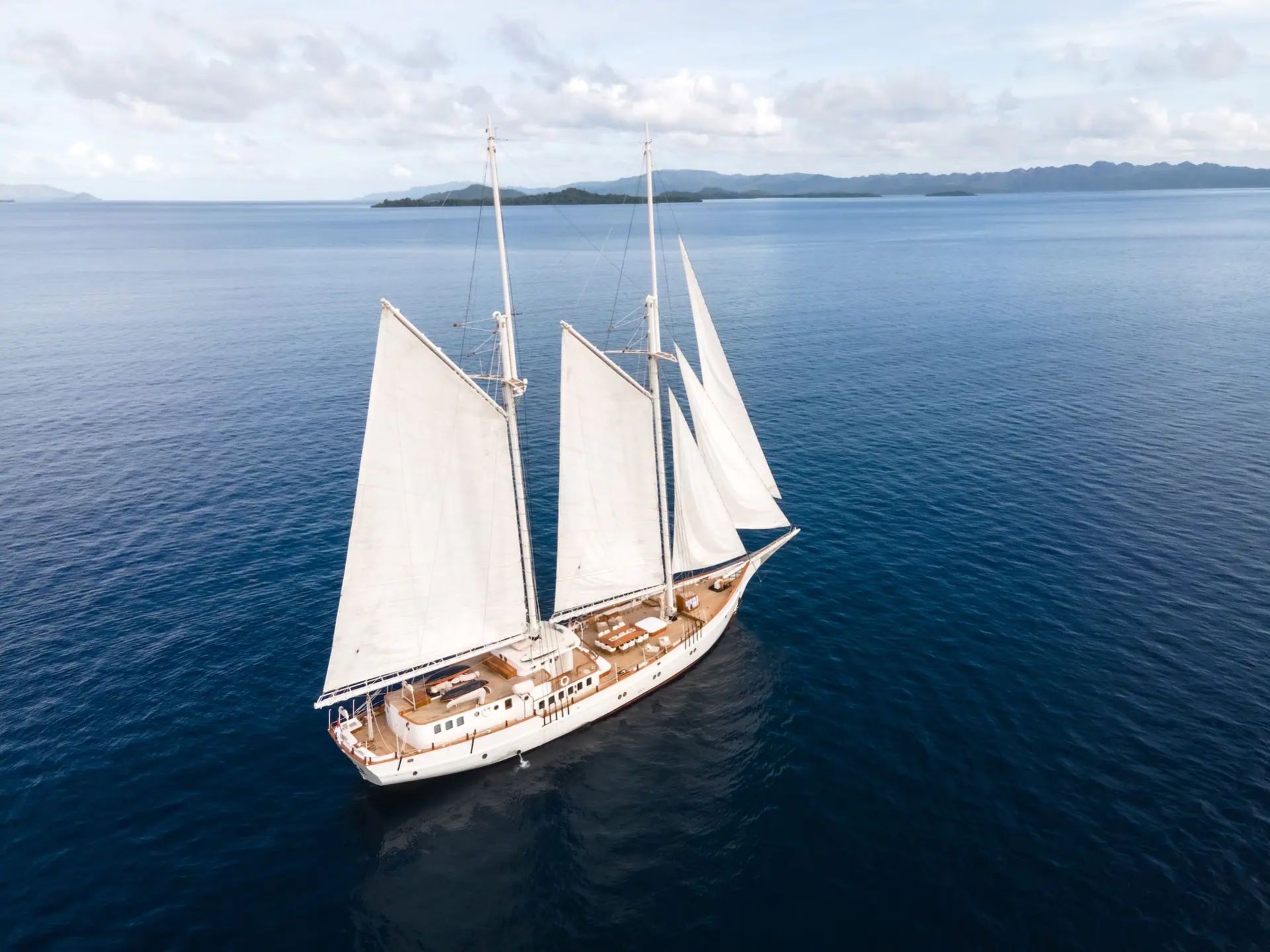
Mutiara Laut
Indonesia
14 guests46 m
$741/day
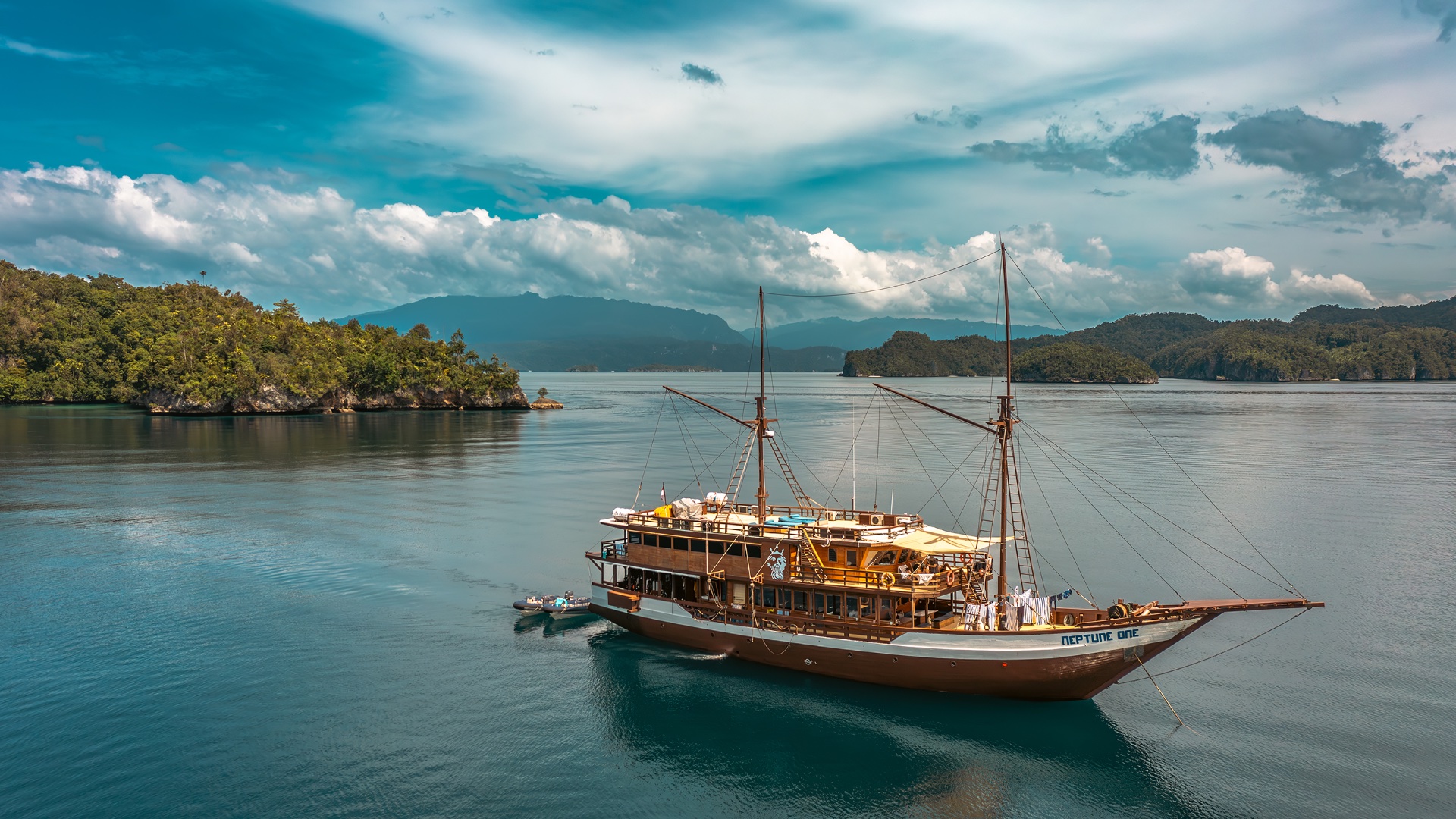
Neptune One
Indonesia
16 guests38 m
$332/day
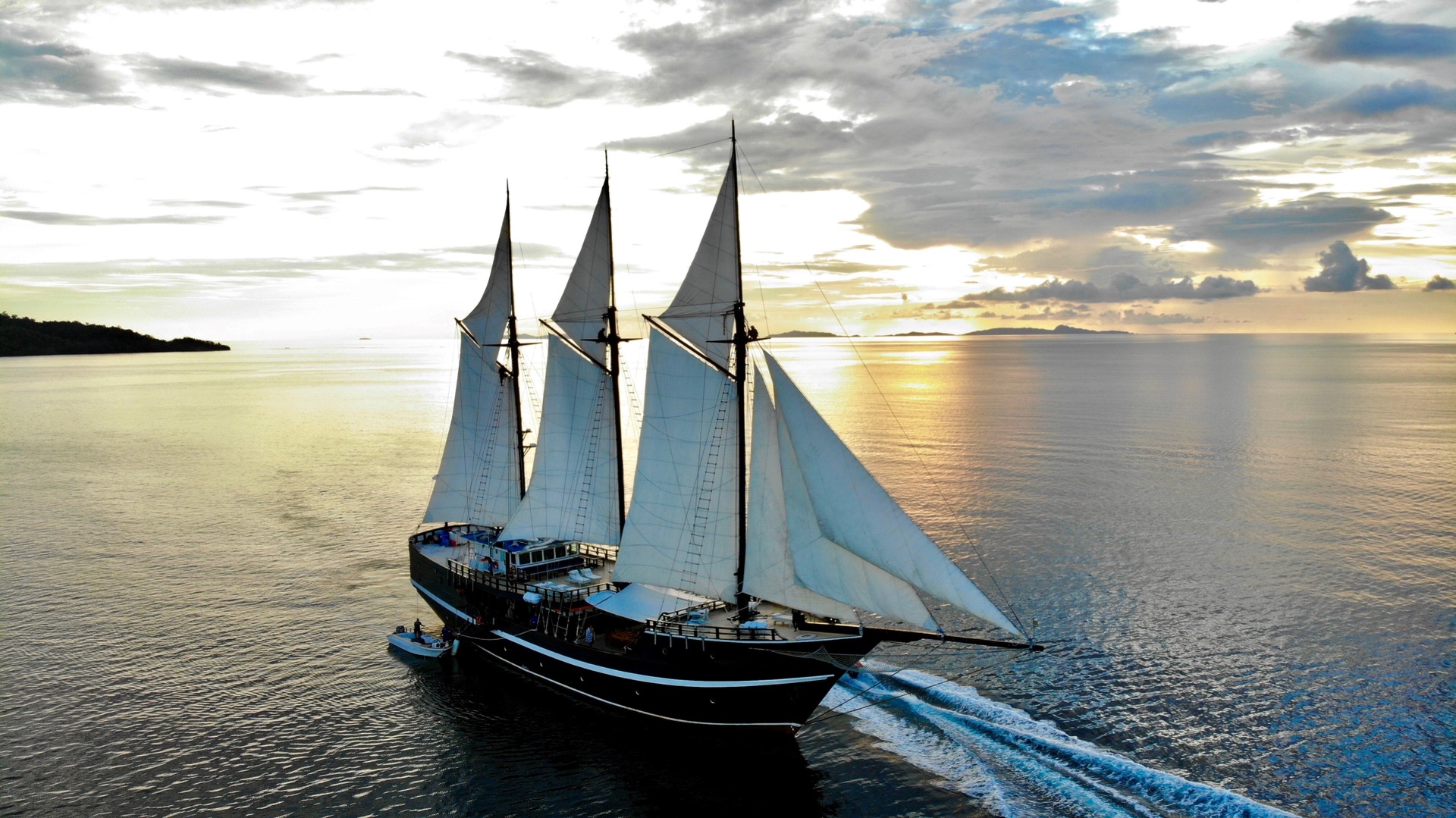
Dewi Nusantara
Indonesia
18 guests57 m
$493/day
Dive sites similar to Bama Wall
Same character, same waters — six more sites divers love for the exact same reasons.Compare seasons, access and liveaboard routes — then pick the site that fits your trip best.
© Esri — Maxar, Earthstar, GIS
Schools Out
Alor
Schools Out in Alor offers divers an exceptional encounter with healthy coral reefs and a rich variety of marine species.
- Suitable for
- Intermediate
- Current
- Mild
- Access
- Liveaboard only
- Depth
- 20–30 m
- Theme
- Reef
© Esri — Maxar, Earthstar, GIS
Pasir Merah
Alor
Pasir Merah, or Red Sand, is a distinctive dive site situated north of Pura Island in the Alor Archipelago, East Nusa Tenggara.
- Suitable for
- Intermediate
- Current
- Moderate
- Access
- Liveaboard or dayboat
- Depth
- 5–35 m
- Theme
- Muck diving / Reef
© Esri — Maxar, Earthstar, GIS
The Aquarium
Alor
The Aquarium dive site in Alor truly earns its name by offering a breathtaking underwater spectacle, teeming with marine life and spectacular coral colors.
- Suitable for
- Intermediate
- Current
- Mild
- Access
- Liveaboard only
- Depth
- —
- Theme
- Reef
© Esri — Maxar, Earthstar, GIS
Rusa Pinnacle
Alor
Rusa Pinnacle is a challenging yet highly rewarding dive site situated in the Alor archipelago, part of Indonesia's East Nusa Tenggara.
- Suitable for
- Advanced
- Current
- Strong
- Access
- Liveaboard only
- Depth
- 6–30 m
- Theme
- Reef
© Esri — Maxar, Earthstar, GIS
Goa Wolang
Alor
Goa Wolang, also known as Wolang Cave, is a distinctive dive site located in South Alor, renowned for its intriguing topography and diverse marine life.
- Suitable for
- Advanced
- Current
- Strong
- Access
- Dayboat
- Depth
- 5–30 m
- Theme
- Cavern / Wall
© Esri — Maxar, Earthstar, GIS
La Petite Kepa
Alor
La Petite Kepa refers to both a renowned dive site and the associated dive resort located on Kepa Island, within the Alor Archipelago in Indonesia.
- Suitable for
- Beginner
- Current
- Mild
- Access
- Shore / dayboat
- Depth
- 5–40 m
- Theme
- Reef