About Goa Wolang
Goa Wolang, also known as Wolang Cave, is a distinctive dive site located in South Alor, renowned for its intriguing topography and diverse marine life. This site is characterized by its cooler waters and the occasional presence of surge currents, making for an adventurous dive experience. It offers a beautiful shallow exploration, perfect for divers to discover its two impressive caverns. The site features a large cavern with an accessible air pocket, providing a unique surface interval experience, and another with an exciting swim-through that adds an element of exploration. Beyond the caves, the topography includes a combination of sloping reefs and vertical walls that are teeming with life. Divers can expect to navigate these varied underwater landscapes, encountering both reef inhabitants and pelagic visitors. While visibility can fluctuate with Alor's strong tidal movements, it generally ranges from 10 to 30 meters, reaching up to 40 meters in optimal conditions. Water temperatures are cooler here, typically between 24-26°C. The nutrient-rich currents, while sometimes strong, contribute to the site's vibrant ecosystem, attracting various species to its walls and caverns. This site is often part of a liveaboard itinerary, like those exploring the Biang Abang area, offering a refreshing and visually rewarding dive. It's particularly well-suited for those who appreciate cavern diving and the chance to observe marine life in unique geological formations, though current experience is beneficial due to the variable conditions.
Highlights
Wolang Cave cavernsAir pocket inside caveCavern swim-throughBluefin trevallies huntingNurse sharksElectric clamsShark eggsSlopes and walls
Season calendar
Best months to dive here
Jan
Feb
Mar
Apr
May
Jun
Jul
Aug
Sep
Oct
Nov
Dec
Excellent
Good
Dive site facts: Goa Wolang
- Depth
- 5–30 m
- Typical dive
- 8-25 m, 45-60 min
- Current
- Moderate to strong, surge currents
- Visibility
- 15–40 m
- Water temperature
- 24–26°C
- Entry
- Boat
- Level
- Intermediate to Advanced, current experience beneficial
- Dive type
- Cavern, wall, slope, reef
- Region / port
- Alor, Indonesia
- Coordinates
- 8.2919° S, 124.4220° E
Conditions & Currents
Diving at Goa Wolang means encountering variable and sometimes strong currents, particularly surge currents, which are a defining characteristic of this South Alor site. These powerful tidal movements are common throughout the Alor archipelago due to its position between the Indian and Pacific Oceans. Divers should be prepared for potentially dynamic conditions, with entry and exit techniques needing to adapt to the prevailing current strength. While the site is shallow, strong currents can necessitate good buoyancy control and possibly negative entries. Visibility generally ranges from 10 to 30 meters, but can be influenced by current intensity and seasonal changes. The water in South Alor is noticeably cooler, typically ranging from 24-26°C, and thermoclines may be present, requiring appropriate thermal protection. An experienced guide who understands the local tidal patterns is crucia
Marine life & sighting chances


Dive profile & how the dive runs
Dives at Goa Wolang typically begin with a boat entry, often utilizing a negative entry technique if currents are strong, directly into the area of the caverns. The initial descent leads divers to the beautiful shallow caverns, one featuring a large air pocket and the other offering an exciting swim-through. Divers will explore these unique geological formations, keeping an eye out for bluefin trevallies hunting, nurse sharks resting, shark eggs, lobsters, and electric clams within the protected cave environments. The dive then progresses along the site's combination of sloping reefs and walls, which display a variety of marine life. Depths are generally kept shallow for cavern exploration but can extend deeper along the walls. The turn point is determined by air consumption and no-decompression limits, after which divers ascend along the reef contour. The safety stop is usually conducted in the shallower sections of the wall or slope, allowing for further observation of reef life before surfacing.
Underwater photography
Goa Wolang presents excellent opportunities for both wide-angle and macro photography, especially within its unique cavern environments. For wide-angle shots, consider a fisheye or wide-angle rectilinear lens to capture the grandeur of the caverns, the swim-through, and the air pocket, which can create dramatic light effects. External strobes are highly recommended to bring out the vibrant colors of corals and marine life, even in shallow water. For macro subjects like lobsters, electric clams, and small critters in darker crevices, a dedicated macro lens will be essential. Pay close attention to buoyancy, especially inside the caverns, to avoid stirring up silt and to protect the delicate marine environment. When photographing nurse sharks or other resting animals, maintain a respectful distance to avoid disturbance.
Combine with nearby dive sites
- Masjid Ampera
Masjid Ampera, often referred to as Mucky Mosque, is a celebrated dive site located within Alor's sheltered Kalabahi Bay.
- Pasir Merah
Pasir Merah, or Red Sand, is a distinctive dive site situated north of Pura Island in the Alor Archipelago, East Nusa Tenggara.
- Bama Wall
Bama Wall, or "The Great Wall of Pantar," is a prominent dive site located on Pantar Island, directly opposite Alor.
- Munaseli
Munaseli is a prominent dive site situated off the northern coast of Pantar Island in the Alor archipelago, an area celebrated for its rich…
Getting there & logistics
Alor diving trips typically commence from Kalabahi, the main town in Alor, which is usually accessed via domestic flights from Bali (Denpasar) or Kupang. Liveaboards departing from Kalabahi offer itineraries that span several days, commonly around 7 days and 6 nights, to explore the diverse sites around the Alor archipelago. Goa Wolang is often included in these itineraries, particularly those focusing on the Biang Abang area in South Alor. Day boats from local dive operators also service sites around the region. While specific permit fees for Goa Wolang are not detailed, divers should anticipate general marine park fees for the Alor Islands Marine Park, which are typically incorporated into liveaboard or dive center packages. Trips often combine cavern dives like Goa Wolang with wall dives, drift dives, and muck dives found throughout Alor's varied underwater landscape.
Safety & environment
Diving at Goa Wolang, given its potential for strong and surge currents, requires divers to be current-competent. All divers should have appropriate insurance that covers scuba diving and emergency medical evacuation. The nearest recompression chamber is likely in Bali or Makassar, meaning evacuation from the remote Alor region would be a significant undertaking, potentially involving multiple transport stages. Divers should always dive with an experienced local guide who is familiar with the site's specific conditions and local tide tables. Due to the cooler water temperatures (24-26°C) and potential thermoclines, adequate thermal protection such as a 5mm wetsuit is advisable. Good buoyancy control is paramount, especially within the confined spaces of the caverns, to prevent silt disturbance and protect fragile marine life.
Who it suits — and who it doesn't
Suited for
- Experienced divers comfortable with currents
- Cavern diving enthusiasts
- Underwater photographers seeking unique geology
- Divers interested in unique marine life like nurse sharks and electric clams
- Liveaboard guests exploring South Alor
Less suited for
- Novice divers without current experience
- Divers who prefer warm, calm waters exclusively
- Those prone to claustrophobia in confined spaces
- Divers unprepared for potential thermoclines
- Individuals sensitive to surge currents
FAQ
Goa Wolang FAQ
What kind of dive site is Goa Wolang?
Goa Wolang is a unique dive site in South Alor known for its two large caverns, one featuring an air pocket and the other a swim-through. The site also includes walls and slopes, making it a diverse environment for exploration. It's often associated with cooler water temperatures and the presence of surge currents.
What marine life can be seen at Goa Wolang?
Within the caverns and along the walls of Goa Wolang, divers can frequently spot bluefin trevallies actively hunting. Other common sightings include nurse sharks, shark eggs, lobsters, and electric clams. The varied topography provides habitat for a range of marine creatures.
Are there strong currents at Goa Wolang?
Yes, Goa Wolang often experiences surge currents, and generally, currents in Alor can range from moderate to strong due to its position in the Pantar Strait. Divers should be comfortable with dynamic conditions and good buoyancy control is essential. Local dive guides will assess conditions for safe diving.
What is the water temperature like at Goa Wolang?
The water temperatures at Goa Wolang, being in South Alor, are typically cooler than other parts of the region, usually ranging from 24-26°C (75-79°F). Divers should consider wearing a thicker wetsuit, such as a 5mm, to ensure comfort during their dives due to these cooler temperatures and potential thermoclines.
Is Goa Wolang suitable for all diving levels?
Goa Wolang is best suited for intermediate to advanced divers who have experience with currents. While the dive is shallow, the presence of surge currents and the cavern environments require good buoyancy control and comfort in potentially dynamic conditions. Novice divers are advised to gain more experience before attempting this site.
Why dive Goa Wolang from a liveaboard?
Goa Wolang is one of Alor's signature dive sites. A liveaboard sleeps you on the water and puts you in the water for three to four guided dives per day, including dawn and night dives that day-boat operators rarely offer. You skip the daily commute back to port and reach quieter, less-crowded sites in the same region on a single trip.
Below are the liveaboards that include Goa Wolang on their Alor itineraries.
Liveaboards diving Goa Wolang
These liveaboards may visit Goa Wolang on selected itineraries — the exact dive sites depend on departure, weather and conditions.
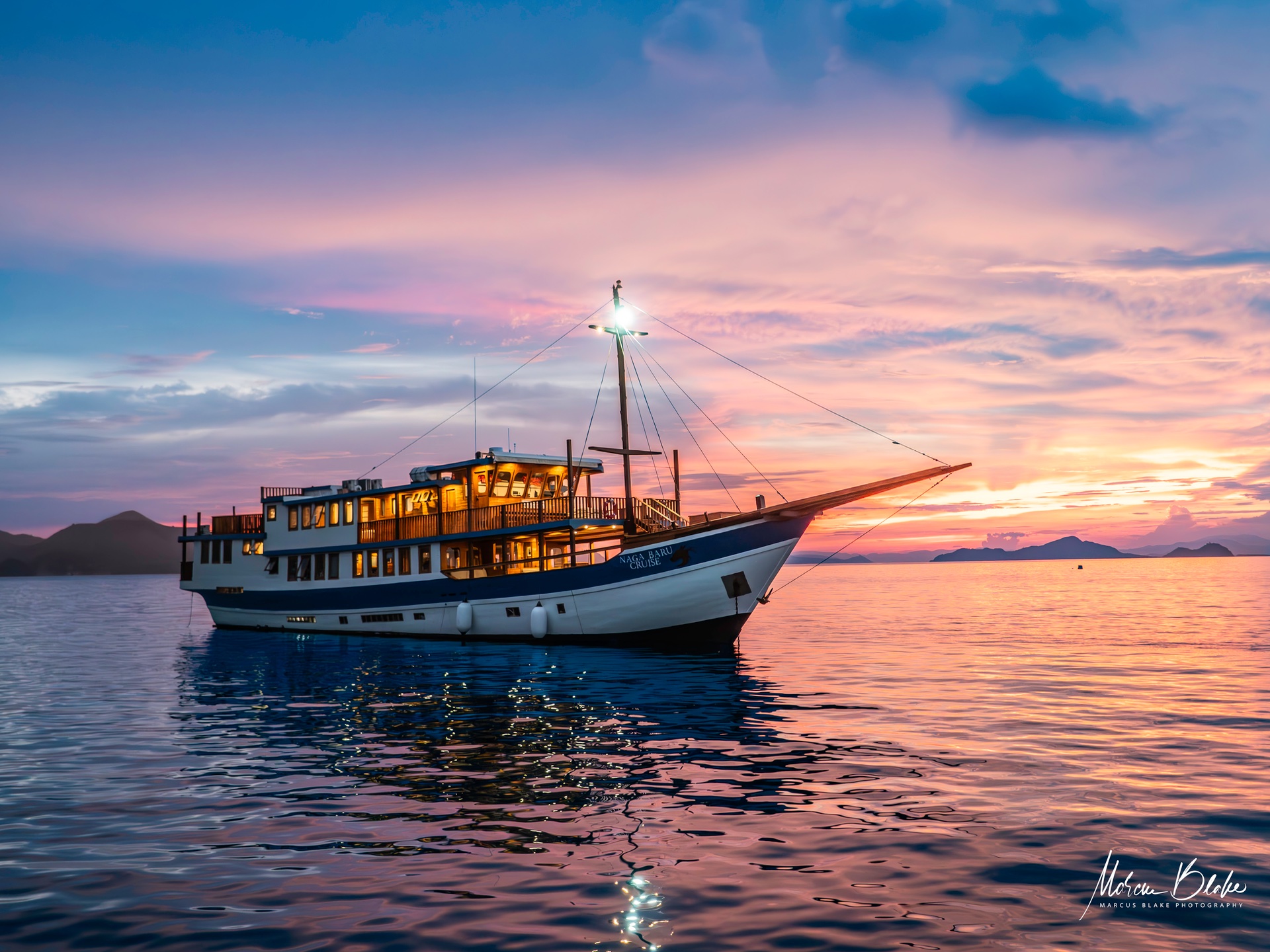
Naga Biru
Indonesia
12 guests40 m
$273/day
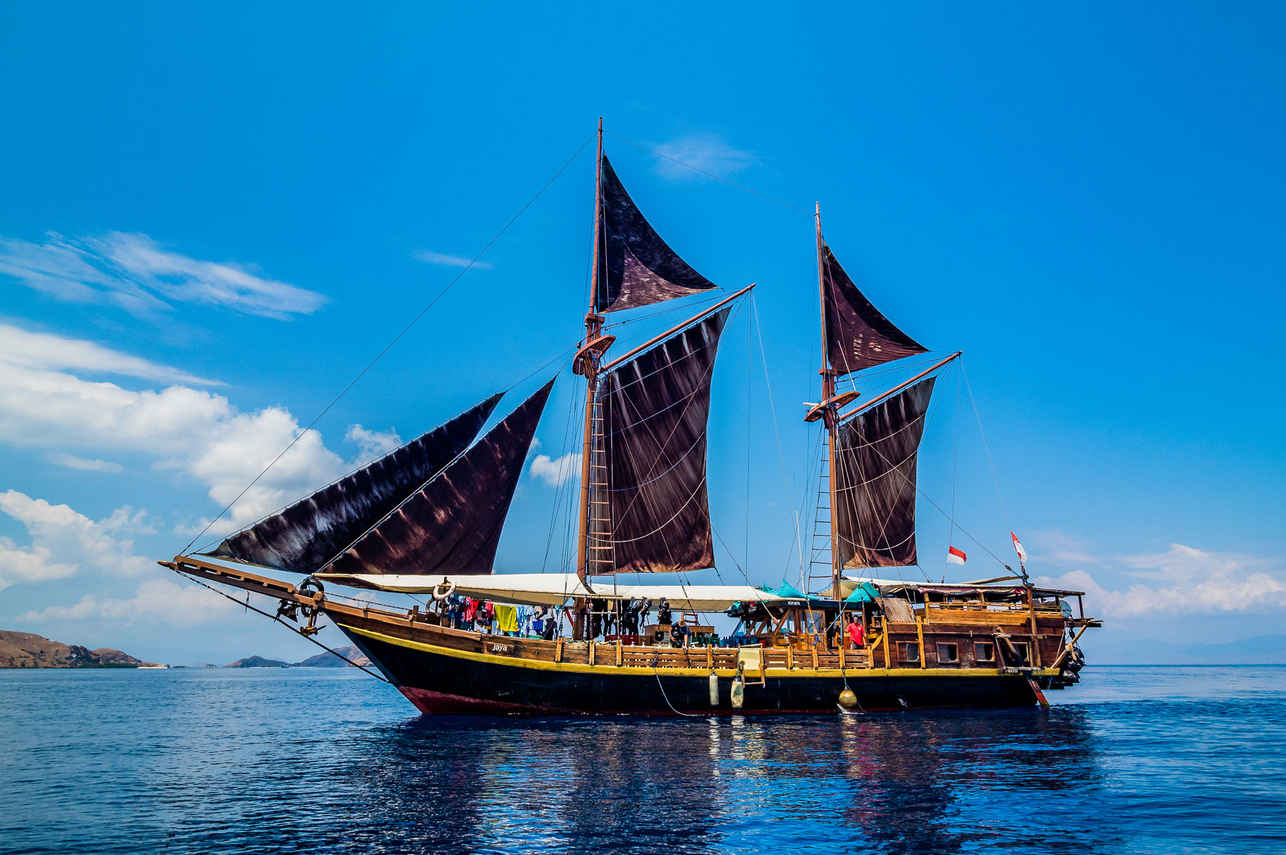
Jaya
Indonesia
14 guests23 m
$280/day
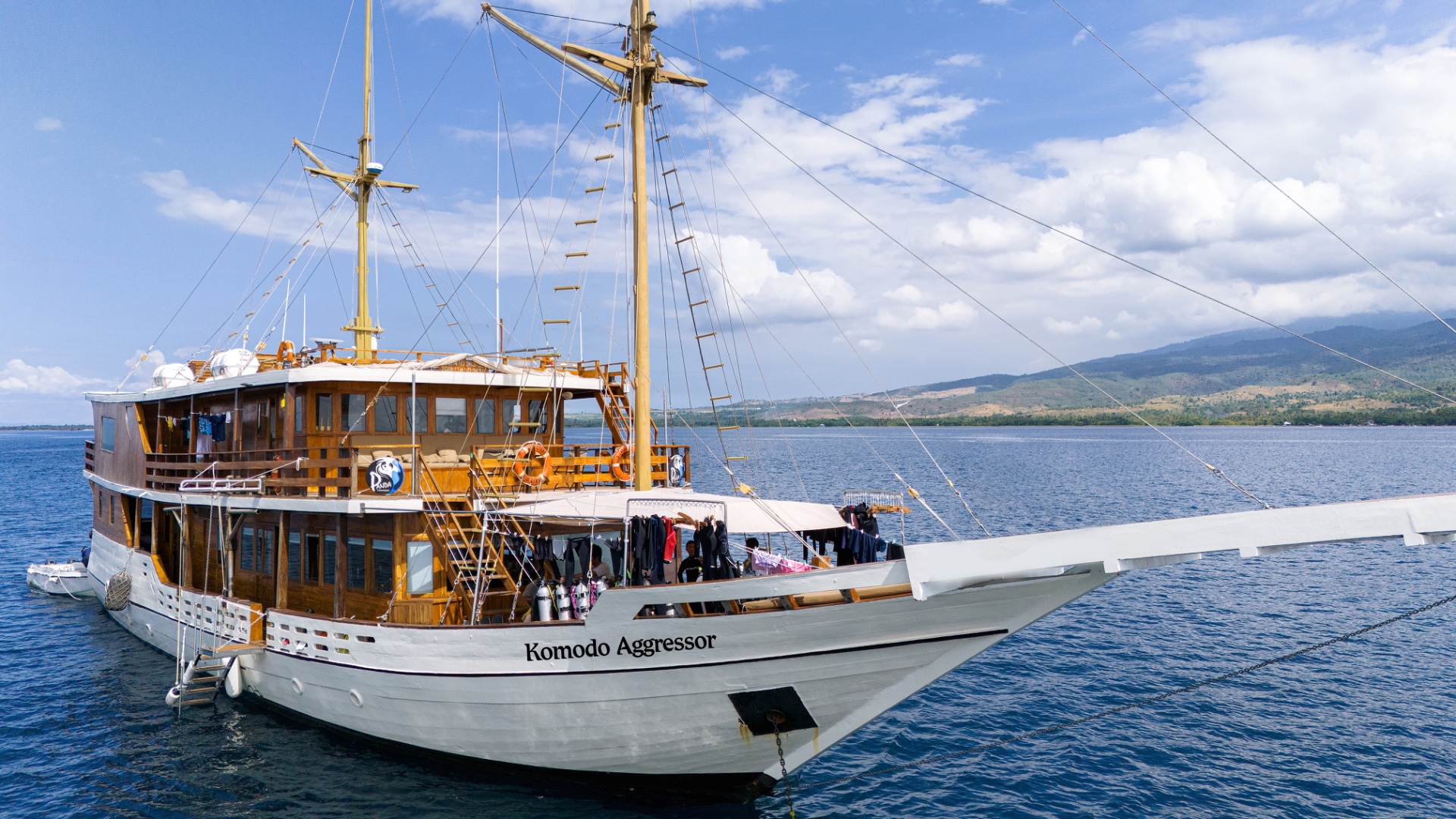
Komodo Aggressor
Komodo, Indonesia
16 guests29 m
$312/day
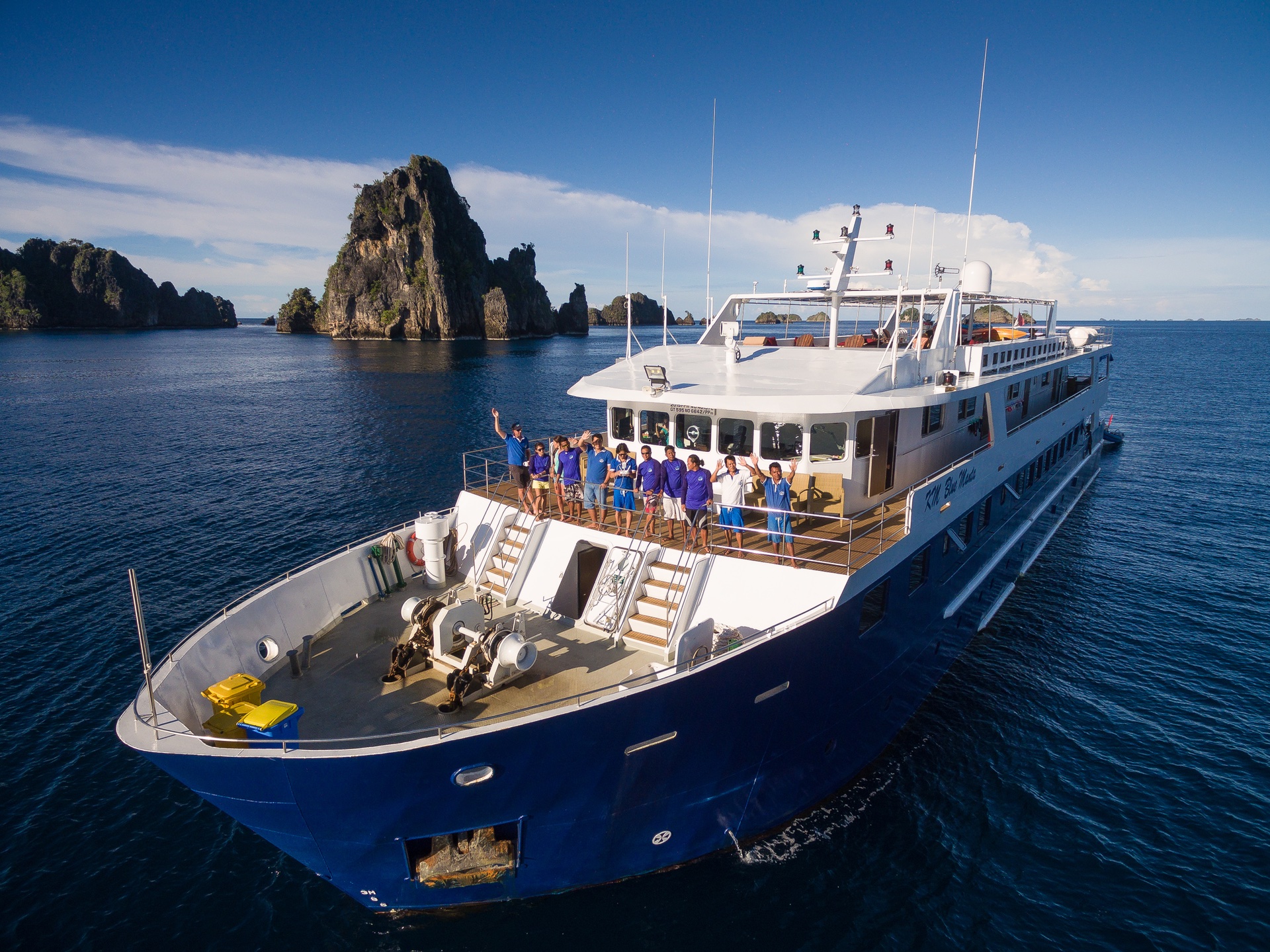
Blue Manta
Indonesia
20 guests45 m
$482/day
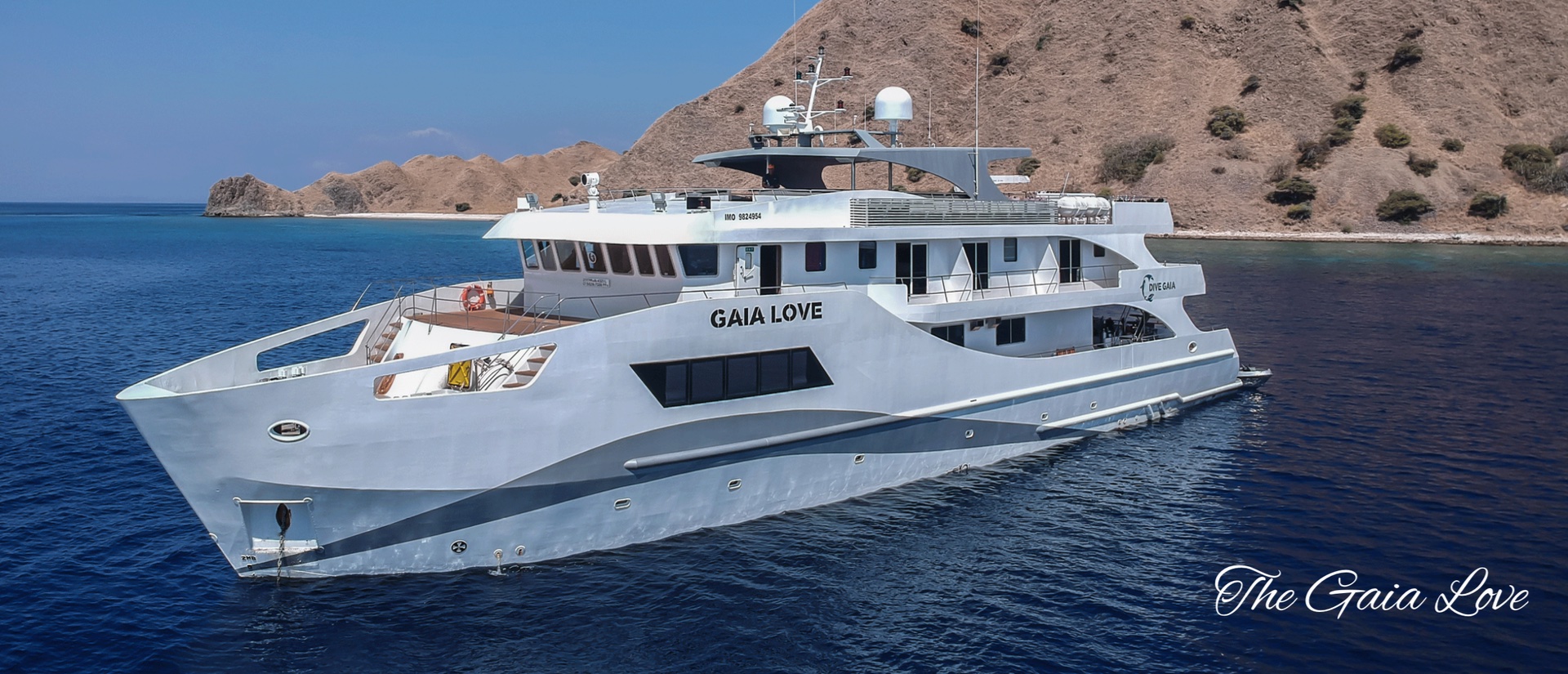
Gaia Love
Alor
20 guests
$554/day
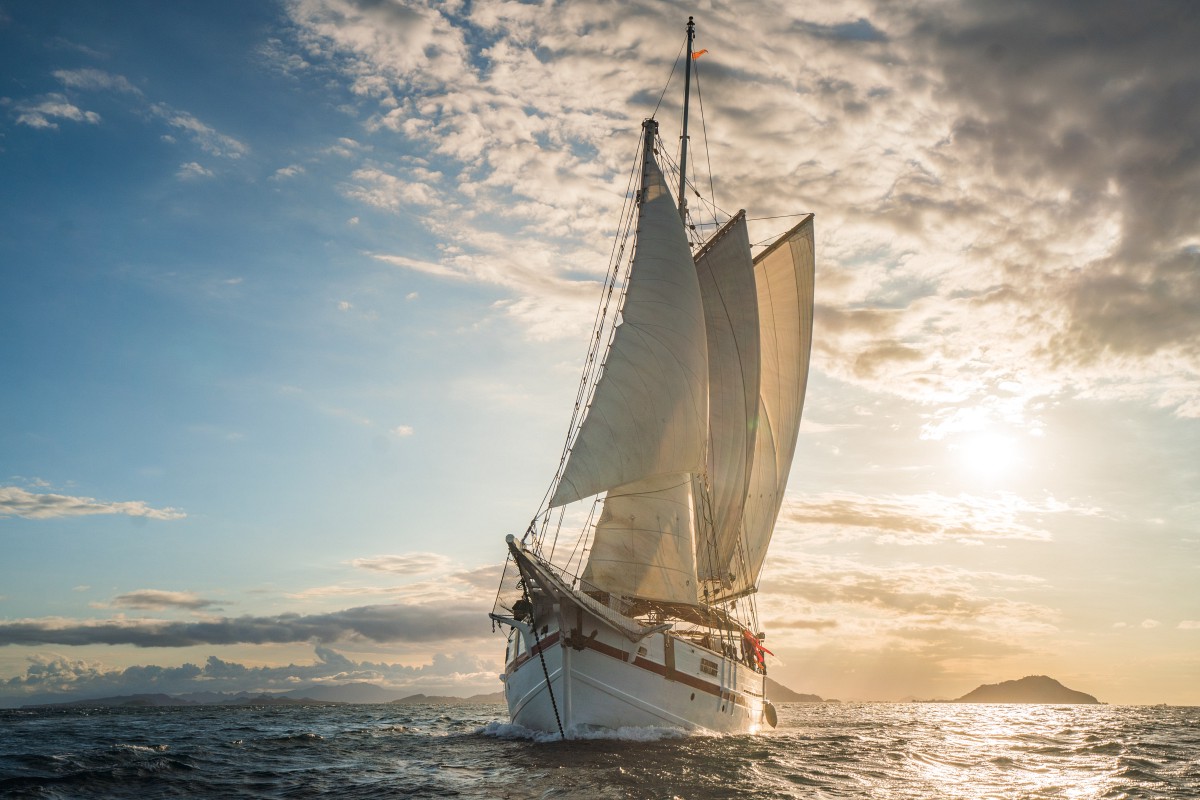
Emperor Raja Laut
Raja Ampat, Indonesia
12 guests31 m
$413/day
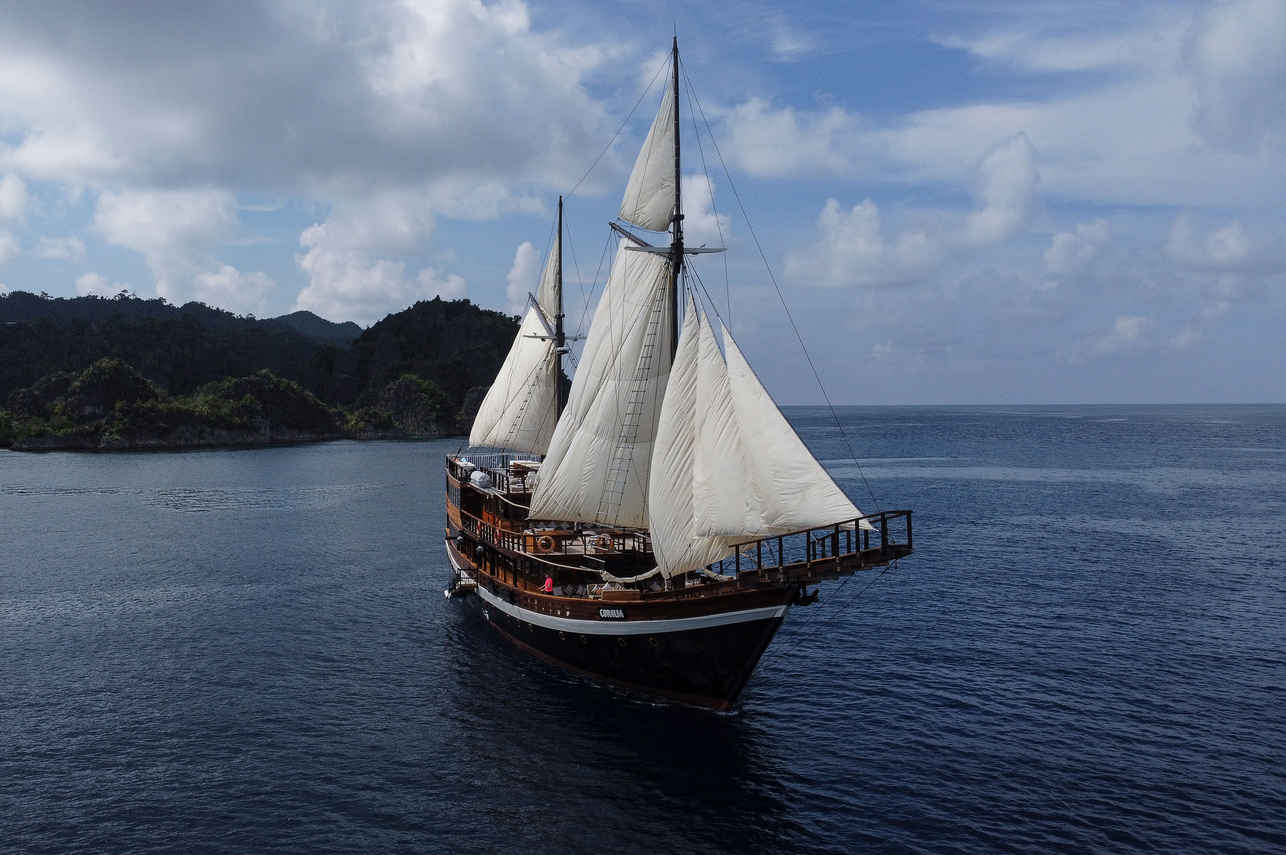
Coralia
Indonesia
16 guests48 m
$563/day
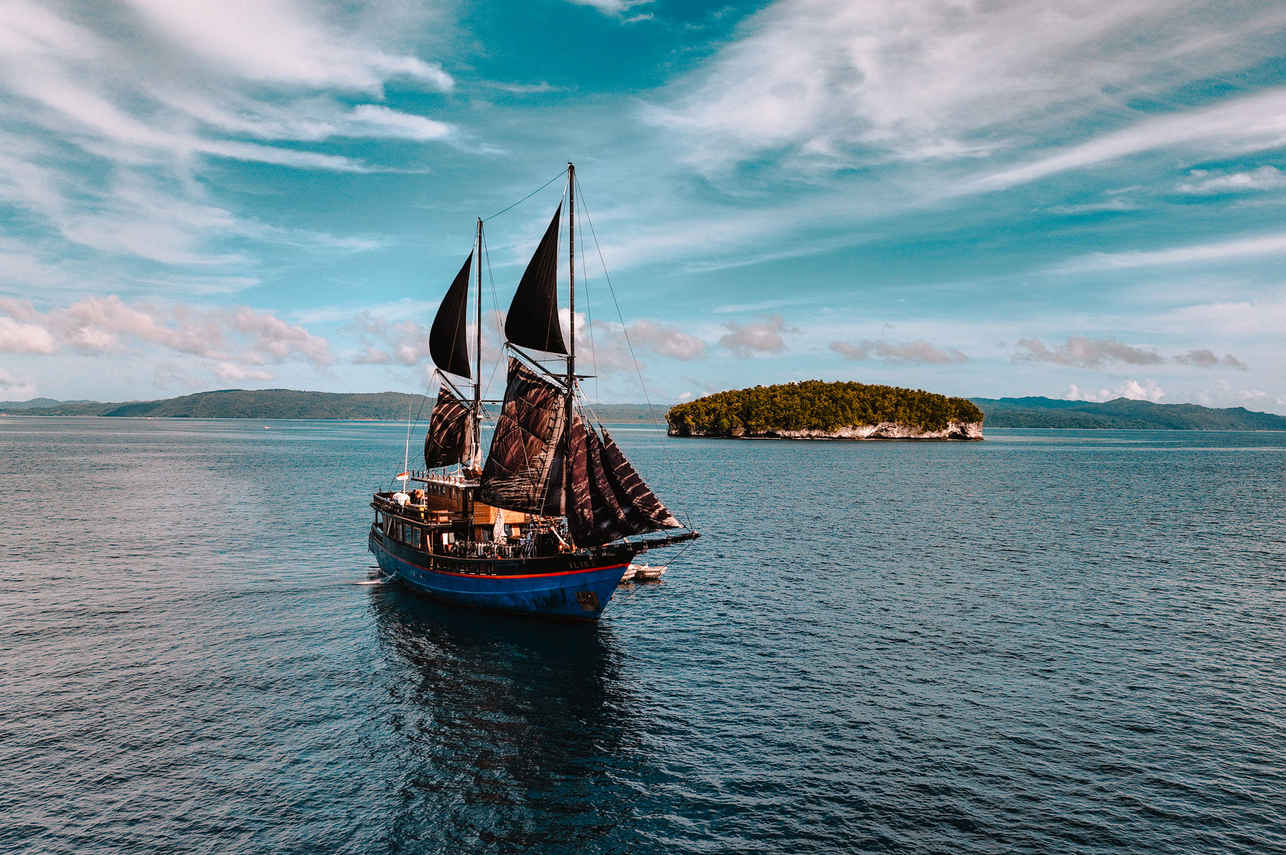
Ilike
Indonesia
16 guests40 m
$350/day
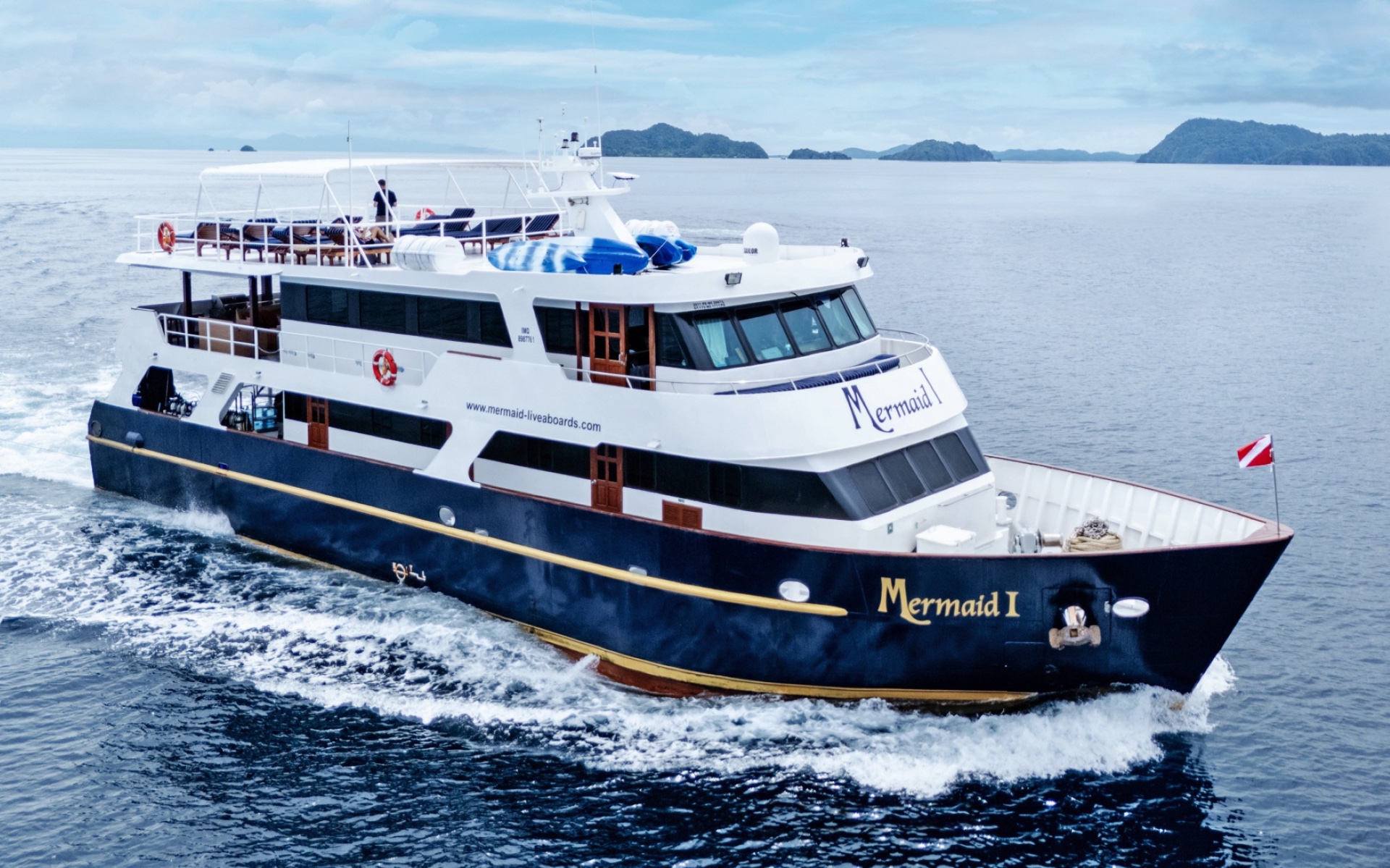
Mermaid I
Alor
15 guests28 m
$478/day
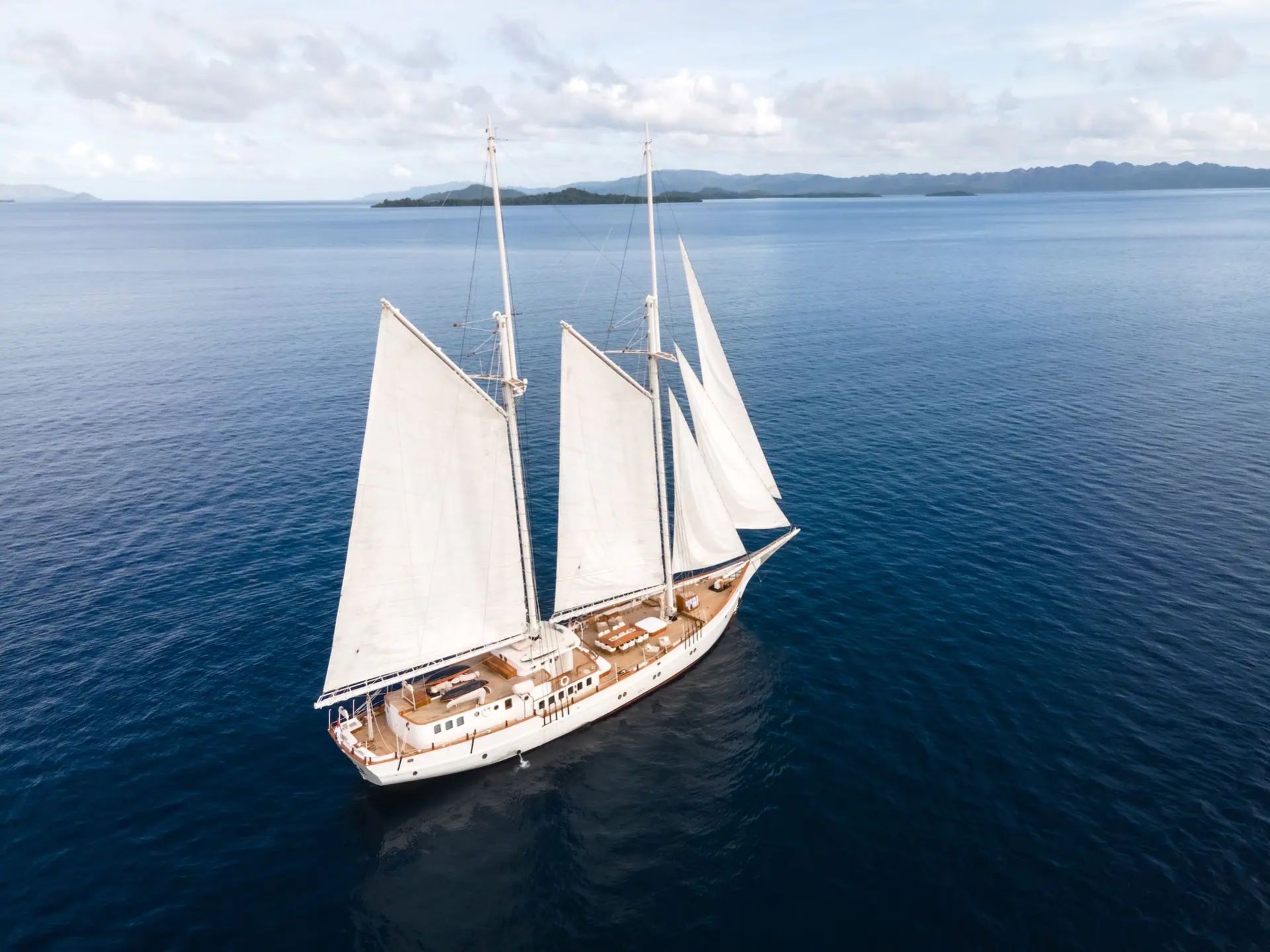
Mutiara Laut
Indonesia
14 guests46 m
$741/day
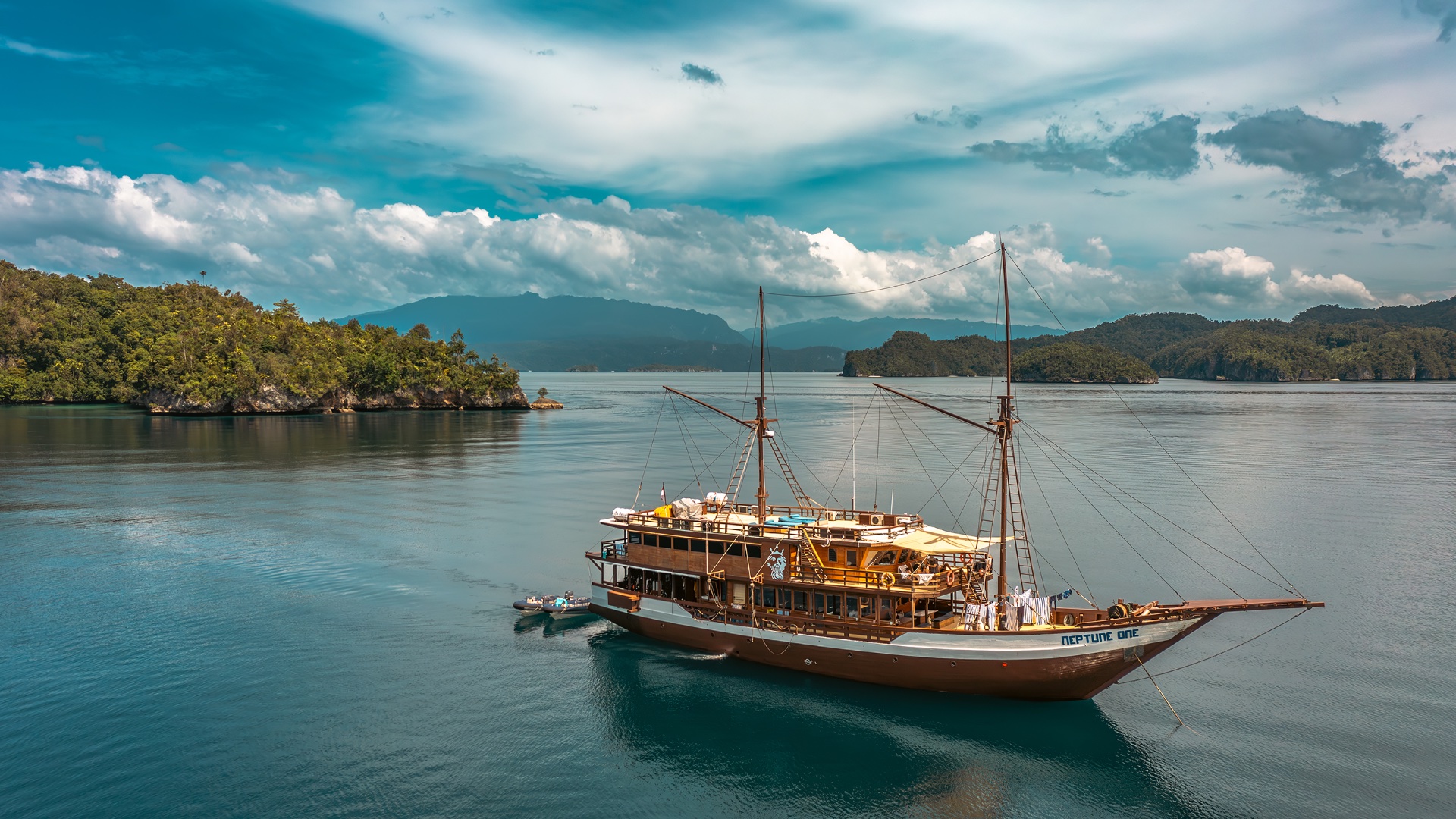
Neptune One
Indonesia
16 guests38 m
$332/day
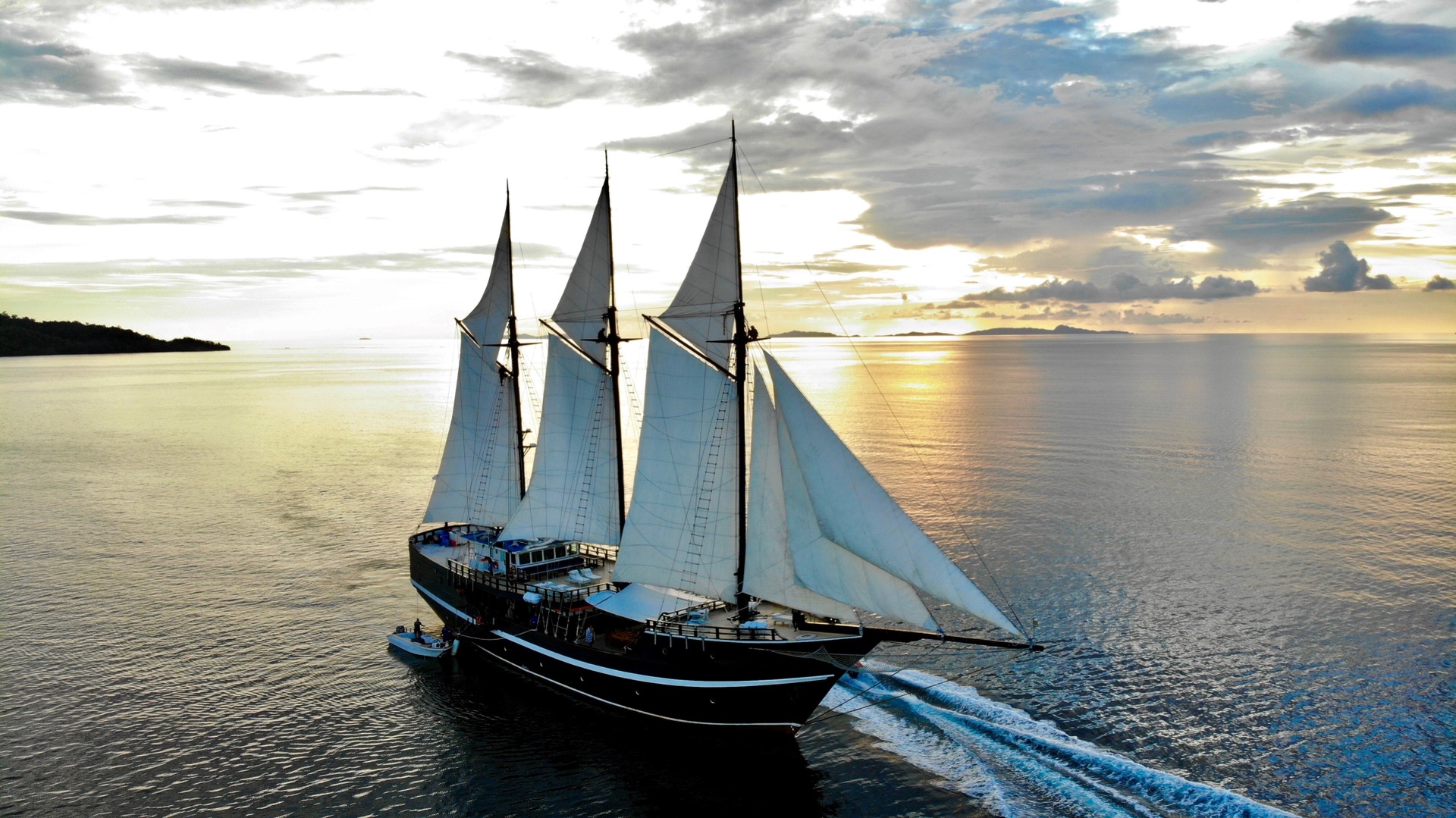
Dewi Nusantara
Indonesia
18 guests57 m
$599/day
Dive sites similar to Goa Wolang
Same character, same waters — six more sites divers love for the exact same reasons.Compare seasons, access and liveaboard routes — then pick the site that fits your trip best.
Abila is a notable dive site located within the Alor Islands Marine Park, an area celebrated for its rich marine biodiversity due to its position in the Coral Triangle.
- Suitable for
- Beginner
- Current
- Mild
- Access
- Liveaboard only
- Depth
- —
- Theme
- Reef
© Esri — Maxar, Earthstar, GIS
Adonara Channel
Alor
Adonara Channel stands as one of Alor's most iconic dive sites, celebrated for its dynamic currents and exceptionally rich biodiversity.
- Suitable for
- Advanced
- Current
- Strong
- Access
- Liveaboard or dayboat
- Depth
- 10–40 m
- Theme
- Drift / Wall
Alcatraz is a renowned dive site in Alor, celebrated for its unique underwater garden of pink soft coral trees that stretch several meters high from the sandy seabed.
- Suitable for
- Intermediate
- Current
- Mild
- Access
- Liveaboard only
- Depth
- 24–30 m
- Theme
- Reef
© Esri — Maxar, Earthstar, GIS
Andy’s Bus Stop
Alor
Andy's Bus Stop is an exceptional wall dive located in the southern part of Alor, renowned for its stunning and dense coral coverage.
- Suitable for
- Intermediate
- Current
- Moderate
- Access
- Liveaboard only
- Depth
- 8–30 m
- Theme
- Reef / Drift
Bama Wall, or "The Great Wall of Pantar," is a prominent dive site located on Pantar Island, directly opposite Alor.
- Suitable for
- Intermediate
- Current
- Mild
- Access
- Liveaboard only
- Depth
- 5–40 m
- Theme
- Reef