About Masjid Ampera
Masjid Ampera, often referred to as Mucky Mosque, is a celebrated dive site located within Alor's sheltered Kalabahi Bay. It stands out in the archipelago for its focus on exceptional muck diving, contrasting with Alor's more common vibrant coral walls and strong currents. The site's unique volcanic black sand slopes create a rich habitat, fostering an astonishing diversity of cryptic marine life. It is particularly renowned as a prime location for macro photography and offers excellent conditions for night dives when many elusive creatures become active. The topography consists primarily of black sand slopes ranging from 5 to 25 meters, providing a perfect backdrop for the camouflaged inhabitants. Unlike many Alor sites that feature dramatic walls or current-swept pinnacles, Masjid Ampera emphasizes slow, meticulous exploration of the seabed, allowing divers to discover hidden wonders. The nutrient-rich environment supports a thriving ecosystem, making every dive an exciting treasure hunt for rare critters. Divers here can expect encounters with a wide array of fascinating macro species, including various frogfish, octopuses, and a multitude of shrimp and nudibranchs. The sheltered nature of Kalabahi Bay typically results in mild currents, facilitating stable conditions essential for observing and photographing these tiny marvels. Entry is typically via tender, ensuring a relaxed start to your underwater adventure on these unique sandy terrains. This site caters specifically to divers who appreciate the intricacies of macro marine life and enjoy a slower-paced dive focused on discovery. Its calm conditions and abundant small creatures make it an excellent choice for extended bottom times, especially during night dives when the underwater landscape transforms with new activity.
Highlights
Volcanic black sand muck diveExceptional macro lifeFrogfish and Rhinopias encountersOctopus and ghost pipefishIdeal for night divingSheltered Kalabahi Bay locationHarlequin and Coleman shrimpDiverse nudibranchs
Season calendar
Best months to dive here
Jan
Feb
Mar
Apr
May
Jun
Jul
Aug
Sep
Oct
Nov
Dec
Excellent
Good
Dive site facts: Masjid Ampera
- Depth
- 5–25 m
- Current
- Mild
- Visibility
- 15–30 m (dry season)
- Water temperature
- 24–28°C
- Entry
- Boat / Tender
- Level
- Open Water
- Dive type
- Muck, Macro, Night
- Night dive
- Excellent
- Region / port
- Alor, Kalabahi Bay
- Coordinates
- 8.1880° S, 124.3347° E
Conditions & Currents
Masjid Ampera is situated in the sheltered Kalabahi Bay, meaning it typically experiences mild currents, which are significantly gentler than the strong flows found in other parts of the Alor archipelago. This makes it an ideal location for macro diving where stability is crucial for observing small, camouflaged creatures. However, tidal movements within the Pantar Strait can still influence conditions, so some variability might occur. Entry is typically made via a tender boat, allowing for a controlled and relaxed descent onto the sandy slopes. Divers need to practice excellent buoyancy control to avoid disturbing the silty bottom, which can reduce visibility for photography and observation. While Alor generally boasts clear waters, muck sites like Masjid Ampera can have localized visibility changes if sediment is stirred. The mild currents also make this site perfect for night dives,
Marine life & sighting chances

Frogfish
common
Octopuses
common
Seahorses
common
Ghost pipefish
common
Crabs
common
Nudibranchs
common
Rhinopias
occasional
Harlequin shrimp
occasional
Coleman shrimp
occasional
Ribbon eel
occasional
Mimic octopus
occasional
Blue-ringed octopus
occasionalDive profile & how the dive runs
A dive at Masjid Ampera typically begins with a boat entry onto the black sand slopes within Kalabahi Bay. Divers descend slowly, maintaining precise buoyancy to prevent stirring the silty bottom. The dive unfolds as a deliberate, unhurried exploration across the sandy terrain, with depths usually ranging from 5 meters down to approximately 25 meters. The primary objective is to search for the site's renowned camouflaged macro creatures. Dive guides are instrumental in locating well-hidden species such as Rhinopias, frogfish, octopuses, and various shrimp and nudibranchs. There is no rigid route; instead, the dive involves meticulously examining patches of sand, small coral bommies, and debris that serve as critter hiding spots. The dive concludes with a safety stop performed in the shallower sections of the bay, generally between 3 to 5 meters, followed by a direct ascent to the waiting boat.
Underwater photography
Masjid Ampera is an exceptional location for macro photography, making a dedicated macro lens indispensable for capturing the intricate details of its unique residents. To isolate subjects against the volcanic sand and create dramatic lighting effects, a snoot can be particularly effective. Given that many critters are cryptically camouflaged or active during low light conditions, robust focus lights and a high-quality strobe setup are strongly recommended to ensure true color reproduction and sharpness in your images. Practicing excellent buoyancy control is crucial here to avoid disturbing the silty substrate, which could compromise visibility for both your shots and fellow divers. Patience and a keen eye are also essential for spotting the well-hidden subjects that make this site a macro photographer's paradise.
Combine with nearby dive sites
- Pasir Merah
Pasir Merah, or Red Sand, is a distinctive dive site situated north of Pura Island in the Alor Archipelago, East Nusa Tenggara.
- Goa Wolang
Goa Wolang, also known as Wolang Cave, is a distinctive dive site located in South Alor, renowned for its intriguing topography and diverse…
- Munaseli
Munaseli is a prominent dive site situated off the northern coast of Pantar Island in the Alor archipelago, an area celebrated for its rich…
- Bama Wall
Bama Wall, or "The Great Wall of Pantar," is a prominent dive site located on Pantar Island, directly opposite Alor.
Getting there & logistics
Access to Alor, including Masjid Ampera, requires a series of flights, typically flying into Jakarta or Bali, then connecting to Kupang, and finally taking a smaller propeller plane to Alor's capital, Kalabahi. The journey from major Indonesian hubs to Alor can take up to a full day. Once in Alor, divers often stay at resorts or join liveaboards operating from Kalabahi Bay. Trips typically range from one week upwards, focusing on exploring Alor's diverse dive sites. Permitting and marine park fees are usually handled by dive operators. Masjid Ampera is often combined with other local sites that offer a mix of muck diving, pristine reefs, and occasional pelagic encounters, offering a comprehensive Alor diving experience.
Safety & environment
While diving at Masjid Ampera, safety is paramount, particularly due to its remote location. The nearest recompression chamber is likely located in Bali or Kupang, emphasizing the importance of cautious diving practices. In the event of a diving emergency, evacuation would involve multiple stages and could be time-consuming. Therefore, comprehensive dive insurance that covers emergency medical treatment and evacuation is highly advisable for all divers. Site-specific hazards at Masjid Ampera include the need for excellent buoyancy control to avoid stirring up the silty bottom, which can reduce visibility. Divers should always follow their guide's instructions, especially regarding critter interaction and maintaining a safe distance. Given the potential for unexpected currents in Alor's waters, always carry a surface marker buoy (SMB) and know how to deploy it.
Who it suits — and who it doesn't
Suited for
- Macro photography enthusiasts
- Divers seeking unique critter encounters
- Night dive aficionados
- Open Water divers comfortable with good buoyancy control
- Those who prefer slow, meticulous exploration
Less suited for
- Divers solely interested in large pelagic encounters
- Those who prefer fast-paced drift dives
- Divers uncomfortable with black sand environments
- Beginners with poor buoyancy control
- Divers uninterested in detailed marine life observation
FAQ
Masjid Ampera FAQ
What kind of marine life can I expect at Masjid Ampera?
Masjid Ampera is celebrated for its incredible macro life. You can anticipate seeing various species of frogfish, octopuses, seahorses, and ghost pipefish. Harlequin shrimp, Coleman shrimp, and a wide array of crabs and nudibranchs are also frequently spotted, making it a prime location for critter hunting.
Is Masjid Ampera suitable for beginner divers?
Yes, Masjid Ampera is generally suitable for Open Water certified divers due to its typically mild currents and sheltered location within Kalabahi Bay. However, good buoyancy control is essential to avoid disturbing the silty bottom and to fully appreciate the delicate macro environment without causing damage or reducing visibility.
Can I do night dives at Masjid Ampera?
Masjid Ampera is an excellent site for night diving. Many of the cryptic marine creatures become more active after dark, offering unique encounters with species not often seen during the day. The site's calm conditions further enhance the safety and enjoyment of nighttime explorations.
What is the topography of Masjid Ampera like?
The topography of Masjid Ampera features gentle, volcanic black sand slopes. These sandy expanses provide a unique habitat for a variety of camouflaged and rare macro organisms. Unlike many of Alor's sites, it focuses less on dramatic walls and more on the intricate details of the seabed.
How do currents typically affect diving at this site?
Currents at Masjid Ampera are generally mild, especially when compared to the stronger currents found in other parts of the Alor archipelago. Its location within the sheltered Kalabahi Bay helps maintain calm conditions, which are ideal for macro diving and photography, allowing for stable observation of small marine life.
Is Masjid Ampera good for underwater photography?
Masjid Ampera is considered a premier destination for underwater macro photography. Its rich diversity of rare and camouflaged critters, combined with the mild currents, provides ideal conditions for capturing stunning close-up images. Photographers often use macro lenses, snoots, and strong focus lights to highlight subjects against the black sand.
Why dive Masjid Ampera from a liveaboard?
Masjid Ampera is one of Alor's signature dive sites. A liveaboard sleeps you on the water and puts you in the water for three to four guided dives per day, including dawn and night dives that day-boat operators rarely offer. You skip the daily commute back to port and reach quieter, less-crowded sites in the same region on a single trip.
Below are the liveaboards that include Masjid Ampera on their Alor itineraries.
Liveaboards diving Masjid Ampera
These liveaboards may visit Masjid Ampera on selected itineraries — the exact dive sites depend on departure, weather and conditions.
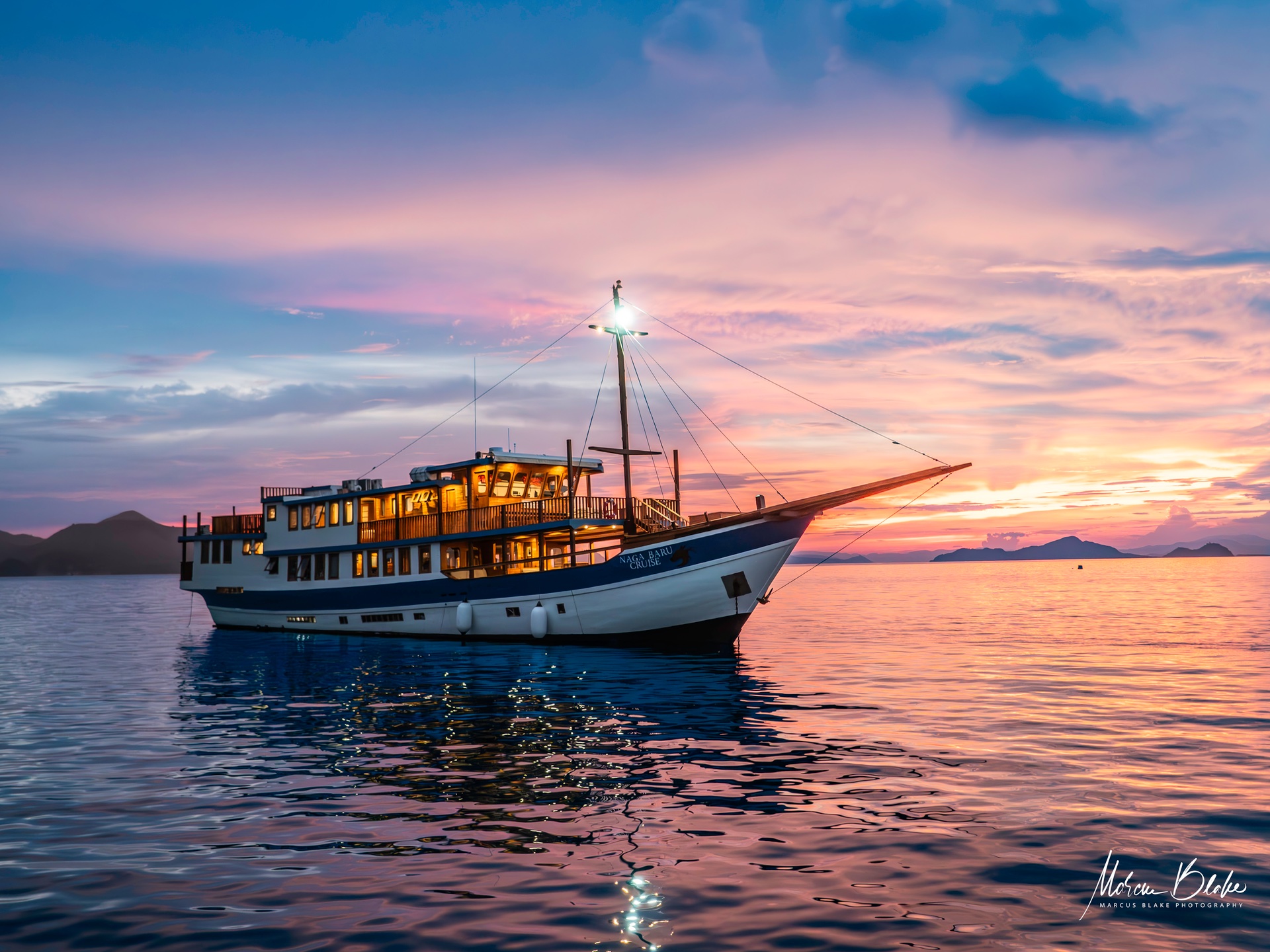
Naga Biru
Indonesia
12 guests40 m
$272/day
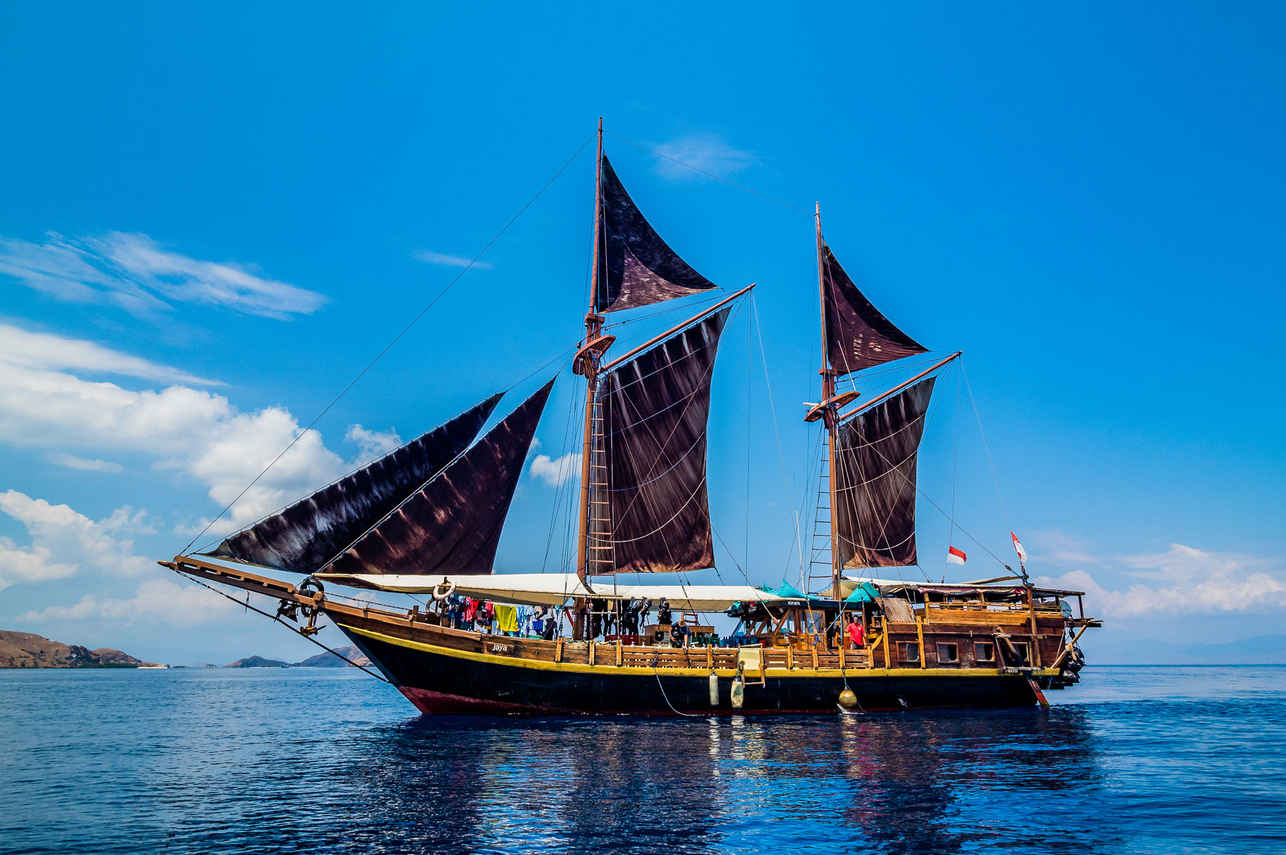
Jaya
Indonesia
14 guests23 m
$280/day
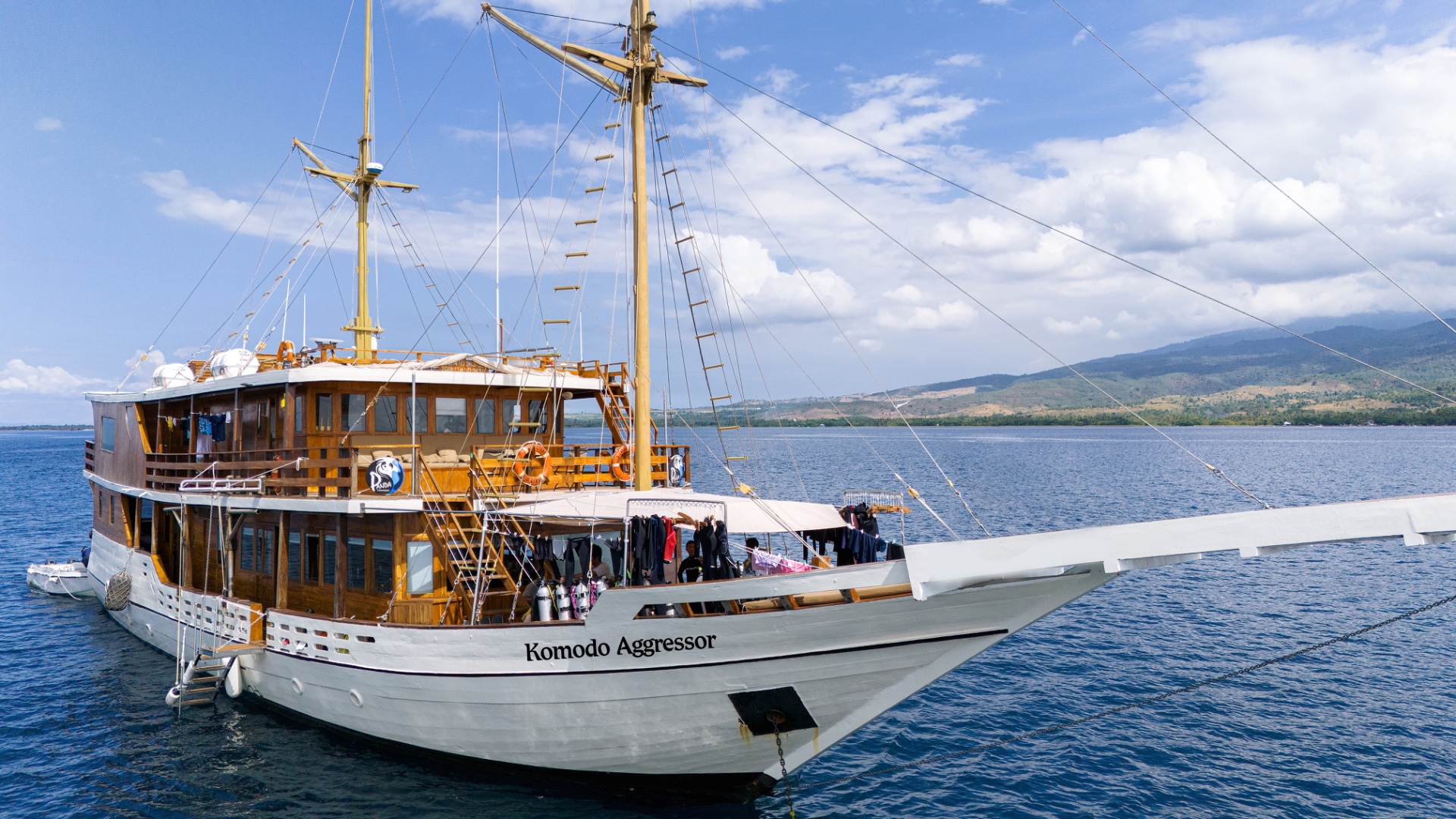
Komodo Aggressor
Komodo, Indonesia
16 guests29 m
$312/day
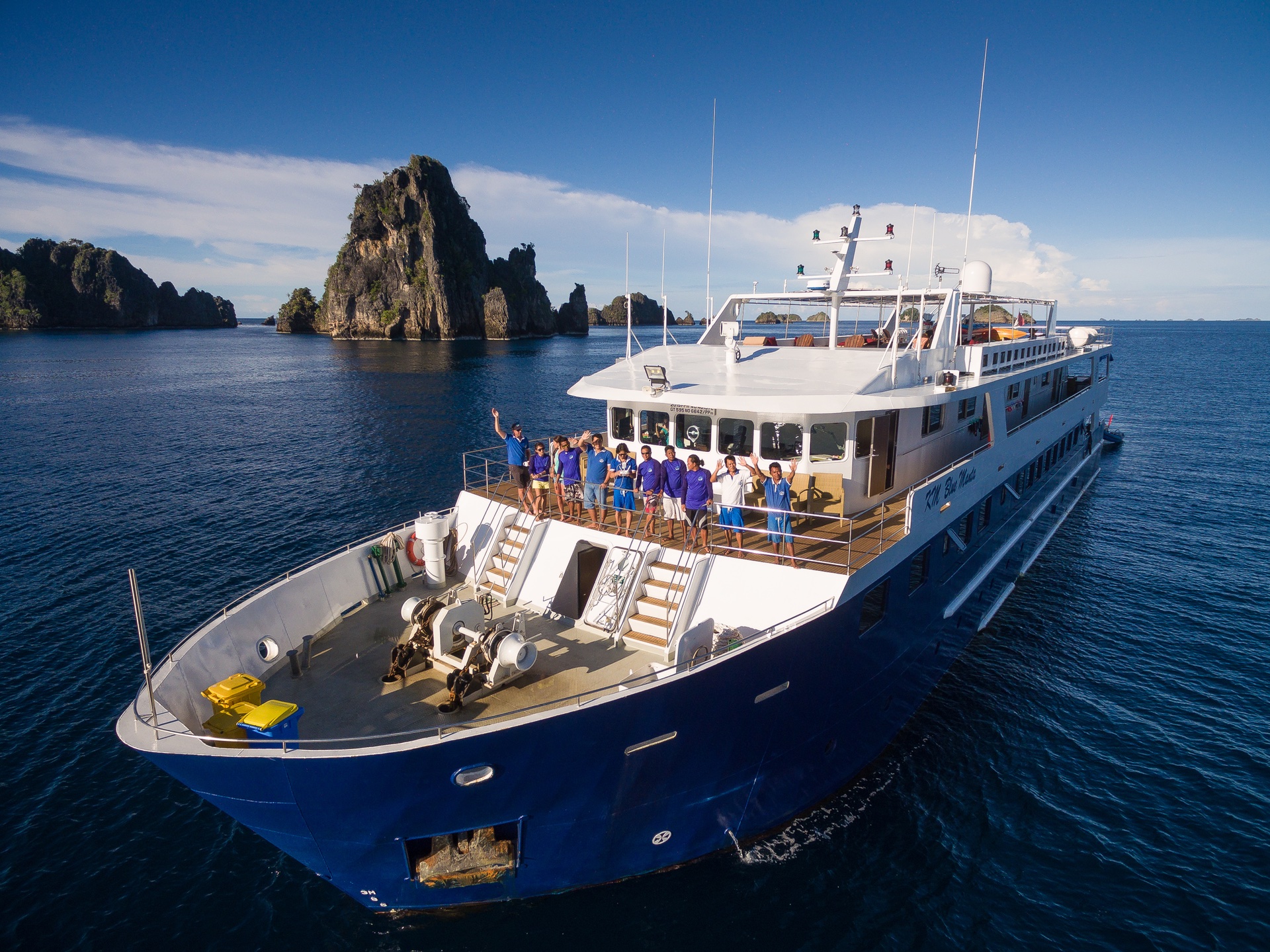
Blue Manta
Indonesia
20 guests45 m
$482/day
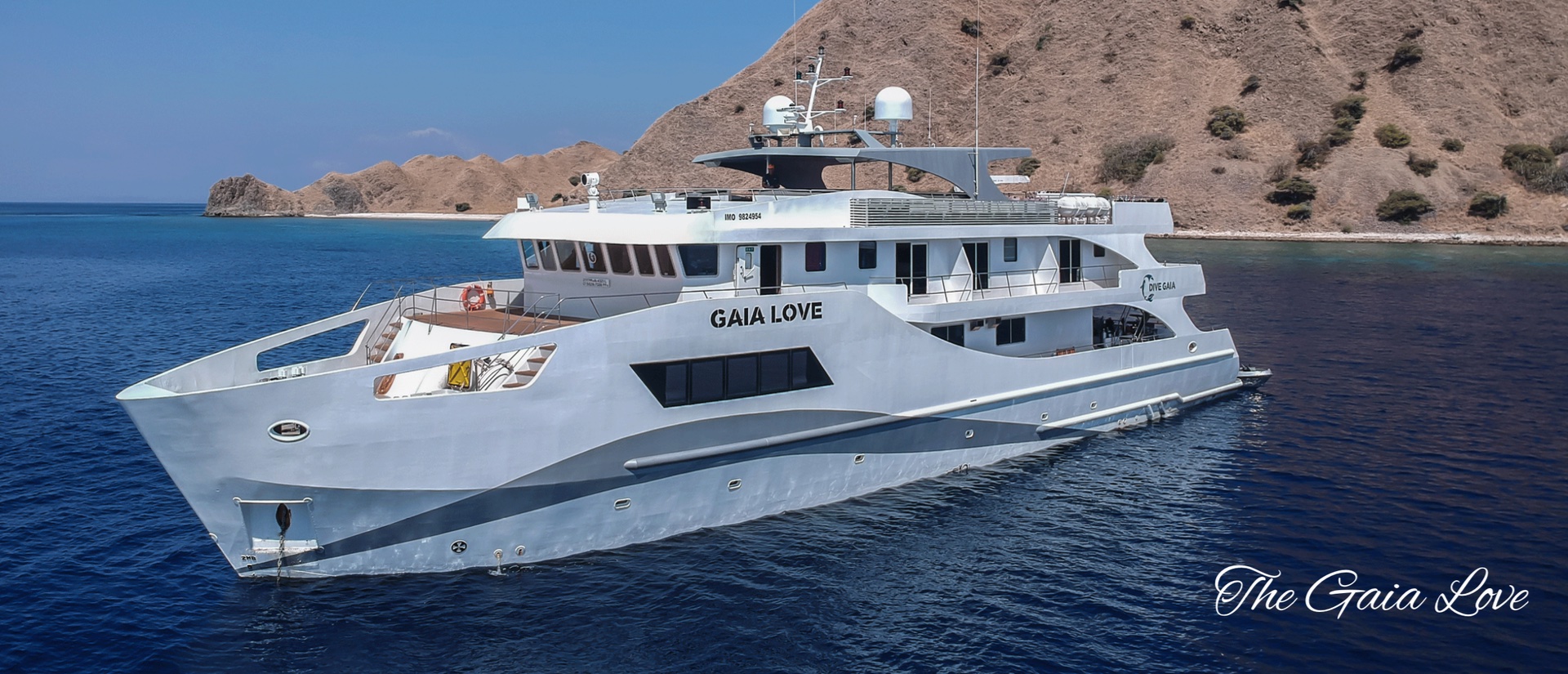
Gaia Love
Alor
20 guests
$554/day
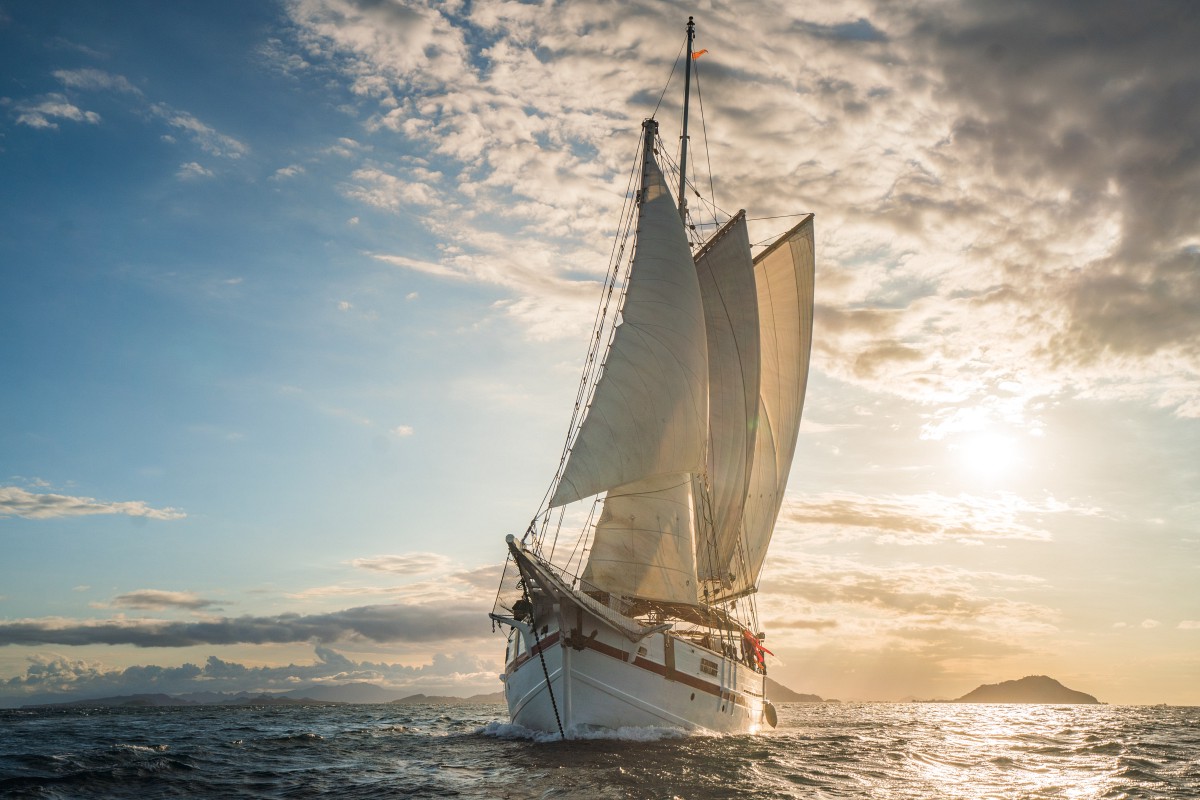
Emperor Raja Laut
Raja Ampat, Indonesia
12 guests31 m
$413/day
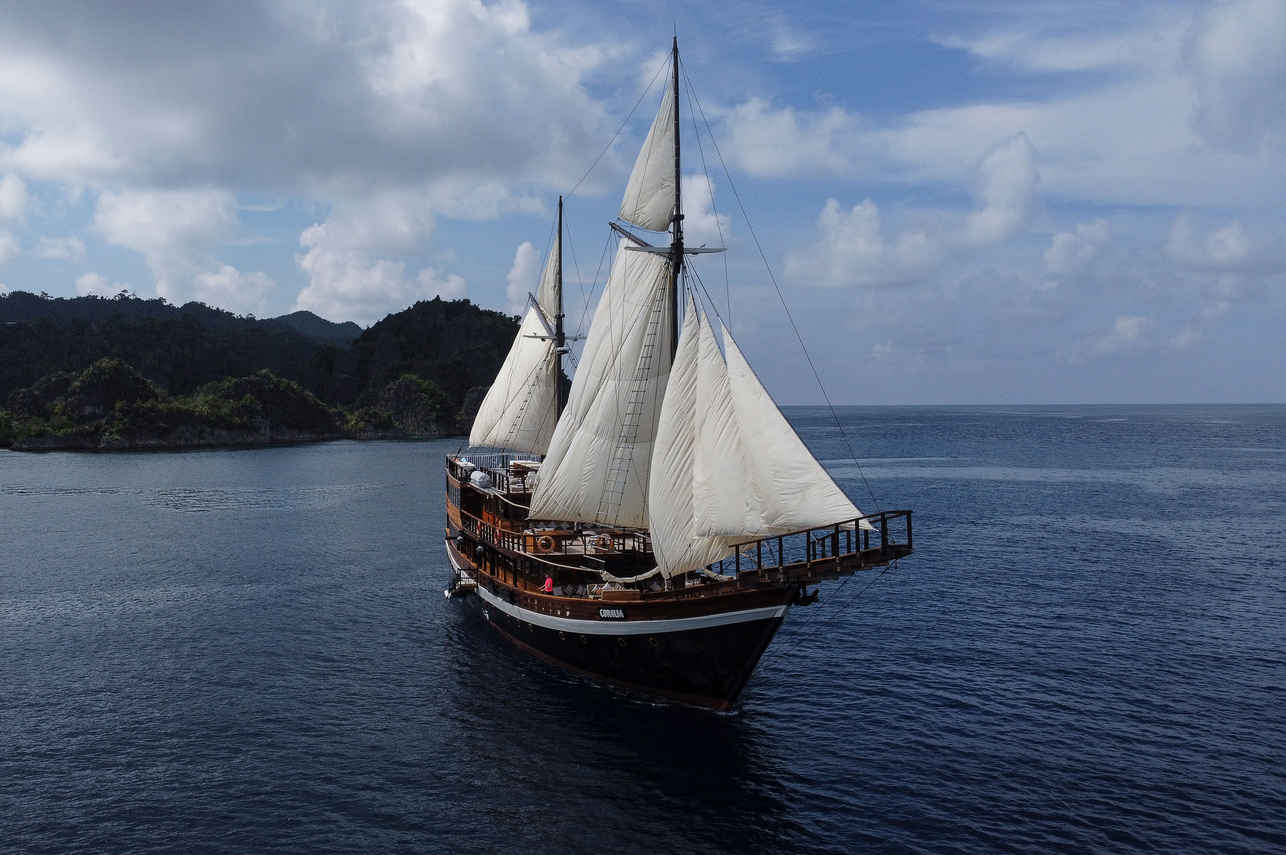
Coralia
Indonesia
16 guests48 m
$577/day
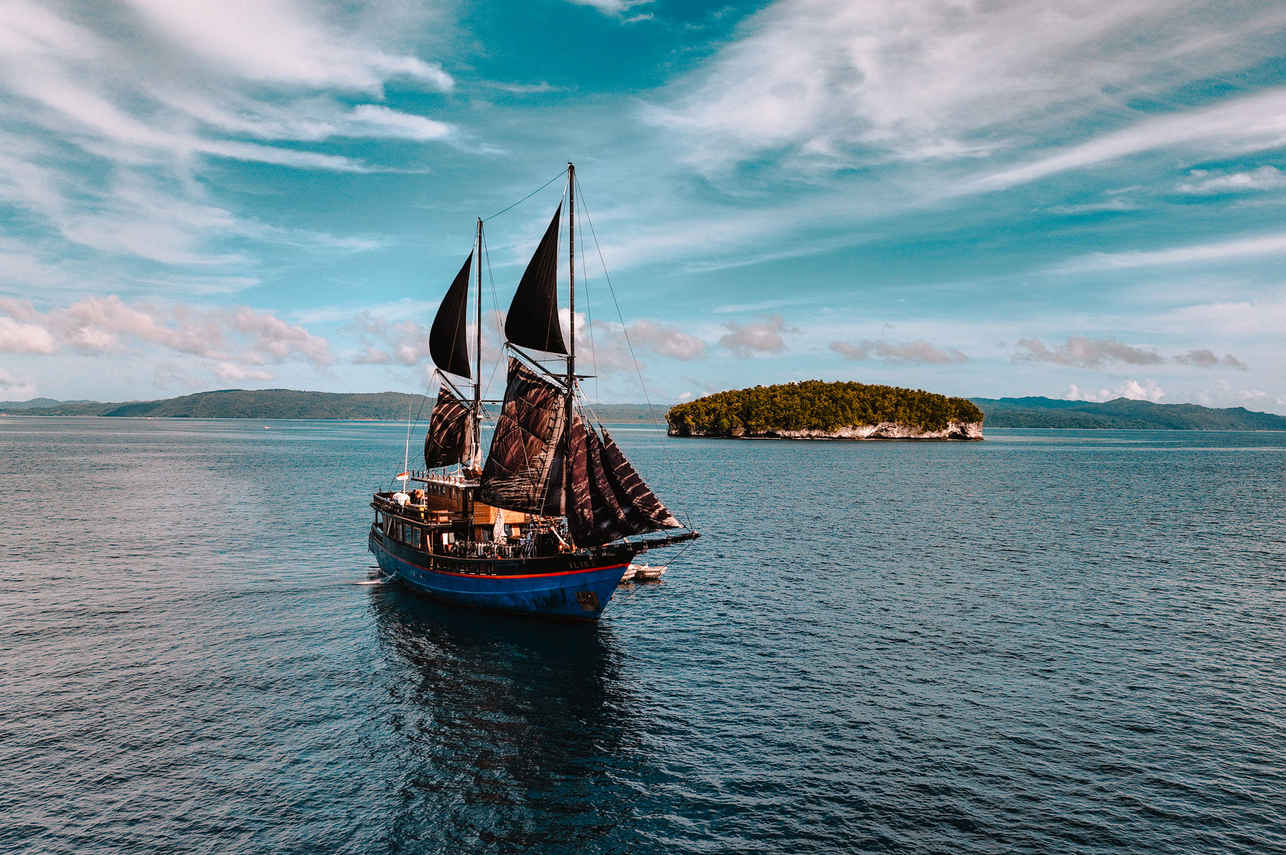
Ilike
Indonesia
16 guests40 m
$350/day
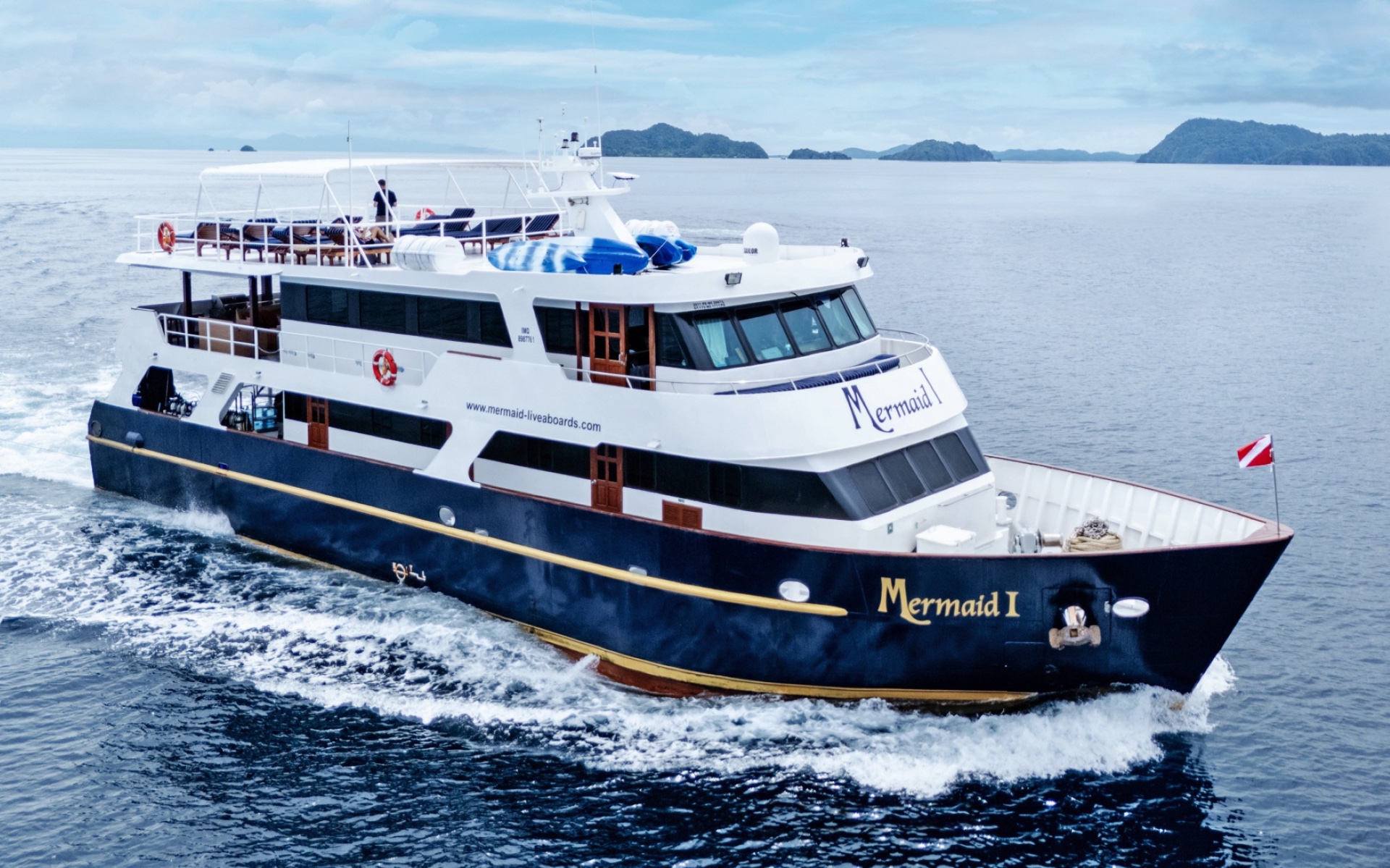
Mermaid I
Alor
15 guests28 m
$476/day
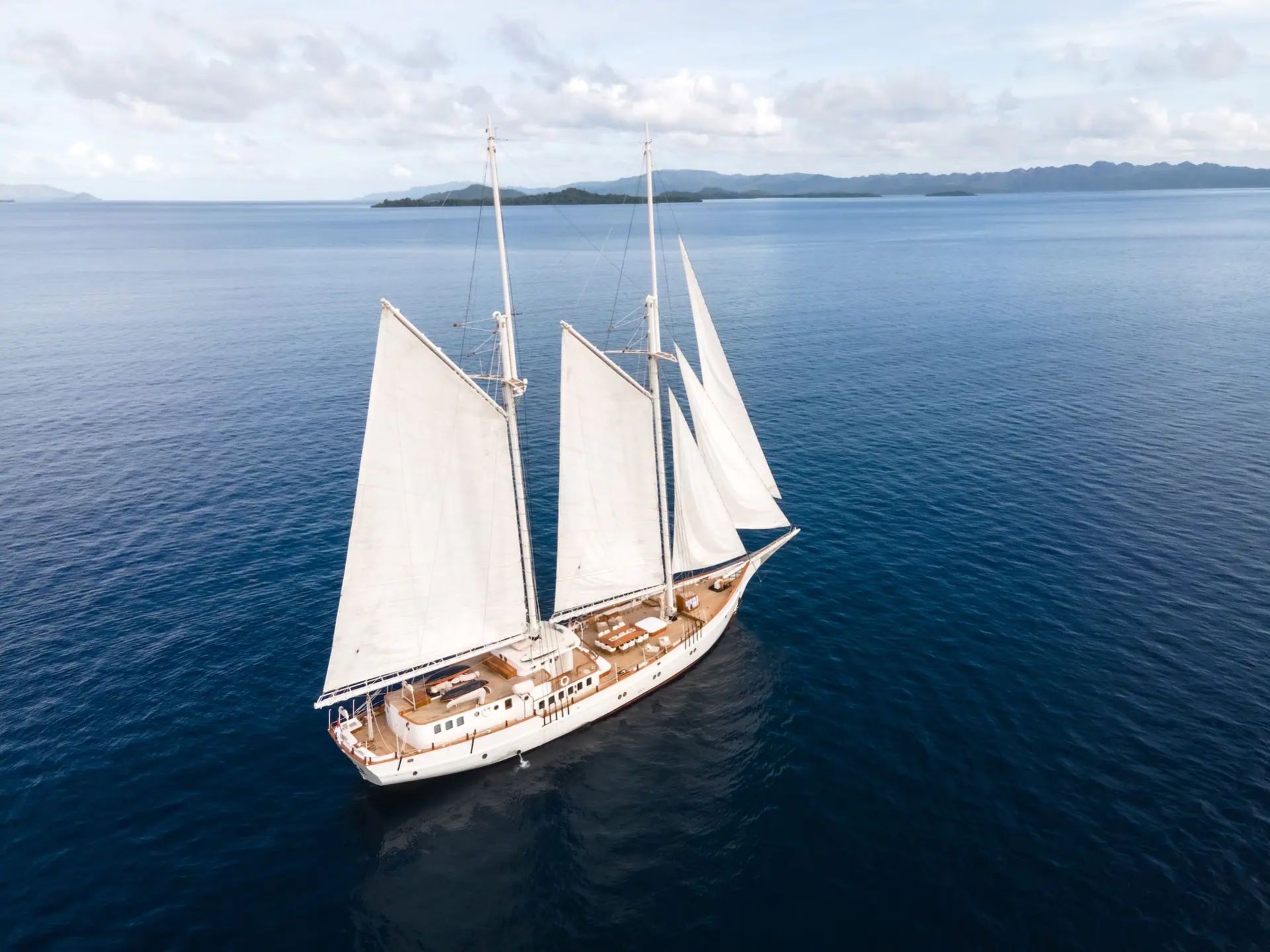
Mutiara Laut
Indonesia
14 guests46 m
$741/day
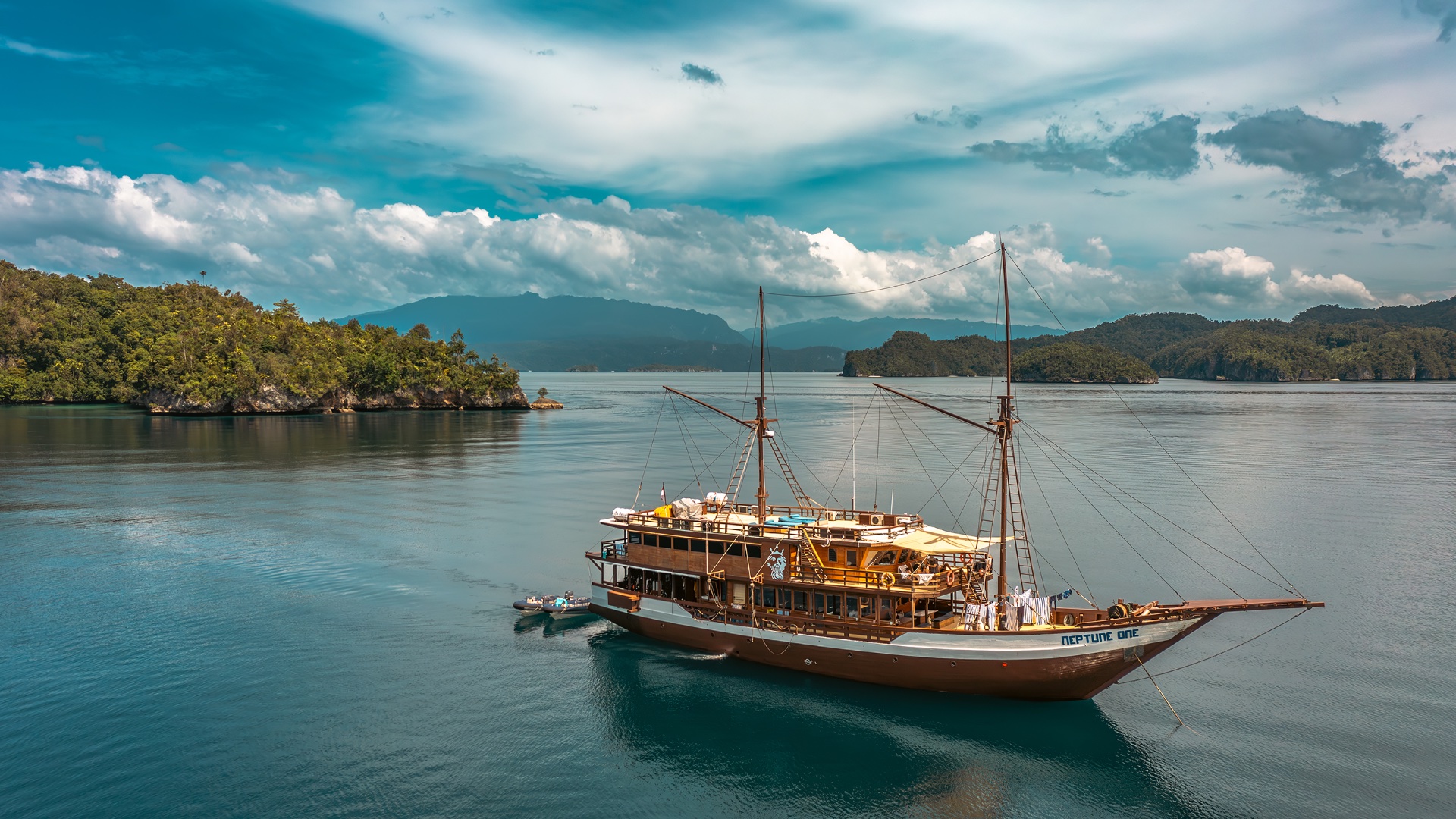
Neptune One
Indonesia
16 guests38 m
$312/day
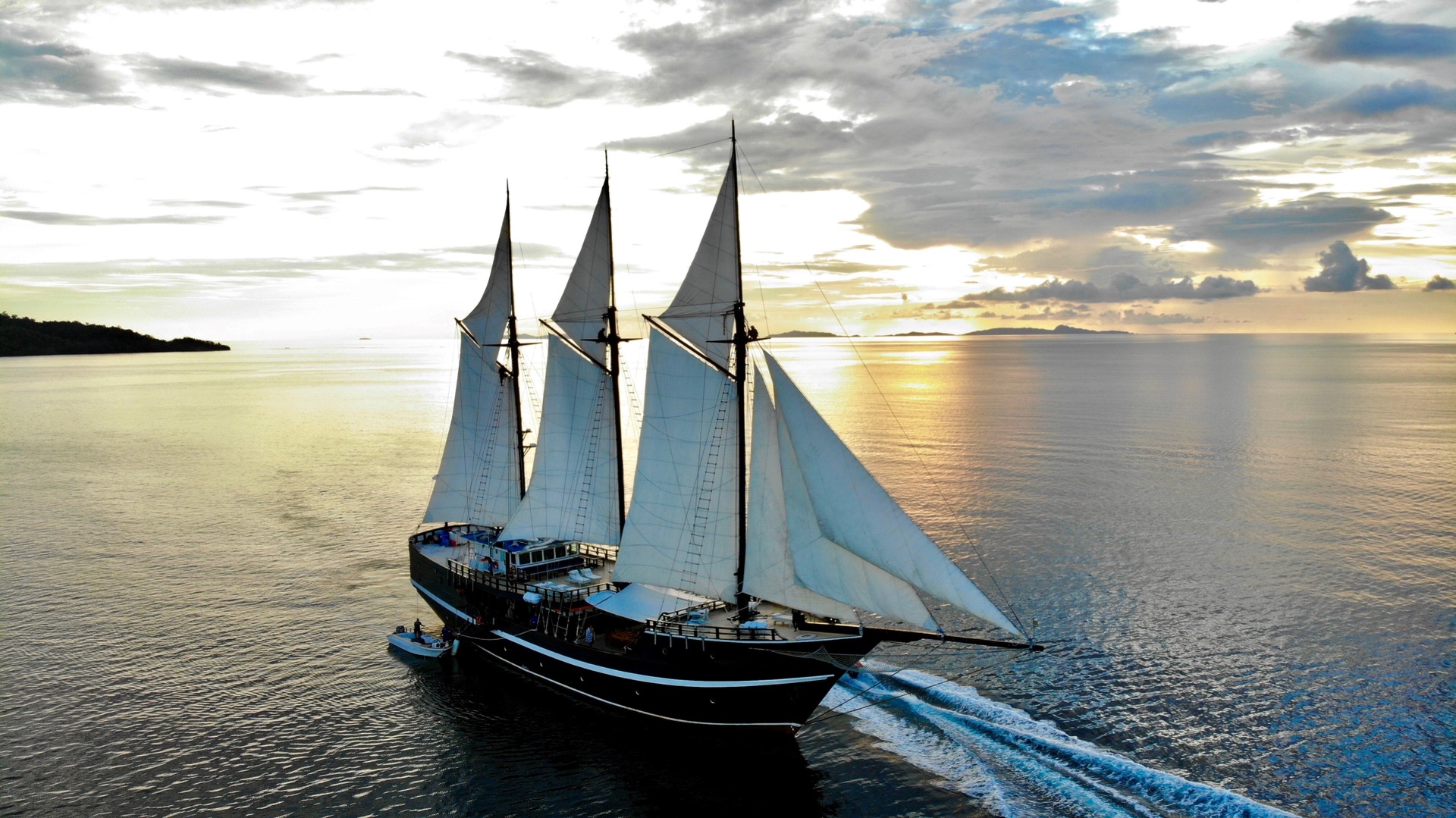
Dewi Nusantara
Indonesia
18 guests57 m
$599/day
Dive sites similar to Masjid Ampera
Same character, same waters — six more sites divers love for the exact same reasons.Compare seasons, access and liveaboard routes — then pick the site that fits your trip best.
© Esri — Maxar, Earthstar, GIS
Pasir Merah
Alor
Pasir Merah, or Red Sand, is a distinctive dive site situated north of Pura Island in the Alor Archipelago, East Nusa Tenggara.
- Suitable for
- Intermediate
- Current
- Moderate
- Access
- Liveaboard or dayboat
- Depth
- 5–35 m
- Theme
- Muck diving / Reef
© Esri — Maxar, Earthstar, GIS
Beang Abang
Alor
Beang Abang is a renowned night dive site located on Pantar Island in the Alor archipelago, an area celebrated for its rich marine biodiversity where the Pacific and Indian Oceans converge.
- Suitable for
- Intermediate
- Current
- Strong
- Access
- Liveaboard or dayboat
- Depth
- 8–30 m
- Theme
- Muck diving
© Esri — Maxar, Earthstar, GIS
Night Snapper
Alor
Alor's underwater topography is a diver's dream, featuring a dynamic blend of deep walls, vibrant coral gardens, and intriguing muck sites, all nourished by nutrient-rich currents flowing through the Pantar Strait.
- Suitable for
- Intermediate
- Current
- Strong
- Access
- Liveaboard or dayboat
- Depth
- 5–27 m
- Theme
- Drift / Muck diving
© Esri — Maxar, Earthstar, GIS
Mandarin House
Alor
Mandarin House is a vibrant dive site in Alor, renowned for its rich macro life and dynamic topography.
- Suitable for
- Intermediate
- Current
- Strong
- Access
- Liveaboard or dayboat
- Depth
- 2–12 m
- Theme
- Drift / Muck diving
© Esri — Maxar, Earthstar, GIS
Clown Valley
Alor
Clown Valley, also known as Anemone City or Anemone Valley, is a renowned dive site near Pura Island in Alor, famous for its extraordinary concentration of anemones.
- Suitable for
- Beginner
- Current
- Strong
- Access
- Liveaboard or dayboat
- Depth
- 5–25 m
- Theme
- Muck diving / Reef