About Akitsushima
The Akitsushima is a distinguished World War II Japanese seaplane tender, sunk in September 1944 during an American air raid in Coron Bay, Palawan. Unlike many other wrecks in the area, it stands out as a true warship, captivating divers with its structural integrity and historical significance. The wreck rests on its port side at depths ranging from 22 to 38 meters, making it an advanced dive. Its external structure is teeming with diverse fish life, including schools of cardinalfish, lionfish, and barracudas, while large sea fans adorn its surfaces. The most iconic feature is the massive crane, once used to hoist seaplanes, which now serves as a focal point for marine activity. Remnants such as a cannonball hole, artillery, and the funnel are still visible, adding to the wreck's allure. Penetration opportunities exist within its chambers, crevices, and square openings, with the engine room being a highlight where four engines are visible. These internal explorations require proper wreck diving certification and careful navigation due to the depth and potential for strong currents. Visibility typically ranges from 10 to 20 meters, offering clear views of this submerged piece of history. Diving the Akitsushima provides a rush for those seeking both historical exploration and vibrant underwater ecosystems. It's a dive that combines the thrill of navigating a sunken warship with the beauty of a thriving artificial reef, demanding experience due to its depth and sometimes challenging conditions.
Highlights
World War II Japanese seaplane tenderIconic large crane structureEngine room penetrationLies on its port sideAdvanced wreck divingAntiaircraft gun near seabedCoron Bay WWII wreckHistorical artifact exploration
Best Season
The optimal time to dive Akitsushima is during the dry season, particularly from March to June, when seas are calm and visibility is excellent. Diving in the morning during this period offers the best conditions, with clearer visibility and sunlight penetrating the wreck's interior.
Dive site facts: Akitsushima
- Depth
- 22–38 m
- Current
- Sometimes strong / unpredictable
- Visibility
- 10–20 m
- Entry
- Boat
- Level
- Experienced wreck divers
- Dive type
- Wreck, historical, deep
- Region / port
- Coron Bay, Palawan
- Coordinates
- 11.2755° N, 122.0368° E
Conditions & Currents
Currents at the Akitsushima can be strong and unpredictable, particularly around the mast and the prominent crane structure. Divers must be prepared for these conditions, which contribute to the site being suitable only for experienced wreck divers. Entry to the site is typically via boat, with careful planning required due to the depth and current variability. Visibility averages around 15 meters but can range from 10 to 20 meters; however, it may decrease after storms. While water temperatures are consistently warm, thermoclines are not mentioned as a significant factor. Proper gas planning, including the use of Nitrox, is highly recommended to maximize bottom time given the depth of 22 to 38 meters and potential current resistance.
Marine life & sighting chances

Barracuda
July, October · occasional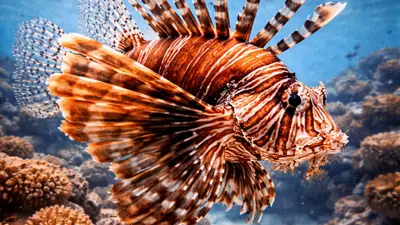
Lionfish
March, April, May, July, August, October, December · common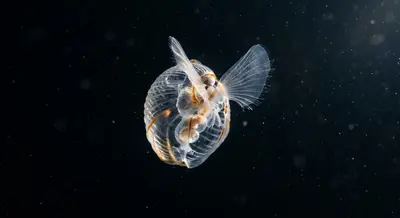
Butterfly Fish
March, April, July, October, December · occasional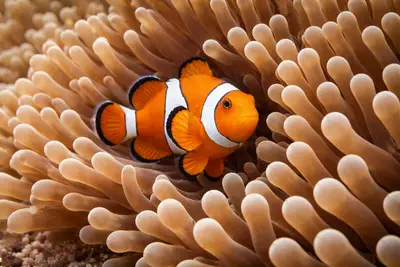
Clownfish
August, October · rare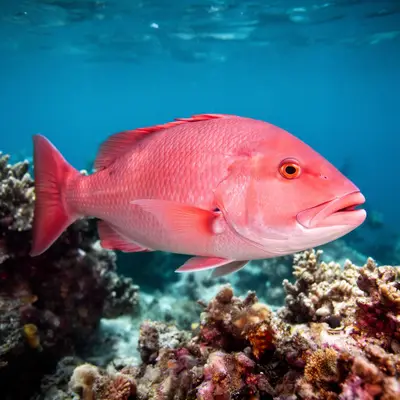
Snapper
July, October · occasional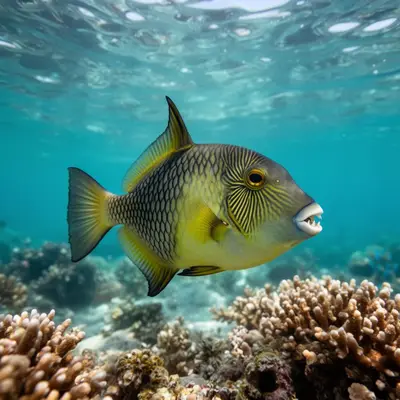
Triggerfish
September, October · rare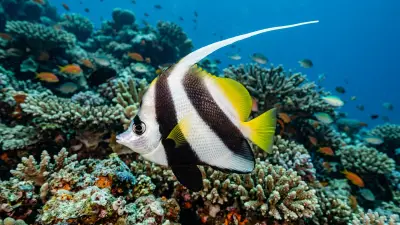
Bannerfish
August, October · rare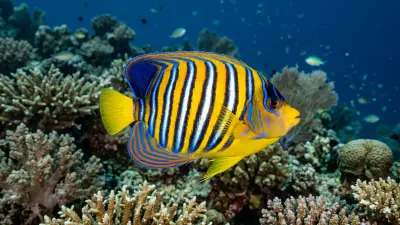
Angelfish
October · rare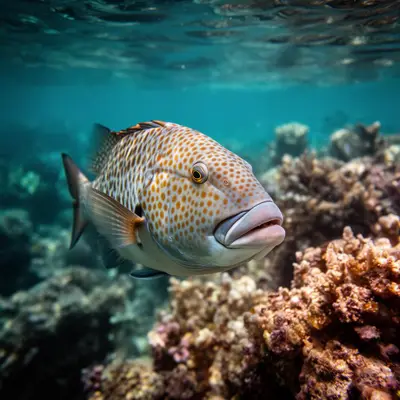
Sweetlips
October · rare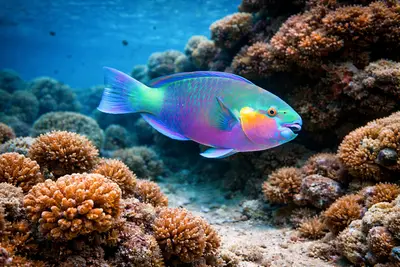
Parrotfish
October · rare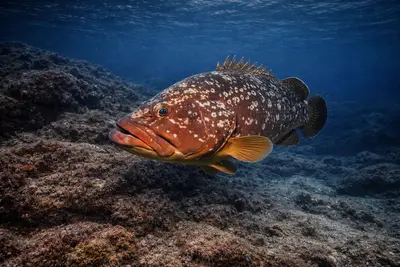
Grouper
July · occasional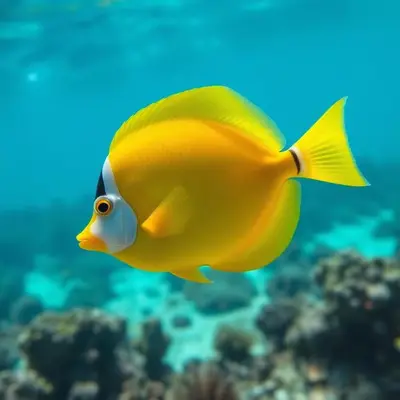
Surgeonfish
October · rare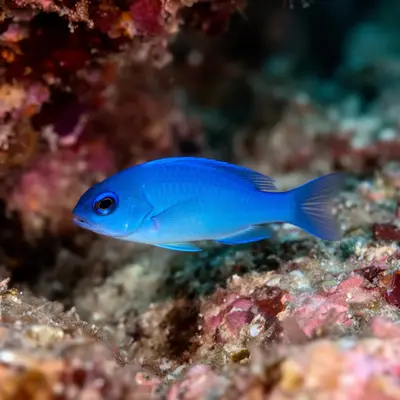
Damselfish
October · rare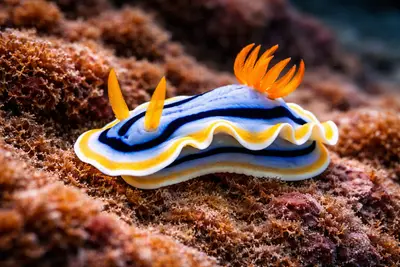
Nudibranch
October · occasionalDive profile & how the dive runs
Your dive at Akitsushima typically begins with a boat entry, followed by a descent to the bow of the wreck. From there, you'll slowly navigate towards the mast and the iconic large crane, which is one of the most distinctive features of the ship. The wreck lies on its port side, with depths ranging from 22 meters at its shallowest point to 38 meters at the seabed. Exploring the exterior reveals an anti-aircraft gun and various remnants of the warship, including a cannonball hole. For certified wreck divers, penetration into the ship’s chambers, crevices, and square openings is possible, with a highlight being the engine room where the vessel’s four engines can be seen. Given the depth and potential for strong currents, careful buoyancy control and awareness of no-decompression limits are crucial throughout the dive. The dive concludes with a gradual ascent, often incorporating a safety stop near the shallower parts of the wreck or on the ascent line, before surfacing to the dive boat.
Underwater photography
Akitsushima is an excellent subject for wreck photography, especially given its historical significance and the clear water conditions during the dry season. Wide-angle lenses are ideal for capturing the entire scope of the 118-meter-long ship, particularly its iconic crane and the overall structure lying on its side. For penetration shots within the engine room or other interior sections, a powerful dive light and a focus light are essential to illuminate the rusted details and machinery. Strobes are recommended for bringing out the natural colors of the marine growth and fish life that adorn the wreck. Early morning dives are often best, as sunlight can penetrate the open hulls, creating dramatic lighting effects. Pay close attention to buoyancy, especially when venturing inside, to avoid stirring up silt and to protect the fragile marine life and the wreck itself.
Combine with nearby dive sites
- Kyokuzan Maru
The Kyokuzan Maru is a significant Japanese auxiliary supply ship, measuring about 136 meters in length, that was sunk during a US Navy…
- Olympia Maru
The Olympia Maru is a prominent Japanese cargo ship wreck from World War II, located within Coron Bay, Philippines.
- Coron Bay — Skeleton Wreck
The Skeleton Wreck in Coron Bay, Philippines, offers a unique blend of history and marine biology, lying submerged since its sinking during…
- Tangat Wreck
Tangat Wreck, also known as Kogyo Maru, is a prominent Japanese shipwreck nestled in Coron Bay, Palawan, Philippines.
- Irako Wreck
The Irako Wreck, a Japanese refrigeration ship sunk during World War II, lies within Coron's renowned wreck graveyard, making it one of the…
- Barracuda Lake
Barracuda Lake presents a truly unique freshwater diving experience in Coron, Palawan, drawing divers with its extraordinary geological…
Getting there & logistics
Access to Akitsushima is typically arranged through dive centers located in Coron, Palawan. You can reach Coron by flying into Busuanga Airport (USU), followed by a short transfer to Coron Town. Dive operators offer daily boat trips to the various WWII wrecks in Coron Bay, with Akitsushima being a prominent part of most itineraries. A typical dive trip to Coron often involves multi-day packages to explore several wrecks. Marine park fees and heritage fees for wreck diving are usually included in these dive packages. Liveaboards operating in the Philippines might also include Coron in their itineraries, though dedicated Coron wreck-diving trips are more common from local resorts.
Safety & environment
Diving the Akitsushima requires careful attention to safety protocols due to its depth (up to 38 meters) and the potential for strong, unpredictable currents. It is strictly recommended for experienced wreck divers. Divers should carry a dive light and a reel, especially if planning any penetration. Use of Nitrox is advisable to extend bottom time and reduce decompression stress. The nearest recompression chamber would be in Metro Manila, highlighting the importance of preventative safety measures and adherence to dive plans. Comprehensive dive insurance that covers recompression treatment and emergency evacuation is mandatory for all divers. Always dive with a reputable operator and follow your guide’s instructions diligently.
Who it suits — and who it doesn't
Suited for
- Experienced wreck divers
- Deep diving enthusiasts
- History buffs
- Underwater photographers (wreck and macro)
- Divers comfortable with currents
Less suited for
- Beginner divers
- Open Water certified divers
- Divers prone to claustrophobia (due to penetration)
- Divers without proper wreck specialty training
- Divers uncomfortable with deep dives
FAQ
Akitsushima FAQ
What is the Akitsushima?
The Akitsushima is a World War II Japanese seaplane tender, a specialized warship designed to maintain and supply seaplanes. It was sunk during an American air raid in Coron Bay in September 1944 and is now a popular dive site, known for its unique structure and historical significance.
What is the maximum depth of the Akitsushima wreck?
The Akitsushima wreck lies on its port side, with the shallowest parts of the structure around 22 meters deep. The deepest sections of the wreck reach down to 38 meters at the seabed, making it a deep dive site.
What kind of marine life can I expect to see at Akitsushima?
The Akitsushima wreck has become an artificial reef, attracting a variety of marine life. You can commonly spot schools of cardinalfish, barracudas, and batfish, along with lionfish, nudibranchs, and large sea fans covering the wreck's structure.
Are there opportunities for wreck penetration at Akitsushima?
Yes, there are several penetration opportunities within the Akitsushima, including its chambers, crevices, and the engine room where four engines are visible. However, these penetrations require advanced wreck diving certification, proper equipment, and experience due to the depth and potential for strong currents.
How strong are the currents at Akitsushima?
Currents at the Akitsushima can be strong and unpredictable, particularly around prominent features like the mast and the large crane. This makes the dive site suitable primarily for experienced wreck divers who are comfortable navigating in varying current conditions. Dive guides will assess conditions and plan the dive accordingly.
What equipment is recommended for diving Akitsushima?
Given the depth and potential for penetration, experienced wreck divers should bring a powerful dive light and a reel. Using Nitrox is also highly recommended to extend bottom time and enhance safety by reducing nitrogen loading. Standard deep diving gear is essential.
Why dive Akitsushima from a liveaboard?
Akitsushima is one of Philippines's signature dive sites. A liveaboard sleeps you on the water and puts you in the water for three to four guided dives per day, including dawn and night dives that day-boat operators rarely offer. You skip the daily commute back to port and reach quieter, less-crowded sites in the same region on a single trip.
Below are the liveaboards that include Akitsushima on their Philippines itineraries.
Liveaboards diving Akitsushima
These liveaboards may visit Akitsushima on selected itineraries — the exact dive sites depend on departure, weather and conditions.
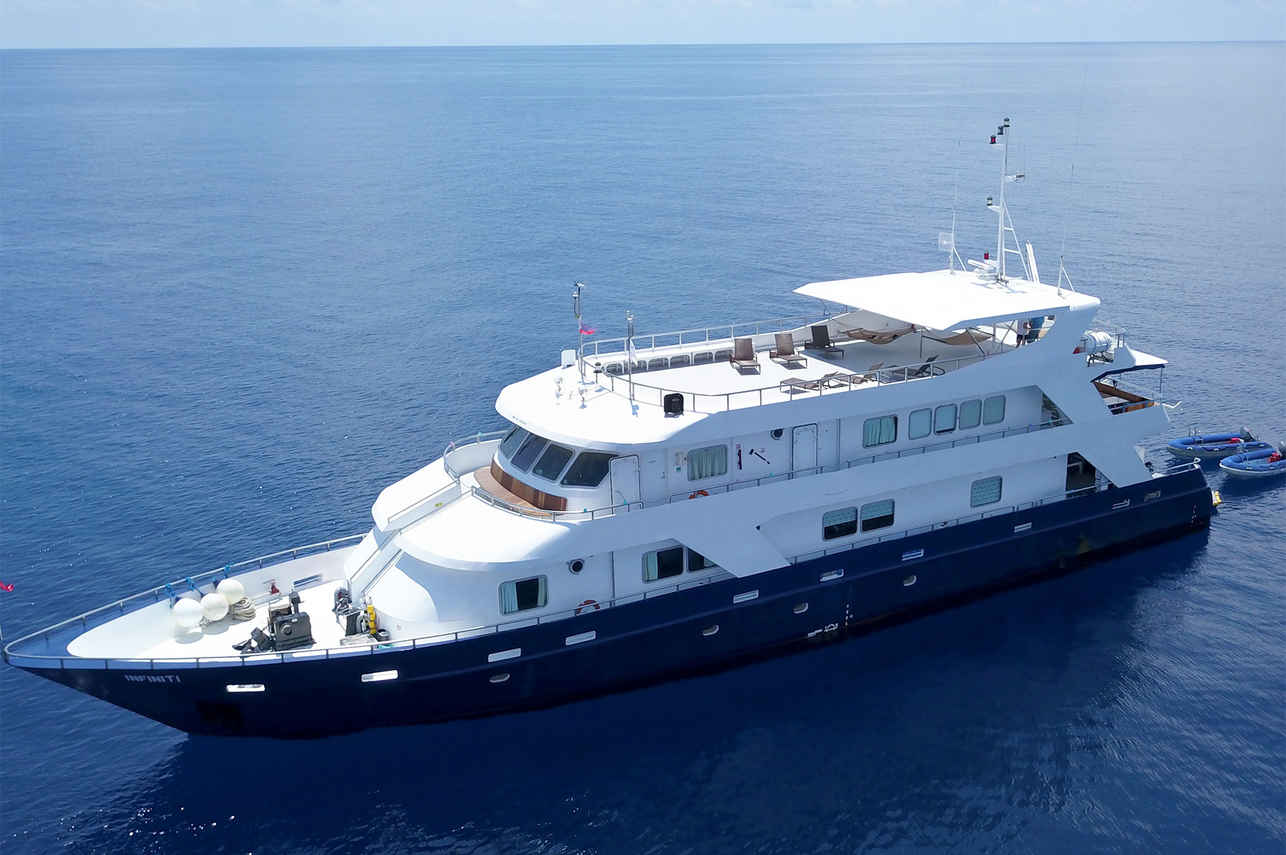
Infiniti
Philippines
25 guests39 m
$280/day
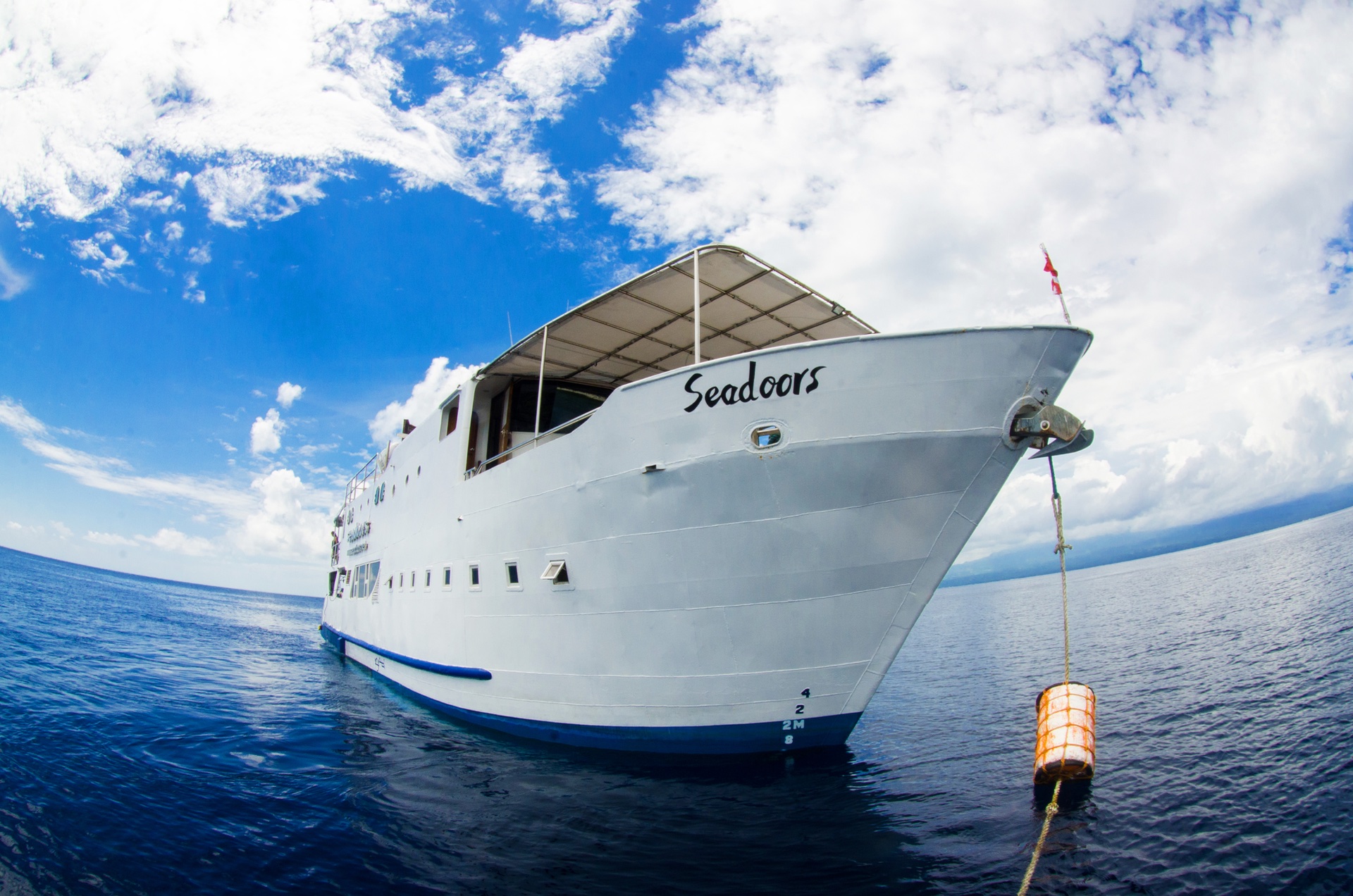
Seadoors
Philippines
16 guests25 m
$335/day
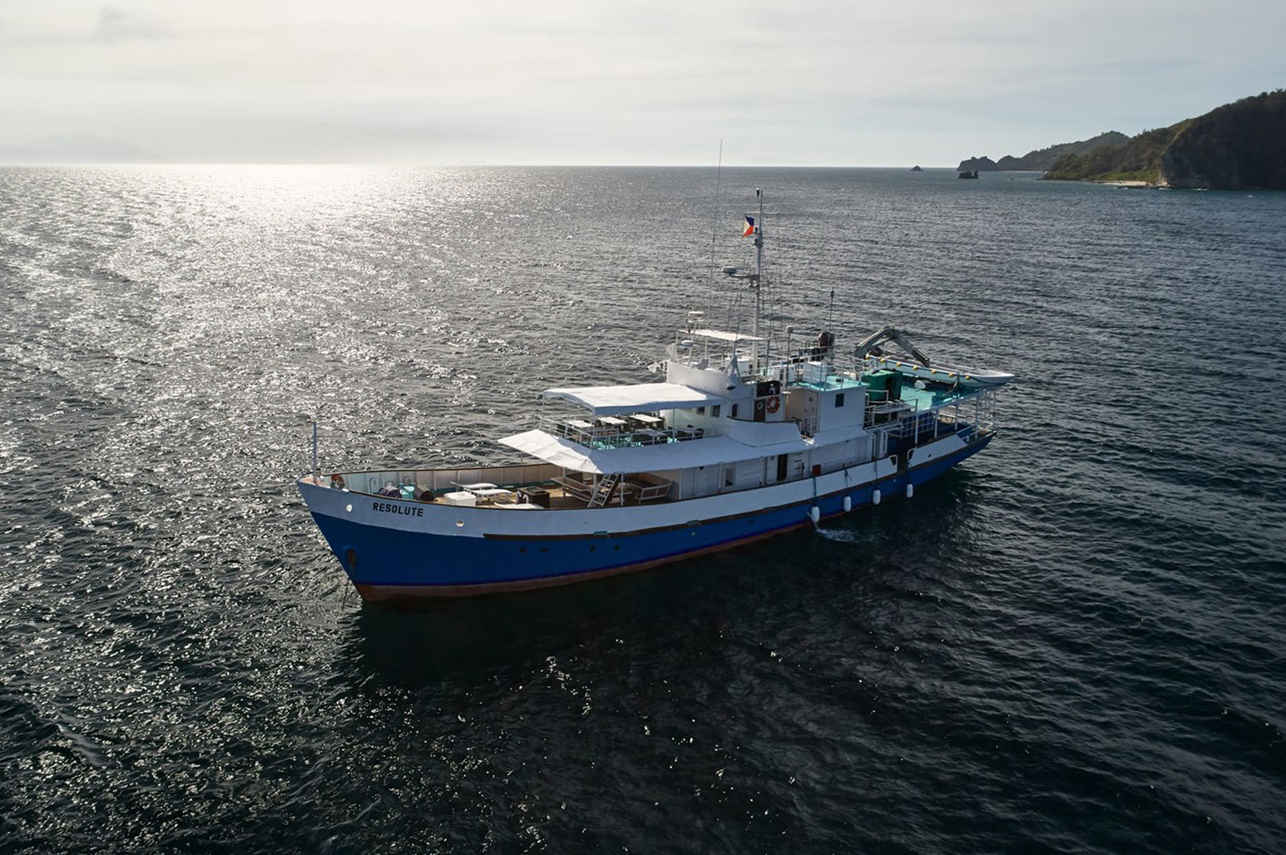
Resolute
Philippines
16 guests34.6 m
$314/day
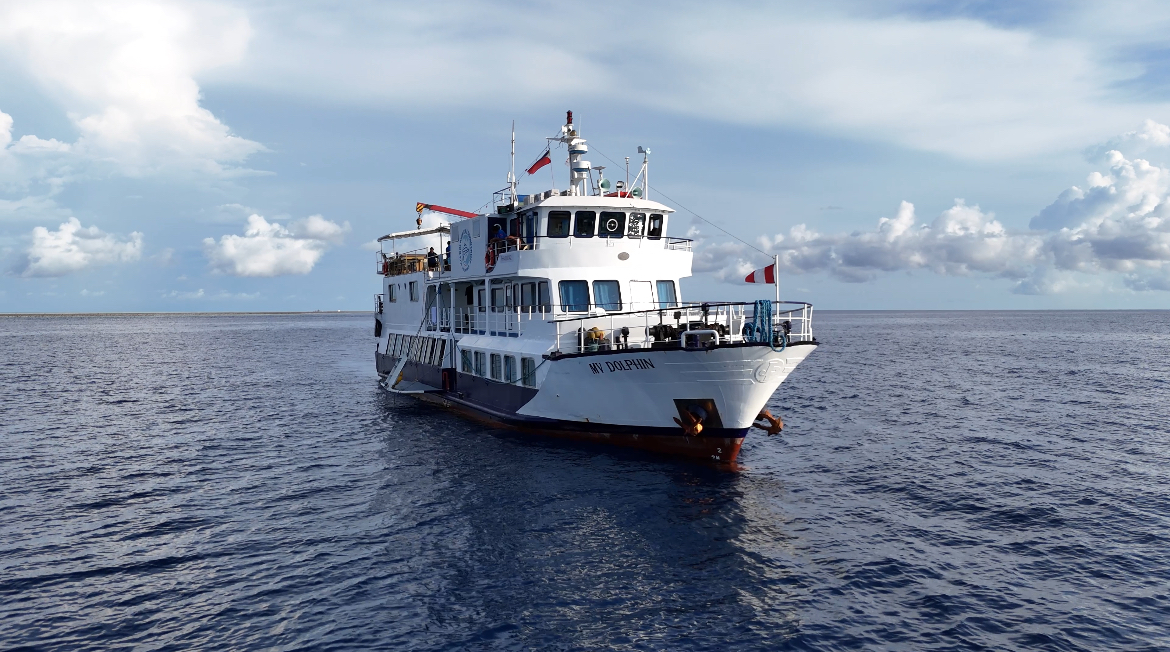
Dolphin
Philippines
18 guests31 m
$326/day
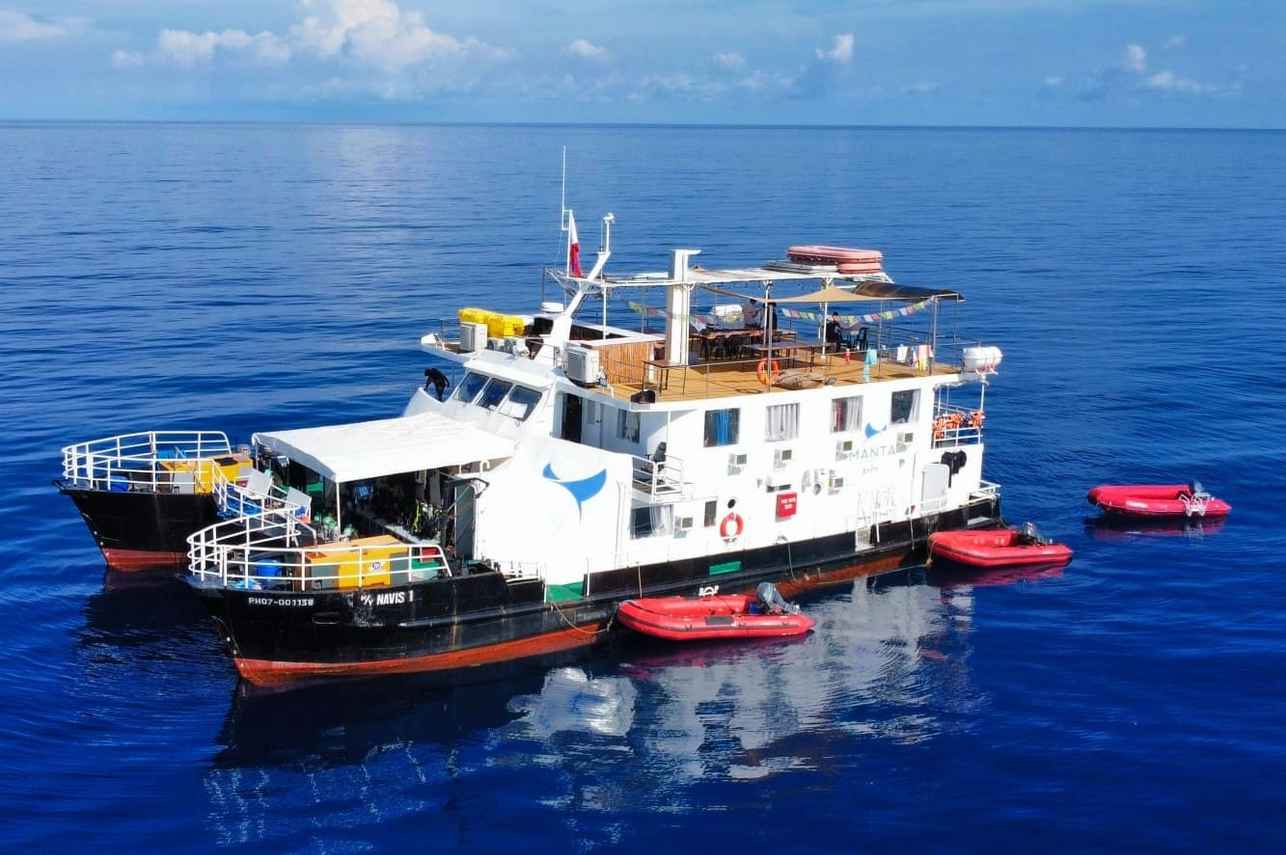
Navis 1
Philippines
22 guests23 m
$250/day
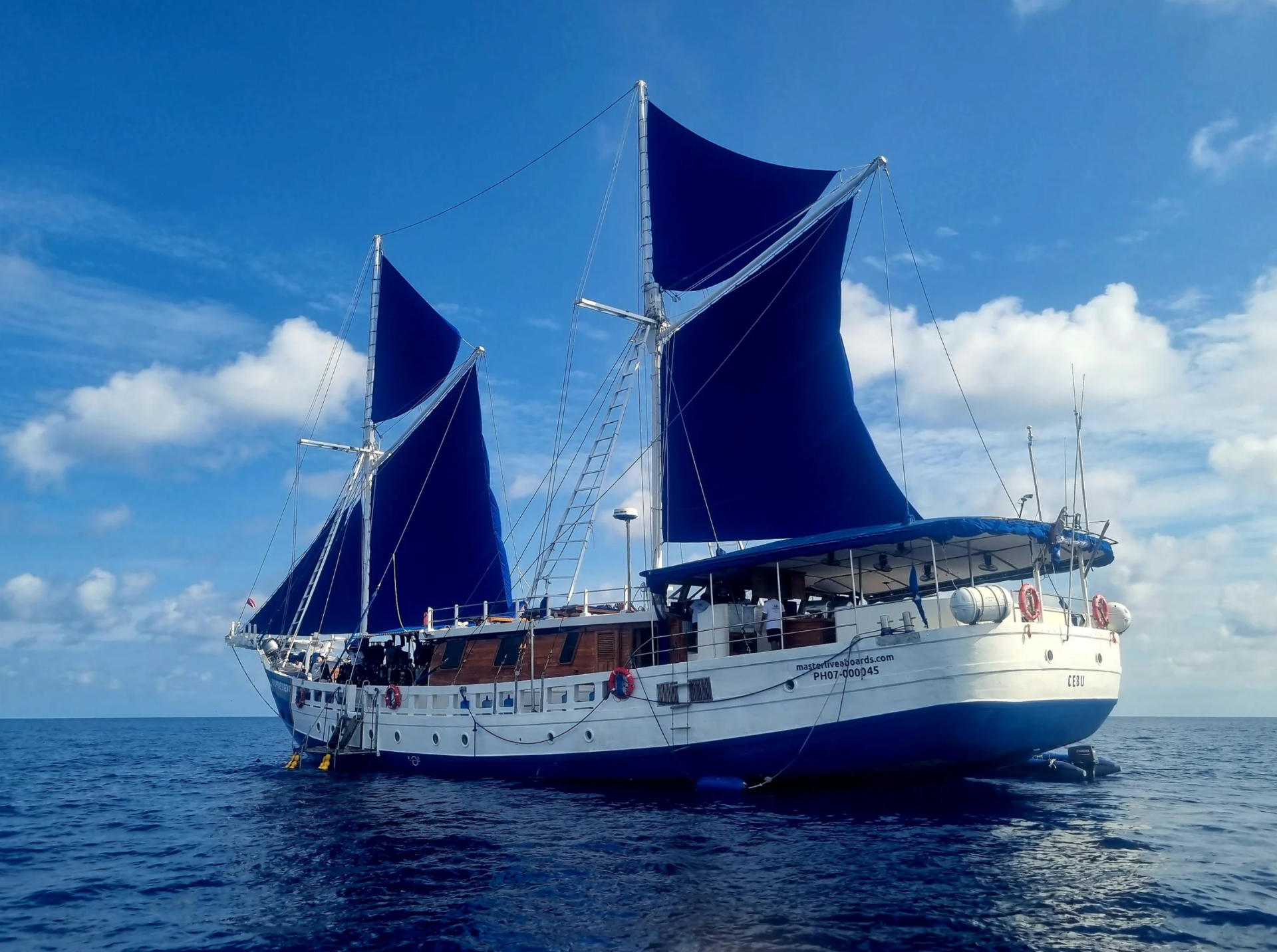
Philippine Siren
Philippines
16 guests
$309/day
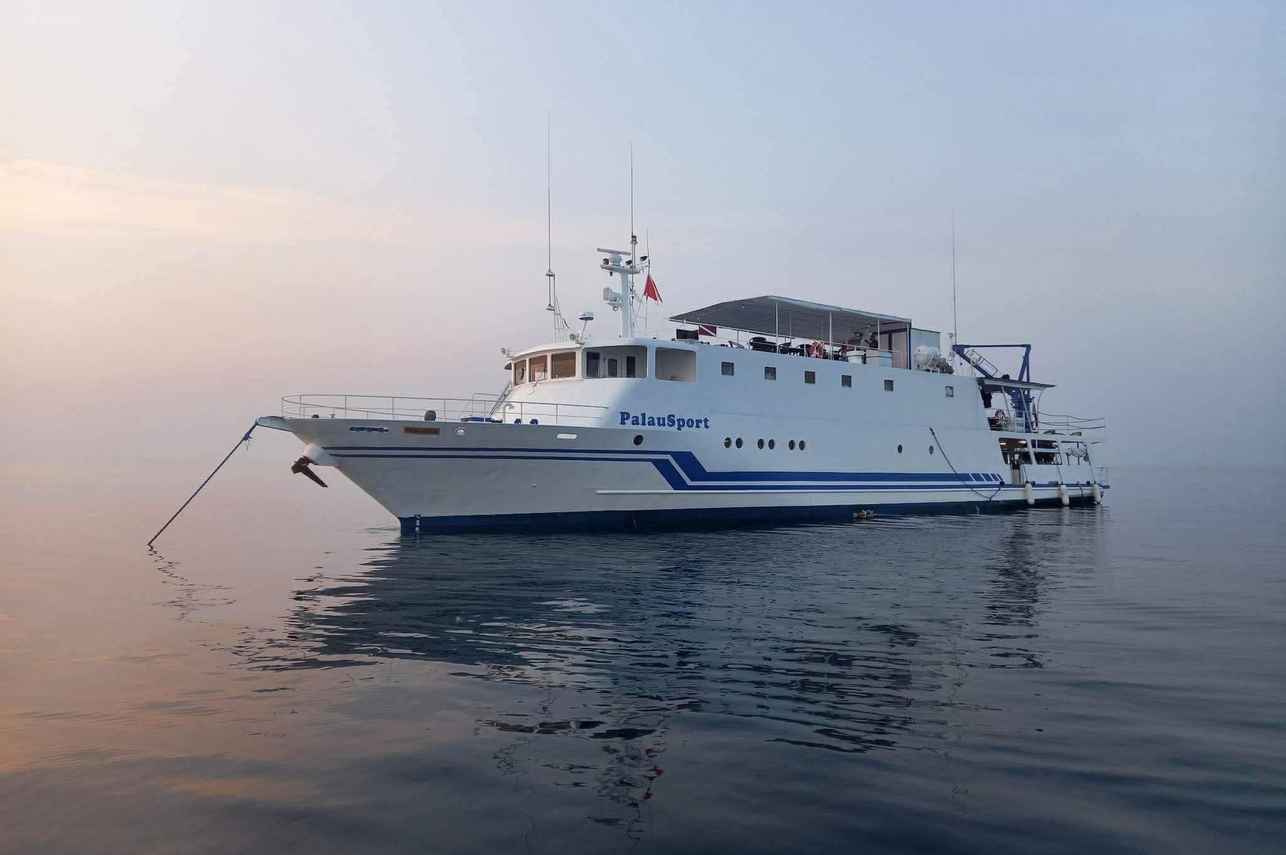
Palau Sport
Philippines
24 guests38.35 m
$215/day
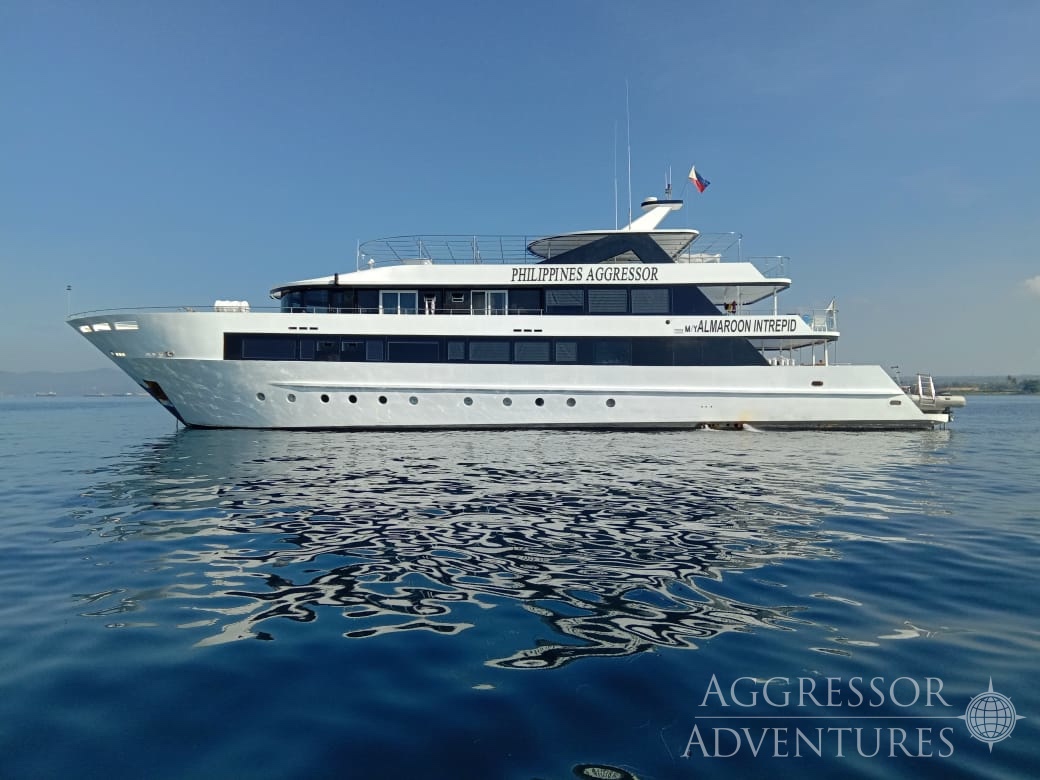
Philippines Aggressor
Philippines
26 guests42.7 m
$381/day
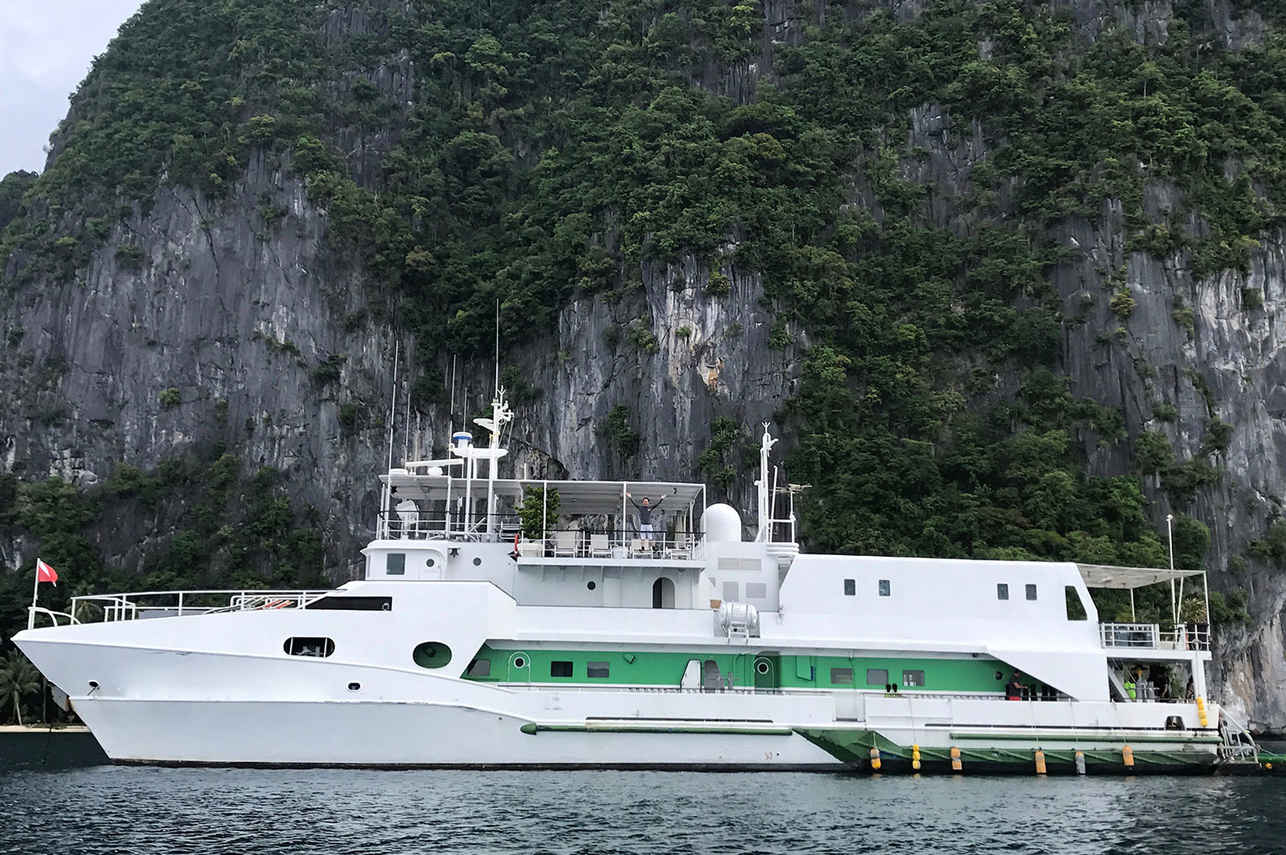
Stella Maris Explorer
Philippines
20 guests33 m
$398/day
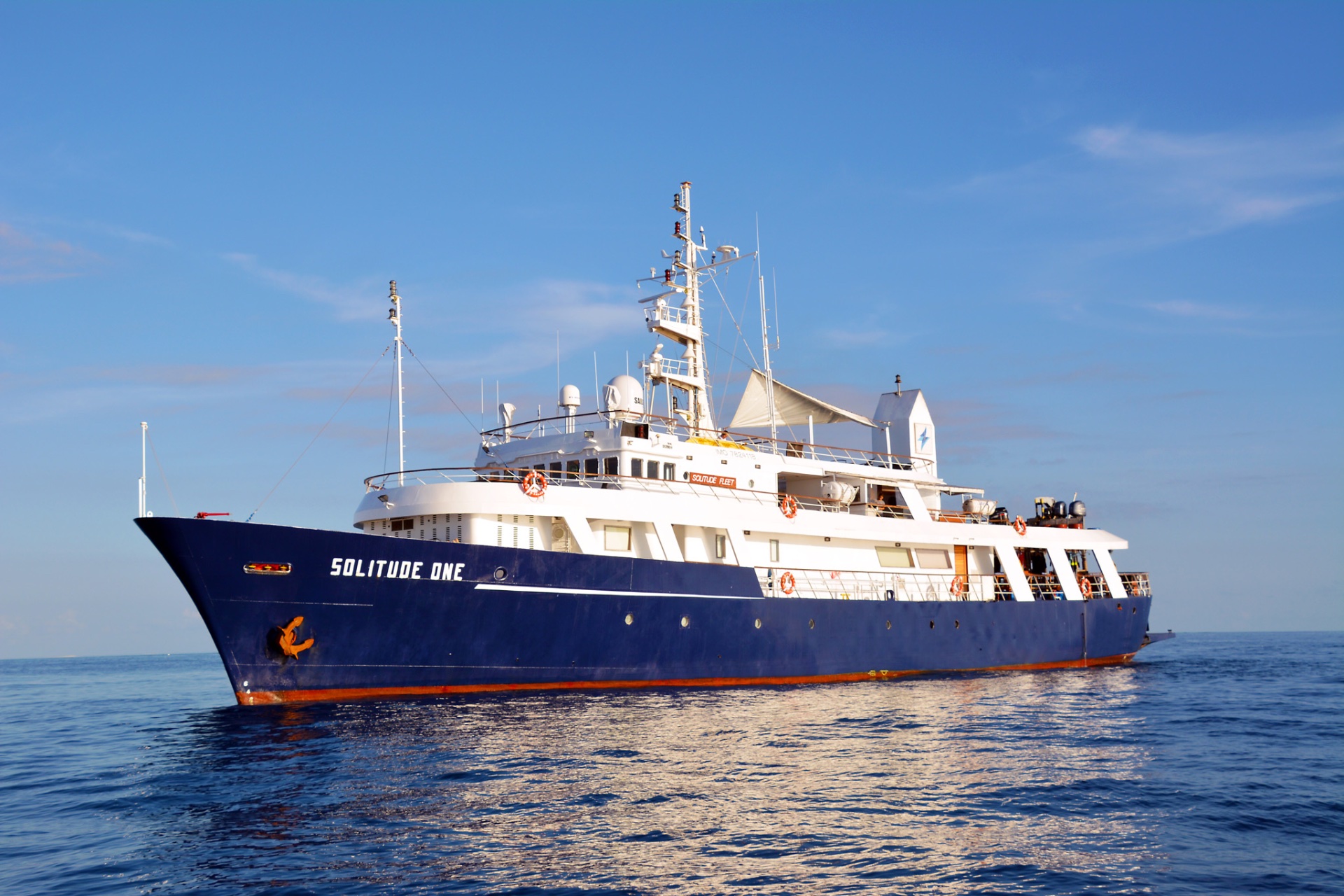
Solitude One
Philippines
24 guests52 m
$460/day
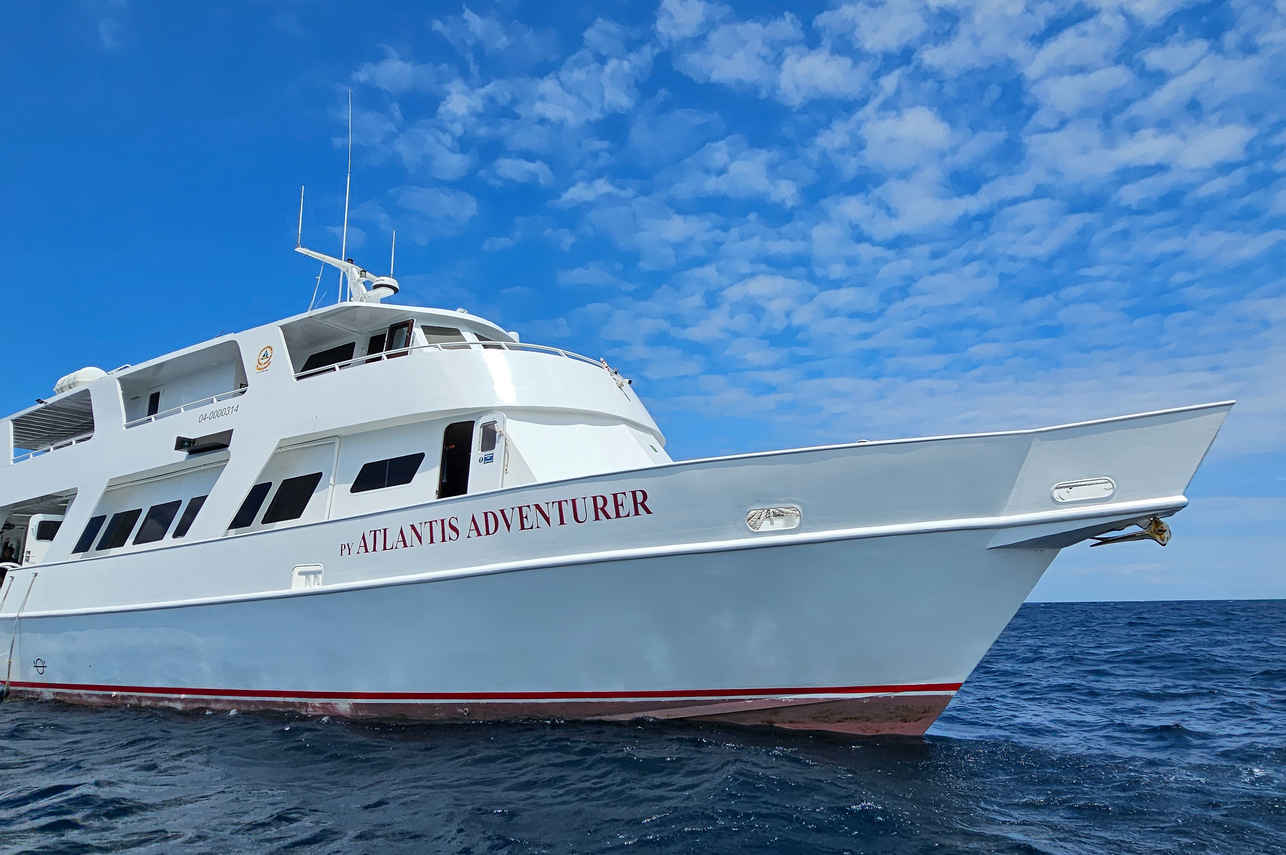
Atlantis Adventurer
Philippines
16 guests32.5 m
$421/day
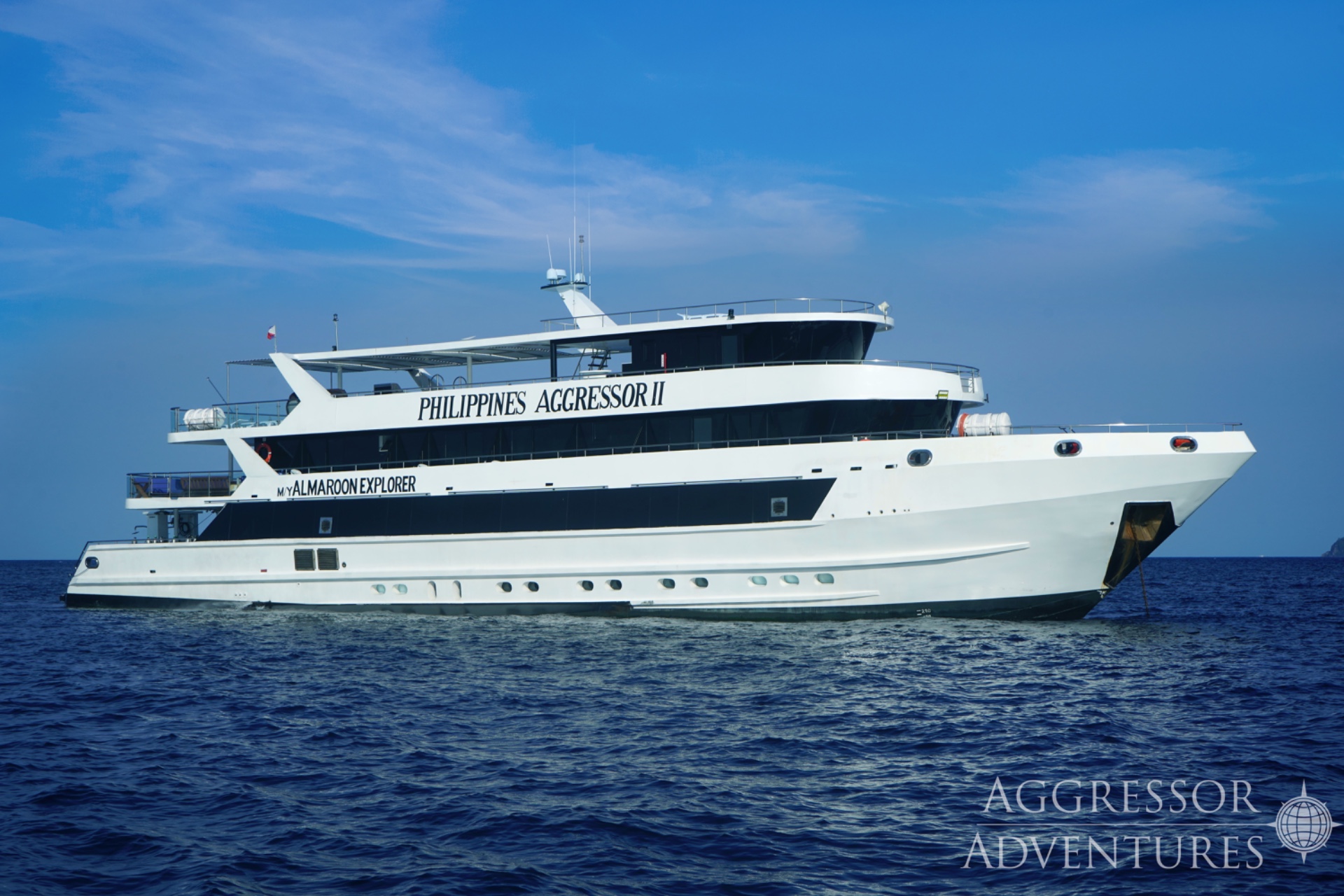
Philippines Aggressor II
Philippines
26 guests42.7 m
$247/day
Dive sites similar to Akitsushima
Same character, same waters — six more sites divers love for the exact same reasons.Compare seasons, access and liveaboard routes — then pick the site that fits your trip best.
© Esri — Maxar, Earthstar, GIS
Olympia Maru
Philippines
The Olympia Maru is a prominent Japanese cargo ship wreck from World War II, located within Coron Bay, Philippines.
- Suitable for
- Intermediate
- Current
- Mild
- Access
- Dayboat
- Depth
- 17–24 m
- Theme
- Wreck / Reef
© Esri — Maxar, Earthstar, GIS
USS New York
Philippines
The USS New York, an 8150-ton armored cruiser, was commissioned in 1893 and saw service in the Spanish-American War, the Chinese Revolution, and WWI.
- Suitable for
- Advanced
- Current
- Mild
- Access
- Liveaboard or dayboat
- Depth
- 16–30 m
- Theme
- Wreck
The Alma Jane is a prominent artificial reef and wreck dive located off Puerto Galera in the Philippines, intentionally sunk to enhance marine biodiversity and provide a unique diving experience.
- Suitable for
- Intermediate
- Current
- Mild
- Access
- Dayboat
- Depth
- 25–30 m
- Theme
- Wreck / Reef
© Esri — Maxar, Earthstar, GIS
Kyokuzan Maru
Philippines
The Kyokuzan Maru is a significant Japanese auxiliary supply ship, measuring about 136 meters in length, that was sunk during a US Navy aerial attack on September 24, 1944, near Busuanga Island.
- Suitable for
- Advanced
- Current
- Mild
- Access
- Dayboat
- Depth
- 26–42 m
- Theme
- Wreck
© Esri — Maxar, Earthstar, GIS
Camia II Wreck
Philippines
The Camia II Wreck is a popular dive site located in Boracay, known for its accessible and largely intact cargo vessel.
- Suitable for
- Intermediate
- Current
- Mild
- Access
- Dayboat
- Depth
- 18–30 m
- Theme
- Wreck
© Esri — Maxar, Earthstar, GIS
Irako Wreck
Philippines
The Irako Wreck, a Japanese refrigeration ship sunk during World War II, lies within Coron's renowned wreck graveyard, making it one of the Philippines' premier wreck diving destinations.
- Suitable for
- Advanced
- Current
- Strong
- Access
- Liveaboard or dayboat
- Depth
- 28–43 m
- Theme
- Wreck