About Olympia Maru
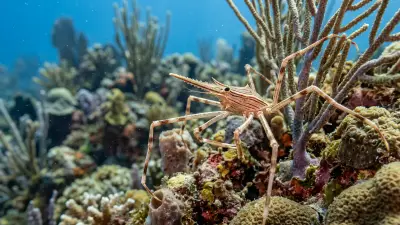
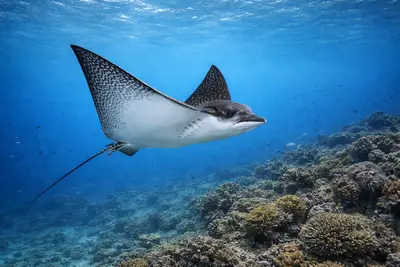
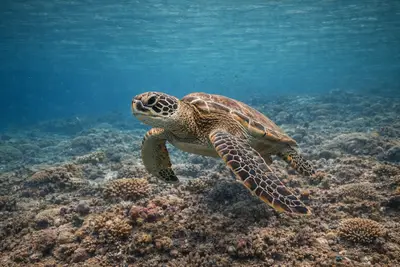
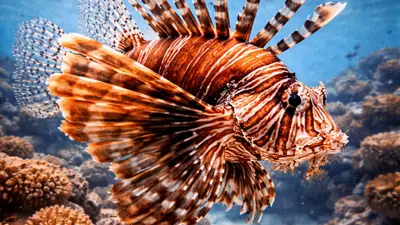
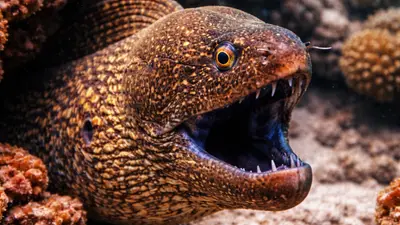
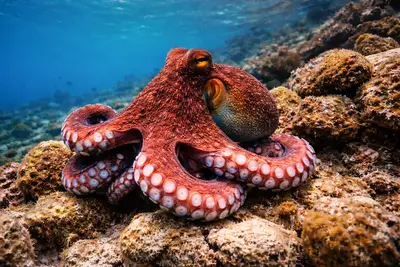
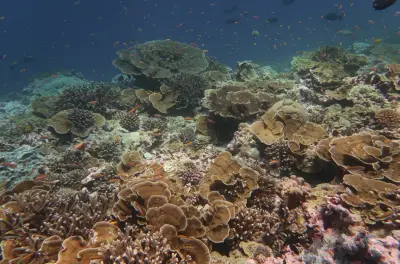
The Olympia Maru is a prominent Japanese cargo ship wreck from World War II, located within Coron Bay, Philippines. Sunk during a U.S. air raid in 1944, it now rests as an artificial reef, offering a compelling structure-first wreck profile for divers. This site is distinguished by its accessible depth and the opportunities it presents for both penetration and exploring external features. The wreck lies at depths up to 24 meters, with parts of the structure accessible from around 17 meters. It is known for its relatively intact hull, which has become a substrate for coral growth and a habitat for various marine species. Conditions typically feature light currents and moderate visibility, making it suitable for divers with good buoyancy control and an interest in wreck exploration. While specific seasonal marine life is not detailed, the wreck commonly hosts lionfish, barracuda, moray eels, crabs, and octopuses. Green turtles and eagle rays are also reported. The site's diverse ecosystem contributes to its appeal beyond just the historical artifact. Diving the Olympia Maru rewards confident divers who are proficient in navigation and buoyancy in overhead environments. It is typically accessed by boat from Coron, and dive planning should emphasize conservative gas management and buddy team protocols due to the nature of wreck diving. The site can be quite busy, indicating its popularity among the Coron wrecks.
Highlights
WWII Japanese cargo ship wreckCoron Bay wreck divingAccessible wreck penetrationAtmospheric interior explorationDiverse reef fish habitatLionfish and barracuda sightingsGreen turtles and eagle rays
Season calendar
Best months to dive here
Jan
Feb
Mar
Apr
May
Jun
Jul
Aug
Sep
Oct
Nov
Dec
Excellent
Good
Dive site facts: Olympia Maru
- Depth
- Up to 24 m
- Typical dive
- 17–29 m
- Current
- Light to moderate (up to 3 knots)
- Visibility
- 5–25 m
- Water temperature
- 26–31 °C
- Entry
- Boat
- Level
- Intermediate
- Dive type
- Wreck
- Night dive
- Possible
- Region / port
- Coron, Palawan
- Coordinates
- 11.9912° N, 120.2152° E
Conditions & Currents
Currents at Olympia Maru are generally light, though they can reach up to 3 knots, especially in May. While typically flat calm, divers should be prepared for potential shifts. Visibility can range significantly from 5 meters to 25 meters, influenced by weather patterns and site timing, sometimes challenging navigation within the wreck. Entry is exclusively by boat, typically involving a short ride from Coron. Due to the overhead environment and potential for varying visibility, maintaining good buoyancy control and conservative gas planning are crucial for safe exploration of this wreck.
Marine life & sighting chances

Dive profile & how the dive runs
Dives at Olympia Maru typically begin with a boat drop directly over the wreck. Divers will descend along the ship’s structure, usually towards the shallower deck areas around 17 meters. The dive can progress by exploring the superstructure or entering one of the accessible cargo holds. While exploring the interiors, careful navigation and excellent buoyancy are critical due to limited visibility and overhead environments. Maximum depths can reach up to 24 meters at the deepest points of the wreck. The route often involves traversing the length of the ship, observing coral growth and resident marine life. The turn point is determined by gas consumption and no-decompression limits, after which divers ascend gradually. The safety stop is commonly conducted over the wreck’s shallower parts or a nearby reef, ensuring proper decompression before surfacing.
Underwater photography
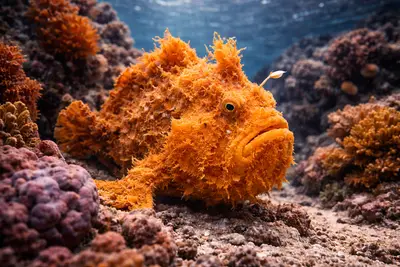
Capturing the Olympia Maru requires adaptability due to varying visibility and the low-light conditions inside the wreck. For wide-angle shots of the ship's overall structure and larger schooling fish, a wide-angle lens with external strobes is recommended to illuminate the scene and bring out colors. When exploring the interior, a fisheye lens can create dramatic perspectives, but a powerful focus light is essential. For macro subjects like frogfish, lionfish, or nudibranchs residing on the wreck, a macro lens is ideal, often paired with a snoot to highlight details against the darker background. Divers must maintain impeccable buoyancy to avoid disturbing silt, which can quickly reduce visibility and ruin shots.
Combine with nearby dive sites
- Kogyo Maru
- Tangat Wreck
Tangat Wreck, also known as Kogyo Maru, is a prominent Japanese shipwreck nestled in Coron Bay, Palawan, Philippines.
- Irako Wreck
The Irako Wreck, a Japanese refrigeration ship sunk during World War II, lies within Coron's renowned wreck graveyard, making it one of the…
- Coron Bay — Skeleton Wreck
The Skeleton Wreck in Coron Bay, Philippines, offers a unique blend of history and marine biology, lying submerged since its sinking during…
Getting there & logistics
Access to Olympia Maru is primarily via day boat trips originating from Coron, Palawan. The nearest major airport is Francisco B. Reyes Airport (USU) in Busuanga, which connects to Manila and other Philippine hubs. Trips to Coron typically involve multi-day packages from resorts or liveaboards that combine several wreck dives. Marine park and heritage fees are generally included in dive package costs. Coron is a premier wreck diving destination, and itineraries often include a selection of Japanese WWII wrecks, sometimes alongside visits to Barracuda Lake or local reef sites.
Safety & environment
Diving the Olympia Maru, like other Coron wrecks, requires adherence to specific safety protocols. The primary hazards include the overhead environment of the wreck, potential for reduced visibility, and boat traffic on the surface. Divers must exercise conservative buoyancy control to prevent silting out the wreck and ensure a tight buddy team. All divers should carry an alternative air source and have an emergency plan for overhead situations. The nearest recompression chamber is located in Puerto Princesa, Palawan, necessitating adequate medical insurance that covers dive accidents and potential evacuation. Always dive with a reputable Coron operator and follow local guidelines, including any marine park or facility rules.
Who it suits — and who it doesn't
Suited for
- Certified Advanced Open Water divers
- Wreck diving enthusiasts
- Divers comfortable with overhead environments
- Photographers interested in historical wrecks
- Divers seeking diverse marine life on artificial reefs
Less suited for
- Beginner divers without wreck experience
- Divers with poor buoyancy control
- Divers prone to claustrophobia
- Those who prefer purely coral reef dives
FAQ
Olympia Maru FAQ
What is the history of the Olympia Maru?
The Olympia Maru is a Japanese cargo ship that was sunk during a U.S. air raid in 1944 as part of the broader World War II campaign in the Philippines. It now rests as one of Coron Bay's most accessible and popular wreck dives, attracting divers interested in military history and marine archaeology.
What kind of marine life can be seen on the Olympia Maru?
The wreck serves as a thriving artificial reef, hosting a variety of marine species. Divers commonly encounter lionfish, barracuda, moray eels, crabs, and octopuses among its structures. Occasionally, larger pelagic species like green turtles and eagle rays are also spotted around the wreck.
Is the Olympia Maru suitable for beginner divers?
While the wreck is relatively shallow, reaching depths up to 24 meters, it is classified as an intermediate dive due to its overhead environment. Divers require good buoyancy control and navigation skills for safe exploration. Beginner divers are generally advised to gain more experience before attempting this wreck.
What are the typical diving conditions at Olympia Maru?
Conditions at Olympia Maru can vary, with visibility typically ranging from 5 to 25 meters, and currents usually light, though they can occasionally reach up to 3 knots. Water temperatures are warm, between 26-31°C. The best conditions for diving are usually during the dry season from November to May.
Can you penetrate the Olympia Maru wreck?
Yes, the Olympia Maru offers opportunities for wreck penetration into its cargo holds and other accessible sections. However, this should only be attempted by divers with appropriate training and experience in overhead environments. A dive guide familiar with the wreck's layout is highly recommended for any penetration dives.
Why dive Olympia Maru from a liveaboard?
Olympia Maru is one of Philippines's signature dive sites. A liveaboard sleeps you on the water and puts you in the water for three to four guided dives per day, including dawn and night dives that day-boat operators rarely offer. You skip the daily commute back to port and reach quieter, less-crowded sites in the same region on a single trip.
Below are the liveaboards that include Olympia Maru on their Philippines itineraries.
Liveaboards diving Olympia Maru
These liveaboards may visit Olympia Maru on selected itineraries — the exact dive sites depend on departure, weather and conditions.
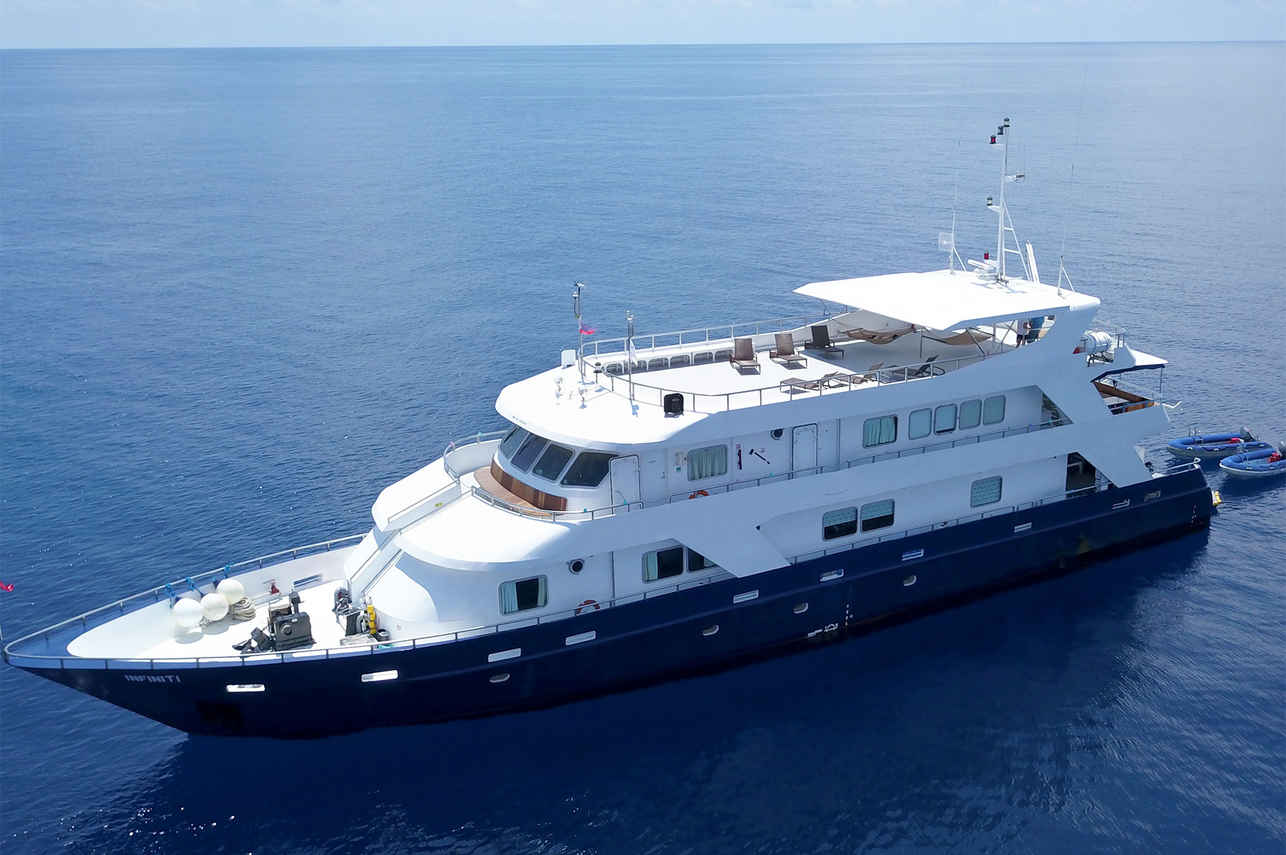
Infiniti
Philippines
25 guests39 m
$280/day
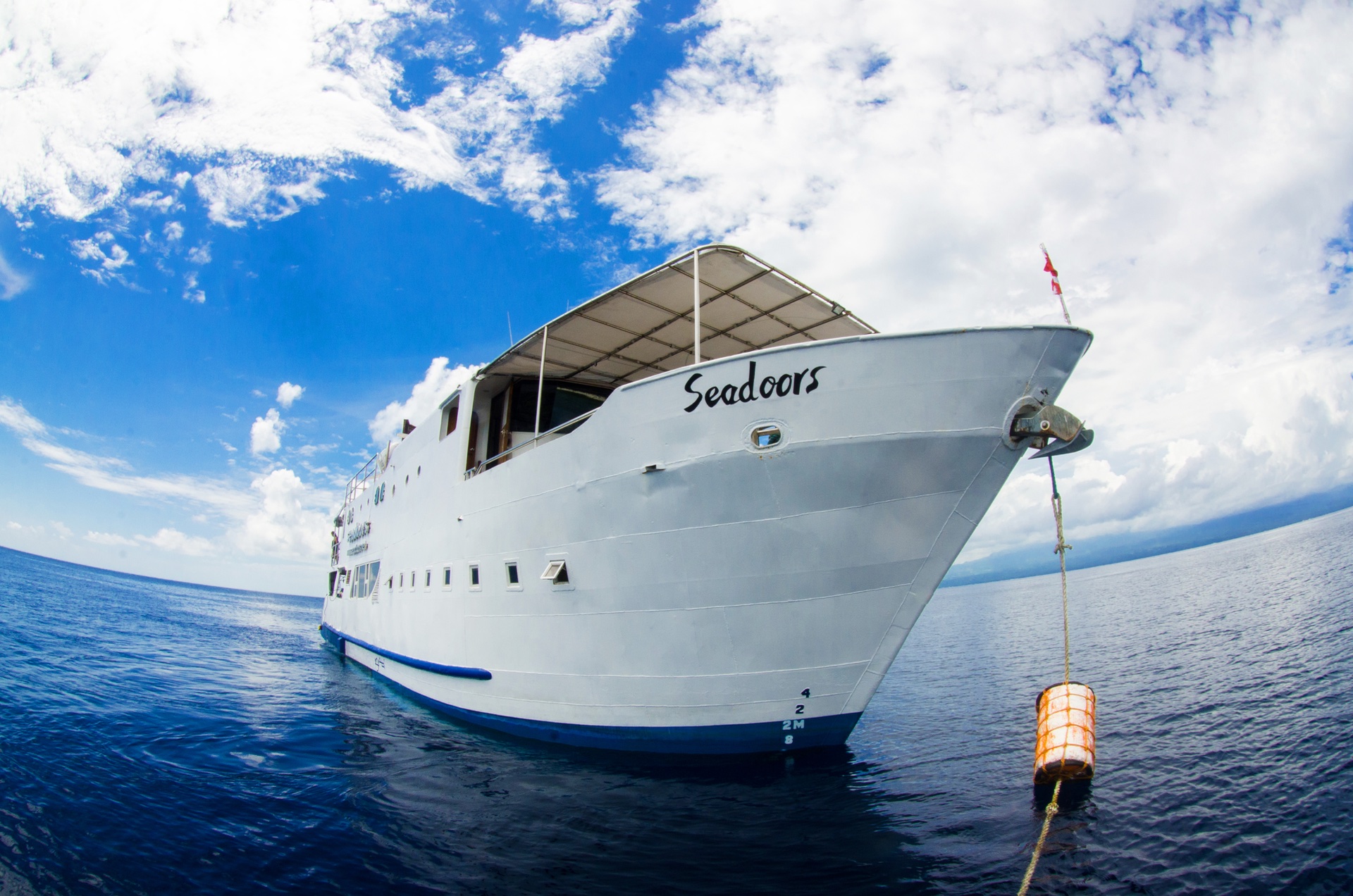
Seadoors
Philippines
16 guests25 m
$335/day
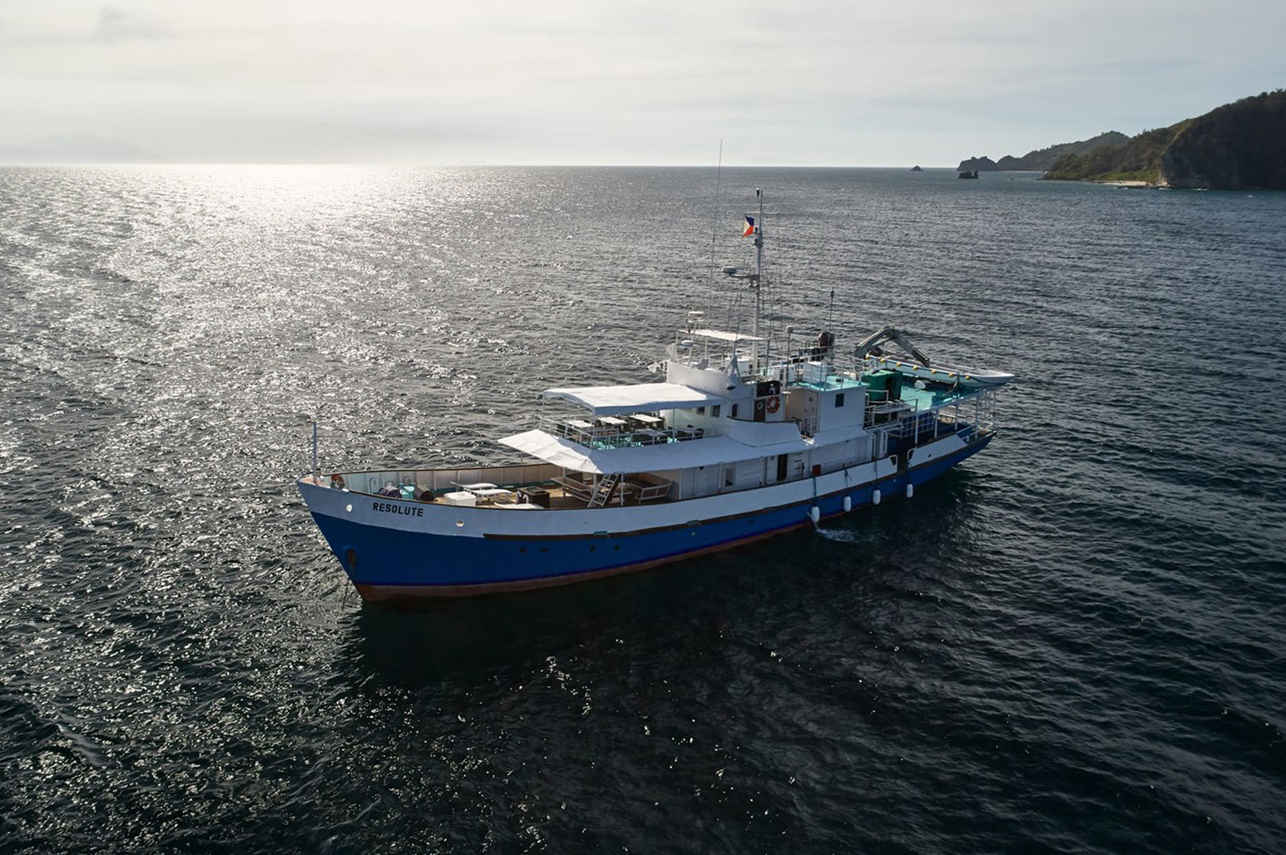
Resolute
Philippines
16 guests34.6 m
$314/day
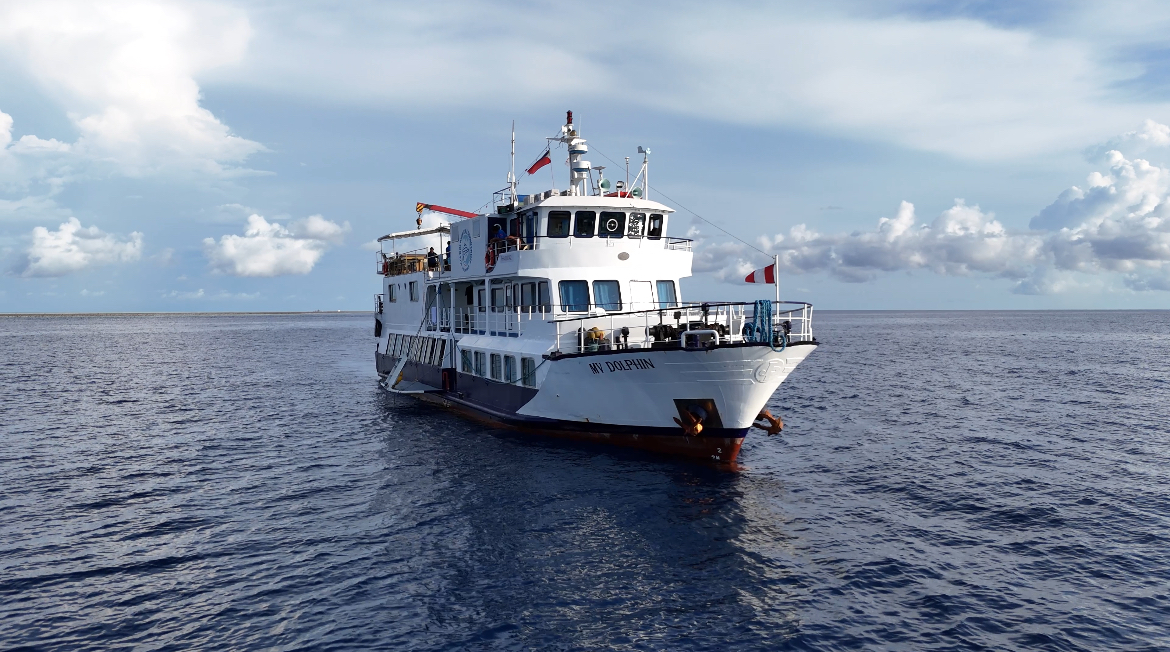
Dolphin
Philippines
18 guests31 m
$326/day
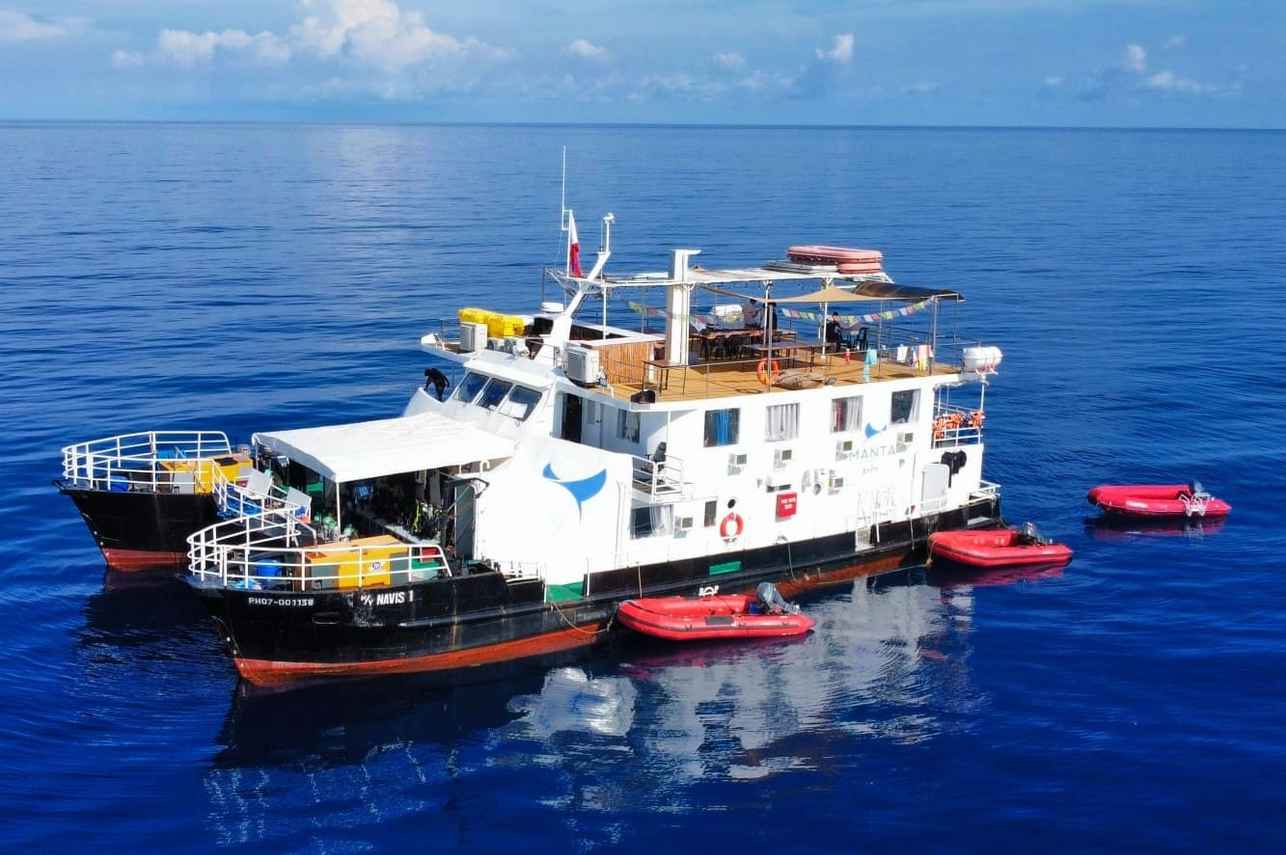
Navis 1
Philippines
22 guests23 m
$250/day
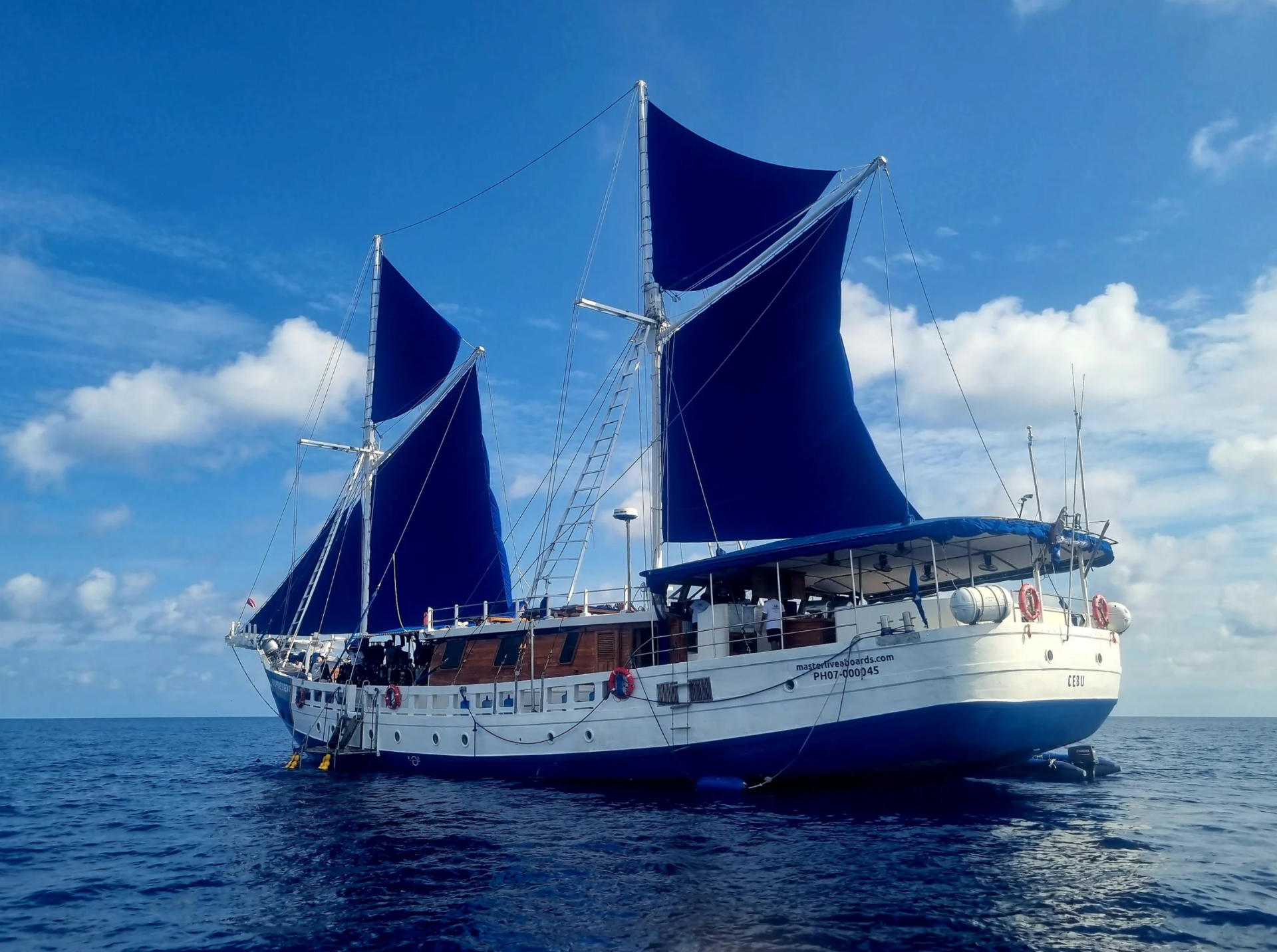
Philippine Siren
Philippines
16 guests
$309/day
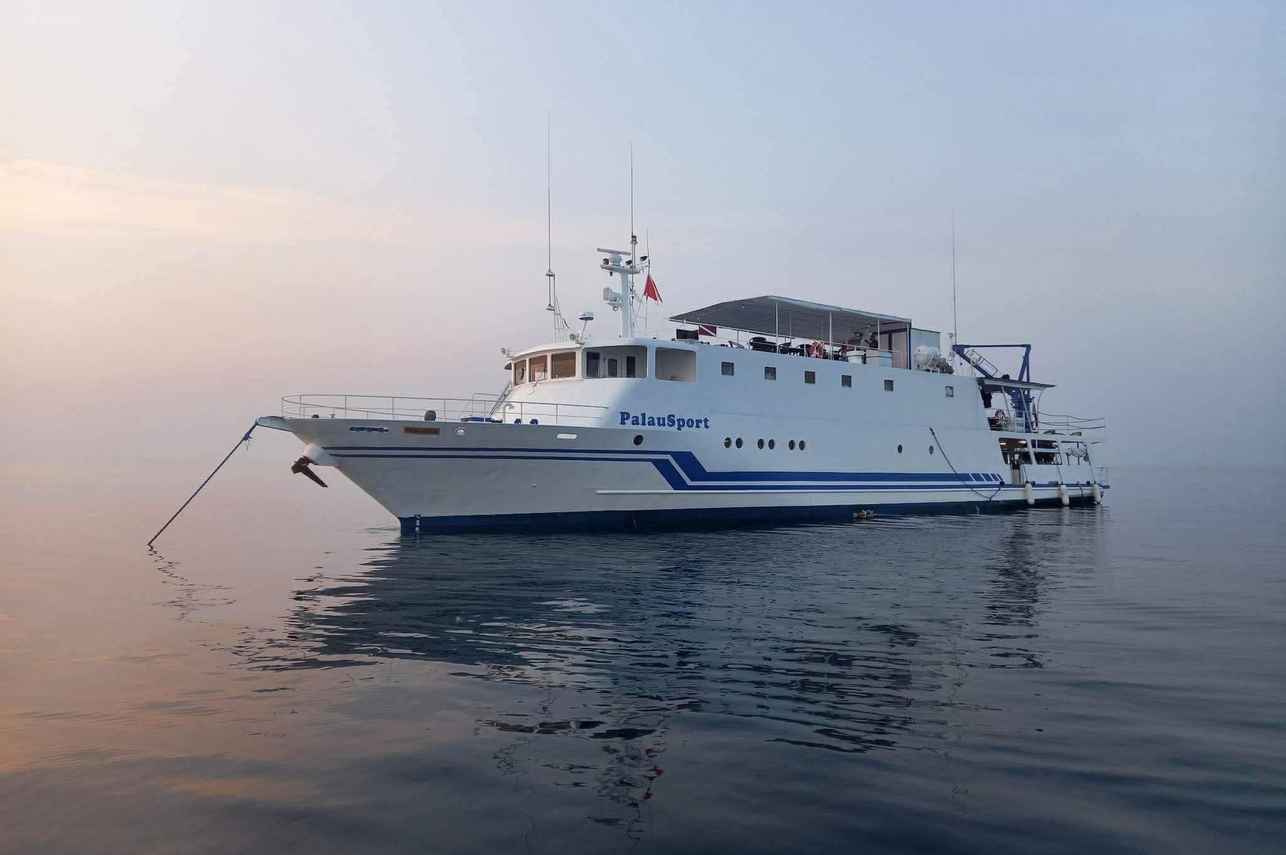
Palau Sport
Philippines
24 guests38.35 m
$215/day
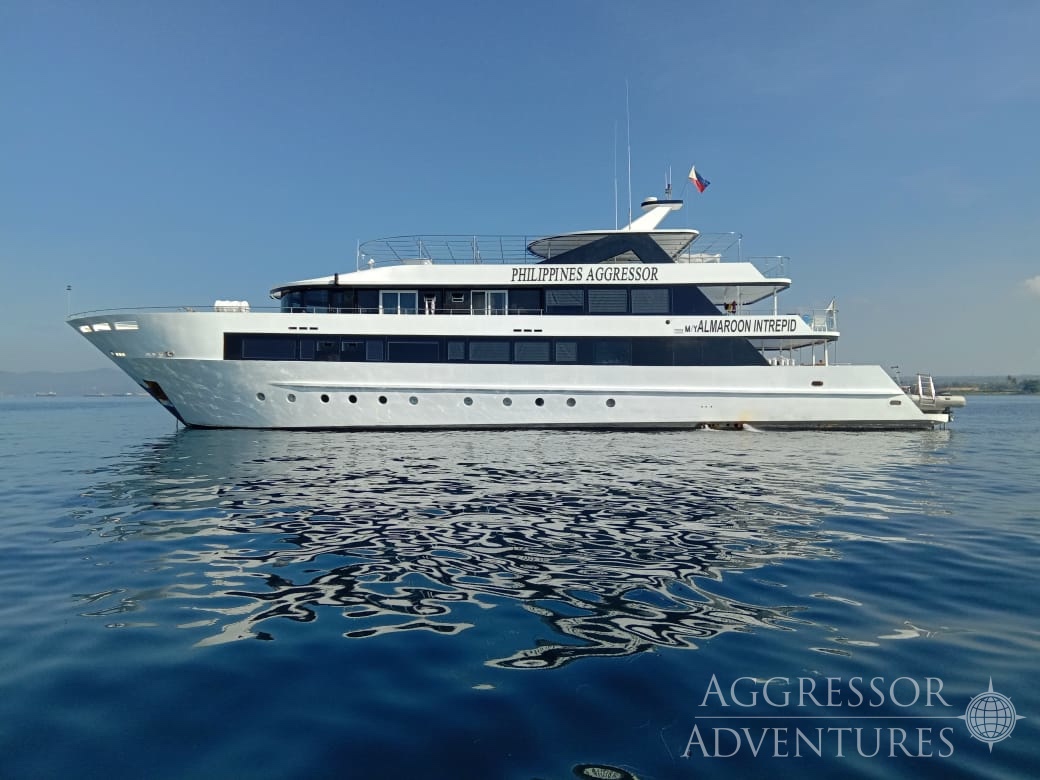
Philippines Aggressor
Philippines
26 guests42.7 m
$381/day
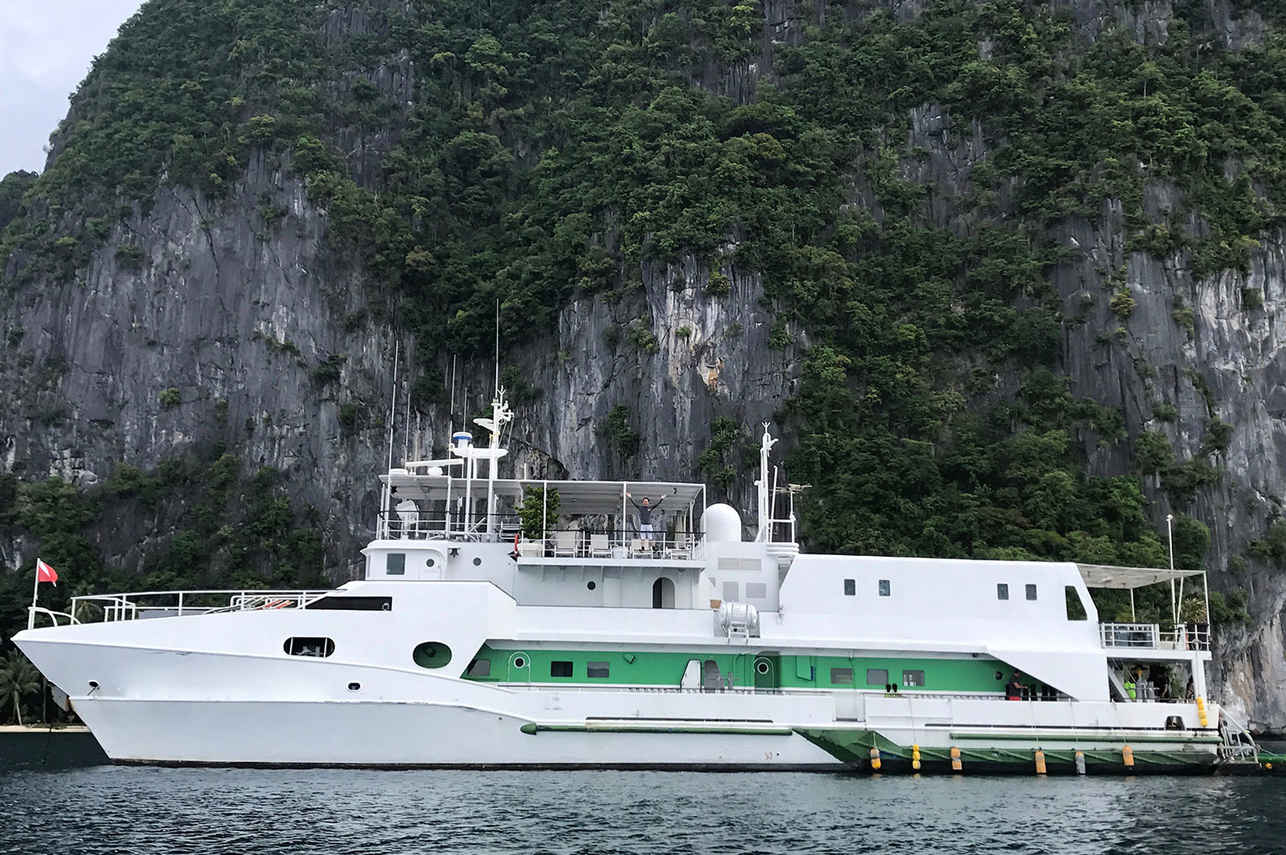
Stella Maris Explorer
Philippines
20 guests33 m
$398/day
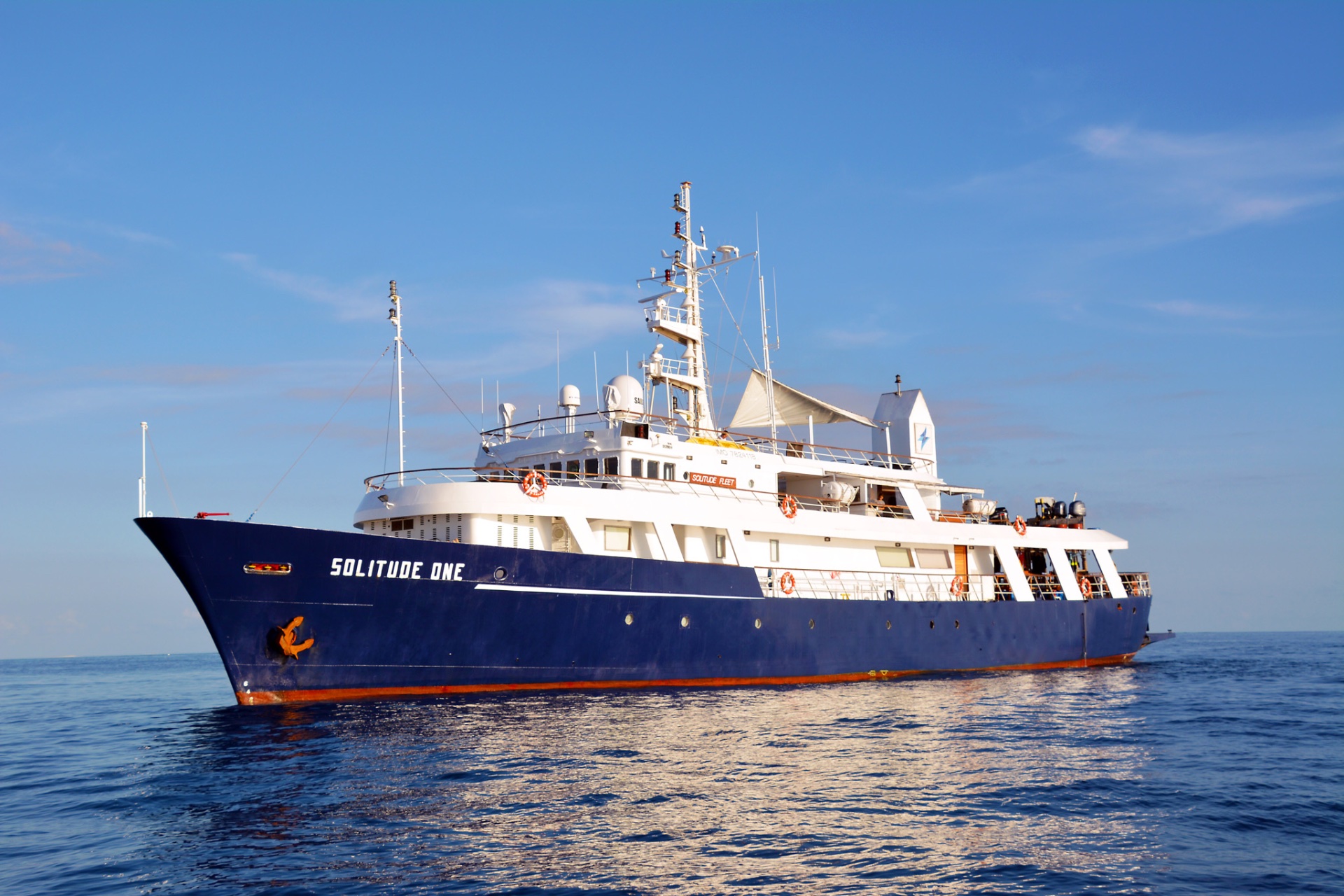
Solitude One
Philippines
24 guests52 m
$460/day
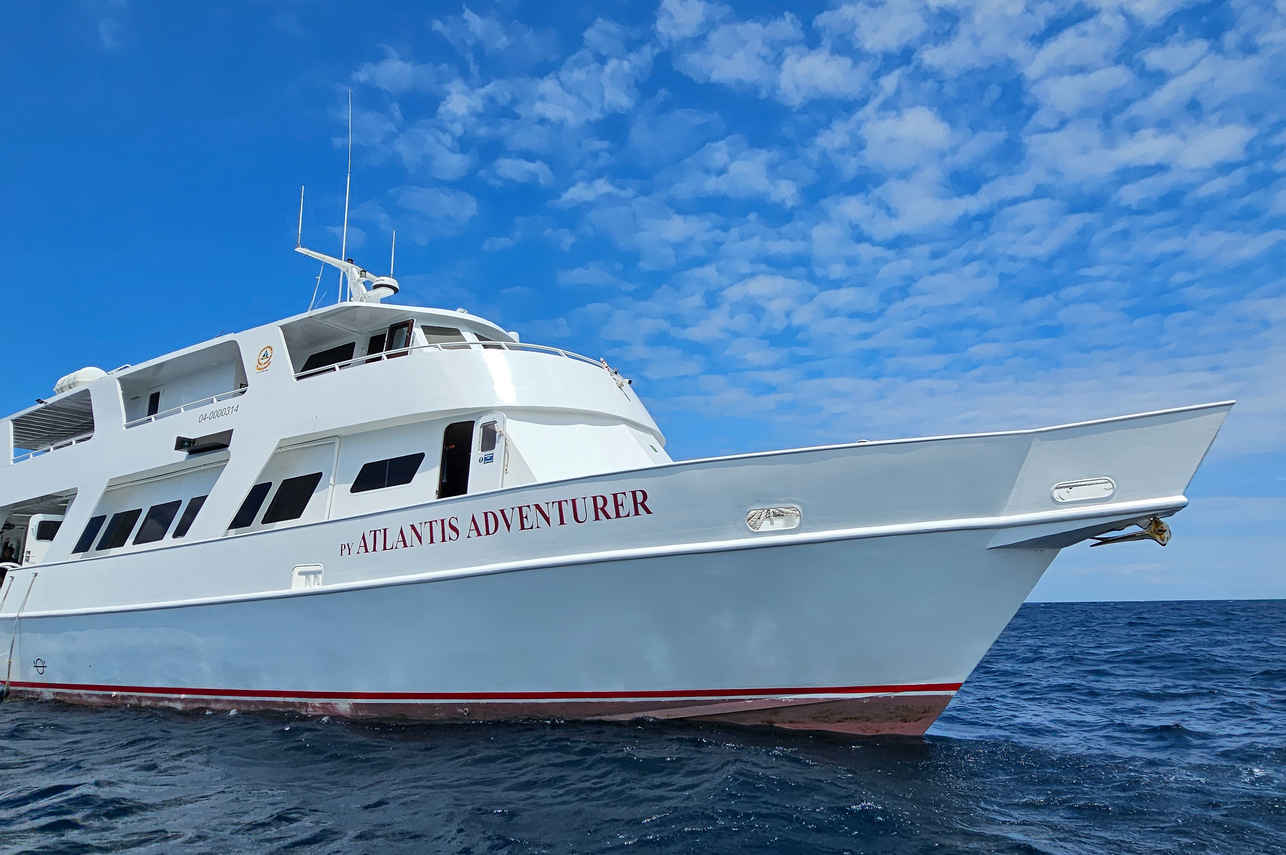
Atlantis Adventurer
Philippines
16 guests32.5 m
$421/day
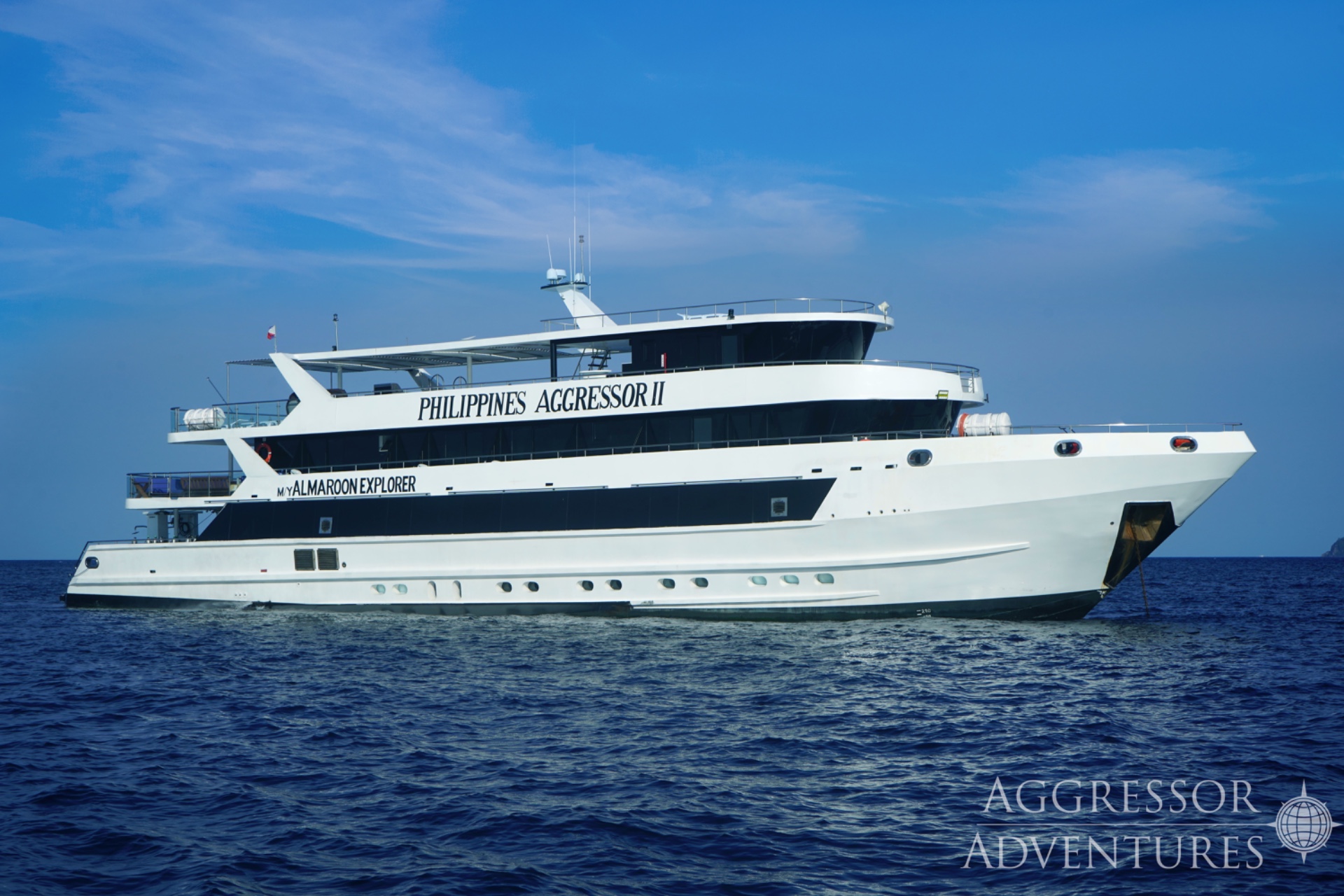
Philippines Aggressor II
Philippines
26 guests42.7 m
$247/day
Dive sites similar to Olympia Maru
Same character, same waters — six more sites divers love for the exact same reasons.Compare seasons, access and liveaboard routes — then pick the site that fits your trip best.
Big La Laguna
Philippines
Big La Laguna is a beach community situated on the western edge of the Sabang Peninsula, a popular dive region on Mindoro Island, Philippines.
- Suitable for
- Intermediate
- Current
- Moderate
- Access
- Dayboat
- Depth
- 5–35 m
- Theme
- Reef / Wall
Black Forest
Philippines
Black Forest is a premier dive site located off Balicasag Island, renowned for its exceptional marine biodiversity and distinct topography.
- Suitable for
- Intermediate
- Current
- Strong
- Access
- Liveaboard or dayboat
- Depth
- 10–30 m
- Theme
- Drift / Reef
Panagsama Beach
Philippines
Panagsama Beach, situated on a peninsula near Moalboal town in Cebu, serves as a central hub for diving activities in the region, boasting over 20 dive sites along its shoreline.
- Suitable for
- Intermediate
- Current
- Moderate
- Access
- Liveaboard or dayboat
- Depth
- ≤ 30 m
- Theme
- Reef / Wall
Balinghai Wall
Philippines
Balinghai Wall is a notable dive site located on the northwest side of Boracay, known for its accessible wall and coral slope formations.
- Suitable for
- Intermediate
- Current
- Mild
- Access
- Dayboat
- Depth
- 8–24 m
- Theme
- Wall / Reef
Tongo Sanctuary
Philippines
Tongo Sanctuary, located in Moalboal, Cebu, is a marine protected area renowned for its dramatic underwater topography.
- Suitable for
- Beginner
- Current
- Mild
- Access
- Dayboat
- Depth
- 5–55 m
- Theme
- Reef / Wall
Barracuda Rock (Malapascua)
Philippines
Barracuda Rock, frequently referred to as Deep Rock, is an enticing dive site near Malapascua, characterized by its coral-covered curving wall and a rocky bottom.
- Suitable for
- Intermediate
- Current
- Mild
- Access
- Dayboat
- Depth
- 12–30 m
- Theme
- Reef / Wall