About Barracuda Rock (Malapascua)
Barracuda Rock, frequently referred to as Deep Rock, is an enticing dive site near Malapascua, characterized by its coral-covered curving wall and a rocky bottom. While it doesn't host barracudas as its name might suggest, its topographical features create a thriving ecosystem for diverse marine life. This site features a sloping wall that descends to approximately 30 meters, where the seabed is composed of pebbles and sand. Divers can explore various depth bands, transitioning from the vibrant wall covered in soft corals to the macro-rich rocky bottom. The site generally experiences mild to moderate currents, which contribute to the health of the coral gardens. Deep Rock offers a strong macro photography opportunity throughout the year, with species such as flamboyant cuttlefish and ornate ghost pipefish frequently sighted. The site's diverse habitat also supports reef fish and occasional larger residents like octopuses. Conditions are generally favorable, though visibility can fluctuate with the seasons, making it a reliable destination for divers seeking both wide-angle and macro subjects. Diving here typically involves a descent to the deeper sections to search for macro life, followed by a gradual ascent along the coral-covered wall. This allows divers to experience the full spectrum of the site's biodiversity, from tiny invertebrates to the more visible reef inhabitants. It is well-suited for divers with intermediate experience due to the potential for currents and its maximum depth.
Highlights
Coral-covered curving wallFlamboyant cuttlefishOrnate ghost pipefishBlue-ringed octopusVibrant soft coralsDiverse macro lifeResident common octopus
Season calendar
Best months to dive here
Jan
Feb
Mar
Apr
May
Jun
Jul
Aug
Sep
Oct
Nov
Dec
Excellent
Good
Dive site facts: Barracuda Rock (Malapascua)
- Depth
- 12–30 m
- Typical dive
- 17–25 m, 50–60 min
- Current
- Mild to moderate
- Visibility
- 10–30 m
- Water temperature
- 24–29 °C
- Entry
- Boat / descent line
- Level
- Intermediate
- Dive type
- Reef, macro, wall, drift
- Night dive
- Possible
- Region / port
- Malapascua, Philippines
- Coordinates
- 11.3390° N, 124.1230° E
Conditions & Currents
Barracuda Rock typically experiences mild currents, though they can occasionally become moderate, especially along the curving wall. Divers should be prepared for potential drift and ensure good buoyancy control, particularly when navigating around the coral formations. Entry usually involves a descent line from the boat, dropping to the deeper section of the site. Getting up and down from the site might sometimes require effort due to the conditions. Visibility averages between 10 to 15 meters during shoulder seasons and can reach 20 to 30 meters during the dry season, while water temperatures range from 24 to 29 degrees Celsius. This variability means divers should be comfortable with different conditions and adjust their dive plan accordingly.
Marine life & sighting chances
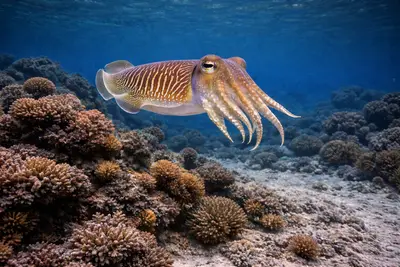
Flamboyant Cuttlefish
common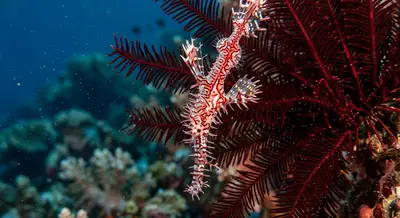
Ornate Ghost Pipefish
common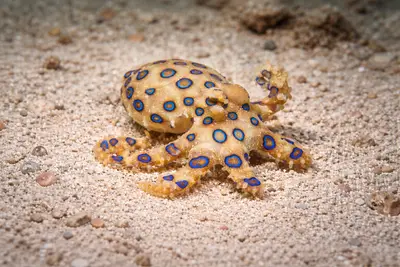
Blue-ringed Octopus
occasional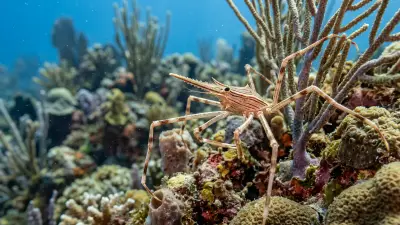
Anemone Crabs
common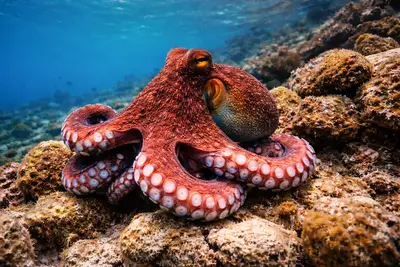
Common Octopus
common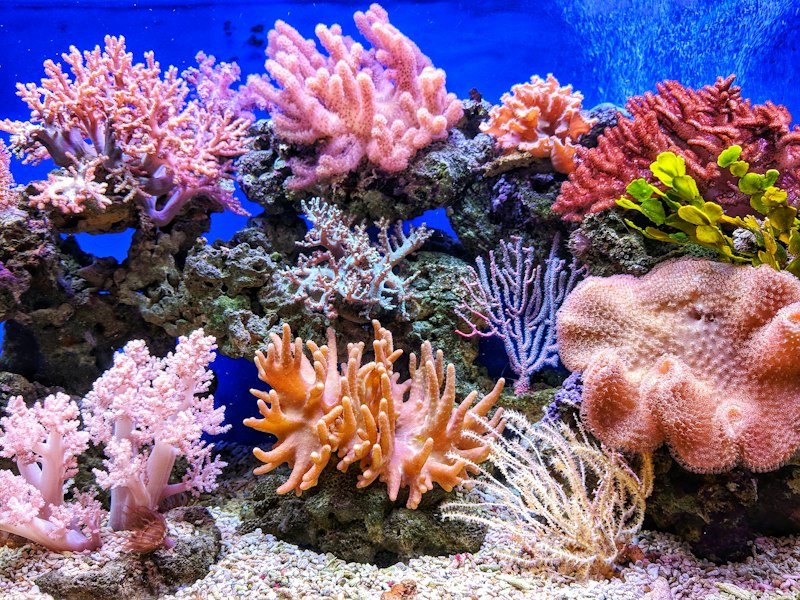
Soft Corals
common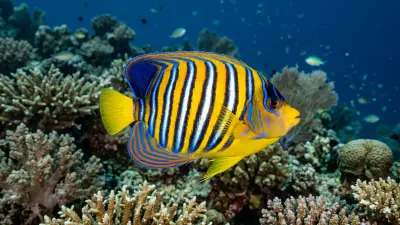
Angelfish
common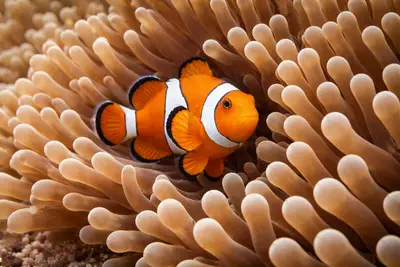
Clownfish
common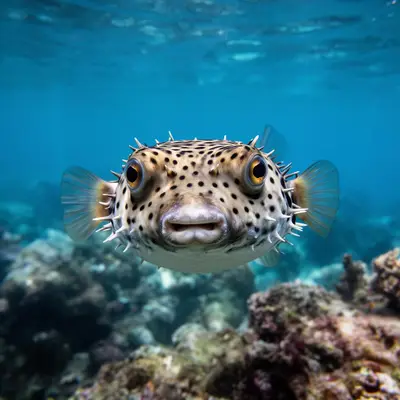
Pufferfish
common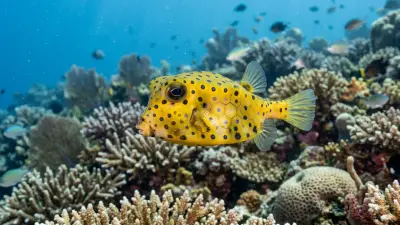
Boxfish
common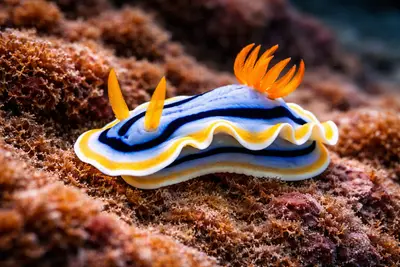
Nudibranchs
commonCrustaceans
common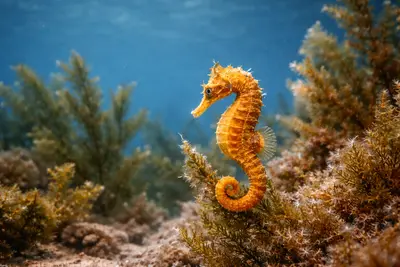
Seahorses
common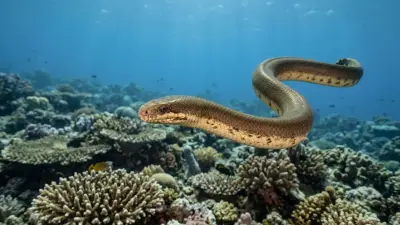
Sea Snakes
commonDive profile & how the dive runs
Divers typically descend using a line, targeting a depth of approximately 17 meters at the base of the wall to begin the search for macro subjects. The initial part of the dive focuses on the rocky and pebbly bottom, where species like flamboyant cuttlefish, ornate ghost pipefish, and anemone crabs can be found. As bottom time dwindles, the dive transitions to a shallower ascent along the coral-covered wall, which gradually curves upwards. This section allows for exploration of soft corals and interactions with various reef fish. The safety stop is generally conducted in the shallower portions of the wall, where abundant small reef life can still be observed.
Underwater photography
Barracuda Rock offers excellent opportunities for both wide-angle and macro photography, though macro subjects are particularly abundant. For wide-angle shots, a fisheye or wide-angle rectilinear lens will capture the curving soft coral wall and its vibrant colors. For macro, a 60mm or 100mm/105mm lens is essential to capture the intricate details of flamboyant cuttlefish, ornate ghost pipefish, blue-ringed octopuses, and various anemone crabs. External strobes are recommended to bring out true colors and manage shadows, especially in deeper sections or during lower visibility. Practice excellent buoyancy to avoid stirring up the pebbly bottom and to maintain a respectful distance from delicate marine life. Pay close attention to your dive guide, as they are expert at spotting the camouflaged critters.
Combine with nearby dive sites
Getting there & logistics
Access to Barracuda Rock is exclusively by day boat from Malapascua Island. Most dive operators in Malapascua offer trips to this site as part of their regular schedule, often combined with other local dives or longer excursions. Travelers typically fly into Mactan-Cebu International Airport (CEB), then undertake a several-hour land transfer to Maya Port, followed by a local boat transfer to Malapascua Island. Trips vary from single-day excursions to multi-day dive packages based from Malapascua resorts. There are no specific marine park fees for this site itself, though general island conservation fees may apply.
Safety & environment
While Barracuda Rock is generally a safe dive, divers should be aware of potentially mild to moderate currents which can increase the dive's physical demands. Good buoyancy control is paramount to avoid damaging the delicate coral and stirring up the sandy bottom, which can reduce visibility for others. The nearest recompression chamber is located in Cebu City, necessitating a significant evacuation time by boat and then land transfer. Comprehensive dive insurance, covering emergency evacuation and medical treatment, is highly recommended. Always dive with a reputable operator, follow your guide's instructions, and monitor your dive computer closely due to the maximum depth of 30 meters.
Who it suits — and who it doesn't
Suited for
- Intermediate divers comfortable with mild currents
- Macro photography enthusiasts
- Divers seeking diverse reef life
- Divers who appreciate colorful soft corals
- Those who enjoy drift dives along a wall
Less suited for
- Absolute beginner divers (due to depth and current potential)
- Divers without good buoyancy control
- Those expecting large pelagic encounters
- Divers with limited experience in varying visibility conditions
FAQ
Barracuda Rock (Malapascua) FAQ
What kind of marine life can I expect to see at Barracuda Rock?
Barracuda Rock, also known as Deep Rock, is renowned for its excellent macro life, including flamboyant cuttlefish, ornate ghost pipefish, and blue-ringed octopuses. You can also spot various nudibranchs, crabs, seahorses, and a resident common octopus. The coral wall is home to many reef fish like angelfish, clownfish, pufferfish, and boxfish.
Is Barracuda Rock suitable for beginner divers?
Barracuda Rock is generally considered suitable for intermediate divers. Its maximum depth of 30 meters and the potential for mild to moderate currents mean that good buoyancy control and some experience are beneficial. Beginners may find the conditions challenging, particularly if they are not comfortable with slight drift or deeper profiles.
What are the typical dive conditions like at Barracuda Rock?
Dive conditions at Barracuda Rock usually feature water temperatures ranging from 24 to 29 degrees Celsius. Visibility can vary from 10 meters during shoulder seasons to an impressive 30 meters during the dry season. Mild currents are common, occasionally picking up to moderate strength, adding a drift element to the dive.
Can I do night dives at Barracuda Rock?
Yes, night dives are possible at Barracuda Rock, offering a different perspective on its rich marine ecosystem. Many nocturnal species emerge after dark, providing unique opportunities to observe creatures not typically seen during the day. Confirm with your dive center for availability and specific schedules.
How do I get to Barracuda Rock from Malapascua Island?
Barracuda Rock is reached exclusively by day boat from Malapascua Island. Most local dive operators include trips to this site in their daily itineraries. The boat ride is generally short, allowing for convenient access and often combined with other nearby dive sites around Malapascua.
Why dive Barracuda Rock (Malapascua) from a liveaboard?
Barracuda Rock (Malapascua) is one of Philippines's signature dive sites. A liveaboard sleeps you on the water and puts you in the water for three to four guided dives per day, including dawn and night dives that day-boat operators rarely offer. You skip the daily commute back to port and reach quieter, less-crowded sites in the same region on a single trip.
Below are the liveaboards that include Barracuda Rock (Malapascua) on their Philippines itineraries.
Liveaboards diving Barracuda Rock (Malapascua)
These liveaboards may visit Barracuda Rock (Malapascua) on selected itineraries — the exact dive sites depend on departure, weather and conditions.
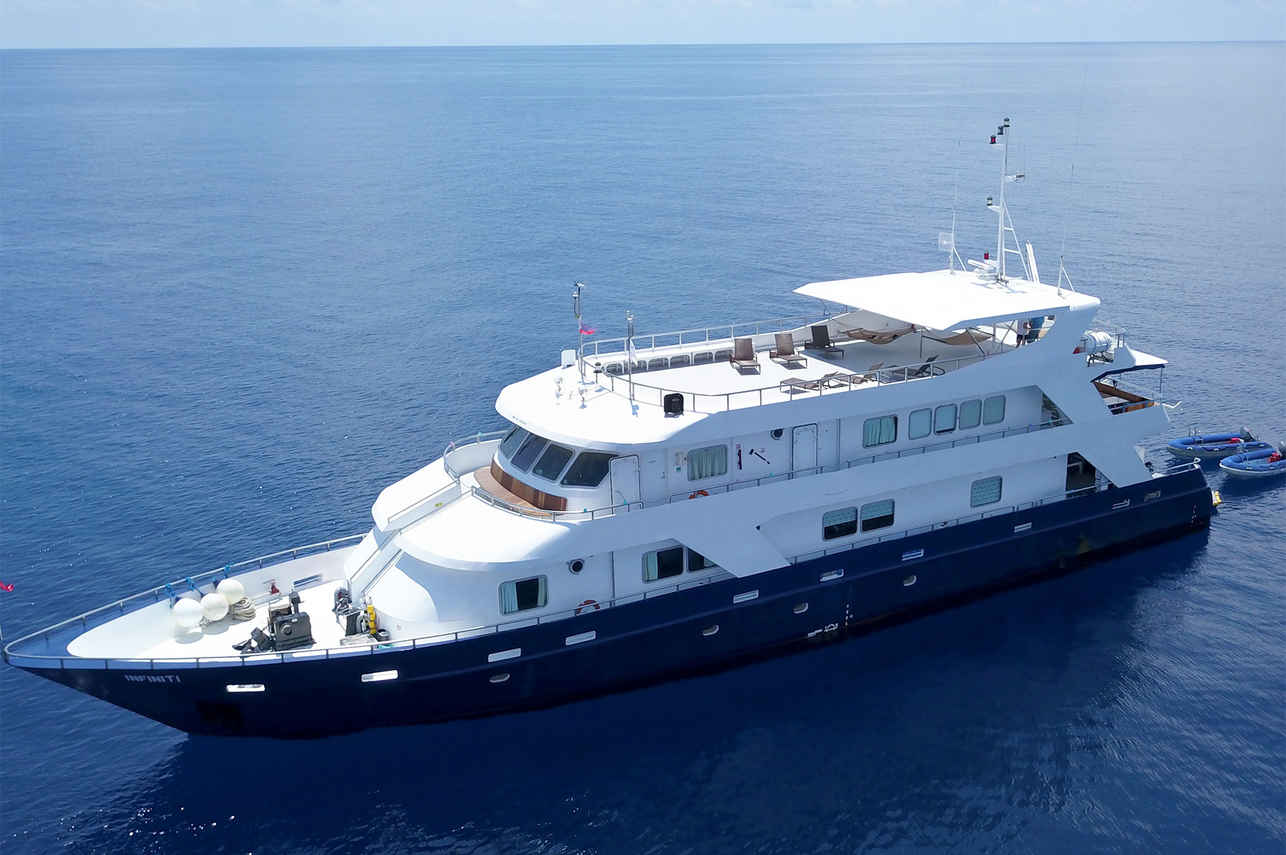
Infiniti
Philippines
25 guests39 m
$280/day
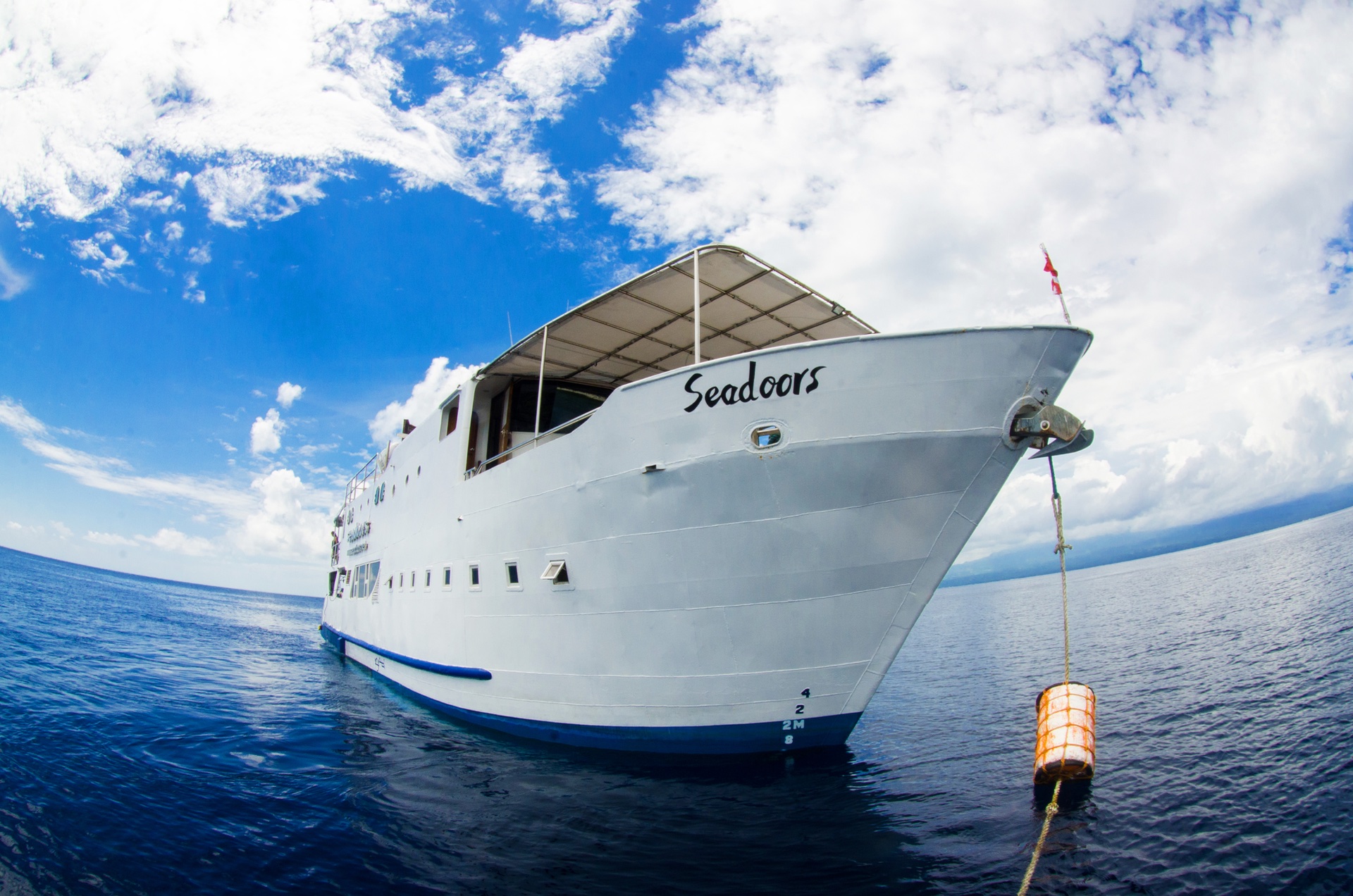
Seadoors
Philippines
16 guests25 m
$335/day
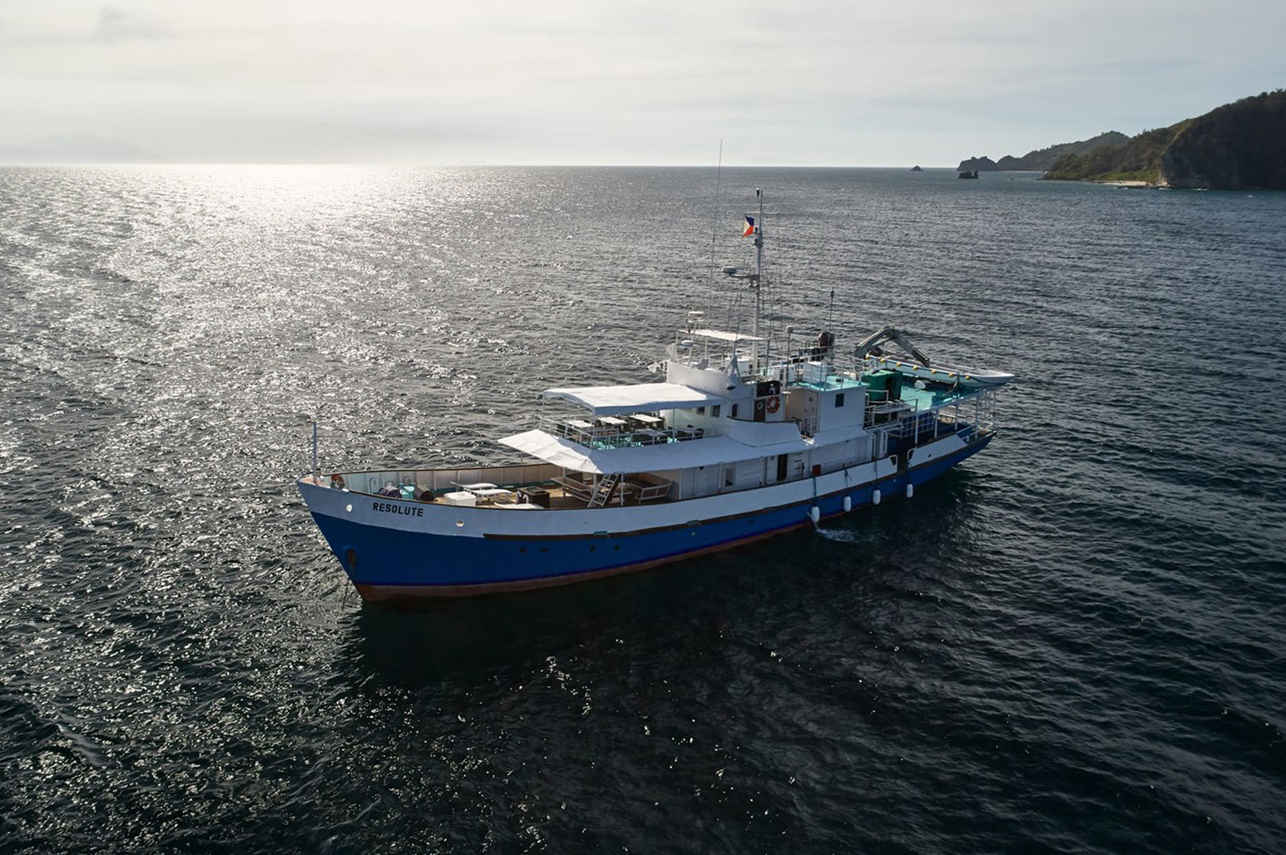
Resolute
Philippines
16 guests34.6 m
$314/day
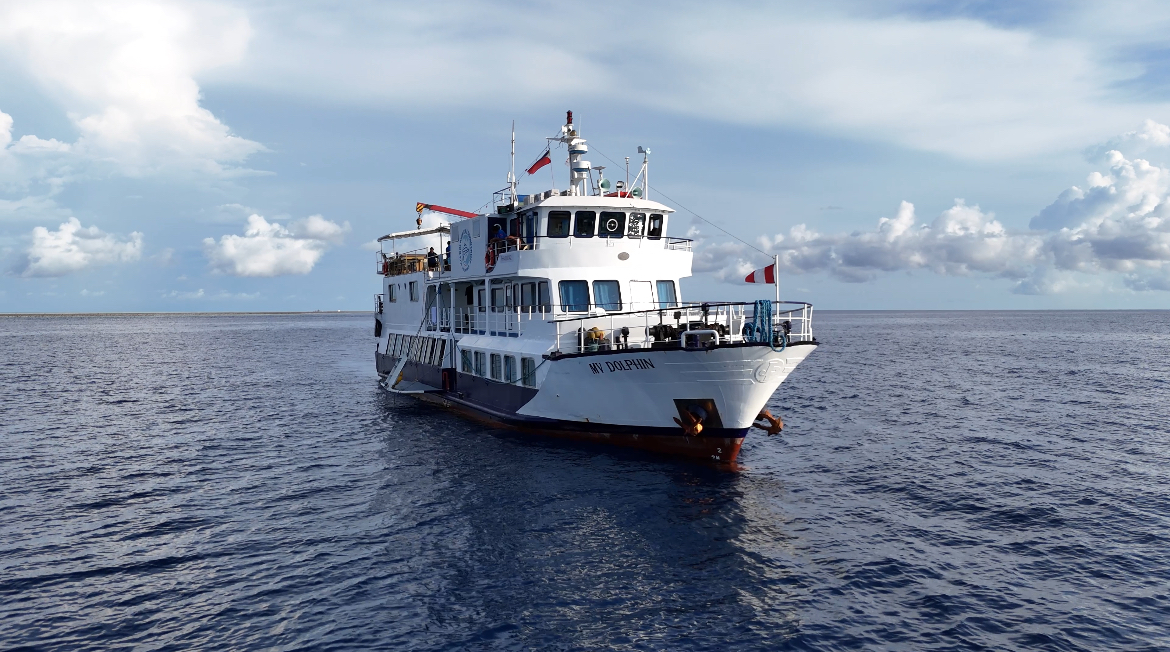
Dolphin
Philippines
18 guests31 m
$326/day
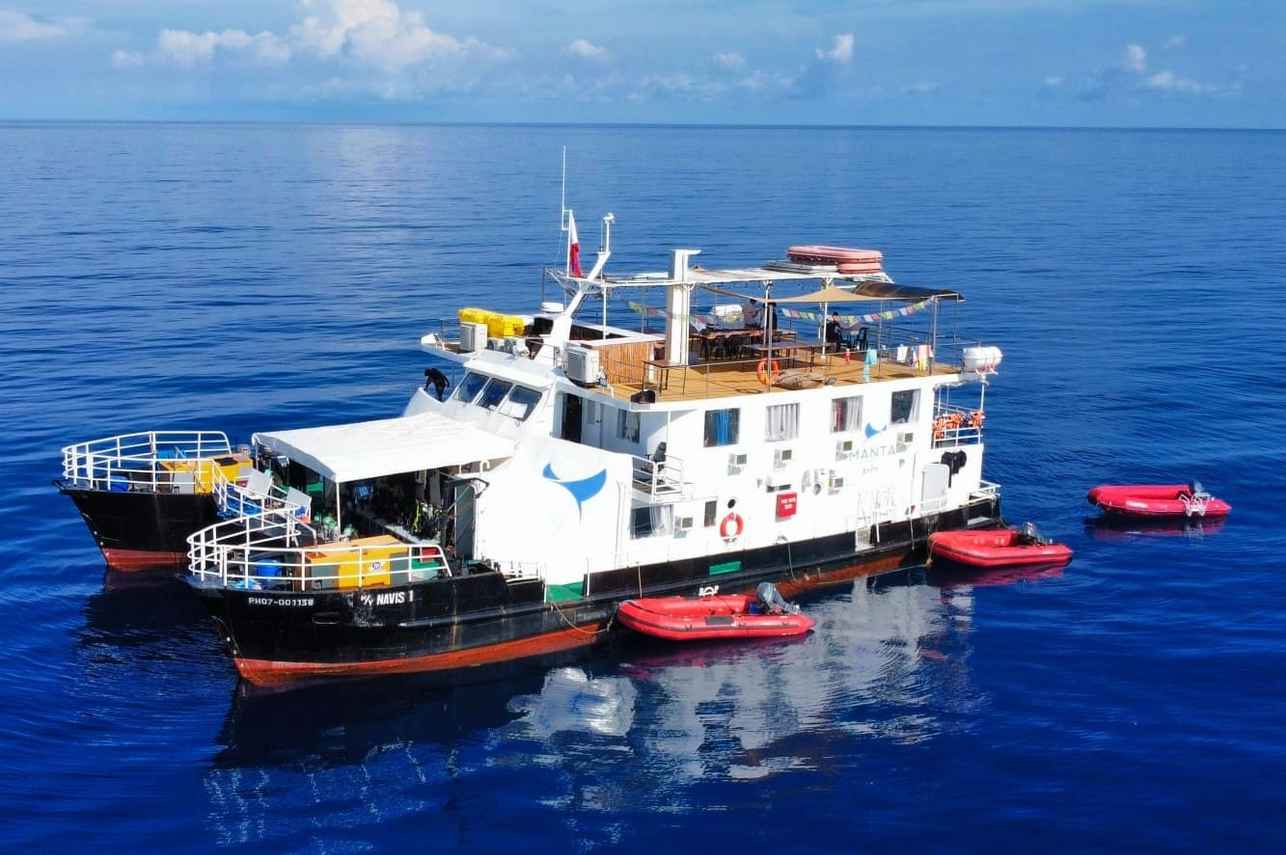
Navis 1
Philippines
22 guests23 m
$250/day
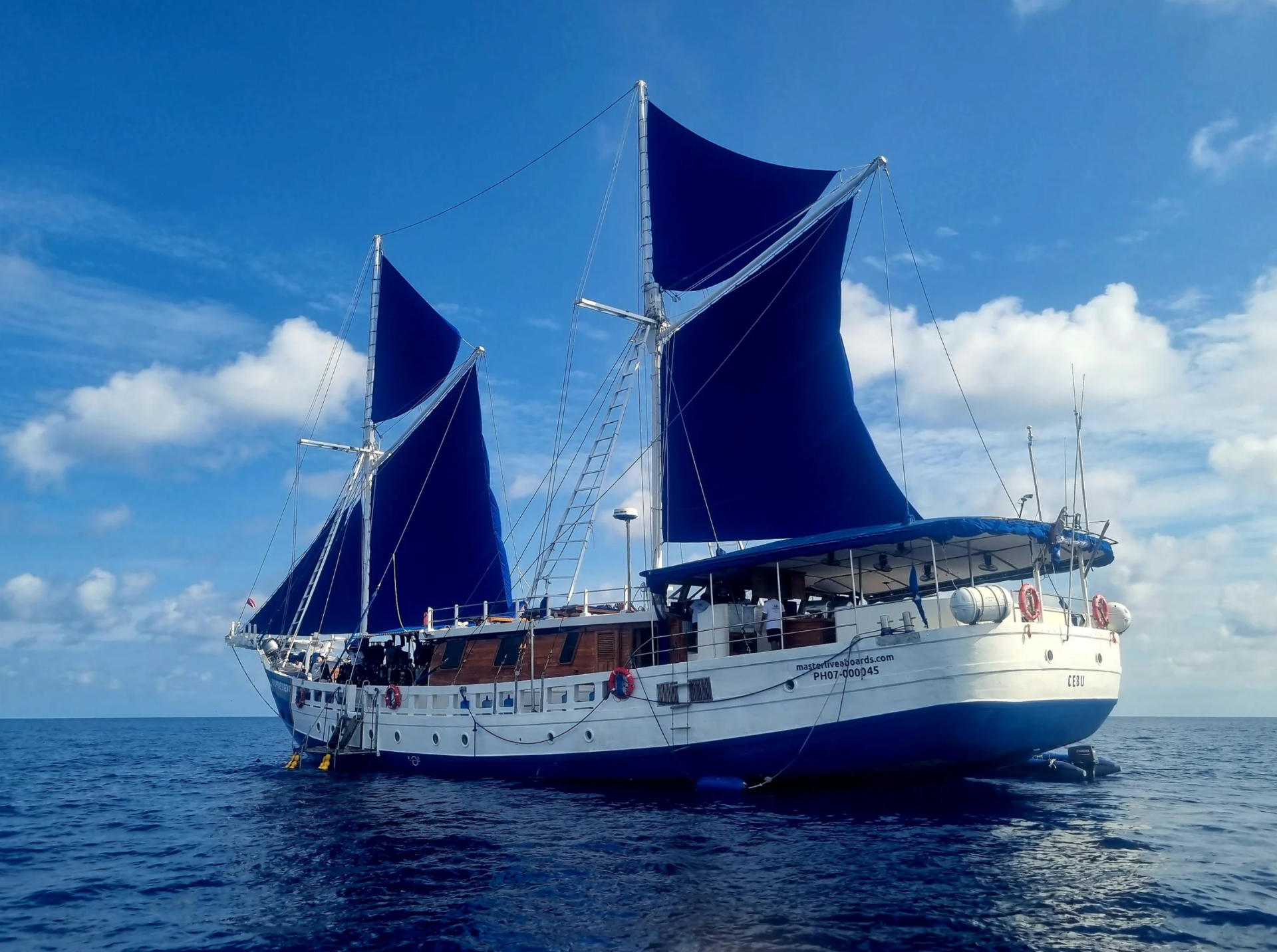
Philippine Siren
Philippines
16 guests
$309/day
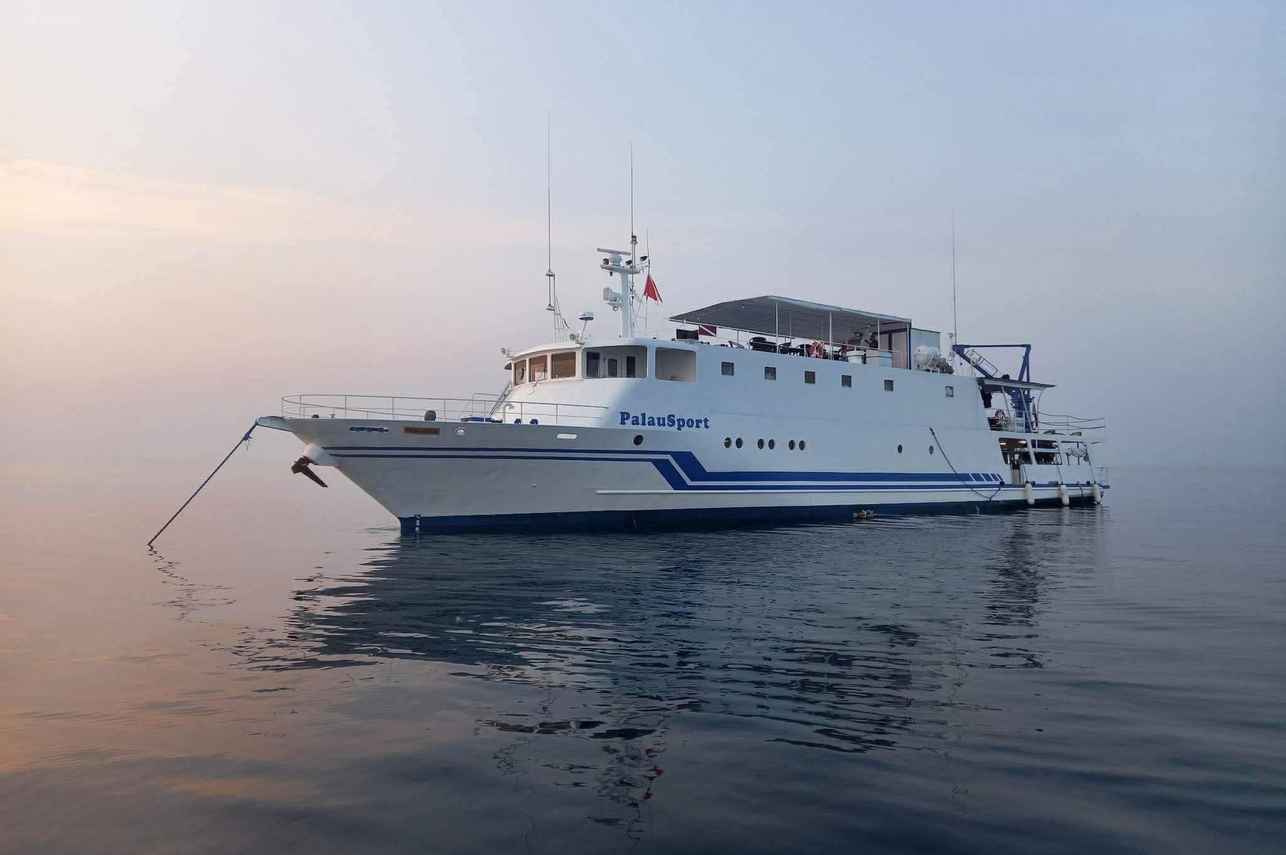
Palau Sport
Philippines
24 guests38.35 m
$215/day
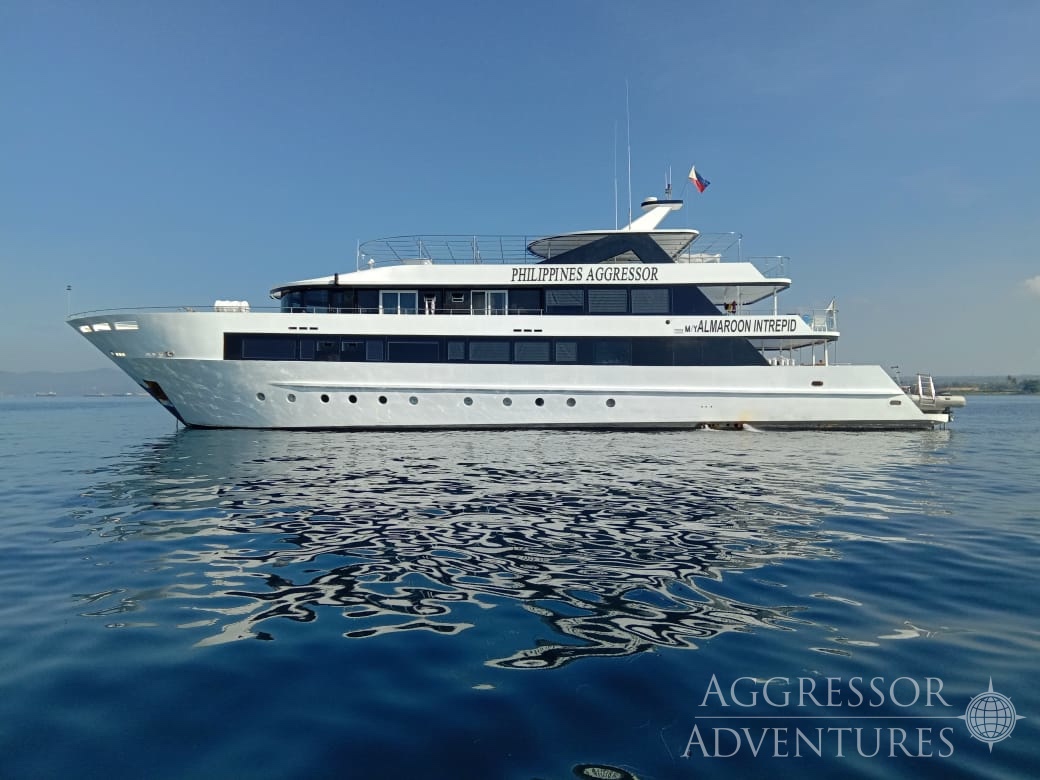
Philippines Aggressor
Philippines
26 guests42.7 m
$381/day
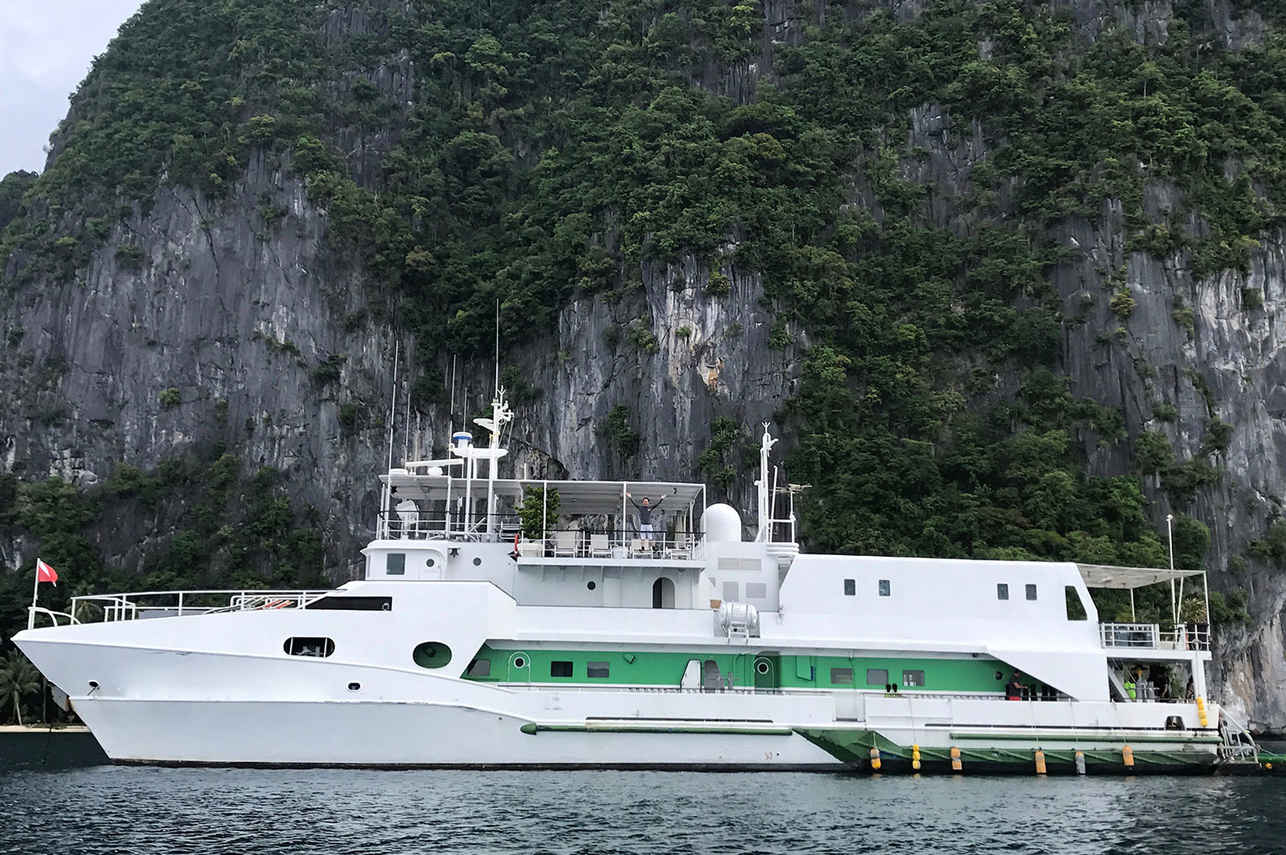
Stella Maris Explorer
Philippines
20 guests33 m
$398/day
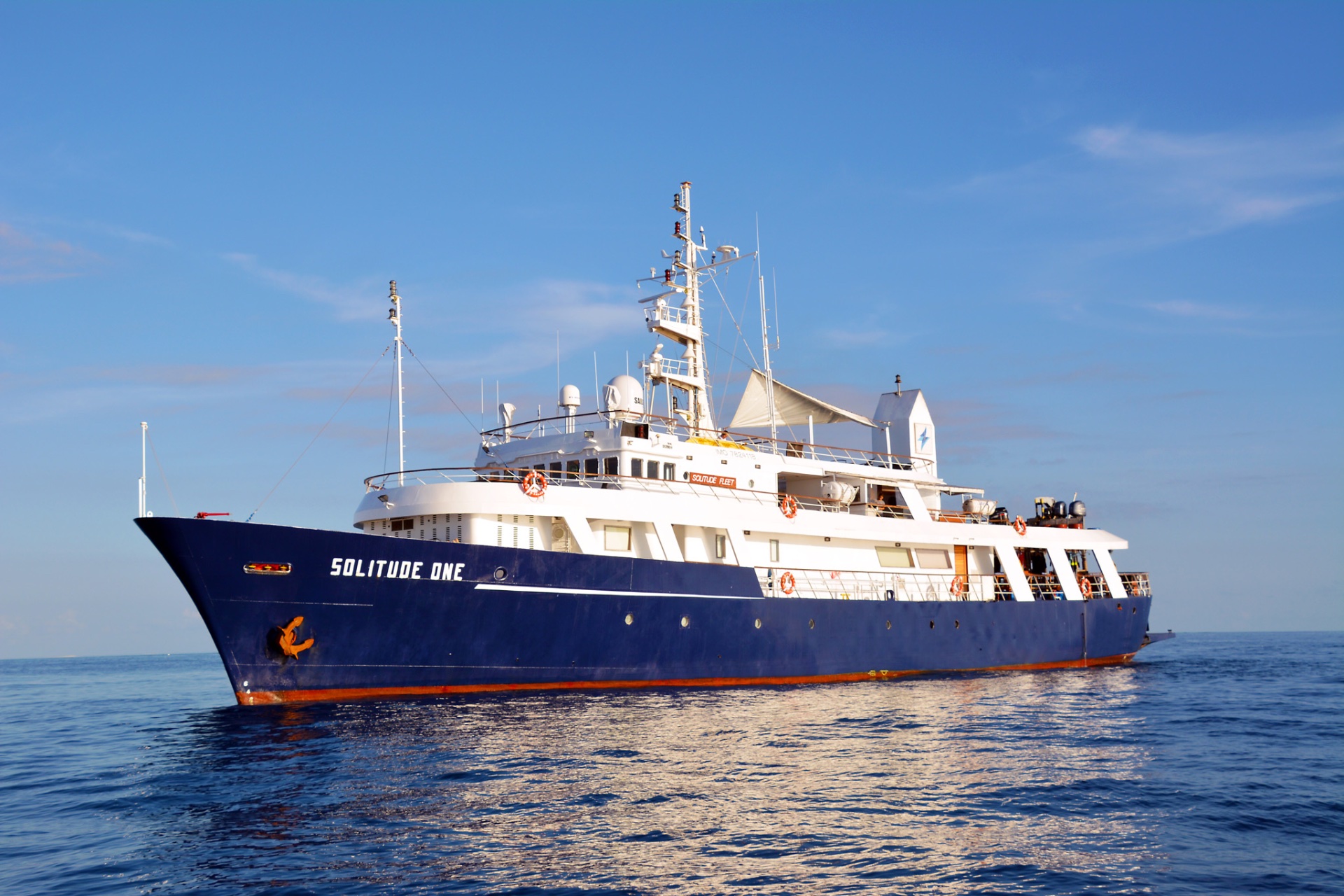
Solitude One
Philippines
24 guests52 m
$460/day
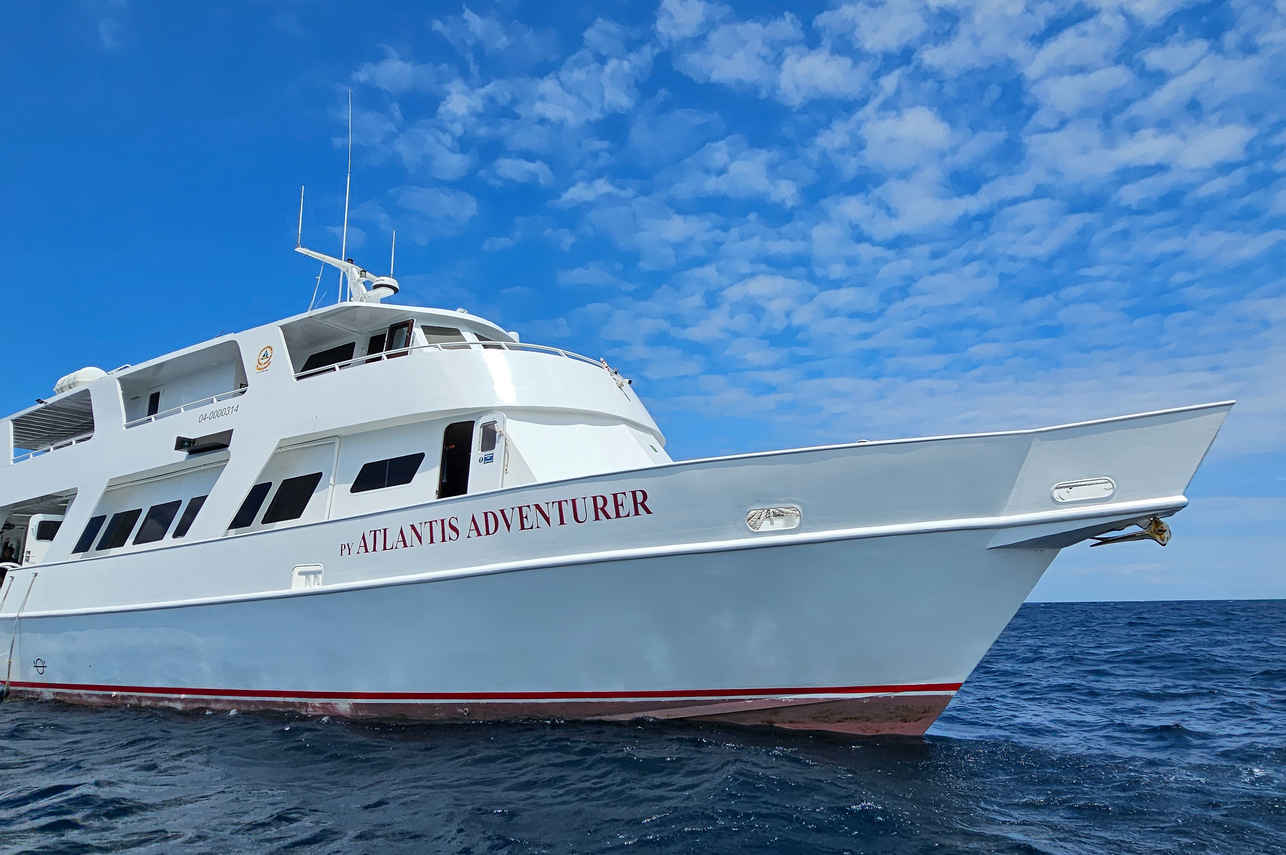
Atlantis Adventurer
Philippines
16 guests32.5 m
$421/day
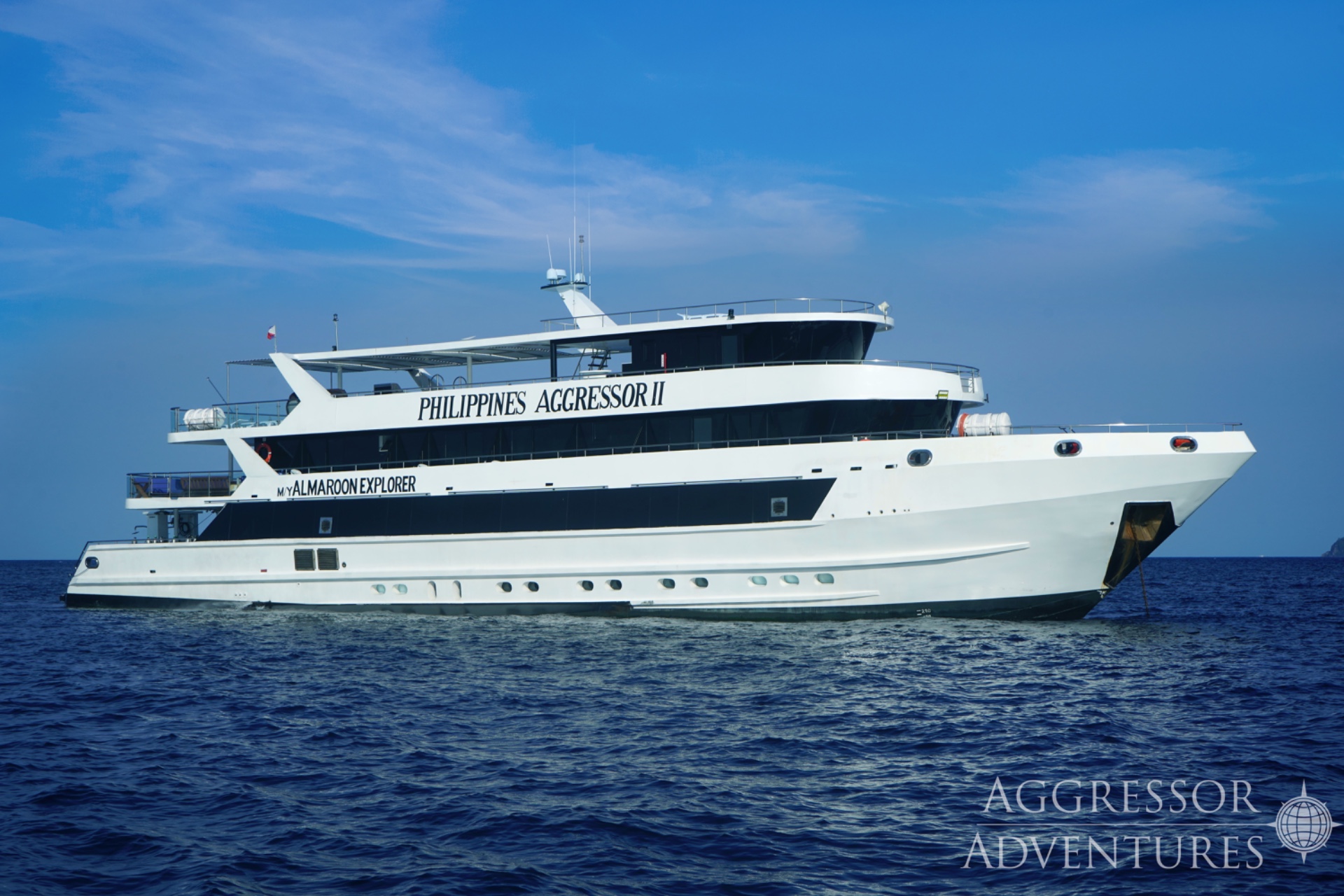
Philippines Aggressor II
Philippines
26 guests42.7 m
$247/day
Dive sites similar to Barracuda Rock (Malapascua)
Same character, same waters — six more sites divers love for the exact same reasons.Compare seasons, access and liveaboard routes — then pick the site that fits your trip best.
Big La Laguna
Philippines
Big La Laguna is a beach community situated on the western edge of the Sabang Peninsula, a popular dive region on Mindoro Island, Philippines.
- Suitable for
- Intermediate
- Current
- Moderate
- Access
- Dayboat
- Depth
- 5–35 m
- Theme
- Reef / Wall
Black Forest
Philippines
Black Forest is a premier dive site located off Balicasag Island, renowned for its exceptional marine biodiversity and distinct topography.
- Suitable for
- Intermediate
- Current
- Strong
- Access
- Liveaboard or dayboat
- Depth
- 10–30 m
- Theme
- Drift / Reef
Panagsama Beach
Philippines
Panagsama Beach, situated on a peninsula near Moalboal town in Cebu, serves as a central hub for diving activities in the region, boasting over 20 dive sites along its shoreline.
- Suitable for
- Intermediate
- Current
- Moderate
- Access
- Liveaboard or dayboat
- Depth
- ≤ 30 m
- Theme
- Reef / Wall
Binangaan Drop Off
Philippines
Binangaan Drop Off is a premier dive site within Apo Reef National Park, located off Occidental Mindoro in the Philippines.
- Suitable for
- Advanced
- Current
- Strong
- Access
- Liveaboard only
- Depth
- 10–40 m
- Theme
- Wall / Drift
Olympia Maru
Philippines
The Olympia Maru is a prominent Japanese cargo ship wreck from World War II, located within Coron Bay, Philippines.
- Suitable for
- Intermediate
- Current
- Mild
- Access
- Dayboat
- Depth
- 17–24 m
- Theme
- Wreck / Reef
Balinghai Wall
Philippines
Balinghai Wall is a notable dive site located on the northwest side of Boracay, known for its accessible wall and coral slope formations.
- Suitable for
- Intermediate
- Current
- Mild
- Access
- Dayboat
- Depth
- 8–24 m
- Theme
- Wall / Reef