About Gato Island
Gato Island, situated off the northern tip of Cebu, is a protected marine reserve and sea snake sanctuary, making it a distinctive dive destination in the Philippines. Divers flock here for the consistent encounters with whitetip reef sharks and the gracefully venomous sea snakes that call these waters home. The island boasts a diverse underwater landscape, ranging from impressive rock formations to healthy coral gardens. Its topography features dramatic walls, soft coral-decorated tunnels, and sandy bottoms, catering to various diving interests. Depths generally range from 5 meters to 40 meters across its multiple named sites like Whitetip Alley, the Guardhouse, Nudibranch City, and Cathedral. The island is particularly renowned for the unique underwater tunnel that cuts through it, providing an accessible overhead environment for many diver levels. Marine life is rich and varied, with frequent sightings of whitetip reef sharks and sea snakes. Macro enthusiasts will delight in finding pygmy seahorses, frogfish, nudibranchs, and banded boxer shrimp. Larger pelagic species, such as manta rays and even hammerheads, are occasionally spotted in the surrounding waters, especially at nearby shoals. Diving at Gato Island is typically part of a broader Visayas liveaboard itinerary or day trips from Malapascua. Conditions are generally good year-round, with calm seas and warm water facilitating comfortable exploration of its many underwater wonders. The island offers an exceptional blend of pelagic encounters, macro photography opportunities, and intriguing geological features.
Highlights
Underwater tunnel swim-throughWhitetip reef shark encountersSea snake sanctuaryPygmy seahorse spottingRich nudibranch diversityDramatic rock formations
Season calendar
Best months to dive here
Jan
Feb
Mar
Apr
May
Jun
Jul
Aug
Sep
Oct
Nov
Dec
Excellent
Good
Dive site facts: Gato Island
- Depth
- 5–40 m
- Current
- Mild to moderate
- Visibility
- 15–25 m
- Water temperature
- 26–29°C
- Entry
- Tender / boat
- Level
- Open Water with experience
- Dive type
- Wall, tunnel, macro, sharks
- Night dive
- Possible
- Region / port
- Malapascua, Visayas
- Coordinates
- 11.358, 124.123
Conditions & Currents
Currents around Gato Island are generally mild to moderate, allowing for comfortable drift dives, but can occasionally pick up, especially in exposed areas. Visibility typically ranges from 15 to 25 meters, offering clear views of the diverse marine life and topography. Entry is usually via tender, with positive entries common, while exits are typically conducted from a safety stop. Surge can be present at shallower depths, particularly around rock formations, but is rarely disruptive. Water temperatures remain warm throughout the year, usually between 26°C and 29°C. Thermoclines are rare but can occur at deeper sections, warranting a 3mm wetsuit for comfort.
Marine life & sighting chances

Whitetip reef shark
Year-round · common
Yellow-lipped sea krait
Year-round · common
Pygmy seahorse
Year-round · occasional
Frogfish
Year-round · occasional
Nudibranchs
Year-round · common
Banded boxer shrimp
Year-round · occasional
Spanish Dancer
Year-round · occasional
Broadclub cuttlefish
Year-round · occasional
Cat shark
Year-round · occasional
Scorpionfish
Year-round · occasional
Black-saddled Toby
Year-round · occasional
Juvenile Rockmover Wrasse
Year-round · occasionalDive profile & how the dive runs
Dives at Gato Island often begin with an exploration of its famous underwater cave, which typically has an entrance at 12 meters. Divers can navigate this spacious tunnel, keeping an eye out for resting whitetip reef sharks and soft corals adorning its walls. Upon exiting the cave, you're often greeted by circling sharks. The dive then proceeds along the island's walls or specific sites like Whitetip Alley, where you can observe sleeping sharks under rocks, or the Guardhouse, known for pygmy seahorses at 24 meters in gorgonian fans. The ascent typically involves exploring the wall for frogfish and nudibranchs before a safety stop in the shallows.
Underwater photography
Gato Island offers exceptional photography opportunities for both wide-angle and macro enthusiasts. For wide-angle shots, a fisheye or wide-angle rectilinear lens is ideal for capturing the dramatic topography of the Cathedral site and the expansive underwater tunnel, especially when encountering groups of whitetip reef sharks. Natural light can be sufficient within the cave due to its shallow depth, but strobes will enhance color and detail on the soft corals. For macro subjects like pygmy seahorses, frogfish, and nudibranchs, a 60mm or 105mm macro lens with a snoot or dual strobes is recommended to isolate subjects and create dramatic lighting. Buoyancy control is paramount, particularly inside the tunnel and when hovering over delicate macro subjects, to avoid disturbing the environment or stirring up sand.
Combine with nearby dive sites
- Monad Shoal
Famous for daily thresher shark encounters at cleaning stations.
- Kimud Shoal
A secondary cleaning station for thresher sharks, sometimes with tiger sharks and pelagics.
- Moalboal Sardine Run
Iconic sardine run, attracting various predators.
- Apo Island
Renowned marine sanctuary with abundant turtles and vibrant coral reefs.
- Dauin — Atmosphere House Reef
Excellent muck diving for unique macro critters.
Getting there & logistics
Access to Gato Island primarily originates from Malapascua Island, which is reached by a 3-4 hour car ride from Mactan-Cebu International Airport (CEB) to Maya Port, followed by a 30-minute boat transfer. Liveaboards visiting Gato Island typically incorporate it into 6, 10, or 12-night Visayas itineraries, often combining it with other destinations like Cebu, Bohol, or Negros. Day trips from Malapascua are also common, with dives usually departing early morning. A marine park fee is required, often included in dive packages. Planning ahead, especially during peak season, is advisable to secure spots for popular sunrise dives.
Safety & environment
Diving at Gato Island requires adherence to standard safety protocols. The nearest recompression chamber is in Cebu City, necessitating a potentially lengthy evacuation time by boat and car in case of a serious diving emergency. Therefore, comprehensive dive insurance covering medical emergencies and evacuation is strongly recommended for all divers. Site-specific hazards include navigating overhead environments like the underwater tunnel, which requires good buoyancy control and comfort in confined spaces. Divers should always follow guide instructions, maintain appropriate distances from marine life, especially the venomous sea snakes, and avoid touching corals. Always carry a signaling device.
Who it suits — and who it doesn't
Suited for
- Experienced Open Water divers comfortable with overhead environments
- Macro photographers seeking rare critters
- Underwater naturalists interested in shark and sea snake behavior
- Divers seeking diverse marine life encounters
- Advanced divers looking for unique geological features
Less suited for
- Brand new Open Water divers without sufficient experience
- Divers uncomfortable with confined spaces or tunnels
- Those with poor buoyancy control
- Divers who prefer only large pelagic action
FAQ
Gato Island FAQ
What makes Gato Island unique for diving?
Gato Island stands out for its unique underwater tunnel that divers can swim through, offering encounters with resting whitetip reef sharks. It's also a designated sea snake sanctuary, ensuring frequent sightings of these graceful creatures. The island combines dramatic topography with a rich variety of macro life, making it a multifaceted dive destination.
Are there sharks at Gato Island?
Yes, Gato Island is well-known for its resident whitetip reef sharks, which are commonly seen both inside the underwater tunnel and patrolling the reefs. While primarily whitetips, occasional sightings of other shark species or larger pelagics can occur in the surrounding waters, especially at specific sites like Whitetip Alley.
Is Gato Island suitable for beginner divers?
Gato Island is generally suitable for Open Water certified divers with some experience, especially if they are comfortable with slightly deeper dives and overhead environments like the underwater tunnel. While the tunnel is spacious and relatively shallow at 12 meters, good buoyancy control is essential. Less experienced divers might stick to the reef sections rather than the tunnel.
What kind of macro life can I expect to see?
Macro enthusiasts will find Gato Island particularly rewarding. Divers can spot pygmy seahorses camouflaged in gorgonian fans, various species of frogfish, and an incredible array of colorful nudibranchs. Other frequent sightings include banded boxer shrimp, cuttlefish, and various small reef creatures, especially at sites like Nudibranch City and the Guardhouse.
How do I get to Gato Island?
Gato Island is most commonly accessed via day trips from Malapascua Island. To reach Malapascua, you typically fly into Mactan-Cebu International Airport (CEB), then take a car for about 3-4 hours to Maya Port, followed by a 30-minute boat ride to Malapascua. Some liveaboards also include Gato Island as part of their Visayas itineraries.
What is the underwater tunnel like?
The underwater tunnel at Gato Island is a natural swim-through that cuts clean through the island. It's known for being spacious, with a sandy bottom rather than silt, and an entrance at a manageable depth of 12 meters. Soft corals adorn its walls, and it's a prime spot for observing resting whitetip reef sharks, making it an accessible overhead environment for many divers.
Why dive Gato Island from a liveaboard?
Gato Island is one of Philippines's signature dive sites. A liveaboard sleeps you on the water and puts you in the water for three to four guided dives per day, including dawn and night dives that day-boat operators rarely offer. You skip the daily commute back to port and reach quieter, less-crowded sites in the same region on a single trip.
Below are the liveaboards that include Gato Island on their Philippines itineraries.
Liveaboards diving Gato Island
These liveaboards may visit Gato Island on selected itineraries — the exact dive sites depend on departure, weather and conditions.
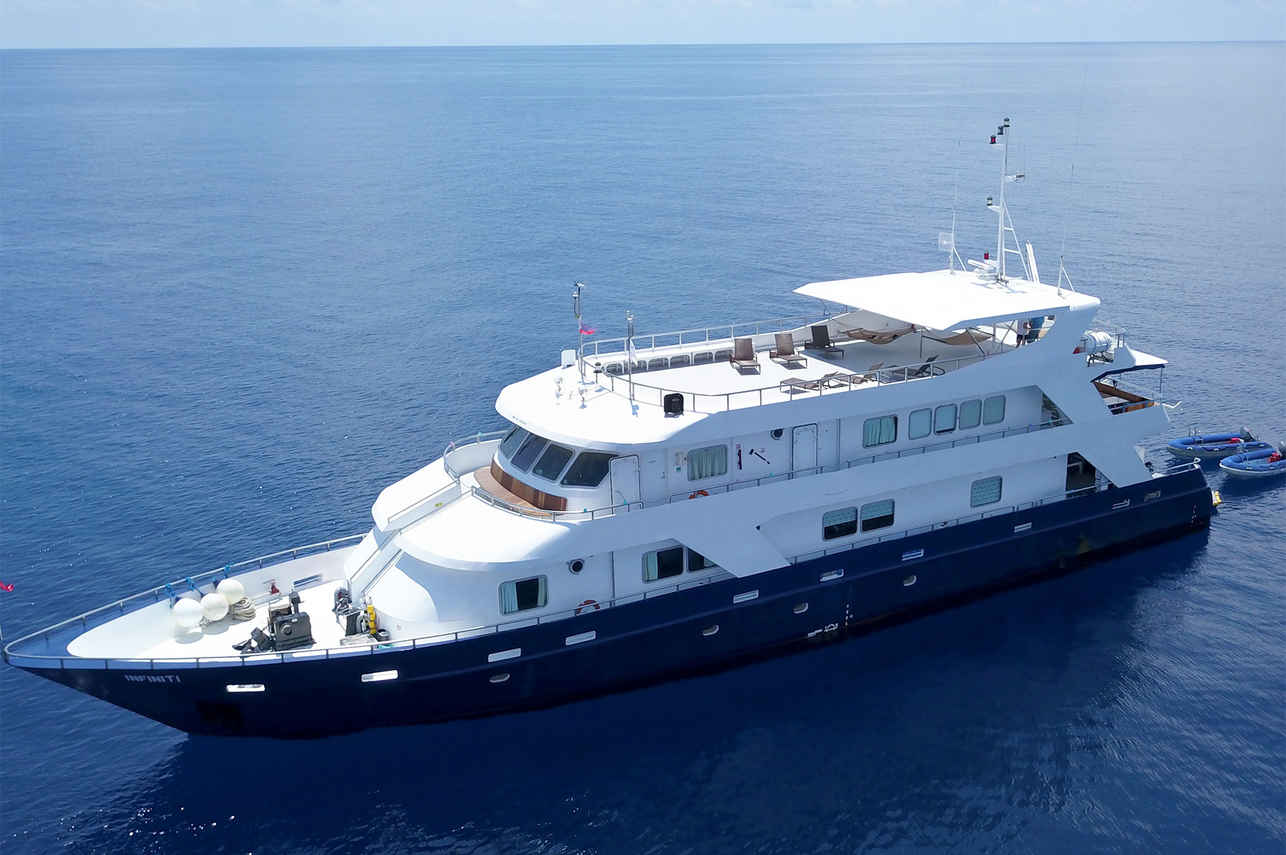
Infiniti
Philippines
25 guests39 m
$280/day
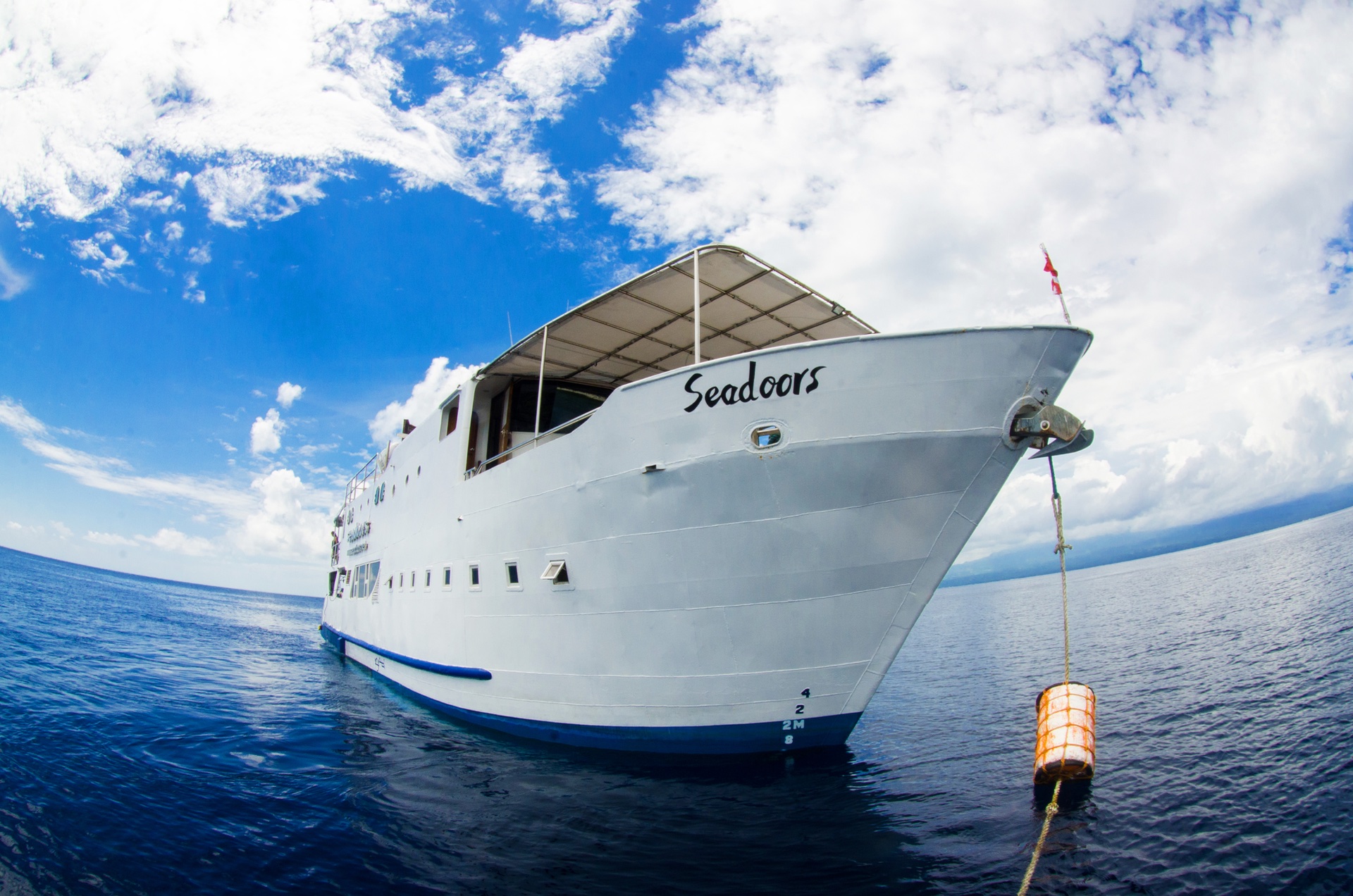
Seadoors
Philippines
16 guests25 m
$335/day
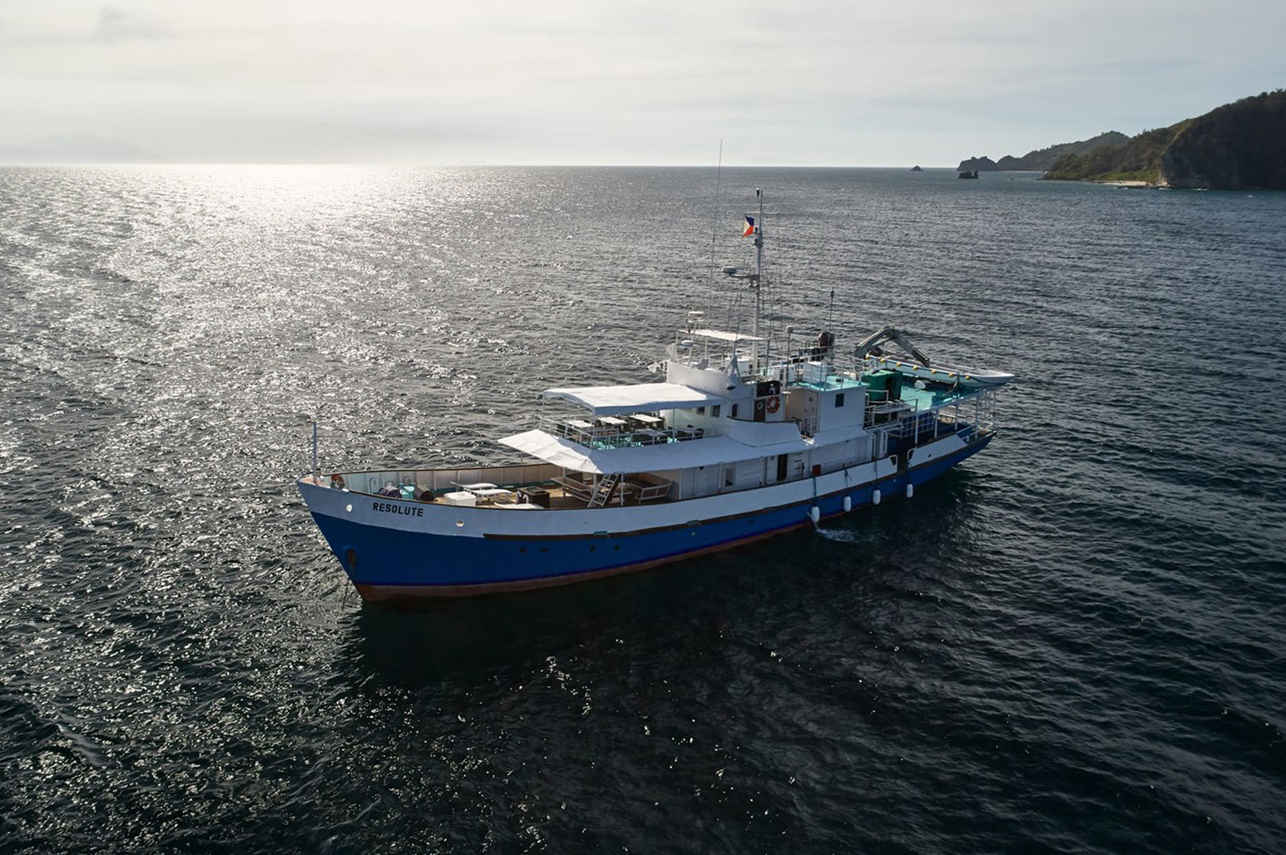
Resolute
Philippines
16 guests34.6 m
$314/day
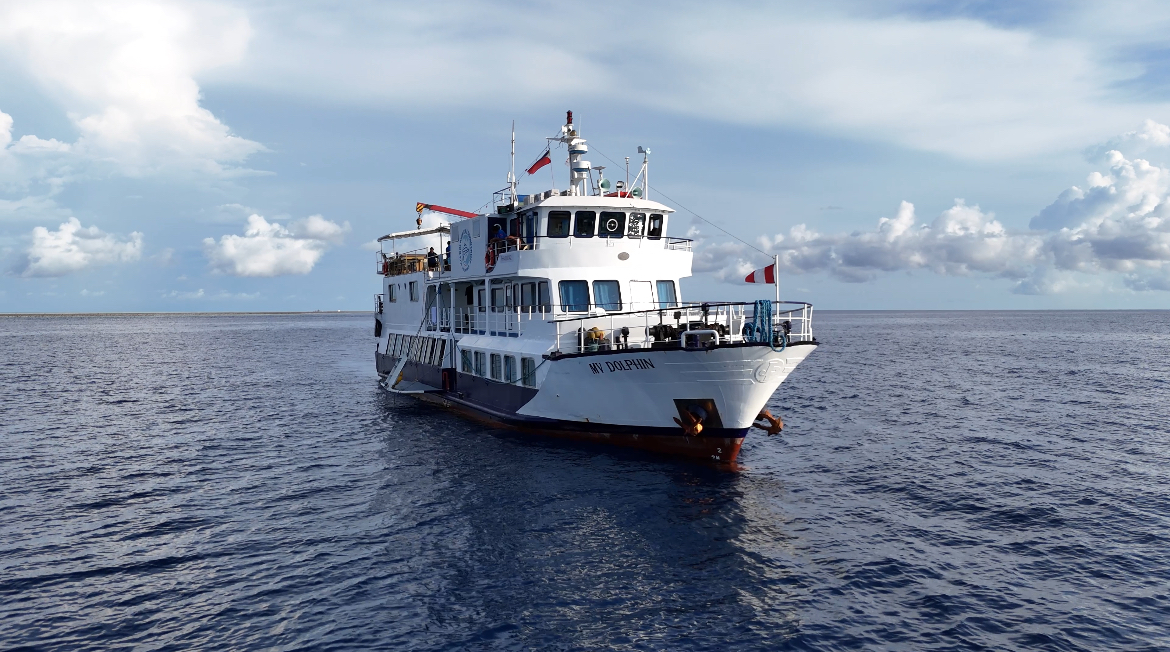
Dolphin
Philippines
18 guests31 m
$326/day
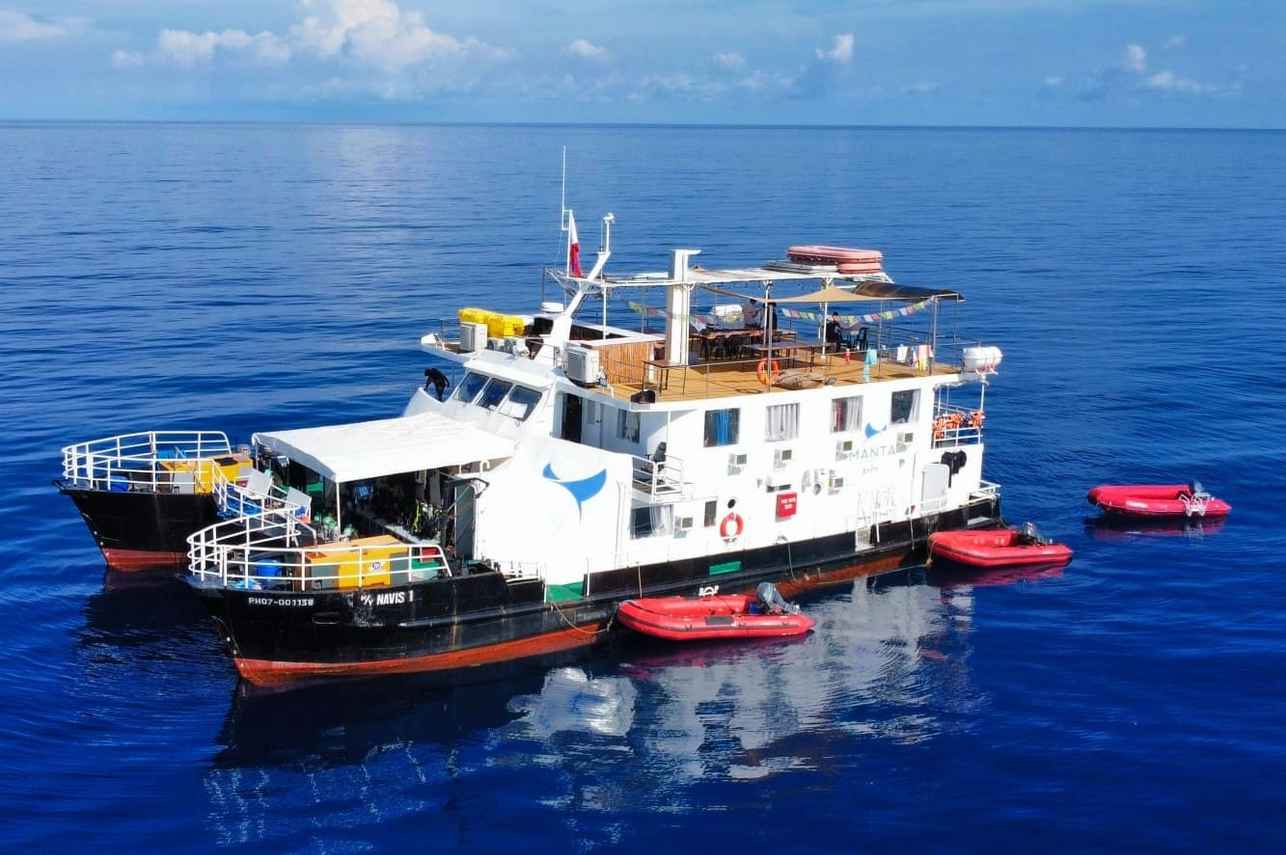
Navis 1
Philippines
22 guests23 m
$250/day
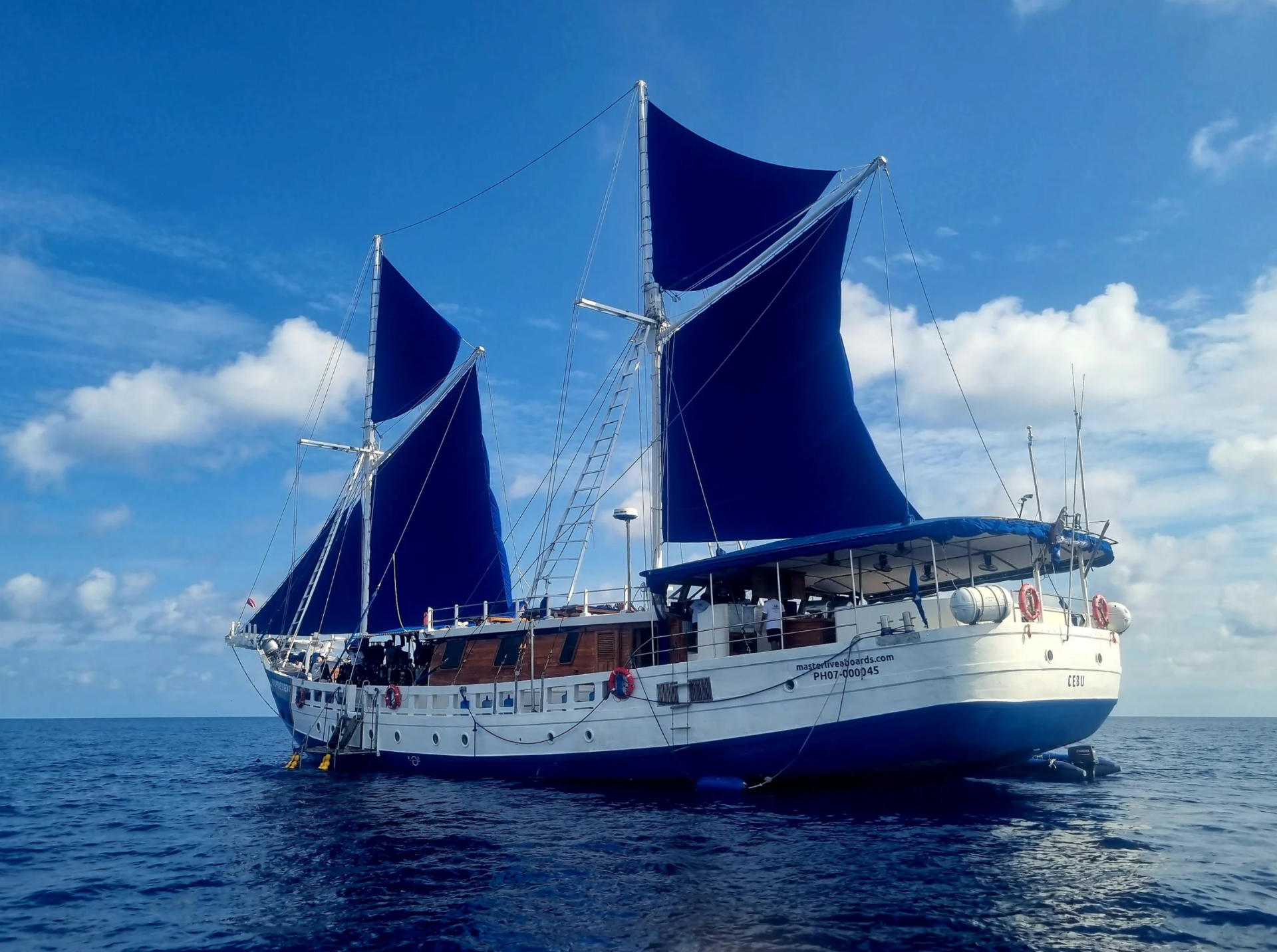
Philippine Siren
Philippines
16 guests
$309/day
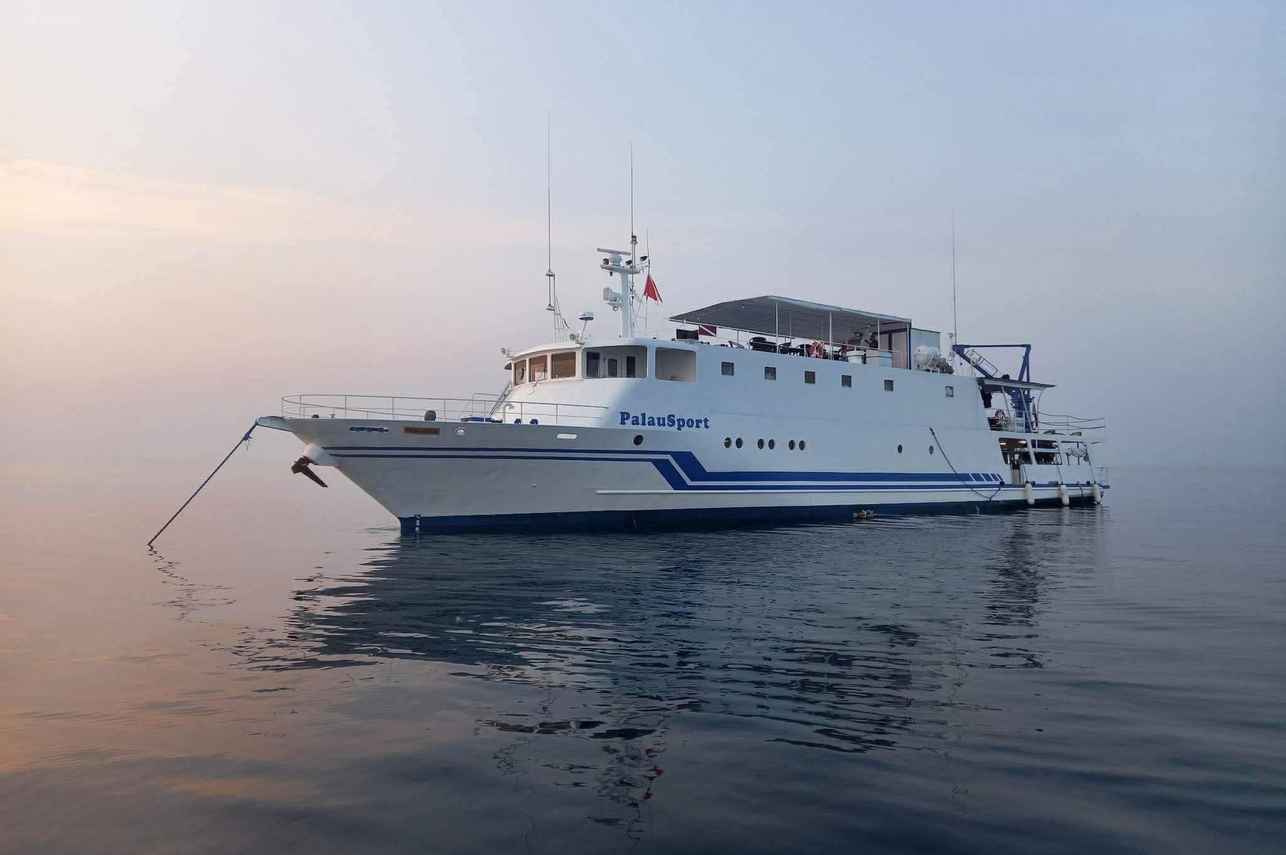
Palau Sport
Philippines
24 guests38.35 m
$215/day
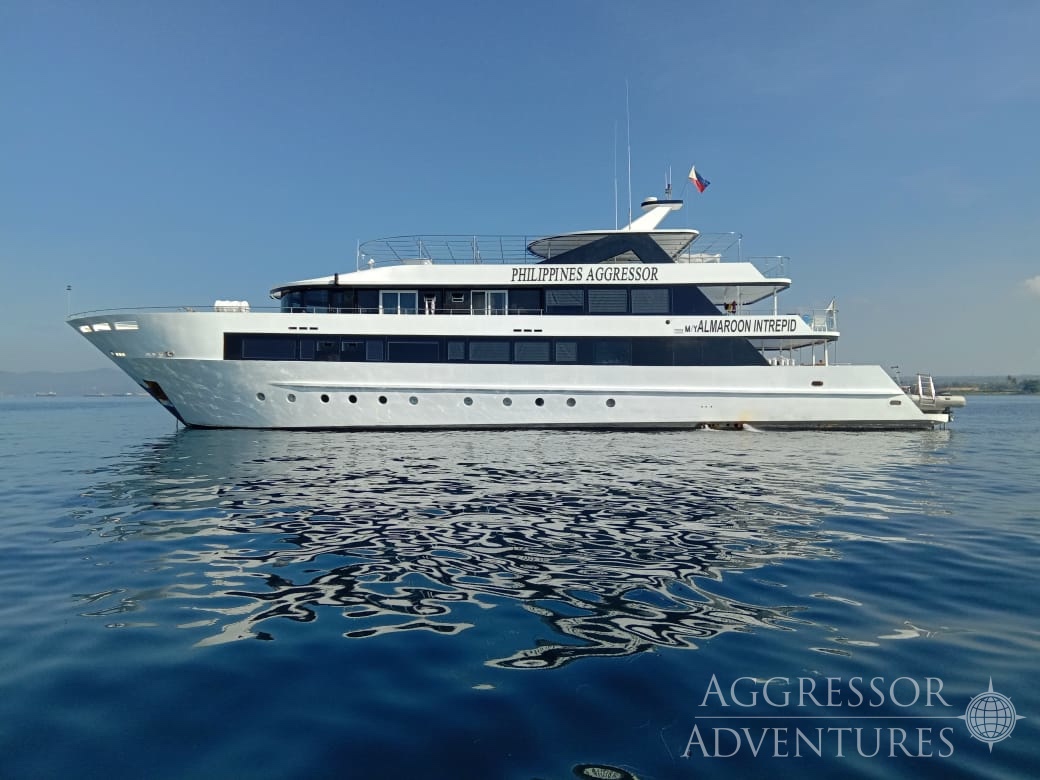
Philippines Aggressor
Philippines
26 guests42.7 m
$381/day
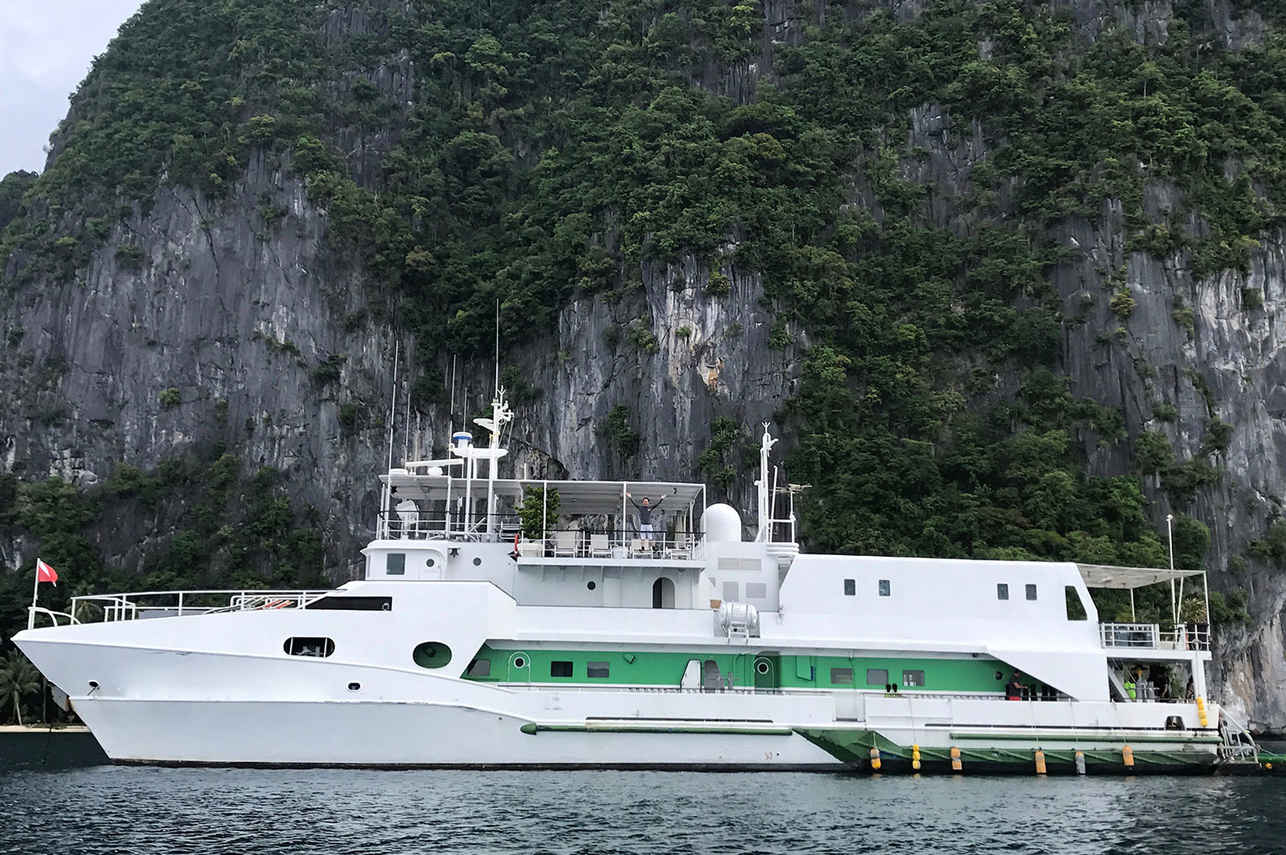
Stella Maris Explorer
Philippines
20 guests33 m
$398/day
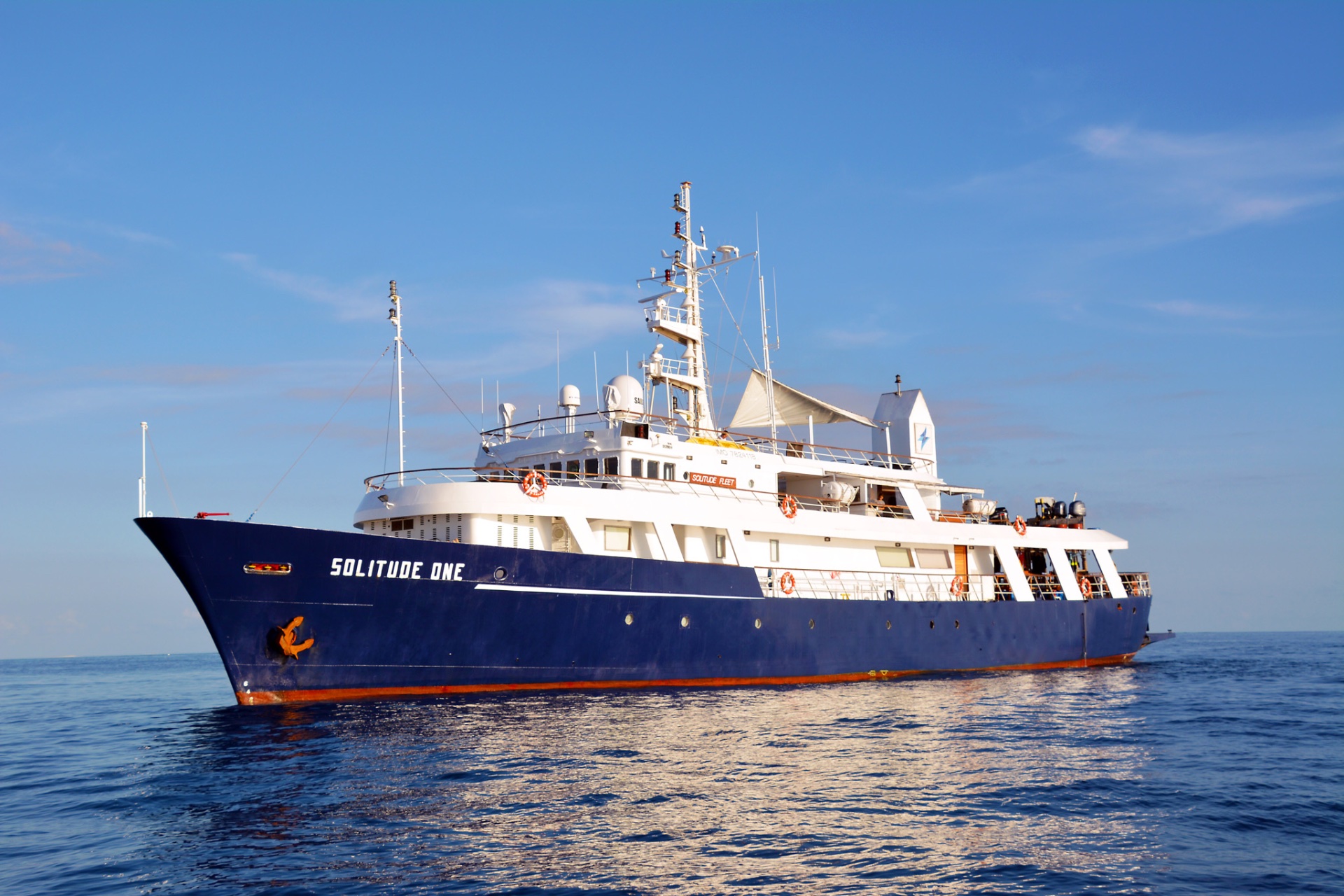
Solitude One
Philippines
24 guests52 m
$460/day
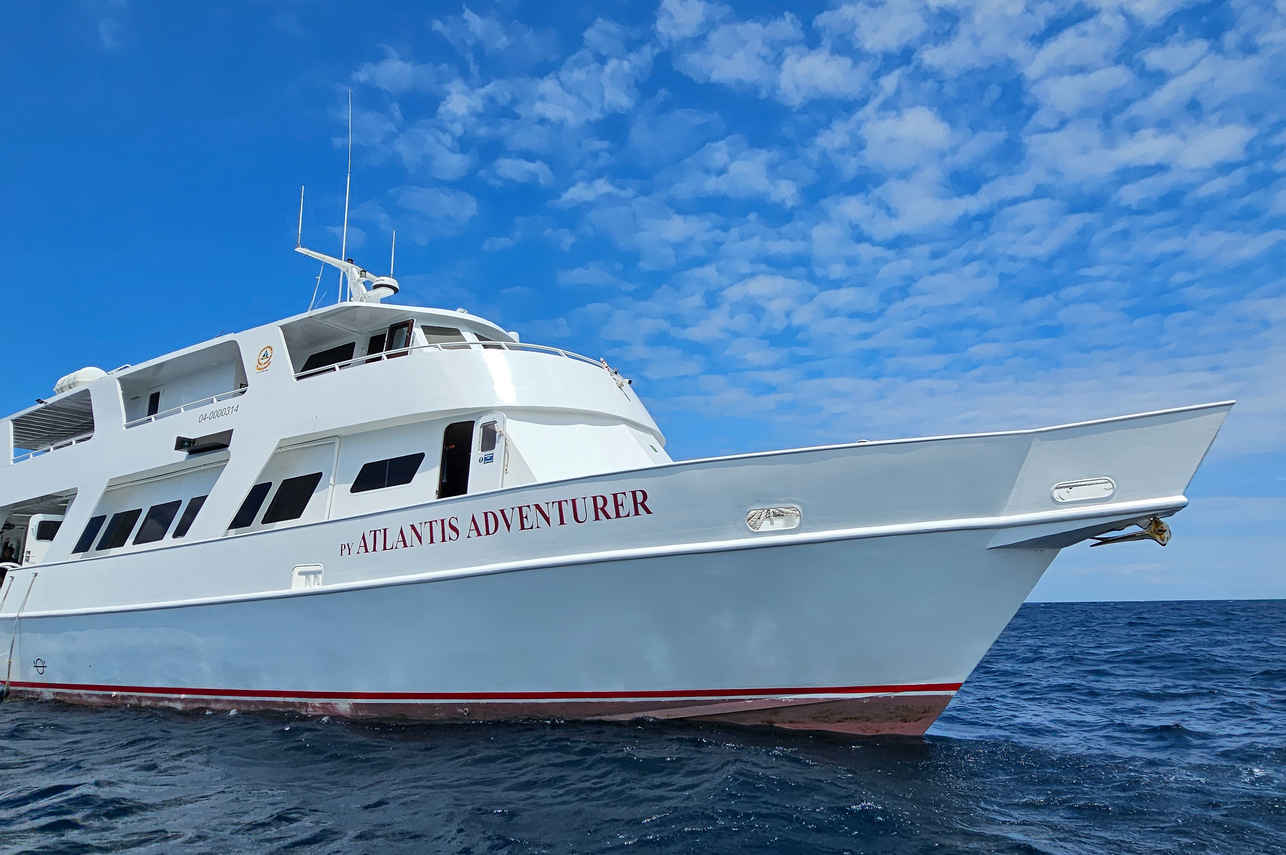
Atlantis Adventurer
Philippines
16 guests32.5 m
$421/day
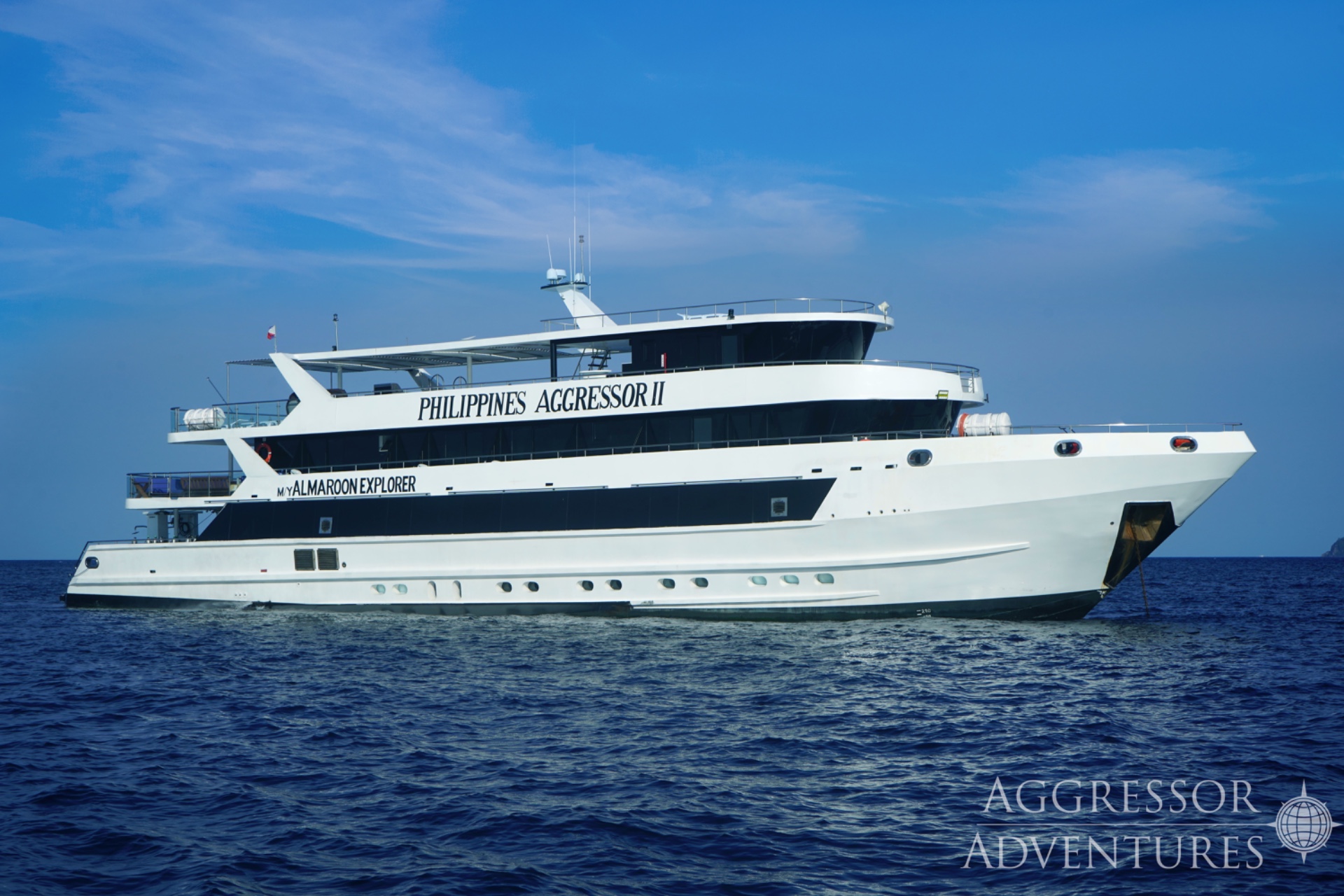
Philippines Aggressor II
Philippines
26 guests42.7 m
$247/day
Dive sites similar to Gato Island
Same character, same waters — six more sites divers love for the exact same reasons.Compare seasons, access and liveaboard routes — then pick the site that fits your trip best.
© Esri — Maxar, Earthstar, GIS
Big La Laguna
Philippines
Big La Laguna is a beach community situated on the western edge of the Sabang Peninsula, a popular dive region on Mindoro Island, Philippines.
- Suitable for
- Intermediate
- Current
- Moderate
- Access
- Dayboat
- Depth
- 5–35 m
- Theme
- Reef / Wall
© Esri — Maxar, Earthstar, GIS
Panagsama Beach
Philippines
Panagsama Beach, situated on a peninsula near Moalboal town in Cebu, serves as a central hub for diving activities in the region, boasting over 20 dive sites along its shoreline.
- Suitable for
- Intermediate
- Current
- Moderate
- Access
- Liveaboard or dayboat
- Depth
- ≤ 30 m
- Theme
- Reef / Wall
© Esri — Maxar, Earthstar, GIS
Binangaan Drop Off
Philippines
Binangaan Drop Off is a premier dive site within Apo Reef National Park, located off Occidental Mindoro in the Philippines.
- Suitable for
- Advanced
- Current
- Strong
- Access
- Liveaboard only
- Depth
- 10–40 m
- Theme
- Wall / Drift
© Esri — Maxar, Earthstar, GIS
Balinghai Wall
Philippines
Balinghai Wall is a notable dive site located on the northwest side of Boracay, known for its accessible wall and coral slope formations.
- Suitable for
- Intermediate
- Current
- Mild
- Access
- Dayboat
- Depth
- 8–24 m
- Theme
- Wall / Reef
© Esri — Maxar, Earthstar, GIS
Tongo Sanctuary
Philippines
Tongo Sanctuary, located in Moalboal, Cebu, is a marine protected area renowned for its dramatic underwater topography.
- Suitable for
- Beginner
- Current
- Mild
- Access
- Dayboat
- Depth
- 5–55 m
- Theme
- Reef / Wall
© Esri — Maxar, Earthstar, GIS
Barracuda Rock (Malapascua)
Philippines
Barracuda Rock, frequently referred to as Deep Rock, is an enticing dive site near Malapascua, characterized by its coral-covered curving wall and a rocky bottom.
- Suitable for
- Intermediate
- Current
- Mild
- Access
- Dayboat
- Depth
- 12–30 m
- Theme
- Reef / Wall