About Moalboal Sardine Run
The Moalboal Sardine Run, located off Panagsama Beach on Cebu Island, Philippines, offers a truly unique and accessible marine phenomenon. Unlike seasonal sardine migrations found elsewhere, this massive school of _Sardinella_ species is a year-round resident, having congregated here permanently since around 2012. Divers and snorkelers can experience the hypnotic movement of millions of sardines forming massive, constantly shifting baitballs just a few fin-kicks from shore. The dive site features a healthy fringing reef that drops dramatically from 8 meters to over 30 meters, covered in vibrant hard and soft corals. The sardines typically aggregate between 5 and 15 meters depth, swirling along the reef edge and creating a dynamic backdrop for both wide-angle photography and macro life observation. Nutrient-rich upwellings from the Tañon Strait provide an abundant food source, sustaining this incredible biomass. This continuous presence of sardines attracts a variety of predators, including giant trevallies, tuna, barracuda, and occasionally even thresher sharks, providing thrilling hunting spectacles. Green sea turtles are also common residents on the reef. The site's high accessibility, with shore entry directly into the sardine action, combined with a well-developed local dive infrastructure, makes Moalboal a premier destination for divers seeking both dramatic pelagic encounters and rich reef ecosystems.
Highlights
Year-round sardine spectacleMillions of schooling sardinesClose-to-shore accessibilityPredator feeding frenziesVibrant reef wallsAbundant green sea turtlesEasy shore entry
Season calendar
Best months to dive here
Jan
Feb
Mar
Apr
May
Jun
Jul
Aug
Sep
Oct
Nov
Dec
Excellent
Good
Off-Season
Dec – Apr (Dec–Apr)
Best diving conditions across most regions. Calm seas, excellent visibility. Tubbataha Reef accessible Mar–Jun only. Thresher sharks year-round at Malapascua.
May & Nov (May, Nov)
Weather shifts between seasons. Still excellent diving in many areas. Fewer crowds and lower prices. Some regions still offer perfect conditions.
Jun – Oct (Jun–Oct)
Typhoon season — mainly affects northern regions. Southern Visayas and Mindanao still offer good diving. Reduced visibility. Best prices and fewest crowds.
Dive site facts: Moalboal Sardine Run
- Depth
- 5–30 m
- Typical dive
- 5–15 m, 50–60 min
- Current
- Mild
- Visibility
- 10–30 m
- Water temperature
- 26–30°C
- Entry
- Shore / Boat
- Level
- Open Water Diver
- Dive type
- Wall, schooling fish, macro
- Night dive
- Possible
- Region / port
- Cebu, Visayas
- Coordinates
- 9.938, 123.375
Conditions & Currents
Currents at the Moalboal Sardine Run are generally mild, especially near the shore, making it suitable for all diver levels. The sardine school itself often moves in response to subtle currents, predators, and tides, creating dynamic patterns. Entry is typically a straightforward shore dive from Panagsama Beach, or a short boat ride from local dive centers. Visibility is generally good, ranging from 10 to 30+ meters depending on the season, with the clearest conditions during the dry season. While thermoclines are not typically a dominant feature, water temperature remains consistently warm, between 26-30°C. Divers should be mindful of other snorkelers and divers, particularly during peak times, and maintain proper buoyancy to avoid disturbing the sardines or reef.
Marine life & sighting chances

Sardines
Year-round · common
Green sea turtle
Year-round · common
Hawksbill sea turtle
Year-round · common
Giant trevally
Year-round · occasional
Tuna
Year-round · occasional
Barracuda
Year-round · occasional
Thresher shark
Year-round · rare
Frogfish
Year-round · occasional
Nudibranch
Year-round · occasional
Seahorse
Year-round · occasional
Clownfish
Year-round · common
Batfish
Year-round · occasional
Damselfish
Year-round · commonDive profile & how the dive runs
Dives at the Moalboal Sardine Run typically begin with a shore entry from Panagsama Beach, or a short boat ride to moor directly in the action. Upon descent, divers immediately encounter smaller shoals of sardines, with the main baitball generally found between 5-15 meters along the reef wall. The dive usually progresses with the wall on the diver's left side, following the contours as the sardine school shifts and moves. The maximum depth for most of the dive can reach 15-21 meters, exploring the upper sections of the dramatic drop-off. Turnaround is typically at 100 bar, allowing for a shallower return along the reef, maximizing interaction with the sardines and the vibrant coral life. A safety stop is conducted at 5 meters, often amidst smaller sardine groups, before surfacing near the entry point.
Underwater photography
Capturing the Moalboal Sardine Run requires versatility. For wide-angle shots of the massive baitballs and predator action, a fisheye or wide-angle lens is essential, often with natural light, especially during morning or late afternoon when sardines are closer to the surface. Strobes can be used for fill light on reef details or to highlight individual fish within the school, but be mindful not to startle the main school. For macro subjects like nudibranchs, frogfish, or seahorses found on the adjacent reef, a macro lens with strobes or a snoot will be ideal. Always maintain excellent buoyancy control to avoid disturbing the sardines or corals. When entering the water, do so calmly to prevent scattering the school, and avoid sudden movements while diving within the baitball.
Combine with nearby dive sites
- Pescador Island
Known for dramatic walls, coral gardens, Cathedral Cave, and occasional thresher shark sightings.
- Napaling
Offers vibrant coral and healthy marine life, suitable for combining with the sardine run.
- Oslob Whale Sharks
A popular attraction for whale shark encounters, located south of Moalboal.
- Sumilon Island
Features a marine sanctuary with diverse coral and fish life, often visited in combination with Oslob.
- Apo Island
A renowned marine protected area famous for its abundant sea turtles and vibrant reef ecosystems.
Getting there & logistics
Moalboal is located on the southwestern coast of Cebu Island. The primary airport is Mactan-Cebu International Airport (CEB). From the airport, travelers can arrange a taxi or bus transfer to Moalboal, which typically takes 2.5-4 hours. Dive operators in Moalboal often provide airport transfer services. Most dive trips are shore-based from Panagsama Beach or involve short boat rides to nearby sites. Day trips or multi-day packages are common, focusing on the sardine run and other local dive spots like Pescador Island. While there are no specific marine park fees for the immediate sardine run area, some dive centers may include small environmental fees in their dive packages.
Safety & environment
Moalboal has a well-developed diving infrastructure, but divers should always carry comprehensive dive insurance that covers emergency evacuation and recompression. The nearest recompression chamber is in Cebu City, which is a significant distance away, emphasizing the importance of safe diving practices. Site-specific hazards include boat traffic, especially during peak hours, and the potential for crowding from other divers and snorkelers. Always maintain safe distances from the sardine school to avoid dispersing them and practice excellent buoyancy to prevent contact with the reef. Respect local marine sanctuary rules, if applicable, and adhere to your dive guide's instructions.
Who it suits — and who it doesn't
Suited for
- Open Water divers and above
- Underwater photographers (both wide-angle and macro)
- Snorkelers and free divers
- Divers seeking unique pelagic encounters
- Those who appreciate vibrant reef life
Less suited for
- Divers who dislike crowded sites
- Divers looking exclusively for large pelagic sharks (though occasional sightings occur)
- Those sensitive to boat traffic or surface activity
- Divers unwilling to practice excellent buoyancy control
- Beginners uncomfortable with potential close proximity to large schools of fish
FAQ
Moalboal Sardine Run FAQ
What is the Moalboal Sardine Run?
The Moalboal Sardine Run is a unique natural phenomenon where millions of sardines reside permanently just off Panagsama Beach. Unlike seasonal migrations, these sardines form massive, constantly swirling baitballs year-round, offering an incredible spectacle for divers and snorkelers alike. It's one of the most accessible and impressive marine events in the world.
When is the best time to see the sardines in Moalboal?
The sardines are present year-round in Moalboal, so you can witness the run any day. For the best diving conditions, the dry season from November to April offers calm seas, while March to May typically provides the clearest underwater visibility. Early morning and late afternoon are often recommended for fewer crowds and better lighting for photography.
Do I need a special certification to dive the Sardine Run?
No, an Open Water Diver certification is sufficient to dive the Moalboal Sardine Run. The main sardine school is usually found between 5-15 meters, making it accessible for certified divers of all levels. Even snorkelers can enjoy the spectacle, as the sardines are often close to the surface and shore.
What other marine life can I expect to see besides sardines?
Beyond the mesmerizing sardines, the reef system at Moalboal is home to abundant marine life. You can frequently spot green and hawksbill sea turtles, as well as various reef fish like clownfish, damselfish, and batfish. Predators like giant trevallies, tuna, and barracuda are often seen hunting the sardine school, and lucky divers might even encounter a thresher shark.
How do I get to Moalboal for the Sardine Run?
To reach Moalboal, fly into Mactan-Cebu International Airport (CEB). From there, you can take a taxi, private transfer, or bus for the 2.5-4 hour journey south to Moalboal. Many dive resorts and centers can arrange transportation directly from the airport. Once in Moalboal, the sardine run site is easily accessible from Panagsama Beach.
Why dive Moalboal Sardine Run from a liveaboard?
Moalboal Sardine Run is one of Philippines's signature dive sites. A liveaboard sleeps you on the water and puts you in the water for three to four guided dives per day, including dawn and night dives that day-boat operators rarely offer. You skip the daily commute back to port and reach quieter, less-crowded sites in the same region on a single trip.
Below are the liveaboards that include Moalboal Sardine Run on their Philippines itineraries.
Liveaboards diving Moalboal Sardine Run
These liveaboards may visit Moalboal Sardine Run on selected itineraries — the exact dive sites depend on departure, weather and conditions.
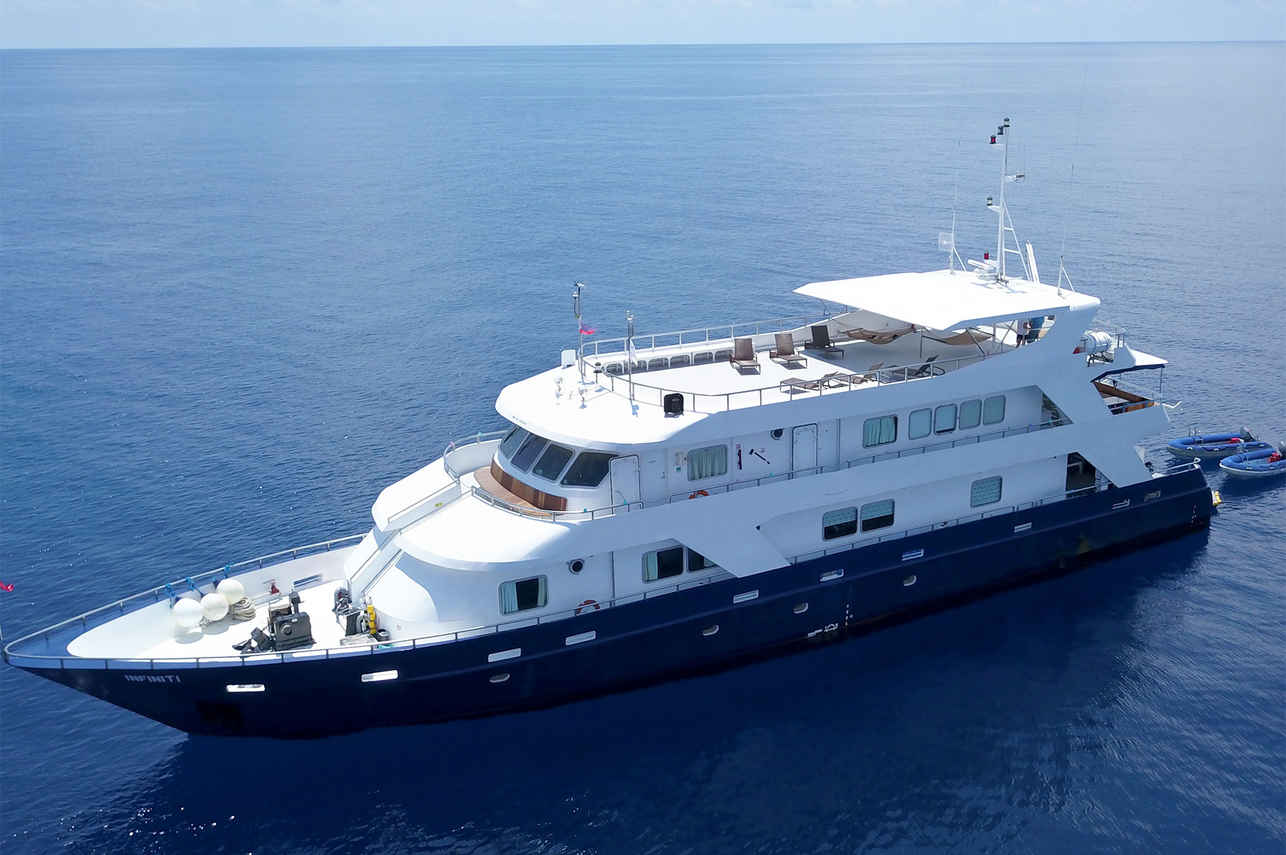
Infiniti
Philippines
25 guests39 m
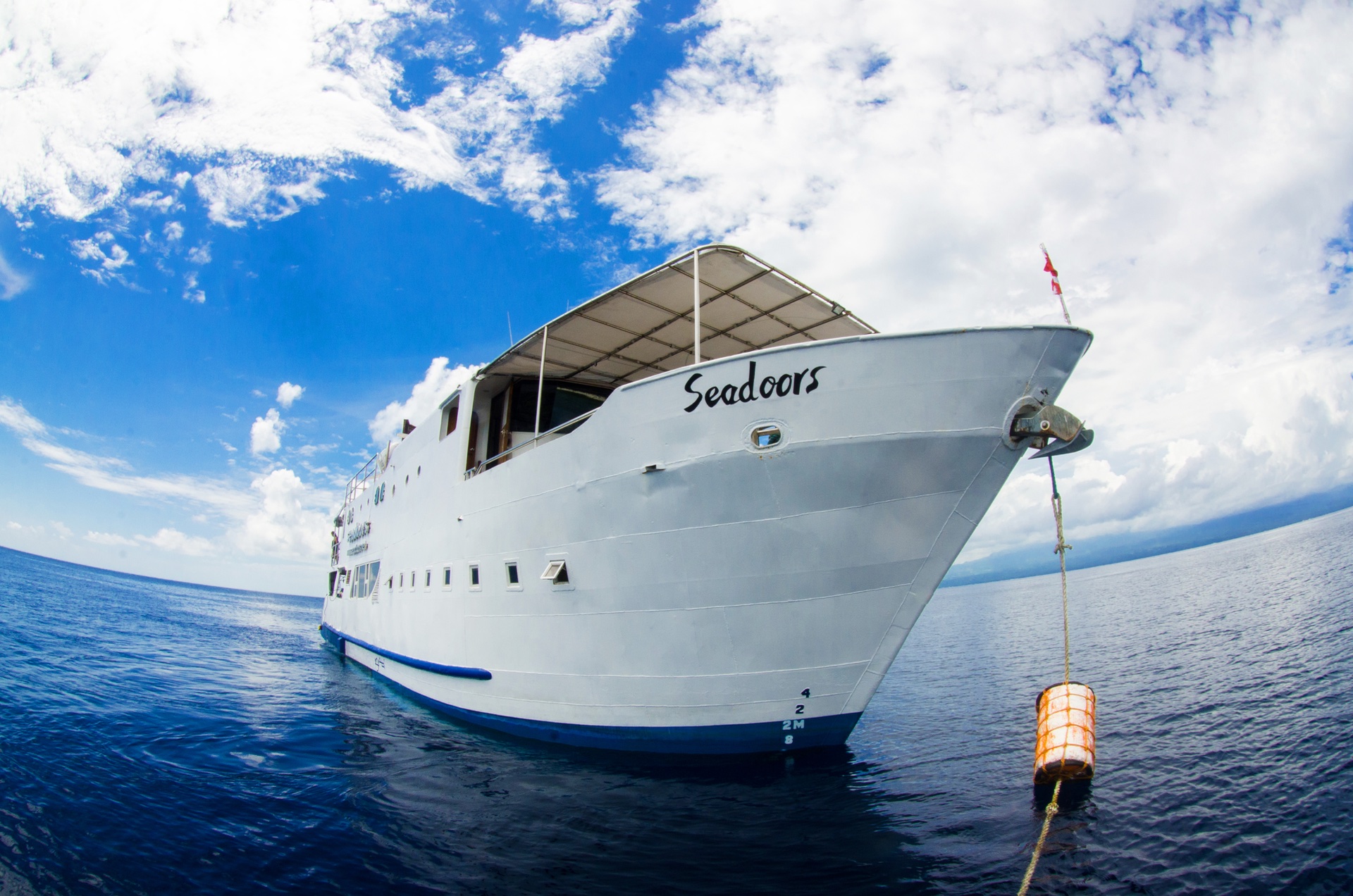
Seadoors
Philippines
16 guests25 m
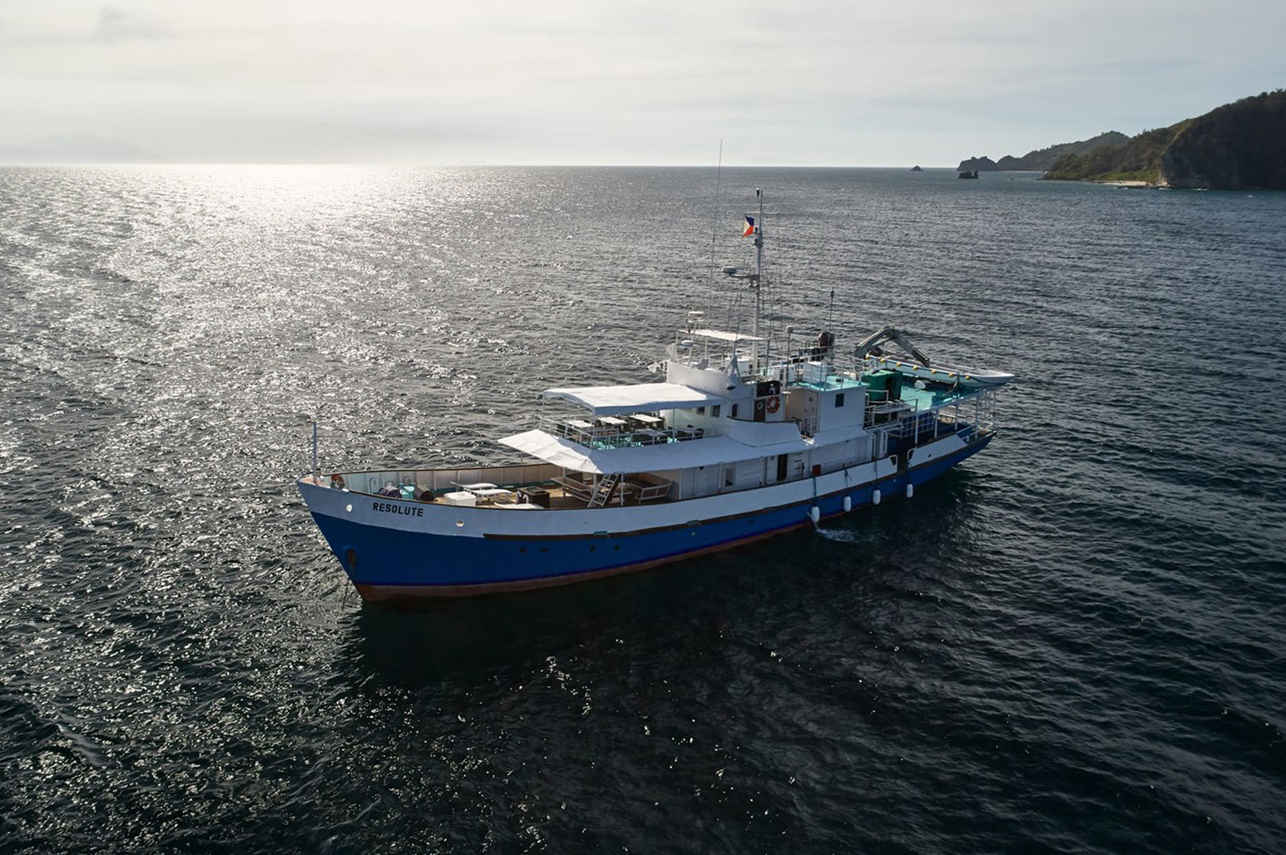
Resolute
Philippines
16 guests34.6 m
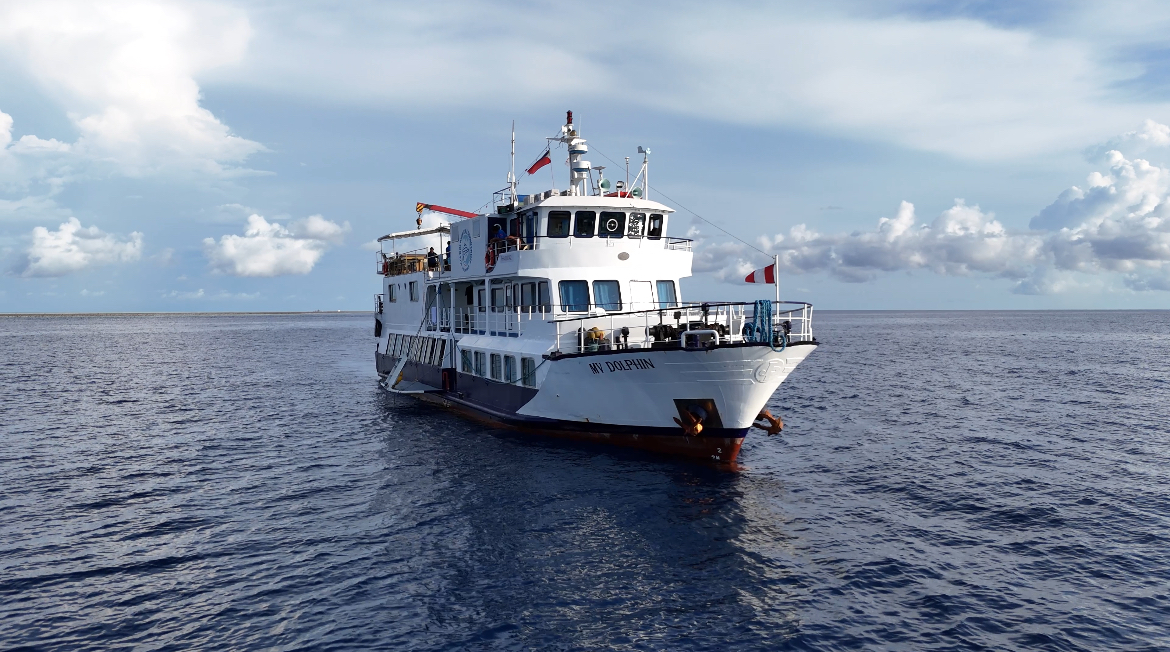
Dolphin
Philippines
18 guests31 m
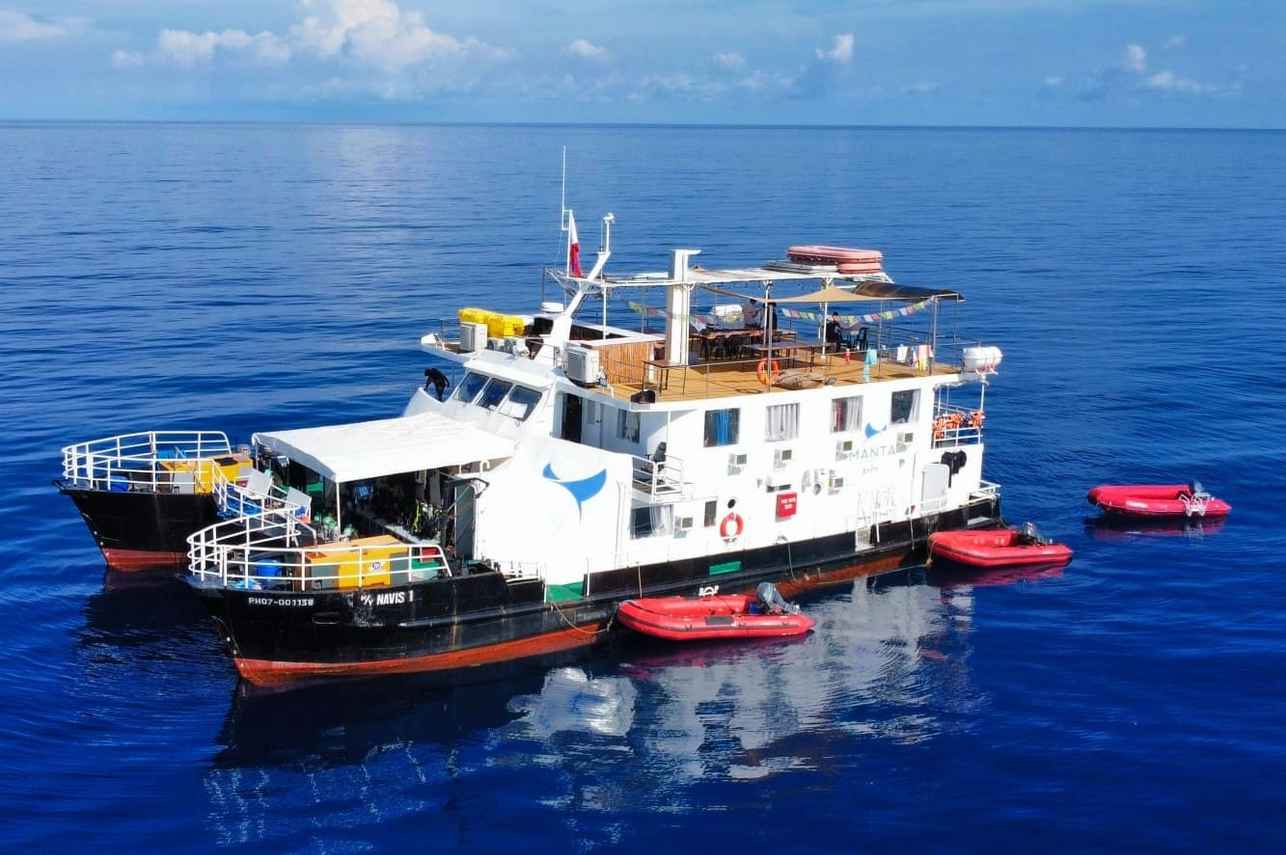
Navis 1
Philippines
22 guests23 m
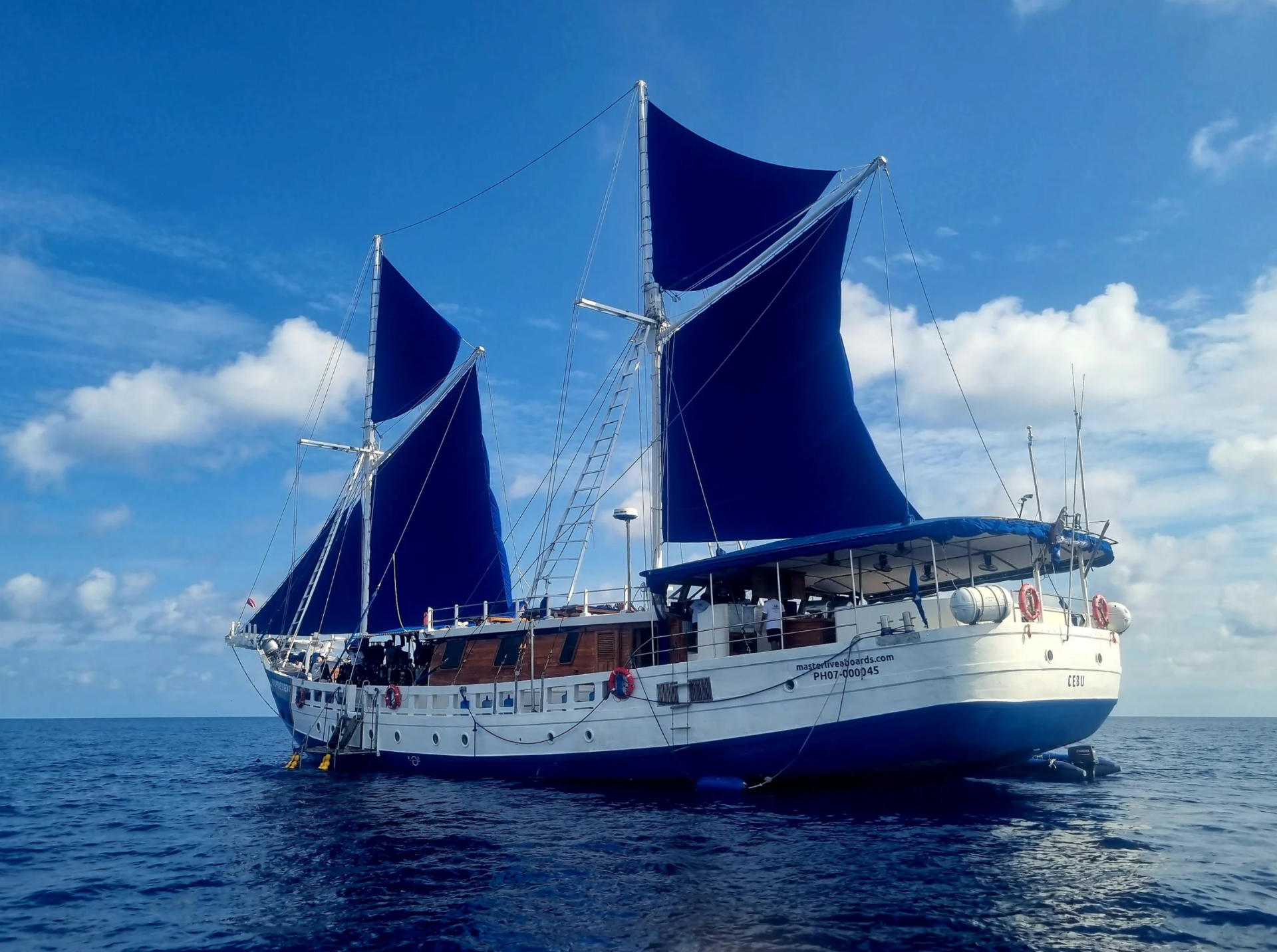
Philippine Siren
Philippines
16 guests
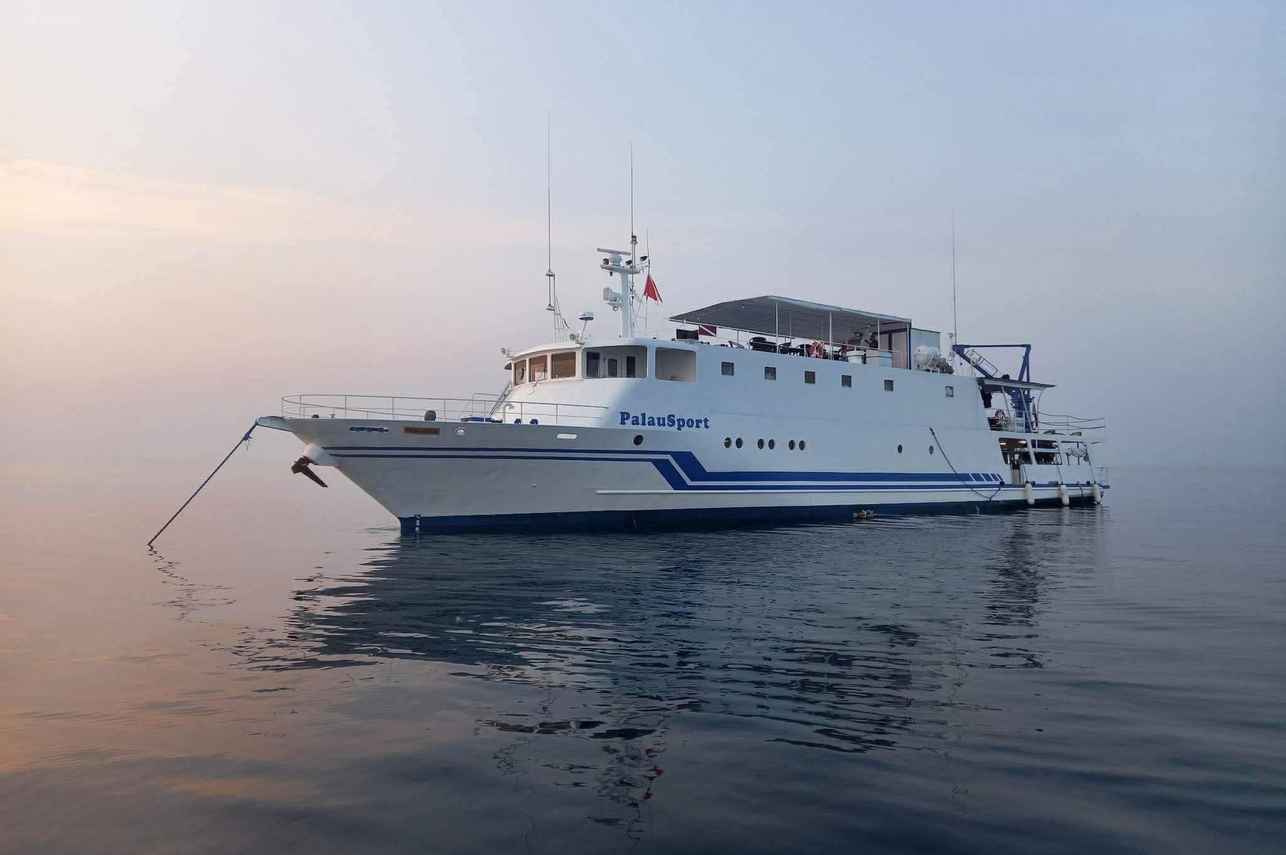
Palau Sport
Philippines
24 guests38.35 m
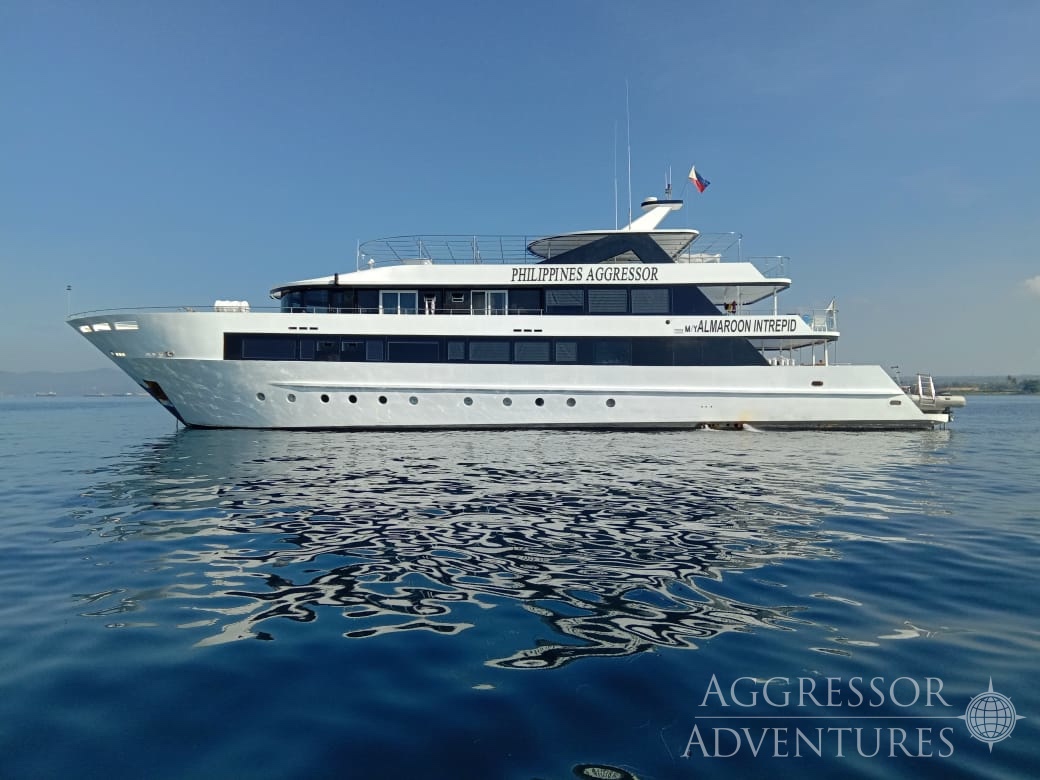
Philippines Aggressor
Philippines
26 guests42.7 m
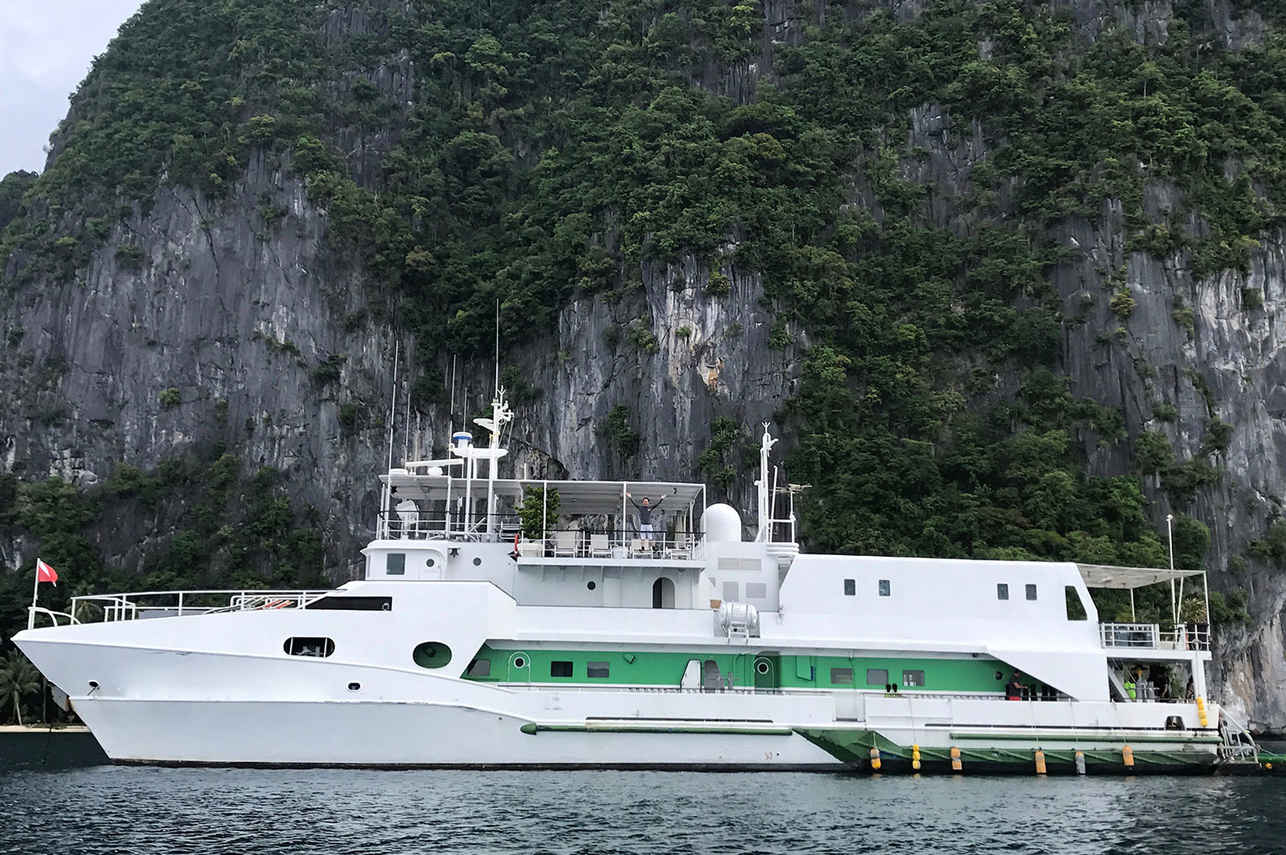
Stella Maris Explorer
Philippines
20 guests33 m
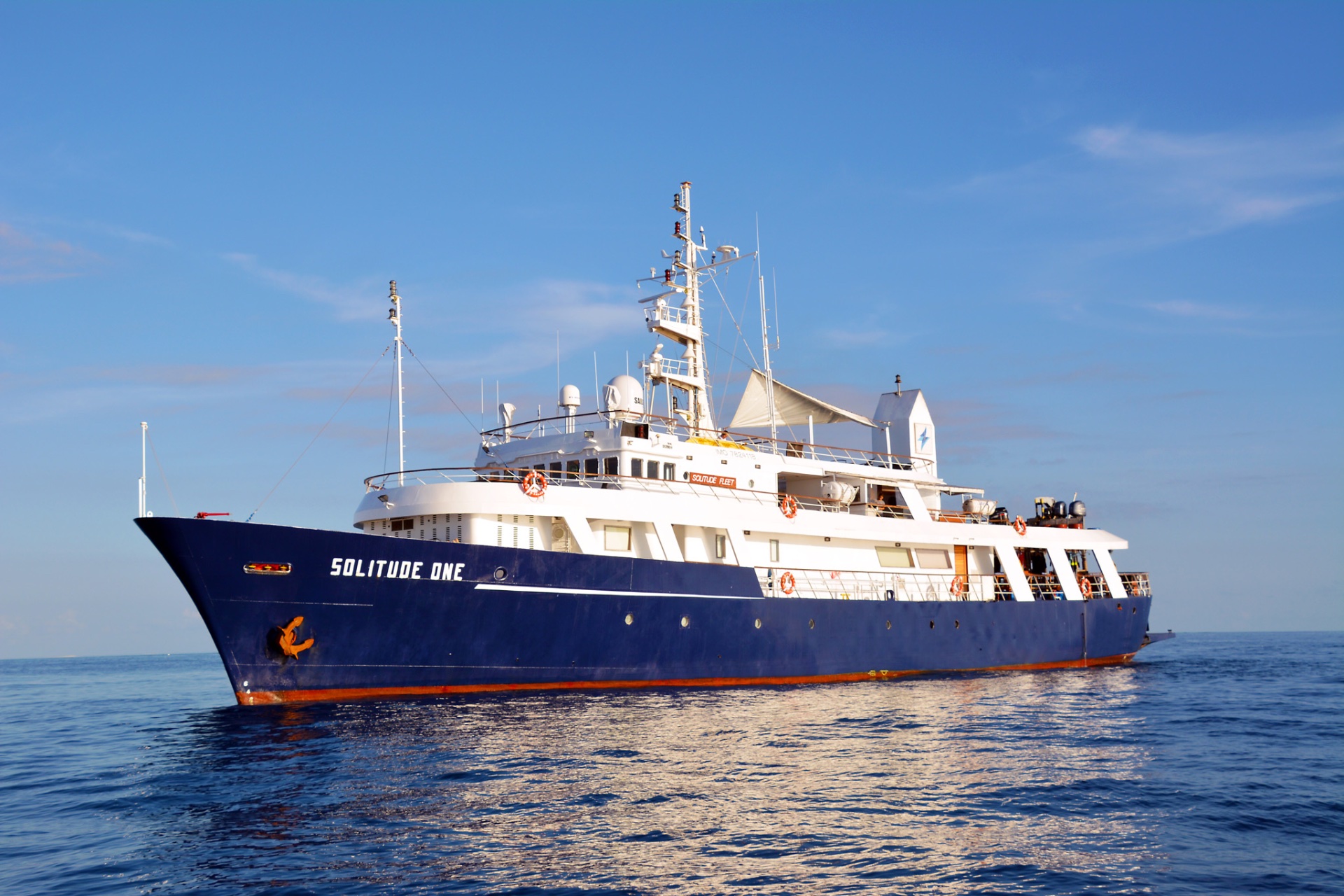
Solitude One
Philippines
24 guests52 m
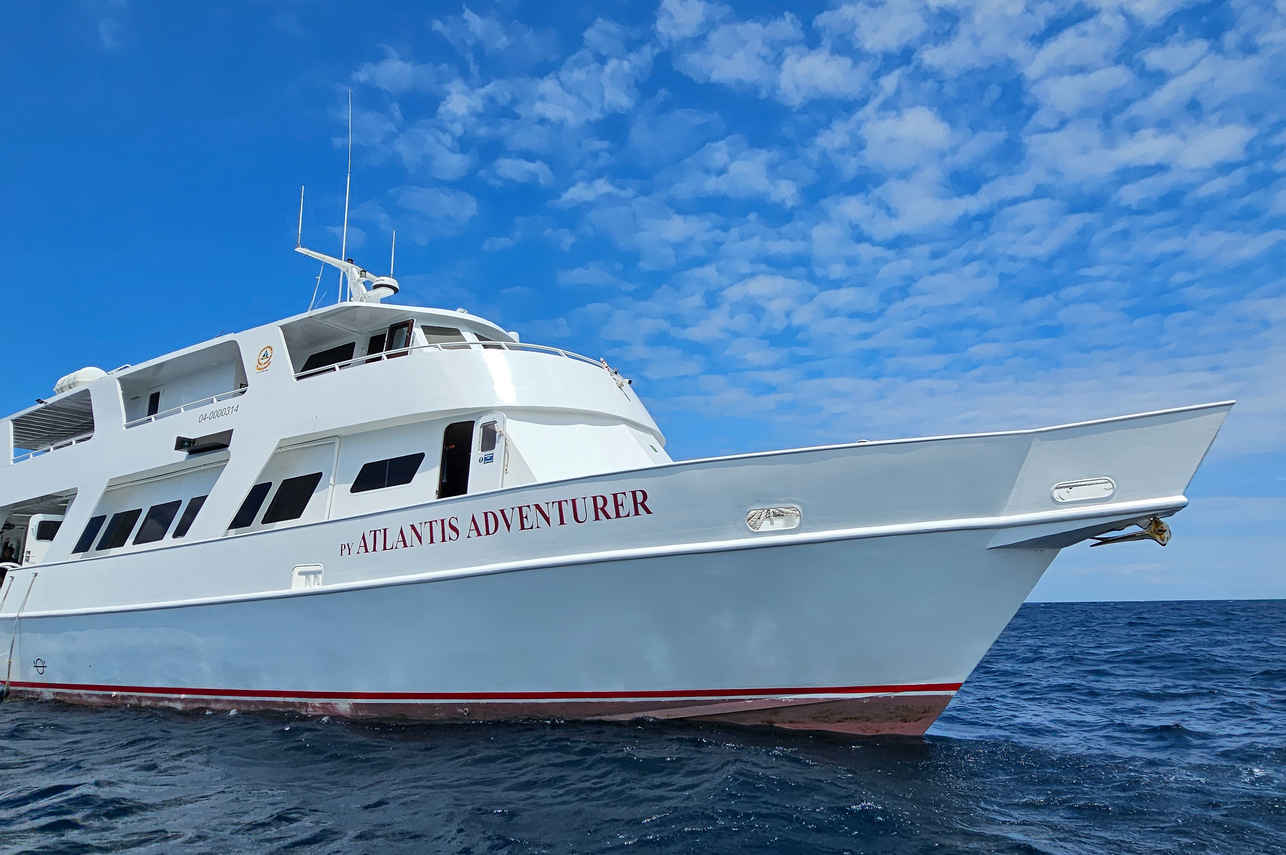
Atlantis Adventurer
Philippines
16 guests32.5 m
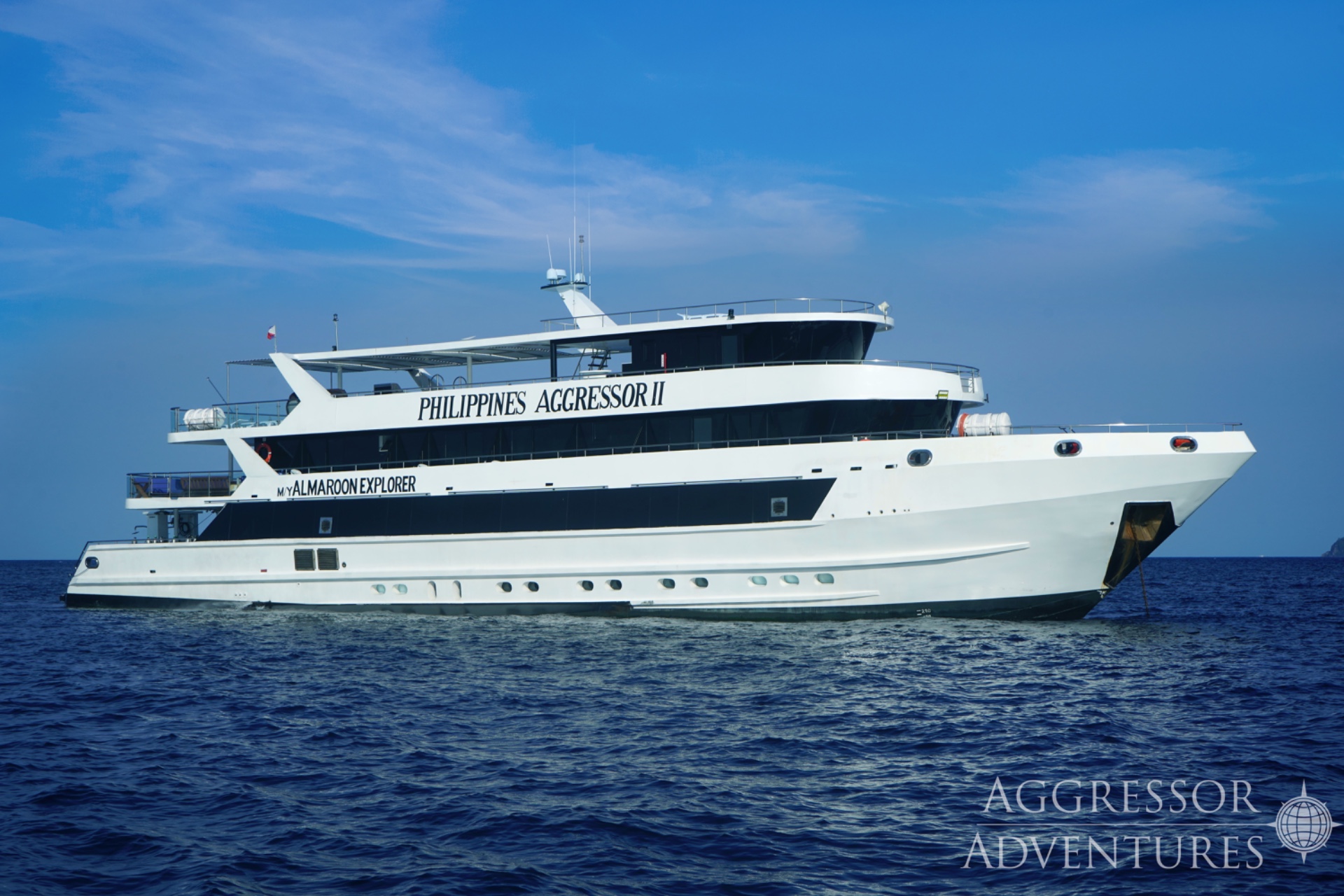
Philippines Aggressor II
Philippines
26 guests42.7 m
Dive sites similar to Moalboal Sardine Run
Same character, same waters — six more sites divers love for the exact same reasons.Compare seasons, access and liveaboard routes — then pick the site that fits your trip best.
Abila is a notable dive site located within the Alor Islands Marine Park, an area celebrated for its rich marine biodiversity due to its position in the Coral Triangle.
- Suitable for
- Beginner
- Current
- Mild
- Access
- Liveaboard only
- Depth
- —
- Theme
- Reef
© Esri — Maxar, Earthstar, GIS
Adonara Channel
Alor
Adonara Channel stands as one of Alor's most iconic dive sites, celebrated for its dynamic currents and exceptionally rich biodiversity.
- Suitable for
- Advanced
- Current
- Strong
- Access
- Liveaboard or dayboat
- Depth
- 10–40 m
- Theme
- Drift / Wall
© Esri — Maxar, Earthstar, GIS
Adonara Wall
Indonesia
Adonara is an Indonesian island dive site, renowned for its vibrant underwater topography characterized by submerged seamounts.
- Suitable for
- Intermediate
- Current
- Strong
- Access
- Liveaboard or dayboat
- Depth
- 5–35 m
- Theme
- Seamount / Wall
© Esri — Maxar, Earthstar, GIS
Agnay Fish Sanctuary
Philippines
Agnay Fish Sanctuary is nestled in a sheltered bay near the village of Agnay in Romblon, a province celebrated for its rich marine biodiversity.
- Suitable for
- Beginner
- Current
- Mild
- Access
- Dayboat
- Depth
- 9–18 m
- Theme
- Reef
© Esri — Maxar, Earthstar, GIS
Ai Island Reef
Banda Sea
Ai Island Reef, nestled within the Banda Sea, offers a remarkable diving experience characterized by its rich marine biodiversity and varied underwater topography.
- Suitable for
- Beginner
- Current
- Strong
- Access
- Liveaboard only
- Depth
- 3–30 m
- Theme
- Reef / Seamount
© Esri — Maxar, Earthstar, GIS
Akitsushima
Philippines
The Akitsushima is a distinguished World War II Japanese seaplane tender, sunk in September 1944 during an American air raid in Coron Bay, Palawan.
- Suitable for
- Advanced
- Current
- Strong
- Access
- Dayboat
- Depth
- 22–38 m
- Theme
- Wreck