About Oslob Whale Sharks
Oslob, located in Cebu, Philippines, has become globally renowned for its consistent whale shark encounters. Unlike other locations where sightings are seasonal and unpredictable, Oslob provides a near-guaranteed experience with these gentle giants throughout the year. This predictability stems from the controversial practice of local fishermen feeding the whale sharks, which keeps a resident population close to the shoreline. The interaction typically occurs in shallow waters, often within wading distance from the beach, making it accessible for snorkelers and swimmers of all experience levels. The topography here is straightforward: a sandy bottom near the shore, quickly leading to deeper waters where the whale sharks congregate. This setup allows for easy access from small bancas (outrigger boats) that ferry visitors just a short distance from the beach. While the primary draw is the whale sharks, the surrounding waters occasionally host other reef fish, though the focus remains squarely on the large filter-feeders. The consistent feeding has altered the whale sharks' natural migratory patterns, raising ethical concerns among conservationists. Despite the debate, Oslob remains a major draw for tourists eager to witness these immense marine animals up close. The dive experience is structured and supervised, with strict rules in place to protect both the visitors and the whale sharks. Briefings emphasize no touching, maintaining distance, and refraining from wearing sunscreen, ensuring a controlled interaction. This high-frequency, accessible encounter distinguishes Oslob from more natural, wild whale shark experiences found elsewhere.
Highlights
Guaranteed whale shark encountersClose-up interactions with whale sharksEasy access from shoreOpportunities for swimming and snorkelingControlled and supervised environmentPhotographic opportunities with giants
Season calendar
Best months to dive here
Jan
Feb
Mar
Apr
May
Jun
Jul
Aug
Sep
Oct
Nov
Dec
Excellent
Good
Off-Season
Dec – Apr (Dec–Apr)
Best diving conditions across most regions. Calm seas, excellent visibility. Tubbataha Reef accessible Mar–Jun only. Thresher sharks year-round at Malapascua.
May & Nov (May, Nov)
Weather shifts between seasons. Still excellent diving in many areas. Fewer crowds and lower prices. Some regions still offer perfect conditions.
Jun – Oct (Jun–Oct)
Typhoon season — mainly affects northern regions. Southern Visayas and Mindanao still offer good diving. Reduced visibility. Best prices and fewest crowds.
Dive site facts: Oslob Whale Sharks
- Depth
- Surface to 10 m
- Typical dive
- Surface to 5 m, 30 min
- Current
- Mild to none
- Visibility
- 10-20 m
- Entry
- Small boat / Shore
- Level
- Beginner / Snorkeler
- Dive type
- Whale shark interaction
- Night dive
- Not permitted
- Region / port
- Cebu, Philippines
- Coordinates
- 9.451, 123.379
Conditions & Currents
The waters around Oslob where whale shark interactions occur are generally calm and shallow, typically within 150 meters of the shoreline. Strong currents are not a significant factor in the immediate interaction zone due to the close proximity to the coast and the nature of the feeding activity. Visibility remains consistently good, usually unimpacted by strong tidal flows. Swimmers and snorkelers can expect tranquil conditions, making the experience accessible to all levels. There is no boat traffic from large vessels, only the small local boats used for transporting visitors to the interaction area. The primary consideration is managing crowds rather than environmental factors, as numerous boats and people gather in the small interaction area.
Dive profile & how the dive runs
The whale shark interaction at Oslob is primarily a surface-based activity, ideal for snorkeling and free diving rather than traditional scuba. Participants are transported a short distance from the beach in small outrigger boats to the feeding area, typically within 150 meters of the shore. Upon arrival, you enter the water, often with life vests, and position yourself to observe the whale sharks as they are fed by local fishermen. The depth in the interaction zone rarely exceeds 5-10 meters. There is no specific 'route' or 'turn point' as the activity is concentrated in a small area. The focus is on passive observation of the whale sharks from the surface or just below. Safety stops are not applicable in the traditional sense, given the shallow depths, but adherence to surface intervals and minimum distances from the animals is strictly enforced. The duration of interaction is usually limited to around 30 minutes to manage the number of visitors.
Underwater photography
Photographing the whale sharks in Oslob presents both opportunities and challenges. For underwater shots, a wide-angle lens is essential to capture the full scope of these immense creatures. Natural light is often sufficient due to the shallow depth and clear waters, but an external strobe or video light can enhance colors and reduce backscatter. Be mindful of buoyancy to avoid disturbing the sandy bottom or approaching the whale sharks too closely. The rules explicitly prohibit touching the animals and require a certain distance, so zoom capabilities can be helpful. Given the large number of participants, composing shots without other swimmers in the frame can be tricky. Consider a longer lens for surface shots from the boat before entering the water. Remember, no sunscreen is allowed in the water, which applies to both you and your camera housing.
Combine with nearby dive sites
- Sumilon Island
Often combined with Oslob whale shark tours for sandbar and snorkeling.
- Moalboal Sardine Run
A popular add-on for divers seeking another iconic Philippine marine experience.
- Pescador Island
Included in some multi-site tours from Cebu for snorkeling.
- Apo Island
A renowned marine sanctuary accessible from nearby Negros Oriental.
Getting there & logistics
Access to Oslob typically involves flying into Mactan-Cebu International Airport (CEB) in Cebu City. From Cebu City, Oslob is approximately a 3-4 hour drive south. Many tour operators offer full-day packages that include round-trip transportation from Cebu City hotels, the whale shark interaction, and sometimes additional stops like Sumilon Island or Tumalog Falls. For those staying in Dumaguete, it's about a 6-hour private trip. Whale shark activities usually start very early in the morning, requiring a 4:00 AM pickup from Cebu City to ensure participation. Advance booking is highly recommended due to the popularity of the site. Permits and entrance fees for the whale shark interaction are usually included in tour packages. Trips are generally planned as day excursions, focusing solely on the whale shark experience or combining it with one or two other local attractions.
Safety & environment
Safety at the Oslob whale shark interaction site is managed through strict rules and supervision. Participants receive a briefing outlining regulations such as no touching the whale sharks, maintaining a minimum distance, and avoiding flash photography. Wearing sunscreen is prohibited to protect the marine environment. Life vests are offered and often encouraged. The nearest recompression chamber would be in Cebu City, which is several hours away, highlighting the importance of cautious diving practices if attempting to scuba dive in other areas. Evacuation for serious medical emergencies would involve transport back to Cebu City. It is advisable to have comprehensive dive and travel insurance. The primary hazards at Oslob are accidental contact with the whale sharks (which can result in injury due to their size, not aggression) and sunburn due to the lack of sunscreen. Always follow the instructions of the local guides and stay within the designated interaction area.
Who it suits — and who it doesn't
Suited for
- Beginner snorkelers and swimmers
- Families with children
- Non-divers seeking marine megafauna
- Photographers wanting guaranteed whale shark shots
- Travelers with limited time for whale shark encounters
Less suited for
- Divers seeking pristine, natural encounters
- Those sensitive to crowds
- Individuals with ethical concerns about animal feeding
- Advanced scuba divers looking for challenging dives
- People seeking solitude and untouched nature
FAQ
Oslob Whale Sharks FAQ
Are whale shark sightings guaranteed in Oslob?
Yes, Oslob is well-known for its almost guaranteed whale shark sightings year-round. This high frequency is due to local fishermen feeding the whale sharks daily, which keeps a resident population near the shore. Visitors can expect to see multiple whale sharks during their interaction window.
Is it ethical to swim with whale sharks in Oslob?
The practice of feeding whale sharks in Oslob is highly controversial among conservationists. Critics argue it disrupts their natural migratory patterns, alters their feeding behaviors, and can lead to injuries from boats. Visitors should be aware of these ethical considerations and make an informed decision.
Can I scuba dive with the whale sharks in Oslob?
While the primary activity is swimming and snorkeling, some operators may offer a limited scuba diving experience in the shallow interaction zone. However, it's generally a surface-oriented activity, and traditional scuba diving is not the main focus due to the shallow depths and concentrated nature of the interaction.
What are the rules for interacting with whale sharks in Oslob?
Strict rules are enforced to protect the whale sharks and visitors. These include no touching the whale sharks, maintaining a minimum distance of several meters, and not using flash photography. Wearing sunscreen is also prohibited to prevent harm to the marine life. Briefings are conducted before entry to ensure everyone understands the guidelines.
What is the best time of year to visit Oslob for whale sharks?
Whale sharks are present throughout the year in Oslob. However, the best time to visit for optimal weather and sea conditions is during the dry season, from March to May. During these months, the seas are typically very calm, making for a more comfortable experience.
How long is the whale shark interaction?
The actual time spent in the water with the whale sharks is typically limited, often around 30 minutes. This duration helps manage the large number of visitors and minimize the impact on the animals. The entire tour, including travel and briefing, usually takes several hours.
Why dive Oslob Whale Sharks from a liveaboard?
Oslob Whale Sharks is one of Philippines's signature dive sites. A liveaboard sleeps you on the water and puts you in the water for three to four guided dives per day, including dawn and night dives that day-boat operators rarely offer. You skip the daily commute back to port and reach quieter, less-crowded sites in the same region on a single trip.
Below are the liveaboards that include Oslob Whale Sharks on their Philippines itineraries.
Liveaboards diving Oslob Whale Sharks
These liveaboards may visit Oslob Whale Sharks on selected itineraries — the exact dive sites depend on departure, weather and conditions.
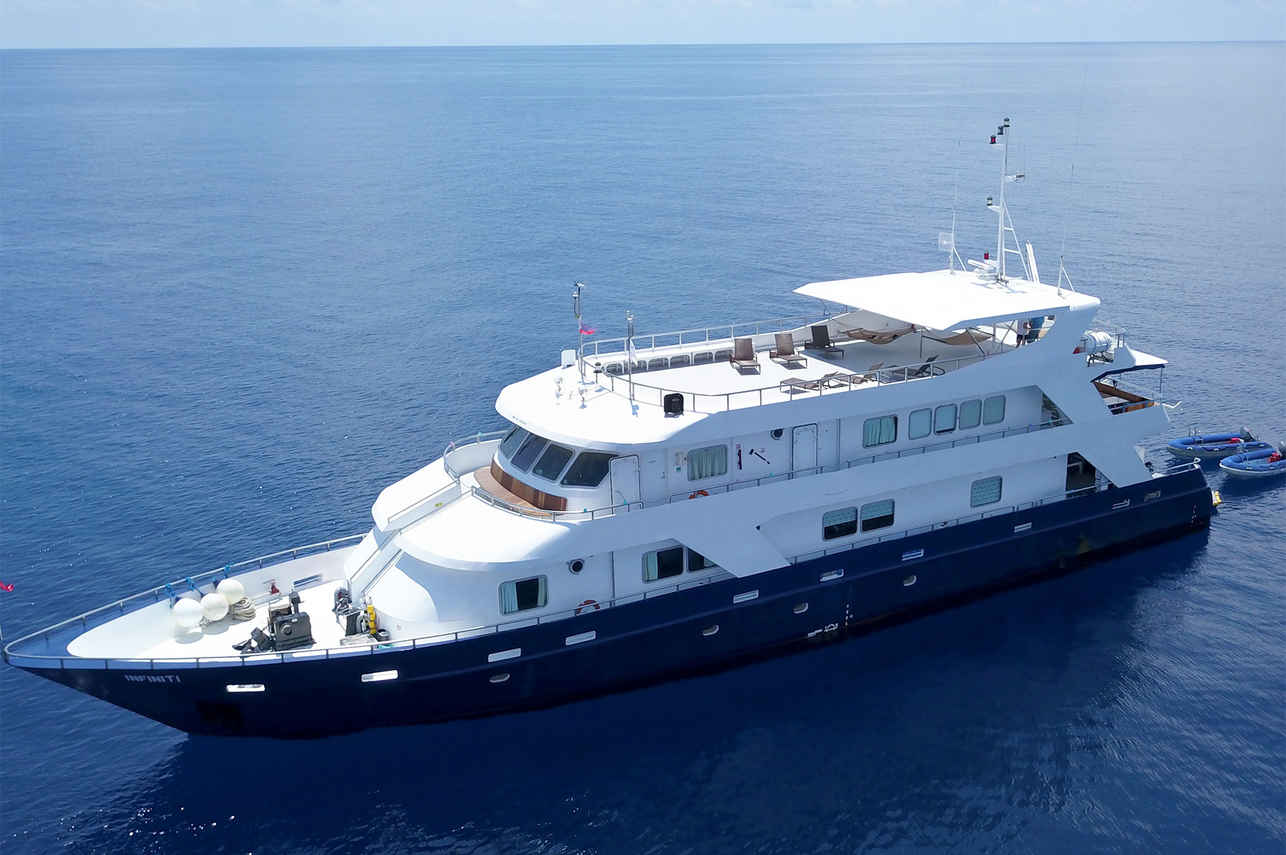
Infiniti
Philippines
25 guests39 m
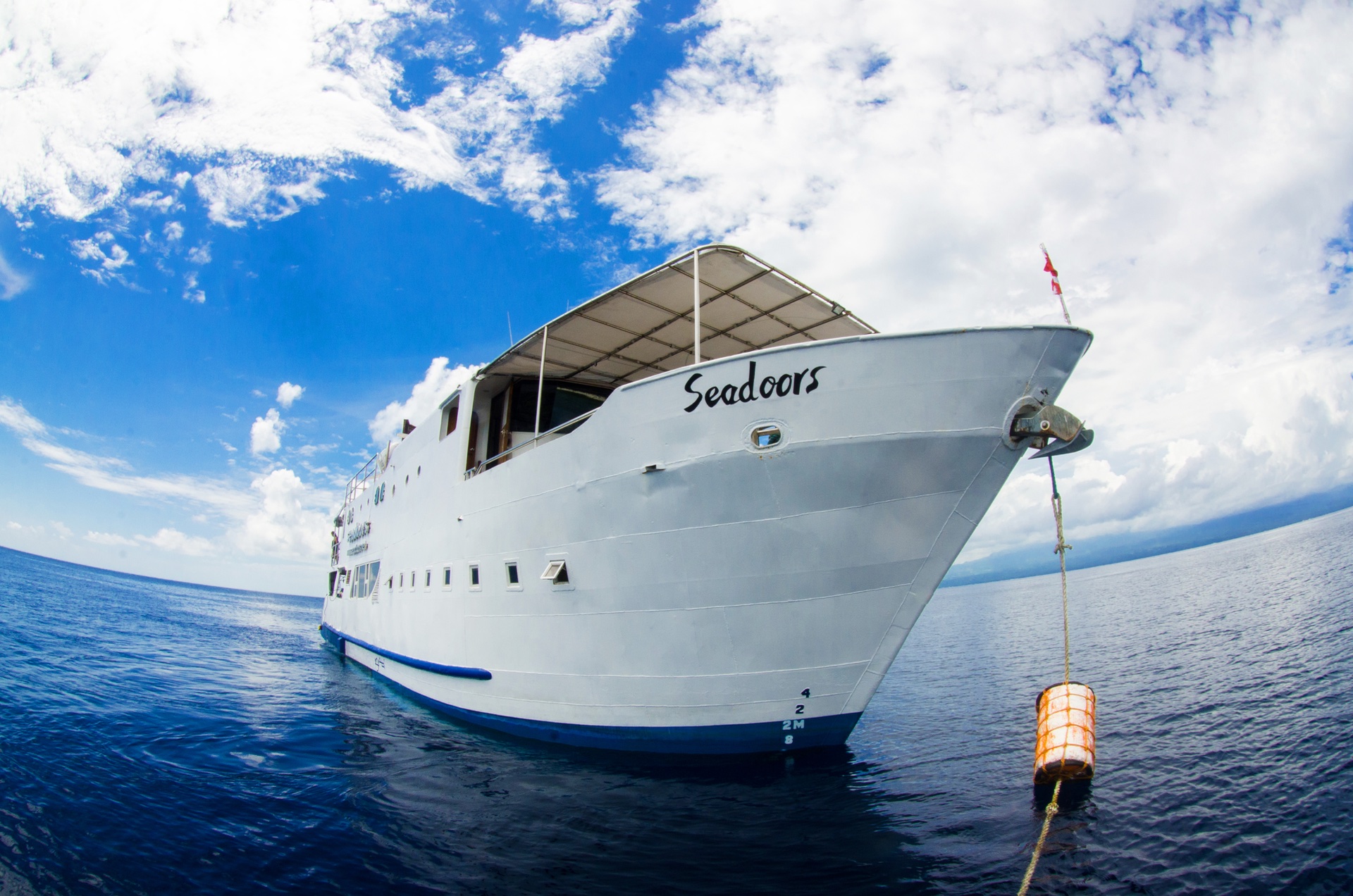
Seadoors
Philippines
16 guests25 m
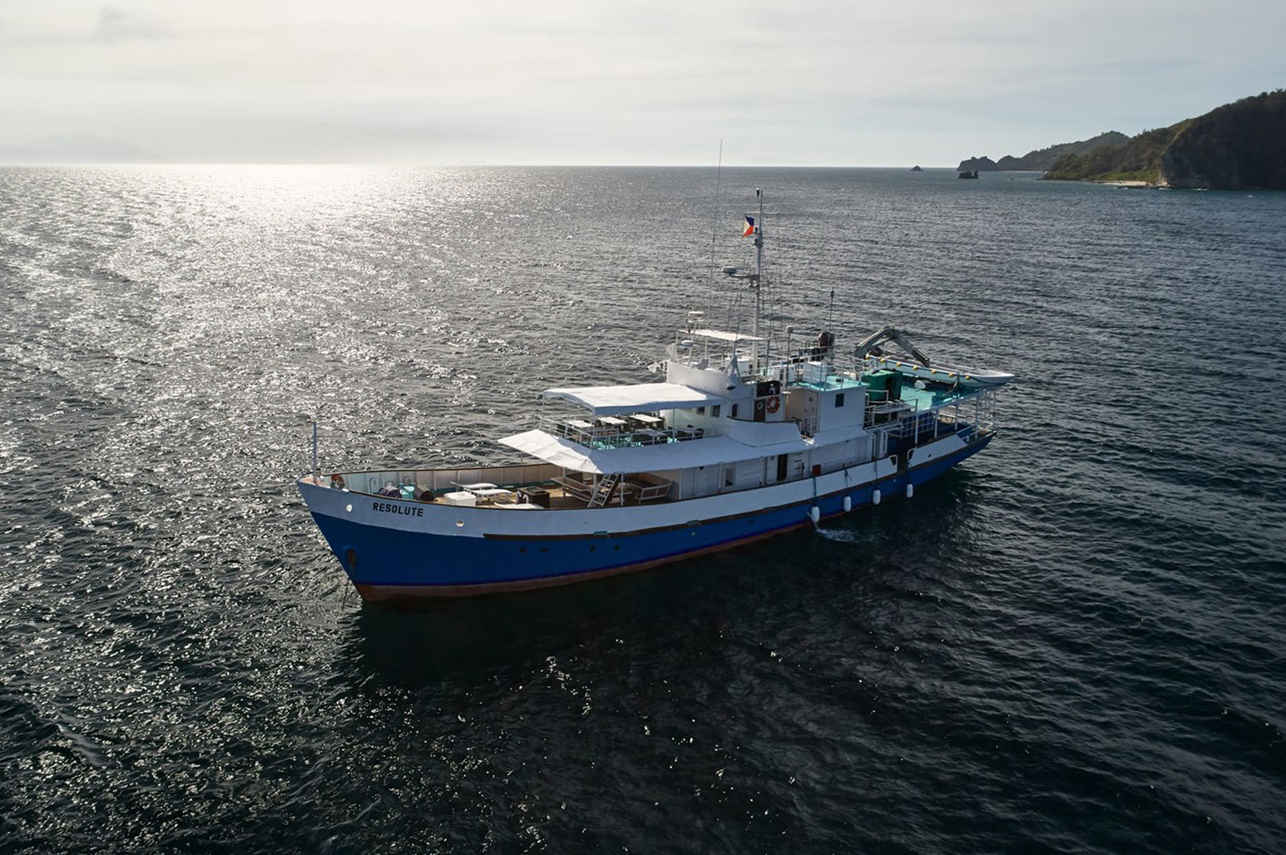
Resolute
Philippines
16 guests35 m
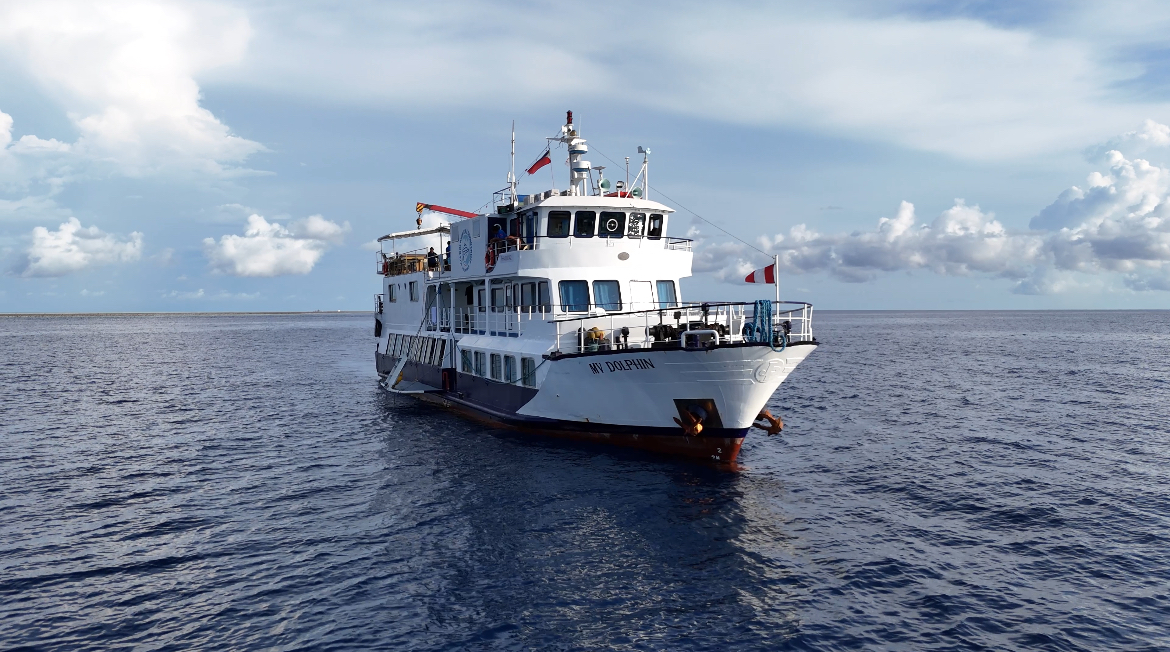
Dolphin
Philippines
18 guests31 m
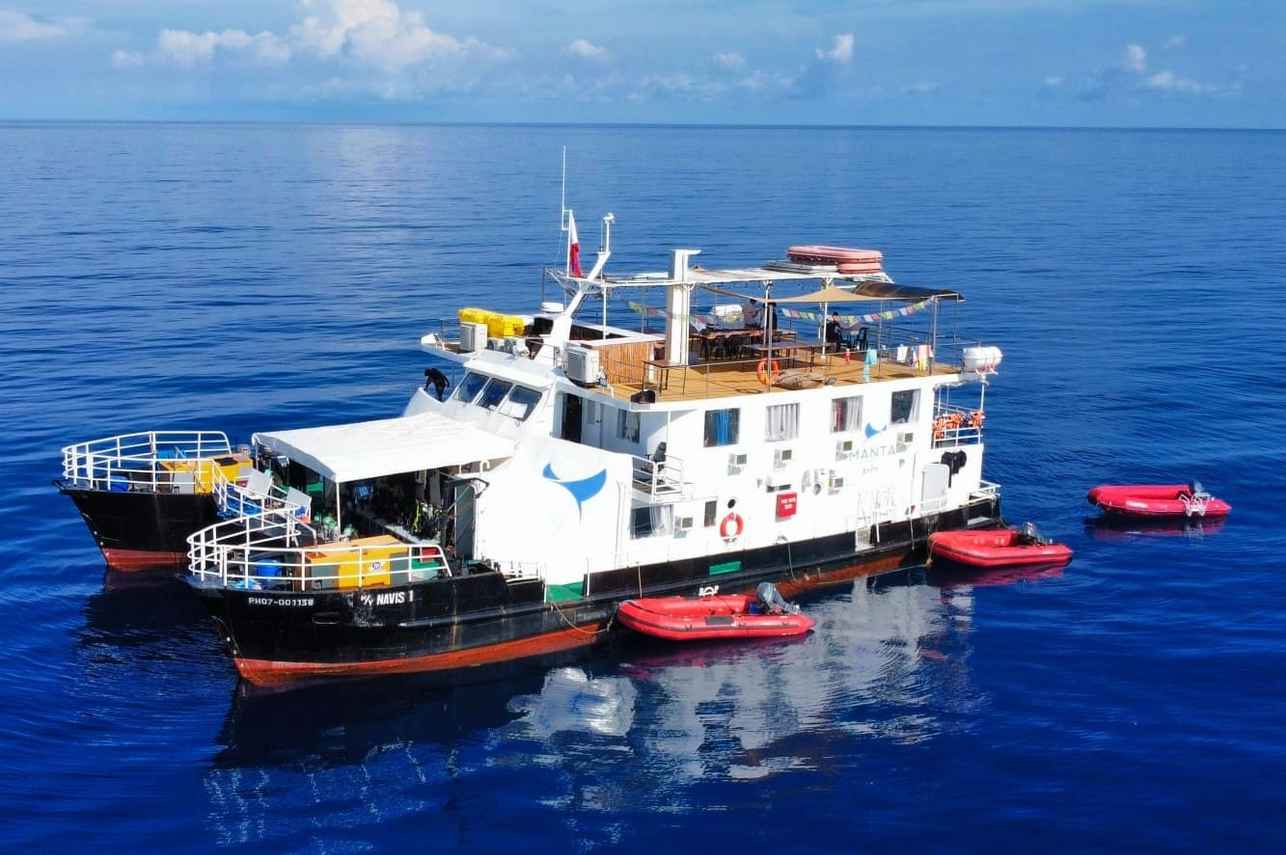
Navis 1
Philippines
22 guests23 m
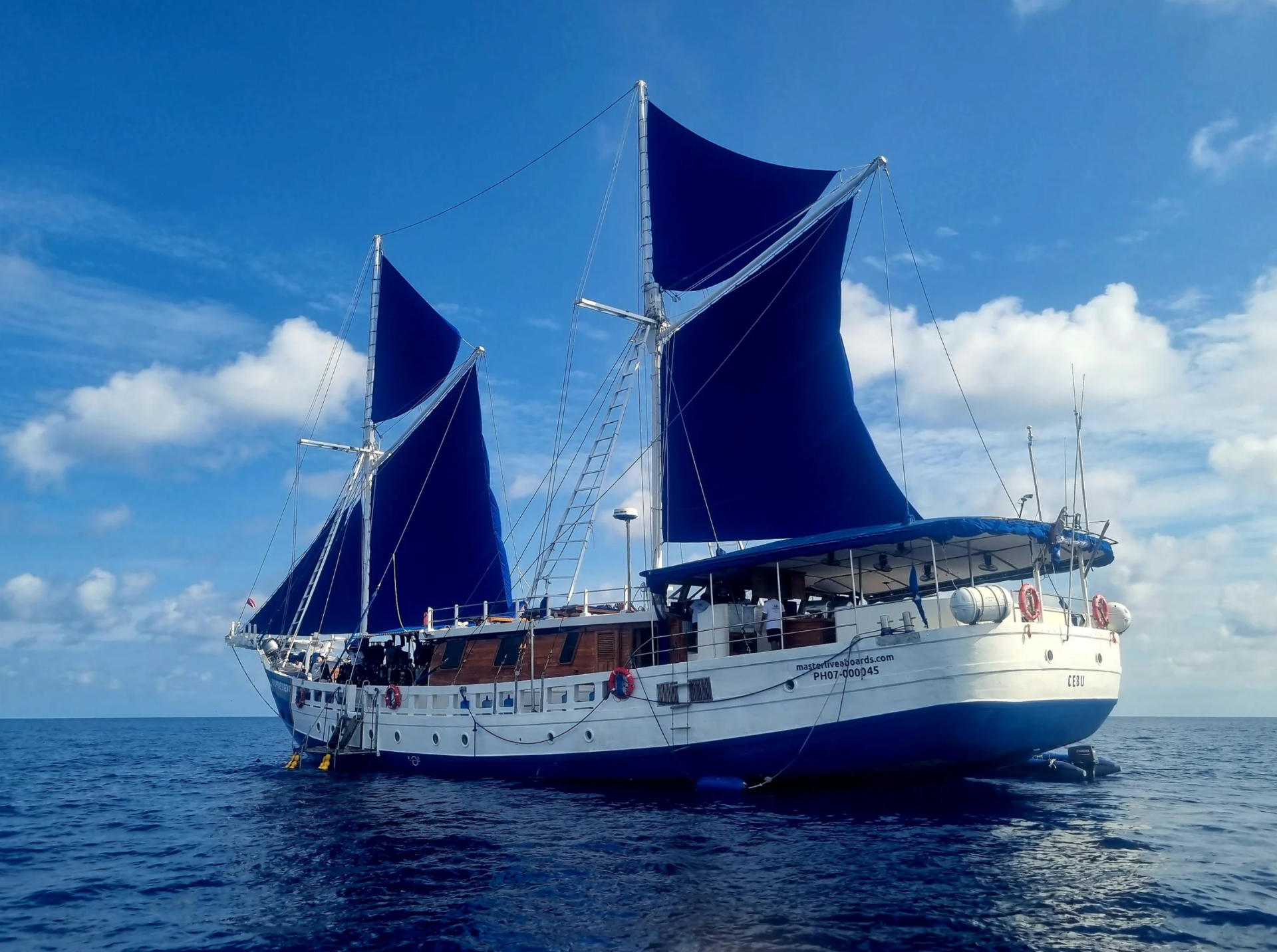
Philippine Siren
Philippines
16 guests
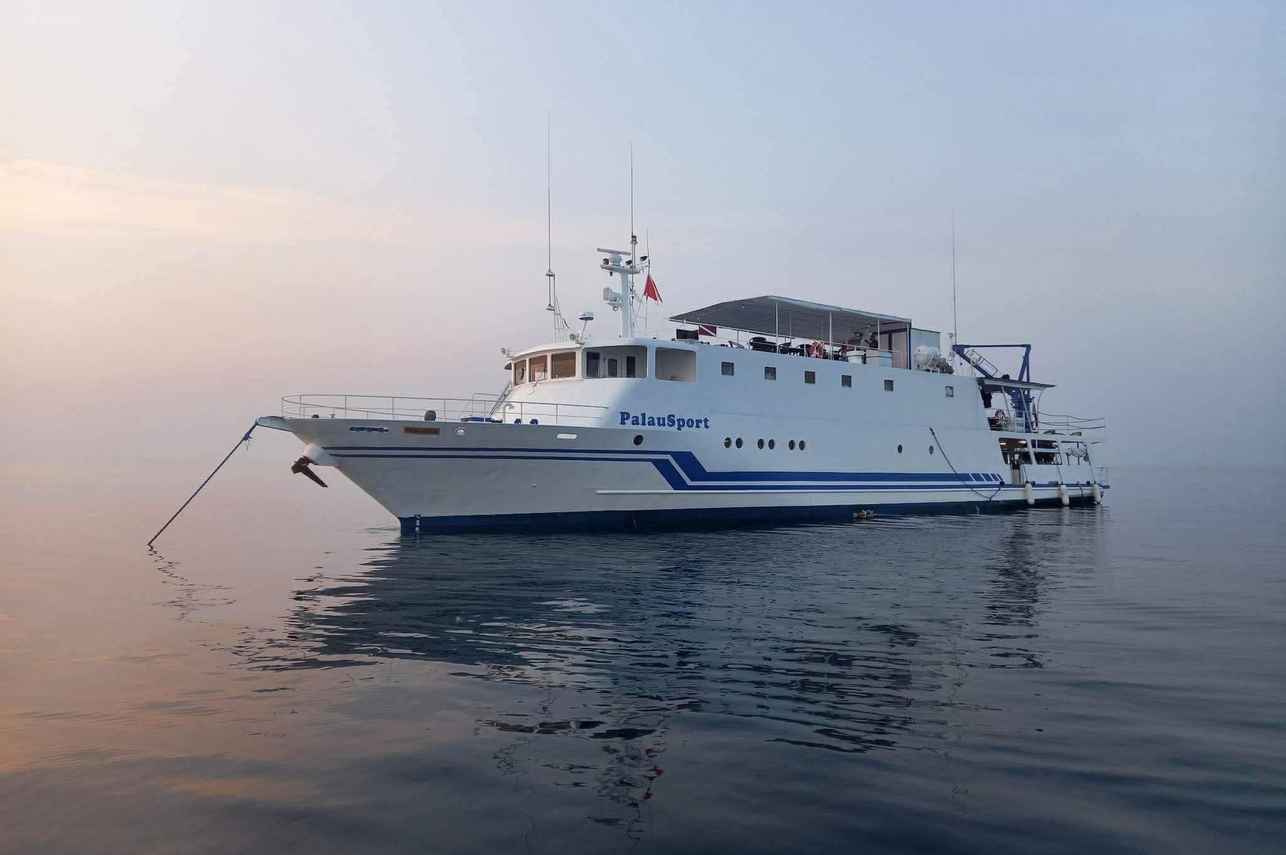
Palau Sport
Philippines
24 guests38 m
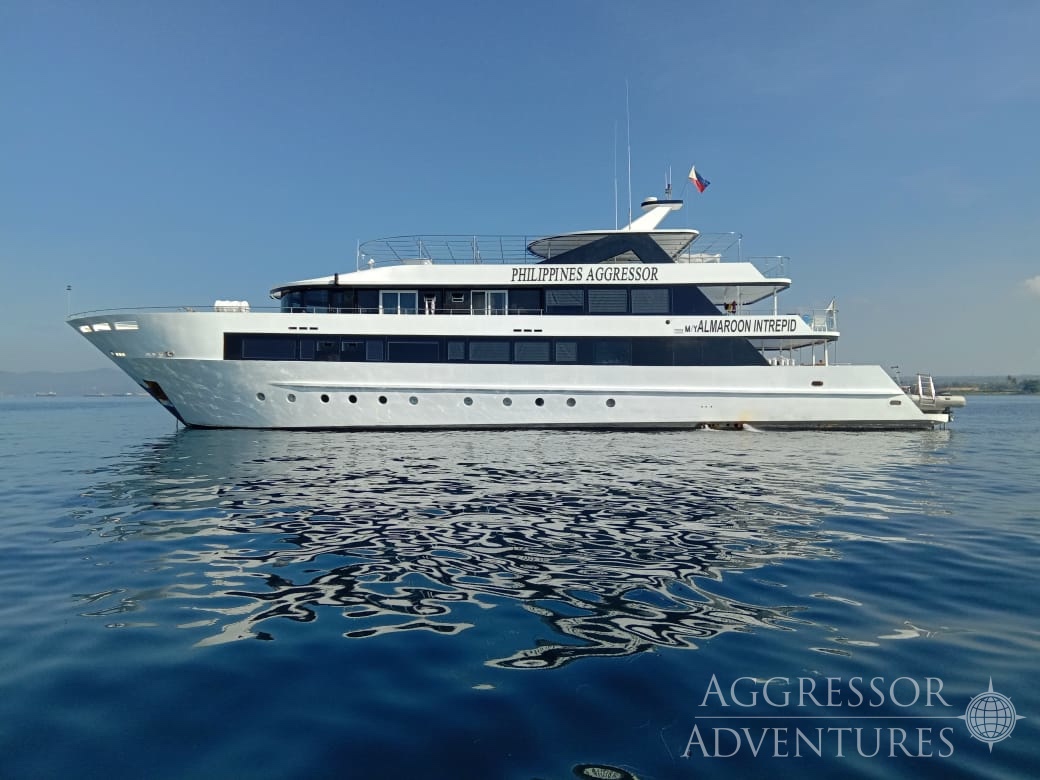
Philippines Aggressor
Philippines
26 guests43 m
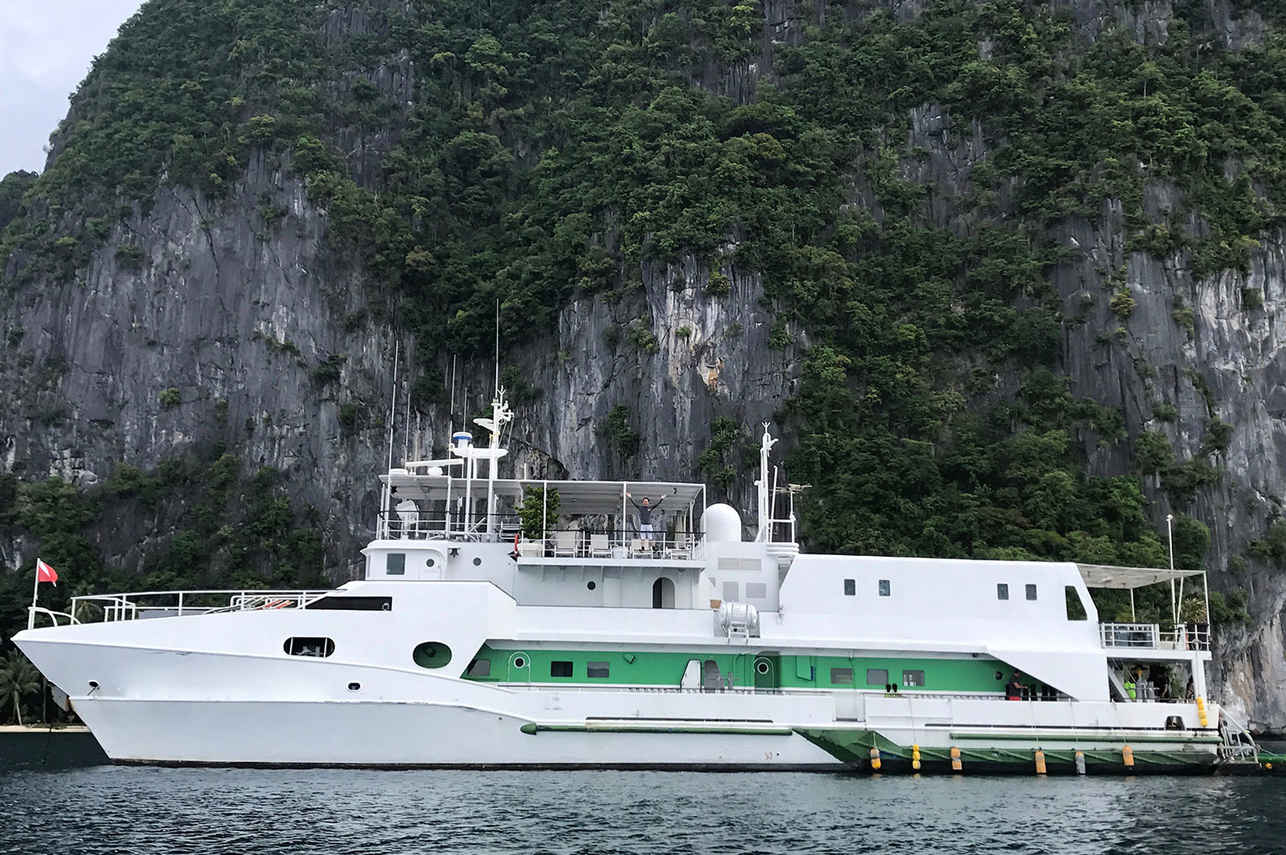
Stella Maris Explorer
Philippines
20 guests33 m
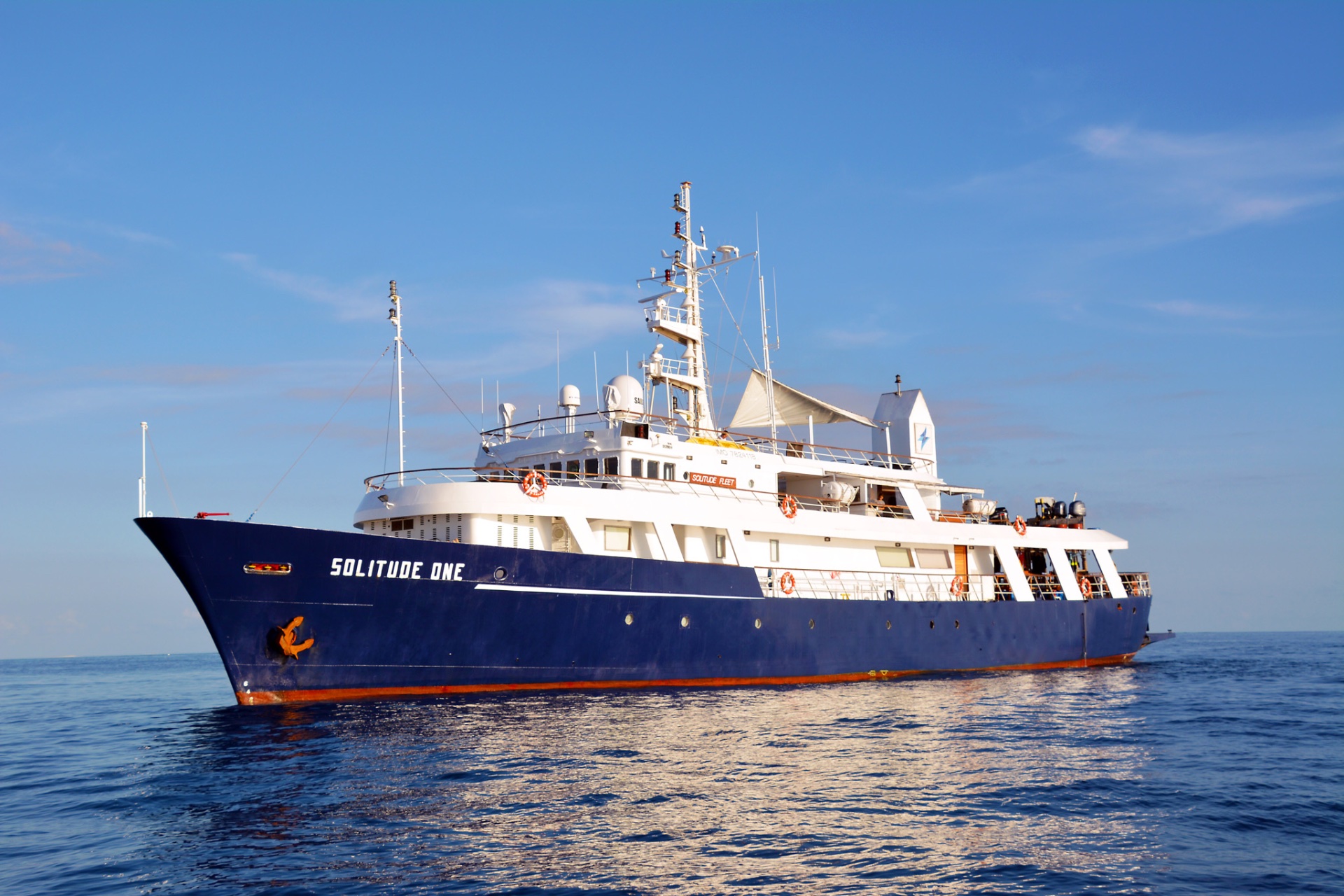
Solitude One
Philippines
24 guests52 m
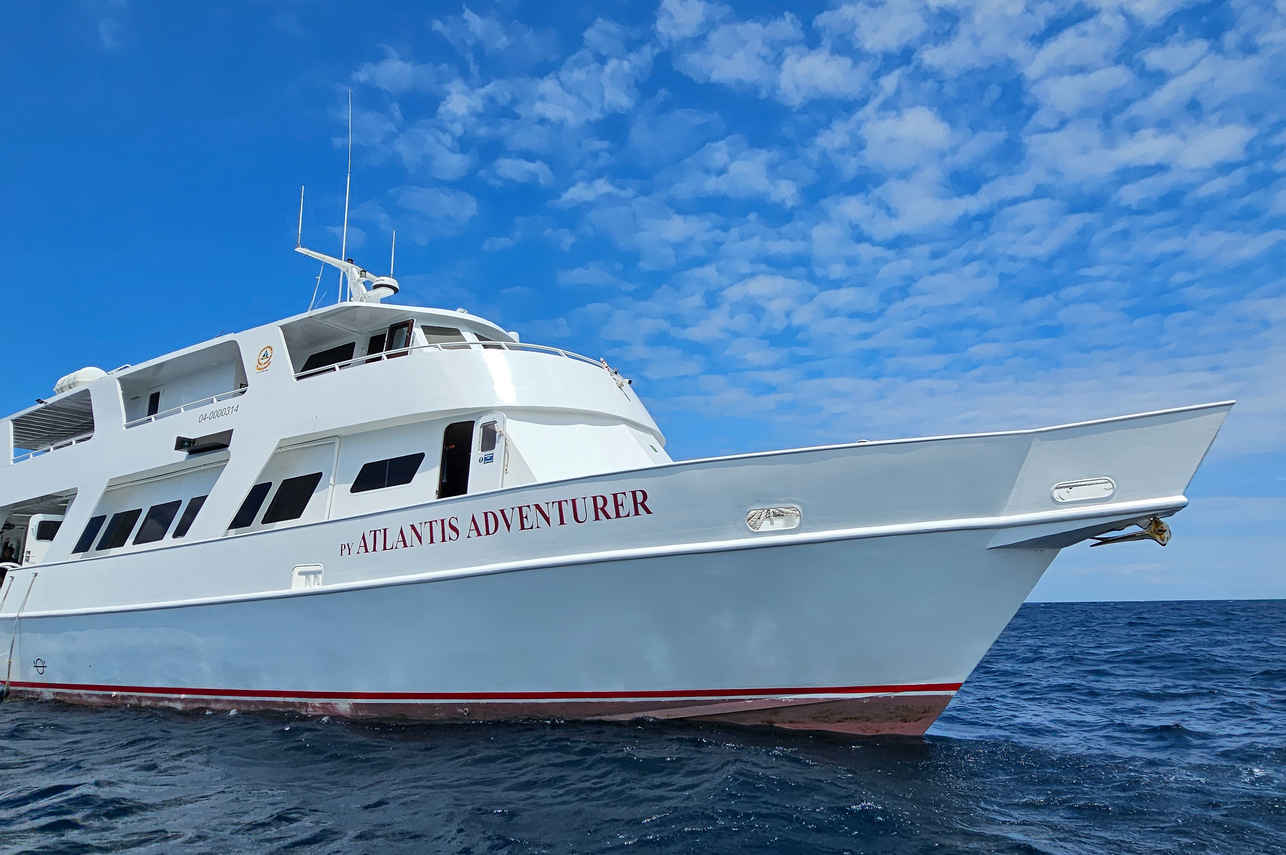
Atlantis Adventurer
Philippines
16 guests33 m
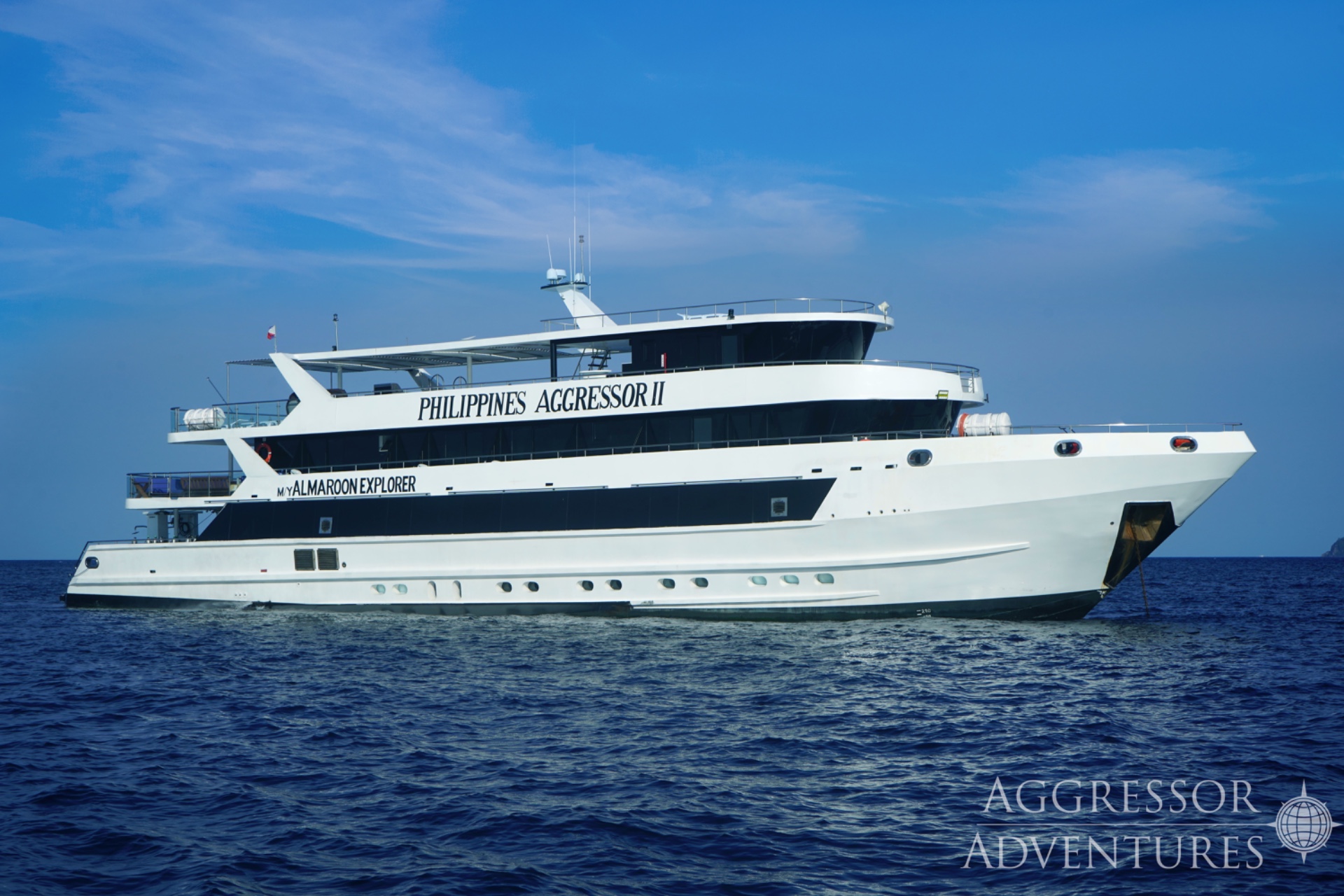
Philippines Aggressor II
Philippines
26 guests43 m
Dive sites similar to Oslob Whale Sharks
Same character, same waters — six more sites divers love for the exact same reasons.Compare seasons, access and liveaboard routes — then pick the site that fits your trip best.
Abila is a notable dive site located within the Alor Islands Marine Park, an area celebrated for its rich marine biodiversity due to its position in the Coral Triangle.
- Suitable for
- Beginner
- Current
- Mild
- Access
- Liveaboard only
- Depth
- —
- Theme
- Reef
© Esri — Maxar, Earthstar, GIS
Adonara Channel
Alor
Adonara Channel stands as one of Alor's most iconic dive sites, celebrated for its dynamic currents and exceptionally rich biodiversity.
- Suitable for
- Advanced
- Current
- Strong
- Access
- Liveaboard or dayboat
- Depth
- 10–40 m
- Theme
- Drift / Wall
© Esri — Maxar, Earthstar, GIS
Adonara Wall
Indonesia
Adonara is an Indonesian island dive site, renowned for its vibrant underwater topography characterized by submerged seamounts.
- Suitable for
- Intermediate
- Current
- Strong
- Access
- Liveaboard or dayboat
- Depth
- 5–35 m
- Theme
- Seamount / Wall
© Esri — Maxar, Earthstar, GIS
Agnay Fish Sanctuary
Philippines
Agnay Fish Sanctuary is nestled in a sheltered bay near the village of Agnay in Romblon, a province celebrated for its rich marine biodiversity.
- Suitable for
- Beginner
- Current
- Mild
- Access
- Dayboat
- Depth
- 9–18 m
- Theme
- Reef
© Esri — Maxar, Earthstar, GIS
Ai Island Reef
Banda Sea
Ai Island Reef, nestled within the Banda Sea, offers a remarkable diving experience characterized by its rich marine biodiversity and varied underwater topography.
- Suitable for
- Beginner
- Current
- Strong
- Access
- Liveaboard only
- Depth
- 3–30 m
- Theme
- Reef / Seamount
© Esri — Maxar, Earthstar, GIS
Akitsushima
Philippines
The Akitsushima is a distinguished World War II Japanese seaplane tender, sunk in September 1944 during an American air raid in Coron Bay, Palawan.
- Suitable for
- Advanced
- Current
- Strong
- Access
- Dayboat
- Depth
- 22–38 m
- Theme
- Wreck