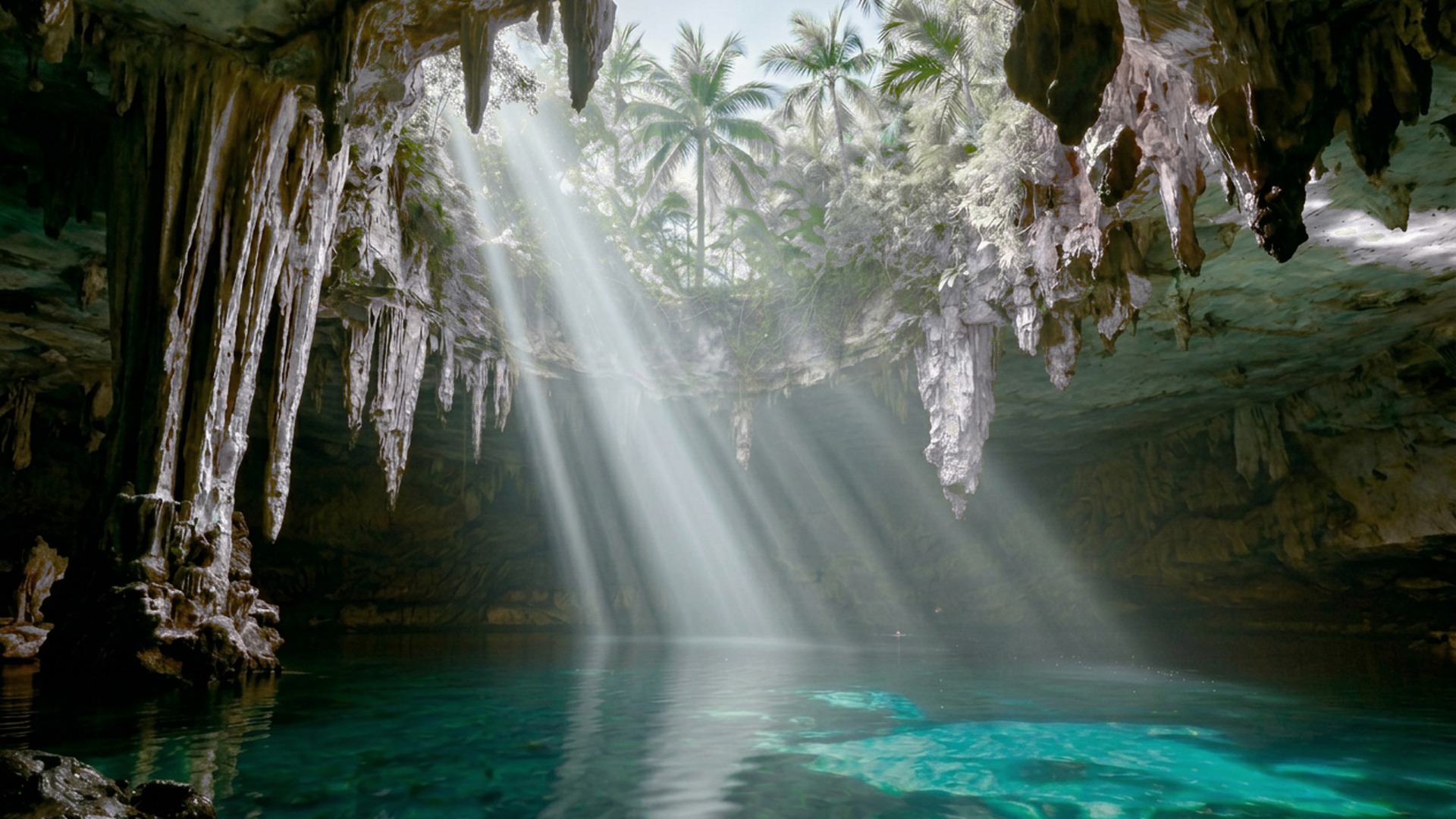
What diving with a mola mola is actually like
The first thing that registers is the size, and the second is that the shape makes no sense. A big Mola alexandrini is over two metres tall from dorsal tip to anal fin, weighs as much as a small car, and looks like a fish that stopped growing halfway through — no tail, just a rippling rudder called a clavus. It hangs almost vertically in the water column, tilts, and sculls forward with slow alternating beats of two enormous fins.
The encounter itself is quiet and slightly surreal. You drop into cold, greenish water at 20 to 30 metres, settle on a slope, and wait. When a mola arrives it does not rush past like a shark; it parks. Bannerfish and cleaner wrasse peel off the reef and swarm it, and the fish tips over, opens its mouth and holds position for anything from thirty seconds to twenty minutes.
What ends the encounter is almost always a diver. Mola are timid and bubble-shy. One person finning in for a close photograph is enough to send a two-metre fish sinking back into the blue, taking the sighting away from everyone else on the dive.
Nothing about it is dangerous. Mola have a beak of four fused teeth, eat jellyfish and salps, and have no interest in you at all. The risks on a mola dive are the cold, the depth and the current — never the animal.
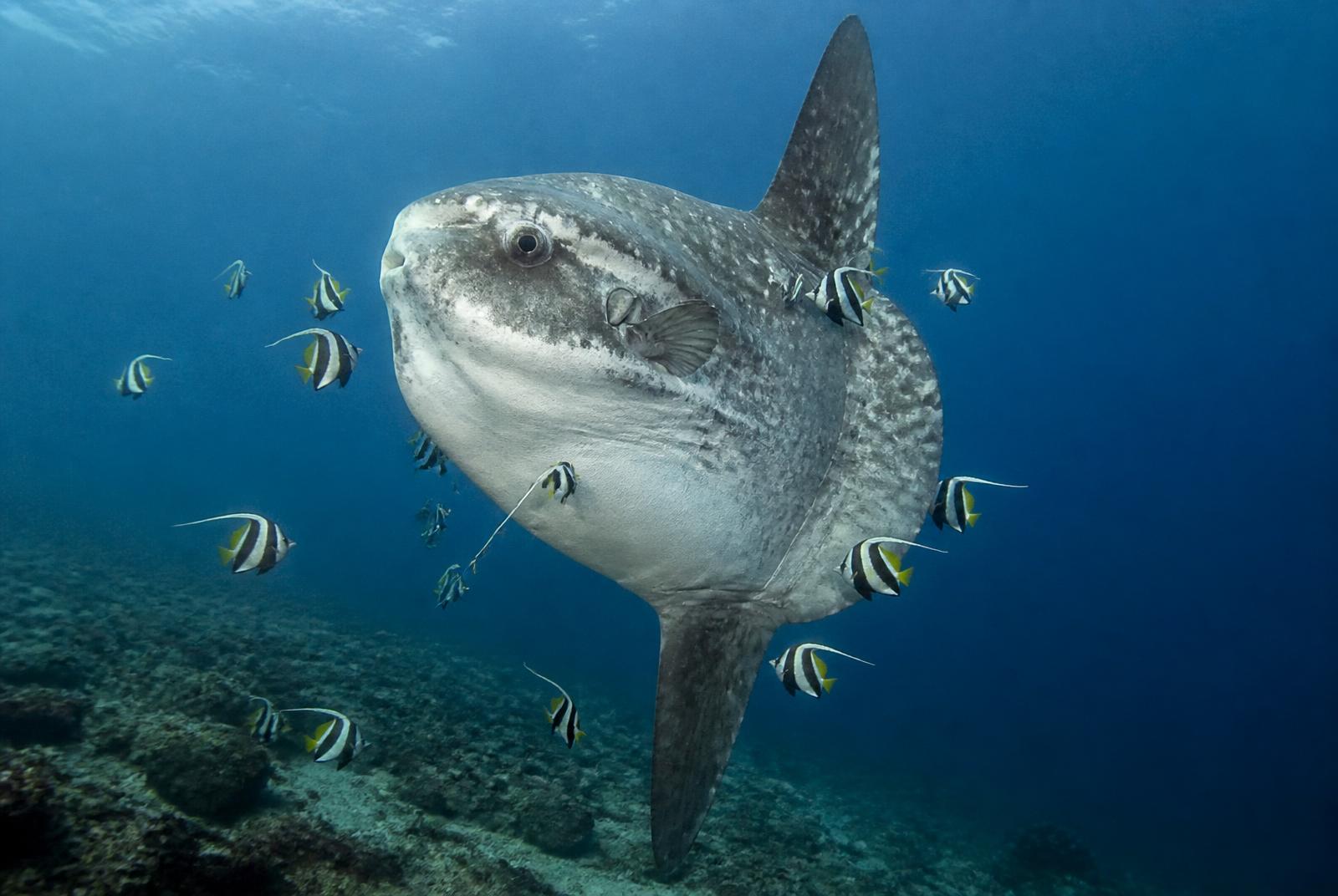
Two species, one giant: Mola mola vs Mola alexandrini
Divers use "mola mola" as a catch-all, but the giants photographed at Nusa Penida are usually the bump-head sunfish, Mola alexandrini, formally separated from Mola mola in a 2017-2018 taxonomic review. It is the heaviest bony fish ever recorded, with confirmed specimens over 2,000 kilograms.
The differences you can actually see underwater: alexandrini develops a bulge on the head and chin and a smooth, rounded clavus; Mola mola has a scalloped, wavy trailing edge with a distinct notch in the middle. A third relative, the hoodwinker sunfish Mola tecta, only turns up in cooler temperate water and is rarely seen by divers.
For trip planning the distinction barely matters — both species behave the same way, live deep, and surface for cleaning and thermal recovery. It matters for photographers, because a clean profile shot of the clavus is the single frame that identifies which species you actually saw.
Where to dive with mola mola: the destinations compared
The pattern behind the table is simple: mola follow cold water. Every reliable site sits where an upwelling or a cold current pushes deep water onto a reef, dropping the temperature by five to ten degrees and bringing the fish up into diveable depth. Warm, calm, tropical conditions and mola sightings are close to mutually exclusive.
| Destination | Best months | Water temp | Typical depth | Reliability |
|---|---|---|---|---|
| Nusa Penida & Lembongan, Bali | Jul-Nov | 18-24 °C | 20-30 m | Very high in peak season |
| Galapagos (Punta Vicente Roca) | Jun-Nov | 16-21 °C | 10-25 m | High during the cold Humboldt season |
| Azores, Portugal | Jul-Oct | 20-24 °C | Surface-20 m | Moderate, often at the surface |
| Alor & Banda Sea, Indonesia | Sep-Nov | 21-26 °C | 15-30 m | Moderate, upwelling dependent |
| Sea of Cortez, Mexico | Aug-Oct | 22-27 °C | Surface-25 m | Occasional |
Nusa Penida & Lembongan, Bali
Best months: Jul-Nov
Water temp: 18-24 °C
Typical depth: 20-30 m
Reliability: Very high in peak season
Galapagos (Punta Vicente Roca)
Best months: Jun-Nov
Water temp: 16-21 °C
Typical depth: 10-25 m
Reliability: High during the cold Humboldt season
Azores, Portugal
Best months: Jul-Oct
Water temp: 20-24 °C
Typical depth: Surface-20 m
Reliability: Moderate, often at the surface
Alor & Banda Sea, Indonesia
Best months: Sep-Nov
Water temp: 21-26 °C
Typical depth: 15-30 m
Reliability: Moderate, upwelling dependent
Sea of Cortez, Mexico
Best months: Aug-Oct
Water temp: 22-27 °C
Typical depth: Surface-25 m
Reliability: Occasional
Bali and Nusa Penida: the most reliable mola season on Earth
Nothing else comes close. Between July and November the Indonesian Throughflow drives cold water up the walls of Nusa Penida, and the cleaning stations at Crystal Bay, Blue Corner, Toyapakeh and Manta Point turn into the most consistently productive mola sites anywhere. Peak is late August through October.
The dive is not a beginner dive, and the deaths that have happened here were all current-related, not fish-related. Crystal Bay is famous for a fierce downcurrent on the outer corner; Blue Corner can accelerate without warning. Reputable operators cap group sizes, brief the downcurrent escape plan, and will cancel the site rather than push it.
Practical planning: dive with an operator that runs a maximum of four divers per guide, carry a surface marker buoy and know how to deploy it, and book at least two days on Penida rather than one. Two days is the difference between a good chance and a coin flip.
From a liveaboard perspective, the same cold season lines up with Komodo, Alor and the Banda Sea, so a September or October boat out of Bali can chase mola, mantas and the Banda hammerheads on one itinerary.
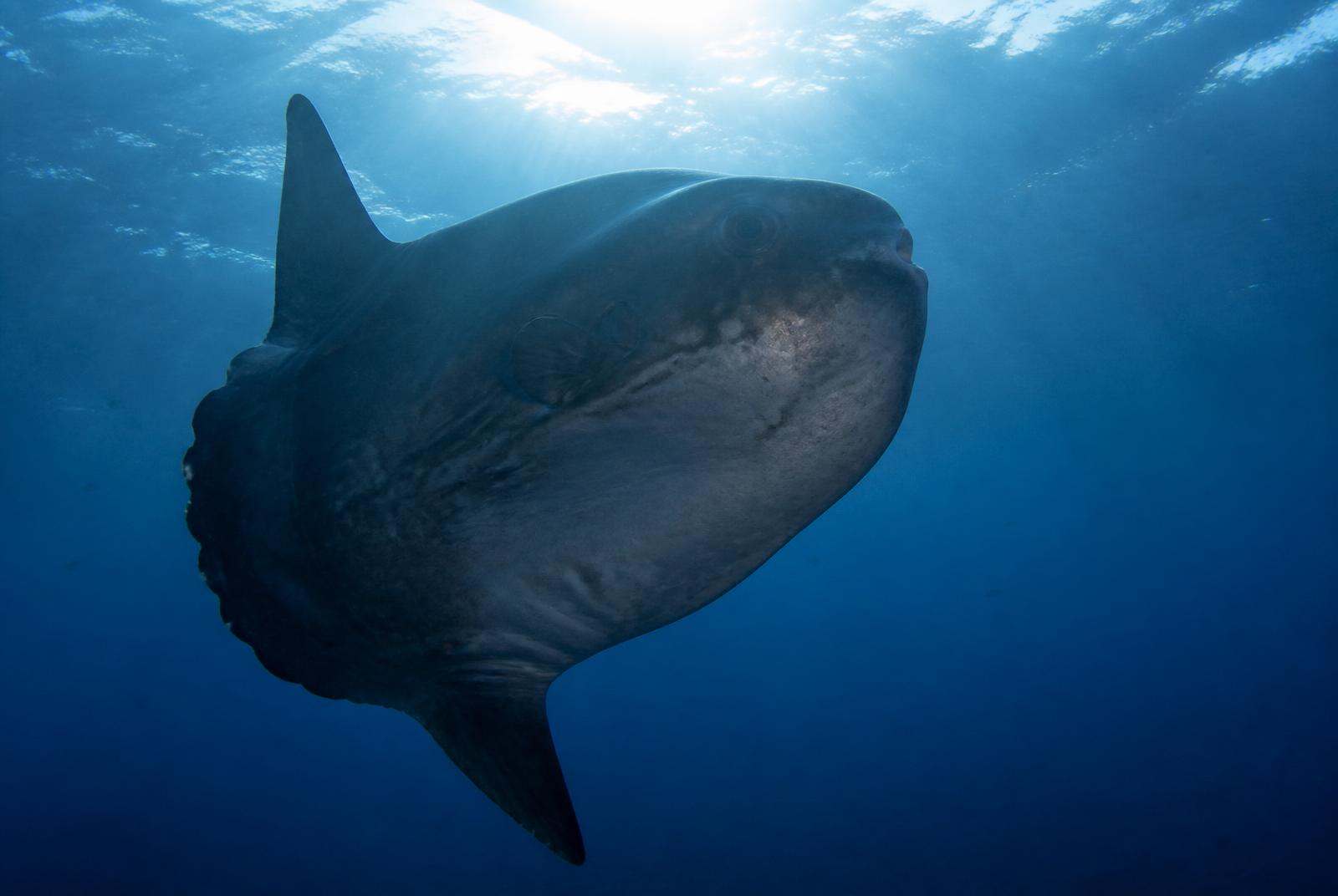
Mola diving is strictly seasonal and driven by cold upwelling. The calendar shows the months when the fish are reliably at diveable depth in each destination.
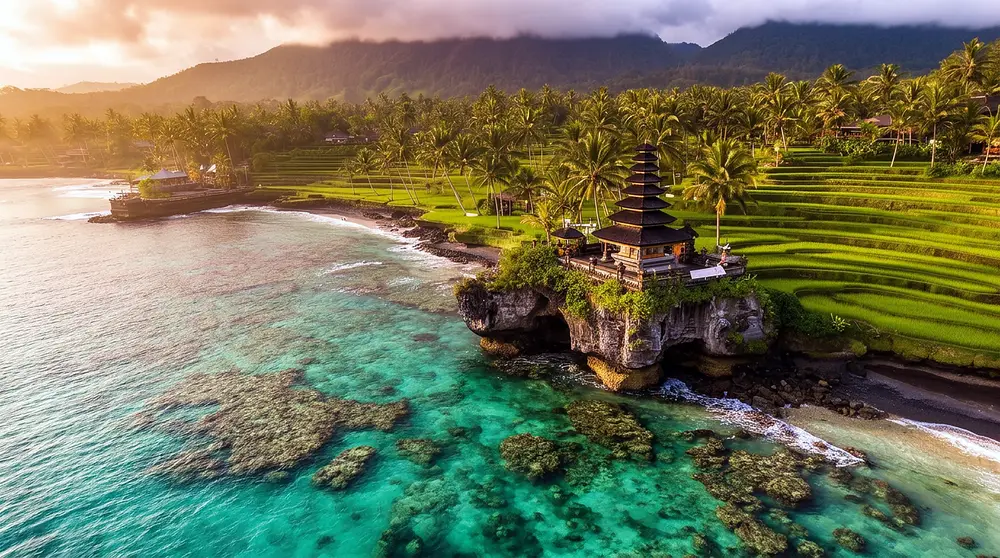
Nusa PenidaBali, Indonesia
The world's most reliable mola season; cold upwelling brings giants onto shallow cleaning stations.
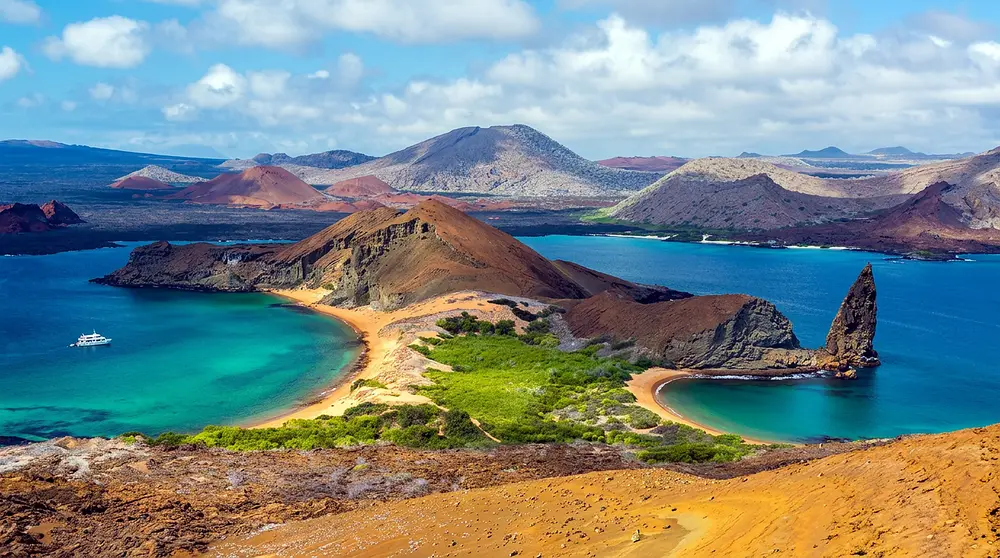
Punta Vicente RocaGalapagos
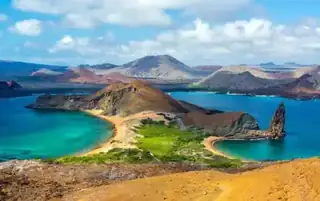
Cold Humboldt season on Isabela, with mola alongside penguins and marine iguanas.
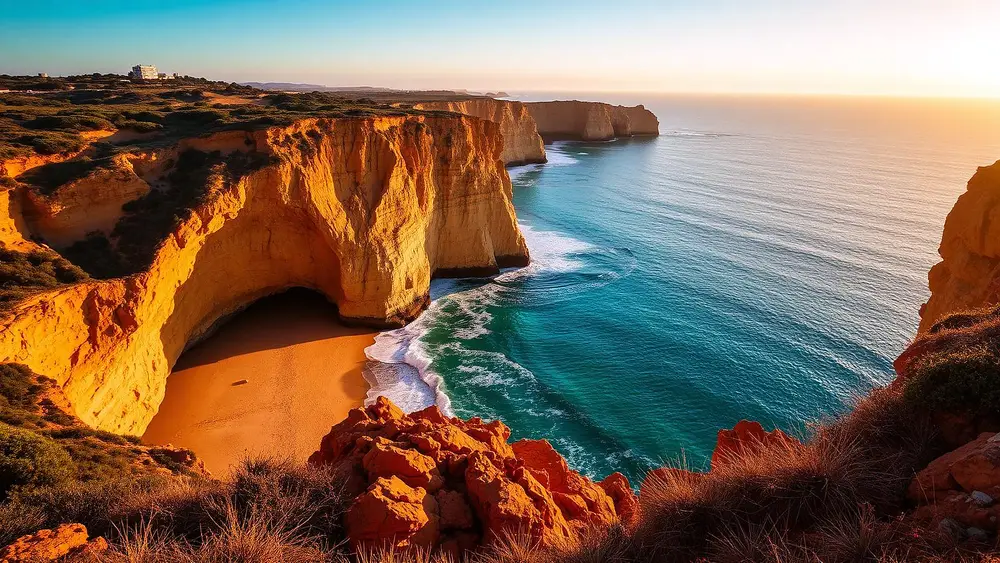
AzoresPortugal
Blue-water encounters, often with mola basking flat at the surface rather than deep.
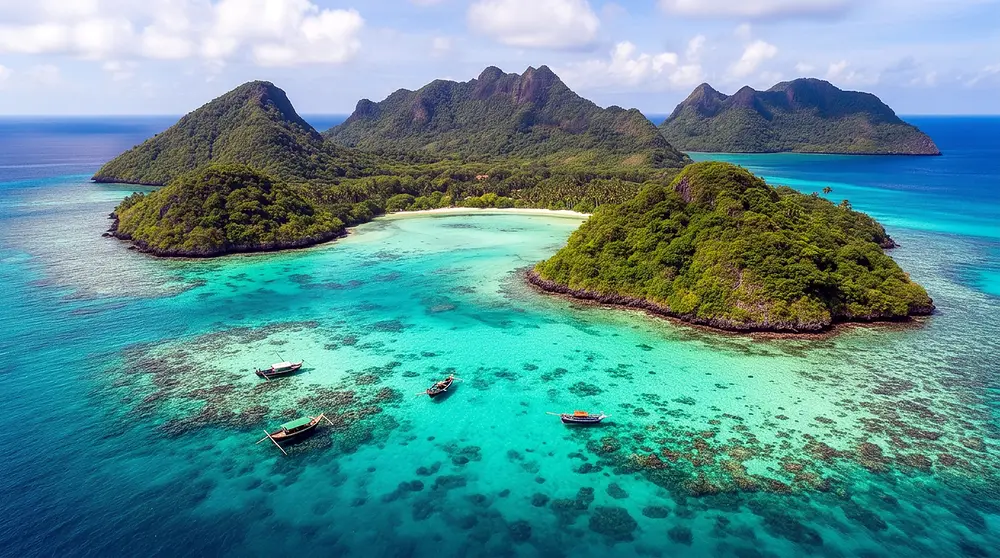
Alor & Banda SeaIndonesia
Upwelling-driven sightings on the same liveaboard routes as hammerheads and mantas.
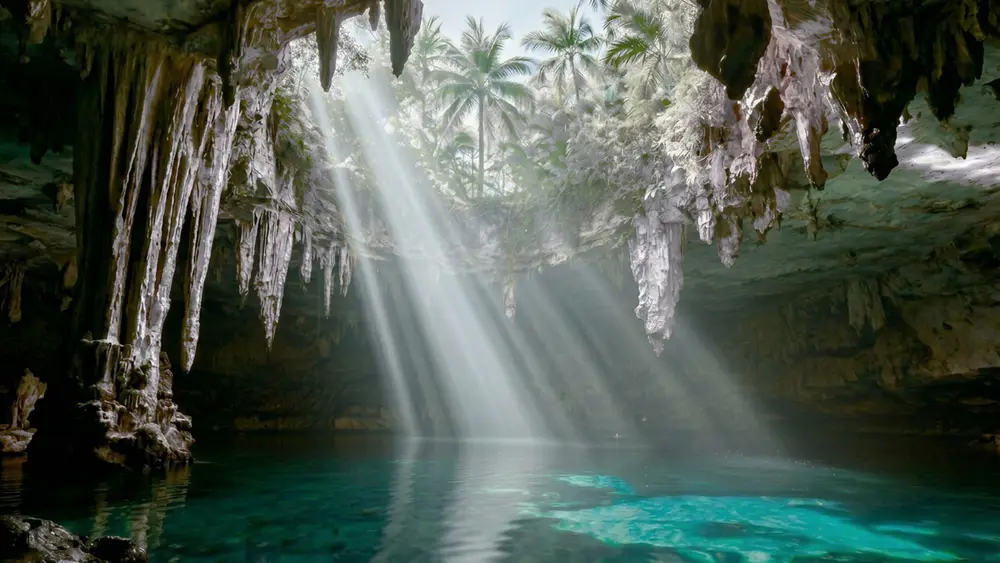
Sea of CortezMexico
Occasional surface and mid-water encounters, usually as a bonus on a Baja trip.
When to go: month by month
January to May is the off-season almost everywhere. Bali is warm and green-water free of mola, the Galapagos is in its warm season, and the Azores are too cool and rough for comfortable blue-water diving. Go for mantas instead.
June is the first shoulder month: the Galapagos cold season starts, and the first mola reports trickle in from Penida.
July to August brings the season properly online in Bali and the Azores, with cold thermoclines already appearing on Penida walls.
September to October is the peak of peaks. This is the fortnight-window most photographers book: the coldest water at Penida, the tail of the Azores season, and the start of Alor and Banda upwelling.
November is a strong closing month in Bali and the Galapagos before water temperatures climb again and the fish drop back into deep water.
Cold water and depth: what the dives are really like
Expect a thermocline you can see. On a Penida mola dive the surface can be a comfortable 27 °C and the cleaning station at 28 metres a shivering 18 °C, with the boundary visible as a shimmering, blurry layer. Divers who show up in a 3 mm shorty regularly end the dive early — and the early exit is exactly when the fish arrives.
Depth matters as much as cold. Most cleaning stations sit between 20 and 30 metres, which puts a single-tank air dive on a tight no-decompression clock. Nitrox 32 buys real bottom time and is the single best upgrade you can make to your chances.
Current is the third factor. Penida and Alor both run drift and downcurrent conditions, so a reef hook is useless (mola sites are usually soft slopes) but buoyancy control, a rehearsed downcurrent response and an SMB are not optional.
Practical setup: 5 mm full suit plus hood or a 7 mm in the coldest weeks, nitrox, a computer you can actually read at 18 °C, and gloves where local rules allow them.
Cleaning stations: why mola come shallow at all
Mola are parasite magnets. More than forty parasite species have been recorded on a single fish, which is why the animal invests so much energy in being cleaned. On tropical reefs the work is done by bannerfish, cleaner wrasse and butterflyfish; at the surface, gulls and albatrosses pick parasites off basking mola in temperate water.
Understanding the transaction tells you how to behave. The fish is not there to see divers; it is there for a service that takes time. It will tilt, present a flank, hold still and often go visibly torpid. Any disturbance that scatters the cleaner fish also ends the service, and the mola leaves.
That is why every experienced guide gives the same brief: stay low, stay back, keep the station between you and the open water, and let the fish decide the distance.
Etiquette: the rules that keep the fish at the station
- Stay at least 3 metres away and never position yourself between the mola and open water.
- Never swim above it. Bubbles from directly overhead are the fastest way to end a sighting.
- Do not chase. A mola that leaves the station rarely comes back on that dive.
- No touching, no flash close-ups — the skin carries a thick mucus layer that protects against parasites and infection.
- Keep the group compact and let everyone see it; guides who ration approach time in pairs get the longest encounters.
- Stay negatively trimmed and off the reef; cleaning-station corals are what keep the cleaner fish there.
Certification and experience you need
Most operators in Bali will not take you to Crystal Bay or Blue Corner in mola season without an Advanced Open Water certification and a logged history of drift diving; some ask for 30 to 50 logged dives. That is not upselling — it is a response to real accidents on those sites.
The skills that matter are hovering motionless at 28 metres in cold water, deploying an SMB from depth, and following a guide's downcurrent instructions immediately. If any of those feel uncertain, book two easy check-out dives in Padangbai or Tulamben first; every good Bali operator offers exactly that.
Nitrox certification is worth having before you fly. So is a refresher if your last dive was more than a year ago, because the mola dive is not the place to remember how your gear works.
Photographing mola mola
Wide angle, no exceptions. A fish this size at three metres range needs a fisheye or a 16-24 mm equivalent; a wet wide lens on a compact works fine. Anything narrower and you will bring home portraits of a grey wall.
Turn strobes down or off. Cold-water mola dives are dim and green, and the temptation is to blast light, but heavy flash at close range spooks the fish and lights the particulate between you and it. Ambient light with a slight blue-water white balance, shot slightly upward, gives the cleaner picture.
Shoot the profile, not the face. The identifying frame is a side-on shot showing the full disc and the clavus. Include a cleaner fish or two for scale and story, and if a diver is in the frame, put them well behind the animal.
Settings that work as a starting point: 1/125 s, f/6.3, ISO 640-1000 at 25 metres in Penida conditions, adjusting ISO rather than aperture as you drop below the thermocline.
What to pack
- 5 mm full wetsuit plus hood and vest — the single most important item; 7 mm if you feel the cold.
- Nitrox certification and a nitrox-capable computer for 25-30 m repetitive dives.
- Surface marker buoy and reel, plus the practised ability to deploy from depth.
- Wide-angle camera setup — fisheye or wet wide lens.
- Audible or visual signalling device for drift pickups.
- Windproof layer and warm drink for surface intervals on open Penida boats.
What it costs
Day trips from Bali run roughly USD 100-160 for a two-tank Penida day with a reputable small-group operator, plus a Nusa Penida marine park fee. Cheap USD 60 trips exist and are exactly where the crowding and safety problems are.
Liveaboards covering Bali, Komodo, Alor and the Banda Sea in the cold season sit in the USD 250-450 per day bracket depending on the vessel, which usually includes all diving, nitrox on the better boats, and access to sites day boats cannot reach.
Galapagos liveaboards are the expensive end at roughly USD 550-900 per day for eight days, but mola come as part of a package with hammerheads, whale sharks and penguins.
Azores day boats are around EUR 90-140 for a two-tank blue-water day, with mola one of several possible pelagic encounters rather than the guaranteed target.
Liveaboard or day boat?
For mola alone, Bali day boats do the job: Penida is 40 minutes from Sanur and the cleaning stations are day-trip accessible. If mola is the only thing you want, three days from a Sanur base is the cheapest reliable plan.
A liveaboard changes the maths when you want the rest of the cold season with it. September to November boats running Komodo, Alor and the Banda Sea dive sites no day boat reaches, cover upwelling reefs where mola turn up as a bonus, and put you on hammerhead and manta aggregations in the same week.
The compromise that works well: two or three days on Penida from Bali at the start of the trip, then join a boat heading east. You bank the reliable mola dives first and treat everything after as upside.
Conservation: how threatened are mola?
The IUCN lists Mola mola as Vulnerable. The main pressure is bycatch: sunfish are caught in enormous numbers in drift-net and longline fisheries, and in some Mediterranean swordfish fisheries mola have made up a substantial share of the total catch. Plastic is the second threat — floating bags look exactly like the jellyfish they feed on.
Dive tourism is one of the few forces working the other way. The Nusa Penida Marine Protected Area exists in large part because mola and manta diving made a living reef worth more than a fished one, and park fees fund the patrols and mooring buoys.
What you can do is narrow but real: dive with operators who enforce the distance rules, pay the park fee without grumbling, report tagged or injured fish to local research groups, and refuse trips that promise guaranteed close-up encounters.