Portugal Liveaboard Diving

Liveaboards in Portugal

from $433 / day

1 of 1 · Portugal liveaboard routes, seasons & prices

Water And Wind

Explore the Azores' underwater marvels aboard an intimate and comfortable catamaran.

  • En-Suite bathrooms
  • Warm Water Showers
  • Free Internet

4.8(27 reviews)

8 guestsfrom $433/day

Diving in the Atlantic: wrecks, walls and blue sharks

Beyond the Mediterranean's calm lies Europe's untamed Atlantic frontier. This is a region of dramatic contrasts, from rugged mainland coastlines to the deep blue volcanic pinnacles of the Azores archipelago. A Portugal liveaboard provides the ultimate platform for this exploration, granting access to remote offshore seamounts and isolated islands that are simply out of reach for day boats. It’s an expedition designed to immerse you in a wilder, more dynamic side of European diving, where the focus is on powerful pelagic encounters and pristine, nutrient-rich waters.

The Azores are the undisputed crown jewel of Portugal diving, and a journey here is a true pelagic pilgrimage. The legendary Princess Alice Bank, an offshore seamount rising from the abyss, is consistently ranked among the best dive sites Portugal has to offer. Here, divers can be surrounded by huge schools of mobula rays, shadowed by curious blue sharks, and graced by the presence of oceanic manta rays. The deep channels are also a known haunt for sperm whales. For a different experience, the mainland's Berlengas Islands nature reserve presents dramatic granite walls, intriguing swim-throughs, and a surprising density of marine life in its protected, clear waters.

To witness this Atlantic spectacle at its peak, the prime season runs from July through early October. During these summer and early autumn months, the Gulf Stream pushes in warmer water, with surface temperatures typically ranging from 22-25°C, and delivers the best visibility of the year. This window offers the most reliable conditions for accessing the exposed offshore sites of the Azores and maximizes your chances for the sought-after encounters with the region's famous megafauna.

A Portugal liveaboard is best suited for the intermediate to advanced diver with a spirit of adventure. The nature of diving in the open Atlantic—often involving blue water descents, drift diving, and potential for strong currents—demands a solid level of comfort and experience. This is a destination for those who trade calm, shallow reefs for the thrill of raw, powerful encounters at the edge of the continental shelf, seeking to witness the ocean's giants in their natural, untamed element.

Why dive a liveaboard in Portugal

From legendary wrecks and thriving reefs to close-up encounters with iconic marine life, this destination offers the experiences divers dream about. Warm, clear waters and well-organized liveaboard routes make it easy to explore the best sites. These are the highlights that keep divers coming back year after year.

Blue shark diving

World-famous Azores blue shark encounters

Atlantic biodiversity

Unique mix of tropical and temperate species

Sea caves & grottos

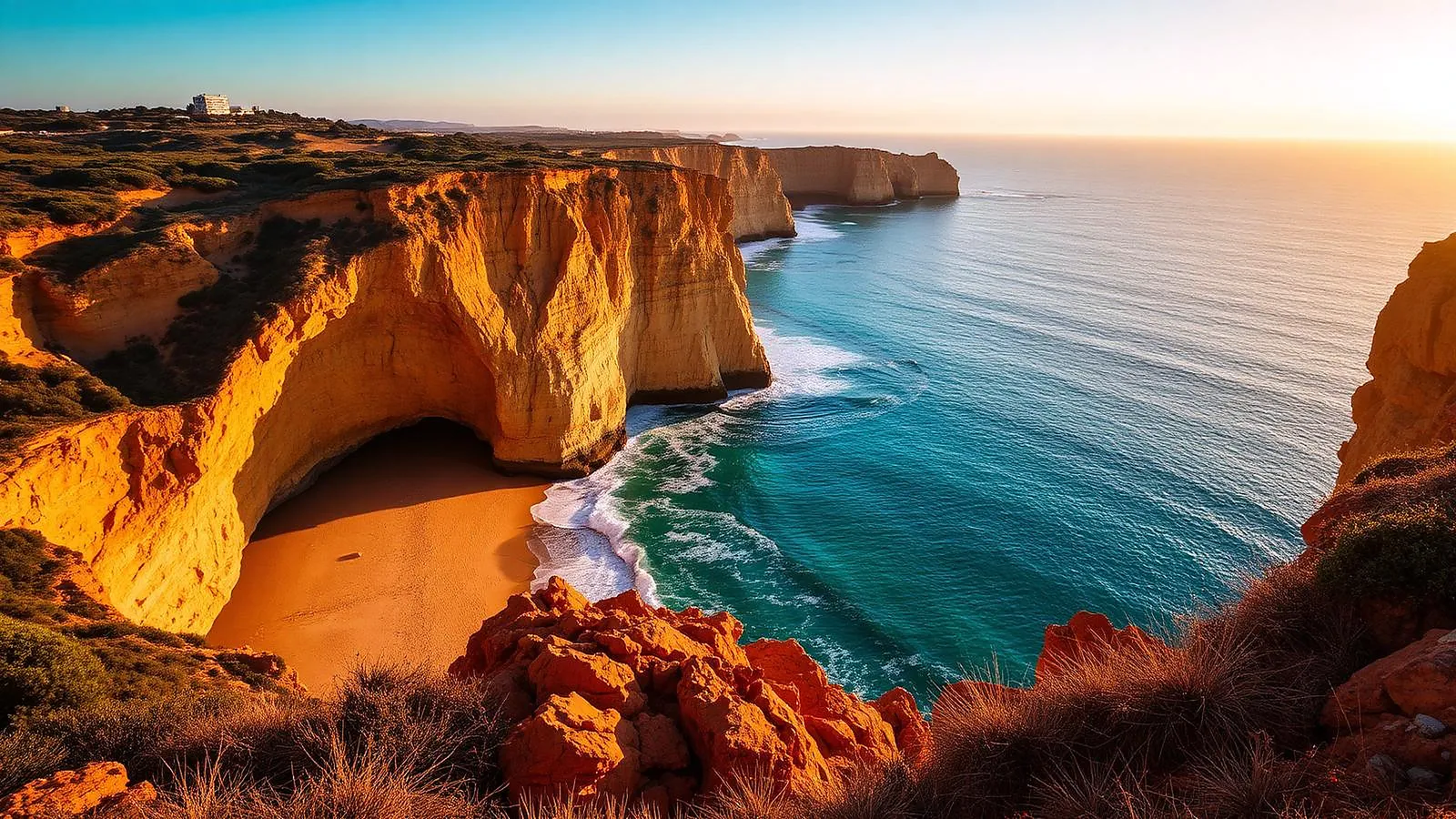
Dramatic Algarve underwater formations

Historic wrecks

Centuries of maritime history underwater

Who a liveaboard in the Atlantic suits — and who it doesn't

Atlantic diving with cooler water: the Azores for pelagic seamounts, Madeira and the mainland for wrecks and reefs.

Beginners

Open Water, from about 20 dives, sheltered coast

Coastal sites in the Algarve and Madeira’s Garajáu marine reserve are shallow and manageable, with 5 to 7 mm suits for water around 16 to 23 °C.

Matching areas:AlgarveGarajáuSão Miguel coast

Advanced divers

Advanced, offshore seamounts and swell

Princess Alice Bank and Ambrosio Bank in the Azores are hours offshore with blue-water hangs for mobula rays and sharks.

Matching areas:Princess Alice BankAmbrosio BankFormigas

Deep and technical

Deep, Nitrox, wreck penetration

The scuttled frigate Ocean Revival group off Portimão lies at roughly 20 to 32 metres and is a purpose-built technical training park; Azorean banks drop into open ocean.

Matching areas:Ocean RevivalPrincess Alice BankMadeira wrecks

Photo and video

Wide-angle, seasonal blue water

Blue sharks and mobulas in the Azores roughly June to October, dusky groupers at Garajáu, and the Ocean Revival hulls in good Atlantic visibility.

Matching areas:AzoresGarajáuOcean Revival

Best time to dive in Portugal

The prime season for a Portugal liveaboard is a short window from June to October, when sea conditions are most reliable for reaching exposed offshore sites. During these months, the Gulf Stream brings warmer water, with temperatures ranging from 22-25°C, and delivers the year's best visibility. Outside this summer period, weather and sea states in the open Atlantic generally limit liveaboard operations in the Azores.

👆 Click any month for detailed conditions
Excellent
Good
Off-Season

Jul – Oct (Summer/Autumn)

Best visibility 20–30m, warmest water 21–24°C. Blue sharks, mobula rays, whale sharks. Peak pelagic season at offshore sites.

Apr – Jun & Nov (Shoulder)

Improving/declining conditions. Water cooling but still diveable. Fewer pelagics but good reef life.

Dec – Mar (Winter)

Cold water 16–18°C, rough Atlantic swells, reduced visibility. Limited dive operations. Only for experienced cold-water divers.

Underwater visibility

27m
(89ft)
18m
(57ft)
8m
(26ft)
Jan
Feb
Mar
Apr
May
Jun
Jul
Aug
Sep
Oct
Nov
Dec

Air & water temperature

30°C 21°C 12°C
15°
15°
14°
16°
15°
18°
16°
20°
17°
22°
19°
25°
21°
28°
22°
28°
21°
26°
19°
22°
17°
18°
16°
15°
Jan
Feb
Mar
Apr
May
Jun
Jul
Aug
Sep
Oct
Nov
Dec
Water
Air (Day)

Recommended wetsuit

7mm
7mm
7mm
7mm
7mm
7mm
5mm
5mm
5mm
7mm
7mm
7mm
Jan
Feb
Mar
Apr
May
Jun
Jul
Aug
Sep
Oct
Nov
Dec
5mm (moderate)
7mm (cold)
Wetsuit Guide

What you'll see diving in the Atlantic

Diving in the Azores is a pelagic pilgrimage, with a cast of seasonal giants and charismatic residents. From June to October, the deep blue waters host elegant blue sharks, oceanic manta rays, and huge schools of mobula rays. These encounters are complemented by the chance to see resident sperm whales in the deep channels, large dusky groupers at sites like Caneiro dos Meros, and schools of barracuda on the seamounts.

When to See What

Use this calendar as a guide: the highlighted months show when your chances are usually best. Wildlife follows its own rhythm, so sightings are never guaranteed — but we hope this makes planning a little easier. The Azores pelagic season has a distinct rhythm, with the best chances for open-water blue shark encounters occurring from June to July. Later in the summer, from August through October, the offshore seamounts become aggregation points for oceanic manta rays and massive schools of mobula rays.

Species
Jan
Feb
Mar
Apr
May
Jun
Jul
Aug
Sep
Oct
Nov
Dec
Blue Shark
Blue Shark
Oceanic Manta Ray
Oceanic Manta Ray
Mola Mola
Mola Mola
Mobula Ray
Mobula Ray
Sperm Whale
Sperm Whale
Spiny Dogfish
Spiny Dogfish
Remora
Remora
Salema
Salema
Sardine
Sardine
Sea Hare
Sea Hare
Sea Slug
Sea Slug
Skate
Skate
Blackbelly Rosefish
Blackbelly Rosefish
Coris
Coris
Giant Limpet
Giant Limpet
Peak Season
Present
Rare/Absent

Princess Alice Bank and Ocean Revival Park: the best dive sites in Portugal

Portugal’s signature dive sites are remote offshore pinnacles in the Azores, only accessible by a liveaboard or long boat journey. Legendary seamounts like Princess Alice Bank and Baixa do Ambrósio rise from the abyss far from land, acting as magnets for sharks and rays. On the mainland, the Berlengas Islands offer dramatic granite walls, while the Ocean Revival Park provides a unique purpose-built wreck diving experience off the Algarve coast.

1

Dago

WreckIntermediate
39.9140°, -9.0060°

The SS Dago, a British merchant vessel, lies off the coast of Peniche, Portugal, approximately four miles southwest. This historic shipwreck is a casualty of World War II, having been sunk on March 15, 1942, by a German Focke-Wulf FW 200 Condor bomber. Its significant historical context as a war-effort merchant ship makes it a notable dive site in the region. The Dago project, focusing on this specific wreck, was active from 2005 to 2012, indicating a period of dedicated exploration and study. While the sources do not provide details on the wreck's current topography, such as depth bands or specific features, its historical significance and the research conducted suggest it holds interesting structures for divers to explore. Information regarding specific marine life, seasonality, or likelihood of encounters at the Dago site is not detailed in the provided sources. However, as an Atlantic dive site, it would generally host cold-water species typical of the Portuguese coast. The sources do not specify the practical diving experience for the Dago, including typical current conditions, entry methods, or recommended diver certification levels. The mention of the 'Dago project' being 'extended, in operational terms, until 2012' suggests it is a known and accessible site, but further operational details are absent.

WWII British merchant vesselSunk by German bomberPeniche coast history
2

Pedra da Nau

Beginner
418m / 1359ftBest: The best time to dive Pedra da Nau is…38.6910°, -9.4417°

Pedra da Nau is a notable dive site situated in a protected bay near Cascais, easily accessible with a short boat ride from shore or even by land. It features a unique underwater landscape defined by prominent rock formations and intriguing cutouts. The site's shallow depths and generally calm conditions make it an excellent location for divers across all experience levels, from beginners to more seasoned enthusiasts. It is located more or less in front of the Hotel Villa Italia, in a small bay known as Ínsuas or Princess, close to the Santa Marta lighthouse. The topography primarily consists of sand flats with scattered rocks, transitioning into a denser arrangement of large rocks as you approach Pedra da Nau itself. These formations create natural paths, numerous holes, and cracks that provide shelter for various marine species. Further south-southeast, a vast rocky mountain range extends, offering diverse seabed characteristics, from rugged and irregular sections with cuts and channels to more constant, less rugged areas, ensuring visual variety for divers. Marine life at Pedra da Nau is surprisingly varied and consistently present. You can frequently observe schools of seabreams and wrasses navigating the rock formations. Octopuses and cuttlefish utilize the rock crevices as hiding spots, making them common sightings. On occasion, an undulate ray might be spotted, adding to the site's appeal. These encounters, combined with the interesting topography, ensure a rewarding experience every time. This site is an excellent choice for diving throughout the year, particularly during spring and summer when lower swells contribute to optimal conditions. Its consistent marine encounters and engaging topography make it appealing for underwater photography and even night dives. The site's suitability extends to snorkelers and freedivers, who can also enjoy the clear, shallow waters and ample observation opportunities.

Protected bay environmentUnique rock cutoutsAbundant wrasses and seabreamsFrequent octopus and cuttlefishShallow, calm watersDiverse rock formationsBeginner-friendly depthsAccessible by land or boat
3

Silveira

Beginner
215m / 749ftBest: April–October37.7192°, -15.2517°

Silveira is a welcoming beginner-friendly dive site located off Terceira Island in the Azores archipelago, Portugal. Situated on the mid-Atlantic Ridge, the Azores offer a unique diving experience defined by ancient volcanic basalt landscapes, and Silveira exemplifies this character with its impressive walls, ledges, and small overhangs at accessible depths. The topography consists of volcanic basalt formations, irregularly shaped by centuries of oceanic activity, providing a rich habitat. These structures are colonized by marine life specific to the Atlantic, differing notably from Mediterranean or tropical Atlantic environments due to the islands' mid-ocean location and the influence of both warm southern and cool northern water masses. Divers frequently encounter almaco and amberjack, large schools of salema, and abundant Azorean chromis in the water column. Moray eels inhabit the many rock crevices, while colorful sponges, anemones, and bryozoans encrust the basalt, creating a vibrant ecosystem. Although the Azores are known for large pelagics, Silveira often hosts common octopuses and even parrotfish, which appear here at the edge of their Atlantic range, adding a subtropical touch to the temperate assemblage. The site offers outstanding value for divers seeking genuine adventure in pristine, wild Atlantic waters. Water temperatures range from 16°C in winter to 24°C in summer, necessitating appropriate wetsuit thickness. Generally, conditions are favorable with typically mild currents and good to exceptional visibility, making it an excellent introduction to Azorean diving.
Volcanic basalt formationsBeginner-friendly depthsAzorean chromis schoolsAlmaco and amberjackMoray eels in crevicesColorful encrusting lifeCommon octopus sightingsClear Atlantic waters
4
516m / 1652ftBest: June–July, August37.6732°, -15.1907°

Cinco Ribeiras is situated on the western coast of Terceira Island in the Azores, named after a nearby village. This site provides an ideal introduction to Azorean diving, offering calm conditions and manageable depths suitable for newly certified divers while showcasing the archipelago's characteristic volcanic underwater landscape. It's a blend of subtropical Atlantic and cooler temperate marine life, creating a unique ecosystem. The underwater topography features volcanic basalt formations extending from coastal cliffs, with boulder fields, sand channels, and biologically rich lower-profile volcanic rock. Divers can explore intricate lava caves, arches, and tunnels formed by ancient volcanic activity. Depths typically range between 5 and 16 meters, making the main reef structure accessible and well-lit. While invertebrate life like vivid sponges, serpulid worms, and various nudibranchs cover the basalt, fish species include ornate wrasse, bream, sea bass, and moray eels in crevices. Schools of Atlantic chub mackerel and salema are seen in deeper waters. Beyond the resident marine life, the Azores' open Atlantic position brings the potential for pelagic encounters like blue sharks, loggerhead turtles, or bottlenose dolphins, adding an element of excitement to every dive. Entry is often straightforward from the shore, sometimes via a natural swimming pool. The site offers both excellent shallow coastal exploration for snorkelers and less experienced divers, and more challenging cavern penetrations requiring specialized training, such as the "shrimp cave" and "Cavaco swim-through." It combines natural marvels with the subtle historical remnants of a shipwreck, including a scattered boiler from the Union which sank in 1911.

Volcanic basalt formationsLava caves and archesShore entry accessibilityBeginner-friendly conditionsUnique Atlantic marine lifePotential pelagic encountersHistorical shipwreck remnantsIntricate cavern systems

Bucket-list dives worth booking early

A diving trip to Portugal is defined by its powerful Atlantic encounters, especially in the Azores. The ultimate bucket-list experiences include swimming with sleek blue sharks in the deep blue open ocean and witnessing the spectacular seasonal migration of mobula rays. The chance to observe resident sperm whale families in the deep channels near São Miguel completes this trifecta of world-class megafauna encounters.

Underwater view of the dive site Azores Blue Shark Diving in Portugal
1
June – October

Azores

Dive in open ocean with elegant blue sharks circling in the deep Atlantic blue – the Azores offers Europe's premier pelagic shark diving experience.

Read more
Underwater view of the dive site Mobula Ray Migration in Portugal
2
July – September

Azores

Witness massive schools of mobula rays sweeping through the Azorean waters during their seasonal migration, creating breathtaking underwater spectacles.

Read more
Underwater view of the dive site Sperm Whale Encounters in Portugal
3
April – October

São Miguel

Observe resident sperm whale families off the Azores coast, the only place in the Atlantic where these deep-diving giants can be reliably encountered year-round.

Read more

Above water: climate, shore trips and extra costs

Beyond the dive deck, the Azores offer dramatic volcanic landscapes to explore between or after your dives. You can visit the stark, lunar-like terrain of the Capelinhos volcano on Faial island or hike to the iconic twin lakes of Sete Cidades on São Miguel. For relaxation, the natural volcanic hot springs on Terceira island provide a perfect way to warm up after a day in the cool Atlantic.

Azores Whale Watching

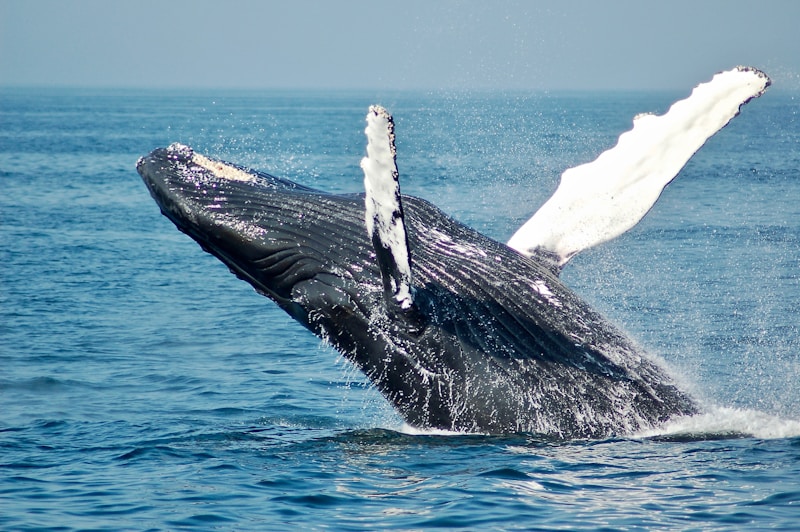
Azores Whale Watching

The Azores are Europe's top whale watching destination with sperm whales resident year-round and 28 cetacean species recorded.

Benagil Sea Cave

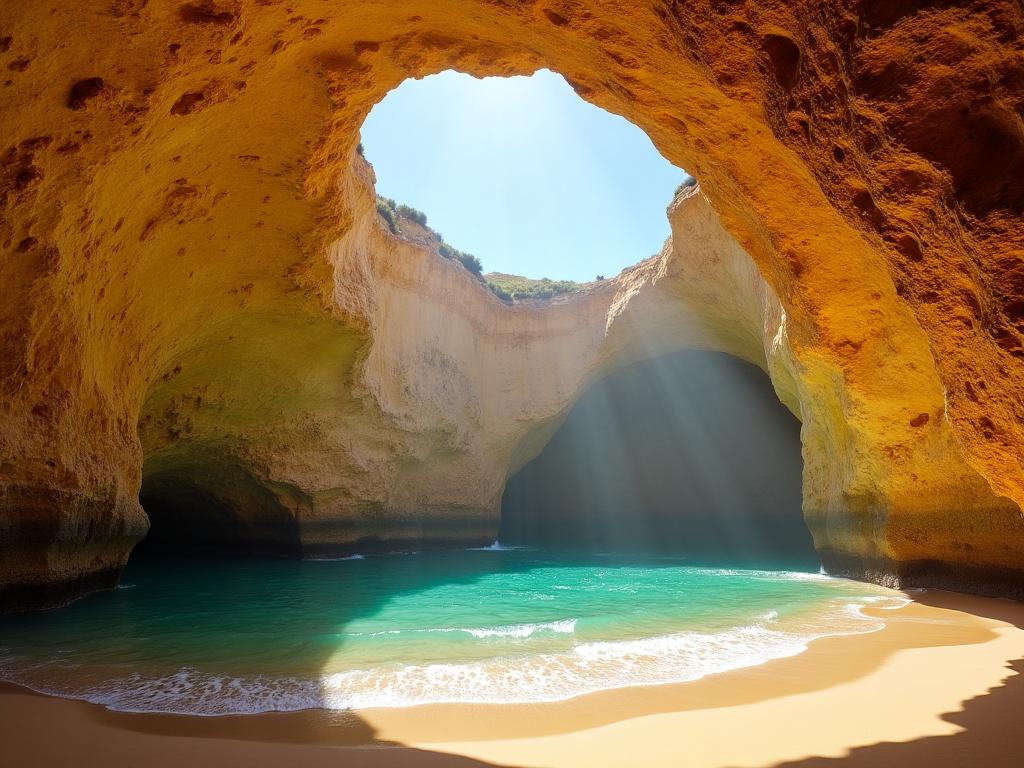
Benagil Sea Cave

The iconic Algarve sea cave with a natural skylight, accessible by kayak, SUP, or boat tour. One of Europe's most photographed natural wonders.

Lisbon Culinary Tour

Lisbon Culinary Tour

Explore Portugal's capital through its cuisine—pastéis de nata, bacalhau, and vinho verde in historic Alfama and Belém neighbourhoods.

Sete Cidades Volcanic Lakes

Sete Cidades Volcanic Lakes

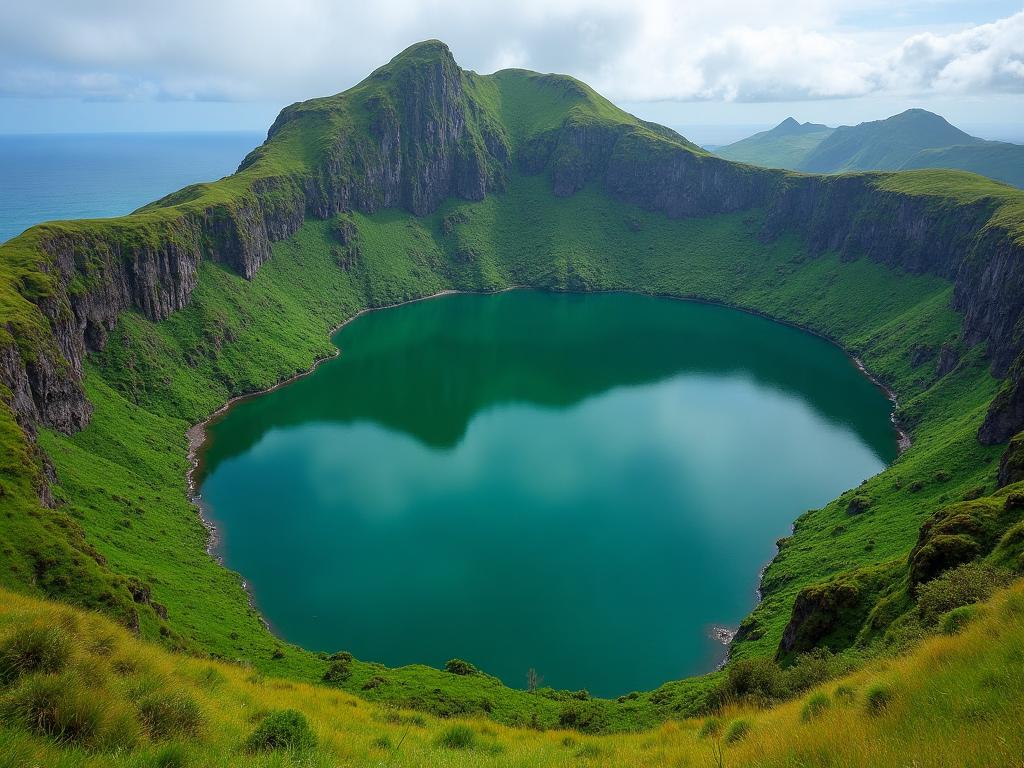
Hike to the stunning twin lakes of Sete Cidades in São Miguel—one green, one blue—inside a massive volcanic crater.

What a liveaboard in Portugal costs

The calendar below shows how liveaboard prices shift month by month, so you can see exactly when your money goes furthest. We want every diver to get the best possible value, which is why we highlight the seasons that balance great conditions with the fairest rates.

Liveaboard diving in the Azores is a seasonal, mid-to-premium experience, with prices reflecting the short operational window and expeditionary nature of the trips. Costs peak during the summer months from June to October when weather is calm and pelagic encounters are most reliable. The final price depends on the vessel, with options ranging from functional dive boats to comfortable yachts with premium service.

$433–$433

per day liveaboard

$50–$100

per 2-tank dive trip

$50–$250

hotel per night

Prices reflect typical costs for mid-range to premium options. Budget alternatives may be available.

Getting to Lisbon and Ponta Delgada: flights and transfers

Reaching your Azores liveaboard typically involves flying into Portugal's main hub in Lisbon (LIS) and taking a connecting flight to Ponta Delgada (PDL) on São Miguel island. Direct flights to the Azores are also available from other European hubs and North America seasonally. Since boats depart from São Miguel or Faial, an inter-island flight may be needed. Portugal is in the Schengen Area, offering visa-free travel for many nationalities.

Insider tips

🤿

The Azores offer excellent value for blue water diving in Europe

🤿

Book dive packages for multi-day savings

💰

Visit mainland sites for budget-friendly alternatives

🚗

Rent a car in the Algarve to access multiple dive sites

💰

Consider Peniche and Sesimbra as affordable alternatives to the Azores

🤿

Off-season diving (March-May) offers good conditions at lower prices

Getting there

Humberto Delgado Airport

LisbonLIS

Main international hub with worldwide connections. Domestic flights to the Azores available

João Paulo II Airport

Ponta Delgada, AzoresPDL

Gateway to the Azores for diving with connections from Lisbon, London, Frankfurt, and seasonal direct flights from North America

Faro Airport

Faro, AlgarveFAO

Gateway for southern Portugal diving along the Algarve coast

Entry requirements

EU/Schengen area. No visa required for EU citizens. Citizens of US, Canada, Australia, and many other countries can visit visa-free for up to 90 days.

This information is provided without guarantee. Please visit the official website for the latest entry requirements.

Official Immigration Information →

Frequently asked questions about Portugal liveaboards

When is the best time to dive in Portugal?
Diving conditions in Portugal change throughout the year. Check our month-by-month best-time-to-dive guides to plan around peak visibility, weather and marine life encounters.
Do I need a liveaboard to dive in Portugal?
A liveaboard gives you access to remote dive sites in Portugal that day boats cannot reach, plus 3–5 dives per day in maximum comfort. For the best dives in Portugal, a liveaboard is the recommended choice.
What certification do I need to dive in Portugal?
Most Portugal liveaboards require Open Water as a minimum, with Advanced Open Water and 30+ logged dives recommended for currents and deeper sites. Some expert routes require Tech or 100+ dives.
How much does a Portugal liveaboard cost?
Liveaboard prices in Portugal typically range from €1,500 to €6,000+ per week depending on vessel category, route length and season. Browse the boats below for live pricing.
Do I need a visa for Portugal?
Visa requirements vary by your nationality. Always check the latest entry rules with the destination's official government source before booking flights.
Is diving in Portugal safe for beginners?
Many Portugal sites are beginner-friendly, but some routes feature strong currents or deep walls suited only to experienced divers. Check each vessel's recommended experience level.

Portugal compared with other liveaboard destinations

Honest, in-depth comparisons to help you decide between destinations, certifications, equipment and dive styles.

Liveaboard vs Land-Based Diving: Which Trip Is Right for You?

Choosing between a liveaboard and a land-based dive trip is the most fundamental decision divers face when planning a serious diving holiday. The right answer depends on your priorities: maximum dive count and access to remote sites favor liveaboards; beach time, family flexibility and lower cost favor land-based resorts. Both formats have evolved significantly in the last decade, and the line between them has blurred — luxury dive resorts now offer multi-day expedition trips, while many liveaboards include topside excursions and even spa days. This guide compares the two formats across every meaningful dimension: cost per day, dives per day, marine life access, comfort, social dynamics, family-friendliness, and travel logistics. We'll also cover the hybrid models (resort + day-charter, or 'safari boat' itineraries) that try to capture the best of both worlds. If you're certified, in love with diving and want to maximize bottom time, a liveaboard is almost always the better choice — you can clock 25+ dives in a week and reach sites no day boat can. If you're traveling with non-divers, prefer land-based comfort, or want flexibility to take days off, a resort wins. We'll get into all the nuances below.

Read comparison

Beyond the Limits: Recreational vs. Technical Diving Explained

Scuba diving opens up a breathtaking world hidden just beneath the surface, an activity enjoyed by millions globally. For the vast majority, this means recreational diving. Governed by agencies like PADI and SSI, recreational diving is defined by its limits: no deeper than 40 meters (130 feet), always having a direct path to the surface, and staying within no-decompression limits. This framework allows divers to explore vibrant coral reefs, shipwrecks, and kelp forests with relatively simple equipment and training, focusing on enjoyment and safety within a well-established comfort zone. On the other end of the spectrum lies technical (or tec) diving. Often seen as the 'extreme sport' of the scuba world, tec diving is explicitly about going beyond recreational limits. This means diving deeper than 40 meters, planning for mandatory decompression stops on ascent, or penetrating far into overhead environments like caves or complex wrecks. Agencies such as Technical Diving International (TDI), Global Underwater Explorers (GUE), and PADI's TecRec arm provide the highly specialized training required for these demanding dives. The fundamental difference is one of philosophy. Recreational diving prioritizes risk avoidance by staying within strict, pre-defined boundaries. Technical diving, in contrast, is about risk mitigation. Tec divers intentionally plan to enter situations that would be emergencies for recreational divers, but they do so with extensive training, meticulous planning, redundant equipment systems, and specialized breathing gases. It's a calculated approach to exploring environments that are otherwise inaccessible. This distinction isn't just about numbers and gear; it’s about mindset and motivation. While a recreational diver might be thrilled by the colorful reefs of the Red Sea, a technical diver might be drawn to the challenge of exploring a deep, historic wreck like the Britannic off the coast of Greece. Understanding the differences in limits, equipment, training, and risk is crucial for any diver considering where their underwater journey might lead next.

Read comparison

Portugal vs. Turkey: A Liveaboard Diver's Guide

When planning your next liveaboard adventure, the choice of destination is paramount. Portugal, with its Atlantic allure, and Turkey, bridging Europe and Asia with its Mediterranean and Aegean coasts, both offer unique underwater experiences. While Portugal boasts dramatic underwater landscapes, historic wrecks, and pelagic encounters, Turkey entices with ancient ruins submerged beneath azure waters, vibrant reef ecosystems, and a rich cultural tapestry. This comprehensive guide from Blue Rides delves into the specifics of liveaboard diving in these two distinct regions. We'll explore everything from the typical marine life you can expect to encounter and the best times to visit, to the practicalities of trip length, cost, and accessibility. Whether you're a seasoned wreck diver or seeking tranquil reef explorations, understanding the nuances of each destination is key to choosing your perfect liveaboard. Our aim is to provide factual, side-by-side insights to help you make an informed decision. Prepare to discover which destination aligns best with your diving aspirations, ensuring your Blue Rides liveaboard experience is nothing short of extraordinary.

Read comparison
Plan your trip

Ready to dive?

Explore our expedition vessels and find your perfect trip to Portugal