
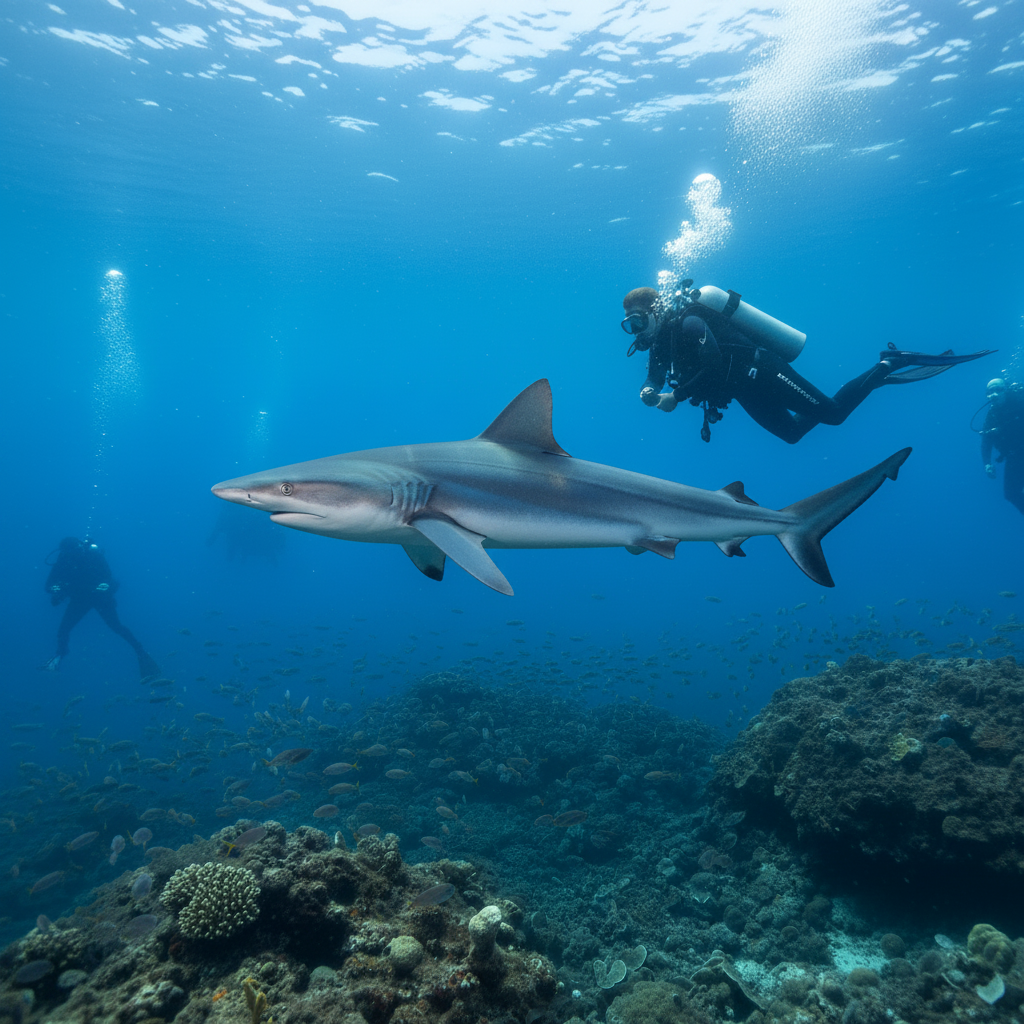
The vast, impossibly blue expanse of the Atlantic Ocean holds mysteries and wonders, but few are as captivating, as elegant, and as utterly thrilling as an encounter with one of its most graceful predators. Picture yourself suspended in oceanic pellucidity, far from shore, as a sleek, torpedo-shaped form materialises from the depths, its steely blue-grey flanks shimmering in the sunlight. This isn't a dream; this is the reality of diving with blue sharks in the Azores, an experience that redefines pelagic encounters and will undoubtedly etch itself into your memory forever.
Why Azores Blue Shark Diving Belongs on Your Bucket List
The Azores, an archipelago of nine volcanic islands piercing the mid-Atlantic, has rightfully earned its reputation as Europe’s premier destination for pelagic shark diving. Forget crowded reefs; here, the "wow" factor comes from the sheer immensity of your surroundings and the raw, untamed nature of the encounters. You are a guest in the blue, far from the security of land, observing an apex predator in its natural, undisturbed environment. It’s an immersion into an ecosystem that thrives on the vast ocean currents, bringing nutrient-rich waters and a bounty of life to this unique hotspot.
What makes blue shark diving in the Azores globally unique is the remarkable consistency and quality of encounters. While these beautiful sharks are found worldwide, the specific conditions around the Azorean islands – deep oceanic trenches, abundant prey species like mackerel and sardines, and the influence of the Gulf Stream – create a reliable aggregation point. The sharks here are not just passing through; they are often residents or frequent visitors during the season, accustomed to the presence of respectful dive vessels and offering incredible photographic opportunities that are difficult to replicate elsewhere.
This experience is tailor-made for the adventurous diver who is no stranger to blue water. If you crave open-ocean thrills, if the thought of face-to-face encounters with large marine animals sets your pulse racing, and if you have a profound respect for the ocean’s wild inhabitants, then this is not just a dive; it’s a Pilgrimage. It suits those with a keen eye for marine biology, photographers chasing that iconic shot, and anyone seeking an unparalleled connection to the natural world far from the hustle and bustle of everyday life. It’s a profound reminder of the ocean's majesty and power.
What You'll See and Do
Once you’ve ventured out from islands like Faial or Pico, often an hour or two by boat into the open Atlantic, the process begins. Dive operators typically use a bait drum, filled with fish offcuts (chum), to create an olfactory trail that respectfully attracts the sharks without feeding them directly. After a short wait, often accompanied by the cries of Cory's shearwaters swooping nearby, the first unmistakable deep blue shape will often appear from the depths. These are Prionace glauca, or the blue shark, instantly recognisable by their slender, elongated bodies, long pectoral fins, and distinctively metallic blue-grey dorsal surface fading to white on their belly.
You’ll enter the water carefully, often in groups of 4-6 divers, and find yourself suspended approximately 5-10 metres (16-33 feet) below the surface, held gently by a downline connected to the boat. The blue sharks are curious, intelligent creatures, and they will approach with measured grace, often circling the bait drum and the divers repeatedly. You’ll observe their magnificent swimming technique, their precise movements, and the striking iridescence of their eyes. Encounters typically last 60-90 minutes, allowing ample time for observation and photography. Besides blue sharks, there’s always the possibility of seeing other pelagic visitors, such as Mako sharks (though rarer and faster), opportunistic Yellowfin tuna, or even various species of oceanic birds at the surface. On the journey out and back, pods of common dolphins, Atlantic spotted dolphins, or even Bryde's whales can sometimes be sighted.
The dive style is primarily a blue water drift, often tethered to a line for safety and to keep the group together. Depths rarely exceed 15-20 metres (50-65 feet), meaning bottom time is often limited by air consumption rather than depth, allowing for truly prolonged encounters. While the sharks are the main attraction, the sheer spectacle of the open ocean, the sun filtering through endless blue, and the remote wildness of the experience are equally compelling. It’s not just about what you see, but where you see it – a truly wild frontier.
Best Time to Go
The prime season for blue shark diving in the Azores runs from June through October. During these months, the North Atlantic High pressure system typically settles, bringing more stable weather conditions and warmer water temperatures. This is also when the blue sharks are more predictably found in Azorean waters, migrating to leverage the rich feeding grounds around the seamounts and islands.
Water temperatures during this peak season range from a comfortable 22-26°C (72-79°F) on average, though early June or late October might see temperatures dip closer to 20°C (68°F). Visibility in the open Atlantic is often exceptional, typically ranging from 20-40 metres (65-130 feet) or even more on calm days. Currents can be present and occasionally strong, which is why operators use downlines and why drift diving experience is beneficial. While the summer months generally promise calmer seas, it's the open ocean, and conditions can change rapidly. Always be prepared for potential swells and respect the guidance of your dive brief. Surface conditions can range from glassy calm to moderately choppy, but the underwater visibility tends to remain excellent even with surface chop.
How to Dive Azores Blue Shark Diving
Accessing the blue shark diving experience in the Azores is predominantly done via day-boat excursions from islands like Faial or Pico. While the vast majority of Azorean diving is shore or day-boat based, some specialised liveaboards occasionally operate, offering a more extensive exploration of the archipelago’s diverse dive sites, including pelagic encounters. For blue shark specific experiences, however, day boats are standard, departing early in the morning and returning in the afternoon. This allows for dedicated time at the pelagic sites, maximising the chances of encounters.
For this experience, a minimum certification level of Advanced Open Water (or equivalent) is highly recommended due to the open ocean environment, potential currents, and the need for good buoyancy control often away from a reference. While some operators might accept Open Water divers with significant experience, having a solid foundation of at least 50-100 logged dives will significantly enhance your comfort and enjoyment. Recommended courses include Enriched Air Nitrox (to extend your bottom time, especially if multiple encounters are possible), Drift Diver (to familiarise yourself with current dynamics), and perhaps a PADI AWARE – Shark Conservation Distinctive Speciality to deepen your understanding of these magnificent creatures.
Given the water temperatures, a 5mm or 7mm full-length wetsuit is generally sufficient. Some divers might prefer a semi-dry for added warmth and comfort, especially if doing multiple dives over several days. Essential gear includes a reliable dive computer, a surface marker buoy (SMB) for safety in the open ocean, and a whistle. Given the unique photographic opportunities, a good underwater camera setup is highly advised. Remember, maintaining neutral buoyancy and excellent trim is paramount – not only for your safety but also to avoid disturbing the sharks and ensure you can fully immerse yourself in the encounter without finning unnecessarily.
Conservation and Responsible Diving
The blue shark is classified as Near Threatened by the IUCN, primarily due to commercial fishing pressures. Diving with these animals in the Azores offers a unique opportunity for non-extractive tourism, promoting their value alive. It is crucial to engage only with reputable operators who adhere to strict responsible diving guidelines. This includes a strict no-touch policy, maintaining a respectful distance, and not interfering with the sharks' natural behaviours. Baiting is done responsibly, without direct feeding, to attract them to the area without altering their natural hunting instincts.
Your role as a diver is not just observational but also ambassadorial. Every encounter should be conducted with utmost respect. Avoid sudden movements, maintain calm breathing, and position yourself to observe without crowding or harassing the sharks. Photography should be ethically pursued, without using flash directly on the animals or chasing them. By adhering to these principles, you contribute to the ongoing conservation efforts and help ensure that future generations can also witness the unparalleled beauty of blue sharks in their natural habitat.
Plan Your Trip
The allure of the deep blue and the graceful dance of the blue sharks await you in the Azores. This extraordinary dive experience offers not just an unforgettable encounter, but a profound connection to the wild heart of the Atlantic. Allow Blue Rides to guide you to the perfect liveaboard or tailor your Azorean dive adventure, ensuring every detail is expertly handled for an experience of a lifetime. Browse our curated selection of charters and start planning your bucket list dive today.