About Cinco Ribeiras
Cinco Ribeiras is situated on the western coast of Terceira Island in the Azores, named after a nearby village. This site provides an ideal introduction to Azorean diving, offering calm conditions and manageable depths suitable for newly certified divers while showcasing the archipelago's characteristic volcanic underwater landscape. It's a blend of subtropical Atlantic and cooler temperate marine life, creating a unique ecosystem. The underwater topography features volcanic basalt formations extending from coastal cliffs, with boulder fields, sand channels, and biologically rich lower-profile volcanic rock. Divers can explore intricate lava caves, arches, and tunnels formed by ancient volcanic activity. Depths typically range between 5 and 16 meters, making the main reef structure accessible and well-lit. While invertebrate life like vivid sponges, serpulid worms, and various nudibranchs cover the basalt, fish species include ornate wrasse, bream, sea bass, and moray eels in crevices. Schools of Atlantic chub mackerel and salema are seen in deeper waters. Beyond the resident marine life, the Azores' open Atlantic position brings the potential for pelagic encounters like blue sharks, loggerhead turtles, or bottlenose dolphins, adding an element of excitement to every dive. Entry is often straightforward from the shore, sometimes via a natural swimming pool. The site offers both excellent shallow coastal exploration for snorkelers and less experienced divers, and more challenging cavern penetrations requiring specialized training, such as the "shrimp cave" and "Cavaco swim-through." It combines natural marvels with the subtle historical remnants of a shipwreck, including a scattered boiler from the Union which sank in 1911.
Highlights
Volcanic basalt formationsLava caves and archesShore entry accessibilityBeginner-friendly conditionsUnique Atlantic marine lifePotential pelagic encountersHistorical shipwreck remnantsIntricate cavern systems
Season calendar
Best months to dive here
Jan
Feb
Mar
Apr
May
Jun
Jul
Aug
Sep
Oct
Nov
Dec
Excellent
Good
Off-Season
Jul – Oct (Summer/Autumn)
Best visibility 20–30m, warmest water 21–24°C. Blue sharks, mobula rays, whale sharks. Peak pelagic season at offshore sites.
Apr – Jun & Nov (Shoulder)
Improving/declining conditions. Water cooling but still diveable. Fewer pelagics but good reef life.
Dec – Mar (Winter)
Cold water 16–18°C, rough Atlantic swells, reduced visibility. Limited dive operations. Only for experienced cold-water divers.
Dive site facts: Cinco Ribeiras
- Depth
- 5–16 m
- Current
- Mild to moderate
- Visibility
- 18–30 m
- Water temperature
- 16–24°C
- Entry
- Shore entry / natural pool
- Level
- Beginner to advanced
- Dive type
- Reef, cavern, wreck, macro
- Region / port
- Terceira Island, Azores
- Coordinates
- 38.6749, -27.3281
Conditions & Currents
Conditions at Cinco Ribeiras are generally calm, particularly on most days, making it accessible for newer divers. However, some sources suggest currents can be moderate, especially for specific entries or within certain cavern systems, where conditions can be more challenging. While shore entry is common and often straightforward, divers navigating the intricate network of caves and tunnels may experience varying water movements that demand good buoyancy control and specialized training. Visibility is often excellent, contributing to a pleasant diving experience, though like any coastal site, it can be influenced by weather conditions. Advanced divers engaging in cavern penetration should be prepared for potential tighter passages and current shifts inside.
Marine life & sighting chances

Ornate wrasse
common
Bream
common
Sea bass
common
Moray eel
common
Atlantic chub mackerel
occasional
Salema
occasional
Nudibranch
common
Sponge
common
Serpulid worm
common
Blue shark
rare

Dive profile & how the dive runs
Your dive at Cinco Ribeiras typically begins with a straightforward shore entry, sometimes facilitated by a natural swimming pool, allowing for a gentle descent. The route navigates through distinct volcanic basalt formations, where you can explore boulder fields and sand channels at depths ranging from 5 to 16 meters. The primary path often involves traversing through lava caves, arches, and tunnels. For certified cavern divers, specific features like the famously tight 'shrimp cave' and the expansive 'Cavaco swim-through' offer unique explorations. The dive usually progresses, allowing time to observe the rich invertebrate life coating the rock faces and various fish species. A scattered boiler from the 1911 wreck of the Union serves as a historical point of interest. The turn point is determined by air consumption and diver comfort, maintaining plenty of bottom time in the shallower, well-lit areas. The safety stop is typically conducted in the calmer, shallower parts of the reef before a relaxed exit back to shore.
Underwater photography
Cinco Ribeiras presents excellent opportunities for both wide-angle and macro photography due to its diverse topography and marine life. For capturing the dramatic volcanic arches, caves, and swim-throughs, a wide-angle lens is ideal. Be prepared for varying light conditions within the caverns; a powerful strobe or video light can illuminate darker areas and bring out the vibrant colors of sponges and growth. For macro subjects, including numerous nudibranchs, serpulid worms, and the detailed patterns of ornate wrasse, a macro lens will be highly rewarding. Buoyancy control is paramount, especially within confined spaces like the 'shrimp cave' and when hovering near delicate invertebrate communities. Ethical photography practices, ensuring no contact with the environment or disturbance to marine life, are essential.
Combine with nearby dive sites
- Silveira
Another dive site on Terceira Island.
- Poente
An intermediate dive site also located on Terceira Island.
- LIDADOR
A shallow historic steamboat wreck near Terceira Island, part of an archaeological park.
- Ilhéu de Vila Franca
A well-known dive spot near Terceira Island, mentioned in general Azores diving context.
Getting there & logistics
To reach Cinco Ribeiras, divers typically fly into Lajes International Airport (TER) on Terceira Island. Most dive operations are based in towns like Angra do Heroísmo, approximately 18-20 km away, and offer transfers to the site. Cinco Ribeiras is primarily a shore dive, making access relatively easy, often through a natural swimming pool. Dive trips to the Azores often involve a combination of day boat dives to various sites around Terceira, or sometimes as part of a liveaboard itinerary exploring multiple islands. There are no specific park fees mentioned for this particular site, but standard dive operator costs apply for equipment rental and guide services. Trips typically range from single-day excursions to multi-day packages exploring the island's diverse underwater offerings.
Safety & environment
For diving at Cinco Ribeiras, the nearest recompression chamber is located in Funchal, Madeira, or Lisbon on mainland Portugal, emphasizing that emergency evacuation from the Azores can be a significant undertaking. Comprehensive dive insurance, including coverage for medical emergencies and hyperbaric treatment, is therefore highly recommended. While Cinco Ribeiras is known for calm conditions and beginner-friendly depths, divers exploring its intricate cavern systems must possess specialized training and carry appropriate equipment, as these areas present unique navigational challenges and overhead environments. Always dive with a reputable local guide who understands the site's specifics. Pay attention to local weather and sea conditions, as wave heights and wind speeds, though generally calm in peak season, can affect accessibility and safety. Adhere to safe diving practices, monitor air consumption, and maintain excellent buoyancy control to avoid damaging the delicate volcanic formations and marine life.
Who it suits, and who it doesn't
Suited for
- Newly certified divers seeking accessible Azorean diving
- Divers interested in unique volcanic underwater topography
- Macro photographers looking for diverse invertebrate life
- Cavern-certified divers exploring intricate swim-throughs
- Divers hoping for unexpected pelagic encounters
Less suited for
- Divers expecting large, intact wreck penetration
- Those uninterested in volcanic reef environments
- Divers with poor buoyancy control in confined spaces
- Beginners without proper training attempting cavern penetration
- Divers preferring strong currents and deep wall dives
FAQ
Cinco Ribeiras FAQ
What is the typical depth at Cinco Ribeiras?
Cinco Ribeiras offers a range of depths, with the main exploration areas typically between 5 and 16 meters. This makes it well-suited for divers of varying experience levels, providing ample light and manageable conditions. More advanced sections, such as certain cavern penetrations, may reach slightly deeper but generally remain within recreational limits.
Is Cinco Ribeiras suitable for beginner divers?
Yes, Cinco Ribeiras is considered beginner-friendly due to its generally calm conditions and accessible depths. It serves as an excellent introduction to Azorean diving, allowing new divers to familiarize themselves with volcanic reef terrain. Local dive operators often recommend it as a first dive on Terceira Island.
What kind of marine life can I expect to see?
You can anticipate seeing a blend of subtropical Atlantic and temperate species. Common sightings include ornate wrasse, bream, sea bass, and moray eels in the crevices. The basalt formations are also rich with sponges, serpulid worms, and various nudibranchs, while schools of mackerel and salema might pass by in slightly deeper water. Occasional pelagic visitors like blue sharks or dolphins add to the excitement.
Are there any wrecks at Cinco Ribeiras?
Yes, Cinco Ribeiras features the scattered remnants of a historical shipwreck, specifically a boiler from the Union, which sank in 1911. These historical artifacts are often integrated into dive trajectories, adding an archaeological element to the natural volcanic landscape. It offers a glimpse into the region's maritime past.
What are the entry and exit procedures?
Entry at Cinco Ribeiras is typically from the shore, often facilitated by a natural swimming pool, making it straightforward and easy. This provides a calm and controlled environment for beginning the dive. Exit procedures are similarly uncomplicated, returning to the shore at the same entry point.
When is the best time of year to dive Cinco Ribeiras?
The prime diving season for Cinco Ribeiras, and the Azores in general, is from June to August. During these months, the water temperatures are at their warmest, and conditions are usually calmer with minimal waves and rainfall. This ensures the best visibility and most comfortable diving experience.
Why dive Cinco Ribeiras from a liveaboard?
Cinco Ribeiras is one of Portugal's signature dive sites. A liveaboard sleeps you on the water and puts you in the water for three to four guided dives per day, including dawn and night dives that day-boat operators rarely offer. You skip the daily commute back to port and reach quieter, less-crowded sites in the same region on a single trip.
Below are the liveaboards that include Cinco Ribeiras on their Portugal itineraries.
Liveaboards diving Cinco Ribeiras
These liveaboards may visit Cinco Ribeiras on selected itineraries, the exact dive sites depend on departure, weather and conditions.
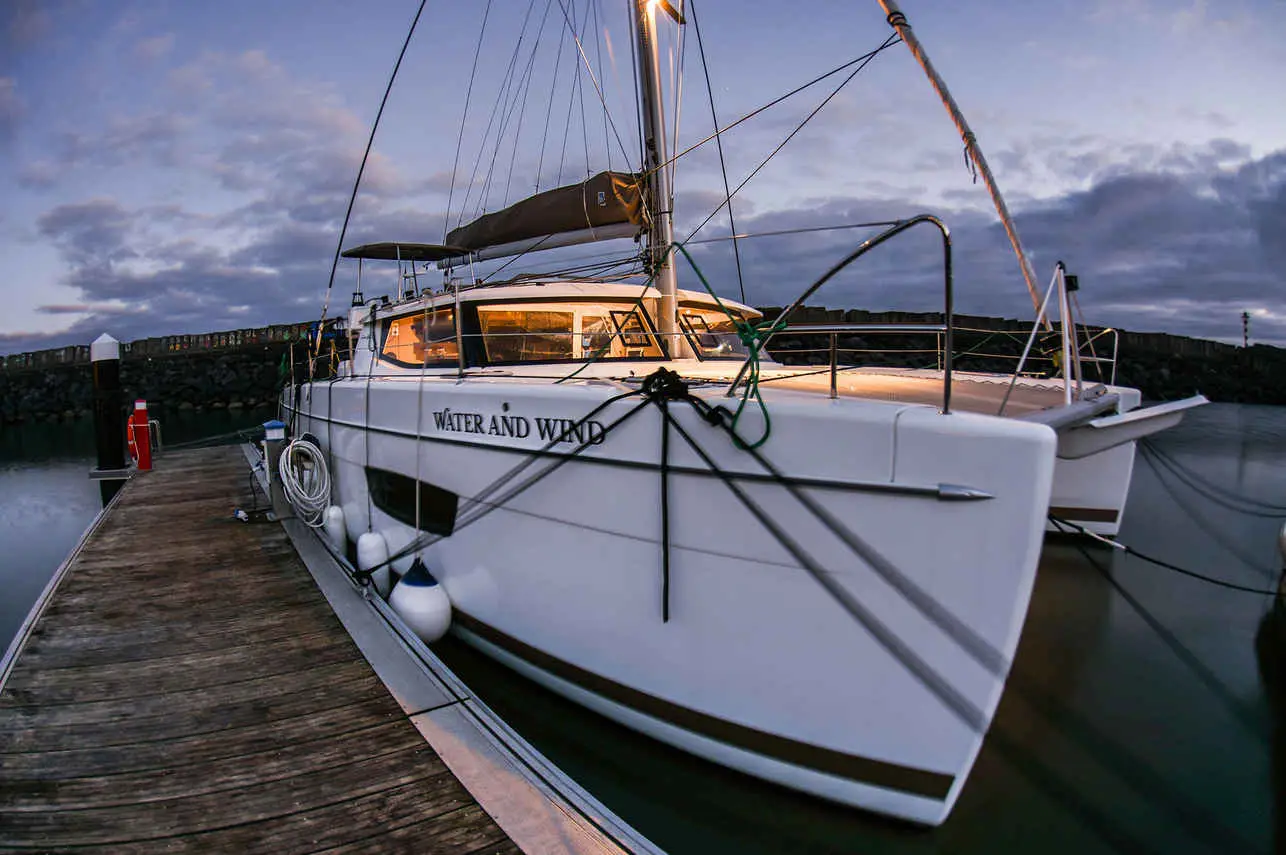
Water And Wind
Portugal
8 guests13 m
Dive sites similar to Cinco Ribeiras
Same character, same waters, six more sites divers love for the exact same reasons.Compare seasons, access and liveaboard routes, then pick the site that fits your trip best.
Abdi Reis is a highly regarded dive site situated near the Datça Peninsula in Turkey's Aegean Sea, specifically located within Abdi Reis Cove, near Yildiz Island.
- Suitable for
- Intermediate
- Current
- Moderate
- Access
- Liveaboard or dayboat
- Depth
- ≤ 33 m
- Theme
- Reef / Wall
© EsriMaxar, Earthstar, GIS
Adabanko Reef
Turkey
Adabanko Reef is an inviting dive site situated approximately two kilometers off the coast of Kuşadası in Turkey's Aegean Sea.
- Suitable for
- Beginner
- Current
- Moderate
- Access
- Liveaboard or dayboat
- Depth
- 5–40 m
- Theme
- Reef
© EsriMaxar, Earthstar, GIS
Adakule Cave
Turkey
Adakule Cave is a notable boat-access dive site located near Kuşadası, Turkey, offering an engaging experience centered around two distinct underwater caverns.
- Suitable for
- Beginner
- Current
- Mild
- Access
- Dayboat
- Depth
- 9–30 m
- Theme
- Cave & cavern
© EsriMaxar, Earthstar, GIS
Afkule Cave
Turkey
Afkule Cave, also referred to by some as Aladdin's Cave, is consistently ranked among the top dive sites in Turkey, particularly renowned for its cave diving opportunities.
- Suitable for
- Intermediate
- Current
- Moderate
- Access
- Liveaboard or dayboat
- Depth
- ≤ 50 m
- Theme
- Cave & cavern / Wall
© EsriMaxar, Earthstar, GIS
Afkule Monastery Reef
Turkey
Afkule Monastery Reef, prominently known as Afkule Wall, stands as a distinguished dive destination along Turkey's southwestern coast, close to Fethiye.
- Suitable for
- Intermediate
- Current
- Strong
- Access
- Liveaboard or dayboat
- Depth
- 6–40 m
- Theme
- Wall