About Ilhéu de Vila Franca
Ilhéu de Vila Franca, near Vila Franca do Campo, São Miguel, is a protected volcanic islet emerging from the Atlantic, offering exceptional dive experiences. Its unique topography features a submerged volcanic reef system, characterized by intricate cracks and canyons, which creates a diverse underwater landscape. Divers explore routes selected by local operators, navigating through these natural formations. The dive site boasts abundant marine life typical of the Atlantic waters around the Azores. Divers can encounter various temperate-water species, including groupers, moray eels, and octopuses, which are readily seen amidst the volcanic structures. The area is also known for its clear waters, with visibility often reaching 20-30 meters and sometimes extending to 35-45 meters in late summer, enhancing the viewing of its rich ecosystem. Access to Ilhéu de Vila Franca is exclusively by boat, typically a short five-minute ride from Vila Franca do Campo. Dive operators carefully select routes tailored to daily conditions, such as swell direction, ensuring safety and optimal enjoyment within this protected area. Dives here are generally suitable for Open Water certified divers, provided they are accompanied by a local guide. Maintaining contact with the guide is crucial, especially when navigating the various cracks and canyons, and following established ascent procedures is important for safety.
Highlights
Protected volcanic isletVolcanic reef formationsNumerous cracks and canyonsVisible moray eels, octopusesClear Atlantic watersShort boat access
Season calendar
Best months to dive here
Jan
Feb
Mar
Apr
May
Jun
Jul
Aug
Sep
Oct
Nov
Dec
Excellent
Good
Off-Season
Jul – Oct (Summer/Autumn)
Best visibility 20–30m, warmest water 21–24°C. Blue sharks, mobula rays, whale sharks. Peak pelagic season at offshore sites.
Apr – Jun & Nov (Shoulder)
Improving/declining conditions. Water cooling but still diveable. Fewer pelagics but good reef life.
Dec – Mar (Winter)
Cold water 16–18°C, rough Atlantic swells, reduced visibility. Limited dive operations. Only for experienced cold-water divers.
Dive site facts: Ilhéu de Vila Franca
- Depth
- 5–22 m
- Typical dive
- 12–22 m
- Current
- Weak
- Visibility
- 30–60 m
- Water temperature
- 14–23°C
- Entry
- Boat
- Level
- All divers
- Dive type
- Coastal, reef, volcanic topography
- Night dive
- Possible
- Region / port
- São Miguel, Azores
- Coordinates
- 37.71, -25.43
Conditions & Currents
Currents at Ilhéu de Vila Franca are generally weak, making it suitable for divers of all experience levels. However, local conditions can vary, particularly around the outer edges of the islet or near openings in the crater, where slight increases in water movement might be experienced. Visibility is typically excellent, often averaging around 30 meters, and can extend up to 60 meters in optimal conditions. This superb clarity is due to the clean Atlantic waters, with minimal sediment or runoff. Entry and exit are typically boat-based, directly into the calm waters surrounding or within the islet. While thermoclines are not usually a dominant feature, water temperature can fluctuate, necessitating appropriate thermal protection, especially outside peak summer months.
Marine life & sighting chances

Azores chromis
common
Ornate wrasse
common
Blacktail comber
common
Parrotfish
commonBallan wrasse
common
Moray eel
common
Common octopus
common
Dusky grouper
common
Common stingray
occasional
White trevally
occasional
Yellowmouth barracuda
occasional
Almaco jack
occasional
Bluefish
occasionalDive profile & how the dive runs
Dives at Ilhéu de Vila Franca typically begin with a boat drop, often exploring the outer walls and cracks of the volcanic islet or entering the calmer waters inside the crater. Divers navigate along the natural rock formations, through canyons, and past smaller swim-throughs formed by ancient lava flows. Average depths range from 12 to 22 meters, with a maximum depth of 22 meters. A common route might involve circling a section of the islet, paying close attention to crevices for moray eels and octopuses, and observing the numerous schooling fish in the water column. The dive usually concludes with a safety stop against one of the shallower rock faces or within the protected crater, depending on the chosen dive plan and surface conditions.
Underwater photography
Ilhéu de Vila Franca offers excellent opportunities for both wide-angle and macro photography due to its diverse topography and rich marine life. For wide-angle shots, a fisheye or wide-angle lens is ideal to capture the dramatic volcanic structures, arches, and the overall schooling fish activity in the clear water. The abundant Azores chromis and other reef fish create dynamic scenes. Macro photographers will find plenty of subjects in the crevices and on the rocky seafloor, including intricate wrasses, combers, and octopuses. Ensure your buoyancy control is precise to avoid disturbing the protected environment. External strobes are highly recommended to bring out the vibrant colors of the marine life and illuminate darker areas within canyons.
Combine with nearby dive sites
- Caloura Reef
Another reef dive site on São Miguel Island, known for its accessible shore diving.
- Angra do Heroísmo Wrecks
Located on Terceira Island, offering historic wreck dives in a protected bay.
- Princess Alice Bank (Azores)
An offshore seamount renowned for pelagic encounters, suitable for advanced divers.
- Formigas Islets (Azores)
Remote islets known for abundant pelagic life and challenging conditions, for experienced divers.
- Banco D. João de Castro
A submerged seamount between Terceira and São Miguel, attracting large pelagic species.
Getting there & logistics
To reach Ilhéu de Vila Franca, you typically fly into João Paulo II Airport (PDL) in Ponta Delgada, São Miguel, which is the main international gateway to the Azores. From Ponta Delgada, it's about a 30-minute drive to Vila Franca do Campo, where dive operators are based. Boat transfers to the islet from Vila Franca do Campo Marina are short, usually taking about 5 minutes. Dive trips often consist of single or double tank dives, with operators offering packages that combine diving with snorkeling or whale watching. While there are no specific park fees for diving, dive operator costs usually include boat transfers and equipment. Divers can often combine a trip to São Miguel with other Azorean islands for a multi-destination dive itinerary, though dedicated trips to Ilhéu de Vila Franca are common.
Safety & environment
Safety at Ilhéu de Vila Franca is generally high due to its protected nature and weak currents. Dive operators in Vila Franca do Campo are equipped for typical dive emergencies. The nearest recompression chamber is located in Ponta Delgada, São Miguel, approximately 30 minutes away by road, ensuring medical support is relatively accessible. All divers should ensure they have comprehensive dive insurance that covers medical evacuation and hyperbaric treatment, as is standard for any diving activity. Divers should always follow the guidance of their local dive guide, maintain proper buoyancy control, and respect marine life, as the islet is a protected reserve. Awareness of boat traffic, particularly during peak tourism season, is also important when surfacing.
Who it suits — and who it doesn't
Suited for
- Beginner divers seeking calm, protected waters
- Snorkelers and freedivers
- Underwater photographers looking for reef and volcanic scenery
- Divers interested in diverse Azorean reef fish
- Divers who prefer short boat rides
Less suited for
- Divers exclusively seeking large pelagic encounters
- Those looking for strong drift dives
- Advanced technical divers needing extreme depths
- Divers who prefer shore entry options
- Liveaboard-style dive experiences
FAQ
Ilhéu de Vila Franca FAQ
What kind of marine life can I expect to see at Ilhéu de Vila Franca?
You can expect to see an abundance of resident reef fish such as Azores chromis, ornate wrasses, and parrotfish. Moray eels, common octopuses, and dusky groupers are also frequent sightings. On the sandy seafloor, you might spot common stingrays, while the water column occasionally features white trevallies and yellowmouth barracudas.
Is Ilhéu de Vila Franca suitable for beginner divers?
Yes, Ilhéu de Vila Franca is an ideal spot for beginner divers. The currents are generally weak, and the average depths are moderate, making for a comfortable and safe diving environment. Many dive centers offer 'try dive' experiences and guided dives for newly certified divers here.
What are the typical water conditions and visibility?
Water temperatures range from 14°C in winter to 23°C in summer, so a 5mm or 7mm wetsuit is usually recommended. Visibility is outstanding, often averaging 30 meters and sometimes reaching up to 60 meters, providing crystal-clear views of the underwater landscape and marine life.
Can I snorkel inside the volcanic crater?
Absolutely, the large bay formed by the crater of the extinct volcano is a highly popular spot for snorkeling. Its protected, calm waters and abundant marine life make it a fantastic and unique experience for non-divers and snorkelers alike.
How do I get to Ilhéu de Vila Franca for diving?
Diving trips to Ilhéu de Vila Franca depart from the Vila Franca do Campo Marina on São Miguel Island. Most dive operators in the area offer boat transfers, which are very short, usually taking about five minutes to reach the islet.
Are there any strong currents or challenging conditions?
Generally, the currents around Ilhéu de Vila Franca are weak, making it suitable for all experience levels. However, as with any ocean dive, conditions can occasionally change, and local guides will always assess the best dive plan based on the day's conditions, especially concerning wave direction.
Why dive Ilhéu de Vila Franca from a liveaboard?
Ilhéu de Vila Franca is one of Portugal's signature dive sites. A liveaboard sleeps you on the water and puts you in the water for three to four guided dives per day, including dawn and night dives that day-boat operators rarely offer. You skip the daily commute back to port and reach quieter, less-crowded sites in the same region on a single trip.
Below are the liveaboards that include Ilhéu de Vila Franca on their Portugal itineraries.
Liveaboards diving Ilhéu de Vila Franca
These liveaboards may visit Ilhéu de Vila Franca on selected itineraries — the exact dive sites depend on departure, weather and conditions.
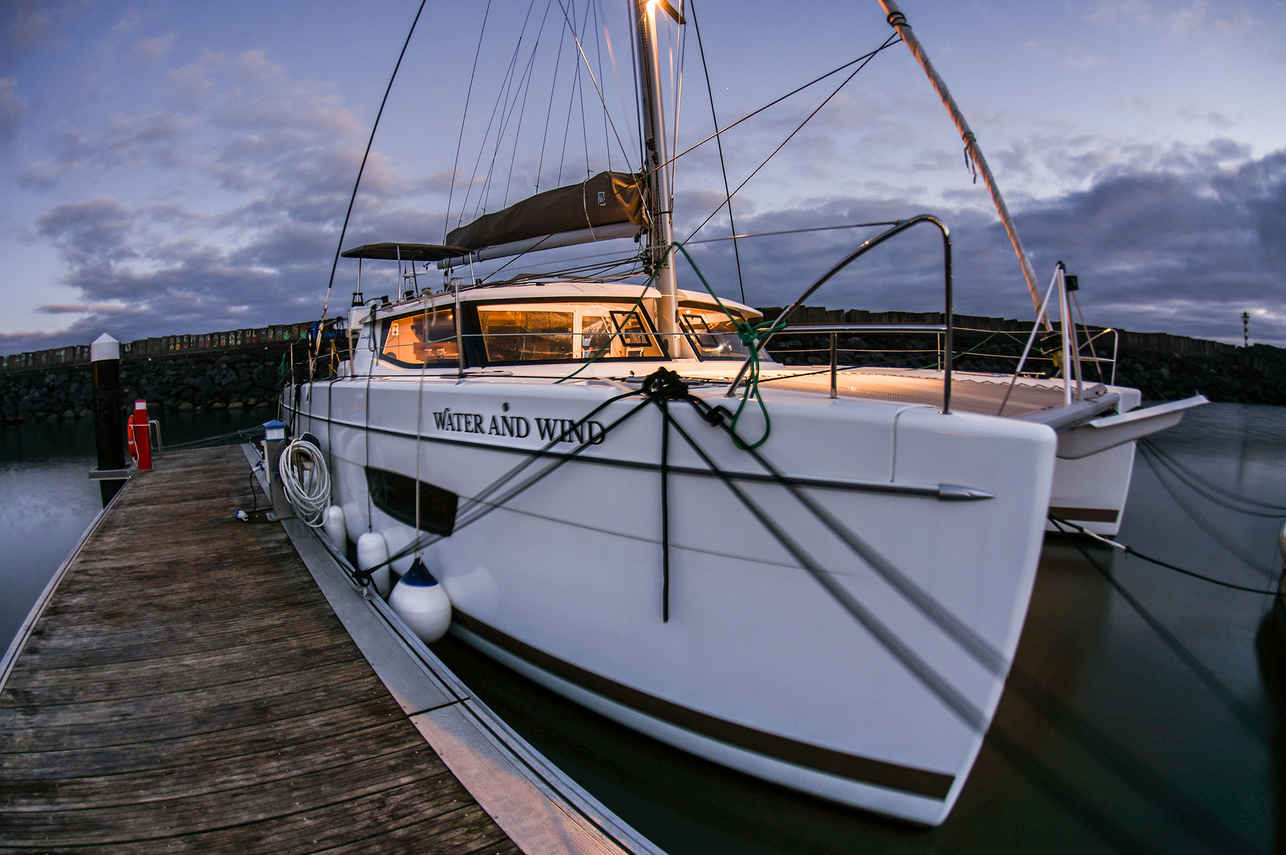
Water And Wind
Portugal
8 guests13 m
Dive sites similar to Ilhéu de Vila Franca
Same character, same waters — six more sites divers love for the exact same reasons.Compare seasons, access and liveaboard routes — then pick the site that fits your trip best.
Abdi Reis is a highly regarded dive site situated near the Datça Peninsula in Turkey's Aegean Sea, specifically located within Abdi Reis Cove, near Yildiz Island.
- Suitable for
- Intermediate
- Current
- Moderate
- Access
- Liveaboard or dayboat
- Depth
- ≤ 33 m
- Theme
- Reef / Wall
© Esri — Maxar, Earthstar, GIS
Adabanko Reef
Turkey
Adabanko Reef is an inviting dive site situated approximately two kilometers off the coast of Kuşadası in Turkey's Aegean Sea.
- Suitable for
- Beginner
- Current
- Moderate
- Access
- Liveaboard or dayboat
- Depth
- 5–40 m
- Theme
- Reef
© Esri — Maxar, Earthstar, GIS
Adakule Cave
Turkey
Adakule Cave is a notable boat-access dive site located near Kuşadası, Turkey, offering an engaging experience centered around two distinct underwater caverns.
- Suitable for
- Beginner
- Current
- Mild
- Access
- Dayboat
- Depth
- 9–30 m
- Theme
- Cave & cavern
© Esri — Maxar, Earthstar, GIS
Afkule Cave
Turkey
Afkule Cave, also referred to by some as Aladdin's Cave, is consistently ranked among the top dive sites in Turkey, particularly renowned for its cave diving opportunities.
- Suitable for
- Intermediate
- Current
- Moderate
- Access
- Liveaboard or dayboat
- Depth
- ≤ 50 m
- Theme
- Cave & cavern / Wall
© Esri — Maxar, Earthstar, GIS
Afkule Monastery Reef
Turkey
Afkule Monastery Reef, prominently known as Afkule Wall, stands as a distinguished dive destination along Turkey's southwestern coast, close to Fethiye.
- Suitable for
- Intermediate
- Current
- Strong
- Access
- Liveaboard or dayboat
- Depth
- 6–40 m
- Theme
- Wall