About Banco D. João de Castro
Banco D. João de Castro is a spectacular active submarine volcano nestled in the Atlantic Ocean, between the Azorean islands of São Miguel and Terceira. Its summit rises dramatically from depths of 1000 meters to just 12-13 meters below the surface, offering a truly unique diving experience. The last significant eruption occurred in 1720, briefly forming a temporary island before it succumbed to marine erosion. At the heart of the site lies a large crater, approximately 450 meters in diameter, with depths ranging from 12 to 25 meters. This caldera remains volcanically active, evidenced by extensive fumarole fields where gas bubbles, primarily carbon dioxide and hydrogen sulfide, escape from hydrothermal vents. This geological dynamism creates a surreal underwater landscape, showcasing the Earth's breath beneath the waves. Due to its remote, open-ocean location and nutrient-rich waters, Banco D. João de Castro attracts abundant pelagic life. Divers frequently encounter large schools of barracudas, bonitos, and amberjacks, alongside wahoos, devil rays, and sometimes loggerhead turtles. The crystal-clear offshore waters provide exceptional visibility, enhancing sightings of these impressive marine inhabitants. Access to this isolated seamount requires a boat trip of several hours, typically departing from Terceira. Diving here is best suited for experienced divers due to potential strong currents and its exposed position in the high seas. Descent lines are often used to manage these conditions, guiding divers into an unforgettable exploration of an active underwater world.
Highlights
Active submarine volcanoUnderwater fumaroles and ventsLarge pelagic fish schoolsEncounter devil raysCrystal clear offshore watersDramatic volcanic topographyRemote, high-seas adventure
Season calendar
Best months to dive here
Jan
Feb
Mar
Apr
May
Jun
Jul
Aug
Sep
Oct
Nov
Dec
Excellent
Good
Off-Season
Jul – Oct (Summer/Autumn)
Best visibility 20–30m, warmest water 21–24°C. Blue sharks, mobula rays, whale sharks. Peak pelagic season at offshore sites.
Apr – Jun & Nov (Shoulder)
Improving/declining conditions. Water cooling but still diveable. Fewer pelagics but good reef life.
Dec – Mar (Winter)
Cold water 16–18°C, rough Atlantic swells, reduced visibility. Limited dive operations. Only for experienced cold-water divers.
Dive site facts: Banco D. João de Castro
- Depth
- 12–60 m
- Typical dive
- 18–25 m, duration varies based on conditions
- Current
- Moderate to strong, variable
- Visibility
- 20–30 m+
- Water temperature
- 18–24°C
- Entry
- Descent line from boat
- Level
- Advanced Open Water, 50+ logged dives, current experience required
- Dive type
- Seamount, pelagic, volcanic, photography
- Night dive
- Not typically offered
- Region / port
- Azores, Terceira Island
- Coordinates
- 38.22, -26.63
Conditions & Currents
Banco D. João de Castro is an offshore site renowned for moderate to strong currents, which can fluctuate significantly and necessitate a descent line for safe entry and exit. Divers must be prepared for these dynamic conditions, as drifting from the line can quickly lead to being suspended in the open blue, far from the boat and dive site. Surface interval observation is critical before commencing dives to assess current strength and direction. Visibility at this high-seas location is generally excellent due to its distance from coastal influences, often exceeding 20-30 meters, though thermoclines can be present. Surge is less of a concern at depth, but strong currents require meticulous buoyancy control and robust gas planning, making it suitable only for experienced divers comfortable in challenging environments.
Marine life & sighting chances

Giant oceanic manta ray
occasionalDevil ray
common
Yellowmouth barracuda
common
Atlantic bonito
common
Almaco jack
common
Bermuda chub
common
Wahoo
occasional
Loggerhead sea turtle
occasional
Black seabream
occasional
Blackbelly rosefish
occasional
Triggerfish
occasional
Needlefish
occasionalDive profile & how the dive runs
Dives at Banco D. João de Castro typically begin with a descent along a fixed line due to potential strong currents. Upon reaching the seamount's summit at approximately 12-13 meters, divers can explore the edges of the volcanic crater. The primary route involves circling the active caldera, observing the fumaroles releasing gas bubbles from 12-25 meters. Divers progressively move deeper along the crater walls or outer slopes to depths often around 30-40 meters, keeping an eye on the blue for pelagic encounters. The turn point is determined by air consumption and bottom time, after which a slow ascent and safety stop are conducted along the descent line, maintaining strict proximity to the line to avoid drifting in the open ocean.
Underwater photography
Capturing the unique geological features and abundant pelagic life at Banco D. João de Castro demands versatile camera gear. A wide-angle lens is essential for the expansive volcanic landscapes, the active fumaroles, and schools of barracudas or jacks. For documenting the larger pelagic encounters like devil rays or wahoos, a wide-angle or fisheye lens is also preferred. Due to the deep blue and potential for strong currents, powerful strobes are highly recommended to bring out true colors and contrast. Practice excellent buoyancy control to avoid disturbing the sensitive volcanic seafloor and to maintain position against currents, which is crucial for sharp images. Always maintain a respectful distance from marine life and volcanic vents.
Combine with nearby dive sites
- Princess Alice Bank
Another remote seamount known for pelagic encounters, including mobula rays and sharks.
- Formigas Islets (Azores)
Offshore islets renowned for abundant marine life and often combined with other remote sites.
- Dollabarat
A neighboring offshore bank frequently visited for its diverse marine ecosystem.
- Angra do Heroísmo Wrecks
Located off Terceira Island, offering historical wreck diving experiences.
- Faial Channel
Offers diverse diving opportunities, including encounters with cetaceans and pelagics.
Getting there & logistics
Accessing Banco D. João de Castro requires significant logistical planning due to its remote location. Divers typically fly into Terceira Island (TER) or São Miguel Island (PDL), with Terceira being the primary departure point. Boat trips to the bank are long, often taking at least 2.5 hours each way from Praia da Vitória or Angra do Heroísmo harbors on Terceira. These are full-day excursions, sometimes up to 8 hours in duration, and usually include two dives with a surface interval onboard. Group sizes are limited, often to a maximum of six divers, to ensure safety and a personalized experience. There are no specific park fees mentioned, but the expedition cost is considerable due to the distance and specialized nature of the trip.
Safety & environment
Diving at Banco D. João de Castro presents specific safety considerations due to its remote, offshore location and dynamic conditions. The nearest recompression chamber is located on Terceira Island, but evacuation times can be extensive, emphasizing the critical need for preventative safety measures. Comprehensive dive insurance covering hyperbaric treatment and emergency evacuation is mandatory. Divers must be highly experienced, possess an Advanced Open Water certification, and have at least 50 logged dives, with recent diving activity. Strict adherence to descent line protocols is essential to prevent drifting. Always carry a dive computer and SMB, and follow guide instructions meticulously given the strong and unpredictable currents. Medical clearance for pre-existing conditions is also required.
Who it suits — and who it doesn't
Suited for
- Experienced Advanced Open Water divers
- Divers comfortable with strong currents
- Pelagic enthusiasts
- Underwater photographers seeking unique geological and marine subjects
- Adventure seekers desiring remote, high-seas diving
Less suited for
- Beginner Open Water divers
- Divers without recent dive experience
- Those uncomfortable with offshore boat travel
- Divers prone to seasickness
- Individuals lacking strong buoyancy control and current management skills
FAQ
Banco D. João de Castro FAQ
What makes Banco D. João de Castro unique as a dive site?
Banco D. João de Castro is a rare active submarine volcano, with its summit just below the surface. Divers can explore its large crater and witness hydrothermal fumaroles releasing gas bubbles, offering a direct glimpse into ongoing geological activity. This unique volcanic landscape combined with abundant pelagic marine life creates an unparalleled diving experience.
What kind of marine life can I expect to see at Banco D. João de Castro?
Due to its open-ocean location, the bank attracts large pelagic species. You can frequently see big schools of barracudas, Atlantic bonitos, and Almaco jacks. Encounters with devil rays are common, and wahoos and loggerhead sea turtles are occasionally spotted, making it a hotspot for impressive marine life.
How long does it take to reach Banco D. João de Castro?
The journey to Banco D. João de Castro is significant, typically taking at least 2.5 hours by boat from Praia da Vitória or Angra do Heroísmo on Terceira Island. The total duration for a dive trip, including two dives and surface interval, can extend up to 8 hours. This makes for a full-day offshore adventure.
Are there strong currents at Banco D. João de Castro?
Yes, Banco D. João de Castro is known for moderate to strong currents due to its exposed high-seas location. Dive operators typically use descent lines to manage these conditions, and divers must be proficient in current diving techniques and maintain strict proximity to the line to ensure safety. This site is recommended for experienced divers only.
Can beginners dive at Banco D. João de Castro?
No, Banco D. João de Castro is not suitable for beginner divers. It requires an Advanced Open Water certification, a minimum of 50 logged dives, and demonstrated experience in challenging conditions, particularly strong currents. The remote location and dynamic environment necessitate a high level of diving proficiency and comfort.
What equipment is mandatory for diving this site?
Divers are required to have an active dive computer for monitoring depth and bottom time. Given the offshore nature of the site, carrying a surface marker buoy (SMB) is also highly recommended for safety and visibility in the event of separation from the boat. Comprehensive dive insurance is also a must.
Why dive Banco D. João de Castro from a liveaboard?
Banco D. João de Castro is one of Portugal's signature dive sites. A liveaboard sleeps you on the water and puts you in the water for three to four guided dives per day, including dawn and night dives that day-boat operators rarely offer. You skip the daily commute back to port and reach quieter, less-crowded sites in the same region on a single trip.
Below are the liveaboards that include Banco D. João de Castro on their Portugal itineraries.
Liveaboards diving Banco D. João de Castro
These liveaboards may visit Banco D. João de Castro on selected itineraries — the exact dive sites depend on departure, weather and conditions.
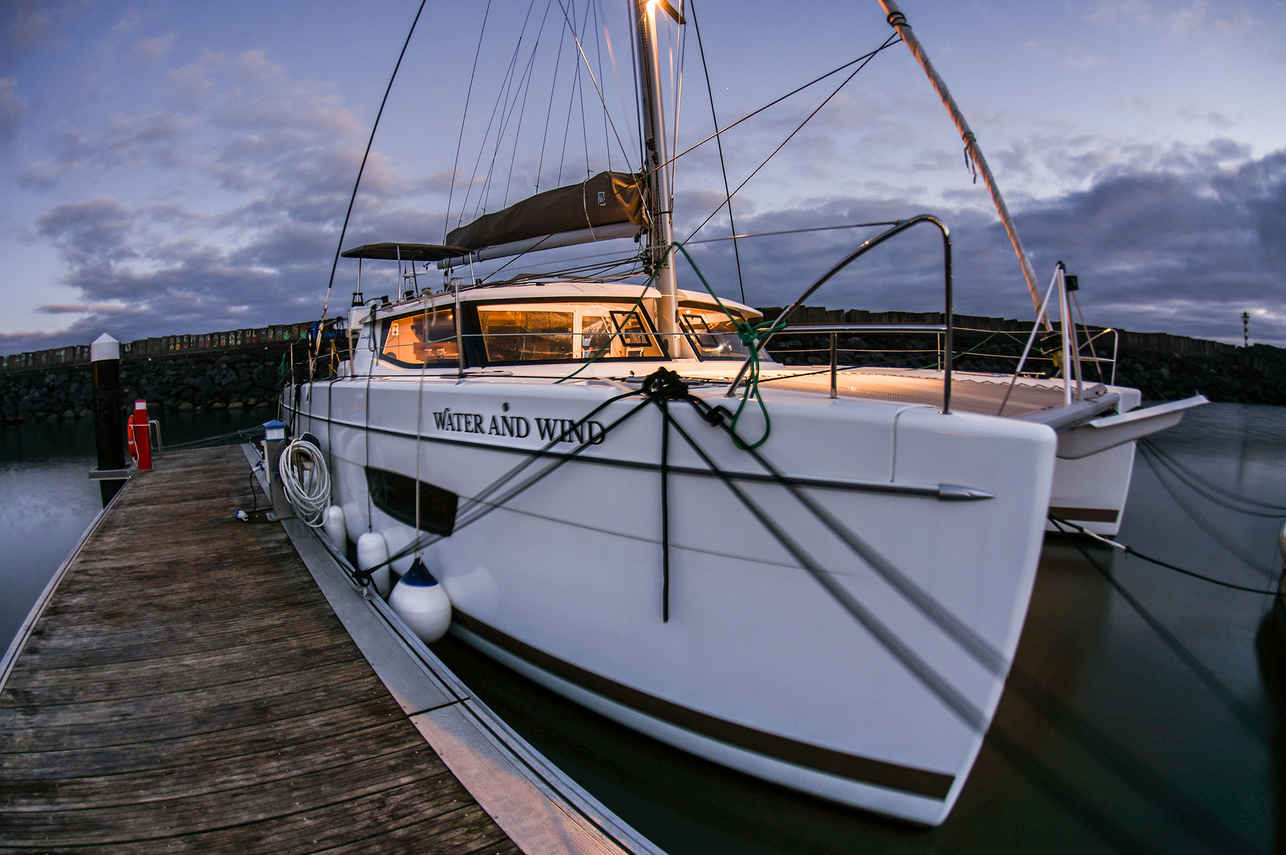
Water And Wind
Portugal
8 guests13 m
Dive sites similar to Banco D. João de Castro
Same character, same waters — six more sites divers love for the exact same reasons.Compare seasons, access and liveaboard routes — then pick the site that fits your trip best.
Abdi Reis is a highly regarded dive site situated near the Datça Peninsula in Turkey's Aegean Sea, specifically located within Abdi Reis Cove, near Yildiz Island.
- Suitable for
- Intermediate
- Current
- Moderate
- Access
- Liveaboard or dayboat
- Depth
- ≤ 33 m
- Theme
- Reef / Wall
© Esri — Maxar, Earthstar, GIS
Adabanko Reef
Turkey
Adabanko Reef is an inviting dive site situated approximately two kilometers off the coast of Kuşadası in Turkey's Aegean Sea.
- Suitable for
- Beginner
- Current
- Moderate
- Access
- Liveaboard or dayboat
- Depth
- 5–40 m
- Theme
- Reef
© Esri — Maxar, Earthstar, GIS
Adakule Cave
Turkey
Adakule Cave is a notable boat-access dive site located near Kuşadası, Turkey, offering an engaging experience centered around two distinct underwater caverns.
- Suitable for
- Beginner
- Current
- Mild
- Access
- Dayboat
- Depth
- 9–30 m
- Theme
- Cave & cavern
© Esri — Maxar, Earthstar, GIS
Afkule Cave
Turkey
Afkule Cave, also referred to by some as Aladdin's Cave, is consistently ranked among the top dive sites in Turkey, particularly renowned for its cave diving opportunities.
- Suitable for
- Intermediate
- Current
- Moderate
- Access
- Liveaboard or dayboat
- Depth
- ≤ 50 m
- Theme
- Cave & cavern / Wall
© Esri — Maxar, Earthstar, GIS
Afkule Monastery Reef
Turkey
Afkule Monastery Reef, prominently known as Afkule Wall, stands as a distinguished dive destination along Turkey's southwestern coast, close to Fethiye.
- Suitable for
- Intermediate
- Current
- Strong
- Access
- Liveaboard or dayboat
- Depth
- 6–40 m
- Theme
- Wall