About Baixa do Ambrósio
Baixa do Ambrósio is a world-class advanced dive site located off Santa Maria Island in the eastern Azores. This submerged volcanic seamount acts as a magnet for pelagic marine life, drawing large oceanic creatures to its rich waters. Situated in the open Atlantic, its bathymetric high forces deep-water organisms upwards, creating an aggregation point for a dense array of species. The topography consists of a rocky reef that rises from significant depths, with the main platform around 46 meters and shallower areas starting at 5 meters. The site is characterized by clear blue water, with visibility often exceeding 40 meters, offering a profound sense of oceanic scale. Strong tidal and oceanographic currents frequently sweep across the formation, making it a challenging but highly rewarding dive experience. The primary draw for divers is the exceptional pelagic activity. Large schools of Atlantic chub mackerel attract hunting amberjack and barracuda. Blue sharks are regular visitors in the open water, while mako sharks can occasionally be sighted on deeper dives. During the summer months, particularly from June to October, it becomes a hotspot for mobula rays, with schools of 15-30 individuals circling divers. Whale sharks and ocean sunfish are also among the possible encounters. Diving Baixa do Ambrósio requires careful planning and experienced local operators to manage the strong currents. Dives often focus on the upper water column or along the mooring line where much of the pelagic action occurs. Deeper exploration of the seamount's base is reserved for advanced divers when conditions are settled, ensuring a thrilling and dynamic dive experience.
Highlights
Pelagic marine life encountersMobula ray schoolsBlue and mako sharksAtlantic chub mackerel baitballsVolcanic seamount topographyExceptional clear blue waterStrong current drift divesOceanic sunfish sightings
Season calendar
Best months to dive here
Jan
Feb
Mar
Apr
May
Jun
Jul
Aug
Sep
Oct
Nov
Dec
Excellent
Good
Dive site facts: Baixa do Ambrósio
- Depth
- 5–47 m
- Current
- Moderate to strong
- Visibility
- 18–40 m+
- Water temperature
- 14–26°C
- Entry
- Boat / Negative entry possible
- Level
- Advanced
- Dive type
- Pelagic, drift, seamount
- Region / port
- Santa Maria, Azores
- Coordinates
- 38.69, -28.08
Conditions & Currents
Baixa do Ambrósio is an advanced dive site primarily due to its exposure to strong and unpredictable currents. Located in the open Atlantic, the seamount experiences significant tidal and oceanographic flow that can range from manageable to extremely strong, necessitating careful timing by experienced local operators. Divers must be prepared for drift diving conditions and often hold onto security lines, especially during ascents or when navigating stronger flows. Surface conditions can also change rapidly, requiring awareness and potentially demanding entries and exits. While these currents can be challenging, they are precisely what attract the abundant pelagic life that makes this site famous. Visibility is typically outstanding, often exceeding 40 meters, but strong currents can sometimes stir up thermoclines or reduce clarity, though this is less common. Divers should carry an SMB f
Marine life & sighting chances

Mobula ray
Summer · common
Blue shark
common
Mako shark
occasional
Atlantic chub mackerel
common
Amberjack
common
Barracuda
common
Ocean sunfish
occasional
Tuna
common
Whale shark
Summer · rare
Manta ray
Summer · common
Reef shark
occasional
Green turtle
occasionalDive profile & how the dive runs
Dives at Baixa do Ambrósio typically begin with a boat drop onto a mooring line that descends into the upper water column. Due to potentially strong currents, a negative entry may be necessary, and divers often maintain contact with the line during descent. The dive usually progresses by exploring the upper and mid-water column, where the dense schools of pelagic fish and mobula rays are frequently encountered. The seamount's top platform sits around 46 meters, and deeper exploration is reserved for experienced divers under optimal conditions, often as a controlled descent to observe bottom-dwelling life or larger pelagics moving through. The dive generally involves drifting with the current, requiring excellent buoyancy and current management skills. The turnaround point is often dictated by air consumption or current strength, with the safety stop conducted in the blue, deploying an SMB for surface pick-up.
Underwater photography
Baixa do Ambrósio offers prime opportunities for wide-angle photography, focusing on the abundant pelagic life such as schooling mobula rays, blue sharks, and large fish aggregations. A wide-angle lens is essential to capture the scale of these encounters in the clear, blue oceanic water. Due to the potential for strong currents, excellent buoyancy control is paramount to maintain position and avoid kicking up sediment. Strobes are beneficial for adding contrast and color to subjects in the blue, even in bright ambient light. For blue shark photography, patience and gentle movements are key. If you encounter mobula rays, maintain a respectful distance and let them approach you, allowing for natural, unforced compositions. Consider a remote trigger for fast-moving subjects if you are comfortable with your setup in current.
Combine with nearby dive sites
Getting there & logistics
Access to Baixa do Ambrósio is exclusively by boat, typically arranged through local dive operators on Santa Maria Island. Santa Maria is part of the Azores archipelago, which is accessible via flights to major airports like João Paulo II Airport (PDL) on São Miguel Island, with connecting flights to Santa Maria Airport (SMA). Dive trips to Baixa do Ambrósio are usually full-day excursions due to the boat ride duration and the advanced nature of the dives. Divers visiting the Azores often combine multiple islands and dive sites into a single liveaboard or land-based itinerary. The site is within a protected marine area, so specific usage rules, including vessel and diver limits, may apply. Dive packages usually include transfers from local accommodations to the dive boat.
Safety & environment
Diving Baixa do Ambrósio is recommended for advanced divers due to the strong and sometimes unpredictable currents, significant depths, and exposure to open ocean conditions. Divers should possess excellent buoyancy control, experience with drift diving, and be proficient in deploying an SMB. Local dive guides are crucial for assessing daily conditions and timing dives safely. The nearest recompression chamber is located on São Miguel Island, underscoring the importance of adequate dive insurance that covers emergency medical evacuation. Always dive within your training and comfort limits, stay close to your dive group, and follow all instructions from the dive operator. Be aware of changing surface conditions and potential wave height, particularly during entry and exit from the RIB.
Who it suits — and who it doesn't
Suited for
- Advanced divers with current experience
- Pelagic life enthusiasts
- Wide-angle underwater photographers
- Divers seeking large marine animal encounters
- Divers comfortable with drift diving
Less suited for
- Beginner divers
- Divers with limited current experience
- Macro photography specialists
- Divers prone to seasickness
- Those uncomfortable with deep blue water dives
FAQ
Baixa do Ambrósio FAQ
What kind of marine life can I expect at Baixa do Ambrósio?
Baixa do Ambrósio is famous for its abundant pelagic encounters. You can frequently see large schools of mobula rays, blue sharks, amberjacks, barracuda, and tuna. Occasionally, divers also spot mako sharks, whale sharks, and ocean sunfish, making every dive a potential big animal spectacle.
Why is Baixa do Ambrósio considered an advanced dive site?
This site is advanced due to its exposure to strong and often unpredictable currents, its depth profile down to 47 meters, and its location in the open Atlantic. Divers need excellent buoyancy control, experience with drift diving, and the ability to handle potentially challenging conditions, including rapid changes in current and surface swell.
What is the best time of year to dive Baixa do Ambrósio for mobula rays?
The prime season for encountering large schools of mobula rays at Baixa do Ambrósio is during the summer months, typically from June to October. During this period, the warmer waters and plankton blooms attract these majestic creatures to the seamount, often in significant numbers.
How is the visibility at Baixa do Ambrósio?
Visibility at Baixa do Ambrósio is generally exceptional, often exceeding 40 meters, due to its open ocean location. The clear blue water contributes significantly to the site's appeal, allowing for excellent viewing of distant pelagic animals and the vast underwater landscape.
Are there any specific safety considerations for diving this site?
Yes, safety is paramount at Baixa do Ambrósio. Divers must follow the instructions of their experienced local guide, be prepared for strong currents, and carry a surface marker buoy (SMB). It is also highly recommended to have comprehensive dive insurance that covers emergency medical and evacuation services, as the nearest recompression chamber is on São Miguel.
Why dive Baixa do Ambrósio from a liveaboard?
Baixa do Ambrósio is one of Portugal's signature dive sites. A liveaboard sleeps you on the water and puts you in the water for three to four guided dives per day, including dawn and night dives that day-boat operators rarely offer. You skip the daily commute back to port and reach quieter, less-crowded sites in the same region on a single trip.
Below are the liveaboards that include Baixa do Ambrósio on their Portugal itineraries.
Liveaboards diving Baixa do Ambrósio
These liveaboards may visit Baixa do Ambrósio on selected itineraries — the exact dive sites depend on departure, weather and conditions.
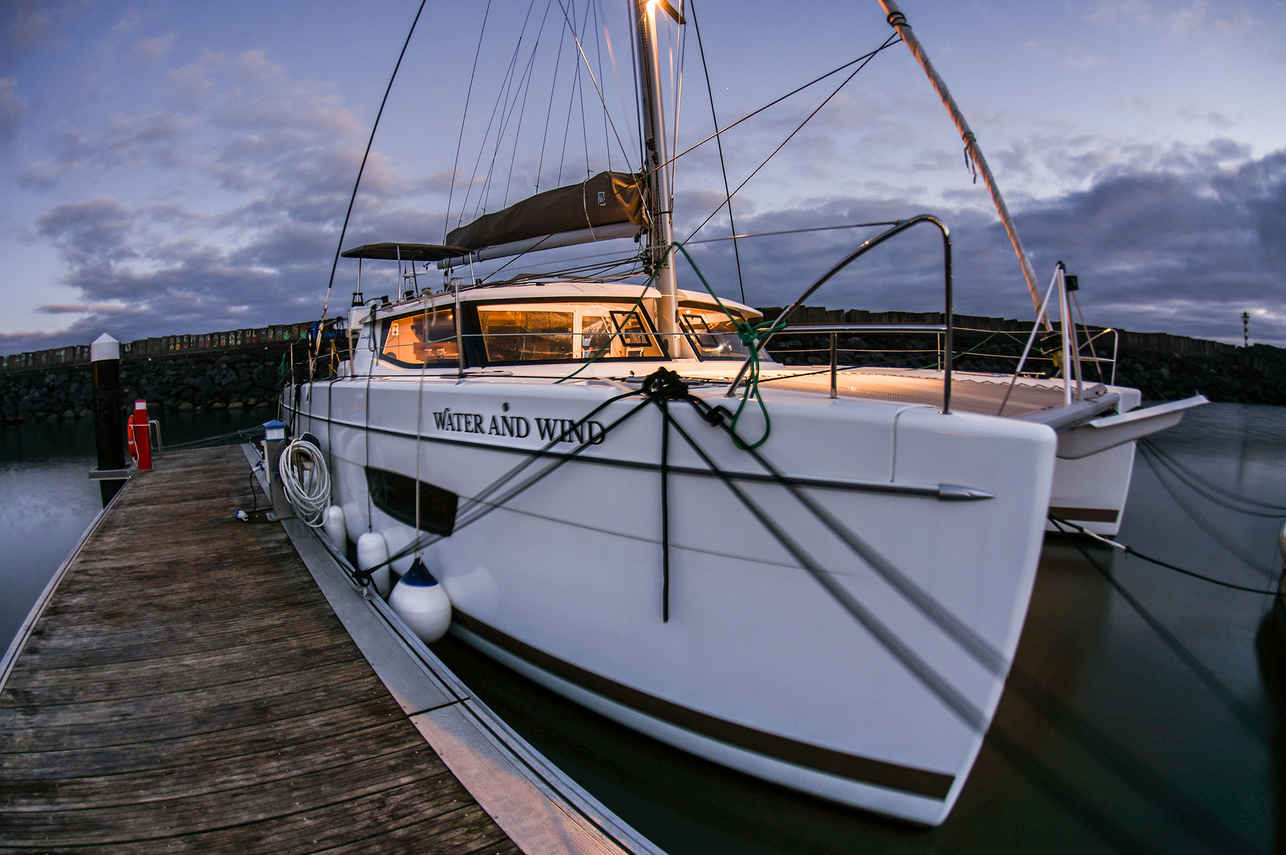
Water And Wind
Portugal
8 guests13.41 m
$429/day
Dive sites similar to Baixa do Ambrósio
Same character, same waters — six more sites divers love for the exact same reasons.Compare seasons, access and liveaboard routes — then pick the site that fits your trip best.
Rodelha is a popular coastal dive site situated close to Vila do Conde in northern Portugal.
- Suitable for
- Intermediate
- Current
- Mild
- Access
- Dayboat
- Depth
- 6–25 m
- Theme
- Reef
Silveira is a welcoming beginner-friendly dive site located off Terceira Island in the Azores archipelago, Portugal.
- Suitable for
- Beginner
- Current
- Mild
- Access
- Dayboat
- Depth
- 2–15 m
- Theme
- Reef / Pinnacle
© Esri — Maxar, Earthstar, GIS
Cinco Ribeiras
Portugal
Cinco Ribeiras is situated on the western coast of Terceira Island in the Azores, named after a nearby village.
- Suitable for
- Beginner
- Current
- Mild
- Access
- Shore / dayboat
- Depth
- 5–16 m
- Theme
- Reef / Cavern
© Esri — Maxar, Earthstar, GIS
Ilhéu da Vila
Portugal
Ilhéu da Vila is a significant dive site located approximately half a mile from the marina of Santa Maria Island in the Azores.
- Suitable for
- Intermediate
- Current
- Moderate
- Access
- Dayboat
- Depth
- 13–18 m
- Theme
- Reef / Wall
Göbektaşı is a dive site located in Turkey, offering a distinct underwater experience that combines archaeological interest with natural marine beauty.
- Suitable for
- Intermediate
- Current
- Mild
- Access
- Dayboat
- Depth
- ≤ 25 m
- Theme
- Reef / Wall
© Esri — Maxar, Earthstar, GIS
Catermaran Wreck
Turkey
The Turkish coast, particularly the Riviera, offers diverse diving experiences, including a variety of wrecks.
- Suitable for
- Intermediate
- Current
- Moderate
- Access
- Liveaboard or dayboat
- Depth
- —
- Theme
- Wreck