About Dollabarat
Dollabarat is a celebrated offshore seamount rising from the deep Atlantic, located near Santa Maria in the Azores archipelago. This site is renowned for its dramatic volcanic formations and its status as a hotspot for pelagic marine life, making it one of the premier blue-water dive experiences in the region. Divers can anticipate encountering large schools of various fish species and larger ocean predators. The seamount's topography features submerged pinnacles and walls, with depths ranging significantly, attracting a diverse ecosystem. The unique volcanic structure creates a complex habitat where both resident reef species and transient pelagics thrive. It forms part of the Formigas Islets and Dollabarat Reef marine reserve, contributing to its exceptional biodiversity. During the warmer summer months, the site becomes particularly vibrant, with increased concentrations of marine life. This period is prime for observing large schools of fish, mobula rays, and various shark species drawn to the nutrient-rich waters. The blue-water environment and potential for significant pelagic encounters define the Dollabarat diving experience. Accessing Dollabarat requires a boat trip, and the diving conditions, particularly strong currents, necessitate advanced diving skills. It offers an unforgettable adventure for experienced divers seeking thrilling encounters with marine megafauna and spectacular underwater scenery.
Highlights
Offshore seamount divingPelagic encountersShark sightingsMobula ray aggregationsVolcanic rock formationsSchools of amberjacksStrong currents
Season calendar
Best months to dive here
Jan
Feb
Mar
Apr
May
Jun
Jul
Aug
Sep
Oct
Nov
Dec
Excellent
Good
Dive site facts: Dollabarat
- Depth
- 5–50 m
- Typical dive
- 15–40 m, 40–50 min
- Current
- Strong
- Visibility
- 15–40 m
- Water temperature
- 16–24°C
- Entry
- Live boat / Tender
- Level
- Advanced, current experience essential
- Dive type
- Pelagic, seamount, drift
- Night dive
- Not typical / Not offered
- Region / port
- Azores, Santa Maria
- Coordinates
- 38.54, -28.75
Conditions & Currents
Dollabarat is characterized by strong currents, making it a site recommended exclusively for experienced divers. Its location far offshore and proximity to oceanic currents mean conditions can be unpredictable, requiring careful dive planning and good physical condition. Divers should be prepared for potential drift dives and must maintain excellent buoyancy control. Surface conditions can also be challenging due to its open Atlantic location, impacting entry and exit. Visibility typically ranges from 15 to 40 meters, though strong currents can sometimes affect clarity. Water temperatures vary from 16°C to 24°C, with thermoclines possible at deeper levels.
Marine life & sighting chances

Sandbar shark
Summer · occasional
Blue shark
Summer · occasional
Shortfin mako shark
Summer · rare
Mobula ray
Summer · common
Manta ray
Summer · occasional
Eagle ray
Summer · occasional
Amberjack
Summer · common
Barracuda
Summer · common
Blue runner
Summer · common
Atlantic bonito
Summer · occasional
Tuna
Summer · occasional
Grouper
common
Moray eel
common
Triggerfish
occasionalDive profile & how the dive runs
Dives at Dollabarat typically involve a live boat entry due to its offshore location and strong currents. Divers descend along a line to the top of the seamount, which can be around 15-20 meters, or slightly shallower depending on the specific pinnacle. The dive then often becomes a drift along the seamount's walls, observing pelagic life in the blue. The depth profile varies as you navigate the volcanic topography, dropping to 40 meters or more. Due to the pelagic nature, there isn't a fixed route, but divers generally follow the contours of the reef or drift with the current, keeping an eye out for larger marine animals. The turning point is dictated by gas consumption and no-decompression limits, after which divers initiate a slow ascent into shallower waters for their safety stop, often in the open blue before a live boat pickup.
Underwater photography
Dollabarat offers incredible opportunities for wide-angle photography, particularly given the frequent sightings of large pelagics like sharks, mobula rays, and schooling fish. A wide-angle lens is essential to capture the vastness of the open blue and the scale of marine megafauna. Due to the clear water and often abundant natural light, strobes can be used to add color and detail to subjects, though ambient light can often suffice for larger animals. Focus on capturing the interaction between marine life and the dramatic volcanic topography. Given the strong currents, excellent buoyancy control is paramount to stable shots. Be ready to react quickly to fast-moving subjects and prioritize natural behavior over staged shots. Ethical conduct is key; maintain a respectful distance from all marine life.
Combine with nearby dive sites
- Formigas Islets (Azores)
A protected marine reserve, offering exceptional pelagic encounters.
- Princess Alice Bank (Azores)
Another pelagic hotspot known for mobula ray aggregations, accessible from Faial.
- Banco D. João de Castro
A submarine volcanic seamount between Terceira and São Miguel, known for unique endemic invertebrates.
- Caloura Reef
A coastal reef near São Miguel with diverse marine life and volcanic formations.
- Santa Maria Reef
Reefs around Santa Maria island offering various recreational dive experiences.
Getting there & logistics
Diving at Dollabarat is typically organized by dive centers based on Santa Maria Island in the Azores. Access usually involves a boat trip from the marina, often lasting several hours due to the site's offshore location. Trips are typically day excursions, as there are no full-time liveaboards operating in the Azores, though private charters can be arranged. Divers usually fly into Santa Maria Airport (SMA), with connections often available through São Miguel (Ponta Delgada - PDL), the largest airport in the Azores. Booking offshore excursions several months in advance is highly recommended, especially during peak season, due to limited boat capacity and the popularity of pelagic encounters. Dive operators handle necessary permits for protected marine areas.
Safety & environment
Diving Dollabarat requires advanced certification and significant experience with strong currents due to its challenging offshore conditions. Divers must ensure they have comprehensive dive insurance that covers emergency evacuation and recompression. The nearest recompression chamber is located on São Miguel Island, meaning evacuation can be time-consuming, emphasizing the importance of preventative safety measures. Always dive with a reputable operator, follow dive guides' instructions, and adhere to dive plans meticulously. Maintain excellent physical fitness, monitor air consumption closely, and ensure all gear is in top condition. Surface marker buoys are essential for every diver for visibility during drift dives and live boat pickups in the open ocean.
Who it suits — and who it doesn't
Suited for
- Advanced divers with current experience
- Divers seeking large pelagic encounters
- Underwater photographers with wide-angle setups
- Adventurous divers comfortable with offshore conditions
- Experienced divers looking for thrilling blue-water dives
Less suited for
- Beginner divers or those new to currents
- Divers uncomfortable with open ocean conditions
- Divers seeking easy, sheltered dives
- Macro photography specialists
- Divers without advanced certifications
FAQ
Dollabarat FAQ
What kind of marine life can I expect to see at Dollabarat?
Dollabarat is a hotspot for large pelagic species. You can expect to encounter various sharks, including sandbar and blue sharks, along with mobula rays and occasionally manta rays. Large schools of fish such as amberjacks, barracudas, and tuna are also common sightings, especially during the summer months.
What is the best time of year to dive Dollabarat?
The prime diving season for Dollabarat is from June to October. During these months, the water is warmer, visibility is at its best, and the chances of encountering significant pelagic marine life, such as sharks and rays, are highest. This period aligns with the peak for many offshore Azorean dive sites.
Is Dollabarat suitable for beginner divers?
No, Dollabarat is not suitable for beginner divers. It is an advanced dive site characterized by strong currents, offshore conditions, and deep profiles, requiring significant experience and skill. Divers should be comfortable with challenging conditions and proficient in current diving techniques.
How do I get to the Dollabarat dive site?
Dollabarat is an offshore seamount accessed by boat trips typically organized by dive centers on Santa Maria Island. You would fly into Santa Maria Airport (SMA), often connecting via São Miguel (PDL). The boat journey to the site can take several hours, and trips are usually day excursions.
What are the typical dive depths and conditions at Dollabarat?
Dive depths at Dollabarat range from 5 meters at the shallowest pinnacles to over 50 meters, with typical dives often between 15-40 meters. Expect strong currents, which can necessitate drift diving. Visibility is generally excellent, between 15 and 40 meters, and water temperatures range from 16-24°C, peaking in summer.
Why dive Dollabarat from a liveaboard?
Dollabarat is one of Portugal's signature dive sites. A liveaboard sleeps you on the water and puts you in the water for three to four guided dives per day, including dawn and night dives that day-boat operators rarely offer. You skip the daily commute back to port and reach quieter, less-crowded sites in the same region on a single trip.
Below are the liveaboards that include Dollabarat on their Portugal itineraries.
Liveaboards diving Dollabarat
These liveaboards may visit Dollabarat on selected itineraries — the exact dive sites depend on departure, weather and conditions.
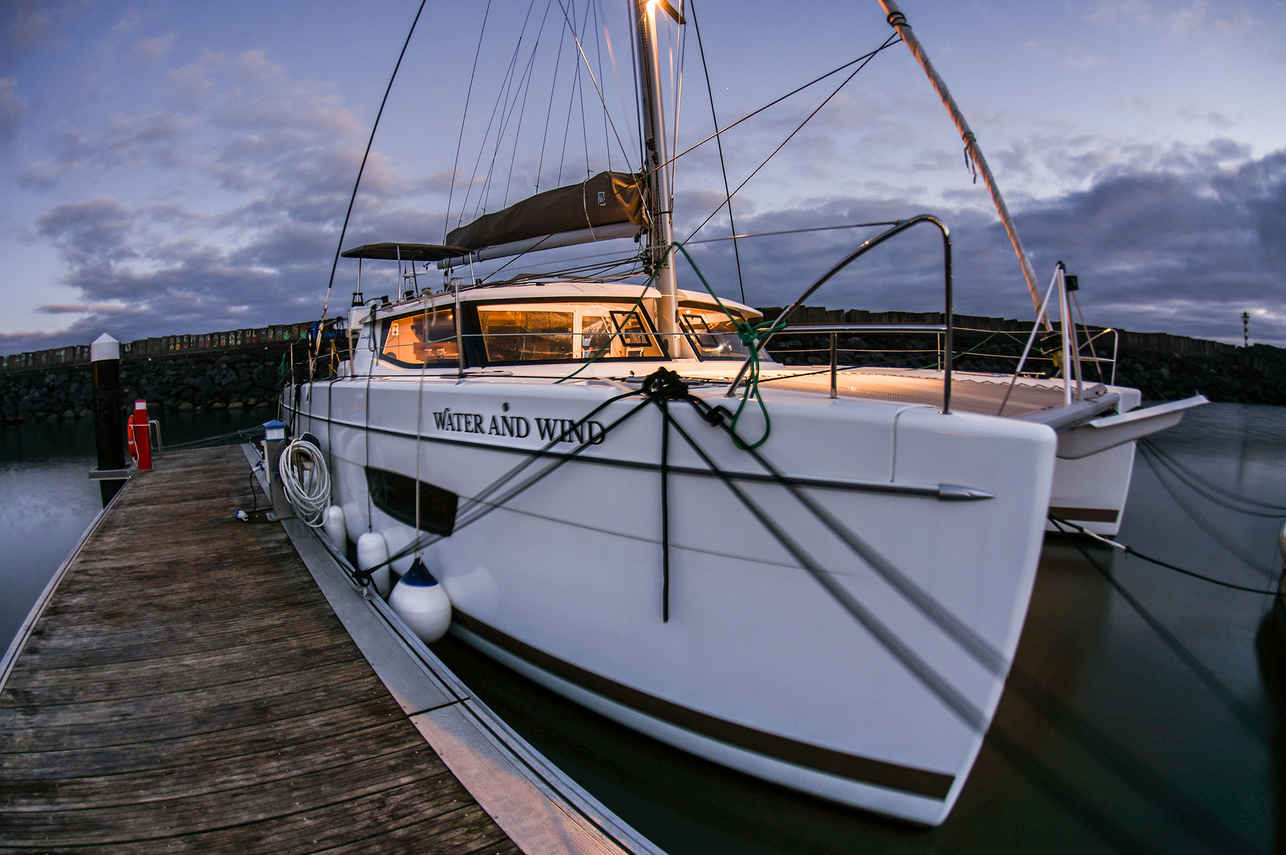
Water And Wind
Portugal
8 guests13.41 m
$434/day
Dive sites similar to Dollabarat
Same character, same waters — six more sites divers love for the exact same reasons.Compare seasons, access and liveaboard routes — then pick the site that fits your trip best.
Baixa do Ambrósio is an advanced dive site situated in the open Atlantic, southeast of Santa Maria Island in the eastern Azores.
- Suitable for
- Advanced
- Current
- Strong
- Access
- Dayboat
- Depth
- 5–47 m
- Theme
- Reef / Drift
© Esri — Maxar, Earthstar, GIS
Arrábida Reef
Portugal
The Arrábida Reef, nestled within the Parque Natural da Arrábida, stands as a premier diving destination in Portugal, celebrated for its rich biodiversity and stunning underwater topography.
- Suitable for
- Intermediate
- Current
- Strong
- Access
- Liveaboard or dayboat
- Depth
- 6–24 m
- Theme
- Cave & cavern / Reef
© Esri — Maxar, Earthstar, GIS
ARRAIA Reef
Portugal
ARRAIA Reef is a beginner-friendly dive site located off Terceira Island in the Azores, providing an accessible introduction to the distinct underwater environment of this mid-Atlantic island.
- Suitable for
- Beginner
- Current
- Mild
- Access
- Liveaboard or dayboat
- Depth
- 8–11 m
- Theme
- Reef
© Esri — Maxar, Earthstar, GIS
Baía da Armação
Portugal
Baía da Armação is a highly popular and easily navigable dive site situated near Sesimbra, benefiting from natural protection against the region's prevailing northern winds.
- Suitable for
- Beginner
- Current
- Mild
- Access
- Dayboat
- Depth
- 11–14 m
- Theme
- Reef
© Esri — Maxar, Earthstar, GIS
Baixa de Santa Bárbara
Portugal
Baixa de Santa Bárbara is a premier advanced dive site located off Santa Maria Island, the Azores' southernmost and oldest island.
- Suitable for
- Advanced
- Current
- Strong
- Access
- Dayboat
- Depth
- 18–30 m
- Theme
- Reef / Wall
© Esri — Maxar, Earthstar, GIS
Baixa do Ambrósio
Portugal
Baixa do Ambrósio is a world-class advanced dive site located off Santa Maria Island in the eastern Azores.
- Suitable for
- Advanced
- Current
- Ripping
- Access
- Liveaboard or dayboat
- Depth
- 18–40 m
- Theme
- Seamount