About Princess Alice Bank (Azores)
Princess Alice Bank is an oceanic seamount located approximately 83 kilometers southwest of Faial Island, or 90 to 96 kilometers southwest of Pico Island, in the Azores. This submerged bank rises dramatically from a depth of 1,500 meters to just 32 to 35 meters below the surface, making it a pivotal marine ecosystem in the Mid-Atlantic. It is widely recognized as a premier destination for large pelagic encounters in Europe, attracting divers eager to witness its extraordinary marine life. Diving at Princess Alice Bank begins at the pinnacle, at a depth of 35 meters. The seamount provides a vast underwater structure, with a plateau typically around 20 meters deep, although some sources indicate depths ranging from 30 to 40 meters. Above the main structure, divers often encounter pelagic species at shallower depths, sometimes as little as 2 to 10 meters below the surface. The site is characterized by open-ocean conditions, with no visible land or reef. This site is renowned for its incredible aggregations of mobula rays, with encounters ranging from 20 to an astounding 500 to 1,000+ individuals, especially between May and October. Hammerhead sharks are occasionally sighted, along with barracuda swimming in dense schools. Other marine life includes large triggerfish and various wrasses. The sheer volume of mobula rays during peak season makes Princess Alice Bank a unique pelagic experience. Diving Princess Alice Bank is an advanced experience, typically involving a full-day trip due to the considerable distance from shore, often taking about three hours by RIB from Faial or Pico. Strong currents are a common feature of this open-ocean environment. Divers must be prepared for deep profiles and potential surface chop during boat transfers, which can also offer sightings of dolphins in the boat's wake. Despite the challenging conditions, the reward is an unparalleled encounter with large marine life.
Highlights
Mobula raysBlue sharksSeamountOpen water
Season calendar
Best months to dive here
Jan
Feb
Mar
Apr
May
Jun
Jul
Aug
Sep
Oct
Nov
Dec
Excellent
Good
Dive site facts: Princess Alice Bank (Azores)
- Depth
- 30-40 m
- Typical dive
- 30-40 m
- Current
- Strong and variable
- Visibility
- 15-40 m
- Water temperature
- 20-24°C
- Entry
- Descent line / blue water entry
- Level
- Advanced Open Water Diver (AOWD) minimum, 50 logged dives recommended
- Dive type
- Pelagic, seamount, blue water
- Night dive
- Not permitted
- Region / port
- Azores, Portugal (Pico or Faial)
- Coordinates
- 37.8667, -29.2333
Conditions & Currents
Princess Alice Bank is situated in the open ocean and is subject to strong currents, which are a defining characteristic of the dive. Divers must be prepared for these conditions, as they can influence buoyancy control and dive planning. Given its location far from shore, surface conditions can also be variable, potentially leading to surge or choppy waters during boat transfers and at the surface interval.
Marine life & sighting chances

Mobula ray
July-September · common
Giant oceanic manta ray
July-September · occasional
Blue shark
Summer · common
Wahoo
occasional
Tuna
occasional
Amberjack
occasional
Yellowmouth barracuda
occasional
Galapagos shark
rare
Whale shark
July-September · rare
Giant stingray
rare
Triggerfish
common
Common dolphin
commonDive profile & how the dive runs
Diving at Princess Alice Bank involves an open-ocean blue water descent, typically following a shot line. The seamount's pinnacle is at a minimum depth of 30 meters, with the plateau extending to 40 meters. Due to potentially strong currents, divers usually hold onto the descent line. The primary focus is observing pelagic life, especially the mobula rays that congregate around the seamount, often circling the pinnacle. Divers progress by drifting over the seamount's top, maintaining careful buoyancy control and depth awareness. The dive concludes with an ascent back up the line, ensuring a safety stop is conducted while maintaining control in the blue.
Underwater photography
Princess Alice Bank is a premier destination for wide-angle photography, especially during peak season (July-September) when mobula rays aggregate. Wide-angle lenses are essential for capturing the vast schools of mobulas and other large pelagics against the deep blue backdrop. Strobes or video lights are highly recommended to minimize backscatter and highlight the subjects' natural colors. Maintaining excellent buoyancy is crucial, as is being prepared for strong currents and blue water environments with no fixed reference points. Ethical conduct is paramount; avoid chasing or disturbing marine life, especially the curious mobula rays, and capture their natural behaviors by waiting patiently. Utilize the clear visibility to compose striking shots of rays silhouetted against the surface light or interacting with divers.
Combine with nearby dive sites
- Dollabarat
A reef south-southeast of the Formigas Islets, offering diverse pelagic encounters.
- Formigas Islets (Azores)
Submerged pinnacles known for mantas, mobulas, sharks, and tunas.
- Ambrosio
A marine reserve near Santa Maria Island, known for large schools of jacks, barracuda, and devil rays.
- Faial Channel
An area where boats often encounter dolphins during crossings to offshore sites.
Getting there & logistics
Access to Princess Alice Bank typically involves a full-day trip from the islands of Pico or Faial in the central Azores. The boat journey to the seamount takes approximately 2.5 to 3 hours each way. Most operators offer full-day excursions including two dives at the bank. Due to its remote, open-ocean location, trips are highly weather-dependent, and cancellations are common; booking at least a week-long stay in the Azores is advisable to maximize chances. Divers usually fly into Ponta Delgada (São Miguel) then take local flights or ferries to Pico or Faial. No specific permits are generally required for diving, but dive operators handle all logistical arrangements, including boat transfers and dive guides.
Safety & environment
Diving Princess Alice Bank demands a high level of experience and preparedness. The site is remote, approximately 90 km offshore, meaning evacuation in an emergency could be lengthy and complex. Divers must be self-sufficient, maintain excellent buoyancy control, and be comfortable in strong currents and deep, open-ocean environments with no visual reference points. A minimum of Advanced Open Water certification and at least 50 logged dives are commonly required. Dive insurance, including coverage for recompression and evacuation, is essential. The nearest recompression chamber is located in Horta on Faial Island. Always adhere strictly to dive guide instructions, especially regarding staying on the descent line and managing gas consumption at depth, as conditions can change rapidly.
Who it suits — and who it doesn't
Suited for
- Experienced Advanced Open Water Divers seeking pelagic encounters
- Photographers focusing on large marine life and wide-angle shots
- Divers comfortable with strong currents and blue water diving
- Those who appreciate remote, challenging, and unique dive sites
- Individuals with excellent buoyancy control and deep diving experience
Less suited for
- Beginner or Open Water certified divers
- Divers with limited experience in strong currents or open ocean
- Those prone to seasickness, due to long, potentially rough boat rides
- Divers uncomfortable with depths of 30-40 meters
- Individuals seeking macro life or extensive coral reef systems
FAQ
Princess Alice Bank (Azores) FAQ
What is the best time of year to dive Princess Alice Bank?
The optimal season for diving Princess Alice Bank is from July to September. During these months, the water temperature is at its warmest, and there's the highest chance of encountering large schools of mobula rays and other pelagic species. August typically offers the peak concentration of mobula and manta rays, though weather conditions can still cause cancellations.
What certification is required to dive Princess Alice Bank?
A minimum of Advanced Open Water Diver (AOWD) certification is required by all operators for Princess Alice Bank. Many also recommend or mandate deep diving and Nitrox specialties. Furthermore, divers should have a significant number of logged dives, typically at least 50, and possess excellent buoyancy control due to the challenging open-ocean and current-prone environment.
How do you get to Princess Alice Bank?
Boats depart from the islands of Pico or Faial in the central Azores. The journey to Princess Alice Bank is a considerable two-and-a-half to three-hour boat ride each way. Given the distance and open ocean exposure, the crossing can be rough, and taking seasickness medication is strongly advised for susceptible individuals.
What marine life can I expect to see at Princess Alice Bank?
Princess Alice Bank is famous for its abundant pelagic life, most notably large aggregations of mobula rays, sometimes seen in the hundreds. Divers frequently encounter blue sharks, wahoo, tuna, amberjack, and yellowmouth barracuda. Lucky divers might also spot giant oceanic manta rays, Galapagos sharks, or even the rare whale shark.
Why is Princess Alice Bank considered a challenging dive site?
The site is challenging due to its remote, open-ocean location, potential for strong and unpredictable currents, and significant depths on the seamount plateau (30-40 meters). There are no visual reference points once off the descent line, requiring advanced navigation and excellent buoyancy control. Rapidly changing conditions and the long boat journey also add to the difficulty.
Is it possible to snorkel with the mobula rays at Princess Alice Bank?
Yes, during the surface interval between dives, it is often possible to snorkel with the mobula rays at Princess Alice Bank. The rays sometimes come close to the surface, offering fantastic opportunities for snorkellers to observe them. This provides an additional unique experience for those on the expedition.
Why dive Princess Alice Bank (Azores) from a liveaboard?
Princess Alice Bank (Azores) is one of Portugal's signature dive sites. A liveaboard sleeps you on the water and puts you in the water for three to four guided dives per day, including dawn and night dives that day-boat operators rarely offer. You skip the daily commute back to port and reach quieter, less-crowded sites in the same region on a single trip.
Below are the liveaboards that include Princess Alice Bank (Azores) on their Portugal itineraries.
Liveaboards diving Princess Alice Bank (Azores)
These liveaboards may visit Princess Alice Bank (Azores) on selected itineraries — the exact dive sites depend on departure, weather and conditions.
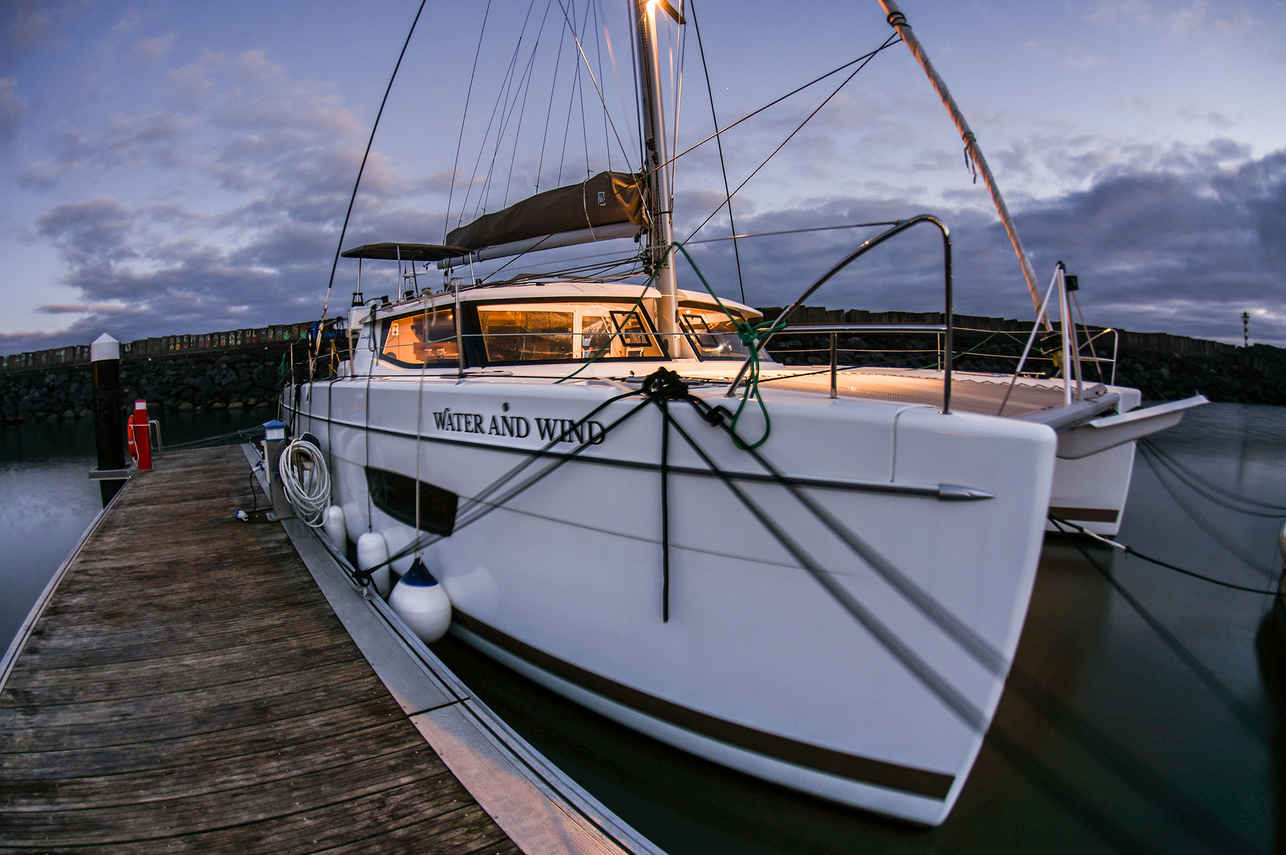
Water And Wind
Portugal
8 guests13.41 m
$433/day
Dive sites similar to Princess Alice Bank (Azores)
Same character, same waters — six more sites divers love for the exact same reasons.Compare seasons, access and liveaboard routes — then pick the site that fits your trip best.
Silveira is a welcoming beginner-friendly dive site located off Terceira Island in the Azores archipelago, Portugal.
- Suitable for
- Beginner
- Current
- Mild
- Access
- Dayboat
- Depth
- 2–15 m
- Theme
- Reef / Pinnacle
Pedrinha, meaning 'Little Rock,' is a highly regarded advanced dive site located off Santa Maria Island in the eastern Azores.
- Suitable for
- Advanced
- Current
- Strong
- Access
- Dayboat
- Depth
- 6–40 m
- Theme
- Reef / Wall
© Esri — Maxar, Earthstar, GIS
Baixa do Ilheu do Frade
Portugal
Baixa do Ilheu do Frade is an advanced dive site situated off Santa Maria Island in the Azores archipelago.
- Suitable for
- Advanced
- Current
- Moderate
- Access
- Dayboat
- Depth
- ≤ 25 m
- Theme
- Reef / Pinnacle
© Esri — Maxar, Earthstar, GIS
Banco D. João de Castro
Portugal
Banco D. João de Castro is a spectacular active submarine volcano nestled in the Atlantic Ocean, between the Azorean islands of São Miguel and Terceira.
- Suitable for
- Advanced
- Current
- Strong
- Access
- Liveaboard or dayboat
- Depth
- 12–60 m
- Theme
- Seamount
© Esri — Maxar, Earthstar, GIS
Baixa do Ambrósio
Portugal
Baixa do Ambrósio is a world-class advanced dive site located off Santa Maria Island in the eastern Azores.
- Suitable for
- Advanced
- Current
- Ripping
- Access
- Liveaboard or dayboat
- Depth
- 18–40 m
- Theme
- Seamount
© Esri — Maxar, Earthstar, GIS
Dollabarat
Portugal
Dollabarat is a celebrated offshore seamount rising from the deep Atlantic, located near Santa Maria in the Azores archipelago.
- Suitable for
- Advanced
- Current
- Strong
- Access
- Liveaboard or dayboat
- Depth
- 12–35 m
- Theme
- Reef / Seamount