About Pedrinha
Pedrinha, meaning 'Little Rock,' is a highly regarded advanced dive site located off Santa Maria Island in the eastern Azores. Its strategic position within the North Atlantic circulation brings nutrient-rich waters, fostering remarkable pelagic diversity and crystal-clear visibility, frequently reaching 30 to 40 meters. The underwater topography is a complex volcanic structure, featuring significant relief and walls that descend to considerable depths. These formations are adorned with thriving filter-feeding communities, including large sea fans, diverse sponge assemblages, and cup corals in deeper, darker zones. Divers are drawn to Pedrinha primarily for its outstanding pelagic encounters. Blue sharks are a consistent presence throughout the dive season, often seen alongside schools of amberjack and Atlantic horse mackerel. During late summer and autumn, when water temperatures peak, lucky divers may also encounter manta rays and large tuna, cementing Pedrinha's reputation as a top destination for advanced divers seeking big animal action. Due to its exposed location and oceanic conditions, including potential for strong currents and depth, this site demands experienced divers with robust preparation. The rewards include an unfiltered encounter with the mid-Atlantic's marine richness, requiring adequate thermal protection for extended dive times.
Highlights
Advanced Atlantic divingExceptional pelagic encountersDramatic volcanic topographyBlue shark sightingsManta ray and tuna (seasonal)30-40 meter visibilityRich filter-feeding communitiesSeamount/reef structure
Season calendar
Best months to dive here
Jan
Feb
Mar
Apr
May
Jun
Jul
Aug
Sep
Oct
Nov
Dec
Excellent
Good
Off-Season
Jul – Oct (Summer/Autumn)
Best visibility 20–30m, warmest water 21–24°C. Blue sharks, mobula rays, whale sharks. Peak pelagic season at offshore sites.
Apr – Jun & Nov (Shoulder)
Improving/declining conditions. Water cooling but still diveable. Fewer pelagics but good reef life.
Dec – Mar (Winter)
Cold water 16–18°C, rough Atlantic swells, reduced visibility. Limited dive operations. Only for experienced cold-water divers.
Dive site facts: Pedrinha
- Depth
- Variable, with walls descending to significant depths
- Current
- Variable, can be strong
- Visibility
- 30–40 m
- Water temperature
- 25°C (now), 16–24°C (seasonal)
- Entry
- Boat dive, negative entry possible
- Level
- Advanced Required
- Dive type
- Pelagics, blue water, reef, wall
- Region / port
- Santa Maria, Azores, Portugal
- Coordinates
- 37.7682° N, 15.2667° W
Conditions & Currents
Pedrinha is situated in exposed open Atlantic waters, meaning currents can range from mild to strong and are often variable, influenced by weather and oceanic conditions. Divers must be prepared for potentially significant currents, requiring strong current awareness and experience for safe navigation and interaction with marine life. A negative entry may be necessary to quickly reach the shelter of the volcanic structure. Surface conditions can change rapidly, necessitating constant vigilance and reliable boat support. Due to these factors, Pedrinha is classified as an advanced dive requiring efficient depth management and buoyancy control.
Marine life & sighting chances

Blue shark
Throughout dive season · common
Amberjack
common
Atlantic horse mackerel
common
Manta ray
Late summer and autumn · occasional
Tuna
Late summer and autumn · occasional
Whale shark
rare
Sea fan
common
Sponge
common
Cup coral
common
Octopus
occasional
Moray eel
occasional
Triggerfish
occasional
Wrasse
occasional
Dolphin
occasionalDive profile & how the dive runs
Your dive at Pedrinha begins with a boat entry into the open blue water, as you prepare for encounters with pelagic species. The dive profile typically follows the volcanic structure, navigating wall sections and pinnacles where filter-feeding communities thrive. Depths can vary significantly, requiring efficient depth management and buoyancy control, especially with potential currents. Divers often spend time at varying depths observing marine aggregations along the reef edge and in the blue. The dive concludes with an ascent for a safety stop in the open ocean, followed by boat retrieval. Due to the exposed nature of the site, surface marker buoy deployment is often necessary, and coordination with the boat crew is crucial for both entry and exit.
Underwater photography
Photographing at Pedrinha is best approached with wide-angle or fisheye lenses to capture the scale of its volcanic topography and the impressive pelagic encounters. External strobes are highly recommended to illuminate the vibrant colors of sea fans and sponges on the walls, and to bring out detail in passing blue sharks or manta rays. In the exceptionally clear Atlantic water, strobes also help minimize backscatter, ensuring clean, sharp images. Given the potential for strong currents and deeper dives, impeccable buoyancy control is paramount for stable shots and protecting the delicate marine life.
Combine with nearby dive sites
- Baixa de Santa Bárbara
Advanced site on Santa Maria
- Baixa do Ilheu do Frade
Advanced site on Santa Maria
- Ilhéu de Vila Franca
Suitable for novices, inside a volcanic crater on São Miguel
- Formigas Islets
Advanced, offshore site with mantas, sharks, and whale sharks
- Ambrosio
Pinnacle dive with mobula rays and sharks (on Pico)
- Figueiral
Site near Santa Maria
Getting there & logistics
Access to Pedrinha typically starts with flights into Santa Maria Island (SMA) in the Azores, which is well-connected to mainland Portugal and other Azorean islands. Dive operations are based in Vila do Porto. Trips to Pedrinha are usually day boat excursions, as the site is located off the exposed coastline of Santa Maria. Given its advanced rating and offshore nature, it's often combined with other advanced pelagic-focused dives around Santa Maria. There are no specific park fees mentioned, but dive center packages will include boat trips and guiding. Divers should ensure their travel insurance covers advanced open-water diving in remote locations.
Safety & environment
For diving Pedrinha, divers must possess Advanced Open Water certification or equivalent, given its advanced rating and exposed Atlantic conditions. The nearest recompression chamber is located in Funchal, Madeira, which emphasizes the importance of conservative dive planning and appropriate insurance for emergency evacuations from the remote Azores. Site-specific hazards include strong and variable currents, which demand excellent buoyancy control and surface marker buoy deployment for safe ascent and retrieval. Divers should be well-versed in open water safety procedures and maintain close communication with their dive guides and boat crew at all times.
Who it suits, and who it doesn't
Suited for
- Advanced divers with current experience
- Experienced divers seeking pelagic encounters
- Divers interested in dramatic volcanic topography
- Underwater photographers focusing on wide-angle subjects
- Divers prepared for strong oceanic conditions
Less suited for
- Beginner divers or Open Water certified divers
- Divers with limited experience in strong currents
- Those prone to seasickness in exposed waters
- Divers without adequate thermal protection
- Individuals seeking easy, shallow reef dives
FAQ
Pedrinha FAQ
What kind of marine life can I expect at Pedrinha?
Pedrinha is renowned for its pelagic encounters, with common sightings of blue sharks, amberjack, and Atlantic horse mackerel. During late summer and autumn, there is a higher chance of encountering manta rays and large tuna. Occasionally, lucky divers might even spot a whale shark.
What are the typical diving conditions at Pedrinha?
Pedrinha offers exceptional visibility, often reaching 30 to 40 meters. Water temperatures range from 16-18°C in winter to 21-24°C in summer, peaking around 25°C currently. Currents can be variable and strong due to its exposed open-ocean location, requiring advanced diving skills.
Is Pedrinha suitable for all diver levels?
No, Pedrinha is an advanced dive site and is not suitable for beginner divers. Its exposed conditions, potential for strong currents, and depth require experience and preparation. Divers should have an Advanced Open Water certification and experience in oceanic diving.
What kind of underwater topography does Pedrinha offer?
The site features a complex volcanic structure with significant relief, including walls that descend to considerable depths. These formations are richly colonized by filter-feeding communities such as large sea fans, diverse sponges, and cup corals in deeper areas.
When is the best time to see manta rays at Pedrinha?
Manta ray encounters are most likely in late summer and autumn, particularly when water temperatures are at their warmest and prey concentrations are highest. This period typically spans from July through October, offering the best chances for these sightings.
Why dive Pedrinha from a liveaboard?
Pedrinha is one of Portugal's signature dive sites. A liveaboard sleeps you on the water and puts you in the water for three to four guided dives per day, including dawn and night dives that day-boat operators rarely offer. You skip the daily commute back to port and reach quieter, less-crowded sites in the same region on a single trip.
Below are the liveaboards that include Pedrinha on their Portugal itineraries.
Liveaboards diving Pedrinha
These liveaboards may visit Pedrinha on selected itineraries, the exact dive sites depend on departure, weather and conditions.
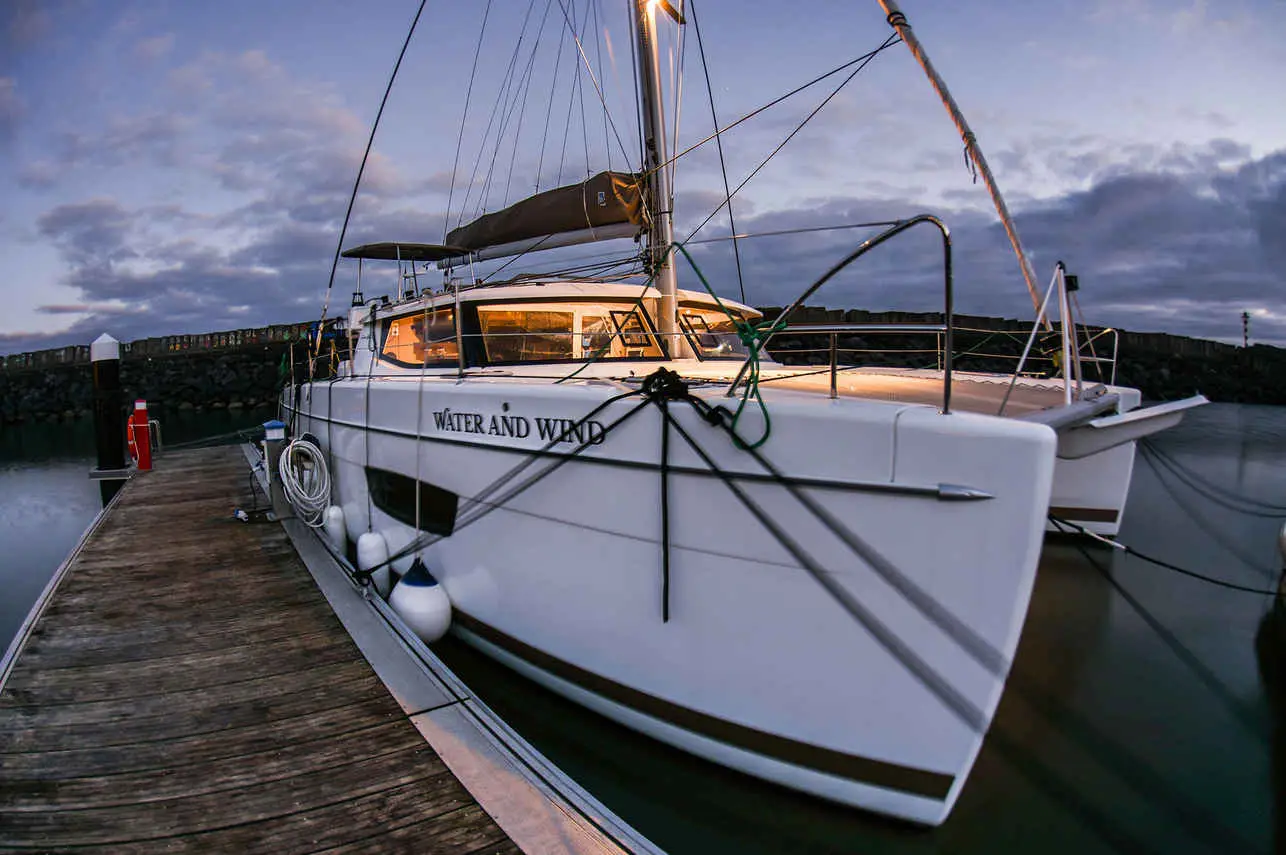
Water And Wind
Portugal
8 guests13 m
Dive sites similar to Pedrinha
Same character, same waters, six more sites divers love for the exact same reasons.Compare seasons, access and liveaboard routes, then pick the site that fits your trip best.
Abdi Reis is a highly regarded dive site situated near the Datça Peninsula in Turkey's Aegean Sea, specifically located within Abdi Reis Cove, near Yildiz Island.
- Suitable for
- Intermediate
- Current
- Moderate
- Access
- Liveaboard or dayboat
- Depth
- ≤ 33 m
- Theme
- Reef / Wall
© EsriMaxar, Earthstar, GIS
Adabanko Reef
Turkey
Adabanko Reef is an inviting dive site situated approximately two kilometers off the coast of Kuşadası in Turkey's Aegean Sea.
- Suitable for
- Beginner
- Current
- Moderate
- Access
- Liveaboard or dayboat
- Depth
- 5–40 m
- Theme
- Reef
© EsriMaxar, Earthstar, GIS
Adakule Cave
Turkey
Adakule Cave is a notable boat-access dive site located near Kuşadası, Turkey, offering an engaging experience centered around two distinct underwater caverns.
- Suitable for
- Beginner
- Current
- Mild
- Access
- Dayboat
- Depth
- 9–30 m
- Theme
- Cave & cavern
© EsriMaxar, Earthstar, GIS
Afkule Cave
Turkey
Afkule Cave, also referred to by some as Aladdin's Cave, is consistently ranked among the top dive sites in Turkey, particularly renowned for its cave diving opportunities.
- Suitable for
- Intermediate
- Current
- Moderate
- Access
- Liveaboard or dayboat
- Depth
- ≤ 50 m
- Theme
- Cave & cavern / Wall
© EsriMaxar, Earthstar, GIS
Afkule Monastery Reef
Turkey
Afkule Monastery Reef, prominently known as Afkule Wall, stands as a distinguished dive destination along Turkey's southwestern coast, close to Fethiye.
- Suitable for
- Intermediate
- Current
- Strong
- Access
- Liveaboard or dayboat
- Depth
- 6–40 m
- Theme
- Wall