About Baixa do Ilheu do Frade
Baixa do Ilheu do Frade is an advanced dive site situated off Santa Maria Island in the Azores archipelago. This submerged volcanic rock formation, rich in coral and standing on a sand and volcanic rock seabed, rises from the deep Atlantic, creating a natural aggregation point for marine life. It is located approximately 5 kilometers from Vila Franca do Campo Marina. The site's topography features a dramatic rock structure with at least two small caves, providing shelter for numerous species. As depth increases to the east, divers frequently encounter large stingrays. The clear waters and the site's exposure to oceanic currents contribute to its reputation for spectacular pelagic encounters. While the site is suitable for advanced divers due to potential currents and depth, it also offers good conditions for snorkeling closer to shore. The presence of rare black corals adds to the ecological interest of this unique Atlantic dive destination. Diving here offers the chance to observe a rich variety of marine inhabitants, from colorful reef fish to larger migratory species, making it a highly rewarding experience for those prepared for its conditions.
Highlights
Submerged volcanic rock formationRich coral reefTwo small cavesLarge stingraysRare black coralsClear Atlantic watersPelagic encounters
Season calendar
Best months to dive here
Jan
Feb
Mar
Apr
May
Jun
Jul
Aug
Sep
Oct
Nov
Dec
Good
Dive site facts: Baixa do Ilheu do Frade
- Depth
- Up to 25 m
- Current
- Variable, can be moderate
- Visibility
- Up to 30 m
- Water temperature
- 22°C (May-Oct)
- Entry
- Boat dive
- Level
- Advanced
- Dive type
- Reef, pelagics, caves
- Region / port
- Santa Maria, Azores, Portugal
- Coordinates
- 37.8092° N, 15.3527° W
Conditions & Currents
Currents at Baixa do Ilheu do Frade can vary, ranging from mild to moderate, especially given its open Atlantic location. Divers should anticipate the potential for significant water movement, particularly on tidal exchanges, and plan their dives accordingly. Due to the advanced nature of this site, proficiency in current awareness and management is crucial for safe navigation and effective interaction with marine life. Entry is typically a boat dive, often requiring a negative descent in stronger currents to reach the shelter of the reef structure. Visibility remains consistently good, often reaching up to 30 meters, though it can be influenced by oceanic conditions and current. Coordination with the dive boat crew is essential for both entry and safe surfacing, especially with potentially variable surface conditions.
Marine life & sighting chances
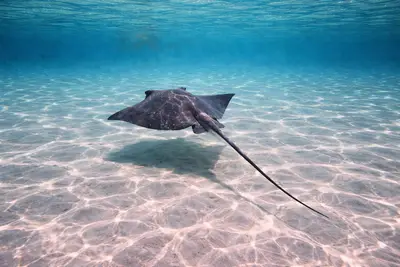
Stingrays
common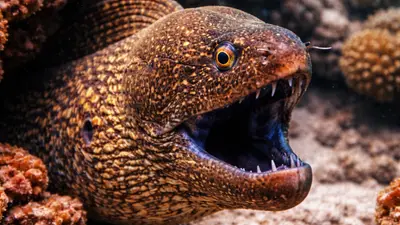
Moray eels
common
Yellowmouth barracudas
common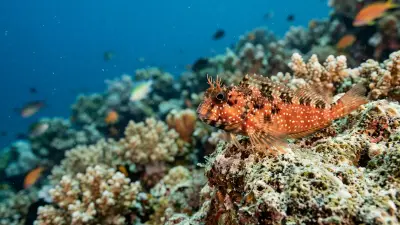
Blennies
commonBarnacles
common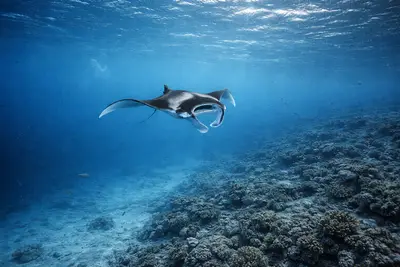
Manta rays
occasional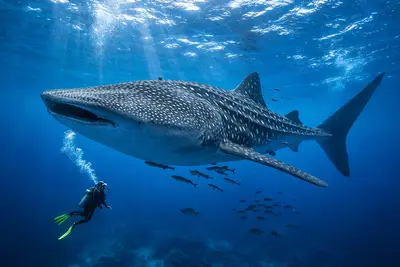
Whale sharks
occasional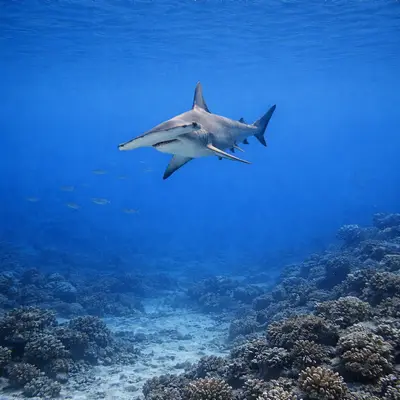
Hammerhead sharks
occasional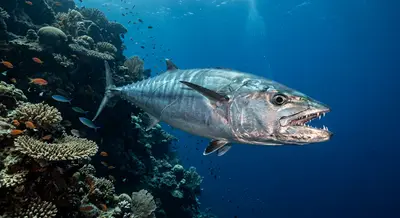
Tuna
occasional
Dolphins
occasional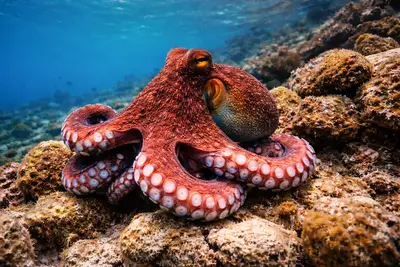
Octopus
occasional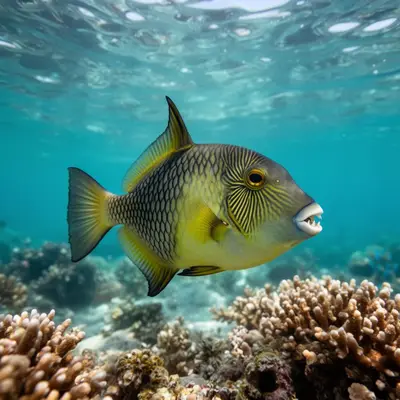
Triggerfish
occasional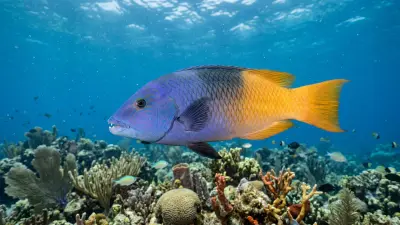
Wrasses
occasionalDive profile & how the dive runs
A typical dive at Baixa do Ilheu do Frade begins with a boat descent to the submerged volcanic structure. Divers navigate along the reef, which is rich in coral and volcanic rock. The dive often proceeds eastward, where the depth increases and large stingrays are commonly observed. The route includes exploring the impressive rock formation, which features two small caves providing habitat for various marine species, including moray eels and small colorful fish. Rare black corals are also a highlight within this structure. Divers will manage depth up to 25 meters, paying close attention to current conditions that can vary significantly. The dive concludes with a safety stop in the clear open water before surfacing for boat retrieval, ensuring a cautious ascent in this exposed oceanic environment.
Underwater photography
Capturing the vibrant marine life and dramatic topography at Baixa do Ilheu do Frade is best achieved with a wide-angle lens, ideal for encompassing the extensive rock formations, deep blue water, and potentially large pelagic encounters like stingrays or even sharks. For macro subjects such as blennies, barnacles, or details of the rare black corals, a macro lens would be beneficial. External strobes are highly recommended to illuminate the caves and bring out the natural colors of corals and fish, especially in deeper sections where ambient light diminishes. Excellent buoyancy control is paramount to avoid disturbing delicate reef structures and to maintain position in variable currents, ensuring sharp images. When photographing larger species, approach subjects calmly and respect their natural behavior, avoiding any actions that might cause distress.
Combine with nearby dive sites
- Baixa de Santa Bárbara
Advanced site known for pelagic action and clear water.
- Mobulas Hot Spot
Renowned for seasonal aggregations of mobula rays.
- Baixa do Ambrósio
Offers reliable encounters with pelagic marine life, often with amberjack and blue sharks.
- Pedrinha
Demanding advanced site with significant pelagic encounters and clear visibility.
- Figueiral
A beginner-friendly site, offering a contrast to advanced offshore locations.
- Ilhéu da Vila
An intermediate site in Santa Maria, suitable for a broader range of divers.
Getting there & logistics
Diving at Baixa do Ilheu do Frade typically involves flying into the Azores, with Santa Maria Island served by its own airport (SMA). From there, access to the dive site is via short boat rides, usually departing from Vila Franca do Campo Marina, located approximately 5 kilometers away. Dive centers on Santa Maria Island offer day trips to this site, often combining it with other nearby advanced locations like Baixa de Santa Bárbara or Mobulas Hot Spot. Divers should inquire about any local marine park fees or permits, although the primary costs will be associated with boat charters and guide services. It is recommended to book with operators knowledgeable about the specific currents and conditions of this exposed site.
Safety & environment
Due to its location in the open Atlantic and potential for moderate currents, Baixa do Ilheu do Frade requires advanced diving skills. Divers must ensure robust dive insurance that covers emergency medical treatment and evacuation, particularly for remote island locations like Santa Maria. The nearest recompression chamber facilities would typically be on São Miguel island in the Azores, necessitating air evacuation in serious cases, highlighting the importance of proper planning and cautious diving practices. Site-specific hazards include variable currents and the need for meticulous depth and gas management. Always dive with experienced local guides who are adept at monitoring sea conditions and coordinate closely with the boat crew for entry and exit procedures.
Who it suits — and who it doesn't
Suited for
- Advanced divers seeking pelagic encounters
- Experienced divers comfortable with currents
- Underwater photographers targeting wide-angle subjects
- Divers interested in unique volcanic topography and caves
Less suited for
- Beginner divers or those with limited open-ocean experience
- Divers uncomfortable with potentially strong currents
- Divers with poor buoyancy control
- Those seeking shallow, calm reef dives
FAQ
Baixa do Ilheu do Frade FAQ
What kind of marine life can I expect to see at Baixa do Ilheu do Frade?
You can expect to see a diverse range of marine life, from smaller reef inhabitants like moray eels, yellowmouth barracudas, blennies, and barnacles, to larger pelagic species. Large stingrays are frequently encountered, and there is an occasional chance to spot manta rays, whale sharks, hammerhead sharks, tuna, and dolphins, especially during peak season.
Is Baixa do Ilheu do Frade suitable for all diving levels?
No, Baixa do Ilheu do Frade is classified as an advanced dive site. Its open-ocean location means divers may encounter moderate to strong currents, and the dive profile can reach depths of up to 25 meters. Divers should have experience with currents and good depth management skills. Snorkeling, however, is possible closer to shore.
When is the best time of year to dive Baixa do Ilheu do Frade?
The best time to dive Baixa do Ilheu do Frade is between May and October. During these months, the water temperature averages around 22°C, and conditions are generally more favorable for encountering pelagic fish and enjoying good visibility. This period offers the most comfortable and rewarding diving experience.
What are the typical water conditions like at this dive site?
Water conditions at Baixa do Ilheu do Frade include visibility often reaching up to 30 meters, providing clear views of the underwater landscape and marine life. Water temperatures are around 22°C during the best diving months. Currents can be variable, ranging from mild to moderate, necessitating awareness and experience from divers to navigate safely.
How far is the dive site from the nearest marina?
Baixa do Ilheu do Frade is located approximately 5 kilometers (3 miles) from the Vila Franca do Campo Marina. This makes it easily accessible by boat for day trips from Santa Maria Island. Dive operators typically depart from this marina to reach the site and other nearby dive locations.
Are there any unique geological features at Baixa do Ilheu do Frade?
Yes, the site is a significant submerged volcanic rock formation, characterized by a coral reef standing on a seabed of volcanic rock and sand. It features a large rock structure with at least two small caves that provide shelter for marine life. Additionally, divers can find rare black corals, adding to the unique geological and biological appeal of the site.
Why dive Baixa do Ilheu do Frade from a liveaboard?
Baixa do Ilheu do Frade is one of Portugal's signature dive sites. A liveaboard sleeps you on the water and puts you in the water for three to four guided dives per day, including dawn and night dives that day-boat operators rarely offer. You skip the daily commute back to port and reach quieter, less-crowded sites in the same region on a single trip.
Below are the liveaboards that include Baixa do Ilheu do Frade on their Portugal itineraries.
Liveaboards diving Baixa do Ilheu do Frade
These liveaboards may visit Baixa do Ilheu do Frade on selected itineraries — the exact dive sites depend on departure, weather and conditions.
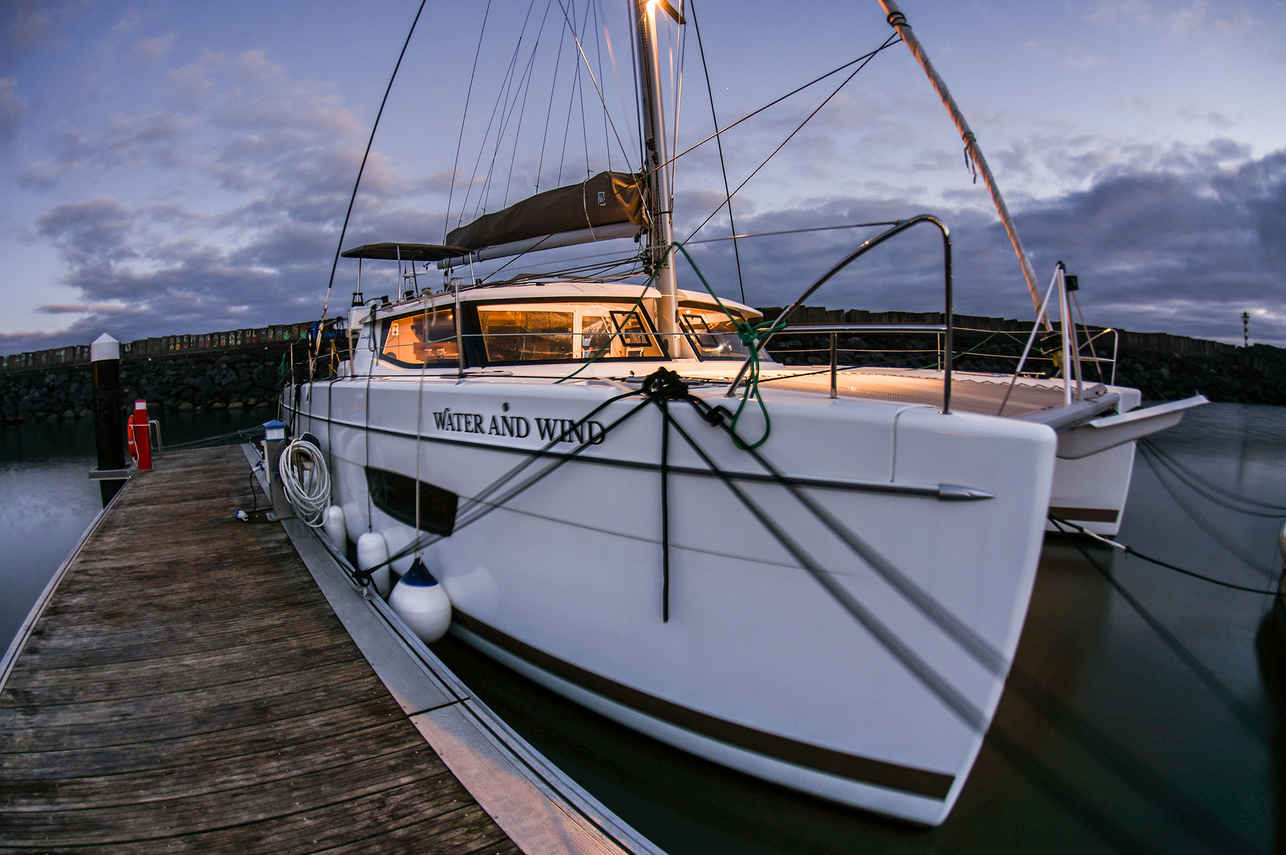
Water And Wind
Portugal
8 guests13.41 m
Dive sites similar to Baixa do Ilheu do Frade
Same character, same waters — six more sites divers love for the exact same reasons.Compare seasons, access and liveaboard routes — then pick the site that fits your trip best.
© Esri — Maxar, Earthstar, GIS
Pedra da Velha
Portugal
Pedra da Velha is an advanced boat-access rocky reef and pinnacle located off Peniche, within the protected Berlengas archipelago.
- Suitable for
- Advanced
- Current
- Moderate
- Access
- Dayboat
- Depth
- 10–20 m
- Theme
- Reef / Wall
© Esri — Maxar, Earthstar, GIS
Pedra da Nau
Portugal
Pedra da Nau is a notable dive site situated in a protected bay near Cascais, easily accessible with a short boat ride from shore or even by land.
- Suitable for
- Beginner
- Current
- Mild
- Access
- Liveaboard or dayboat
- Depth
- 4–18 m
- Theme
- Reef
Silveira is a welcoming beginner-friendly dive site located off Terceira Island in the Azores archipelago, Portugal.
- Suitable for
- Beginner
- Current
- Mild
- Access
- Dayboat
- Depth
- 2–15 m
- Theme
- Reef / Pinnacle
© Esri — Maxar, Earthstar, GIS
Cinco Ribeiras
Portugal
Cinco Ribeiras is situated on the western coast of Terceira Island in the Azores, named after a nearby village.
- Suitable for
- Beginner
- Current
- Mild
- Access
- Shore / dayboat
- Depth
- 5–16 m
- Theme
- Reef / Cavern
Baixa do Ambrósio is an advanced dive site situated in the open Atlantic, southeast of Santa Maria Island in the eastern Azores.
- Suitable for
- Advanced
- Current
- Strong
- Access
- Dayboat
- Depth
- 5–47 m
- Theme
- Reef / Drift