About Mobulas Hot Spot
Mobulas Hot Spot, located off Santa Maria Island in the Azores archipelago, is a premier open-ocean dive site renowned for spectacular seasonal aggregations of mobula rays. This destination attracts divers globally, eager to witness these elegant relatives of the manta ray in their natural habitat. The site is part of the Azores, celebrated for its convergence of oceanic currents, volcanic geology, and mid-Atlantic positioning that fosters diverse marine life. Physically, the dive takes place in deep blue water above a seamount or reef structure that acts as a magnet for mobulas during their peak season. Divers begin their descent in open water, scanning the vast blue for the distinctive silhouettes of approaching rays. The topography concentrates marine life, making it a hotspot for pelagic encounters. While mobulas are the main attraction, other large pelagic species are frequently sighted. Blue sharks are regular visitors, and schools of jacks and barracuda patrol the area. Fortunate divers might also encounter manta rays or whale sharks during their oceanic migrations, drawn by the same productive water conditions that sustain the ray populations. This site requires advanced diving skills due to its open-water nature, potential for strong currents, and the need for effective depth management. The offshore location also necessitates reliable boat support and clear communication. Despite these demands, the reward of swimming alongside numerous mobula rays in the clear Atlantic is a truly unparalleled experience.
Highlights
Massive mobula ray aggregationsOpen-ocean pelagic encountersSeamount/reef topographySanta Maria Island, AzoresExtraordinary blue water visibilityDiverse large marine lifeAdvanced Atlantic diving
Season calendar
Best months to dive here
Jan
Feb
Mar
Apr
May
Jun
Jul
Aug
Sep
Oct
Nov
Dec
Excellent
Good
Dive site facts: Mobulas Hot Spot
- Depth
- 18–30 m
- Current
- Variable, can be strong
- Visibility
- 18–30 m
- Water temperature
- 17–25°C
- Entry
- Boat dive, open water
- Level
- Advanced required
- Dive type
- Pelagics, blue water
- Region / port
- Santa Maria, Azores, Portugal
- Coordinates
- 38.6833° N, 9.4500° W
Conditions & Currents
Currents at Mobulas Hot Spot are variable and can range from mild to strong, depending on weather and ocean conditions. The offshore location and the site's exposure to open Atlantic waters mean that divers should be prepared for potential significant currents. Due to the advanced nature of the dive, current awareness and experience are crucial for safe navigation and interaction with marine life. Visibility can also be affected by currents and weather, though it often remains very good. Descending in strong currents requires good technique and coordination with the boat crew for entry and exit, typically involving a negative entry to reach the shelter of the seamount or reef structure. Surface conditions can also change rapidly, requiring constant vigilance and robust boat support.
Marine life & sighting chances
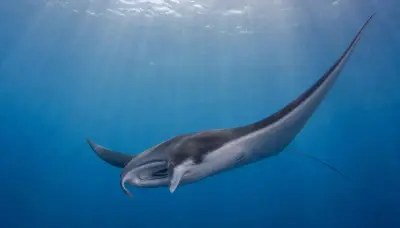
Mobula ray
Summer and early autumn · common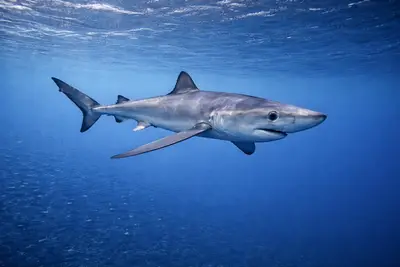
Blue shark
Regular visitor · occasional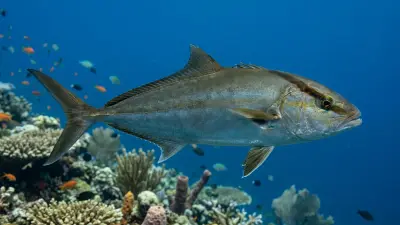
Jack
occasional
Barracuda
occasional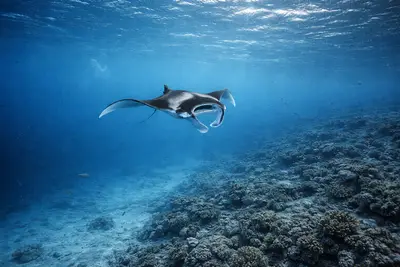
Manta ray
occasional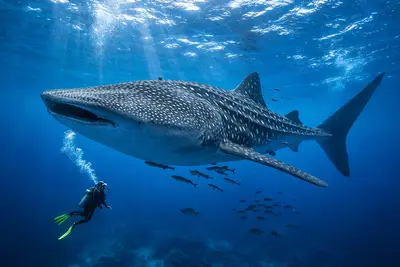
Whale shark
Late July through September · rare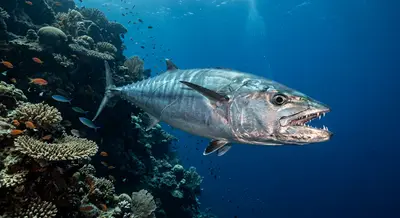
Tuna
occasional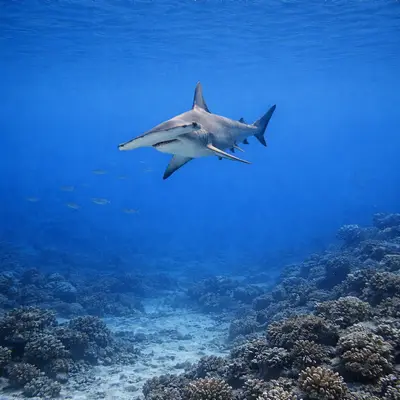
Hammerhead shark
rare
Dolphin
occasional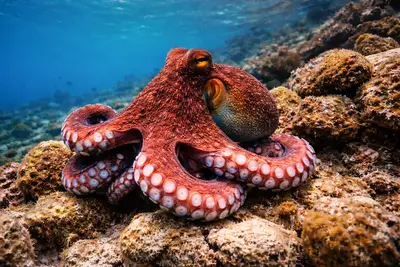
Octopus
occasional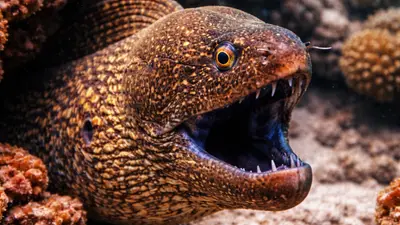
Moray eel
occasional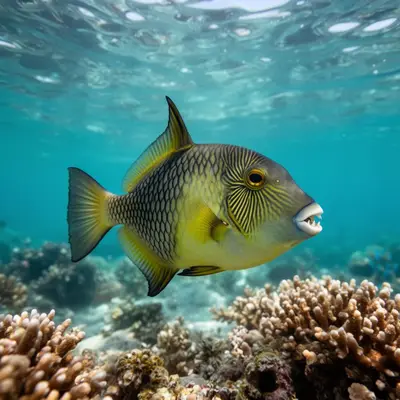
Triggerfish
occasional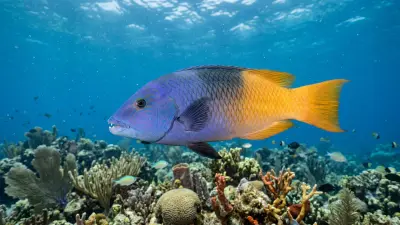
Wrasse
occasional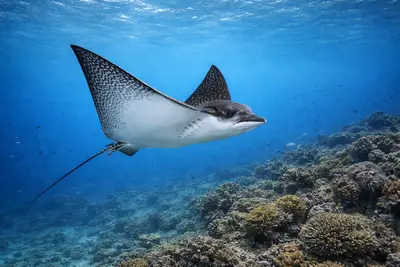
Eagle ray
occasionalDive profile & how the dive runs
The dive at Mobulas Hot Spot commences with a boat descent into the open blue water, as divers scan for the first signs of mobula rays. The typical depth of the dive ranges from 18 to 30 meters, navigating around the seamount or reef structure that attracts the rays. The dive profile is dictated by the mobulas' behavior; divers will often spend time at varying depths observing the aggregations. Given the blue water and potentially strong currents, efficient depth management and buoyancy control are essential. The dive concludes with a safety stop in the open ocean before surfacing for boat retrieval, often requiring surface marker buoy deployment due to boat traffic and current.
Underwater photography
Photographing at Mobulas Hot Spot primarily focuses on wide-angle encounters with large pelagics, particularly the mobula rays. A wide-angle or fisheye lens is ideal to capture the scale of the ray aggregations and the vast blue water environment. External strobes are recommended to bring out color and detail in the rays and other pelagics, while minimizing backscatter in the clear water. Buoyancy control is paramount to avoid disturbing the sensitive marine life and to maintain optimal positioning for shots in potentially strong currents. Patience and respectful distance are crucial for capturing natural behaviors and ensuring positive interactions with these magnificent creatures.
Combine with nearby dive sites
- Baixa do Ambrósio
Advanced site, known for manta rays and whale sharks.
- Figueiral
Beginner-friendly sheltered cove.
- Baixa de Santa Bárbara
Advanced site with clear water and pelagic action.
- Baixa do Ilheu do Frade
Advanced site with pelagic encounters.
- Pedrinha
Demanding advanced site with exceptional pelagic richness.
- Ilhéu da Vila
Intermediate site.
Getting there & logistics
Access to Mobulas Hot Spot typically involves half-day offshore boat trips from Santa Maria Island in the Azores. The main airport for the Azores is Ponta Delgada (PDL) on São Miguel, with connecting flights to Santa Maria Island. Dive operators like Best Spot Azores offer specialized offshore diving tours. These trips are often contingent on good sea conditions and may require a minimum number of participants, commonly around eight. Booking well in advance is highly recommended, especially during the peak season from July to September, as boat capacity for offshore excursions can be limited. No special permits are generally required for diving, with dive operators handling all logistical arrangements.
Safety & environment
Diving at Mobulas Hot Spot requires advanced diving experience due to its offshore location, potential for strong currents, and exposure to open ocean conditions. Divers should hold at least an Advanced Open Water certification and be comfortable with blue water diving and managing currents. It is essential to have comprehensive dive insurance that covers recompression chamber treatment and emergency medical evacuation, as the nearest recompression chamber may be on a different island within the Azores. Divers must adhere strictly to dive leader briefings, maintain excellent buoyancy, and respect marine life by keeping a safe distance. Always dive with a reliable surface marker buoy (SMB) for safety in the open ocean, especially if surfacing away from the boat.
Who it suits — and who it doesn't
Suited for
- Advanced divers with current experience
- Photographers seeking pelagic wide-angle opportunities
- Divers comfortable with open-ocean blue water diving
- Wildlife enthusiasts targeting large marine life encounters
- Divers seeking unique seasonal megafauna aggregations
Less suited for
- Beginner divers or those without advanced certification
- Divers uncomfortable with strong currents or blue water
- Individuals prone to seasickness on offshore trips
- Divers seeking macro subjects or extensive coral reefs
- Those without adequate dive insurance for remote locations
FAQ
Mobulas Hot Spot FAQ
What kind of marine life can I expect to see at Mobulas Hot Spot?
Mobulas Hot Spot is primarily famous for its large seasonal aggregations of mobula rays, often seen in dozens or hundreds. Beyond the mobulas, you can also frequently encounter blue sharks, schools of jacks and barracuda. Lucky divers might also spot manta rays or even whale sharks, especially during the warmer summer months.
What is the best time of year to dive Mobulas Hot Spot for mobula rays?
The prime season for mobula ray encounters at Mobulas Hot Spot is generally during the summer and early autumn months. Specifically, July to September offers the highest chances of seeing these aggregations, as water temperatures and plankton concentrations are optimal for their presence.
What diving skill level is required for Mobulas Hot Spot?
Mobulas Hot Spot is rated as an advanced dive site. Its open-ocean location, potential for strong currents, and deep blue water conditions require divers to have excellent buoyancy control, good current awareness, and comfort in open water. An Advanced Open Water certification is recommended.
Are there strong currents at Mobulas Hot Spot?
Yes, currents at Mobulas Hot Spot can be variable and occasionally strong due to its exposed offshore location in the Atlantic. Divers should be prepared for changing conditions and have experience in current diving. Your dive guide will assess conditions and brief you accordingly for a safe and enjoyable dive.
How do I get to Mobulas Hot Spot?
Mobulas Hot Spot is reached by boat, typically on half-day offshore trips departing from Santa Maria Island in the Azores. You would generally fly into Ponta Delgada (PDL) on São Miguel, then take a connecting flight to Santa Maria. Local dive operators arrange the boat transfers to the site.
Why dive Mobulas Hot Spot from a liveaboard?
Mobulas Hot Spot is one of Portugal's signature dive sites. A liveaboard sleeps you on the water and puts you in the water for three to four guided dives per day, including dawn and night dives that day-boat operators rarely offer. You skip the daily commute back to port and reach quieter, less-crowded sites in the same region on a single trip.
Below are the liveaboards that include Mobulas Hot Spot on their Portugal itineraries.
Liveaboards diving Mobulas Hot Spot
These liveaboards may visit Mobulas Hot Spot on selected itineraries — the exact dive sites depend on departure, weather and conditions.
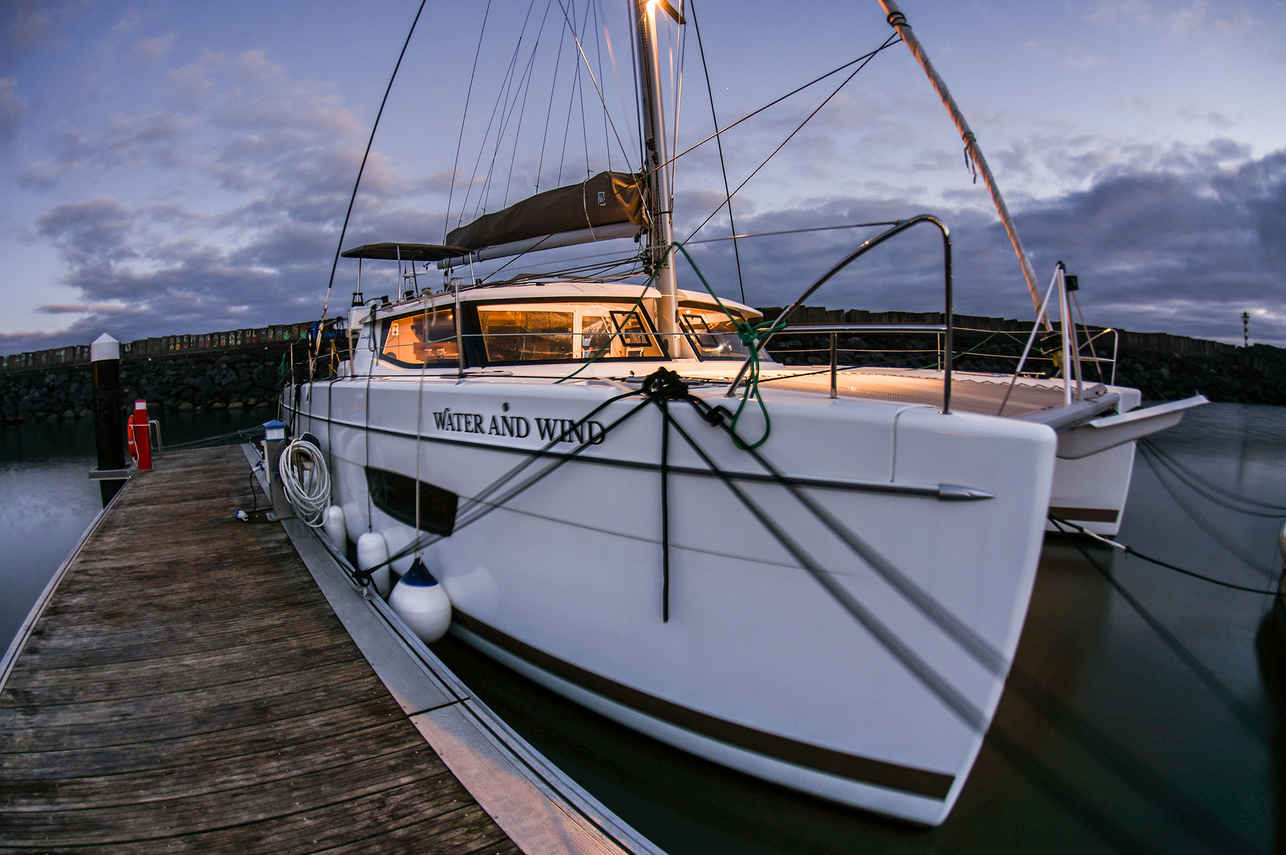
Water And Wind
Portugal
8 guests13.41 m
Dive sites similar to Mobulas Hot Spot
Same character, same waters — six more sites divers love for the exact same reasons.Compare seasons, access and liveaboard routes — then pick the site that fits your trip best.
© Esri — Maxar, Earthstar, GIS
Pedra da Velha
Portugal
Pedra da Velha is an advanced boat-access rocky reef and pinnacle located off Peniche, within the protected Berlengas archipelago.
- Suitable for
- Advanced
- Current
- Moderate
- Access
- Dayboat
- Depth
- 10–20 m
- Theme
- Reef / Wall
© Esri — Maxar, Earthstar, GIS
Pedra da Nau
Portugal
Pedra da Nau is a notable dive site situated in a protected bay near Cascais, easily accessible with a short boat ride from shore or even by land.
- Suitable for
- Beginner
- Current
- Mild
- Access
- Liveaboard or dayboat
- Depth
- 4–18 m
- Theme
- Reef
Silveira is a welcoming beginner-friendly dive site located off Terceira Island in the Azores archipelago, Portugal.
- Suitable for
- Beginner
- Current
- Mild
- Access
- Dayboat
- Depth
- 2–15 m
- Theme
- Reef / Pinnacle
© Esri — Maxar, Earthstar, GIS
Cinco Ribeiras
Portugal
Cinco Ribeiras is situated on the western coast of Terceira Island in the Azores, named after a nearby village.
- Suitable for
- Beginner
- Current
- Mild
- Access
- Shore / dayboat
- Depth
- 5–16 m
- Theme
- Reef / Cavern
Baixa do Ambrósio is an advanced dive site situated in the open Atlantic, southeast of Santa Maria Island in the eastern Azores.
- Suitable for
- Advanced
- Current
- Strong
- Access
- Dayboat
- Depth
- 5–47 m
- Theme
- Reef / Drift