About Pedra da Nau
Pedra da Nau is a notable dive site situated in a protected bay near Cascais, easily accessible with a short boat ride from shore or even by land. It features a unique underwater landscape defined by prominent rock formations and intriguing cutouts. The site's shallow depths and generally calm conditions make it an excellent location for divers across all experience levels, from beginners to more seasoned enthusiasts. It is located more or less in front of the Hotel Villa Italia, in a small bay known as Ínsuas or Princess, close to the Santa Marta lighthouse. The topography primarily consists of sand flats with scattered rocks, transitioning into a denser arrangement of large rocks as you approach Pedra da Nau itself. These formations create natural paths, numerous holes, and cracks that provide shelter for various marine species. Further south-southeast, a vast rocky mountain range extends, offering diverse seabed characteristics, from rugged and irregular sections with cuts and channels to more constant, less rugged areas, ensuring visual variety for divers. Marine life at Pedra da Nau is surprisingly varied and consistently present. You can frequently observe schools of seabreams and wrasses navigating the rock formations. Octopuses and cuttlefish utilize the rock crevices as hiding spots, making them common sightings. On occasion, an undulate ray might be spotted, adding to the site's appeal. These encounters, combined with the interesting topography, ensure a rewarding experience every time. This site is an excellent choice for diving throughout the year, particularly during spring and summer when lower swells contribute to optimal conditions. Its consistent marine encounters and engaging topography make it appealing for underwater photography and even night dives. The site's suitability extends to snorkelers and freedivers, who can also enjoy the clear, shallow waters and ample observation opportunities.
Highlights
Protected bay environmentUnique rock cutoutsAbundant wrasses and seabreamsFrequent octopus and cuttlefishShallow, calm watersDiverse rock formationsBeginner-friendly depthsAccessible by land or boat
Season calendar
Best months to dive here
Jan
Feb
Mar
Apr
May
Jun
Jul
Aug
Sep
Oct
Nov
Dec
Good
Dive site facts: Pedra da Nau
- Depth
- 4–18 m
- Typical dive
- 4–12 m, 40–60 min
- Current
- Mild
- Visibility
- Good
- Water temperature
- 16–20 °C
- Entry
- Boat / Land access
- Level
- All levels
- Dive type
- Reef, Macro, Rock formations
- Night dive
- Possible
- Region / port
- Cascais, Portugal
- Coordinates
- 38.6910° N, 9.4417° W
Conditions & Currents
Pedra da Nau is located in a protected bay, contributing to generally calm conditions. The current strength here is typically mild, making it a comfortable dive for all experience levels, including beginners. Divers should be aware of potential boat traffic given its proximity to shore and accessibility. Visibility is generally good, allowing clear views of the diverse marine life and rock formations. Due to the site's sheltered nature, significant surge is usually not a concern, making entries and exits straightforward. While not explicitly mentioned, the overall calm environment suggests minimal challenges related to thermoclines, though water temperature varies seasonally. Divers should always maintain good buoyancy control, especially when navigating the rock cutouts and passages, to avoid disturbing the environment.
Marine life & sighting chances
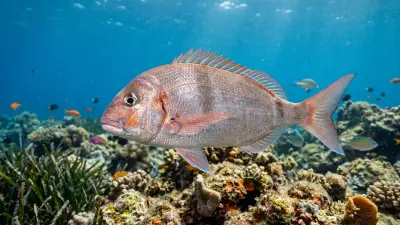
Seabream
common
Wrasse
common
Octopus
occasional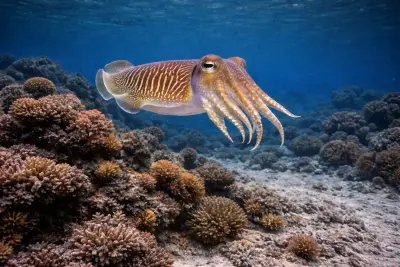
Cuttlefish
occasionalUndulate Ray
occasional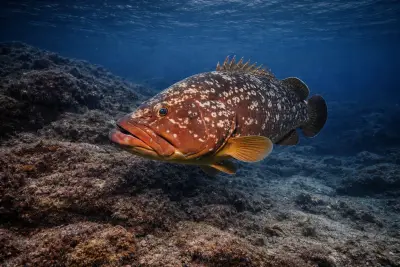
Sea bass
occasionalLesser Two-Spotted Octopus
occasionalDive profile & how the dive runs
Entry to Pedra da Nau is typically by boat, though land access is also possible. The dive begins in a protected bay over sandy bottoms, which then transitions into scattered rock formations. As you approach the main Pedra da Nau rock, the density of the rocks increases, forming paths and providing numerous hiding spots. A common dive plan involves exploring the area around the main rock, navigating through large rocks that create holes and cracks. The depths here are generally shallow, ranging from 4 meters, and can extend to 18 meters in some areas. A common dive route involves following the rock structures and sandy channels. The safety stop can be performed in the sheltered shallow waters of the bay, which are calm and offer good visibility for observation.
Underwater photography
Pedra da Nau offers excellent conditions for underwater photography, particularly for macro and wide-angle shots due to its varied topography and abundant marine life. For macro, bring a dedicated macro lens to capture detailed shots of the frequently sighted octopuses, cuttlefish, and various wrasses hiding in crevices. The rock cutouts and formations also make for interesting wide-angle compositions, especially with the clear, shallow waters allowing ample ambient light. Consider using strobes to bring out the vibrant colors of the smaller species and illuminate the interior of rock passages. Given the calm conditions, precise buoyancy control is achievable, crucial for stable shots. During night dives, the site's unique landscape and nocturnal creatures offer compelling photographic opportunities.
Combine with nearby dive sites
- Furada
Gorged landscape near Sintra, rich in small marine life.
- Boca do Inferno
Dramatic underwater arches and caverns at a famous cliff formation.
- Pedra da Pata Roxa
Rocky reef famous for small-spotted catsharks.
- Pedra do Spinola
Rocky pinnacle with canyons, rich in Atlantic marine life.
Getting there & logistics
Pedra da Nau is located in Cascais, Portugal, easily accessible from Lisbon Portela Airport (LIS). Most dive trips to this site are organized by local dive operators in Cascais and typically involve a short 10-minute boat ride from shore. Alternatively, the site offers easy land access for divers. There are no specific permits or fees mentioned for diving here, but standard dive operator costs apply. This site is frequently combined with other local Cascais dives such as Furada or Pedra do Spinola, allowing for varied itineraries within the Lisbon region. Trip lengths are usually single-day excursions, offering one or more dives at Pedra da Nau and potentially a nearby spot. The protected bay location makes it a reliable option for local dive centers.
Safety & environment
While Pedra da Nau is beginner-friendly, divers should always prioritize safety. The nearest recompression chamber information is not explicitly provided in the sources, but general knowledge suggests major cities like Lisbon would have facilities. In case of an emergency, evacuation would typically involve local emergency services and transport to the nearest medical facility. Dive insurance covering hyperbaric treatment and evacuation is highly recommended. Site-specific hazards include potential boat traffic in the bay, so divers should surface cautiously and use SMBs. Sharp rocks are present, necessitating careful finning and avoiding contact to prevent injury or damage to marine life. Maintaining excellent buoyancy control is essential, especially when navigating through the rock cutouts and passages, to avoid silting and ensure diver safety.
Who it suits — and who it doesn't
Suited for
- Beginner divers looking for calm, shallow conditions
- Underwater photographers seeking macro and wide-angle subjects
- Families and mixed groups (including snorkelers and freedivers)
- Divers interested in diverse Atlantic marine life
- Those seeking an easily accessible dive site
Less suited for
- Divers seeking strong currents or pelagic encounters
- Those looking for deep wreck diving
- Divers preferring remote, uncrowded dive sites
- Anyone who dislikes shore-accessible dive sites
FAQ
Pedra da Nau FAQ
What is the typical depth range at Pedra da Nau?
Pedra da Nau offers a depth range suitable for all divers, starting as shallow as 4 meters and reaching a maximum of 18 meters. The average dive depth is typically between 4 to 12 meters, making it ideal for beginners and relaxed recreational dives.
What kind of marine life can I expect to see?
You can expect to encounter a variety of marine life, including schools of seabreams and wrasses. Octopuses and cuttlefish are frequently observed hiding in the rock formations, and on occasion, you might be lucky enough to spot an undulate ray or sea bass. The site is known for its surprisingly varied marine biodiversity.
Is Pedra da Nau suitable for beginner divers?
Absolutely. Pedra da Nau is located in a protected bay with shallow depths and mild currents, making it an excellent choice for beginners. Its calm conditions and easy navigation provide a safe and rewarding experience for those new to diving.
How do divers access Pedra da Nau?
Divers can access Pedra da Nau either by a short boat ride from local dive centers in Cascais or directly from land. Its accessibility is one of its notable features, ensuring convenient entry and exit for divers.
When is the best time of year to dive this site?
While Pedra da Nau can be dived year-round, the spring and summer months (roughly April to October) are generally considered the best due to lower swells and calmer sea conditions. These periods offer optimal visibility and comfort for diving.
Why dive Pedra da Nau from a liveaboard?
Pedra da Nau is one of Portugal's signature dive sites. A liveaboard sleeps you on the water and puts you in the water for three to four guided dives per day, including dawn and night dives that day-boat operators rarely offer. You skip the daily commute back to port and reach quieter, less-crowded sites in the same region on a single trip.
Below are the liveaboards that include Pedra da Nau on their Portugal itineraries.
Liveaboards diving Pedra da Nau
These liveaboards may visit Pedra da Nau on selected itineraries — the exact dive sites depend on departure, weather and conditions.
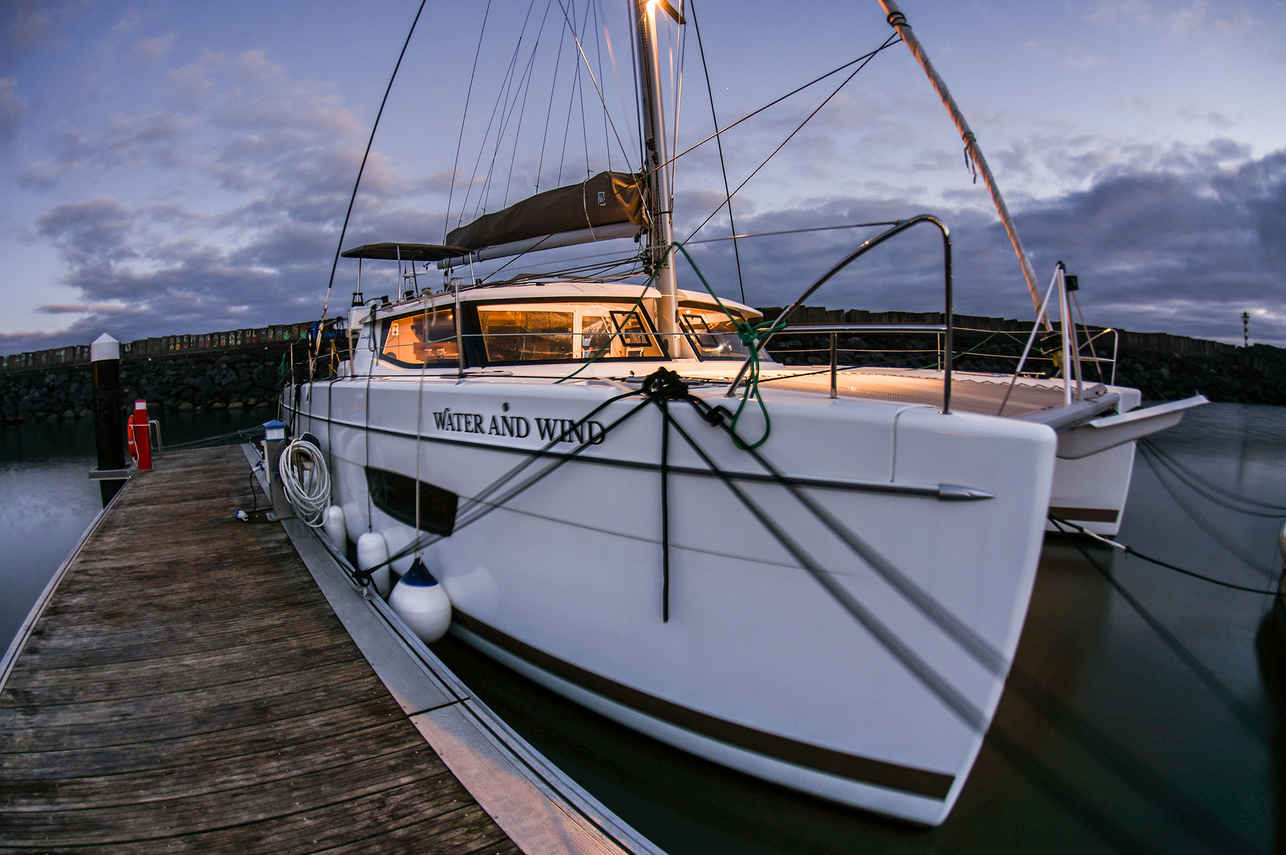
Water And Wind
Portugal
8 guests13.41 m
Dive sites similar to Pedra da Nau
Same character, same waters — six more sites divers love for the exact same reasons.Compare seasons, access and liveaboard routes — then pick the site that fits your trip best.
© Esri — Maxar, Earthstar, GIS
Pedra da Velha
Portugal
Pedra da Velha is an advanced boat-access rocky reef and pinnacle located off Peniche, within the protected Berlengas archipelago.
- Suitable for
- Advanced
- Current
- Moderate
- Access
- Dayboat
- Depth
- 10–20 m
- Theme
- Reef / Wall
Silveira is a welcoming beginner-friendly dive site located off Terceira Island in the Azores archipelago, Portugal.
- Suitable for
- Beginner
- Current
- Mild
- Access
- Dayboat
- Depth
- 2–15 m
- Theme
- Reef / Pinnacle
© Esri — Maxar, Earthstar, GIS
Cinco Ribeiras
Portugal
Cinco Ribeiras is situated on the western coast of Terceira Island in the Azores, named after a nearby village.
- Suitable for
- Beginner
- Current
- Mild
- Access
- Shore / dayboat
- Depth
- 5–16 m
- Theme
- Reef / Cavern
Baixa do Ambrósio is an advanced dive site situated in the open Atlantic, southeast of Santa Maria Island in the eastern Azores.
- Suitable for
- Advanced
- Current
- Strong
- Access
- Dayboat
- Depth
- 5–47 m
- Theme
- Reef / Drift
Poente is a remarkable dive site located on the western coastline of Terceira Island in the Azores, offering an engaging experience for intermediate divers.
- Suitable for
- Intermediate
- Current
- Moderate
- Access
- Dayboat
- Depth
- 5–18 m
- Theme
- Reef
© Esri — Maxar, Earthstar, GIS
Baía da Armação
Portugal
Baía da Armação is a highly popular and easily navigable dive site situated near Sesimbra, benefiting from natural protection against the region's prevailing northern winds.
- Suitable for
- Beginner
- Current
- Mild
- Access
- Dayboat
- Depth
- 11–14 m
- Theme
- Reef