About BOCA do INFERNO
Boca do Inferno, situated off the rocky coast of Cascais, Portugal, is named for the dramatic sea-chasm formation visible from the surface. The underwater landscape strikingly mirrors this rugged Atlantic limestone topography, featuring a complex network of submerged gullies, overhangs, and extensive boulder fields that have been shaped over millennia by relentless ocean forces. This site is not defined by wrecks, but rather by its natural geological history, offering intriguing dive paths through its unique reef structures. Divers here explore foundations of the Portuguese coastline, navigating a system of natural rock formations. The depths vary, accommodating both shallower reef explorations and more advanced routes along deeper sections. The Atlantic swells continually scour the rocks, fostering vibrant communities of encrusting sponges, anemones, and providing shelter for marine life like octopuses and conger eels. While predominantly a reef dive, the terrain includes crevices and swim-throughs directly extending from the collapsing caves and archways seen at the surface. The site's dynamic environment is a testament to the ocean's enduring power, with the moniker 'Mouth of Hell' referring to the strong water movement and surge that continuously shape these formations. The experience emphasizes observing diverse marine ecosystems within this naturally carved, dramatic setting. The site is well-suited for divers seeking natural, rugged Atlantic reef exploration rather than artificial structures. Summer and early autumn typically provide the most favorable conditions with calmer seas and reduced swell, making these months ideal for experiencing the full spectacle of this unique underwater environment.
Highlights
Dramatic sea-chasm topographyRugged limestone formationsSubmerged gullies and overhangsAbundant encrusting spongesFrequent octopus sightingsAtlantic swells and currentsSea bream and wrasse schools
Season calendar
Best months to dive here
Jan
Feb
Mar
Apr
May
Jun
Jul
Aug
Sep
Oct
Nov
Dec
Excellent
Good
Off-Season
Jul – Oct (Summer/Autumn)
Best visibility 20–30m, warmest water 21–24°C. Blue sharks, mobula rays, whale sharks. Peak pelagic season at offshore sites.
Apr – Jun & Nov (Shoulder)
Improving/declining conditions. Water cooling but still diveable. Fewer pelagics but good reef life.
Dec – Mar (Winter)
Cold water 16–18°C, rough Atlantic swells, reduced visibility. Limited dive operations. Only for experienced cold-water divers.
Dive site facts: BOCA do INFERNO
- Depth
- 6–22 m
- Current
- Moderate, variable
- Visibility
- 3–12 m
- Water temperature
- 13–19°C
- Entry
- Boat entry
- Level
- Intermediate
- Dive type
- Reef, topography, swim-throughs
- Region / port
- Cascais, Lisbon
- Coordinates
- 38.6892, -9.4294
Conditions & Currents
Diving at Boca do Inferno requires careful planning due to the dynamic Atlantic environment. Surge can become particularly pronounced around narrow passages and shallower boulder fields, requiring divers to maintain excellent buoyancy control. Divers must stay well clear of the churning wash zones near the base of the cliffs where water movement is intense. While general current strength can be variable, moderate currents are possible, particularly in exposed areas, necessitating attention to dive planning and gas management. Visibility typically ranges from 3 to 12 meters, but can be influenced by recent weather and swell conditions. Boat entry is standard, and due to frequent coastal pleasure boat traffic, deploying a surface marker buoy before ascending is a critical safety procedure.
Marine life & sighting chances

Common octopus
common
European conger eel
common
White seabream
common
Ballan wrasse
common
European spider crab
occasionalDive profile & how the dive runs
Dives at Boca do Inferno typically begin with a boat entry, leading divers into a world of dramatic limestone formations. The profile often involves exploring the rugged reef environment, which features a series of submerged gullies, overhangs, and boulder fields. Divers can navigate through natural rock arches and crevices, directly mirroring the surface's 'Mouth of Hell' topography. Depth progression varies, allowing for shallower explorations around 6 meters or deeper routes down to 22 meters, depending on the chosen path and diver experience. The dive route often involves following the intricate contours of the rock formations, keeping an eye out for sheltering octopuses and schools of sea bream. The turn point is usually determined by air consumption and bottom time, with the ascent conducted slowly. Safety stops are typically performed in shallower, sheltered areas, and divers must deploy a surface marker buoy before surfacing due to potential boat traffic.
Underwater photography
Capturing the unique rugged topography of Boca do Inferno requires careful consideration of lens choice and lighting. Wide-angle lenses are ideal for encompassing the dramatic limestone formations, submerged gullies, and boulder fields, especially when shooting swim-throughs and arches. Due to variable visibility ranging from 3 to 12 meters, photographers should be prepared for green-blue water and utilize strobes to bring out the vibrant colors of encrusting sponges and anemones. For macro subjects like the common octopus tucked into crevices or European spider crabs, a macro lens with a snoot can highlight details against the rocky background. Buoyancy control is paramount to avoid disturbing delicate marine life and stirring up sediment within tight passages. Always respect the environment, maintaining a safe distance from subjects and never touching the formations.
Combine with nearby dive sites
Getting there & logistics
Boca do Inferno is located near Cascais, a popular coastal town easily accessible from Lisbon Portela Airport (LIS), which is the largest and most well-connected airport in Portugal. From Lisbon, Cascais is a short drive or train ride, making day trips convenient for divers. Dive operators in Cascais or nearby Estoril provide boat access to the site, as boat entry is the standard method. While there are no specific permits mentioned for this particular site, it is always advisable to confirm any local fees with your dive operator. Dives at Boca do Inferno are typically conducted as part of a half-day or full-day excursion from a local dive center, often combined with another nearby site depending on conditions and diver preference.
Safety & environment
Diving at Boca do Inferno requires adherence to strict safety protocols due to its dynamic nature. The nearest recompression chamber would be in a major medical facility in Lisbon, highlighting the importance of cautious diving and proper planning. Evacuation in case of emergency would involve marine rescue services to transport a diver to the nearest port for onward medical transfer. Comprehensive dive insurance covering medical emergencies and evacuation is strongly recommended for all divers. Site-specific hazards include potential strong surge and moderate currents, especially around narrow passages and exposed areas. Divers must maintain good buoyancy control and situational awareness, staying clear of churning wash zones near the cliffs. Deploying a surface marker buoy (SMB) upon ascent is mandatory due to frequent coastal pleasure boat traffic, ensuring visibility to surface vessels. Always dive within your certified limits and follow your dive guide's instructions.
Who it suits, and who it doesn't
Suited for
- Intermediate divers comfortable with surge
- Divers interested in rugged Atlantic reef topography
- Underwater photographers focusing on wide-angle and macro subjects
- Divers seeking natural rock formations and swim-throughs
- Those who enjoy observing common Atlantic marine life in their natural habitat
Less suited for
- Beginner divers or those without surge experience
- Divers expecting calm, clear, tropical-like conditions
- Individuals with poor buoyancy control
- Divers primarily interested in wrecks or large pelagic encounters
- Those sensitive to cooler water temperatures
FAQ
BOCA do INFERNO FAQ
What is the origin of the name Boca do Inferno?
The name 'Boca do Inferno' translates to 'Mouth of Hell' in Portuguese. It is derived from the dramatic sea-chasm formation on the cliffs above the dive site, which features powerful ocean erosion and a visually arresting, rugged coastline that extends underwater.
What kind of marine life can I expect to see?
At Boca do Inferno, you can commonly encounter marine life such as the common octopus, often tucked into crevices within the rocky terrain. European conger eels are also frequently sighted, along with schools of white seabream and ballan wrasse cruising over the kelp-covered rocks. European spider crabs are seen seasonally.
Are there any strong currents or surge at Boca do Inferno?
Yes, Boca do Inferno is known for variable current conditions and can experience significant surge. The surge is particularly pronounced around narrow passages and shallower boulder fields. Divers should be proficient in buoyancy control and aware of their surroundings, especially near the base of the cliffs where water movement is strong.
What are the typical water temperatures and visibility?
Water temperatures at Boca do Inferno typically range from 13°C to 19°C throughout the year, with warmer temperatures in summer and early autumn. Visibility can vary, usually between 3 and 12 meters, influenced by Atlantic swells and weather conditions.
Is Boca do Inferno suitable for all levels of divers?
Boca do Inferno is generally classified as an intermediate dive site. Divers should be comfortable with boat entries, variable currents, and potential surge. Due to the challenging conditions and rugged topography, it is not recommended for beginner divers or those without experience in similar environments.
Why dive BOCA do INFERNO from a liveaboard?
BOCA do INFERNO is one of Portugal's signature dive sites. A liveaboard sleeps you on the water and puts you in the water for three to four guided dives per day, including dawn and night dives that day-boat operators rarely offer. You skip the daily commute back to port and reach quieter, less-crowded sites in the same region on a single trip.
Below are the liveaboards that include BOCA do INFERNO on their Portugal itineraries.
Liveaboards diving BOCA do INFERNO
These liveaboards may visit BOCA do INFERNO on selected itineraries, the exact dive sites depend on departure, weather and conditions.
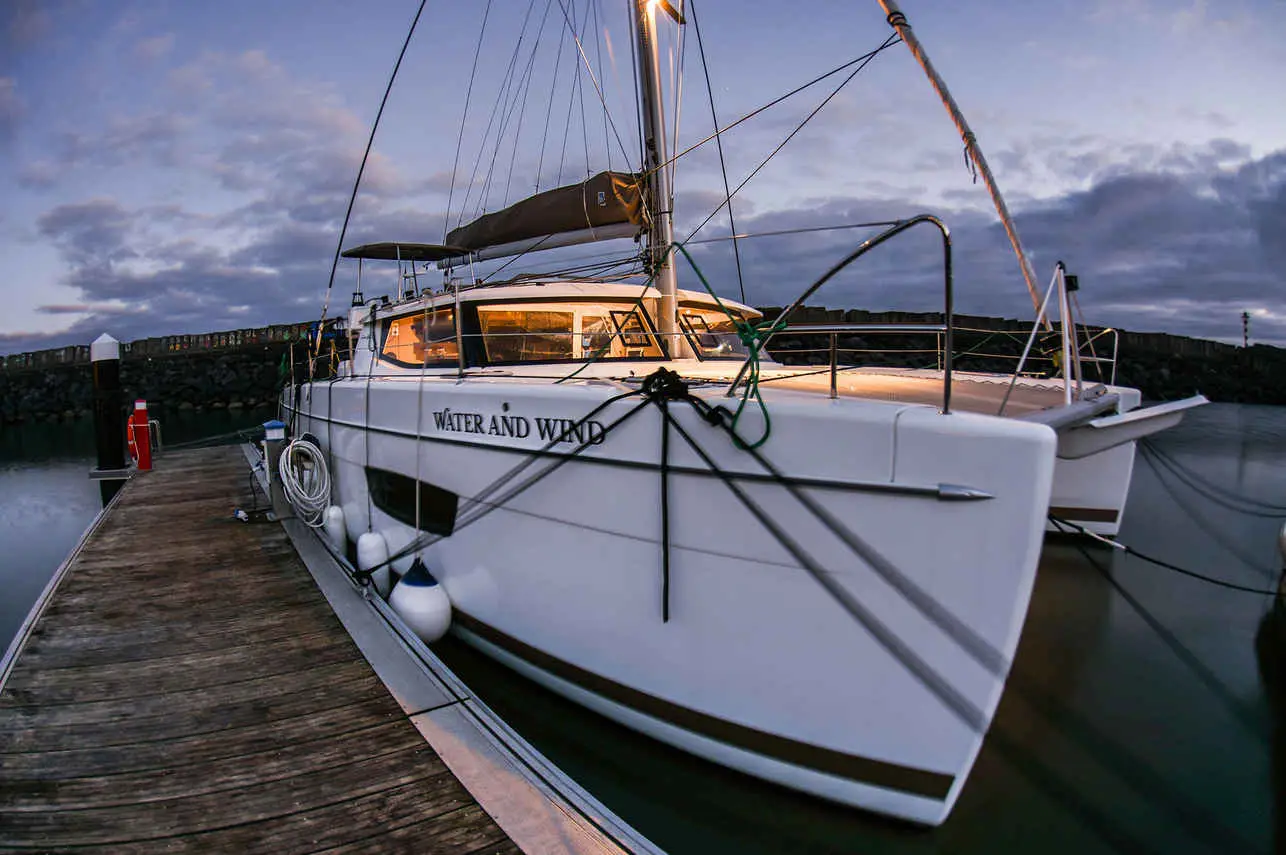
Water And Wind
Portugal
8 guests13 m
Dive sites similar to BOCA do INFERNO
Same character, same waters, six more sites divers love for the exact same reasons.Compare seasons, access and liveaboard routes, then pick the site that fits your trip best.
Abdi Reis is a highly regarded dive site situated near the Datça Peninsula in Turkey's Aegean Sea, specifically located within Abdi Reis Cove, near Yildiz Island.
- Suitable for
- Intermediate
- Current
- Moderate
- Access
- Liveaboard or dayboat
- Depth
- ≤ 33 m
- Theme
- Reef / Wall
© EsriMaxar, Earthstar, GIS
Adabanko Reef
Turkey
Adabanko Reef is an inviting dive site situated approximately two kilometers off the coast of Kuşadası in Turkey's Aegean Sea.
- Suitable for
- Beginner
- Current
- Moderate
- Access
- Liveaboard or dayboat
- Depth
- 5–40 m
- Theme
- Reef
© EsriMaxar, Earthstar, GIS
Adakule Cave
Turkey
Adakule Cave is a notable boat-access dive site located near Kuşadası, Turkey, offering an engaging experience centered around two distinct underwater caverns.
- Suitable for
- Beginner
- Current
- Mild
- Access
- Dayboat
- Depth
- 9–30 m
- Theme
- Cave & cavern
© EsriMaxar, Earthstar, GIS
Afkule Cave
Turkey
Afkule Cave, also referred to by some as Aladdin's Cave, is consistently ranked among the top dive sites in Turkey, particularly renowned for its cave diving opportunities.
- Suitable for
- Intermediate
- Current
- Moderate
- Access
- Liveaboard or dayboat
- Depth
- ≤ 50 m
- Theme
- Cave & cavern / Wall
© EsriMaxar, Earthstar, GIS
Afkule Monastery Reef
Turkey
Afkule Monastery Reef, prominently known as Afkule Wall, stands as a distinguished dive destination along Turkey's southwestern coast, close to Fethiye.
- Suitable for
- Intermediate
- Current
- Strong
- Access
- Liveaboard or dayboat
- Depth
- 6–40 m
- Theme
- Wall