About CANYON do INFERNO
Canyon do Inferno is an intriguing dive site situated along Portugal's rocky Atlantic coast, just outside Cascais. This natural formation is a rugged underwater canyon carved directly into the coastal bedrock, reflecting the powerful geological forces of the region. The site's distinctive topography features steep stone walls, numerous narrow gullies, and scattered boulders, all contributing to a complex and dynamic environment. Divers here navigate these natural channels and rock formations, which provide shelter and habitat for various marine species from the Atlantic surge. The experience emphasizes exploring this naturally carved setting and observing the ecosystems within its dramatic structure. While no specific depths are provided, the site description suggests exploration within these features. Marine life likely includes species that seek refuge in crevices and behind boulders, although specific common sightings are not detailed beyond general categories like sharks, whales, dolphins, and turtles, which are listed as possible but without a clear indication of likelihood or seasonality for this particular site. It's important to note that these are broad categories for the region, and not necessarily guaranteed at this specific location. Given the natural channels and exposure to Atlantic conditions, divers should be prepared for a dynamic environment. The dive type is classified as a reef, indicating a focus on natural rock structures rather than artificial reefs or wrecks.
Highlights
Rugged canyon topographyDramatic fissures and gulliesRocky overhangs and swim-throughsOctopus, spider crabs, conger eelsAtlantic reef fish schoolsKelp and gorgonian coverage
Season calendar
Best months to dive here
Jan
Feb
Mar
Apr
May
Jun
Jul
Aug
Sep
Oct
Nov
Dec
Excellent
Good
Off-Season
Jul – Oct (Summer/Autumn)
Best visibility 20–30m, warmest water 21–24°C. Blue sharks, mobula rays, whale sharks. Peak pelagic season at offshore sites.
Apr – Jun & Nov (Shoulder)
Improving/declining conditions. Water cooling but still diveable. Fewer pelagics but good reef life.
Dec – Mar (Winter)
Cold water 16–18°C, rough Atlantic swells, reduced visibility. Limited dive operations. Only for experienced cold-water divers.
Dive site facts: CANYON do INFERNO
- Depth
- 8–25 m
- Current
- Variable, moderate
- Visibility
- 4–12 m
- Water temperature
- 13–18°C
- Entry
- Boat entry
- Level
- Intermediate
- Dive type
- Reef, canyon, topography
- Region / port
- Cascais, Portugal
- Coordinates
- 38.6910° N, 9.5020° W
Conditions & Currents
Currents at Canyon do Inferno are generally variable and can range from mild to moderate. Divers should be prepared for potential surge, particularly inside the narrow canyon cuts, which are influenced by Atlantic ground swells. Due to the dynamic nature of the site and the influence of ocean forces, careful attention to local conditions and tides is essential. Visibility can vary from 4 to 12 meters, while water temperatures range from 13°C to 18°C. Divers should stay clear of rocky overhangs during periods of heavy wave action. An intermediate certification level is recommended to comfortably navigate these conditions.
Marine life & sighting chances

Common Octopus
common
European Conger Eel
common
White Seabream
common
European Spider Crab
occasional
Snowflake Moray
occasional
Nudibranch
occasional
Gorgonian
common
Wrasse
occasional
European Lobster
occasional
Atlantic reef fish
commonDive profile & how the dive runs
Diving at Canyon do Inferno typically begins with a boat entry, positioning divers directly over the canyon system. The dive profile involves exploring the rugged underwater canyon carved into the bedrock, descending gradually along its steep stone walls and into narrow gullies. Divers navigate through fissures and swim-through channels, following the natural contours of the rock formations. The depth ranges from 8 to 22 meters, with deeper sections potentially reaching 25 meters, allowing for exploration of crevices and boulders where marine life seeks refuge. The dive usually progresses through the canyon, allowing for observation of resident species like octopuses and conger eels. Turn points are determined by air consumption and bottom time, with the ascent initiated to ensure a safety stop can be performed in shallower, sheltered areas before resurfacing.
Underwater photography
Canyon do Inferno offers excellent opportunities for both wide-angle and macro photography. The dramatic canyon topography, with its fissures, steep walls, and swim-throughs, is ideal for wide-angle shots that capture the scale and structure of the site. Consider a wide-angle lens to document the expansive underwater landscape. For macro enthusiasts, the numerous rocky crevices, kelp, and gorgonians harbor a variety of smaller subjects, including nudibranchs, crabs, and juvenile fish. A macro lens will reveal the intricate details of these inhabitants. Due to potentially lower visibility and varying light conditions in deeper or narrower sections, external strobes are recommended to illuminate subjects and restore natural colors. Maintain excellent buoyancy control to avoid disturbing the delicate marine life and navigating tight passages.
Combine with nearby dive sites
Getting there & logistics
Canyon do Inferno is located along the rocky Atlantic coast outside Cascais, Portugal. Access to the dive site is exclusively by boat. Dive operators from nearby Lisbon or Cascais arrange day trips to this site. The closest major international airport is Lisbon Portela Airport (LIS), which serves as a convenient entry point for divers traveling to this region. From Lisbon, it's a relatively short drive to Cascais, where local dive centers are based. Trip lengths are typically half-day or full-day excursions from the mainland. There are no specific permits or fees mentioned for diving this site, but standard dive operator costs apply.
Safety & environment
Diving at Canyon do Inferno requires an intermediate certification level due to variable currents, potential surge, and the need for careful navigation within the canyon formations. Divers must exercise caution with rocky overhangs, especially during heavy wave action. Ensure you have adequate dive insurance that covers diving accidents and potential evacuation. The nearest recompression chamber would be located in a major medical center in the Lisbon area, and emergency evacuation could involve boat transfer to shore followed by road transport to a medical facility. Always dive with a reputable local operator who is familiar with the site's conditions and adhere to their briefings and safety protocols.
Who it suits, and who it doesn't
Suited for
- Intermediate divers seeking unique topography
- Photographers interested in wide-angle and macro
- Divers comfortable with variable Atlantic conditions
- Explorers of natural rock formations
Less suited for
- Beginner divers without current experience
- Divers uncomfortable with potential surge
- Those expecting calm, tropical reef conditions
- Individuals seeking deep technical dives
FAQ
CANYON do INFERNO FAQ
What is the topography like at Canyon do Inferno?
The topography at Canyon do Inferno is characterized by a rugged underwater canyon system carved into coastal bedrock. It features steep stone walls, narrow gullies, and scattered boulders, creating dramatic fissures and swim-through channels. This natural architecture provides an exciting landscape for divers to explore.
What kind of marine life can be seen at Canyon do Inferno?
Divers at Canyon do Inferno can commonly encounter species such as common octopuses, European conger eels, and white seabream. European spider crabs are seen seasonally, while various Atlantic reef fish, nudibranchs, wrasse, and European lobsters inhabit the kelp and gorgonian-covered rock formations.
Is Canyon do Inferno suitable for beginner divers?
Canyon do Inferno is rated as an intermediate dive site. While its maximum depth is manageable, the potential for variable currents, surge, and the need for complex navigation within the canyons mean it is generally not recommended for beginner divers without prior experience in similar conditions.
When is the best time of year to dive Canyon do Inferno?
The optimal time to dive Canyon do Inferno is during the warmer months, specifically from May through October. This period typically offers calmer seas and higher water temperatures, providing more favorable and comfortable diving conditions along the Atlantic coast.
What are the typical water conditions at Canyon do Inferno?
Water temperatures at Canyon do Inferno generally range from 13°C to 18°C, requiring appropriate thermal protection. Visibility can vary between 4 and 12 meters, and currents are described as variable to moderate, with potential for surge, especially within the narrow canyon sections.
Why dive CANYON do INFERNO from a liveaboard?
CANYON do INFERNO is one of Portugal's signature dive sites. A liveaboard sleeps you on the water and puts you in the water for three to four guided dives per day, including dawn and night dives that day-boat operators rarely offer. You skip the daily commute back to port and reach quieter, less-crowded sites in the same region on a single trip.
Below are the liveaboards that include CANYON do INFERNO on their Portugal itineraries.
Liveaboards diving CANYON do INFERNO
These liveaboards may visit CANYON do INFERNO on selected itineraries, the exact dive sites depend on departure, weather and conditions.
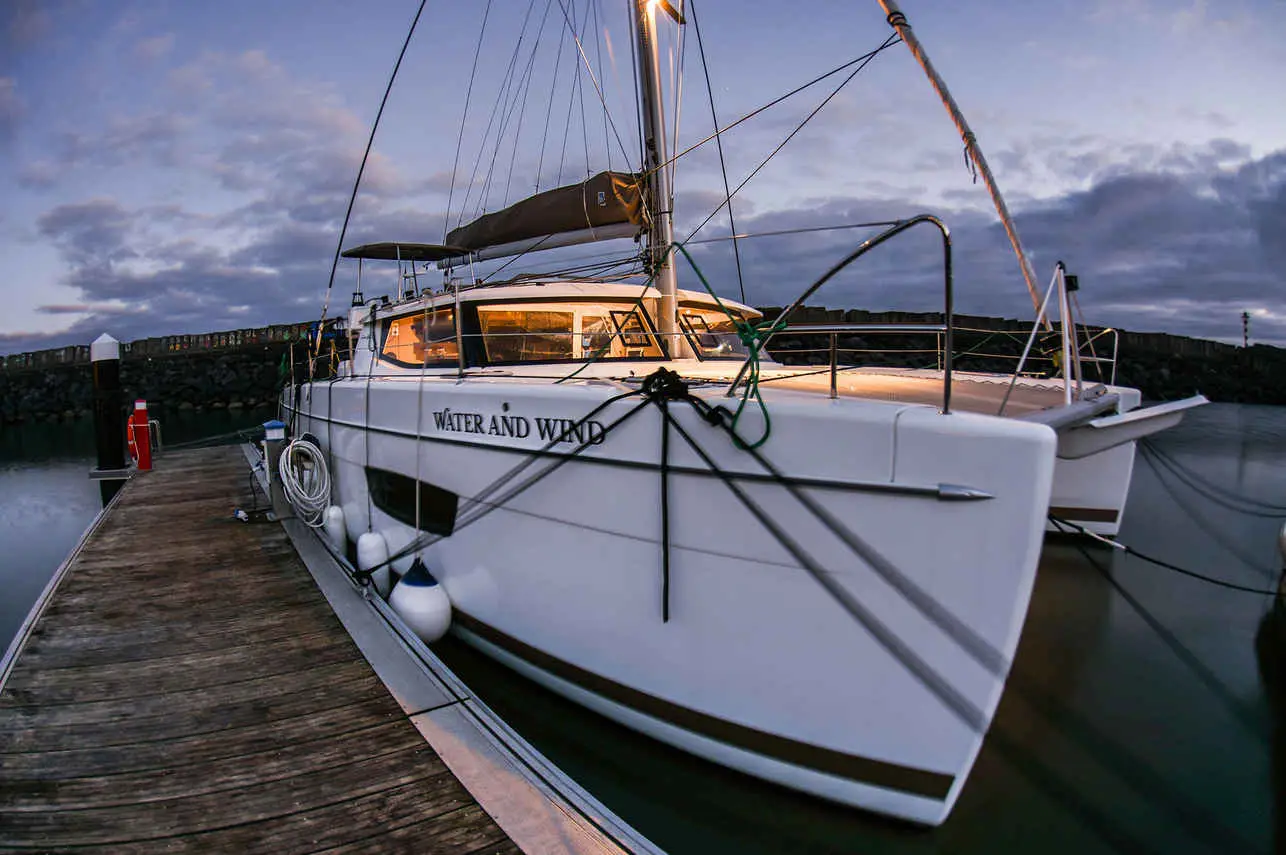
Water And Wind
Portugal
8 guests13 m
Dive sites similar to CANYON do INFERNO
Same character, same waters, six more sites divers love for the exact same reasons.Compare seasons, access and liveaboard routes, then pick the site that fits your trip best.
Abdi Reis is a highly regarded dive site situated near the Datça Peninsula in Turkey's Aegean Sea, specifically located within Abdi Reis Cove, near Yildiz Island.
- Suitable for
- Intermediate
- Current
- Moderate
- Access
- Liveaboard or dayboat
- Depth
- ≤ 33 m
- Theme
- Reef / Wall
© EsriMaxar, Earthstar, GIS
Adabanko Reef
Turkey
Adabanko Reef is an inviting dive site situated approximately two kilometers off the coast of Kuşadası in Turkey's Aegean Sea.
- Suitable for
- Beginner
- Current
- Moderate
- Access
- Liveaboard or dayboat
- Depth
- 5–40 m
- Theme
- Reef
© EsriMaxar, Earthstar, GIS
Adakule Cave
Turkey
Adakule Cave is a notable boat-access dive site located near Kuşadası, Turkey, offering an engaging experience centered around two distinct underwater caverns.
- Suitable for
- Beginner
- Current
- Mild
- Access
- Dayboat
- Depth
- 9–30 m
- Theme
- Cave & cavern
© EsriMaxar, Earthstar, GIS
Afkule Cave
Turkey
Afkule Cave, also referred to by some as Aladdin's Cave, is consistently ranked among the top dive sites in Turkey, particularly renowned for its cave diving opportunities.
- Suitable for
- Intermediate
- Current
- Moderate
- Access
- Liveaboard or dayboat
- Depth
- ≤ 50 m
- Theme
- Cave & cavern / Wall
© EsriMaxar, Earthstar, GIS
Afkule Monastery Reef
Turkey
Afkule Monastery Reef, prominently known as Afkule Wall, stands as a distinguished dive destination along Turkey's southwestern coast, close to Fethiye.
- Suitable for
- Intermediate
- Current
- Strong
- Access
- Liveaboard or dayboat
- Depth
- 6–40 m
- Theme
- Wall