Sea Bream in its natural habitat — diving encounters and best destinations

Sea Bream

Up to 55 years

Want to dive with this animal?

Only destinations where this animal occurs.

The Sea Bream at a glance

Sea breams (family Sparidae), also known as porgies, are ray-finned demersal fishes inhabiting coastal tropical and temperate waters throughout the Atlantic, Indian, and Pacific Oceans, as well as the Mediterranean and Black Seas. They feature an oblong, laterally compressed body with a steep dorsal head profile. A single continuous dorsal fin supported by 10 to 13 robust spines and 9 to 17 soft rays runs along the back, while pelvic fins are positioned just behind the vertical base of the pectoral fins.

Coloration across the family is exceptionally diverse, ranging from pink, red, and yellow hues to silvery grey, often accented by dark spots, stripes, or vertical bars. For example, the gilt-head bream (Sparus aurata) displays a golden bar across its head between the eyes, whereas the banded seabream (Diplodus fasciatus) exhibits dark vertical bands, and the white seabream (Diplodus sargus) features vertical bars alongside a dark spot on its tail peduncle. Their protruding, slightly oblique mouths contain strong jaw teeth—ranging from conical to molar-shaped—suited for crushing prey, though the roof of the mouth lacks teeth.

Behaviour & reproduction

Size
Unknown
Weight
Up to 17.2 kg
Lifespan
Up to 55 years
Status
Not Evaluated

Social behaviour and body shape vary noticeably with age and species size. Smaller sparid species and juvenile breams tend to form large, active schools over shallow reefs, sand flats, and seagrass beds. Conversely, larger adult specimens are generally less gregarious or solitary, preferring deeper waters along continental shelves. Many species within the family demonstrate sequential hermaphroditism, where individuals change sex during development; for example, gilt-head bream mature first as males by age two before some transition into females later in life.
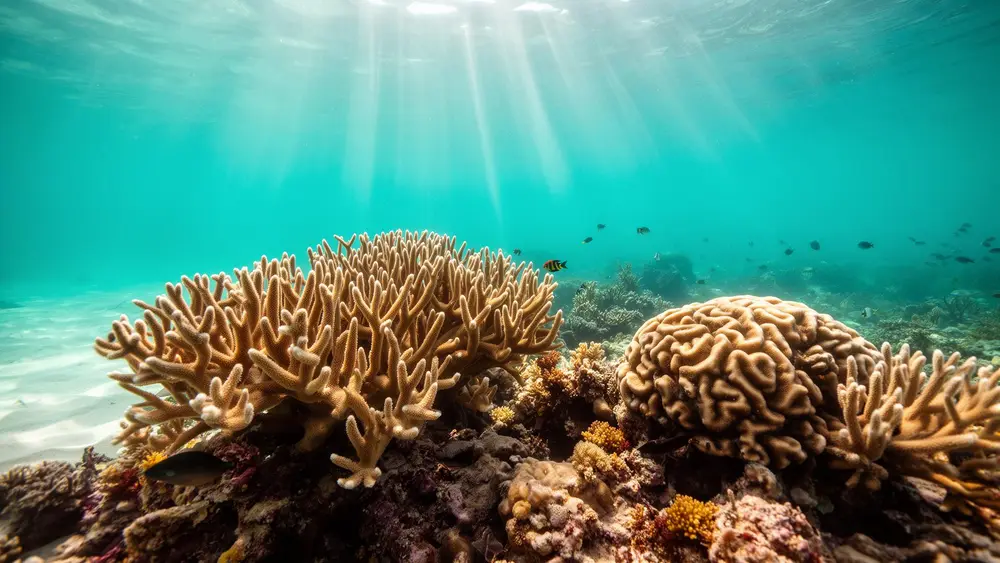

Diving Tips

Scuba divers encountering sea breams can expect daytime interactions, as these fish are diurnal omnivorous grazers. Encounters occur across shallow rocky reefs, sand patches, seagrass meadows, and even turbulent surf zones. When diving near coastal reef formations, look for juvenile sparids and smaller species gathering in large, dense schools at depths between 1 and 30 metres, while larger solitary adults are typically found deeper down to 150 metres.

Divers should maintain calm, steady movement when approaching sea breams. Species like the banded seabream display naturally curious behaviour and may closely approach divers or swim alongside other reef fish such as strepies. Look out for cleaning interactions, as white seabream have been observed acting as cleaner fish on thicklip grey mullets and flathead grey mullets. When observing foraging pairs or small groups over sand and rock, stay low and avoid sudden movements to allow natural feeding behaviours to continue undisturbed.

Fun facts about the Sea Bream

  • Gilt-head bream derive their scientific name 'aurata' from the striking golden bar located on their head between the eyes.
  • Many sparid species are sequential hermaphrodites, maturing first as males before transitioning into females as they age.
  • White seabream have been documented acting as cleaner fish for thicklip and flathead grey mullets.
  • While smaller sea breams form large schools, the largest sparid species can reach up to 2 metres in length.

Best time to see the Sea Bream

Seasonal underwater observations of sea bream are influenced by regional water temperatures and spawning cycles. In Mediterranean coastal regions, such as the Gulf of Tunis, white seabream begin their primary sexual activity and spawning between March and May. This reproductive cycle is directly triggered as winter water temperatures rise from 15 °C to 18 °C.

Across lower latitudes and warmer temperate waters, the spawning season for sparid fishes tends to lengthen significantly. Divers visiting eastern Atlantic and Mediterranean sites can encounter sea breams year-round, but spring and early summer months offer increased activity near shallow coastal areas as water temperatures warm up. In areas like the Canary Islands, Madeira, and Cape Verde, sea bream species remain active throughout the year across their preferred depth zones, with schooling juveniles frequently present in shallow coastal nurseries during post-spawning months.

Where the Sea Bream lives

Sea breams are demersal marine fishes distributed globally across temperate and tropical coastal waters of the Atlantic, Indian, and Pacific Oceans, as well as the Mediterranean and Black Seas. They occupy a broad vertical depth range, from shallow surf zones, rocky reefs, and *Zostera* seagrass beds in just 1 to 30 metres of water—where juveniles and subadults predominate—down to deeper offshore continental slopes reaching 100, 150, or 160 metres.

Most species live in strictly marine environments over sand substrates, rocky reef formations, and vegetated seabed zones. However, sea breams are euryhaline fishes; certain species regularly inhabit brackish water estuaries and coastal lagoons, with some individuals venturing into freshwater rivers. Nursery areas are frequently located in shallow estuaries and seagrass beds, providing shelter for growing juveniles before they migrate to deeper benthopelagic habitats as mature adults.

What the Sea Bream eats

Sea breams are predominantly diurnal predators and omnivorous grazers that feed during daylight hours along the seafloor. Their diet consists primarily of benthic invertebrates, supported by their specialized jaw structures and strong teeth. Common prey items include saltwater mollusks, clams, gastropods, marine crustaceans such as amphipods and zooplanktonic copepods, segmented marine worms, brittle stars, sea urchins, and small crustaceans.

In addition to animal prey, sea breams also consume plant material and filamentous algae while grazing across rocky reefs and sandy substrates. Their teeth—which range from sharp, conical canine-like teeth at the front of the jaw to broad, rounded molar-like teeth along the sides—allow them to easily crush hard-shelled prey like urchins and shellfish. Smaller species and foraging pairs often sift through sand or inspect rock crevices to capture benthic organisms.

Sea Bream: frequently asked questions

When is the best time to see Sea Bream?
Seasonal underwater observations of sea bream are influenced by regional water temperatures and spawning cycles. In Mediterranean coastal regions, such as the Gulf of Tunis, white seabream begin their primary sexual activity and spawning between March and May. This reproductive cycle is directly triggered as winter water temperatures rise from 15 °C to 18 °C. Across lower latitudes and warmer temperate waters, the spawning season for sparid fishes tends to lengthen significantly. Divers visiting eastern Atlantic and Mediterranean sites can encounter sea breams year-round, but spring and early summer months offer increased activity near shallow coastal areas as water temperatures warm up. In areas like the Canary Islands, Madeira, and Cape Verde, sea bream species remain active throughout the year across their preferred depth zones, with schooling juveniles frequently present in shallow coastal nurseries during post-spawning months.
How big does Sea Bream get?
Sea Bream: Unknown
Is Sea Bream dangerous for divers?
Scuba divers encountering sea breams can expect daytime interactions, as these fish are diurnal omnivorous grazers. Encounters occur across shallow rocky reefs, sand patches, seagrass meadows, and even turbulent surf zones. When diving near coastal reef formations, look for juvenile sparids and smaller species gathering in large, dense schools at depths between 1 and 30 metres, while larger solitary adults are typically found deeper down to 150 metres. Divers should maintain calm, steady movement when approaching sea breams. Species like the banded seabream display naturally curious behaviour and may closely approach divers or swim alongside other reef fish such as strepies. Look out for cleaning interactions, as white seabream have been observed acting as cleaner fish on thicklip grey mullets and flathead grey mullets. When observing foraging pairs or small groups over sand and rock, stay low and avoid sudden movements to allow natural feeding behaviours to continue undisturbed.
What is the conservation status of Sea Bream?
Sea Bream: Not Evaluated
Plan your trip

Ready to dive with these animals?

Choose a destination or search every available vessel to find the liveaboard that matches the marine life you want to see.