About Kalkan Reef
Kalkan Reef is a renowned dive site near the charming town of Kaş, on Turkey's Mediterranean coast. It's distinctive for its vibrant marine ecosystem and accessible reef topography, making it a favorite for divers of various experience levels. The reef's relatively shallow depths are perfect for exploring an abundance of colorful fish and thriving sea fans. Kalkan boasts a diverse range of marine life, including groupers, sardines, moray eels, turtles, stingrays, and barracudas, frequently spotted amidst its craggy formations and walls. The area features extensive reef systems, walls, and even a unique tunnel squeeze, providing varied underwater landscapes for exploration. Waters in this part of the Turkish Riviera are exceptionally clear, often boasting visibility beyond 30 meters, contributing to an immersive dive experience. The reef offers numerous dive opportunities, with various sites ranging from rocky outcrops to deeper walls and seagrass beds. Divers can encounterloggerhead turtles grazing, octopuses in rocky crevices, and schools of fish like damselfish, parrotfish, and bream. The absence of strong currents at many sites around Kalkan, such as Frenk Out Wall, makes it particularly suitable for newly certified and intermediate divers, offering a relaxed environment to explore the underwater world. Kalkan Reef serves as a prime example of Kaş's reputation as a world-class diving destination, blending natural beauty with abundant marine biodiversity. Whether navigating rocky reefs or gliding along a wall, divers can expect encounters with a rich variety of Mediterranean species in comfortable, clear conditions. The region's appeal extends beyond the dive, making it a compelling spot for those seeking a comprehensive coastal experience.
Highlights
Green MoraysOctopusClear WaterEasy Dive
Season calendar
Best months to dive here
Jan
Feb
Mar
Apr
May
Jun
Jul
Aug
Sep
Oct
Nov
Dec
Excellent
Dive site facts: Kalkan Reef
- Depth
- 5–30 m
- Typical dive
- 12–25 m, 45–60 min
- Current
- Mild to occasional moderate
- Visibility
- 20–30 m
- Water temperature
- 16–30°C
- Entry
- Boat
- Level
- Beginner to Advanced
- Dive type
- Reef, wall, cavern
- Night dive
- Possible
- Region / port
- Kaş / Kalkan
- Coordinates
- 36.26, 29.41
Conditions & Currents
Currents at Kalkan Reef are generally mild, making it suitable for divers of varying experience levels. However, occasional moderate currents can be present, especially around deeper sections and prominent points of the reef. When currents are flowing, they can create gentle drift opportunities, allowing divers to glide effortlessly along the reef's contours. Divers should always pay close attention to the dive briefing, as guides will advise on the day's conditions, including current strength and direction, and the best entry and exit strategies to ensure a smooth and safe dive. Visibility typically remains high, often exceeding 20 meters, even with slight current activity.
Marine life & sighting chances
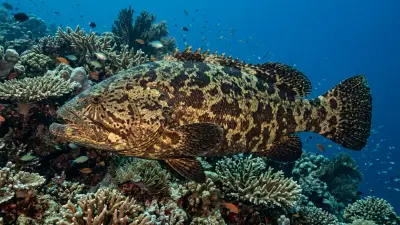
Grouper
common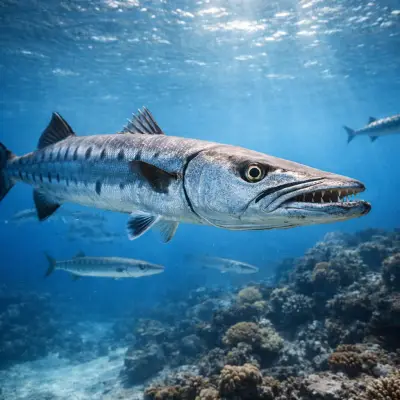
Barracuda
common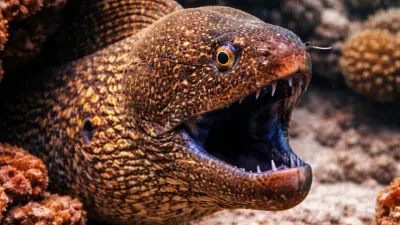
Moray Eel
common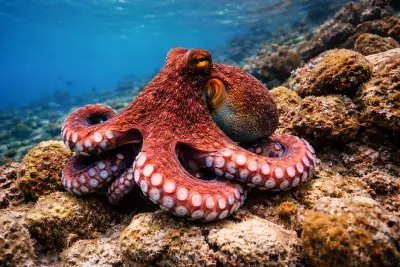
Octopus
common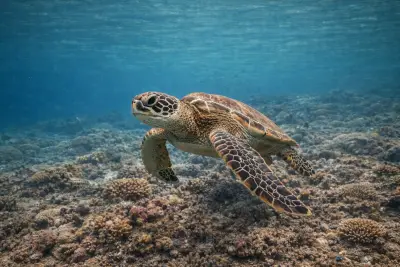
Green Turtle
occasional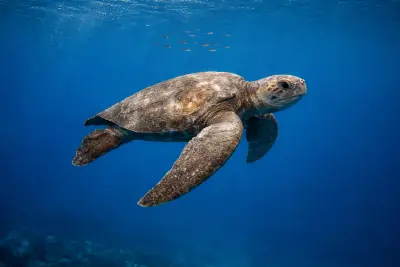
Loggerhead Turtle
occasional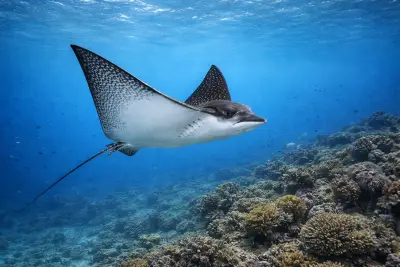
Eagle Ray
occasional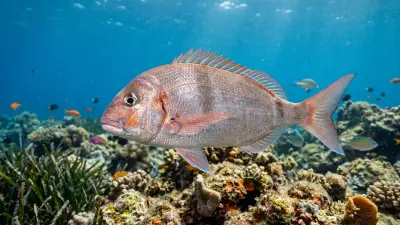
Sea Bream
common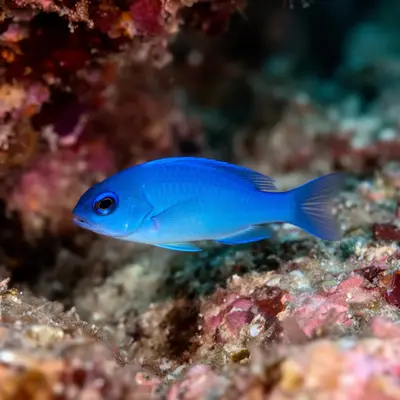
Damselfish
common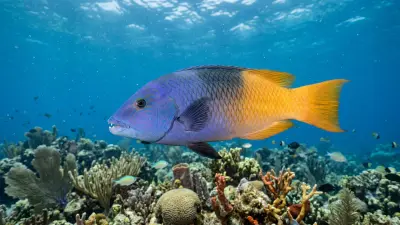
Wrasse
commonDive profile & how the dive runs
Your dive at Kalkan Reef typically begins with a boat entry, followed by a controlled descent along a mooring line or directly into a sheltered section of the reef. The dive often follows a path exploring the main reef structure, which includes a series of dramatic rock formations and swim-throughs. You will progressively explore depths between 15 and 25 meters, keeping an eye out for hidden marine life in crevices. The dive guide will lead the group through scenic sections, potentially navigating through a small cavern or archway. The turn point is usually determined by air consumption or reaching a specific feature of interest, then gradually ascending along the reef slope. The safety stop is conducted in shallower, calmer waters, usually around 5 meters, before a comfortable boat exit.
Underwater photography
Kalkan Reef's clear waters and varied topography present excellent opportunities for underwater photography. For wide-angle shots, consider capturing the dramatic rock formations, swim-throughs, and the overall reef landscape; a fisheye lens is ideal for these expansive scenes. Macro enthusiasts will find subjects among the reef's inhabitants, such as moray eels, octopus, and nudibranchs hiding in the numerous cracks and crevices, requiring a dedicated macro lens. Due to the high visibility, natural light can be sufficient in shallower areas, but strobes are highly recommended for bringing out the true colors of the corals and marine life at depth and in shaded areas like swim-throughs. Maintain excellent buoyancy control to avoid disturbing the delicate ecosystem and to capture steady shots of the diverse Mediterranean species.
Combine with nearby dive sites
- Lighthouse Reef (Kaş)
Lighthouse Reef is a prominent dive site near Kaş, Turkey, celebrated for its crystal-clear waters and diverse underwater landscape.
- Flying Fish
The Flying Fish dive site, located off the coast of Kaş, Turkey, is celebrated as one of the country's premier underwater destinations.
- Afkule Monastery Reef
Afkule Monastery Reef, prominently known as Afkule Wall, stands as a distinguished dive destination along Turkey's southwestern coast…
- SAS Wreck (Kaş)
The SAS Wreck, located in the crystal-clear waters off Kaş, Turkey, is a highly significant dive site, renowned for its historical artifact…
- Canyon Dive (Kaş)
Kaş Canyon in Antalya, Turkey, offers a unique double-feature dive experience that combines a dramatic canyon with a historical shipwreck.
Getting there & logistics
Diving Kalkan Reef typically involves day trips departing from the nearby port of Kaş, which is easily accessible from Antalya Airport (AYT) or Dalaman Airport (DLM). Both airports offer international and domestic connections. From the airport, a transfer to Kaş takes approximately 2-3 hours. Most dive operators in Kaş include Kalkan Reef in their daily boat excursions, often combined with another local dive site. There are no specific park fees for diving Kalkan Reef, but dive package costs will cover boat trips, equipment, and guide services. It is advisable to book dive trips in advance, especially during peak season from June to September.
Safety & environment
For diving at Kalkan Reef, standard diving safety protocols apply. The nearest recompression chamber is located in Antalya, approximately 3 hours away by road from Kaş. In case of a serious diving emergency, evacuation would primarily be via land transport to Antalya. Therefore, comprehensive dive insurance that covers emergency medical treatment and evacuation is highly recommended for all divers. Divers should be mindful of boat traffic, especially during surface intervals. Always adhere to your dive guide's instructions regarding current conditions, maximum depths, and dive profiles. While the site is generally safe, maintaining good buoyancy control is essential to avoid contact with the reef and marine life, preserving the fragile ecosystem.
Who it suits — and who it doesn't
Suited for
- Beginner divers seeking easy reef exploration
- Advanced Open Water divers interested in deeper sections
- Underwater photographers due to excellent visibility
- Divers interested in Mediterranean marine life
- Those looking for a mix of reef and cavern dives
Less suited for
- Divers preferring strong current drift dives exclusively
- Those seeking large pelagic encounters primarily
- Individuals sensitive to boat travel
- Absolute beginners without proper instruction
- Divers with limited buoyancy control
FAQ
Kalkan Reef FAQ
What marine life can I expect to see at Kalkan Reef?
Kalkan Reef is home to a rich variety of Mediterranean marine life. You can frequently spot groupers, barracudas, moray eels, and octopuses within the rock formations. Green and loggerhead turtles are also occasional visitors, making it a diverse site for marine encounters.
What are the typical diving conditions at Kalkan Reef?
Diving conditions at Kalkan Reef are generally favorable, with excellent visibility often ranging from 20 to 30 meters. Water temperatures vary seasonally, from 16°C in winter to 30°C in summer. Currents are usually mild, though occasional moderate currents may be present, particularly at deeper sections.
Is Kalkan Reef suitable for beginner divers?
Yes, Kalkan Reef is suitable for beginner divers, especially the shallower sections of the reef. Its mild currents and good visibility provide a comfortable environment for those with Open Water certification. Deeper areas cater to more experienced divers, offering diverse experiences for all levels.
Are there any swim-throughs or caverns at Kalkan Reef?
Yes, Kalkan Reef is known for its interesting topography, which includes several small swim-throughs and natural caverns. These features add an exciting element to the dive, allowing divers to explore unique underwater architectural formations and observe marine life hiding within.
How do I get to Kalkan Reef for diving?
Diving trips to Kalkan Reef typically depart from Kaş, a nearby port town. You can reach Kaş by flying into Antalya Airport (AYT) or Dalaman Airport (DLM) and then taking a transfer. Most local dive operators offer day trips to the reef, often combining it with another nearby site.
What is the best time of year to dive Kalkan Reef?
The best time to dive Kalkan Reef is during the warmer months, from May to November. During this period, water temperatures are pleasant, and marine life activity is at its peak. Visibility also remains consistently high, offering optimal conditions for exploration.
Why dive Kalkan Reef from a liveaboard?
Kalkan Reef is one of Turkey's signature dive sites. A liveaboard sleeps you on the water and puts you in the water for three to four guided dives per day, including dawn and night dives that day-boat operators rarely offer. You skip the daily commute back to port and reach quieter, less-crowded sites in the same region on a single trip.
Below are the liveaboards that include Kalkan Reef on their Turkey itineraries.
Liveaboards diving Kalkan Reef
These liveaboards may visit Kalkan Reef on selected itineraries — the exact dive sites depend on departure, weather and conditions.
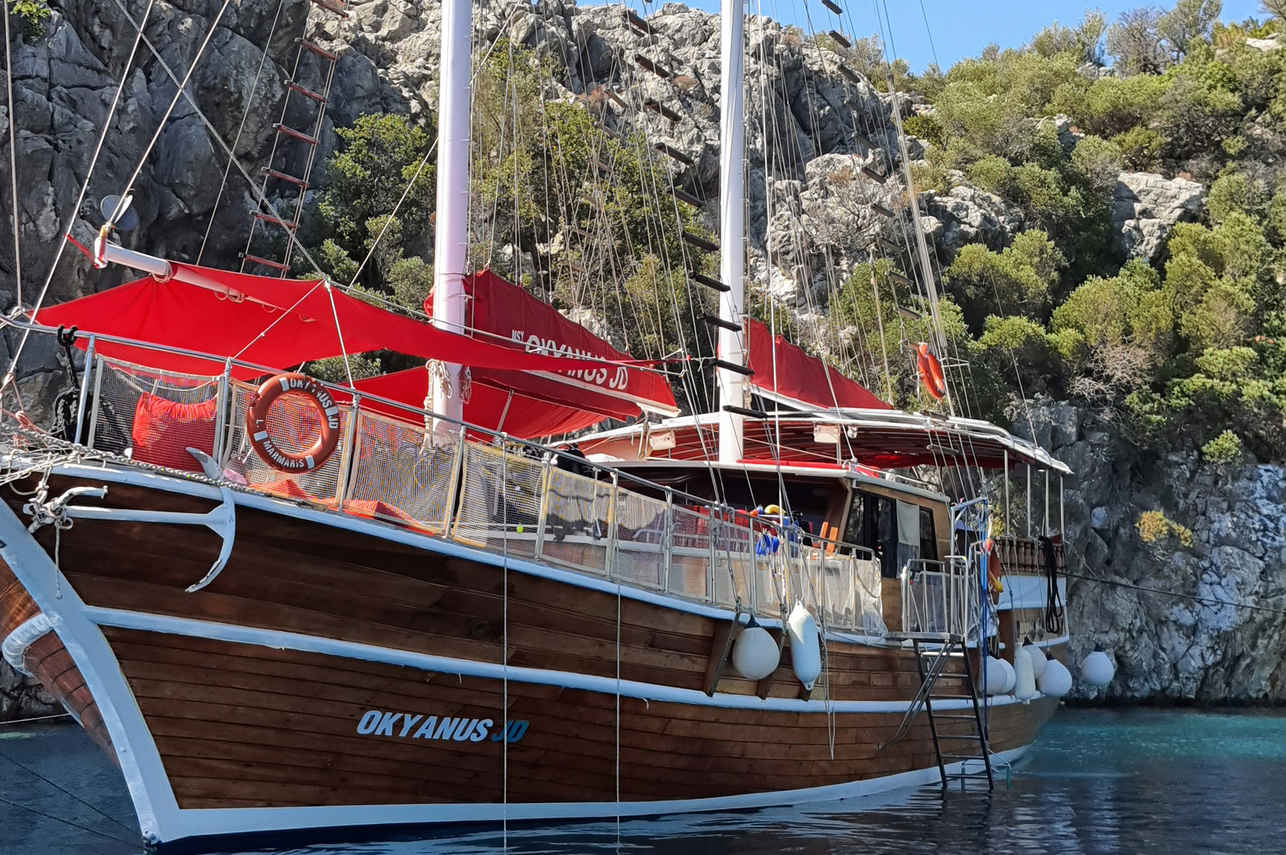
Okyanus JD
Turkey
12 guests24 m
$157/day
Dive sites similar to Kalkan Reef
Same character, same waters — six more sites divers love for the exact same reasons.Compare seasons, access and liveaboard routes — then pick the site that fits your trip best.
© Esri — Maxar, Earthstar, GIS
Hidayet Koyu
Turkey
Hidayet Koyu is a well-known, sheltered bay located on the Kaş peninsula in Turkey, celebrated for its accessibility and vibrant marine ecosystem.
- Suitable for
- Beginner
- Current
- No current
- Access
- Liveaboard or dayboat
- Depth
- ≤ 32 m
- Theme
- Reef
© Esri — Maxar, Earthstar, GIS
Besmi Island
Turkey
Besmi Island, also known as Besmi Adası, is a challenging yet rewarding dive site located off Turkey's southwestern coast near Fethiye and southwest of Kaş.
- Suitable for
- Advanced
- Current
- Strong
- Access
- Dayboat
- Depth
- 4–60 m
- Theme
- Reef / Wall
© Esri — Maxar, Earthstar, GIS
Domuz Island
Turkey
Domuz Island, also known as Pig Island, is a celebrated dive destination nestled within the Göcek archipelago, part of Fethiye Bay.
- Suitable for
- Beginner
- Current
- Mild
- Access
- Dayboat
- Depth
- 5–15 m
- Theme
- Reef
© Esri — Maxar, Earthstar, GIS
Gökova Bay Canyon
Turkey
Gökova Bay Canyon is a renowned dive site in Turkey, celebrated for its unique underwater topography, which contrasts sharply with typical Mediterranean dive experiences.
- Suitable for
- Advanced
- Current
- Strong
- Access
- Liveaboard or dayboat
- Depth
- 15–35 m
- Theme
- Wall
© Esri — Maxar, Earthstar, GIS
Kızıl Island
Turkey
Kızıl Island, known locally as Kızılada, is a prominent dive site situated near Fethiye on Turkey's southwestern coast.
- Suitable for
- Intermediate
- Current
- Mild
- Access
- Dayboat
- Depth
- 8–40 m
- Theme
- Reef / Wall
© Esri — Maxar, Earthstar, GIS
Smugglers Bay
Turkey
Smugglers Bay, located near Bodrum in Turkey's Aegean Sea, is a beginner-friendly dive site renowned for its calm conditions and healthy marine environment.
- Suitable for
- Beginner
- Current
- Mild
- Access
- Dayboat
- Depth
- 3–35 m
- Theme
- Reef