About Pedra da Velha
Pedra da Velha is an advanced boat-access rocky reef and pinnacle located off Peniche, within the protected Berlengas archipelago. This UNESCO Biosphere Reserve site presents a distinctly different aesthetic than mainland diving, featuring rounded granite profiles instead of angular limestone, sculpted by the relentless Atlantic ocean. The topography includes dramatic walls, boulders, and natural passages, with depths ranging from 10 to 20 meters. Light and shadow play across the curved surfaces under passing ocean swells, creating dynamic visual effects. The nutrient-rich waters support exceptionally dense biological communities, with every rock surface covered in colorful filter-feeding organisms. Fish populations are substantial due to the reserve's protection, with large groupers inhabiting overhangs and schools of pelagic species sweeping through the water column. The exposed position means careful assessment of conditions and experienced boat handling are crucial. When accessible, Pedra da Velha offers some of the most impressive diving in the Berlengas, combining geological grandeur with abundant marine life.
Highlights
Berlengas UNESCO Biosphere ReserveExposed Atlantic granite reefDramatic walls and overhangsAbundant filter-feeding organismsLarge groupersPelagic fish schoolsVibrant, colorful biodiversityAdvanced diving experience
Season calendar
Best months to dive here
Jan
Feb
Mar
Apr
May
Jun
Jul
Aug
Sep
Oct
Nov
Dec
Excellent
Good
Dive site facts: Pedra da Velha
- Depth
- 10–20 m
- Current
- Moderate to strong
- Visibility
- 18–30 m
- Water temperature
- 17–19°C
- Entry
- Boat dive
- Level
- Advanced
- Dive type
- Reef, wall, pinnacle
- Region / port
- Peniche, Berlengas Archipelago
- Coordinates
- 37.7942° N, 15.3627° W
Conditions & Currents
Pedra da Velha is located in an exposed area of the Berlengas archipelago, receiving the full force of oceanic conditions. Currents are typically moderate to strong and can be tricky, making it an advanced dive site. Surge can also be a factor, influenced by wave height and swell. Visibility averages around 20 meters but can reach up to 30 meters in optimal conditions. Water temperatures range from 17°C to 19°C. Divers should be comfortable with moving water sections and treat surface chop as part of the risk assessment. Experienced boat handling and a careful window of opportunity are necessary for access, as sea state dictates usability. Maintaining group cohesion in current-swept areas is important.
Marine life & sighting chances
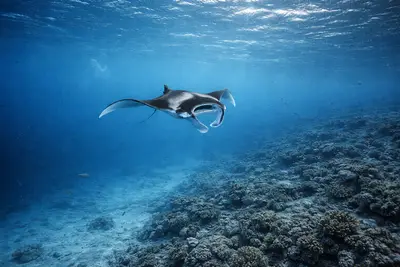
Manta Ray
March, July · occasional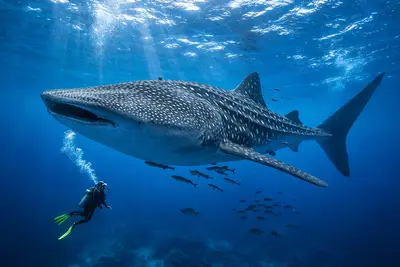
Whale Shark
July · rare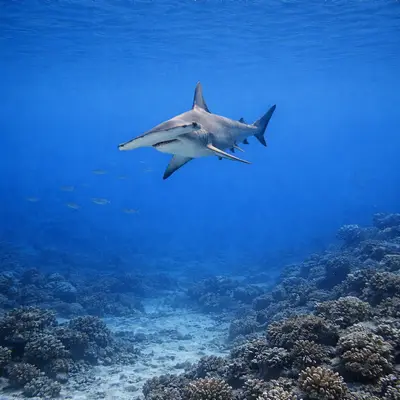
Hammerhead Shark
November · rare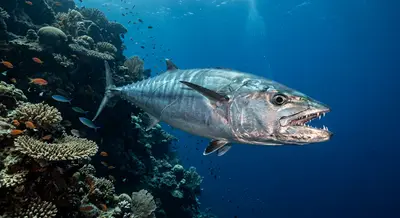
Tuna
occasional
Barracuda
occasional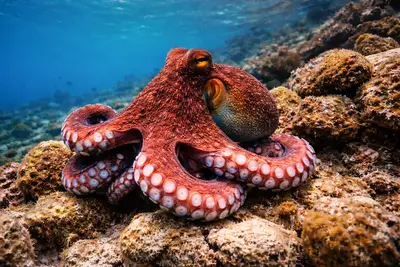
Octopus
common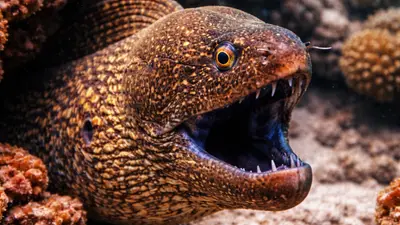
Moray Eel
common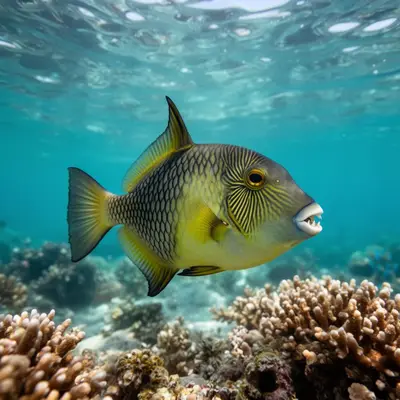
Triggerfish
common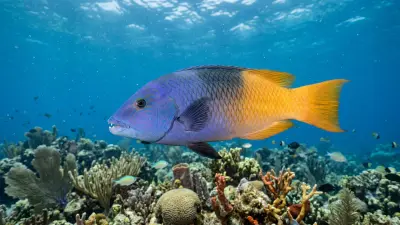
Wrasse
common
Dolphin
occasional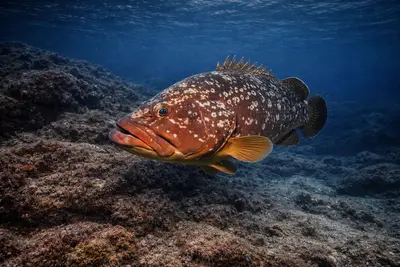
Grouper
common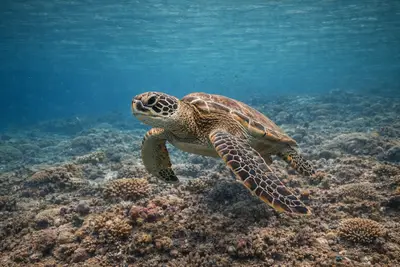
Green Turtle
March · rare
Reef Shark
March · rare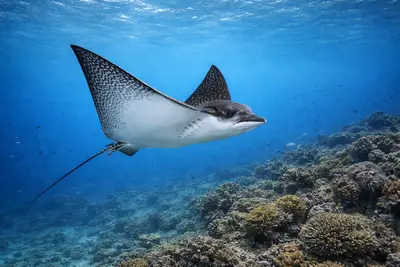
Eagle Ray
November · rareDive profile & how the dive runs
Diving at Pedra da Velha is typically a boat dive, often starting with a negative entry due to potentially rough surface conditions and currents. The dive follows the contours of the dramatic granite reef formations, which feature walls, boulders, and natural passages. Divers typically descend to depths between 10 and 20 meters, exploring overhangs and crevices where large groupers reside. The route often involves drifting along the rock surfaces, observing the dense cover of filter-feeding organisms and schools of pelagic fish in the water column. Due to the exposed nature and currents, attention to depth and bottom time is crucial, with ascents planned conservatively. Safety stops are conducted in the mid-water column, away from strong currents, before surfacing for a boat pick-up.
Underwater photography
Capturing the unique underwater landscape of Pedra da Velha demands a wide-angle lens to encompass its dramatic granite formations, walls, and natural passages. Consider a fisheye or rectilinear wide-angle to emphasize the scale of the rock structures and the interplay of light and shadow, especially when ocean swells create dynamic visual effects. For marine life such as large groupers or schools of barracuda, a wide-angle setup is also ideal. Strobes are essential to bring out the vibrant colors of the dense filter-feeding communities that coat the reef, countering the blue cast of Atlantic waters. Be mindful of currents and maintain excellent buoyancy to avoid stirring up sediment and to safely navigate near the exposed structures.
Combine with nearby dive sites
- Rinchão
A deeper granite reef site (up to 32m) in Berlengas, with gorgonian fans and large conger eels.
- Ilhéu Maldito
A Berlengas cave-and-channel dive with blue water and fish life.
- Carreiro dos Cações
A north-facing bay with sandy bottom and rock formations, depths 5-13m, known for small fish schools and rays.
- Vapor do Trigo
A deep Berlengas wreck dive (up to 26m) with boilers and abundant fish.
- Flandres
A sheltered bay dive within Berlengas (max 15m) with a small cavern and wreck remains, known for seabreams and octopuses.
Getting there & logistics
Access to Pedra da Velha is exclusively by boat, typically departing from Peniche, Portugal. Local dive operators, such as Haliotis - Peniche Diving Center or JUSTDIVE - BLUE Academy, offer trips to the Berlengas archipelago. Due to its exposed location and the marine reserve status, a local operator is required, and sea conditions heavily influence accessibility. Divers should plan for day trips, as liveaboards are not common for this specific site. Trips usually involve a boat run from Peniche, with dive durations dependent on depth and conditions. Adherence to park rules for the UNESCO Biosphere Reserve is mandatory, though specific personal fees are generally handled by the dive operator.
Safety & environment
Diving at Pedra da Velha requires genuine advanced diving competence due to its exposed Atlantic position, potential for strong currents, and moderate surge. Divers should ensure their insurance covers advanced and potentially challenging conditions. The nearest recompression chamber would likely be in Lisbon, necessitating a significant evacuation time in case of a serious incident. Always dive with a local operator who is experienced with Berlengas conditions, and follow their instructions diligently regarding group cohesion, particularly in moving water sections. Conservative dive planning, including air management and decompression limits for the 20-meter depth, is crucial. Pay close attention to surface conditions, as chop and swell can complicate entry and exit from the boat.
Who it suits — and who it doesn't
Suited for
- Advanced divers comfortable with currents
- Experienced divers seeking dramatic topography
- Photographers with wide-angle setups
- Divers interested in temperate Atlantic marine biodiversity
- Those looking for UNESCO marine reserve experiences
Less suited for
- Beginner or Open Water certified divers
- Divers uncomfortable with strong currents or surge
- Individuals prone to seasickness in exposed conditions
- Divers seeking easy, sheltered dives
- Those without experience in exposed boat entries/exits
FAQ
Pedra da Velha FAQ
What kind of marine life can I expect to see at Pedra da Velha?
Pedra da Velha is home to substantial fish populations, including large groupers occupying granite overhangs and schools of pelagic species moving through the water column. You might also encounter octopus, moray eels, triggerfish, and wrasse. Rarer sightings include manta rays, whale sharks, hammerhead sharks, green turtles, reef sharks, and eagle rays, particularly during specific seasons.
What is the typical depth and visibility at Pedra da Velha?
The typical depth range for diving at Pedra da Velha is between 10 and 20 meters. Visibility averages around 20 meters, but it can be exceptional, reaching up to 30 meters on calm days. Water temperatures generally range from 17°C to 19°C, requiring a suitable wetsuit.
Are there strong currents at Pedra da Velha?
Yes, Pedra da Velha is known for moderate to strong currents due to its exposed location within the Atlantic. The site receives the full force of oceanic conditions, making it an advanced dive. Divers should be comfortable with moving water and be prepared for potential surge.
What makes Pedra da Velha unique compared to other dive sites in Portugal?
Pedra da Velha's uniqueness stems from its location in the Berlengas UNESCO Biosphere Reserve, featuring distinct rounded granite formations contrasting with mainland limestone. Its exposed position leads to dramatic topography sculpted by the Atlantic and nutrient-rich waters supporting exceptionally dense and vibrant marine colonization, often described as rivaling tropical reefs in color despite its temperate setting.
When is the best time of year to dive Pedra da Velha?
The optimal time for diving Pedra da Velha is from late summer to early autumn, specifically between August and October. These months offer the best chances of clear water and calmer conditions, which are critical for accessing this exposed Atlantic site. Winter months are generally not recommended due to rougher seas.
Why dive Pedra da Velha from a liveaboard?
Pedra da Velha is one of Portugal's signature dive sites. A liveaboard sleeps you on the water and puts you in the water for three to four guided dives per day, including dawn and night dives that day-boat operators rarely offer. You skip the daily commute back to port and reach quieter, less-crowded sites in the same region on a single trip.
Below are the liveaboards that include Pedra da Velha on their Portugal itineraries.
Liveaboards diving Pedra da Velha
These liveaboards may visit Pedra da Velha on selected itineraries — the exact dive sites depend on departure, weather and conditions.
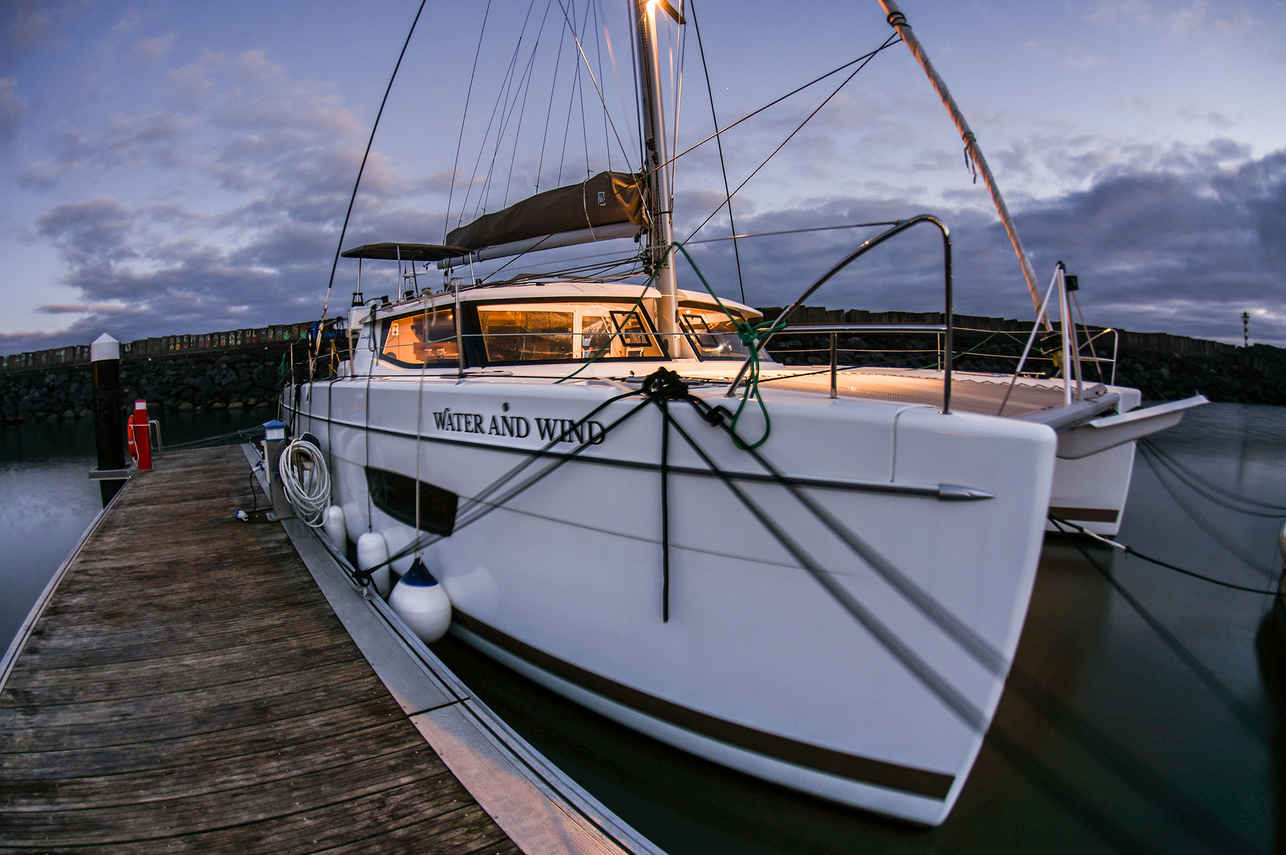
Water And Wind
Portugal
8 guests13.41 m
Dive sites similar to Pedra da Velha
Same character, same waters — six more sites divers love for the exact same reasons.Compare seasons, access and liveaboard routes — then pick the site that fits your trip best.
Pedra da Nau
Portugal
Pedra da Nau is a notable dive site situated in a protected bay near Cascais, easily accessible with a short boat ride from shore or even by land.
- Suitable for
- Beginner
- Current
- Mild
- Access
- Liveaboard or dayboat
- Depth
- 4–18 m
- Theme
- Reef
Silveira
Portugal
Silveira is a welcoming beginner-friendly dive site located off Terceira Island in the Azores archipelago, Portugal.
- Suitable for
- Beginner
- Current
- Mild
- Access
- Dayboat
- Depth
- 2–15 m
- Theme
- Reef / Pinnacle
Cinco Ribeiras
Portugal
Cinco Ribeiras is situated on the western coast of Terceira Island in the Azores, named after a nearby village.
- Suitable for
- Beginner
- Current
- Mild
- Access
- Shore / dayboat
- Depth
- 5–16 m
- Theme
- Reef / Cavern
Ambrosio
Portugal
Baixa do Ambrósio is an advanced dive site situated in the open Atlantic, southeast of Santa Maria Island in the eastern Azores.
- Suitable for
- Advanced
- Current
- Strong
- Access
- Dayboat
- Depth
- 5–47 m
- Theme
- Reef / Drift
Poente
Portugal
Poente is a remarkable dive site located on the western coastline of Terceira Island in the Azores, offering an engaging experience for intermediate divers.
- Suitable for
- Intermediate
- Current
- Moderate
- Access
- Dayboat
- Depth
- 5–18 m
- Theme
- Reef
Baía da Armação
Portugal
Baía da Armação is a highly popular and easily navigable dive site situated near Sesimbra, benefiting from natural protection against the region's prevailing northern winds.
- Suitable for
- Beginner
- Current
- Mild
- Access
- Dayboat
- Depth
- 11–14 m
- Theme
- Reef