About Vapor do Trigo
The Vapor do Trigo, translating to "Wheat Steamer," is a captivating deep wreck dive located within the Berlengas Archipelago marine reserve off the coast of Peniche, Portugal. This cargo vessel, now resting at depths between 24 and 30 meters, serves as a thriving artificial reef, showcasing the rich biodiversity of the Atlantic Ocean. Its historical significance as one of many ships lost on Berlengas' granite reefs adds a profound layer to the diving experience, connecting modern divers to the region's challenging maritime heritage. The wreck's structure is extensively colonized by marine life, with dense growths of gorgonians, sponges, and encrusting organisms transforming the metal hull into a vibrant living habitat. Key features include three large boilers, which are prominent points of interest, along with various hull openings. These structures provide shelter and feeding grounds, concentrating marine species that thrive in the productive Berlengas waters. While the clear waters of Berlengas offer good visibility, the site is known for currents that can range from moderate to strong, requiring careful planning. The productive Atlantic conditions mean encountering schooling fish, resident eels, and a variety of invertebrates. This advanced dive site is best accessed by boat, typically from Peniche, and requires local guidance due to the protected reserve status and often challenging conditions. Diving the Vapor do Trigo offers a unique combination of wreck exploration and marine life observation, set against the backdrop of a significant conservation area. It's an immersive experience for advanced divers seeking an engaging and historically rich underwater adventure in Portugal's Atlantic waters.
Highlights
Deep historic wreckBerlengas Marine ReserveThree large boilersConger eels and lobstersAtlantic marine lifeArtificial reef structureAdvanced wreck diving
Season calendar
Best months to dive here
Jan
Feb
Mar
Apr
May
Jun
Jul
Aug
Sep
Oct
Nov
Dec
Good
Dive site facts: Vapor do Trigo
- Depth
- 24–30 m
- Typical dive
- 26 m
- Current
- Strong
- Visibility
- 10 m
- Water temperature
- 19°C (forecast)
- Entry
- Boat
- Level
- Advanced Required
- Dive type
- Wreck, Marine Reserve
- Region / port
- Berlengas Archipelago, Peniche
- Coordinates
- 39.4125° N, 9.5075° W
Conditions & Currents
This site is known for strong currents, which are a typical condition for this deep Atlantic wreck. Divers must be prepared for current-aware timing, often requiring access during a sheltered window when conditions are calm enough. The currents can be moderate to strong, impacting buoyancy control and gas management, especially given the site's depth. Entry and exit are typically boat-based, facilitated by local Peniche operators who manage the crossing and reserve rules. Visibility averages around 10 meters but can fluctuate with conditions. Advanced diver certification and experience with current are essential to safely navigate this challenging environment.
Marine life & sighting chances
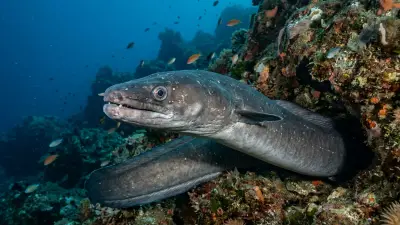
Conger Eel
April-November · common
Octopus
April, July-September · common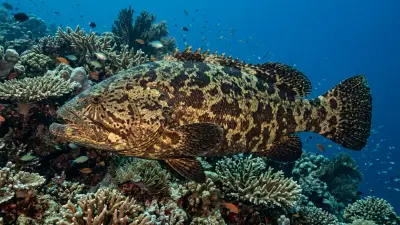
Grouper
May, July-November · common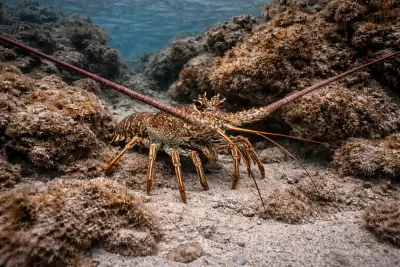
Lobster
May, July · commonSpiny Lobster
April, July, November · occasional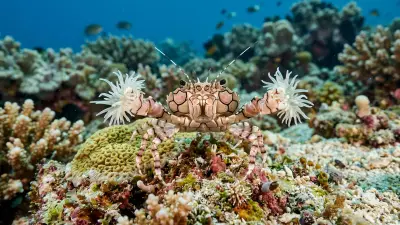
Crab
May, July-November · common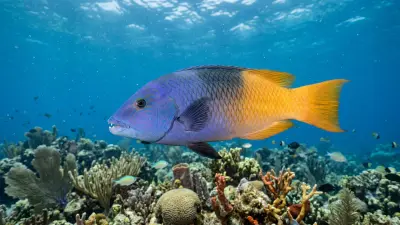
Rainbow Wrasse
common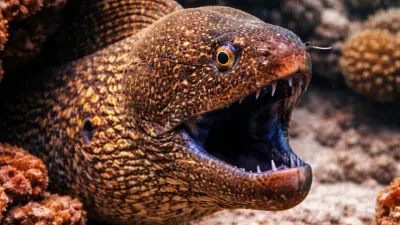
Moray Eel
September-October · occasional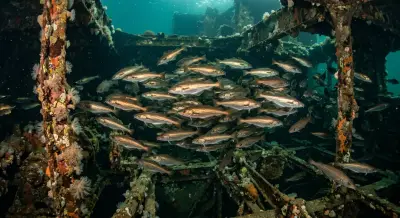
Pouting
common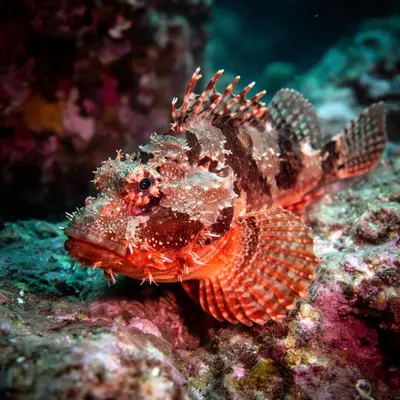
Scorpionfish
occasional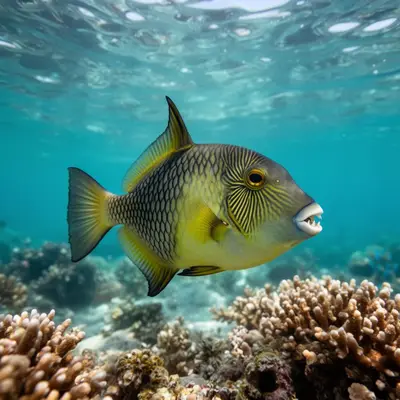
Triggerfish
occasional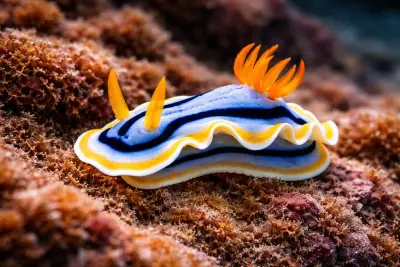
Nudibranch
May, July · occasionalDive profile & how the dive runs
Access to Vapor do Trigo is exclusively by boat, typically arranged through local dive operators in Peniche or Berlengas. The descent to the wreck begins in often current-swept Atlantic waters, requiring divers to be proficient in negative or controlled descents. The wreck itself rests at an average depth of 26 meters, with deeper sections reaching up to 30 meters. Divers will typically explore the hull and superstructure, paying particular attention to the three prominent boilers, which are a major focal point and host to resident marine life. The route usually involves circling the wreck, navigating through or around the remains, and observing the dense growth of gorgonians and sponges. Due to the depth and potential currents, bottom time must be carefully managed to avoid decompression obligations. The safety stop is performed in the mid-water column, away from the wreck, before surfacing back to the boat.
Underwater photography
Capturing the Vapor do Trigo wreck requires good wide-angle lenses to encompass the extensive structure and its transformation into an artificial reef. Given the typical 10-meter visibility and cool, Atlantic waters, strong strobes are essential to bring out the vibrant colors of the gorgonians, sponges, and encrusting organisms. Focus on the contrasting elements of the geometric wreck against organic marine growth. For macro subjects, a macro lens is ideal for documenting the numerous resident species such as conger eels, lobsters, and various wrasses inhabiting the wreck's crevices and boilers. Buoyancy control is paramount to avoid disturbing the delicate marine life and stirring up sediment, which could reduce visibility. When photographing marine life, maintain a respectful distance and avoid harassing any creatures, especially venomous scorpionfish or territorial triggerfish.
Combine with nearby dive sites
Getting there & logistics
Diving Vapor do Trigo requires boat access from Peniche, Portugal, which is the primary departure point for trips to the Berlengas archipelago. The closest major international airport is Lisbon (LIS), from which Peniche is approximately an hour's drive north. Dive trips are typically day excursions from Peniche, focusing on specific dive sites within the Berlengas Marine Reserve. Local operators handle the boat crossing, timing, and compliance with the reserve's authorization rules for diving and nature-tourism activities. Divers should be aware that a 7mm wetsuit is recommended for year-round diving in Portugal's cool Atlantic waters. No specific permits or fees beyond the standard dive trip cost are usually required, as these are managed by the dive centers.
Safety & environment
Diving the Vapor do Trigo is classified as an advanced dive due to its depth, exposure to strong currents, and potential for rough surface conditions. Divers must possess appropriate advanced certification and recent experience with deep and current-affected dives. Key hazards include strong currents, which can necessitate careful gas management and attention to decompression limits, and the presence of venomous marine life such as scorpionfish and potentially aggressive triggerfish, requiring divers to avoid contact. The nearest recompression chamber would typically be in a larger medical facility in Lisbon, highlighting the importance of cautious diving practices. Divers should always carry valid dive insurance that covers emergency medical treatment and evacuation. All dives must be conducted with local guidance, respecting the Berlengas reserve's regulations and environmental conduct rules.
Who it suits — and who it doesn't
Suited for
- Advanced certified divers
- Wreck diving enthusiasts
- Underwater photographers with wide-angle setups
- Divers comfortable with strong currents
- Those seeking abundant Atlantic marine life
Less suited for
- Beginner divers
- Divers uncomfortable with deep dives
- Individuals without current diving experience
- Snorkelers or freedivers (due to depth)
- Divers seeking tropical, warm-water conditions
FAQ
Vapor do Trigo FAQ
What kind of wreck is the Vapor do Trigo?
The Vapor do Trigo is a historic steamer wreck, with its name translating to 'Wheat Steamer.' It represents a vessel that met its end on the treacherous granite reefs of the Berlengas archipelago. The wreck has since transformed into a vibrant artificial reef, teeming with marine life and serving as an important underwater landmark.
What marine life can be seen on the Vapor do Trigo?
The wreck is home to a variety of Atlantic marine life, including common sightings of conger eels, lobsters, and large schools of pouting and rainbow wrasses. Octopus, moray eels, and various groupers are also frequently observed. Divers should also be aware of occasional scorpionfish and triggerfish.
Are there strong currents at Vapor do Trigo?
Yes, Vapor do Trigo is known for its strong currents, which are typical for this exposed Atlantic wreck. Dive operators plan dives carefully around current conditions to ensure safety and an optimal experience. Divers should have experience navigating currents and maintaining good buoyancy control.
What is the typical depth of the Vapor do Trigo wreck?
The wreck of the Vapor do Trigo rests at an average depth of 26 meters. The overall depth range for the site is typically between 24 and 30 meters, making it a deep dive. This depth requires advanced certification and careful attention to bottom time and decompression limits.
How do I access the Vapor do Trigo dive site?
The Vapor do Trigo dive site is exclusively accessible by boat, usually departing from Peniche. Local dive operators in Peniche are responsible for organizing trips to the Berlengas archipelago, where the wreck is located. They manage the boat crossing and ensure compliance with the marine reserve's regulations.
What is the water temperature like at Vapor do Trigo?
The water temperature around Vapor do Trigo, typical for the Atlantic coast of Portugal, is generally cool. A forecast suggests an average of 19°C, and a 7mm wetsuit is recommended year-round to ensure comfort during dives. Divers accustomed to warmer waters should plan for appropriate thermal protection.
Why dive Vapor do Trigo from a liveaboard?
Vapor do Trigo is one of Portugal's signature dive sites. A liveaboard sleeps you on the water and puts you in the water for three to four guided dives per day, including dawn and night dives that day-boat operators rarely offer. You skip the daily commute back to port and reach quieter, less-crowded sites in the same region on a single trip.
Below are the liveaboards that include Vapor do Trigo on their Portugal itineraries.
Liveaboards diving Vapor do Trigo
These liveaboards may visit Vapor do Trigo on selected itineraries — the exact dive sites depend on departure, weather and conditions.
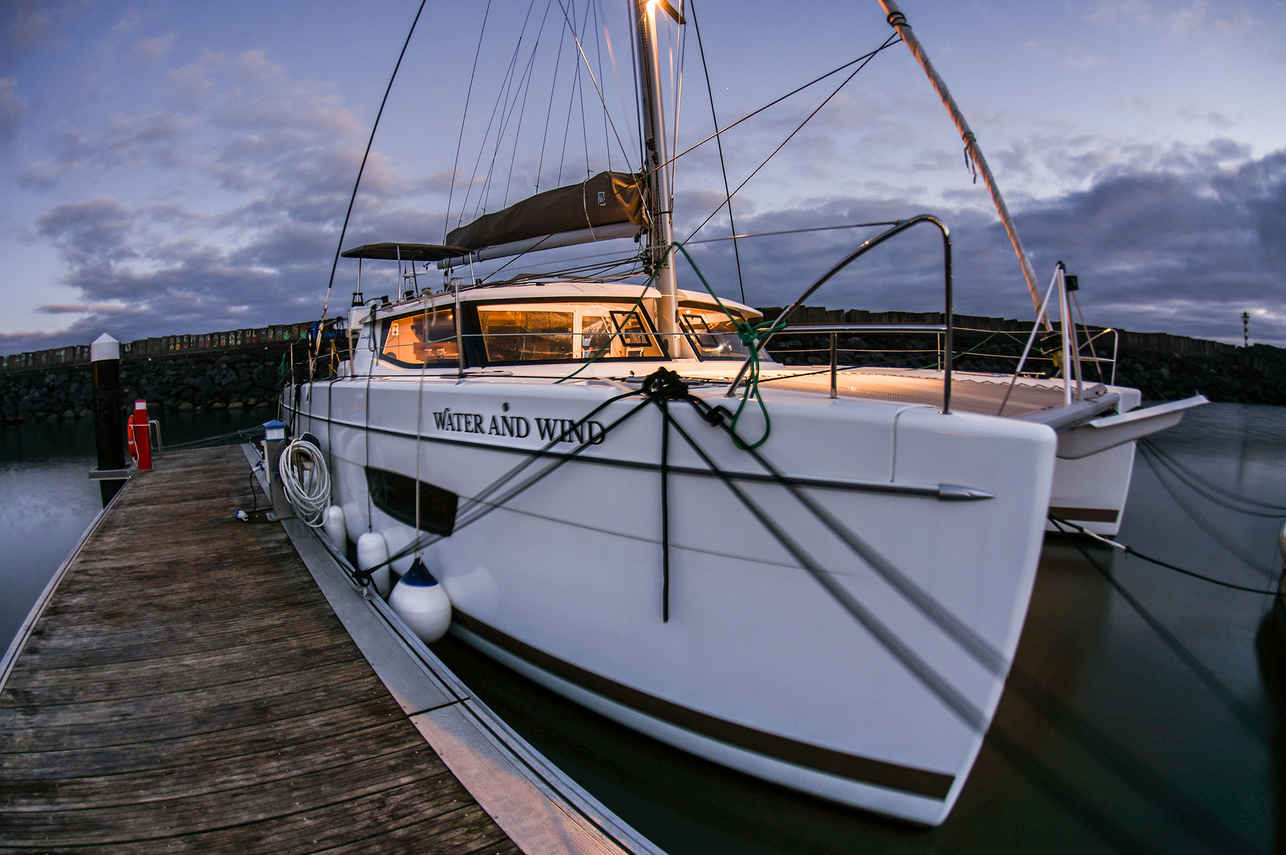
Water And Wind
Portugal
8 guests13.41 m
$434/day
Dive sites similar to Vapor do Trigo
Same character, same waters — six more sites divers love for the exact same reasons.Compare seasons, access and liveaboard routes — then pick the site that fits your trip best.
Baixa do Ambrósio is an advanced dive site situated in the open Atlantic, southeast of Santa Maria Island in the eastern Azores.
- Suitable for
- Advanced
- Current
- Strong
- Access
- Dayboat
- Depth
- 5–47 m
- Theme
- Reef / Drift
© Esri — Maxar, Earthstar, GIS
Arrábida Reef
Portugal
The Arrábida Reef, nestled within the Parque Natural da Arrábida, stands as a premier diving destination in Portugal, celebrated for its rich biodiversity and stunning underwater topography.
- Suitable for
- Intermediate
- Current
- Strong
- Access
- Liveaboard or dayboat
- Depth
- 6–24 m
- Theme
- Cave & cavern / Reef
© Esri — Maxar, Earthstar, GIS
ARRAIA Reef
Portugal
ARRAIA Reef is a beginner-friendly dive site located off Terceira Island in the Azores, providing an accessible introduction to the distinct underwater environment of this mid-Atlantic island.
- Suitable for
- Beginner
- Current
- Mild
- Access
- Liveaboard or dayboat
- Depth
- 8–11 m
- Theme
- Reef
© Esri — Maxar, Earthstar, GIS
Baía da Armação
Portugal
Baía da Armação is a highly popular and easily navigable dive site situated near Sesimbra, benefiting from natural protection against the region's prevailing northern winds.
- Suitable for
- Beginner
- Current
- Mild
- Access
- Dayboat
- Depth
- 11–14 m
- Theme
- Reef
© Esri — Maxar, Earthstar, GIS
Baixa de Santa Bárbara
Portugal
Baixa de Santa Bárbara is a premier advanced dive site located off Santa Maria Island, the Azores' southernmost and oldest island.
- Suitable for
- Advanced
- Current
- Strong
- Access
- Dayboat
- Depth
- 18–30 m
- Theme
- Reef / Wall
© Esri — Maxar, Earthstar, GIS
Baixa do Ilheu do Frade
Portugal
Baixa do Ilheu do Frade is an advanced dive site situated off Santa Maria Island in the Azores archipelago.
- Suitable for
- Advanced
- Current
- Moderate
- Access
- Dayboat
- Depth
- ≤ 25 m
- Theme
- Reef / Pinnacle