About Baixa de Santa Bárbara
Baixa de Santa Bárbara is a premier advanced dive site located off Santa Maria Island, the Azores' southernmost and oldest island. This submerged rocky bank rises from the Atlantic seafloor, creating a significant aggregation point for marine life in an otherwise open-ocean environment. Its unique geological history, distinct from the younger, more volcanic western Azores islands, showcases an eroded underwater terrain that supports diverse communities. The topography features walls dropping into deep blue water, adorned with dense filter-feeding organisms such as large gorgonian sea fans, black coral trees, and deep sponge communities. This bathymetric high draws in species from multiple ecological zones, including impressive pelagic action and reef communities that would otherwise lack attachment points in the open ocean. Visibility here is often exceptional, reaching up to 30 meters or more. The site's oceanic position means large pelagic species are commonly encountered, setting it apart from more coastal dive sites. Divers frequently observe Atlantic bluefin tuna, while blue and mako sharks are regularly sighted during specific seasons. Manta rays are known to cruise near the surface during warmer months, offering thrilling encounters. Given the site's depth, potential for significant currents, and open-ocean exposure, it requires advanced diving skills. Efficient navigation and depth management are crucial to fully appreciate its highlights within a single dive. Good technique is essential for descents, especially when currents are strong, emphasizing clear communication with the boat crew.
Highlights
Submerged rocky bankExceptional pelagic actionLarge gorgonian sea fansAtlantic bluefin tunaBlue and mako sharksManta ray sightingsClear Atlantic watersVolcanic topography
Season calendar
Best months to dive here
Jan
Feb
Mar
Apr
May
Jun
Jul
Aug
Sep
Oct
Nov
Dec
Excellent
Good
Dive site facts: Baixa de Santa Bárbara
- Depth
- 18–30 m
- Current
- Variable, can be strong
- Visibility
- 18–30 m
- Water temperature
- 17–25°C
- Entry
- Boat dive
- Level
- Advanced required
- Dive type
- Pelagics, reef, blue water
- Region / port
- Santa Maria, Azores, Portugal
- Coordinates
- 37.8432° N, 15.2707° W
Conditions & Currents
Currents at Baixa de Santa Bárbara are frequently significant and can vary from mild to strong, particularly influenced by tidal exchanges and open-ocean conditions. The exposed nature of this offshore site means divers must be prepared for potential strong flows and unpredictable movements. Effective navigation and depth management are crucial, as are good descent techniques, often requiring a negative entry to reach the relative shelter of the bank. Dive planning must account for these conditions, with close coordination with the boat crew for entry, exit, and safety stops. While visibility remains excellent, ranging from 18 to 30 meters, currents can influence its consistency. Divers should possess advanced skills and experience with current diving.
Marine life & sighting chances

Manta ray
Summer/Autumn · occasional
Whale shark
Late July through September · rare
Hammerhead shark
occasional
Tuna
common
Barracuda
occasional
Octopus
occasional
Moray eel
occasional
Triggerfish
occasional
Wrasse
occasional
Dolphin
occasional
Blue shark
occasional
Mako shark
occasional
Gorgonian sea fan
common
Black coral
commonDive profile & how the dive runs
The dive at Baixa de Santa Bárbara begins with a boat descent into the open blue water, often requiring a negative entry due to strong currents. Divers navigate around the submerged rocky bank, typically exploring depths between 18 and 30 meters. The profile is often dictated by the behavior of large pelagic animals, allowing divers to spend time observing aggregations at varying depths. The initial focus is on the walls of the bank, carpeted with filter-feeding organisms, while also scanning the blue for passing pelagics. Efficient depth management and buoyancy control are essential due to the depths and potential currents. The dive concludes with a safety stop in the open ocean before surfacing, often requiring the deployment of a surface marker buoy for boat retrieval.
Underwater photography
Underwater photography at Baixa de Santa Bárbara primarily focuses on wide-angle encounters with large pelagic species and the dramatic volcanic reef topography. A wide-angle or fisheye lens is ideal for capturing the vast blue water environment and the scale of approaching sharks, tuna, or manta rays. External strobes are highly recommended to enhance colors and detail in the subjects, while also minimizing backscatter in the exceptionally clear water. Due to the potential for strong currents and the exposed nature of the site, excellent buoyancy control is paramount to maintain position and avoid damaging the fragile filter-feeding organisms on the reef. Be prepared for fast-moving subjects and the need for quick adjustments.
Combine with nearby dive sites
- Figueiral
Beginner-friendly site on Santa Maria
- Baixa do Ilheu do Frade
Advanced dive site near Santa Maria
- Ilhéu da Vila
Intermediate site near Santa Maria
- Pedrinha
Demanding advanced site off Santa Maria
- Baixa do Ambrósio
Advanced site known for pelagics off Santa Maria
- Mobulas Hot Spot
Advanced open-ocean site known for mobula rays
Getting there & logistics
Diving Baixa de Santa Bárbara is typically conducted via day boats departing from Santa Maria Island in the Azores. The closest major airport is Santa Maria Airport (SMA). Most dive operators arrange full-day trips that include transport to the site, which can be several kilometers offshore. Given the advanced nature of the dive, operators like Mantamaria Dive Center or Haliotis Dive Center on Santa Maria provide professional guides, rental gear, and often Nitrox. Booking peak season trips from July to September several months in advance is advisable due to limited boat capacity. This site is usually combined with other advanced pelagic sites around Santa Maria or in broader Azores itineraries.
Safety & environment
Due to its advanced rating, diving Baixa de Santa Bárbara requires careful adherence to safety protocols. Divers must have an Advanced Open Water certification and experience in deep and current-exposed conditions. The nearest recompression chamber is located in Ponta Delgada, São Miguel, necessitating a potentially lengthy evacuation process, highlighting the importance of robust dive planning and conservative profiles. Comprehensive dive insurance covering hyperbaric treatment and evacuation is essential. Site-specific hazards include strong, unpredictable currents that can sweep divers away, and the depth can compress bottom time, increasing nitrogen loading. Clear communication with the dive boat and effective use of surface marker buoys are critical for safety, especially during open-ocean ascents and retrievals.
Who it suits — and who it doesn't
Suited for
- Experienced divers comfortable with strong currents
- Divers seeking pelagic encounters and large marine life
- Underwater photographers targeting wide-angle subjects
- Advanced divers with excellent buoyancy control
- Divers who appreciate dramatic volcanic topography
Less suited for
- Beginner or Open Water certified divers
- Divers uncomfortable with potential strong currents
- Those who prefer shallow, calm reef dives
- Divers without recent deep diving experience
- Individuals prone to seasickness on open-ocean crossings
FAQ
Baixa de Santa Bárbara FAQ
What kind of marine life can I expect to see at Baixa de Santa Bárbara?
Baixa de Santa Bárbara is renowned for its pelagic encounters. You can frequently spot Atlantic bluefin tuna, and during appropriate seasons, blue and mako sharks are regularly sighted. Manta rays often cruise the surface in warmer months, making for exciting encounters. The reef itself hosts rich filter-feeding communities, including gorgonian sea fans and black corals.
Why is Baixa de Santa Bárbara considered an advanced dive site?
This site is rated advanced due to its exposed open-ocean location, significant depths ranging from 18 to 30 meters, and potential for strong, unpredictable currents. Divers need excellent navigation skills, precise buoyancy control, and experience managing bottom time in deeper conditions. A negative entry is often required, demanding good technique and communication with the dive boat.
When is the best time of year to dive Baixa de Santa Bárbara for pelagics?
The peak season for encountering large pelagic species at Baixa de Santa Bárbara is typically from June to October. During these summer and early autumn months, water temperatures are warmer, visibility is at its best, and sea conditions are generally calmer, making it ideal for spotting sharks, tuna, and manta rays.
What is the typical visibility and water temperature at this dive site?
Visibility at Baixa de Santa Bárbara is often exceptional, ranging from 18 to 30 meters, reflecting the clear Atlantic waters. Water temperatures vary seasonally, typically from 17-19°C in shoulder months to 21-24°C during the peak summer and autumn period, and cooler in winter.
How is Baixa de Santa Bárbara reached, and what are the logistics involved?
Access to Baixa de Santa Bárbara is exclusively via day boat from Santa Maria Island. Dive operators based on Santa Maria arrange full-day trips to the site. It is advisable to book these excursions several months in advance, especially during the peak season from July to September, as boat capacity for these offshore sites can be limited.
Why dive Baixa de Santa Bárbara from a liveaboard?
Baixa de Santa Bárbara is one of Portugal's signature dive sites. A liveaboard sleeps you on the water and puts you in the water for three to four guided dives per day, including dawn and night dives that day-boat operators rarely offer. You skip the daily commute back to port and reach quieter, less-crowded sites in the same region on a single trip.
Below are the liveaboards that include Baixa de Santa Bárbara on their Portugal itineraries.
Liveaboards diving Baixa de Santa Bárbara
These liveaboards may visit Baixa de Santa Bárbara on selected itineraries — the exact dive sites depend on departure, weather and conditions.
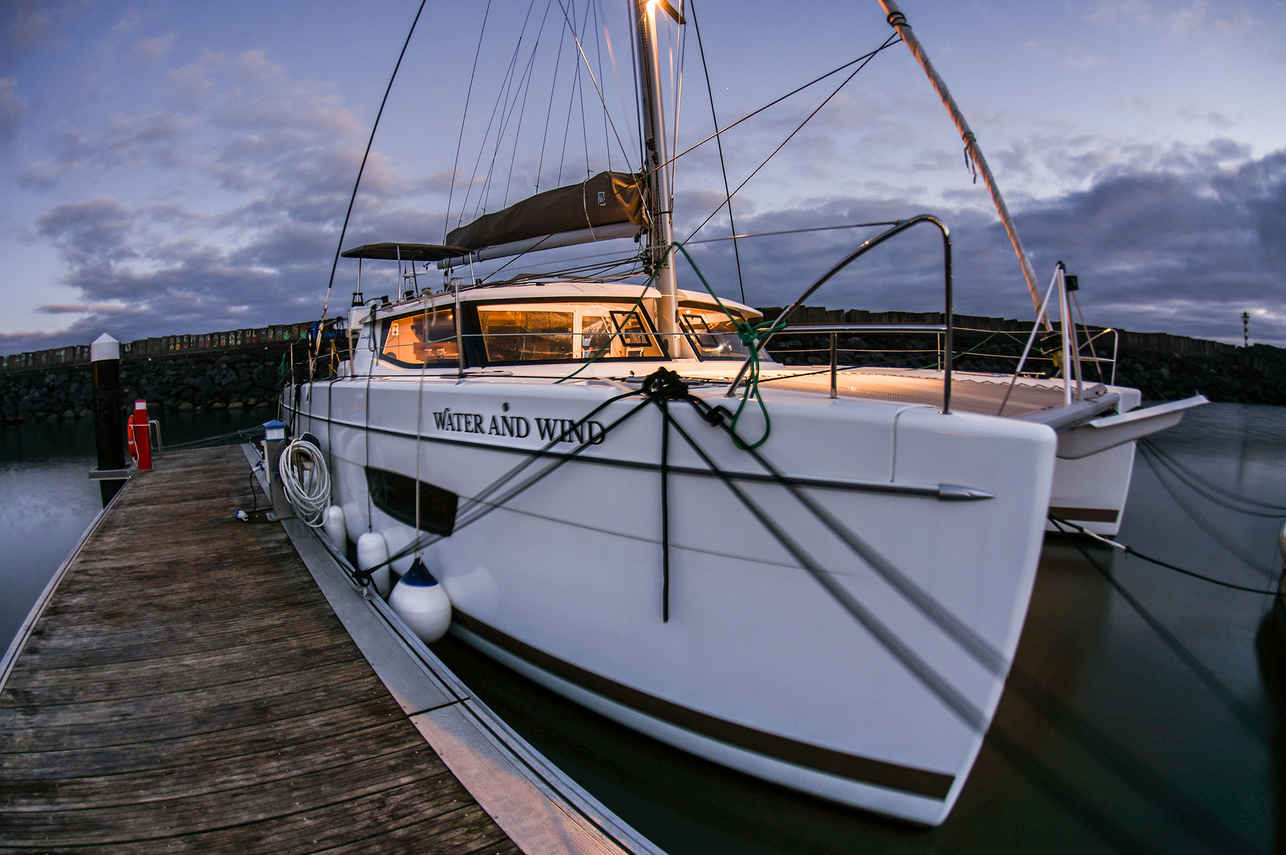
Water And Wind
Portugal
8 guests13.41 m
$435/day
Dive sites similar to Baixa de Santa Bárbara
Same character, same waters — six more sites divers love for the exact same reasons.Compare seasons, access and liveaboard routes — then pick the site that fits your trip best.
Bay Cones in Portugal is a unique dive site characterized by its artificial reef formations.
- Suitable for
- Beginner
- Current
- Mild
- Access
- Liveaboard or dayboat
- Depth
- —
- Theme
- Reef
© Esri — Maxar, Earthstar, GIS
Pedra da Velha
Portugal
Pedra da Velha is an advanced boat-access rocky reef and pinnacle located off Peniche, within the protected Berlengas archipelago.
- Suitable for
- Advanced
- Current
- Moderate
- Access
- Dayboat
- Depth
- 10–20 m
- Theme
- Reef / Wall
© Esri — Maxar, Earthstar, GIS
Pedra da Nau
Portugal
Pedra da Nau is a notable dive site situated in a protected bay near Cascais, easily accessible with a short boat ride from shore or even by land.
- Suitable for
- Beginner
- Current
- Mild
- Access
- Liveaboard or dayboat
- Depth
- 4–18 m
- Theme
- Reef
Silveira is a welcoming beginner-friendly dive site located off Terceira Island in the Azores archipelago, Portugal.
- Suitable for
- Beginner
- Current
- Mild
- Access
- Dayboat
- Depth
- 2–15 m
- Theme
- Reef / Pinnacle
© Esri — Maxar, Earthstar, GIS
Cinco Ribeiras
Portugal
Cinco Ribeiras is situated on the western coast of Terceira Island in the Azores, named after a nearby village.
- Suitable for
- Beginner
- Current
- Mild
- Access
- Shore / dayboat
- Depth
- 5–16 m
- Theme
- Reef / Cavern