About Ilhéu da Vila
Ilhéu da Vila is a significant dive site located approximately half a mile from the marina of Santa Maria Island in the Azores. This small islet offers two distinct dive experiences, characterized by its impressive volcanic topography, including lava trenches, massive boulders, and intricate formations that create a rich habitat for marine life. Depths typically range from 13 to 18 meters on the southern pinnacle, extending along the ocean side of the islet. The northern route maintains a consistent depth of 15-17 meters, leading to a small cave. The site is a natural magnet for both resident benthic creatures and larger pelagic species, particularly during the warmer months. Divers can anticipate sightings of island groupers, dogfish, and a constant presence of moray eels within the rocky crevices. Schools of baitfish, bluefish, trevally, and barracudas frequently patrol the walls of the islet. The underwater landscape provides excellent opportunities for exploring small life and hulls, contributing to a diverse and engaging dive environment. Given its open-water location and the dynamic nature of the Atlantic, currents can be a factor at Ilhéu da Vila. Divers should be prepared for varying conditions, which can influence visibility and the overall dive experience. Proper planning and awareness are essential to fully appreciate the site's rich biodiversity.
Highlights
Volcanic lava formationsTwo distinct dive routesResident moray eelsSchools of baitfishPelagic fish sightingsIsland groupers and dogfishSmall cave explorationProximity to Santa Maria marina
Season calendar
Best months to dive here
Jan
Feb
Mar
Apr
May
Jun
Jul
Aug
Sep
Oct
Nov
Dec
Excellent
Good
Dive site facts: Ilhéu da Vila
- Depth
- 13–18 m
- Current
- Variable, can be an issue
- Visibility
- 15–40 m
- Water temperature
- 17–24°C
- Entry
- Boat dive
- Level
- Intermediate
- Dive type
- Reef, wall, pelagic
- Region / port
- Santa Maria, Azores, Portugal
- Coordinates
- 37.8622° N, 15.3087° W
Conditions & Currents
Currents at Ilhéu da Vila can be a notable factor, requiring divers to plan their approach carefully. The site's exposure, particularly along the ocean side of the islet, means conditions can range from mild to moderate, especially with tidal influences. Divers may experience varying current strengths around the pinnacle and through the lava trenches, necessitating good buoyancy control and streamlined gear. While visibility is generally excellent in the Azores, averaging 15 to 40 meters, stronger currents can occasionally stir up sediment, locally reducing clarity. Entry and exit are typically boat-based, and divers should be prepared for potential surface chop depending on the weather. Safety stops should account for possible drift, and deploying a surface marker buoy is advisable to signal your position to the boat crew, particularly in areas with stronger flow. Understanding current
Marine life & sighting chances

Island grouper
commonDog fish
occasional
Moray eel
common
Bluefish
Summer · occasional
Trevally
Summer · occasional
Barracuda
Summer · occasional
Baitfish
common
Coris julis
common
Pelagic fish
Summer · occasionalDive profile & how the dive runs
Diving at Ilhéu da Vila typically offers two distinct approaches. One dive starts at a pinnacle on the south side of the islet, descending into depths ranging from 13 to 18 meters. This route involves navigating through numerous small lava trenches before reaching the ocean side of the islet. Divers will explore crevices and walls, observing resident moray eels and various benthic fish. The dive concludes with an ascent back towards the starting point, allowing for a safety stop in shallower, sheltered areas near the islet. The second option commences on the north side of the islet, approximately halfway along its ocean-facing edge. This dive maintains a consistent depth of 15 to 17 meters, characterized by substantial lava hulls and formations. The highlight of this route is a beautiful small cave, where occasional sightings of large bluefish and trevally are possible. Along the islet wall, divers can observe abundant baitfish and Coris julis. Both profiles require attention to currents, especially on the ocean side, and safety stops are usually performed near the islet's shallower slopes.
Underwater photography
Ilhéu da Vila presents excellent opportunities for both wide-angle and macro photography due to its diverse topography and marine life. For capturing the expansive lava formations, dramatic walls, and potential pelagic encounters like barracudas or trevally, a wide-angle or fisheye lens is recommended. The clear Atlantic waters, especially during summer, provide good natural light, but external strobes will enhance colors and reduce backscatter. Macro enthusiasts will find plenty to focus on, particularly among the small life and hulls mentioned, as well as the constant presence of moray eels in their rocky hideouts. A macro lens will reveal the intricate details of smaller species and the vibrant colors of any nudibranchs or other invertebrates that might be present. Good buoyancy control is crucial here, especially when maneuvering near delicate formations or in areas with current, to avoid disturbing the environment or stirring up sediment.
Combine with nearby dive sites
- Pedrinha
South part of Santa Maria Island, 4nm from marina, known for lava formations, canyons, and galleries with small life and occasional pelagics.
- Baixa da Maia
East part of Santa Maria Island, 8nm from marina, a small islet offering depths of 16-20m, known for groupers, bluefish, amberjacks, barracudas, and Marguerite corals.
- Penedia da Maia
East part of Santa Maria Island, 9nm from marina, a small pinnacle with a top at 3-12m and a drop-off to 32m, featuring small caves, large groupers, trevallys, and tube worms.
- Gruta Azul
East side of Santa Maria Island, 11nm from marina, a cave dive with three entrances/exits, maximum depth 17m, average 13-14m.
- Baixa do Ambrosio
Near Santa Maria Island, known for large groups of devil rays, schools of Almaco jacks, yellowmouth barracudas, wahoo, tuna, and bluefish.
Getting there & logistics
Access to Ilhéu da Vila is exclusively via day boat, typically departing from the marina on Santa Maria Island. Santa Maria is part of the Azores archipelago, which can be reached by air via João Paulo II Airport (PDL) on São Miguel, with connecting flights to Santa Maria Airport (SMA). Dive trips to Ilhéu da Vila are usually single-day excursions, often combined with other nearby sites around Santa Maria, such as Pedrinha or Baixa da Maia. Divers should book through local dive centers, such as Haliotis Dive Center on Santa Maria, which arrange boat transfers and guided dives. No specific permits are typically required for recreational diving at this site, but adherence to local dive operator guidelines and marine park regulations is essential.
Safety & environment
Diving at Ilhéu da Vila, like other Azores sites, requires attention to local safety protocols. The nearest recompression chamber is located in Horta, Faial Island, which implies that medical evacuation for decompression sickness would involve inter-island transport, a process that can take several hours depending on weather and availability. Comprehensive dive insurance covering emergency medical treatment and evacuation is therefore strongly recommended for all divers. Site-specific hazards include variable currents that can be strong, particularly on the ocean-facing sides of the islet. Divers must maintain good buoyancy control and situational awareness. Always dive with a qualified guide, stick to your planned dive profile, and carry a surface marker buoy for enhanced visibility upon ascent, especially in areas with boat traffic.
Who it suits — and who it doesn't
Suited for
- Intermediate to advanced divers comfortable with currents
- Divers interested in volcanic topography and caves
- Underwater photographers seeking macro and wide-angle subjects
- Divers keen on seeing diverse reef and pelagic species
- Those looking for multiple dive profiles at one site
Less suited for
- Beginner divers without current experience
- Divers with limited buoyancy control
- Individuals prone to seasickness in potentially choppy conditions
- Those unwilling to dive in variable current environments
- Divers seeking purely shallow, current-free sites
FAQ
Ilhéu da Vila FAQ
What kind of marine life can I expect to see at Ilhéu da Vila?
At Ilhéu da Vila, you can anticipate a rich variety of marine life, including resident island groupers, dogfish, and a constant presence of moray eels hiding in the lava formations. The site also attracts pelagic species such as bluefish, trevally, and barracudas, especially during the warmer months. Look out for schools of baitfish and small, colorful reef fish like Coris julis.
Are there strong currents at Ilhéu da Vila?
Currents at Ilhéu da Vila can be variable and may be an issue, particularly on the ocean-facing sides of the islet. It is crucial for divers to be prepared for potential strong currents and to possess good buoyancy control. Local dive guides will assess conditions and plan dives to minimize exposure to the strongest flows, but awareness and experience with currents are beneficial.
What is the typical depth and visibility at Ilhéu da Vila?
The typical depth range at Ilhéu da Vila varies between 13 and 18 meters, with specific routes maintaining depths of 15-17 meters. Visibility in the Azores is generally outstanding, often ranging from 15 to 40 meters. However, visibility can be influenced by weather conditions and stronger currents, which might occasionally stir up sediment.
What are the main features of the underwater topography?
The underwater topography of Ilhéu da Vila is characterized by dramatic volcanic formations, including small pinnacles, extensive lava trenches, massive boulders, and intricate hulls. There is also a small, beautiful cave on the north side of the islet that divers can explore. These varied structures provide ample shelter and habitat for a diverse marine ecosystem.
How do I get to Ilhéu da Vila for diving?
Ilhéu da Vila is accessed via day boat, typically departing from the marina on Santa Maria Island. Divers usually arrange trips through local dive centers on Santa Maria, such as Haliotis Dive Center. Santa Maria Island itself is reachable by inter-island flights from São Miguel, the main gateway to the Azores.
Why dive Ilhéu da Vila from a liveaboard?
Ilhéu da Vila is one of Portugal's signature dive sites. A liveaboard sleeps you on the water and puts you in the water for three to four guided dives per day, including dawn and night dives that day-boat operators rarely offer. You skip the daily commute back to port and reach quieter, less-crowded sites in the same region on a single trip.
Below are the liveaboards that include Ilhéu da Vila on their Portugal itineraries.
Liveaboards diving Ilhéu da Vila
These liveaboards may visit Ilhéu da Vila on selected itineraries — the exact dive sites depend on departure, weather and conditions.
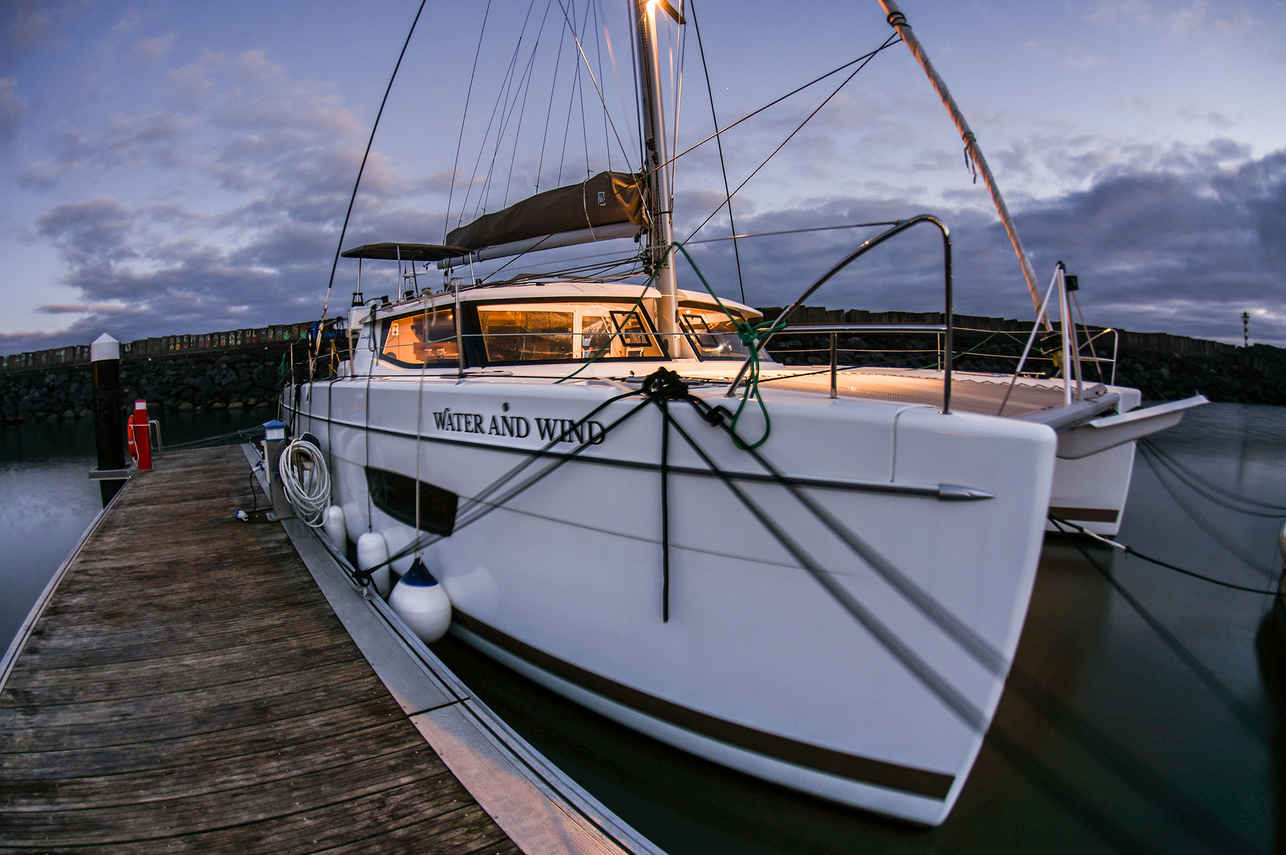
Water And Wind
Portugal
8 guests13.41 m
$434/day
Dive sites similar to Ilhéu da Vila
Same character, same waters — six more sites divers love for the exact same reasons.Compare seasons, access and liveaboard routes — then pick the site that fits your trip best.
Baixa do Ambrósio is an advanced dive site situated in the open Atlantic, southeast of Santa Maria Island in the eastern Azores.
- Suitable for
- Advanced
- Current
- Strong
- Access
- Dayboat
- Depth
- 5–47 m
- Theme
- Reef / Drift
© Esri — Maxar, Earthstar, GIS
Arrábida Reef
Portugal
The Arrábida Reef, nestled within the Parque Natural da Arrábida, stands as a premier diving destination in Portugal, celebrated for its rich biodiversity and stunning underwater topography.
- Suitable for
- Intermediate
- Current
- Strong
- Access
- Liveaboard or dayboat
- Depth
- 6–24 m
- Theme
- Cave & cavern / Reef
© Esri — Maxar, Earthstar, GIS
ARRAIA Reef
Portugal
ARRAIA Reef is a beginner-friendly dive site located off Terceira Island in the Azores, providing an accessible introduction to the distinct underwater environment of this mid-Atlantic island.
- Suitable for
- Beginner
- Current
- Mild
- Access
- Liveaboard or dayboat
- Depth
- 8–11 m
- Theme
- Reef
© Esri — Maxar, Earthstar, GIS
Baía da Armação
Portugal
Baía da Armação is a highly popular and easily navigable dive site situated near Sesimbra, benefiting from natural protection against the region's prevailing northern winds.
- Suitable for
- Beginner
- Current
- Mild
- Access
- Dayboat
- Depth
- 11–14 m
- Theme
- Reef
© Esri — Maxar, Earthstar, GIS
Baixa de Santa Bárbara
Portugal
Baixa de Santa Bárbara is a premier advanced dive site located off Santa Maria Island, the Azores' southernmost and oldest island.
- Suitable for
- Advanced
- Current
- Strong
- Access
- Dayboat
- Depth
- 18–30 m
- Theme
- Reef / Wall
© Esri — Maxar, Earthstar, GIS
Baixa do Ilheu do Frade
Portugal
Baixa do Ilheu do Frade is an advanced dive site situated off Santa Maria Island in the Azores archipelago.
- Suitable for
- Advanced
- Current
- Moderate
- Access
- Dayboat
- Depth
- ≤ 25 m
- Theme
- Reef / Pinnacle