About Santa Maria Reef
Santa Maria Reef, located off Santa Maria Island in the Azores archipelago, is a premier dive site renowned for its exceptional marine biodiversity and volcanic underwater landscapes. This Atlantic gem attracts divers with its dramatic drop-offs, vibrant coastal reefs, and nutrient-rich waters that act as a magnet for large pelagic species. The site's topography features intricate lava-formed walls, tunnels, and caves, providing shelter for a variety of reef fish and offering fascinating exploration opportunities. Depths can range significantly, catering to both novice and advanced divers, with shallower sections rich in reef life and deeper areas frequented by pelagics. The clear waters and unique geological formations contribute to a visually stunning dive experience. Throughout the peak season from June to October, divers frequently encounter graceful manta rays, schooling mobulas, and various shark species, including blue sharks and occasional whale sharks. Closer to the reef, moray eels, groupers, and schools of amberjacks are common. The sheer abundance of marine life, combined with excellent visibility, makes Santa Maria Reef one of Europe's top diving destinations. Diving here typically involves boat entries to access the best spots, with conditions generally calm during summer and early autumn. Dive operators on Santa Maria Island offer guided trips, ensuring divers can safely explore its unique underwater world, from teeming reefs to open ocean encounters.
Highlights
Manta ray encountersVolcanic underwater topographyBlue shark sightingsWhale shark encounters (seasonal)Abundant pelagic schoolsExcellent visibilityDiverse reef lifeUnique laval formations
Season calendar
Best months to dive here
Jan
Feb
Mar
Apr
May
Jun
Jul
Aug
Sep
Oct
Nov
Dec
Excellent
Good
Dive site facts: Santa Maria Reef
- Depth
- Varies; coastal reefs to deeper pelagic sites
- Current
- Mild to strong, drift possible
- Visibility
- 15–40 m
- Water temperature
- 17–24°C
- Entry
- Boat
- Level
- All levels, Advanced for offshore sites
- Dive type
- Reef, pelagic, volcanic topography
- Region / port
- Santa Maria Island, Azores, Portugal
- Coordinates
- 36.96, -25.02
Conditions & Currents
Santa Maria Reef is situated in the Azores, an area known for nutrient-rich currents that attract abundant marine life, including significant pelagic species. While currents can generally be mild, stronger conditions may occur, particularly on offshore banks like Ambrosio. Divers should be prepared for potential drift procedures and negative entries. Entry and exit are typically boat-based, and local dive operators will provide detailed briefings on prevailing conditions. Visibility is consistently excellent, often ranging from 15 to 40 meters, though local conditions can cause variations. There are no significant thermoclines or surge issues commonly reported within the main dive profile, but divers should always carry a surface marker buoy due to the open ocean environment.
Marine life & sighting chances

Manta ray
July-September · common
Whale shark
Late July-September · occasional
Blue shark
Summer · common
Mobula ray
Summer · common
Dusky grouper
common
Moray eel
common
Amberjack
common
Barracuda
common
Octopus
occasional
Triggerfish
common
Common dolphin
Summer · occasional
Wahoo
occasional
Tuna
occasional
Oceanic sunfish
rareDive profile & how the dive runs
Dives at Santa Maria Reef typically begin with a boat drop directly onto the reef or a specific pelagic cleaning station, such as Ambrosio. Depending on the current, divers may execute a negative entry to quickly reach the desired depth. The route often involves a gentle drift along volcanic rock formations and walls, exploring various crevices and overhangs where reef fish reside. For pelagic encounters, divers maintain an appropriate depth, often around 20-30 meters, observing the open water for manta rays, mobulas, and sharks. The dive progresses, tracing the contours of the reef before gradually ascending for a safety stop in the shallower, light-filled areas. Due to the potential for currents, a surface marker buoy is essential for surface pick-up.
Underwater photography
Santa Maria Reef is a highly rewarding location for underwater photography, particularly for wide-angle shots of large pelagics. During peak season (July-September), the excellent visibility and strong natural light are ideal for capturing manta rays, mobulas, and sharks against the deep blue. Use a wide-angle lens for these encounters, and consider strobes to enhance color and definition, reducing backscatter in the open water. For reef photography, a macro lens can capture the intricate details of moray eels, nudibranchs, and other smaller inhabitants found within the volcanic structures. Given the potential for currents, maintaining good buoyancy is crucial to avoid disturbing fragile marine life and securing stable shots.
Combine with nearby dive sites
Getting there & logistics
Access to Santa Maria Island is via Vila do Porto Airport (SMA), with frequent short flights from São Miguel's João Paulo II Airport (PDL). Most international visitors fly into Lisbon (LIS) or Porto (OPO) and then connect to São Miguel, followed by the 30-minute domestic flight. During summer, inter-island ferries also link São Miguel and Santa Maria. Dive trips to Santa Maria Reef and other sites like Ambrosio are typically day trips operated by local dive centers on Santa Maria. There are no liveaboards based solely for Santa Maria, but trips are often combined with other Azores islands, making for itineraries focused on pelagic encounters.
Safety & environment
Diving at Santa Maria Reef requires awareness of Atlantic swell and potentially strong currents, especially at offshore sites; divers should always carry a surface marker buoy. The nearest hyperbaric chamber for the Eastern Group of the Azores, which includes Santa Maria, is located at Divino Espirito Santo Hospital in Ponta Delgada, São Miguel. Emergency services (112) coordinate any necessary air or sea evacuation, which can be remote and weather-dependent. It's crucial to dive conservatively, monitor no-decompression limits, and ensure adequate dive insurance. Adhere to the Azores' code of conduct, which includes buoyancy control, avoiding contact with marine life, and respecting underwater cultural heritage.
Who it suits — and who it doesn't
Suited for
- Advanced Open Water divers comfortable with currents
- Pelagic enthusiasts seeking manta rays and sharks
- Underwater photographers targeting wide-angle subjects
- Divers interested in volcanic underwater topography
- Experienced drift divers
Less suited for
- Beginner divers without current experience
- Divers uncomfortable with deep blue diving
- Those prone to seasickness on open ocean crossings
- Divers expecting only shallow, calm reef dives
- Individuals without adequate dive insurance
FAQ
Santa Maria Reef FAQ
What is the best time of year to dive Santa Maria Reef?
The ideal time to dive Santa Maria Reef is between June and October. These months offer the warmest water temperatures, calmest sea conditions, and the highest probability of encountering large pelagic species such as manta rays and whale sharks.
What kind of marine life can I expect to see at Santa Maria Reef?
Santa Maria Reef is celebrated for its diverse marine life. You can frequently encounter manta rays, mobula rays, and blue sharks. Reef inhabitants include dusky groupers, moray eels, amberjacks, barracudas, and octopuses, with occasional sightings of whale sharks during peak season.
Are there strong currents at Santa Maria Reef?
Currents at Santa Maria Reef can range from mild to strong, especially at offshore locations like Ambrosio. These currents are beneficial as they attract nutrient-feeding pelagic species. Divers should be prepared for potential drift dives and ensure they are proficient in current management techniques.
Is Santa Maria Reef suitable for beginner divers?
While some coastal sites around Santa Maria Island might be suitable for beginners, the main Santa Maria Reef and its renowned pelagic sites are generally recommended for Advanced Open Water divers. This is due to the potential for deeper depths, stronger currents, and open ocean conditions.
How do I get to Santa Maria Island for diving?
To reach Santa Maria Island, you typically fly into Vila do Porto Airport (SMA) from São Miguel’s João Paulo II Airport (PDL). Most international travelers connect through Lisbon or Porto to São Miguel first. During summer, inter-island ferries also provide a scenic travel option.
Why dive Santa Maria Reef from a liveaboard?
Santa Maria Reef is one of Portugal's signature dive sites. A liveaboard sleeps you on the water and puts you in the water for three to four guided dives per day, including dawn and night dives that day-boat operators rarely offer. You skip the daily commute back to port and reach quieter, less-crowded sites in the same region on a single trip.
Below are the liveaboards that include Santa Maria Reef on their Portugal itineraries.
Liveaboards diving Santa Maria Reef
These liveaboards may visit Santa Maria Reef on selected itineraries — the exact dive sites depend on departure, weather and conditions.
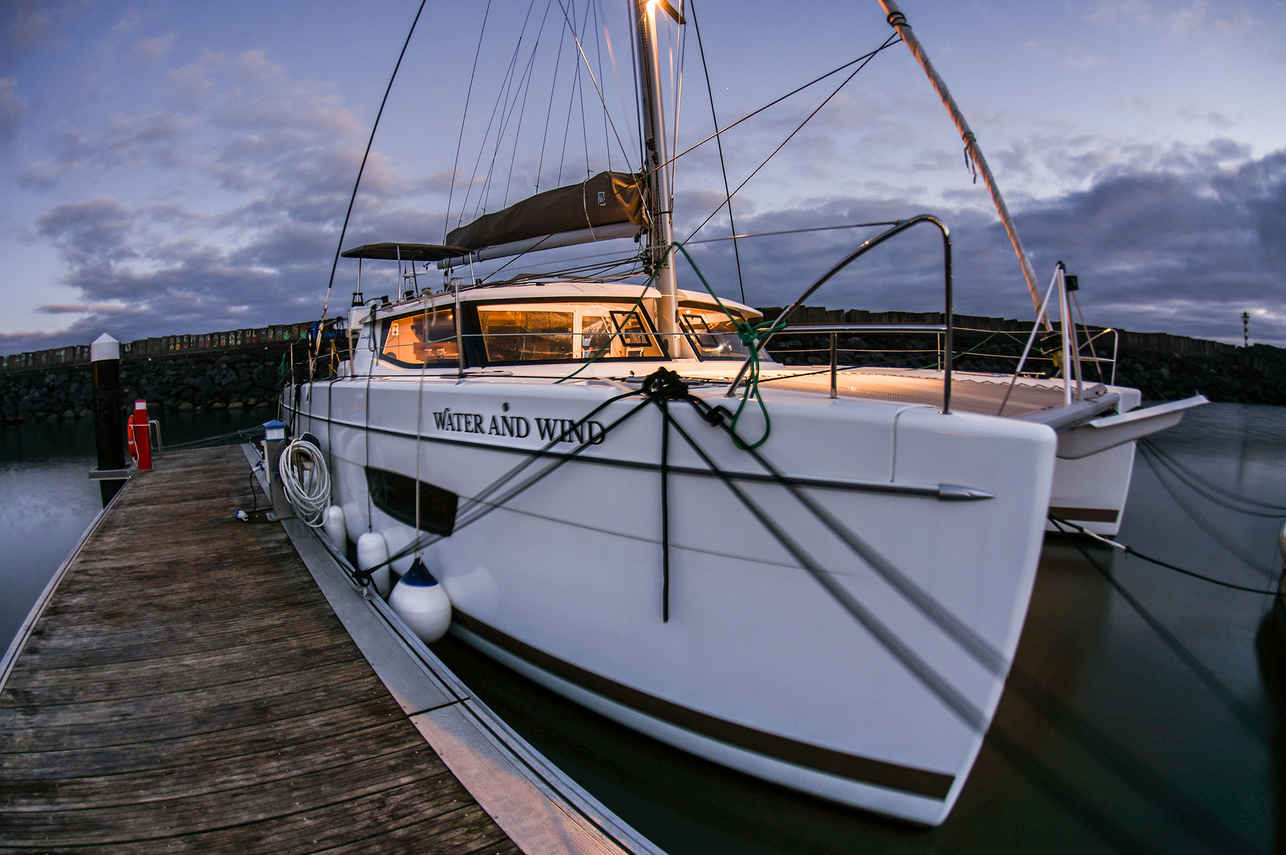
Water And Wind
Portugal
8 guests13.41 m
$431/day
Dive sites similar to Santa Maria Reef
Same character, same waters — six more sites divers love for the exact same reasons.Compare seasons, access and liveaboard routes — then pick the site that fits your trip best.
Bay Cones in Portugal is a unique dive site characterized by its artificial reef formations.
- Suitable for
- Beginner
- Current
- Mild
- Access
- Liveaboard or dayboat
- Depth
- —
- Theme
- Reef
© Esri — Maxar, Earthstar, GIS
Pedra da Velha
Portugal
Pedra da Velha is an advanced boat-access rocky reef and pinnacle located off Peniche, within the protected Berlengas archipelago.
- Suitable for
- Advanced
- Current
- Moderate
- Access
- Dayboat
- Depth
- 10–20 m
- Theme
- Reef / Wall
© Esri — Maxar, Earthstar, GIS
Pedra da Nau
Portugal
Pedra da Nau is a notable dive site situated in a protected bay near Cascais, easily accessible with a short boat ride from shore or even by land.
- Suitable for
- Beginner
- Current
- Mild
- Access
- Liveaboard or dayboat
- Depth
- 4–18 m
- Theme
- Reef
Silveira is a welcoming beginner-friendly dive site located off Terceira Island in the Azores archipelago, Portugal.
- Suitable for
- Beginner
- Current
- Mild
- Access
- Dayboat
- Depth
- 2–15 m
- Theme
- Reef / Pinnacle
© Esri — Maxar, Earthstar, GIS
Cinco Ribeiras
Portugal
Cinco Ribeiras is situated on the western coast of Terceira Island in the Azores, named after a nearby village.
- Suitable for
- Beginner
- Current
- Mild
- Access
- Shore / dayboat
- Depth
- 5–16 m
- Theme
- Reef / Cavern