About Apo Island
Apo Island, located in the central Visayas region of the Philippines, is a globally recognized marine sanctuary celebrated for its exceptional biodiversity and vibrant coral ecosystems. This small, inhabited volcanic island boasts an incredible density of marine life, with over 600 documented fish species and nearly 400 coral species—representing almost all coral types found across the entire Philippines. Its success as a community-managed marine reserve, established in collaboration with Silliman University, makes it a model for conservation. The diving experience here is characterized by clear, warm waters and diverse underwater landscapes, ranging from gentle slopes adorned with mustard and rose-colored corals to dramatic walls dropping past 30 meters. Dive sites like Rock Point East and West feature steep, coral-covered slopes, while Chapel offers sandy expanses leading to walls with caves and overhangs. Coconut Point, famously known as "The Washing Machine," is an advanced site where currents can bring in pelagic species. Divers can anticipate encounters with a rich variety of reef fish, including frogfish, nudibranchs, sea snakes, and various species of butterflyfish, bannerfish, and snappers. Large schools of jacks, numerous sea turtles, and even bumphead parrotfish are common sightings. The healthy coral reefs, both hard and soft, create an incredibly colorful and dynamic underwater environment, often described as swimming through an aquarium. Most dives around Apo Island are accessible via day trips from nearby Dauin or Dumaguete, typically involving a 45-minute boat journey on a traditional banca. While conditions vary, the island generally offers excellent visibility and comfortable water temperatures, making it a rewarding destination for divers of all levels, from beginners to experienced enthusiasts.
Highlights
Vibrant coral gardensAbundant reef fishFrequent turtle sightingsStrong currents at Coconut PointVolcanic bubble ventsCommunity-managed marine sanctuaryHealthy hard and soft corals
Season calendar
Best months to dive here
Jan
Feb
Mar
Apr
May
Jun
Jul
Aug
Sep
Oct
Nov
Dec
Excellent
Good
Dive site facts: Apo Island
- Depth
- 5–40 m
- Typical dive
- 12–25 m, 50–60 min
- Current
- Mild to strong
- Visibility
- 10–25 m
- Water temperature
- 25–30°C
- Entry
- Boat
- Level
- Open Water to Advanced
- Dive type
- Reef, drift, wall, macro
- Night dive
- Possible
- Region / port
- Dumaguete / Dauin
- Coordinates
- 9.074, 123.271
Conditions & Currents
Currents around Apo Island are highly site-dependent and can range from mild to strong. Sites like Rock Point can offer drift dives, while Coconut Point is notorious for its powerful and unpredictable "washing machine" currents, which bring in larger pelagic species. Divers should be prepared for varying conditions, especially at advanced sites, and always follow local dive guide briefings, as conditions can change rapidly with tides. Visibility typically ranges from 18 to 25 meters, but strong currents can sometimes affect it. Water temperatures remain consistently warm, between 25°C and 30°C, throughout the year.
Marine life & sighting chances

Frogfish
occasional
Banded Sea Snake
occasional
Nudibranch
common
Octopus
occasional
Jackfish
common
Sea Turtle
common
Batfish
occasional
Bannerfish
common
Bumphead Parrotfish
occasional
Triggerfish
common
Pufferfish
common
Snapper
common
Reef Shark
occasional
Stingray
occasionalDive profile & how the dive runs
Diving Apo Island typically involves boat entries directly into the dive sites, which are scattered around the island. For sites like Rock Point East to West, you might begin on a steep, coral-covered slope, allowing for a gentle drift dive depending on the current. Divers typically follow the reef contour, exploring the numerous crevices and overhangs for macro life and reef fish, often staying between 12-25 meters. At sites like Chapel, the dive may start on a sandy slope, gradually leading to a wall that descends past 30 meters, where you look for unique critters like frogfish and electric clamps in caves. Coconut Point, an advanced drift dive, involves navigating strong currents along fields of corals and underwater ridges, keeping an eye out for pelagics like jacks and turtles. Safety stops are generally conducted at 5 meters for 3 minutes near the end of the dive, often along a shallower part of the reef before surfacing for boat pick-up.
Underwater photography
Apo Island is a prime destination for both wide-angle and macro photography due to its incredibly healthy coral reefs and abundant marine life. For wide-angle shots, capture the vibrant coral gardens and schooling fish, particularly at sites with good visibility. A dome port with a rectilinear lens (e.g., 16-35mm or 10-17mm fisheye) will be ideal. For macro subjects, including numerous nudibranchs, frogfish, and banded sea snakes, a macro lens (e.g., 60mm or 100mm) is essential. External strobes are highly recommended to bring out the true colors of the corals and marine creatures, especially in deeper sections or for macro detail. Maintain excellent buoyancy to avoid damaging the pristine corals. Be respectful of marine life, giving subjects space and avoiding chasing or disturbing them for a shot.
Combine with nearby dive sites
- Dauin — Atmosphere House Reef
A popular muck diving destination on Negros Island, often combined with Apo Island trips.
- Sumilon Island
Known for its marine sanctuary and vibrant reef, accessible from nearby Cebu.
- Moalboal Sardine Run
Famous for massive sardine bait balls and strong currents on Cebu Island.
- Balicasag Island
Offers walls, reef diving, and abundant marine life near Bohol, a bit further but often part of Visayas itineraries.
Getting there & logistics
Access to Apo Island primarily involves flying into Dumaguete Airport (DGT) on Negros Island, with connections usually from Manila (MNL) or Cebu (CEB). From Dumaguete, you travel south to Dauin or Malatapay Wharf. Dive centers in Dauin or Dumaguete typically organize day trips to Apo Island, which include boat transfers (around 45 minutes by banca), marine park fees, and usually two or three dives with lunch. A typical 3-tank trip costs approximately PHP 5,900 (around $98 USD) including equipment. Accommodation is available on Apo Island itself, though options are basic with limited power, or more commonly, divers stay in resorts along the Dauin coast and make daily excursions to the island. Liveaboard itineraries in the Visayas might also include Apo Island as a stop, but day trips are the most common way to experience it.
Safety & environment
Apo Island is a remote destination, and while dive operations are professional, divers should be aware of the limited infrastructure. The nearest recompression chamber is in Cebu City, necessitating a potentially lengthy and complex evacuation process involving boat and land transport. Therefore, comprehensive dive insurance that covers emergency medical treatment and evacuation is absolutely critical. Site-specific hazards include strong and unpredictable currents at certain dive sites, such as Coconut Point, which require experience and careful planning with your dive guide. Divers must maintain excellent buoyancy control to protect the fragile and extensive coral reefs, as it is a protected marine sanctuary. Always dive within your training and comfort limits, and adhere to all local guidelines for marine park conservation.
Who it suits — and who it doesn't
Suited for
- Experienced divers comfortable with currents
- Underwater photographers (macro & wide-angle)
- Divers seeking pristine coral reefs
- Marine life enthusiasts
- Divers looking for diverse dive profiles
Less suited for
- Absolute beginners in strong currents
- Divers without proper dive insurance
- Those expecting luxurious island amenities
- Divers prone to seasickness on small boats
FAQ
Apo Island FAQ
What is the best time of year to dive Apo Island?
The best time to dive Apo Island is generally from October to May, as this period offers drier weather, calmer seas, and excellent visibility. March to June is particularly recommended for crystal clear waters and more gentle currents, creating ideal diving conditions.
What kind of marine life can I expect to see at Apo Island?
Apo Island is teeming with diverse marine life, including abundant reef fish like triggerfish, snappers, and bannerfish. You can frequently spot sea turtles, various nudibranchs, frogfish, banded sea snakes, and even schools of jacks. Pelagic sightings like reef sharks and stingrays are also possible, especially in stronger currents.
Are the currents strong at Apo Island?
Currents at Apo Island vary significantly by dive site. Some areas offer mild drift dives along reef slopes, while others, like Coconut Point, are known for strong, washing-machine-like currents. Divers should be prepared for diverse conditions and always follow the guidance of local dive professionals for a safe experience.
Is Apo Island suitable for beginner divers?
Apo Island offers dive sites suitable for various experience levels. While some sites with strong currents are best for advanced divers, many areas with gentler conditions are perfectly fine for Open Water divers. It's advisable for beginners to choose dive operators who are familiar with matching sites to diver experience.
How do I get to Apo Island for diving?
Most divers access Apo Island via day trips from dive centers in Dauin or Dumaguete on Negros Island. You typically fly into Dumaguete Airport (DGT), then travel by land to a resort in Dauin. From there, a traditional banca boat will take you to Apo Island in about 45 minutes for your dive excursions.
Why dive Apo Island from a liveaboard?
Apo Island is one of Philippines's signature dive sites. A liveaboard sleeps you on the water and puts you in the water for three to four guided dives per day, including dawn and night dives that day-boat operators rarely offer. You skip the daily commute back to port and reach quieter, less-crowded sites in the same region on a single trip.
Below are the liveaboards that include Apo Island on their Philippines itineraries.
Liveaboards diving Apo Island
These liveaboards may visit Apo Island on selected itineraries — the exact dive sites depend on departure, weather and conditions.
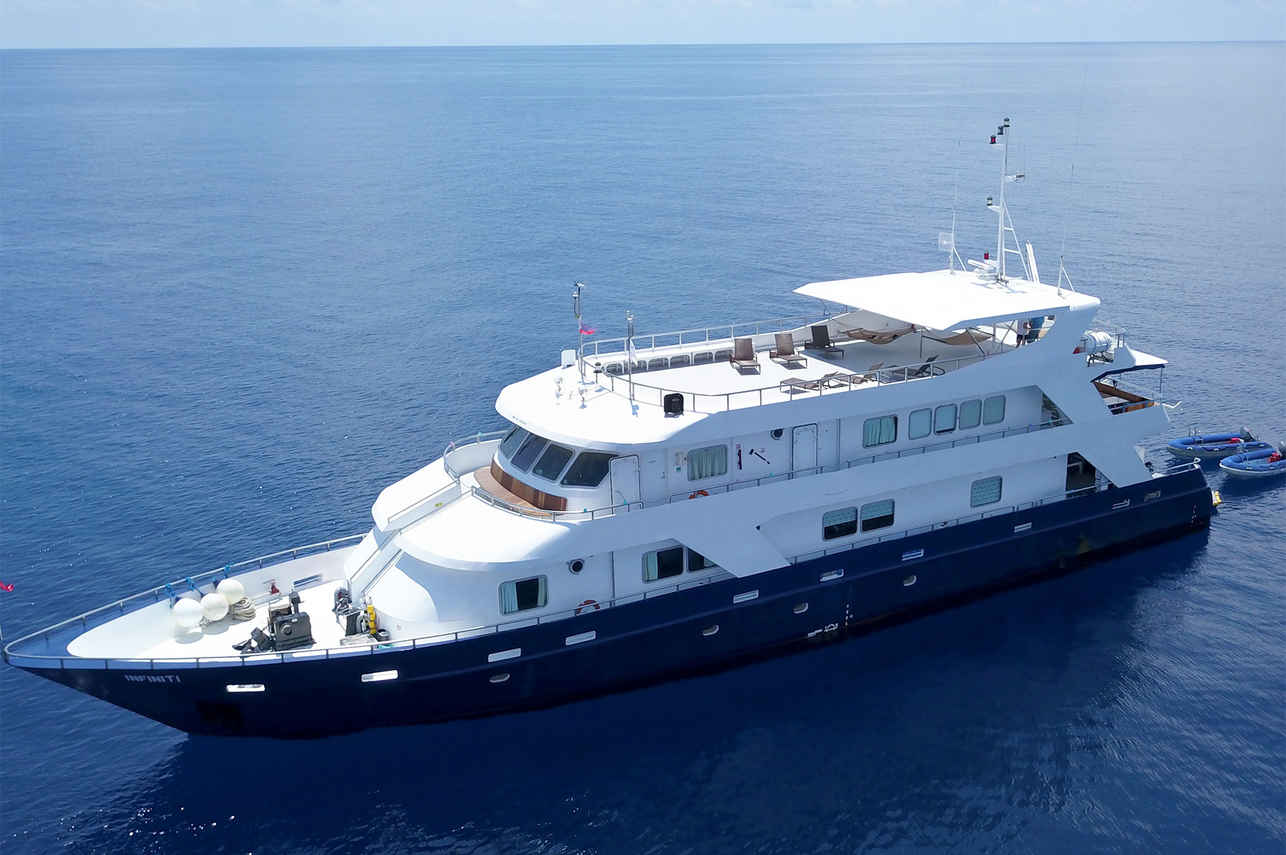
Infiniti
Philippines
25 guests39 m
$280/day
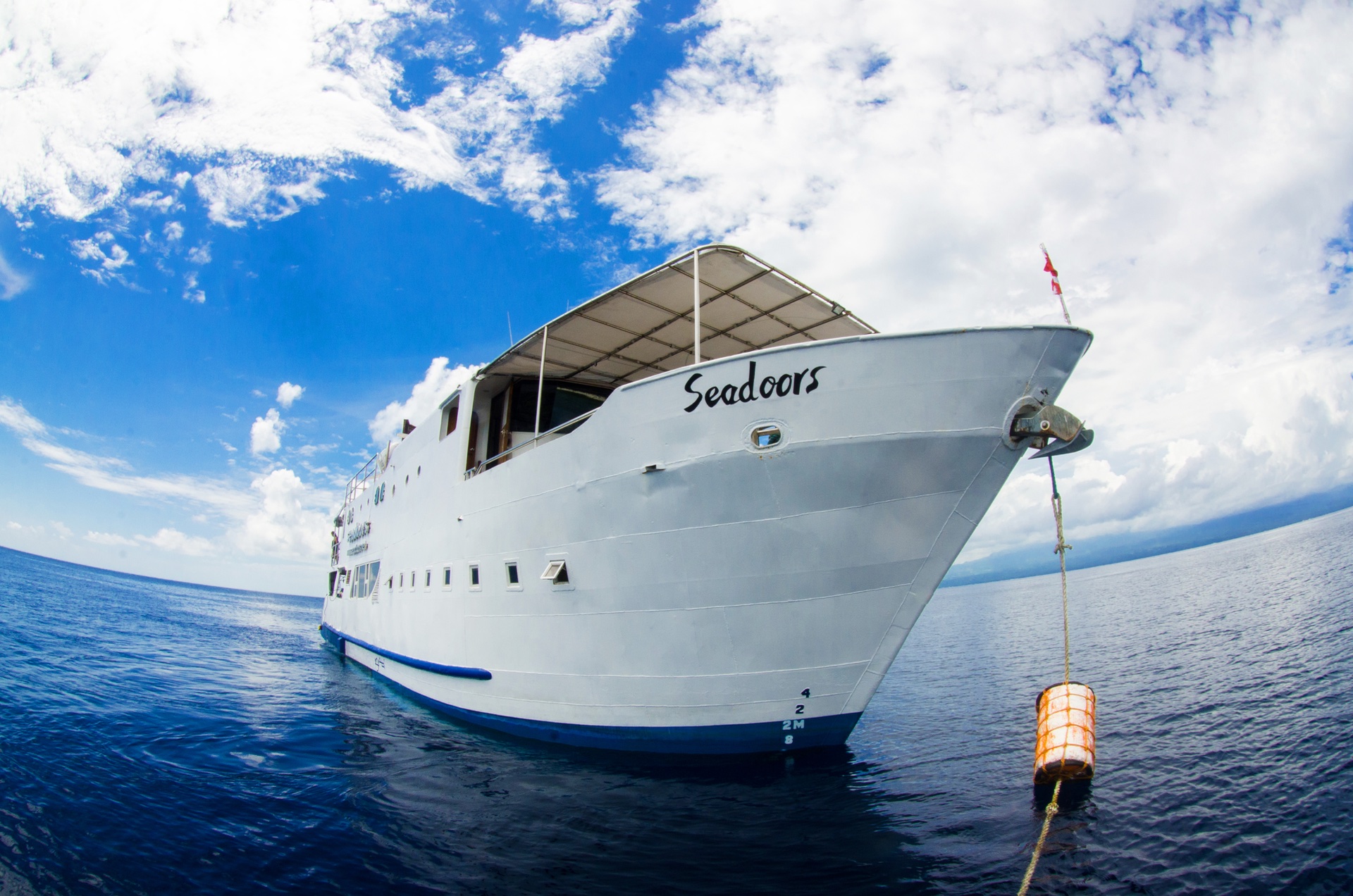
Seadoors
Philippines
16 guests25 m
$335/day
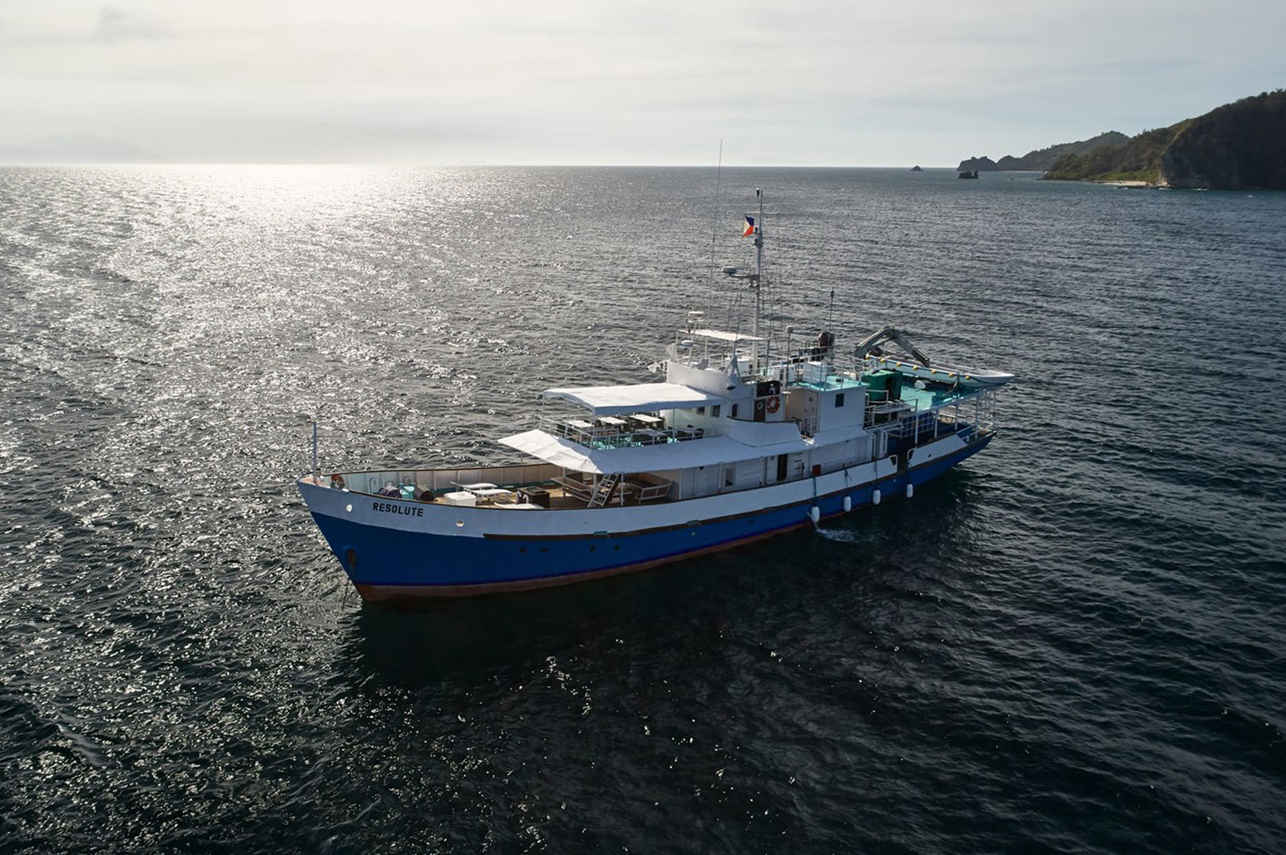
Resolute
Philippines
16 guests34.6 m
$314/day
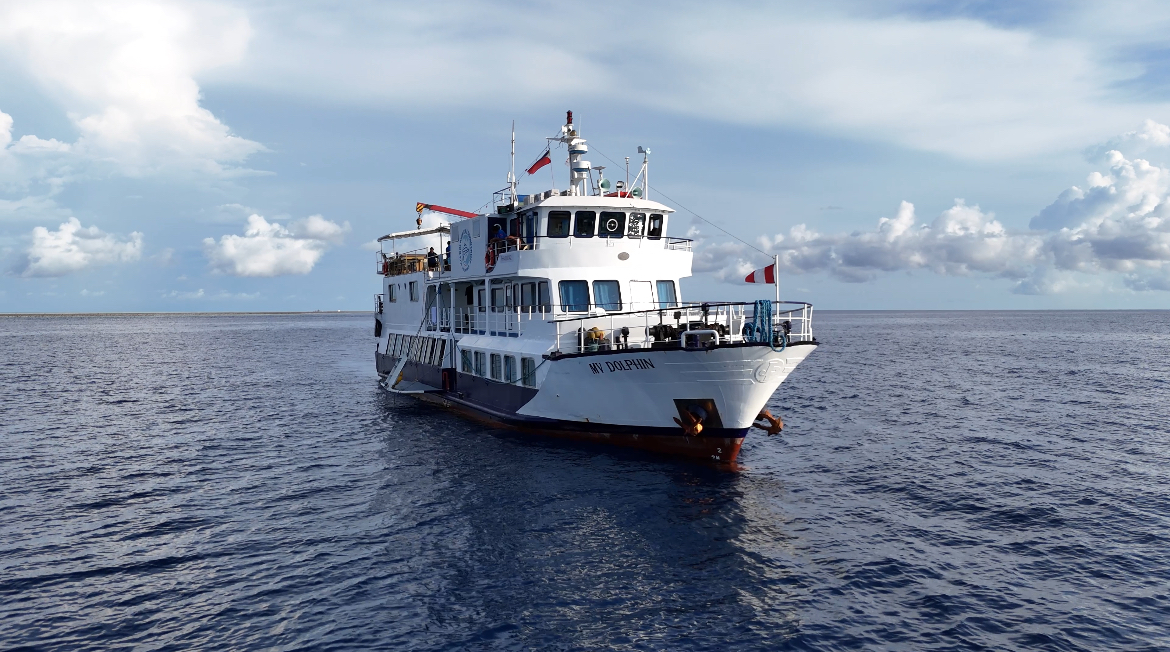
Dolphin
Philippines
18 guests31 m
$326/day
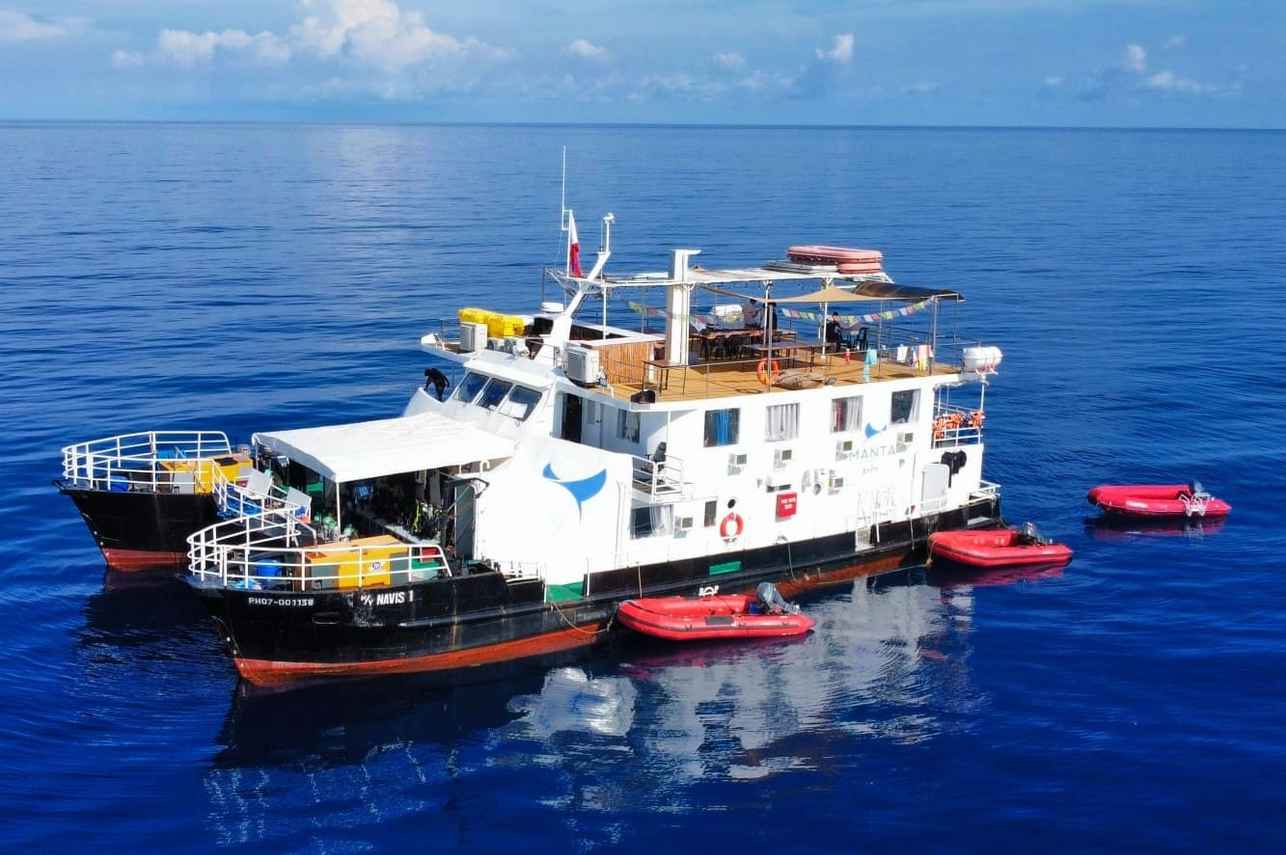
Navis 1
Philippines
22 guests23 m
$250/day
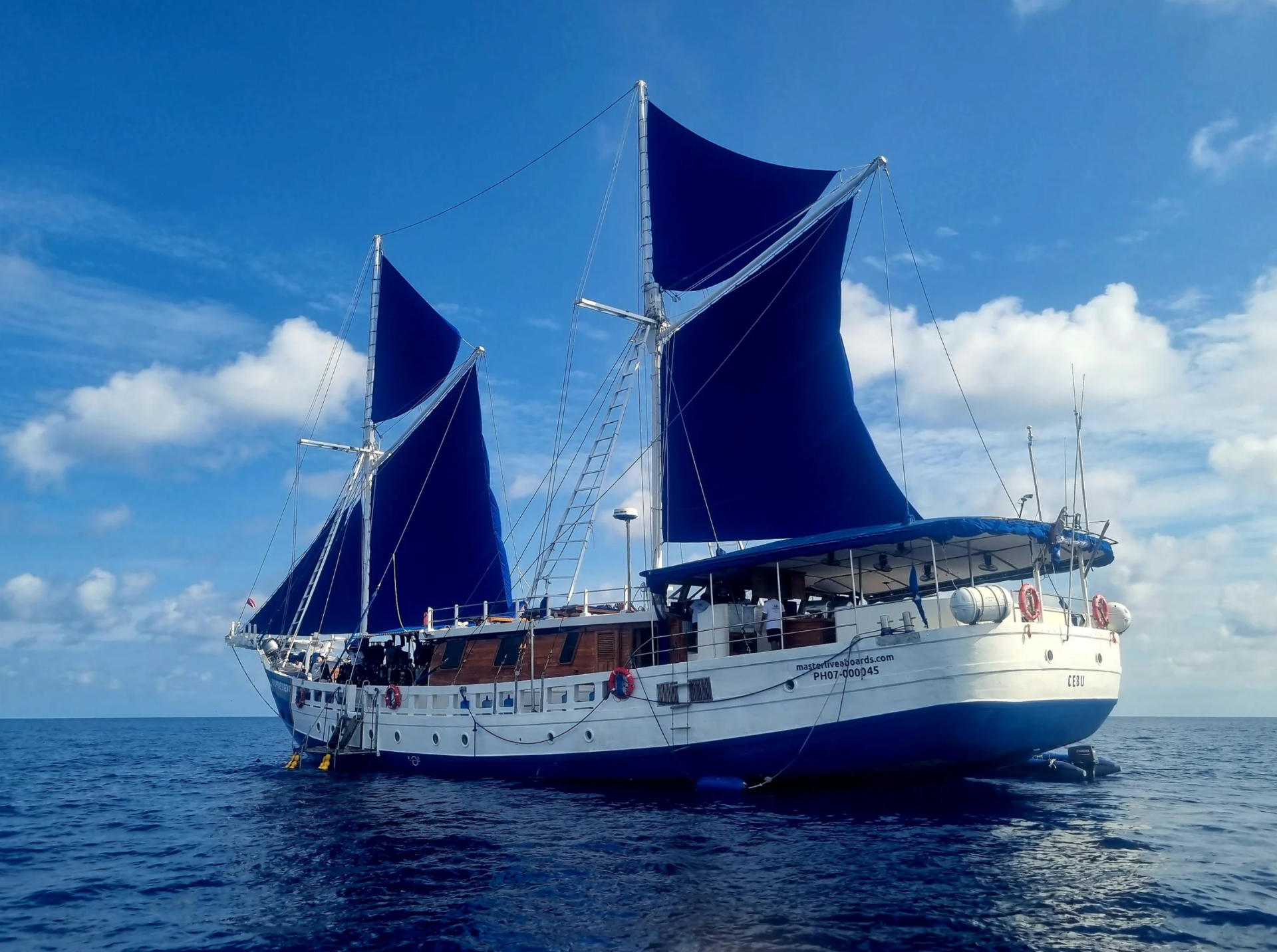
Philippine Siren
Philippines
16 guests
$309/day
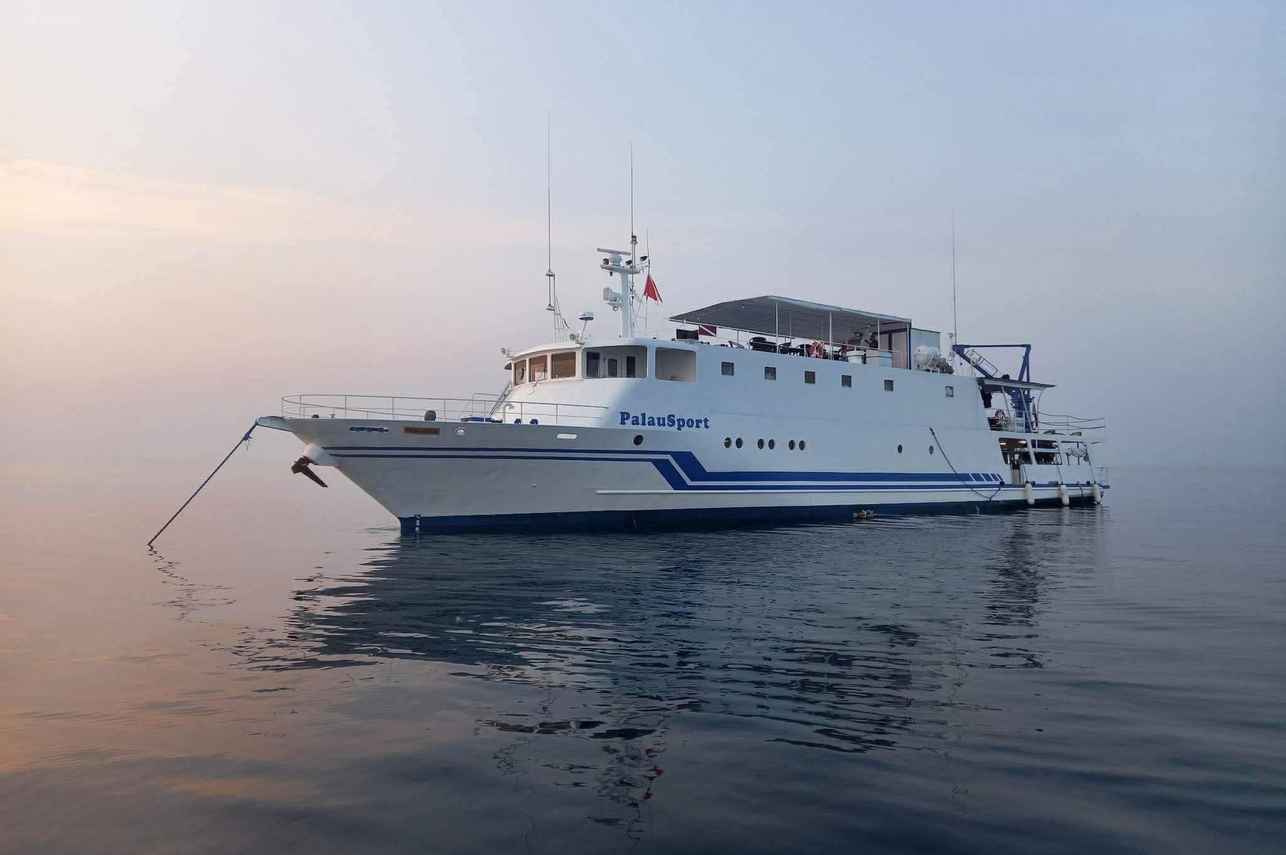
Palau Sport
Philippines
24 guests38.35 m
$215/day
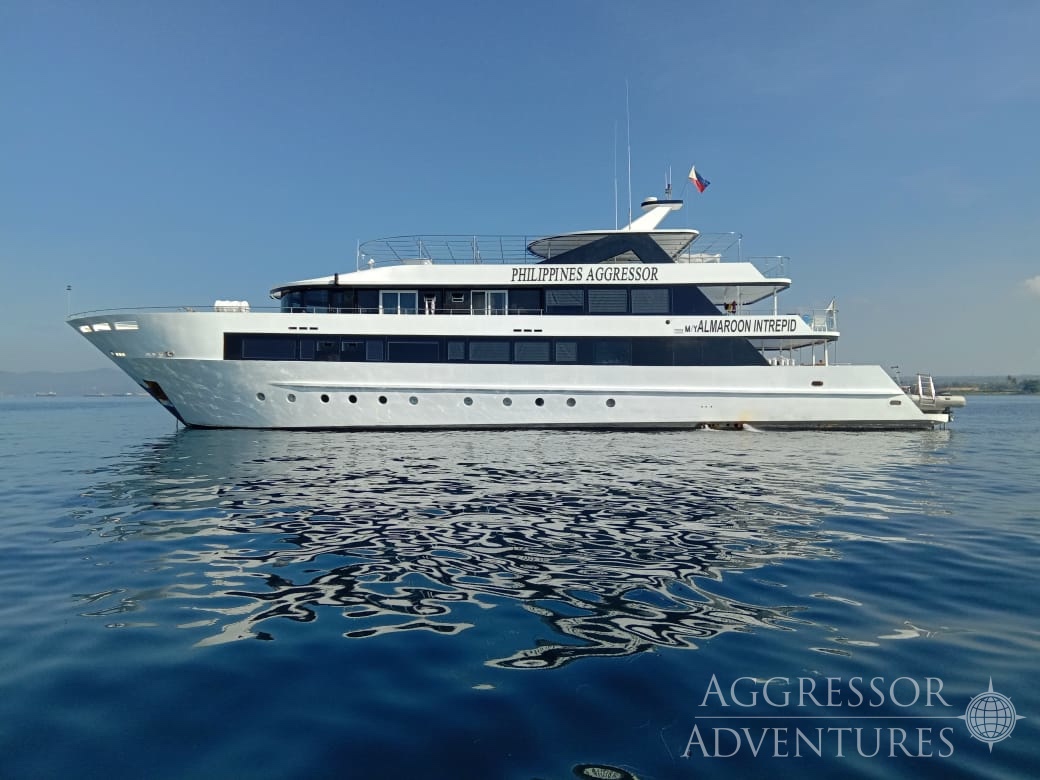
Philippines Aggressor
Philippines
26 guests42.7 m
$381/day
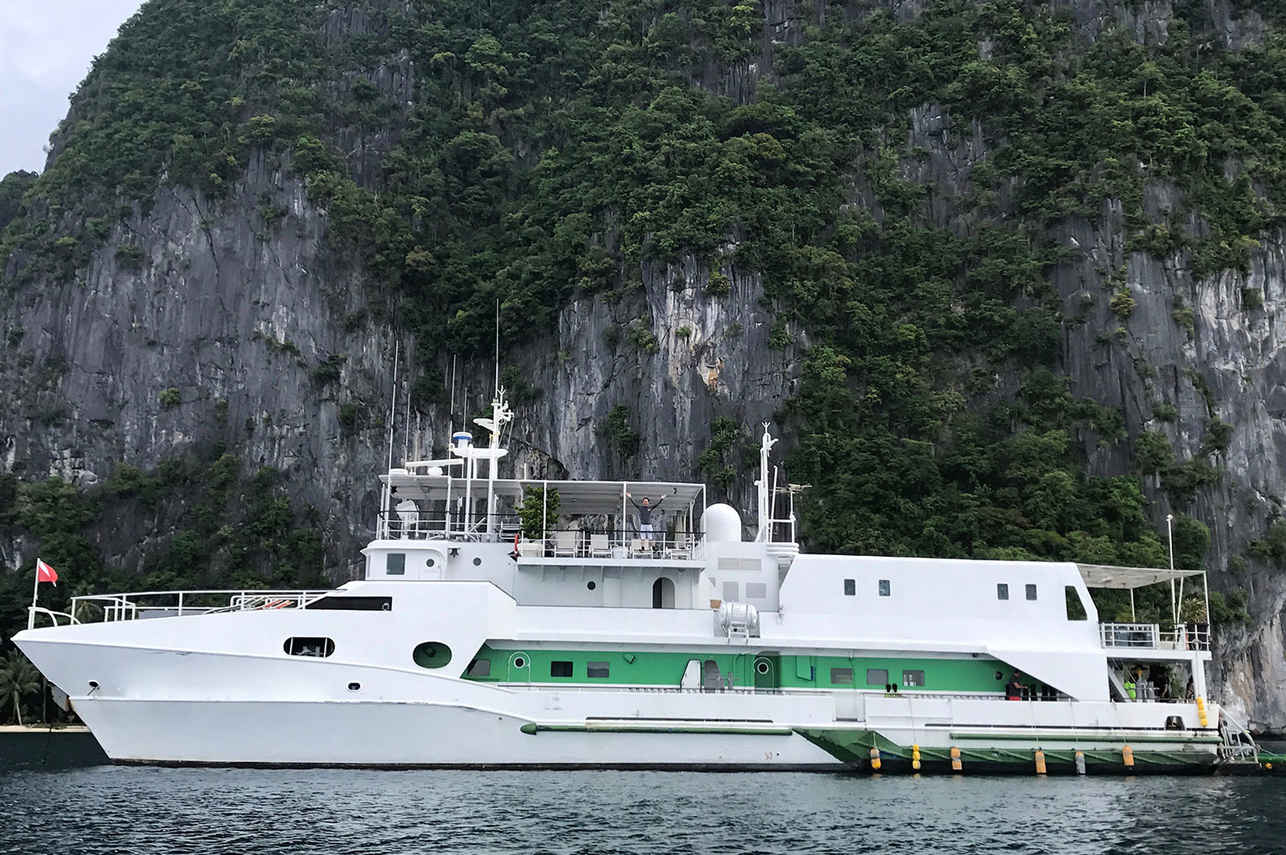
Stella Maris Explorer
Philippines
20 guests33 m
$398/day
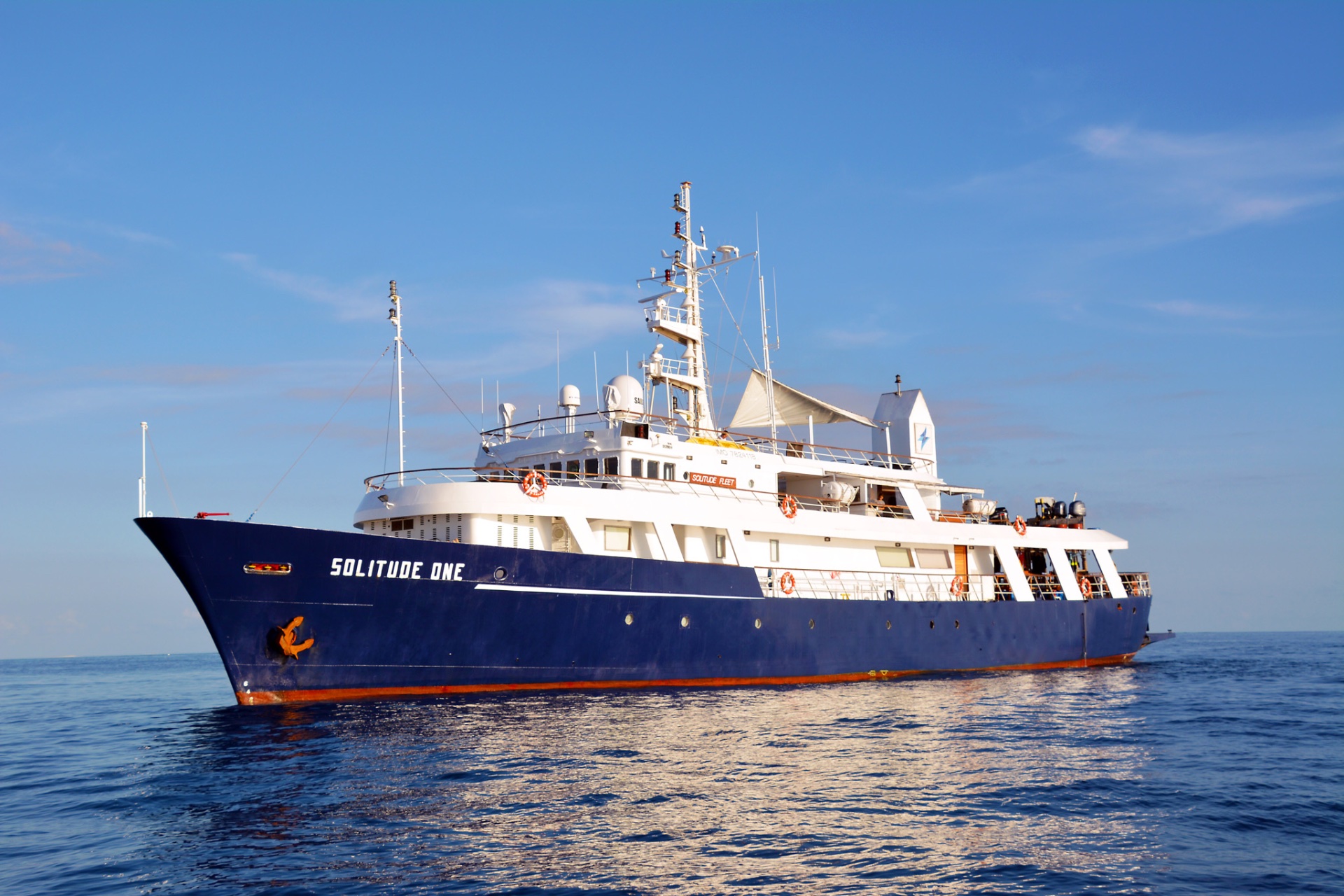
Solitude One
Philippines
24 guests52 m
$460/day
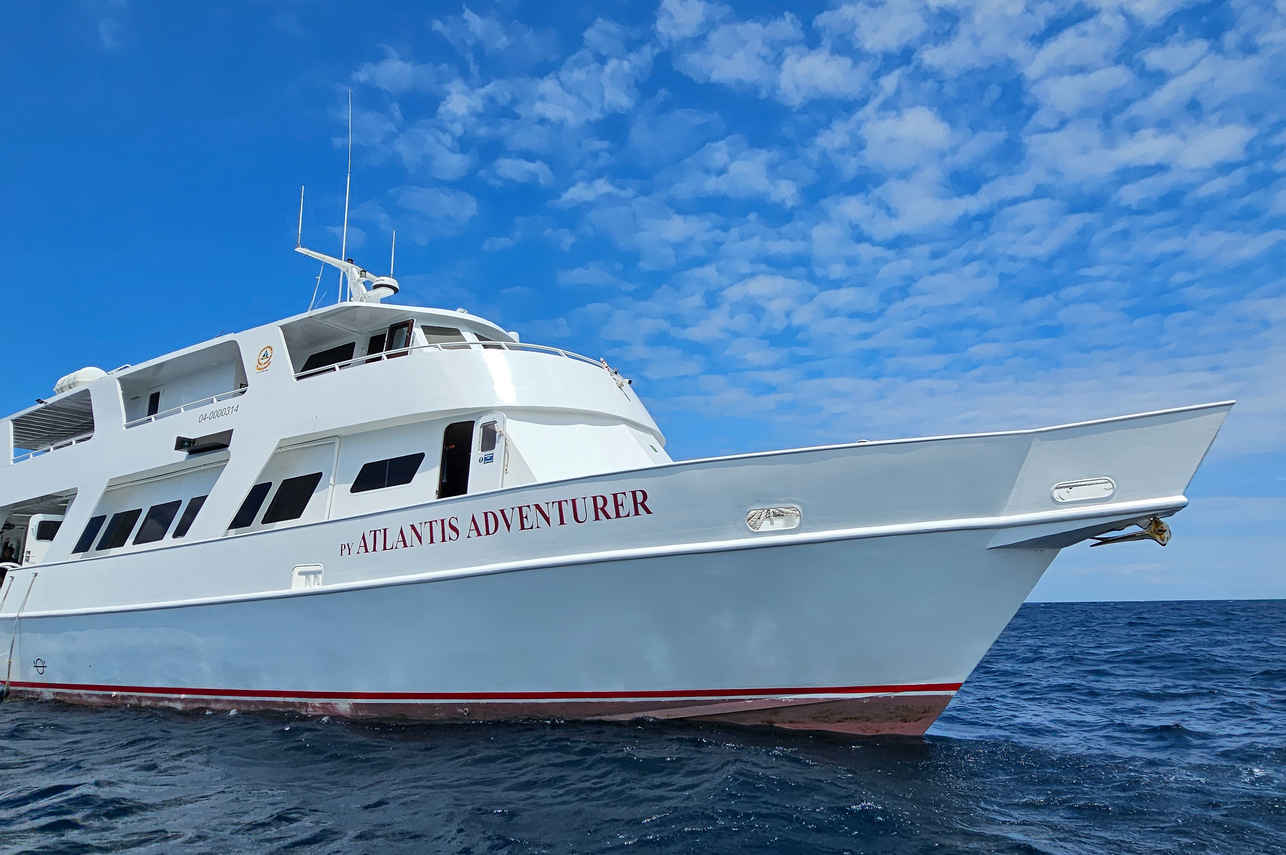
Atlantis Adventurer
Philippines
16 guests32.5 m
$421/day
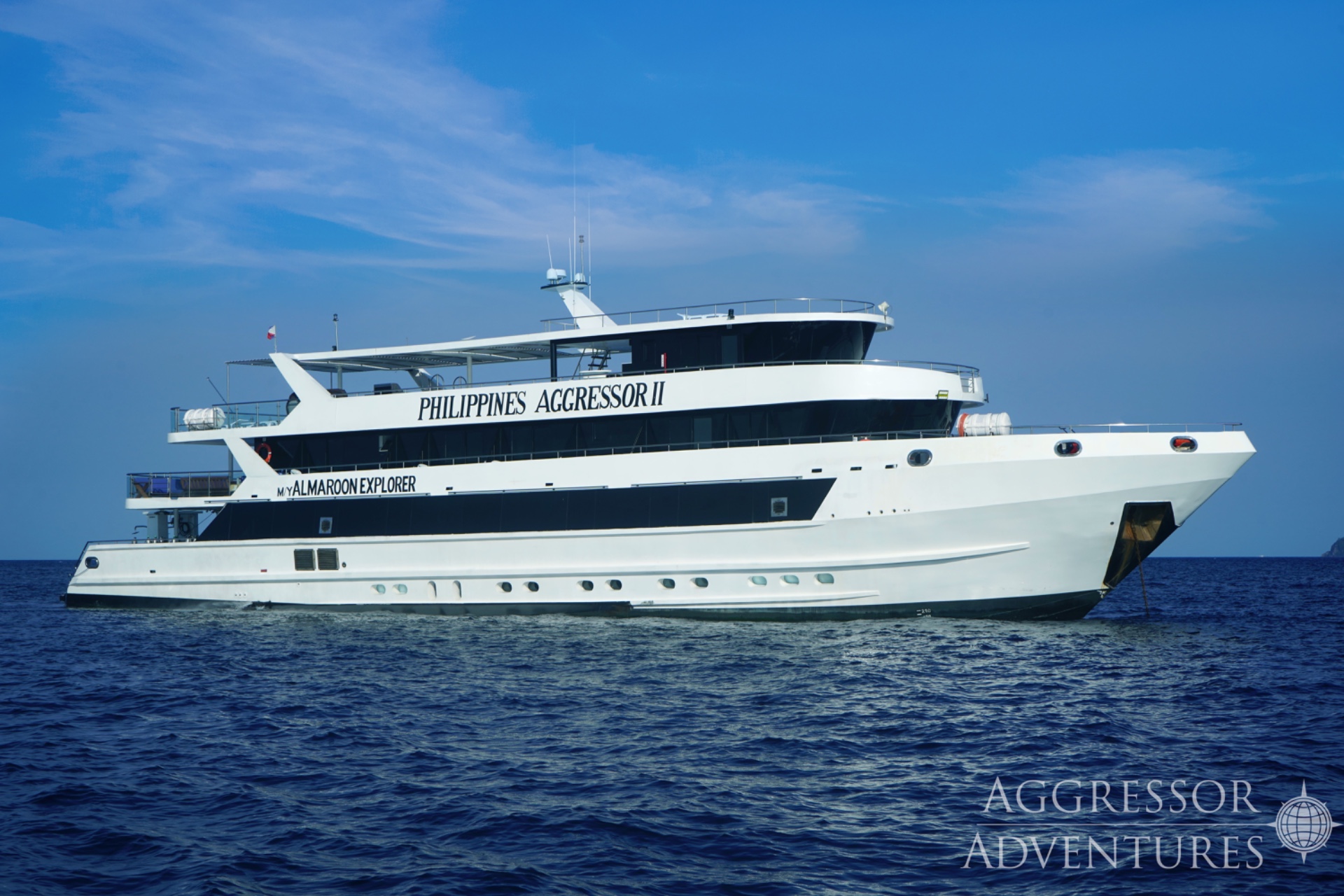
Philippines Aggressor II
Philippines
26 guests42.7 m
$247/day
Dive sites similar to Apo Island
Same character, same waters — six more sites divers love for the exact same reasons.Compare seasons, access and liveaboard routes — then pick the site that fits your trip best.
© Esri — Maxar, Earthstar, GIS
Big La Laguna
Philippines
Big La Laguna is a beach community situated on the western edge of the Sabang Peninsula, a popular dive region on Mindoro Island, Philippines.
- Suitable for
- Intermediate
- Current
- Moderate
- Access
- Dayboat
- Depth
- 5–35 m
- Theme
- Reef / Wall
© Esri — Maxar, Earthstar, GIS
Rusa Pinnacle
Alor
Rusa Pinnacle is a challenging yet highly rewarding dive site situated in the Alor archipelago, part of Indonesia's East Nusa Tenggara.
- Suitable for
- Advanced
- Current
- Strong
- Access
- Liveaboard only
- Depth
- 6–30 m
- Theme
- Reef
Lipah Bay is situated on Bali's northeast coast within the Amed area, nestled against the dramatic backdrop of Gunung Agung.
- Suitable for
- Beginner
- Current
- Mild
- Access
- Liveaboard or dayboat
- Depth
- 5–30 m
- Theme
- Reef / Drift
© Esri — Maxar, Earthstar, GIS
Tangked Cave
Bali
Tangked Cave, sometimes referred to as Tangked Taked Shark Cave, is an advanced dive site situated in the open ocean off Bali's southeastern coast.
- Suitable for
- Advanced
- Current
- Moderate
- Access
- Liveaboard or dayboat
- Depth
- 15–40 m
- Theme
- Cave & cavern / Reef
© Esri — Maxar, Earthstar, GIS
Schools Out
Alor
Schools Out in Alor offers divers an exceptional encounter with healthy coral reefs and a rich variety of marine species.
- Suitable for
- Intermediate
- Current
- Mild
- Access
- Liveaboard only
- Depth
- 20–30 m
- Theme
- Reef
© Esri — Maxar, Earthstar, GIS
Batununggul
Bali
Batununggul, also known as Suana or Batumulapan by some operators, is a dynamic wall and sloping reef dive site situated on the eastern side of Nusa Penida, Bali.
- Suitable for
- Advanced
- Current
- Strong
- Access
- Liveaboard or dayboat
- Depth
- 10–40 m
- Theme
- Wall