About Ambon Bay
Ambon Bay, located in Indonesia's Maluku Archipelago, is a premier muck diving destination, often compared to the famous Lembeh Strait. Its unique volcanic geology, nutrient-rich waters, and a seabed composed of grey sand, volcanic deposits, and marine debris create an ideal habitat for an incredible array of cryptic creatures. This environment, while not conventionally beautiful with vibrant coral reefs, is a treasure trove for macro life. Diving predominantly occurs in the bay's sheltered waters, with depths ranging from 5 to 35 meters. The relatively shallow profiles allow for extended bottom times, often 70 to 90 minutes, which is perfect for patient observation and photography. Beyond the bay, the horseshoe-shaped Ambon Island also features colorful soft coral wall dives, overhangs, and caves, offering a different diving experience. Local dive guides, renowned for their exceptional spotting skills, are crucial for uncovering the small, well-camouflaged inhabitants of the bay. You can expect to find a diverse population of nudibranchs, frogfish, ghost pipefish, and cephalopods, some of which are endemic to the region. The area's historical significance as part of the Spice Islands also adds a unique cultural dimension to any visit. Ambon caters to divers seeking an 'off the beaten track' experience, prioritizing unique marine encounters over pristine reefs. It's a destination where the focus is on discovery and the thrill of spotting rare species in an environment that defies typical tropical diving aesthetics.
Highlights
World-class muck divingPsychedelic frogfish habitatEndless nudibranch varietiesFlamboyant cuttlefishRare ghost pipefishMacro photography paradiseVolcanic sand bottomCritter spotting guides
Season calendar
Best months to dive here
Jan
Feb
Mar
Apr
May
Jun
Jul
Aug
Sep
Oct
Nov
Dec
Excellent
Good
Dive site facts: Ambon Bay
- Depth
- 5–35 m
- Typical dive
- 5–35 m, 70–90 min
- Current
- Gentle inside bay, medium to strong outside bay
- Visibility
- 10–30 m
- Water temperature
- 26–29°C
- Entry
- Boat / Shore
- Level
- All Levels, macro photography focus
- Dive type
- Muck, macro, coral slope, wall
- Night dive
- Possible
- Region / port
- Maluku Archipelago, Indonesia
- Coordinates
- 3.6685° S, 128.1577° E
Conditions & Currents
Currents within Ambon Bay are generally gentle to non-existent, creating calm and protected waters ideal for muck diving and extended bottom times. This stability allows divers to scrutinize the seabed for small, camouflaged critters without significant drift. However, dive sites located outside the bay, particularly along the outer coastline facing the Banda Sea, can experience medium to strong currents, requiring more advanced diving skills. Visibility in the bay's muck sites can vary from 10 to 15 meters, while outer reef sites might offer clearer conditions up to 30 meters. Water temperatures remain consistently warm, averaging 26-29°C. Entry to many bay sites is often directly from shore or a short boat ride, followed by a slow progression along the sandy slopes.
Marine life & sighting chances

Nudibranchs
common
Flamboyant Cuttlefish
common
Frogfish (Psychedelic)
October onwards · occasional
Ghost Pipefish (Halimeda)
occasional
Ambon Scorpionfish
occasional
Rhinopias
occasional
Harlequin Shrimp
occasional
Wonderpus Octopus
occasional
Pygmy Seahorse
occasional
Blue-ringed Octopus
occasionalJuvenile Frogfish
common
Crabs (unusual species)
common
Shrimp (unusual species)
common
Goby (translucent)
occasionalDive profile & how the dive runs
Typical muck dives in Ambon Bay begin with a boat or shore entry, often near sites like Laha, where a gentle slope descends from 2 meters into deeper waters. Divers spend most of their time scrutinizing the sandy, rubble-strewn bottom at depths between 5 and 12 meters, where the richest macro life is concentrated. The dive profile typically involves a slow, deliberate progression along the seafloor, covering small areas in detail. Maximum depths usually range from 5 to 35 meters, allowing for long bottom times of 70 to 90 minutes. Guides use their sharp eyes to point out camouflaged critters. Safety stops are conducted in the shallower sections of the bay, making use of the abundant light and minimal currents, often near coral patches or debris where more macro life can still be found.
Underwater photography
Ambon Bay is a macro photographer's dream, requiring specific gear and techniques. A macro lens (e.g., 60mm or 100/105mm) is essential for capturing the tiny subjects. Dual strobes are highly recommended for even lighting and to minimize backscatter in potentially lower visibility. A snoot can be particularly effective for isolating small critters against the dark volcanic sand, creating dramatic lighting. Patience and excellent buoyancy control are paramount to avoid stirring up the sandy bottom, which can quickly ruin visibility for both you and others. Approach subjects slowly and carefully, allowing them to acclimate to your presence before framing your shot. Communicating your subject interest to your guide can lead to finding specific rare species.
Combine with nearby dive sites
- Banda Sea Seamounts
The Banda Sea seamounts offer an unparalleled pelagic diving experience in Indonesia's remote Ring of Fire.
- Roma
Roma is a celebrated pinnacle dive site located off Tomia island in the Wakatobi archipelago of Southeast Sulawesi, Indonesia.
- Manuk
Manuk Island, often referred to as the "Island of Snakes," is a remote volcanic outcrop in the Banda Sea, part of Indonesia's 'Ring of…
- Gunung Api
Gunung Api, meaning "Fire Mountain," is a remote dormant volcano rising from the deep Banda Sea, approximately 60 miles from any other…
- Moyo Island
Moyo Island, nestled in the Lesser Sunda chain between Bali and Komodo, has quietly emerged as a compelling dive destination.
Getting there & logistics
Ambon Island is accessible via Patimura International Airport (AMQ), with flights from major Indonesian cities like Jakarta (CGK) and Bali (DPS). Most muck dive sites are conveniently located around Ambon Bay, often just a short van ride from the airport or a quick boat trip from local resorts. Divers can choose between land-based dive resorts, which offer daily trips to sites, or liveaboard cruises. Liveaboards frequently incorporate Ambon into longer itineraries, often combining it with other prime Indonesian destinations like the Banda Sea or Raja Ampat, particularly during seasonal transitions. Trip lengths can vary, with liveaboard journeys typically lasting 10-12 nights to cover multiple regions, while resort stays allow for focused muck diving. Permits and park fees are generally included in liveaboard packages or arranged by resorts.
Safety & environment
While diving in Ambon Bay is generally considered safe due to calm conditions, standard dive safety practices are essential. The nearest recompression chamber would typically be in larger regional hospitals or require evacuation to a major city in Indonesia. Divers should ensure they have comprehensive dive insurance that covers medical emergencies and potential evacuation. Site-specific hazards include occasional boat traffic near jetties and the need for careful buoyancy control in muck diving to avoid disturbing the sandy bottom, which can reduce visibility. Always dive with a reputable operator and follow your guide's instructions, especially when encountering potentially venomous critters like scorpionfish. Night dives are common for specific critter sightings and require appropriate lighting and buddy procedures.
Who it suits — and who it doesn't
Suited for
- Macro photography enthusiasts
- Critter hunting specialists
- Experienced muck divers
- Divers seeking unique marine life
- Underwater biologists
- Quiet, off-the-beaten-path travel
Less suited for
- Divers prioritizing vibrant coral reefs
- Those seeking large pelagic encounters primarily
- Beginners without good buoyancy control for muck diving
- Divers uncomfortable with lower visibility
- Those who dislike sandy or silty environments
FAQ
Ambon Bay FAQ
What kind of diving is Ambon Bay best known for?
Ambon Bay is internationally recognized as a top destination for muck diving. This specialized form of diving focuses on searching for small, rare, and camouflaged marine creatures on sandy, silty, or debris-covered seafloors. It's a paradise for macro photographers and critter enthusiasts.
Is Ambon Bay suitable for beginner divers?
Yes, many dive sites within Ambon Bay are suitable for beginners due to their shallow depths and minimal currents. However, good buoyancy control is beneficial for muck diving to avoid disturbing the fine sediment. Outer reef sites with stronger currents might be better suited for more experienced divers.
What unique marine life can I expect to see in Ambon Bay?
Ambon Bay is home to an incredible array of unique critters, including the endemic psychedelic frogfish, flamboyant cuttlefish, numerous species of nudibranchs, ghost pipefish, and the Ambon scorpionfish. You can also spot rare crabs, shrimps, and various octopuses like the wonderpus.
How does Ambon Bay compare to Lembeh Strait for muck diving?
Ambon Bay is often compared to Lembeh Strait as another world-class muck diving destination. While both offer exceptional macro opportunities, Ambon is known for its own unique species and character, including the psychedelic frogfish which is only found here. Divers often visit both to experience their distinct marine life.
Are there any non-muck dive sites in Ambon?
Yes, beyond the muck sites in Ambon Bay, there are several dive sites along the island's outer coastline. These offer a different experience with colorful soft coral walls, overhangs, and even some caves. Sites like Pintu Kota and Hukurila Cave provide a contrast to the bay's sandy bottoms.
What is the visibility like in Ambon Bay?
Visibility in Ambon Bay can vary, typically ranging from 10 to 15 meters on the muck sites. While not as clear as some reef diving locations, this is common for muck diving environments. Sites outside the bay may offer clearer visibility, sometimes up to 30 meters.
Why dive Ambon Bay from a liveaboard?
Ambon Bay is one of Indonesia's signature dive sites. A liveaboard sleeps you on the water and puts you in the water for three to four guided dives per day, including dawn and night dives that day-boat operators rarely offer. You skip the daily commute back to port and reach quieter, less-crowded sites in the same region on a single trip.
Below are the liveaboards that include Ambon Bay on their Indonesia itineraries.
Liveaboards diving Ambon Bay
These liveaboards may visit Ambon Bay on selected itineraries — the exact dive sites depend on departure, weather and conditions.
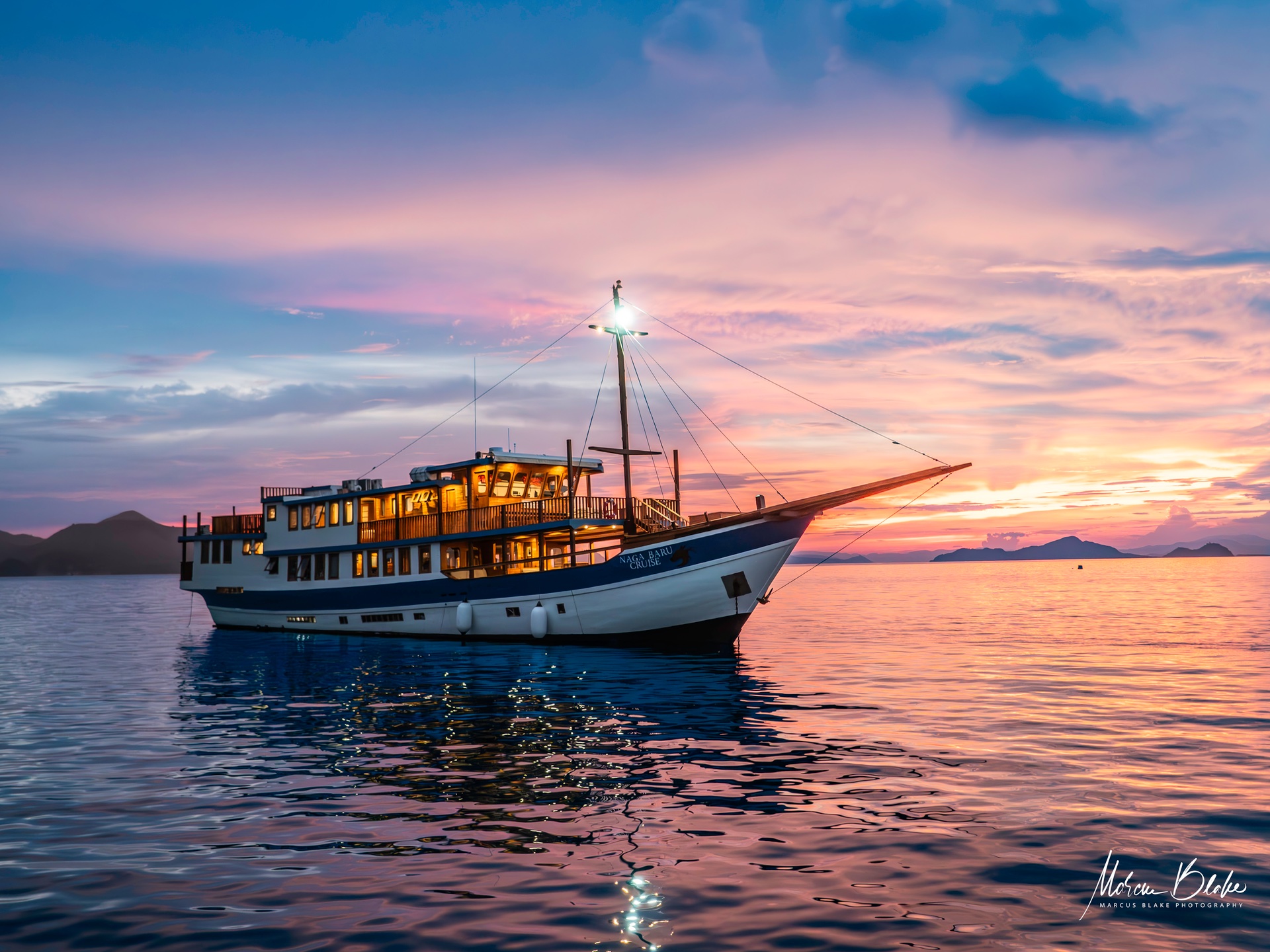
Naga Biru
Indonesia
12 guests40 m
$273/day
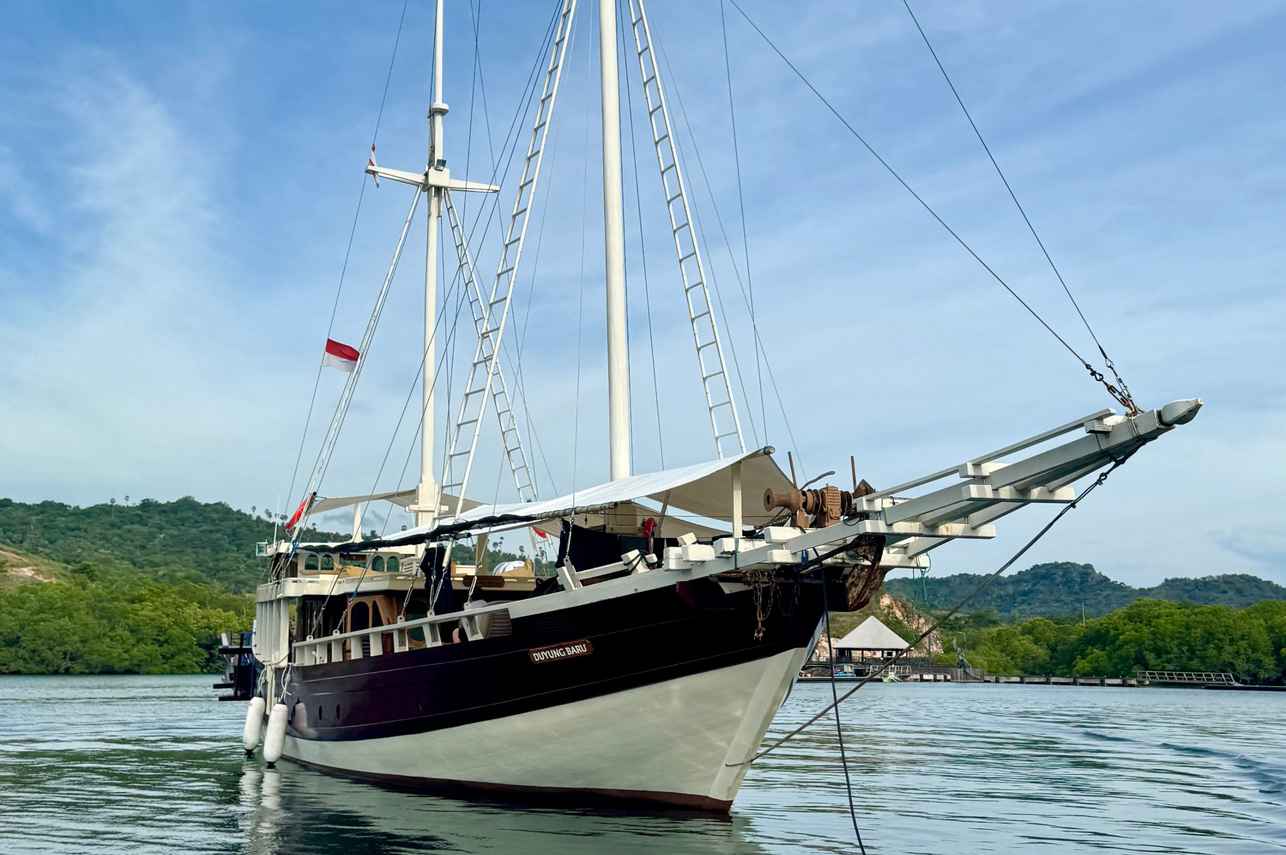
Ecopro Duyung Baru
Indonesia
6 guests27 m
$361/day
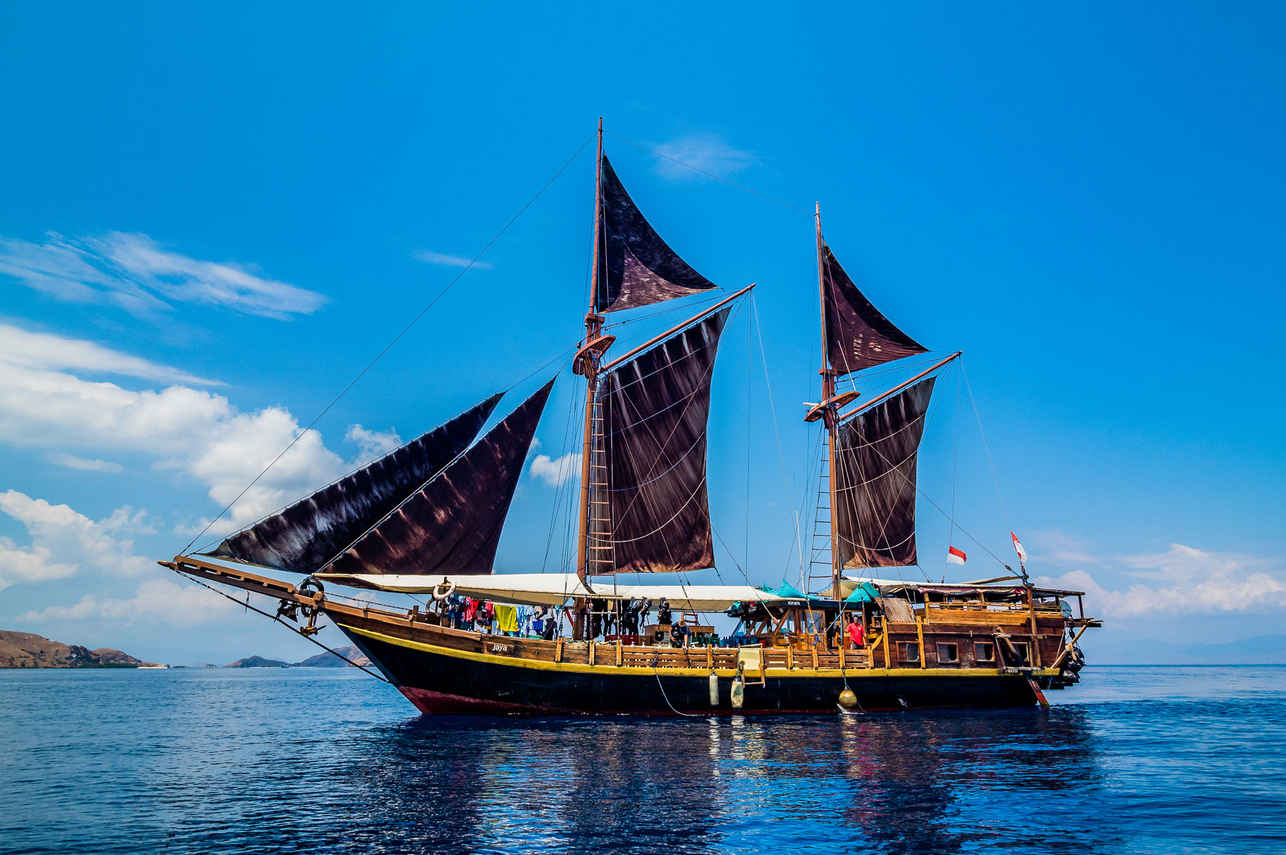
Jaya
Indonesia
14 guests23 m
$280/day
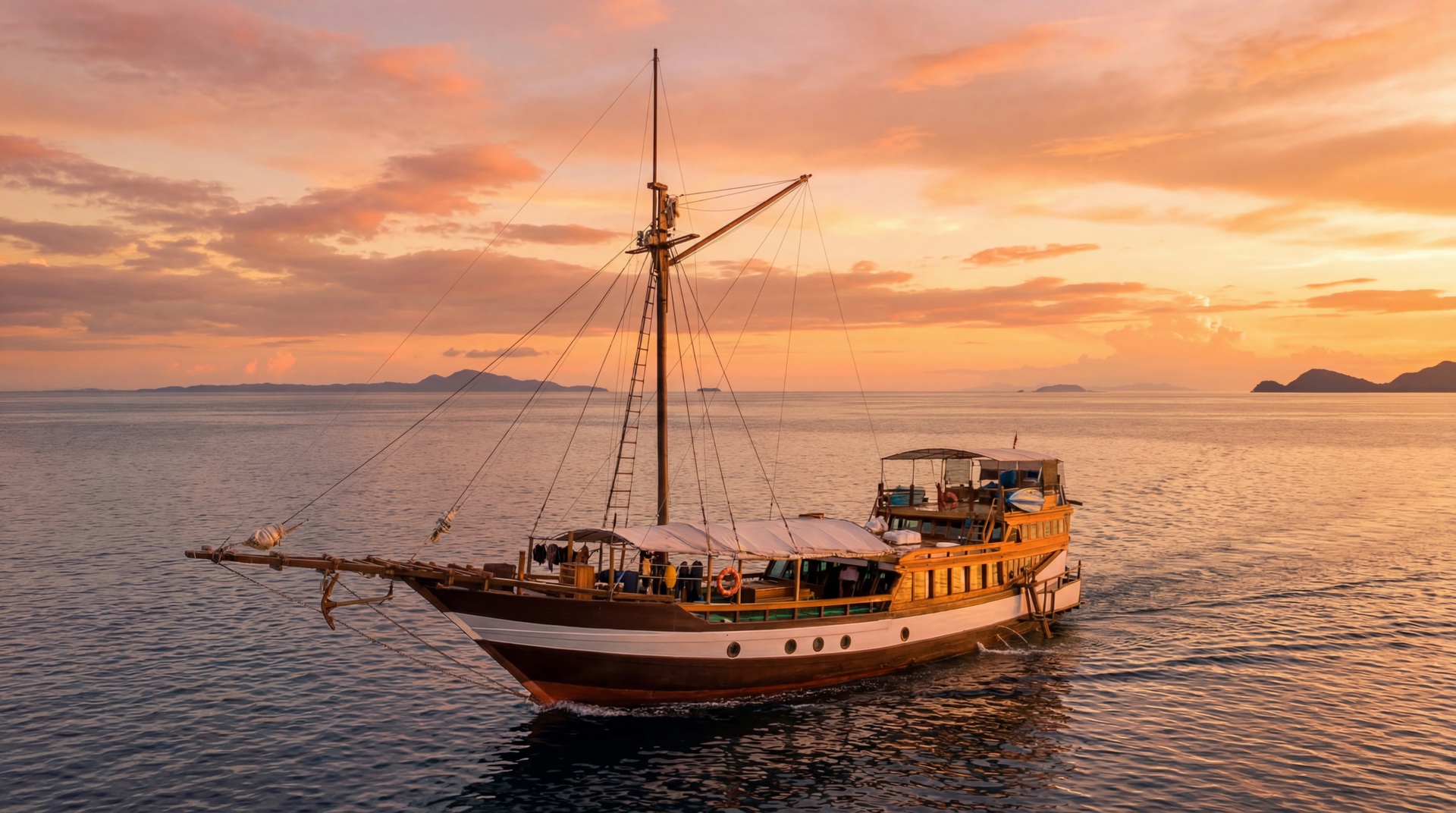
Wellenreng
Indonesia
9 guests25 m
$427/day
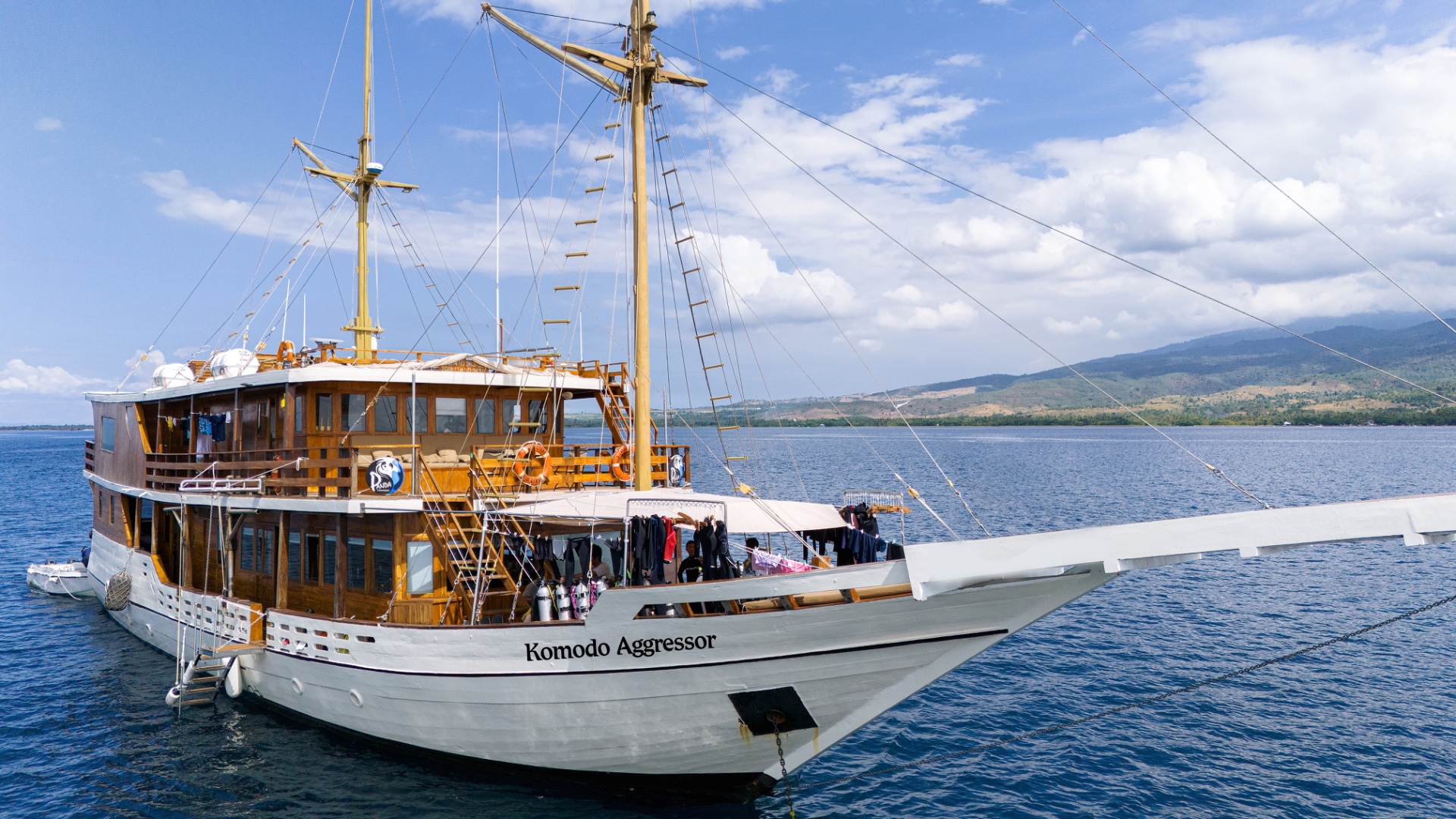
Komodo Aggressor
Komodo, Indonesia
16 guests29 m
$312/day
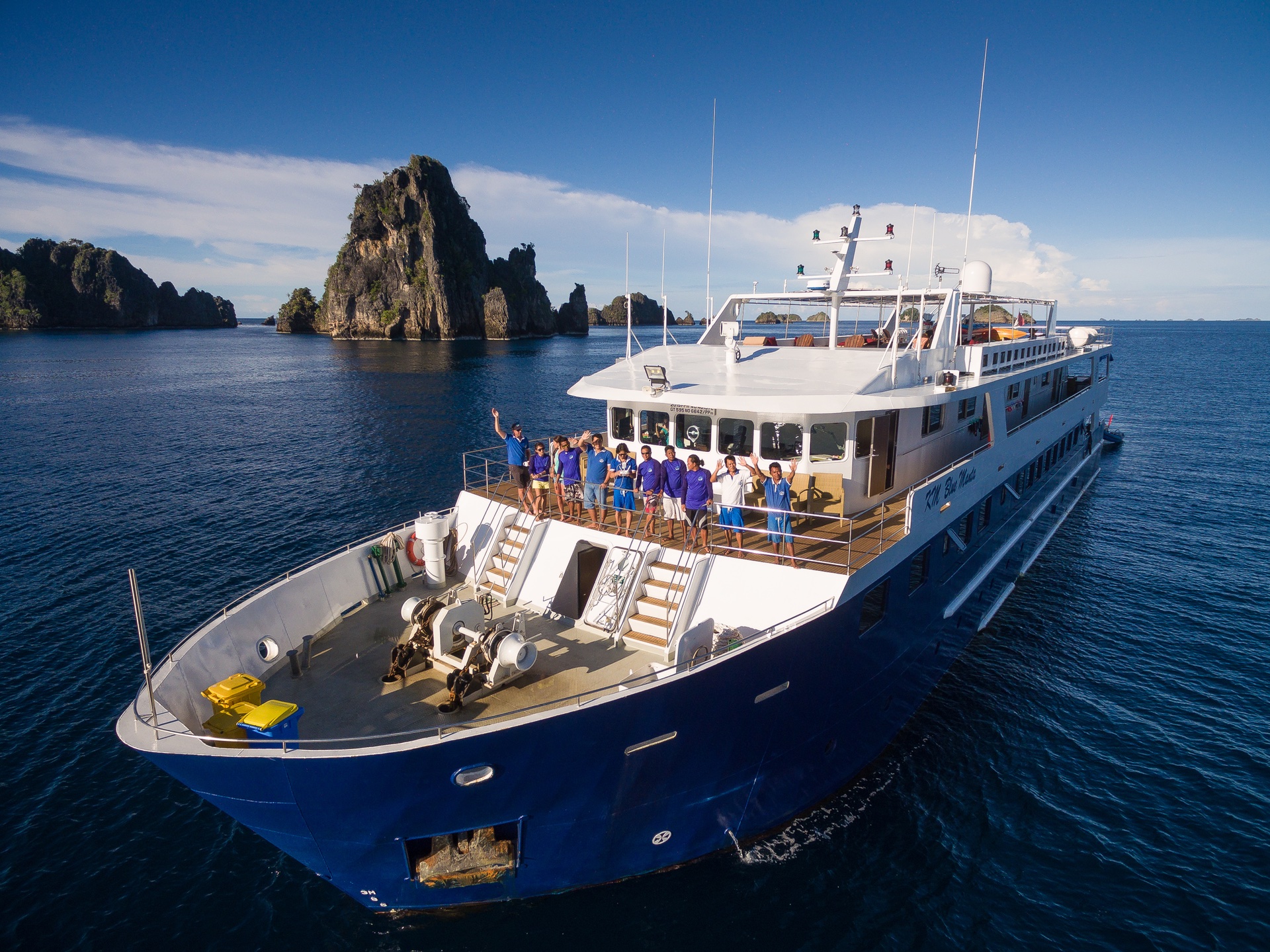
Blue Manta
Indonesia
20 guests45 m
$482/day
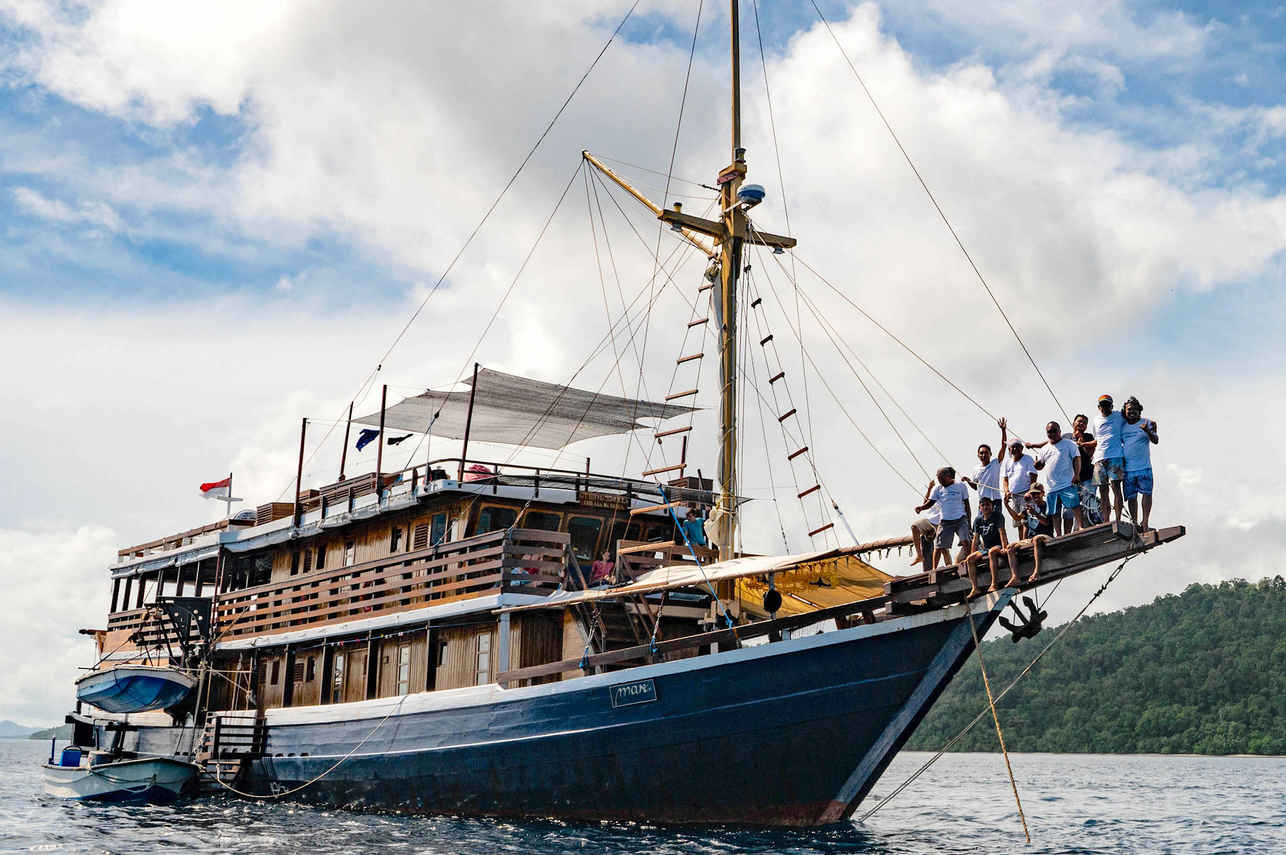
Mari
Indonesia
14 guests32.2 m
$328/day
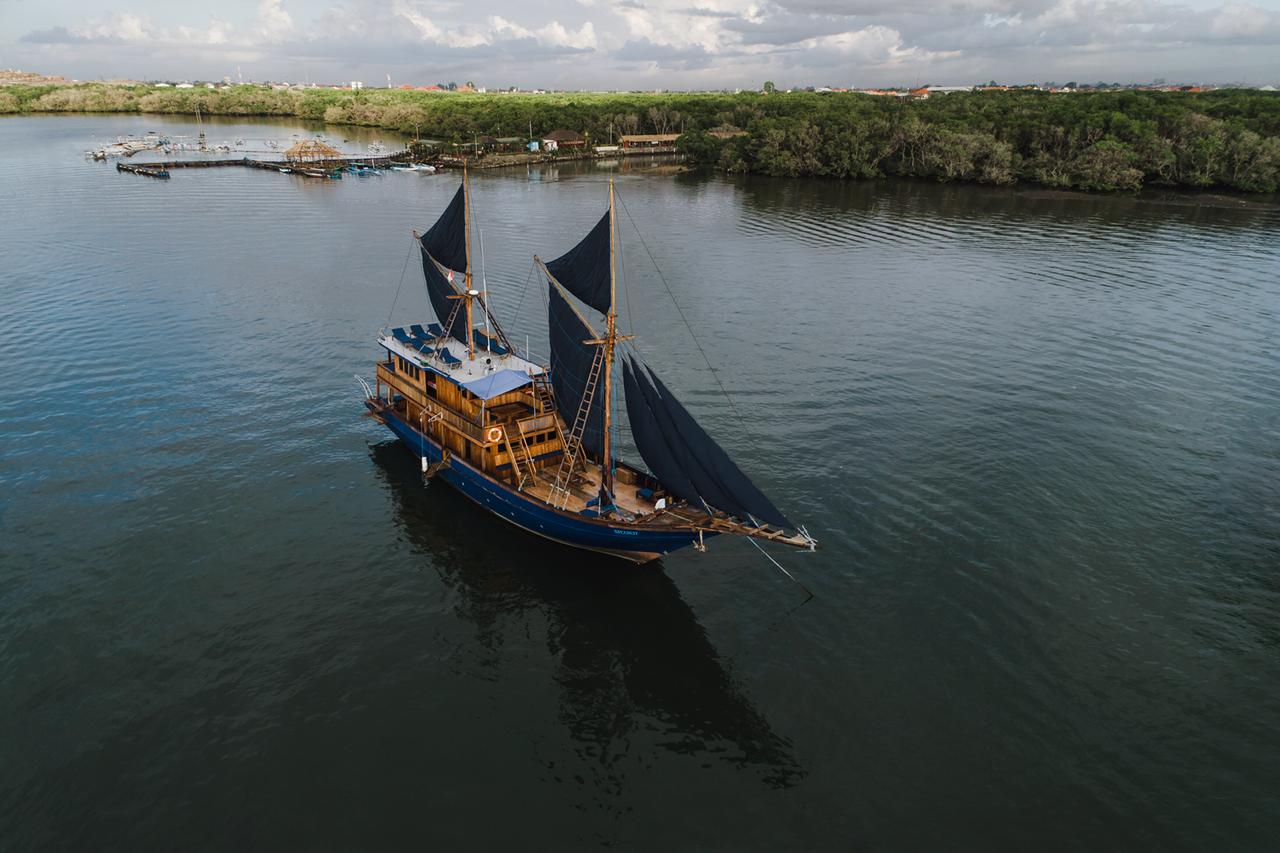
Situju7
Komodo, Indonesia
10 guests32.7 m
$362/day
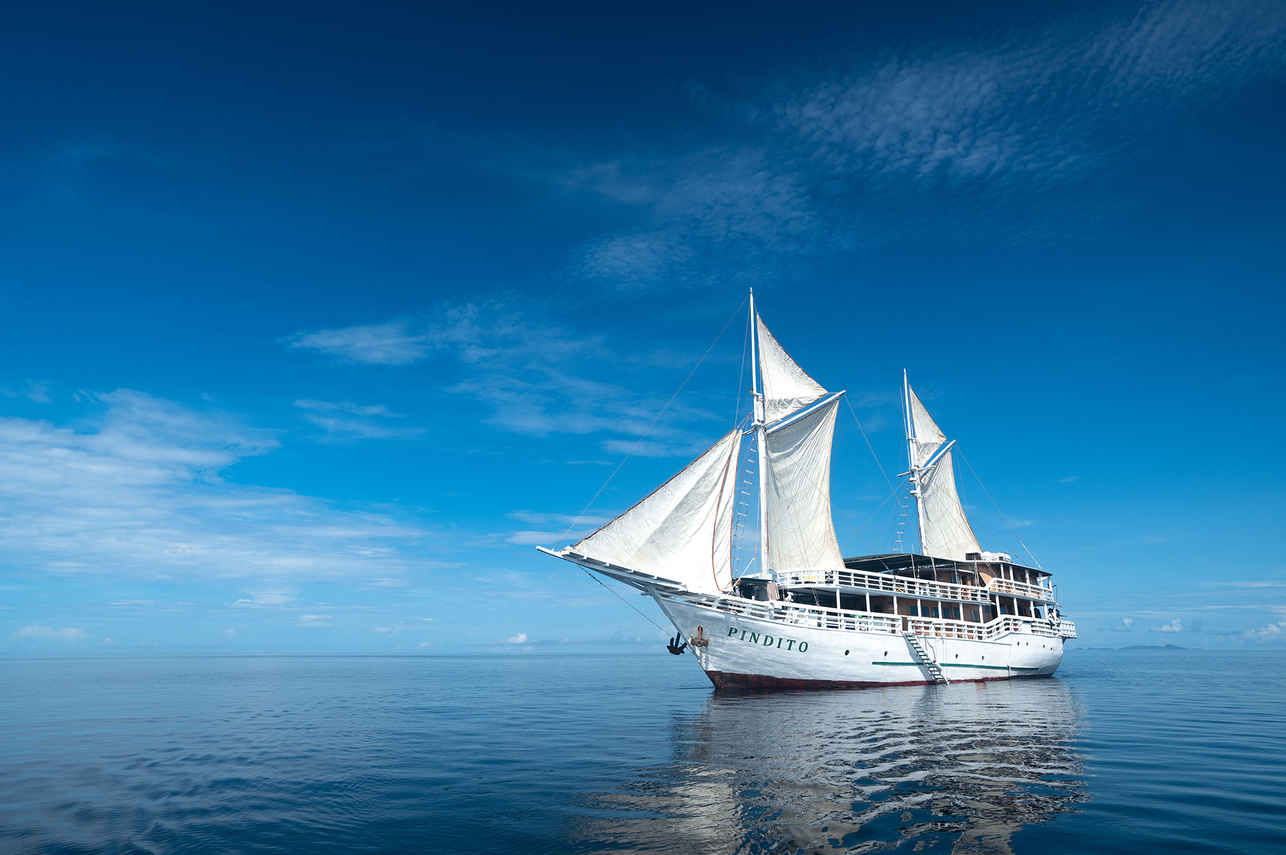
Pindito
Indonesia
16 guests37.79 m
$533/day
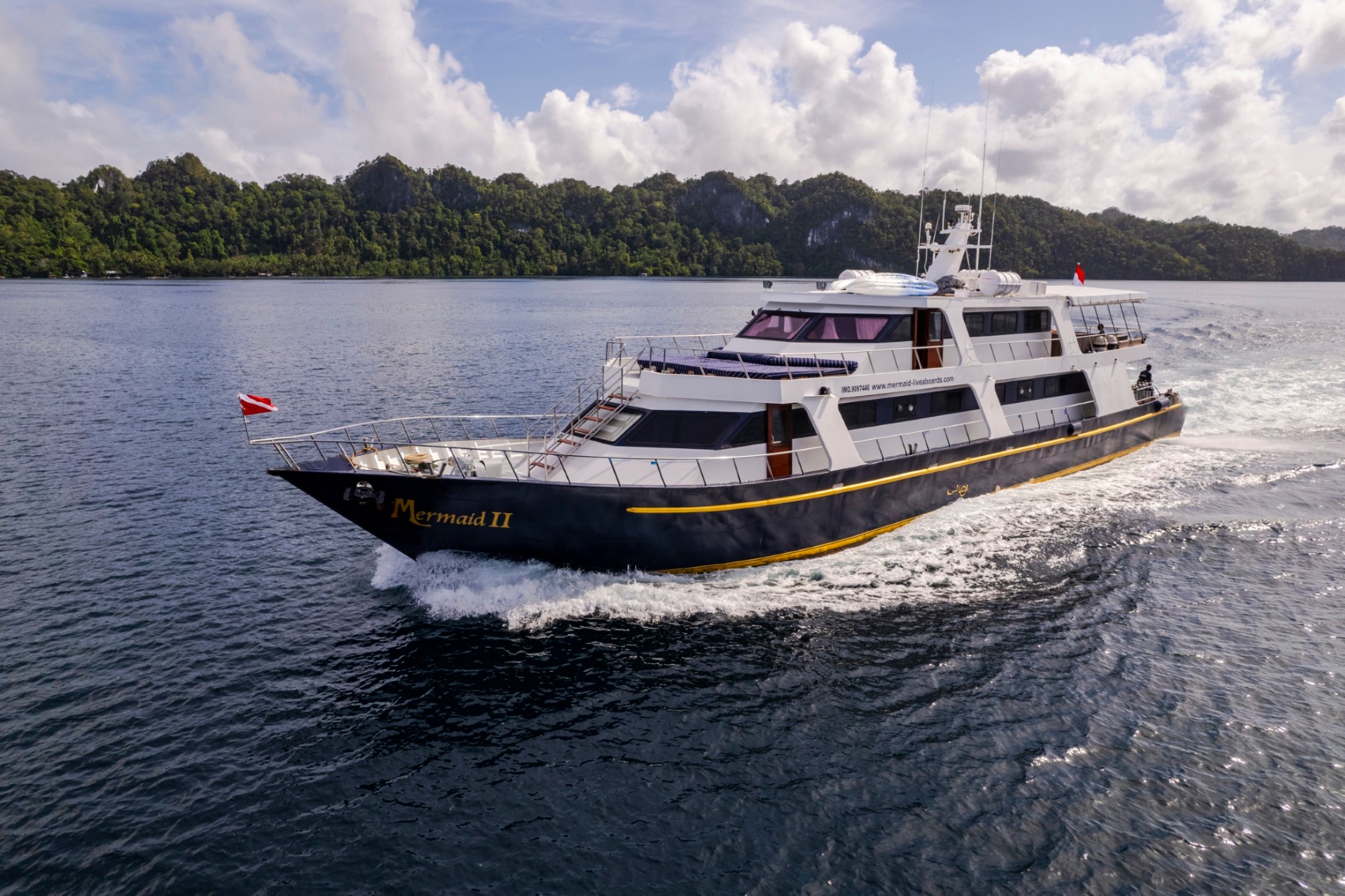
Mermaid II
Komodo, Indonesia
18 guests
$391/day
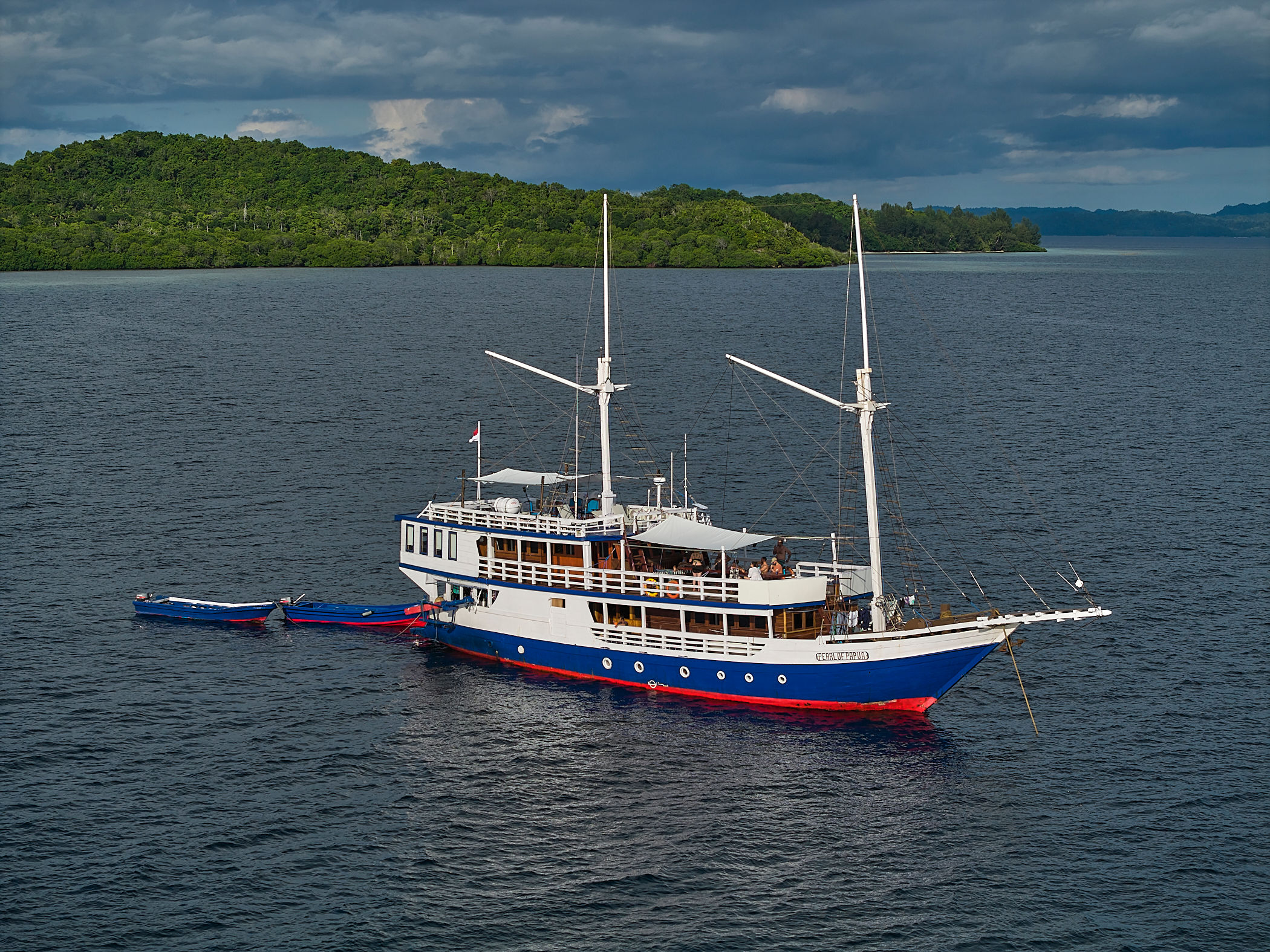
Pearl of Papua
Raja Ampat, Indonesia
14 guests30 m
$303/day
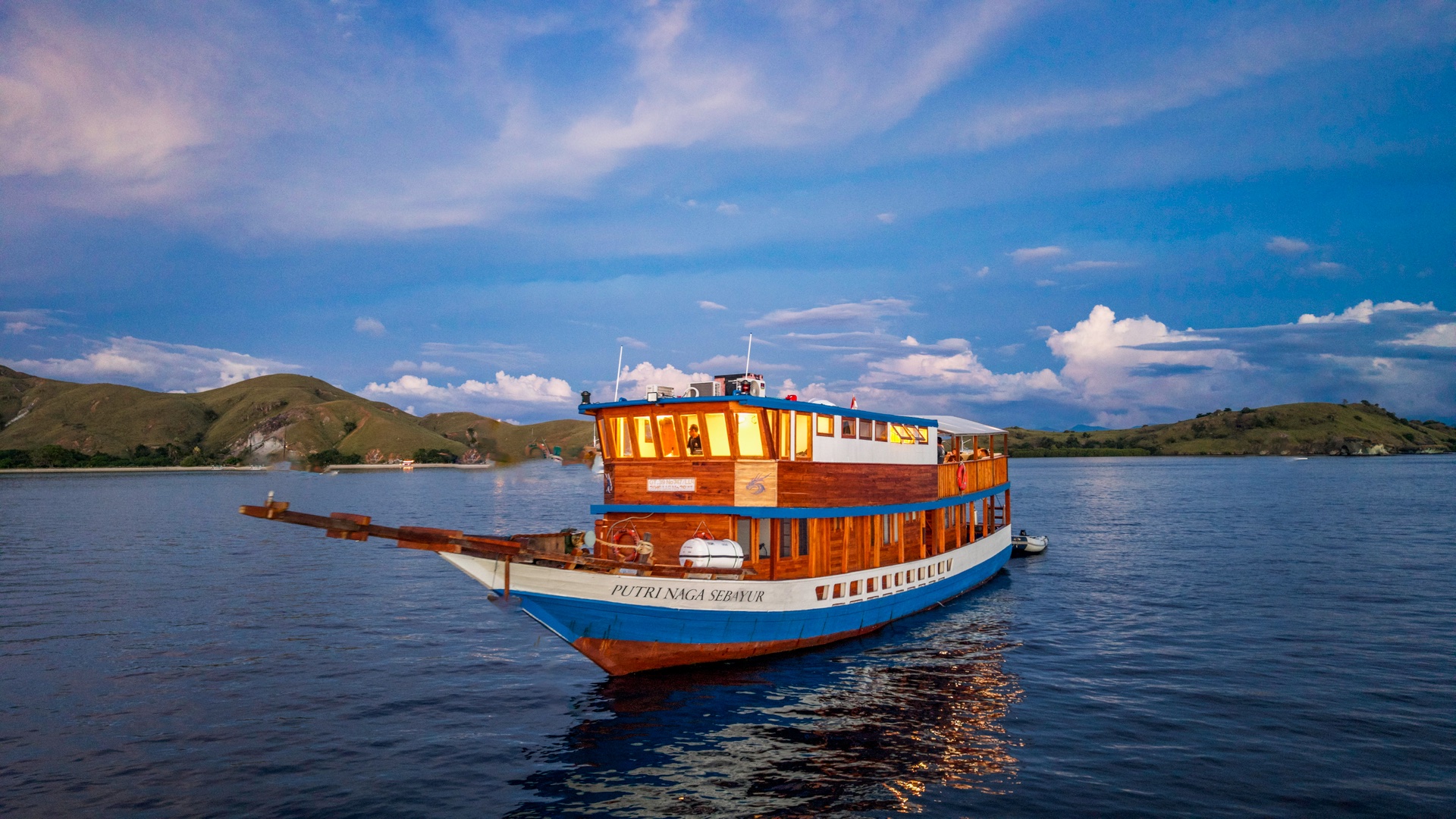
Putri Naga
Komodo, Indonesia
6 guests25 m
Dive sites similar to Ambon Bay
Same character, same waters — six more sites divers love for the exact same reasons.Compare seasons, access and liveaboard routes — then pick the site that fits your trip best.
© Esri — Maxar, Earthstar, GIS
Mawali Wreck
Indonesia
The Mawali Wreck, a Japanese cargo ship, rests on its side in the Lembeh Strait, off the northern coast of Sulawesi.
- Suitable for
- Advanced
- Current
- Mild
- Access
- Liveaboard only
- Depth
- 25–40 m
- Theme
- Wreck / Reef
Aljui Bay, located in Raja Ampat's remote northern reaches, was discovered as a premier snorkeling and diving destination by chance in 2011. This bay, situated within the broader…
- Suitable for
- Beginner
- Current
- Mild
- Access
- Liveaboard only
- Depth
- ≤ 20 m
- Theme
- Reef
Babylon is a captivating dive site located in the Alor Sea, renowned for its exceptional visibility and vibrant marine ecosystem.
- Suitable for
- Intermediate
- Current
- Strong
- Access
- Liveaboard or dayboat
- Depth
- 3–20 m
- Theme
- Reef / Wall
Wakatobi, an acronym for the islands of Wangi-Wangi, Kaledupa, Tomia, and Binongko, lies in Southeast Sulawesi, Indonesia, at the heart of the Coral Triangle.
- Suitable for
- Beginner
- Current
- No current
- Access
- Liveaboard only
- Depth
- 5–30 m
- Theme
- Wall / Reef
© Esri — Maxar, Earthstar, GIS
Cornucopia
Indonesia
Cornucopia, aptly named the 'horn of plenty,' is celebrated as Wakatobi's most spectacular wall dive, offering a diverse and nutrient-rich underwater environment.
- Suitable for
- Intermediate
- Current
- Mild
- Access
- Liveaboard only
- Depth
- 5–40 m
- Theme
- Reef
© Esri — Maxar, Earthstar, GIS
Raymond’s Point
Indonesia
Raymond's Point is a distinguished dive site located south of Mike's Point within the Bunaken National Marine Park, renowned for its dramatic vertical wall.
- Suitable for
- Advanced
- Current
- Strong
- Access
- Dayboat
- Depth
- 5–35 m
- Theme
- Reef / Wall