About Moyo Island
Moyo Island, nestled in the Lesser Sunda chain between Bali and Komodo, has quietly emerged as a compelling dive destination. Historically overlooked, it is now recognized for its unique marine ecosystems, operating under a marine conservation framework that predates even the Raja Ampat marine park. The island itself is largely uninhabited savanna and forest, forming a national park since the 1980s, which extends to its rich surrounding waters. The underwater topography around Moyo is characterized by vibrant coral gardens, dramatic steep walls, and gently sloping reefs, often dropping to depths of 30 to 40 meters. While some small areas show minor damage from past dynamite fishing, the majority of the reefs are healthy and teeming with life, featuring a diverse mix of hard and soft corals that create habitat for numerous species. Divers can expect to encounter a wide array of marine creatures, from colorful reef fish and schools of snappers to green and hawksbill turtles, and occasional sightings of blacktip reef sharks, eagle rays, and even rare dugongs. For macro enthusiasts, the sandy patches and coral formations hide intriguing critters like nudibranchs, various shrimp, and the distinctive blue-ringed octopus. Diving here offers a blend of experiences, from thrilling drift dives to serene explorations of coral slopes. Visibility is consistently excellent, often exceeding 20 meters, and water temperatures are warm year-round, typically ranging from 26°C to 30°C. Access is primarily by liveaboard or local resort-based operations, allowing for an immersive experience in this relatively untrodden corner of Indonesia.
Highlights
Untouched reefs and vibrant coralsAbundant marine life and pelagicsDiverse topography (walls, slopes)Blacktip reef sharks and mantasMacro critters (nudibranchs, octopus)Marine conservation areaExcellent visibility (up to 30m)
Season calendar
Best months to dive here
Jan
Feb
Mar
Apr
May
Jun
Jul
Aug
Sep
Oct
Nov
Dec
Excellent
Good
Dive site facts: Moyo Island
- Depth
- 5–40 m
- Current
- Mild to moderate
- Visibility
- 15–30 m
- Water temperature
- 26–30°C
- Entry
- Boat
- Level
- Open Water to Advanced
- Dive type
- Reef, wall, drift, macro, pelagic
- Night dive
- Possible
- Region / port
- Sumbawa, Indonesia
- Coordinates
- 8.1979° S, 117.4260° E
Conditions & Currents
Currents around Moyo Island are generally described as moderate, with some sites experiencing mild conditions, making for comfortable drift dives. At specific locations like Angel Reef, gentle currents allow divers to glide along the reef, enhancing the viewing experience of marine life. While not typically known for extreme currents like some other Indonesian sites, divers should still be prepared for varying flow, especially near walls or channels. Entry is usually by tender boat, often positioned upstream to facilitate a drift. Visibility is consistently good, averaging around 20 meters and frequently exceeding 30 meters, contributing to safe navigation and enjoyment. Thermoclines can be encountered at depths around 25 meters, leading to minor temperature variations. Divers should plan their gas and decompression limits carefully, as many reefs drop steeply to depths beyond 30 meters,
Marine life & sighting chances

Manta ray
occasional
Whale shark
seasonal · rare
Black-tipped reef shark
occasional
Napoleon wrasse
occasional
Green sea turtle
common
Hawksbill turtle
common
Dugong
rare
Yellow blue-ringed octopus
occasional
Nudibranch
common
Shrimp
common
Boxer crab
occasional
Blue-spotted stingray
occasional
Schooling snapper
common
Clownfish
commonDive profile & how the dive runs
Dives around Moyo Island typically begin with a boat entry, often from a RIB, which positions divers upstream of any prevailing current. For sites like Angel Reef, descents are made along vibrant coral walls, frequently starting at depths around 10 meters and extending to 24 meters or deeper. Divers drift with the mild to moderate current, exploring the diverse topography that includes steep walls adorned with large gorgonians and barrel sponges, as well as more gradually sloping reefs and sandy patches. A typical route might involve descending to a maximum depth of around 30 meters, then gradually ascending throughout the dive to remain within no-decompression limits, surveying different depth bands for varied marine life. Turn points are often determined by air consumption or dive time, with guides leading towards shallower areas. Safety stops are typically conducted in the 5-meter zone over the reef top or along a shallow coral garden, offering a final opportunity to observe reef fish before surfacing and being picked up by the tender boat.
Underwater photography
Moyo Island offers excellent conditions for both wide-angle and macro photography, thanks to its clear waters and diverse marine ecosystems. For wide-angle shots, consider a fisheye or wide lens to capture the dramatic coral walls, healthy reefscapes, and schools of fish. Strobe positioning is crucial to illuminate the vibrant soft corals and ensure rich colors in the deep blue backdrop. For macro subjects, including nudibranchs, shrimp, and the elusive blue-ringed octopus found in sandy areas and on corals, a dedicated macro lens is essential. A snoot can be particularly effective for isolating small critters against busy backgrounds. Maintaining excellent buoyancy is paramount to avoid disturbing delicate corals and to get steady shots in varying currents. Given the potential for thermoclines, be mindful of temperature fluctuations that might affect camera housing seals.
Combine with nearby dive sites
- Sangeang
Known for volcanic muck reefs and diverse macro life.
- Manuk
A volcanic island site often visited on wider Sumbawa itineraries.
- Ambon Bay
Famous for muck diving and unique critters, a short flight away.
- Saleh Bay
Known for reliable whale shark aggregations.
- Wakatobi
A renowned marine park further east, famous for biodiversity.
Getting there & logistics
Accessing Moyo Island typically involves a combination of flights and boat transfers. While Lombok has an international airport, options to Moyo include a pricey seaplane or a speedboat costing around $100 per person. Most divers find that joining an Indonesian liveaboard with an itinerary that includes Moyo is the most convenient and comfortable option, as it simplifies travel to this relatively isolated location. These liveaboards often depart from ports like Benoa Harbour in Bali or Bima on Sumbawa, combining Moyo with other Sumbawa sites like Saleh Bay for whale sharks, or even extending to Komodo. Trip lengths for Sumbawa-focused itineraries are commonly seven nights. A modest marine park entry fee of about $5 per person is applicable. Resort-based diving is also available on Moyo itself, with operations running since 2015 offering daily guided dives and courses.
Safety & environment
Diving at Moyo Island requires adherence to standard safety practices, especially given the depths that can reach 40 meters. The nearest recompression chamber is approximately 120 km away, indicating that emergency evacuation could be a lengthy process. Divers should carry comprehensive dive insurance that covers emergency medical treatment and evacuation. It is crucial to dive within certification limits and to monitor depth and bottom time, particularly on walls and slopes where descents can be steep. While currents are generally mild to moderate, understanding the local conditions and listening to your dive guide is essential. As with any remote diving destination, bringing essential personal gear and spares is advisable due to limited facilities. When exploring the marine environment, always observe marine life respectfully; for instance, the yellow blue-ringed octopus is highly venomous and should never be touched. Operators on Moyo, like Maleo Moyo, offer refresher courses for divers who haven't been in the water recently, emphasizing safety and skill readiness.
Who it suits — and who it doesn't
Suited for
- Advanced Open Water divers seeking diverse reef and wall diving
- Underwater photographers interested in both wide-angle and macro subjects
- Divers seeking pristine, less crowded sites away from main tourist routes
- Liveaboard enthusiasts looking for comprehensive Indonesian itineraries
- Divers interested in marine conservation and healthy ecosystems
Less suited for
- Absolute beginner divers without prior ocean experience (some sites are deep)
- Divers expecting readily available hyperbaric chamber access nearby
- Those looking for shore-based diving with extensive amenities and nightlife
- Divers unwilling to travel remotely or via liveaboard
- Individuals prone to seasickness on longer boat transfers
FAQ
Moyo Island FAQ
When is the best time to dive Moyo Island?
The best time to dive around Moyo Island is from April to early December. During these months, weather conditions are generally stable, seas are calm, and visibility is at its peak, providing optimal diving experiences. While diving is possible year-round, conditions outside this window can be less predictable due to prevailing winds.
What kind of marine life can I expect to see at Moyo Island?
Moyo Island boasts a rich diversity of marine life, appealing to both macro and wide-angle enthusiasts. You can frequently spot green and hawksbill sea turtles, various reef fish, and schooling snappers. Occasional sightings include blacktip reef sharks, eagle rays, manta rays, and even rare dugongs. Macro life includes nudibranchs, different shrimp species, boxer crabs, and the yellow blue-ringed octopus.
Are there deep dives at Moyo Island?
Yes, many dive sites around Moyo Island feature dramatic topography, including walls and slopes that extend to depths of 30 to 40 meters. While shallower sections are accessible, advanced divers have the opportunity to explore these deeper areas, observing larger gorgonians and barrel sponges. It's important to monitor depth and bottom time carefully in these areas.
Is Moyo Island suitable for beginner divers?
While Moyo Island offers diverse diving experiences, some sites can reach significant depths (up to 40m) and experience moderate currents. Beginners with basic Open Water certification can enjoy many shallower reef dives. However, for more challenging sites, Advanced Open Water certification and some current experience are recommended. Local dive resorts also offer Discover Scuba Diving experiences for uncertified individuals.
How do I get to Moyo Island for diving?
Getting to Moyo Island can be part of a liveaboard itinerary, which is a popular and convenient option, often departing from Bali or Sumbawa. Alternatively, you can fly to Lombok and take a seaplane or a speedboat directly to Moyo. Due to its remote location, independent travel might require more planning, but it contributes to the untouched charm of the destination.
What are the typical dive conditions like at Moyo Island?
Moyo Island generally offers excellent dive conditions. Water temperatures consistently range between 26°C and 30°C, making for comfortable diving. Visibility is usually very good, often exceeding 20 meters and reaching up to 30 meters or more. Currents vary from mild to moderate, with many sites suitable for enjoyable drift dives. Thermoclines can sometimes be encountered around 25 meters.
Why dive Moyo Island from a liveaboard?
Moyo Island is one of Indonesia's signature dive sites. A liveaboard sleeps you on the water and puts you in the water for three to four guided dives per day, including dawn and night dives that day-boat operators rarely offer. You skip the daily commute back to port and reach quieter, less-crowded sites in the same region on a single trip.
Below are the liveaboards that include Moyo Island on their Indonesia itineraries.
Liveaboards diving Moyo Island
These liveaboards may visit Moyo Island on selected itineraries — the exact dive sites depend on departure, weather and conditions.
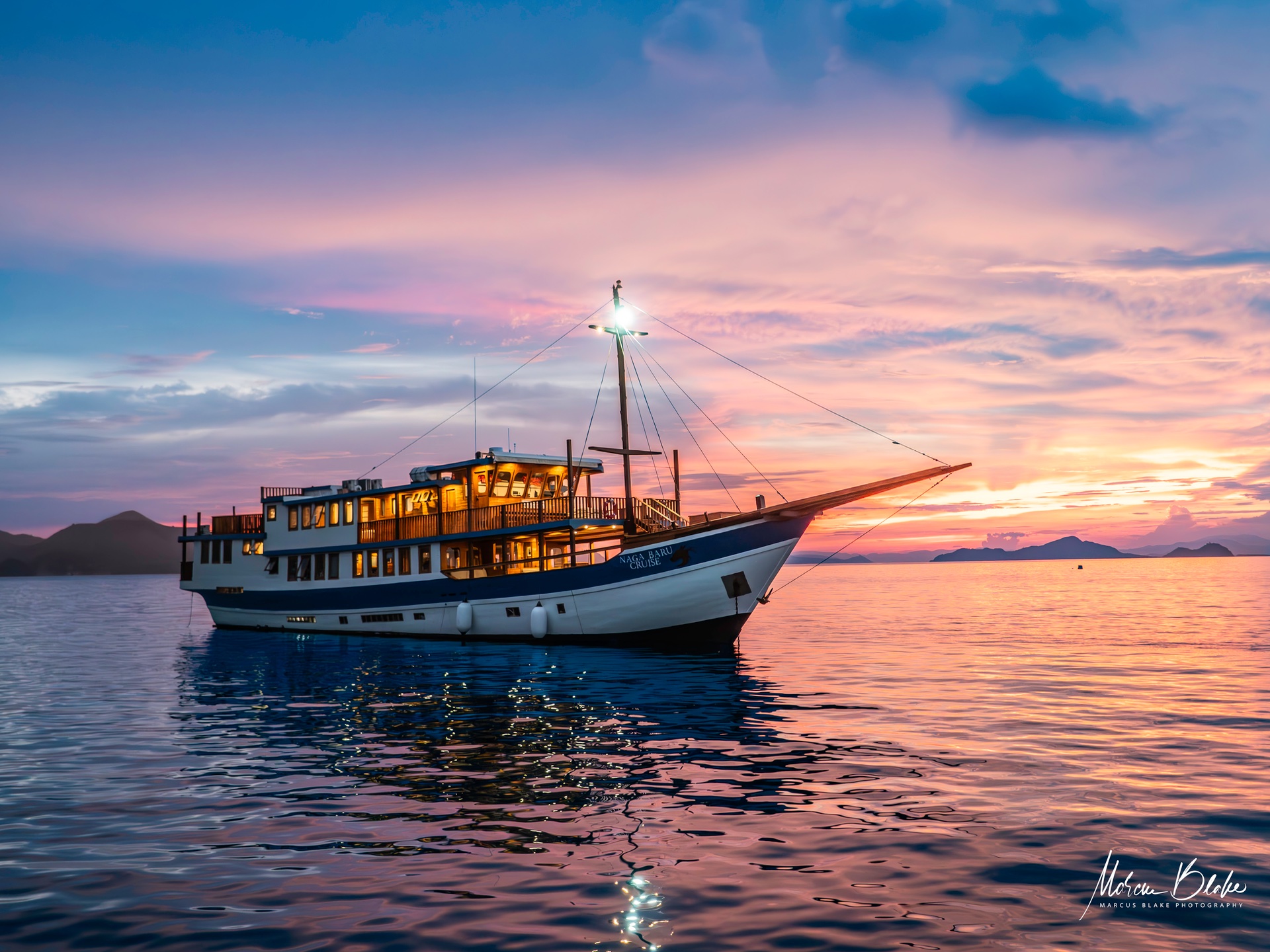
Naga Biru
Indonesia
12 guests40 m
$274/day
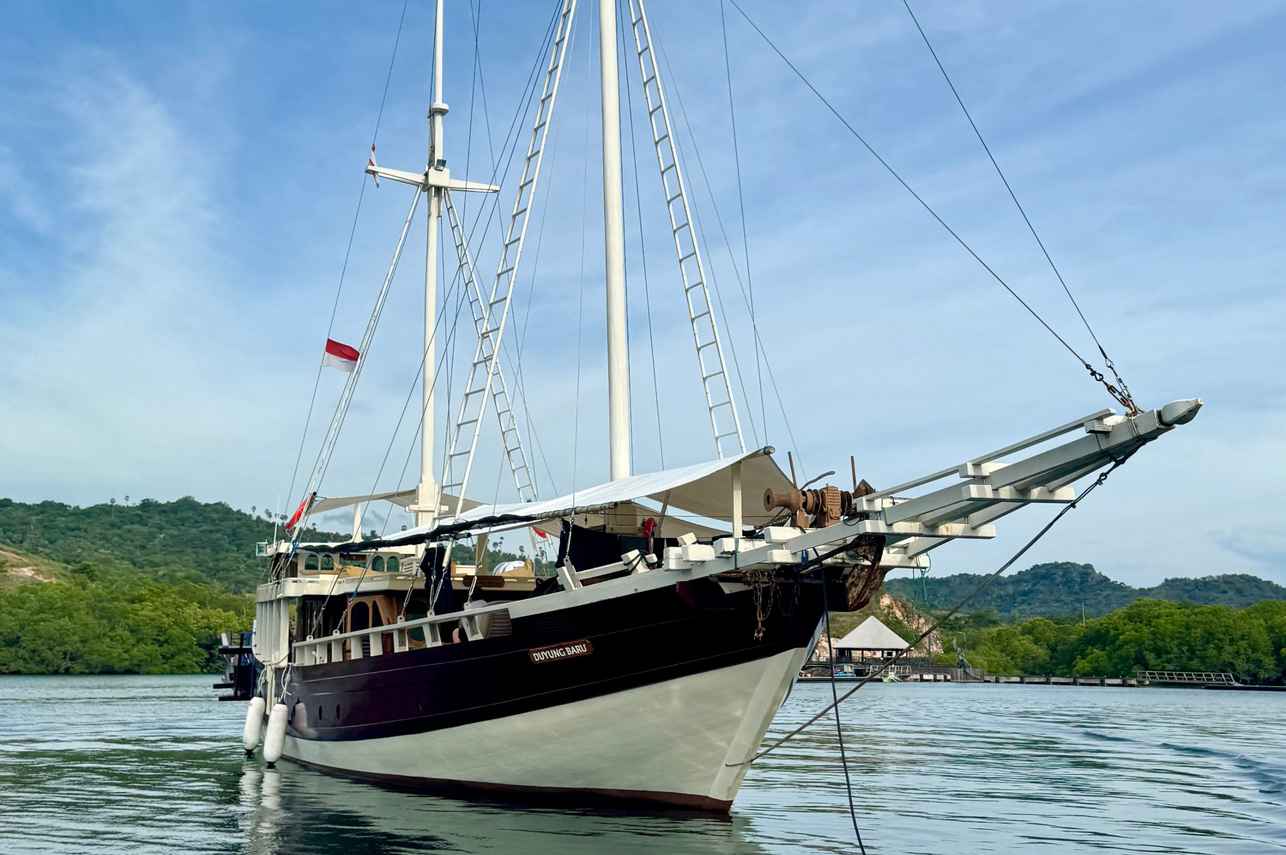
Ecopro Duyung Baru
Indonesia
6 guests27 m
$361/day
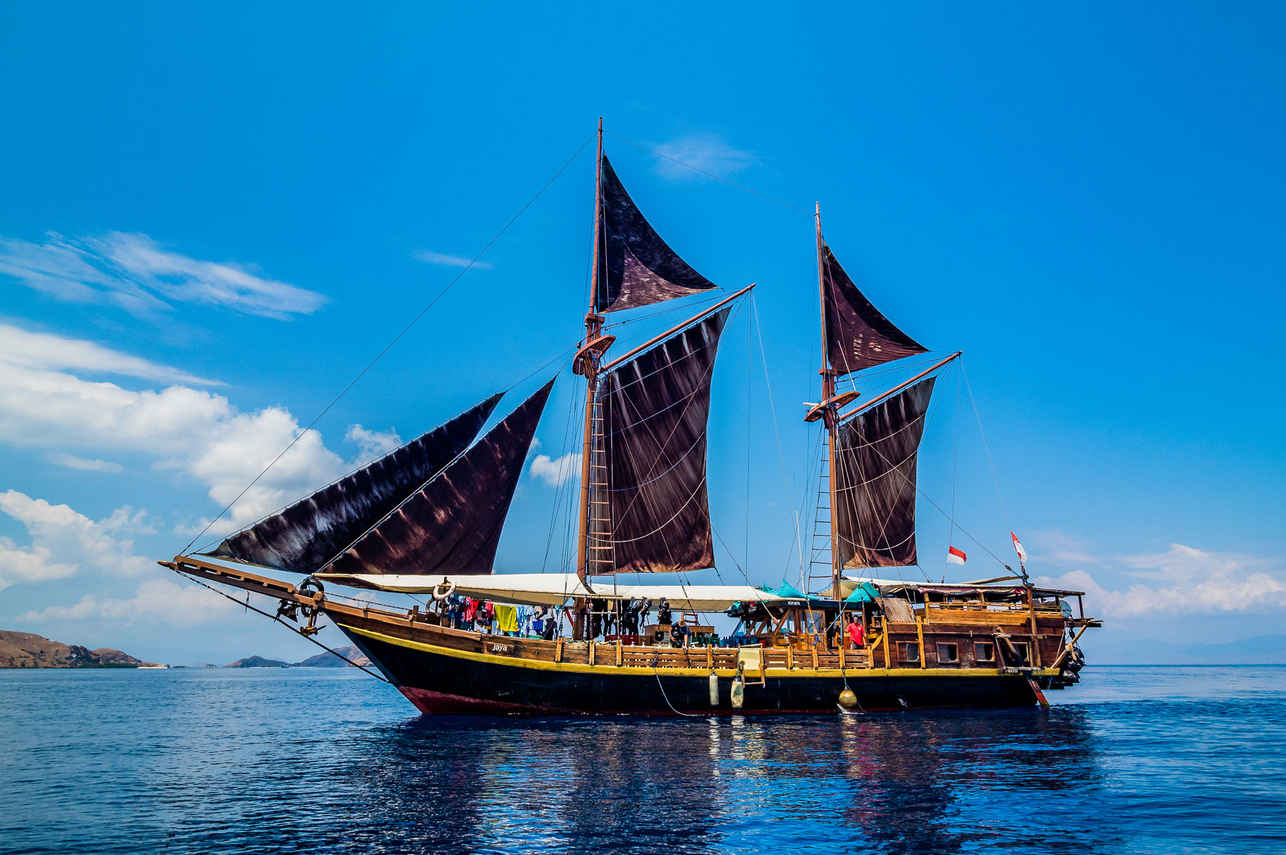
Jaya
Indonesia
14 guests23 m
$280/day
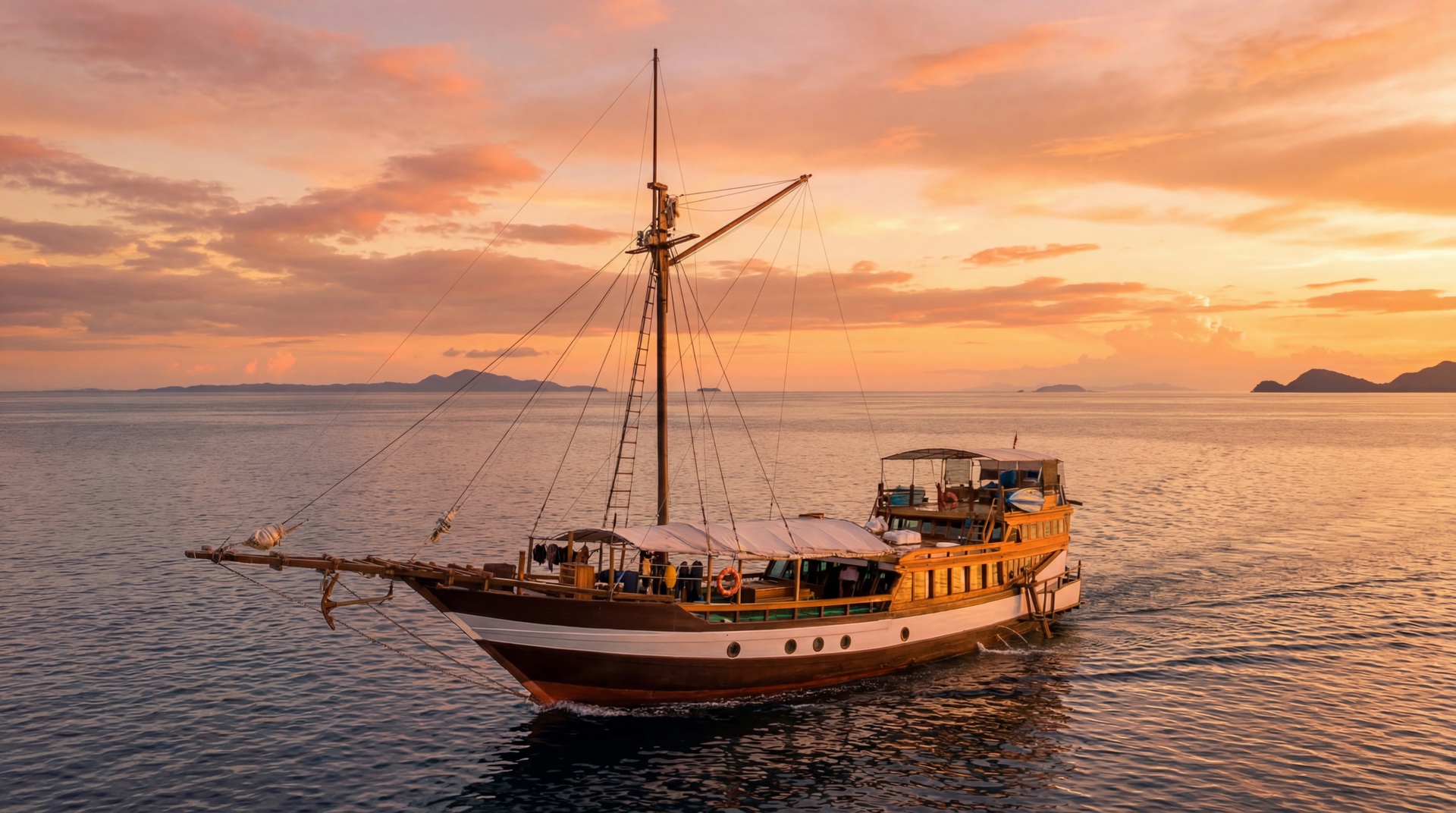
Wellenreng
Indonesia
9 guests25 m
$427/day
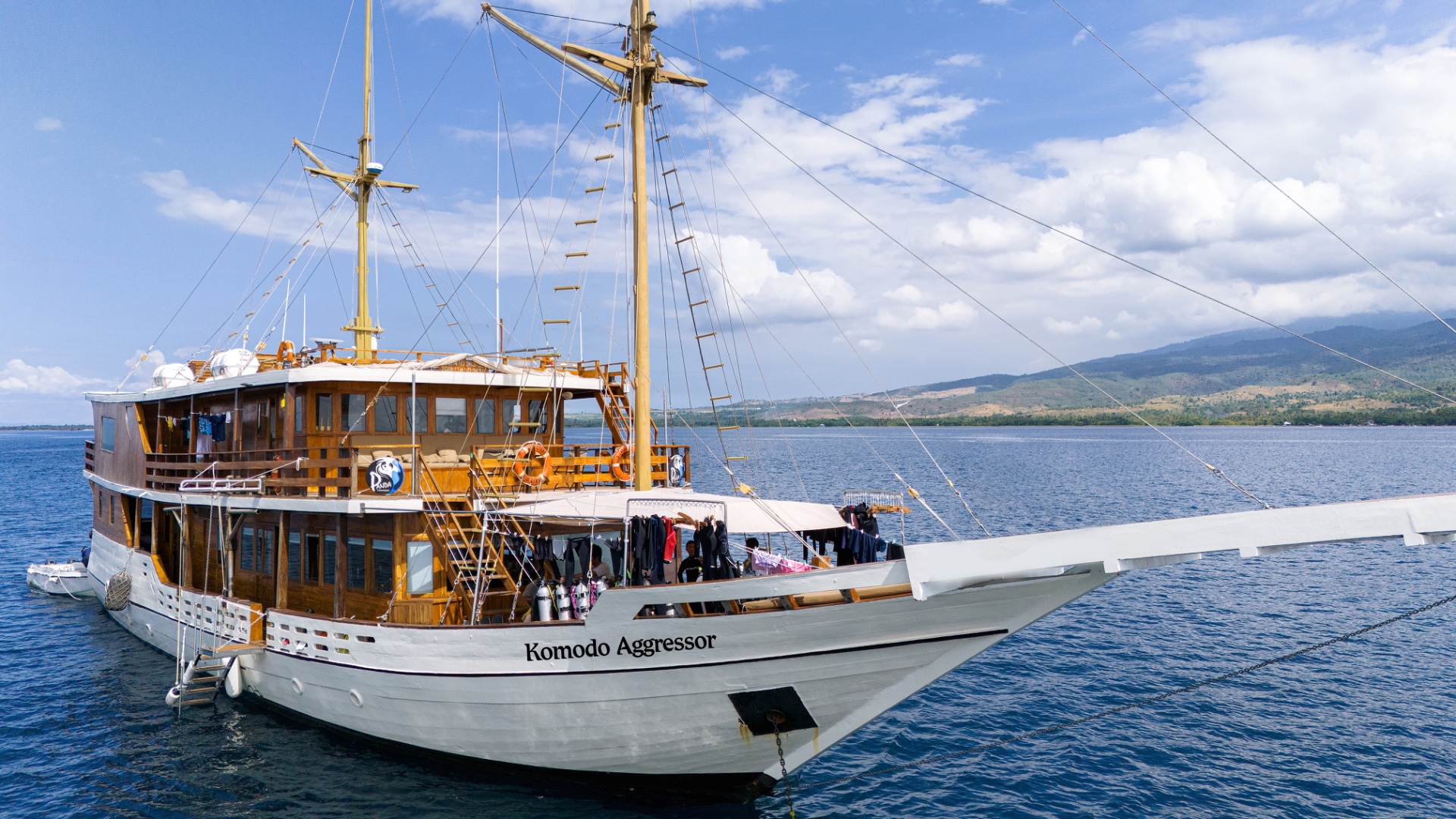
Komodo Aggressor
Komodo, Indonesia
16 guests29 m
$312/day
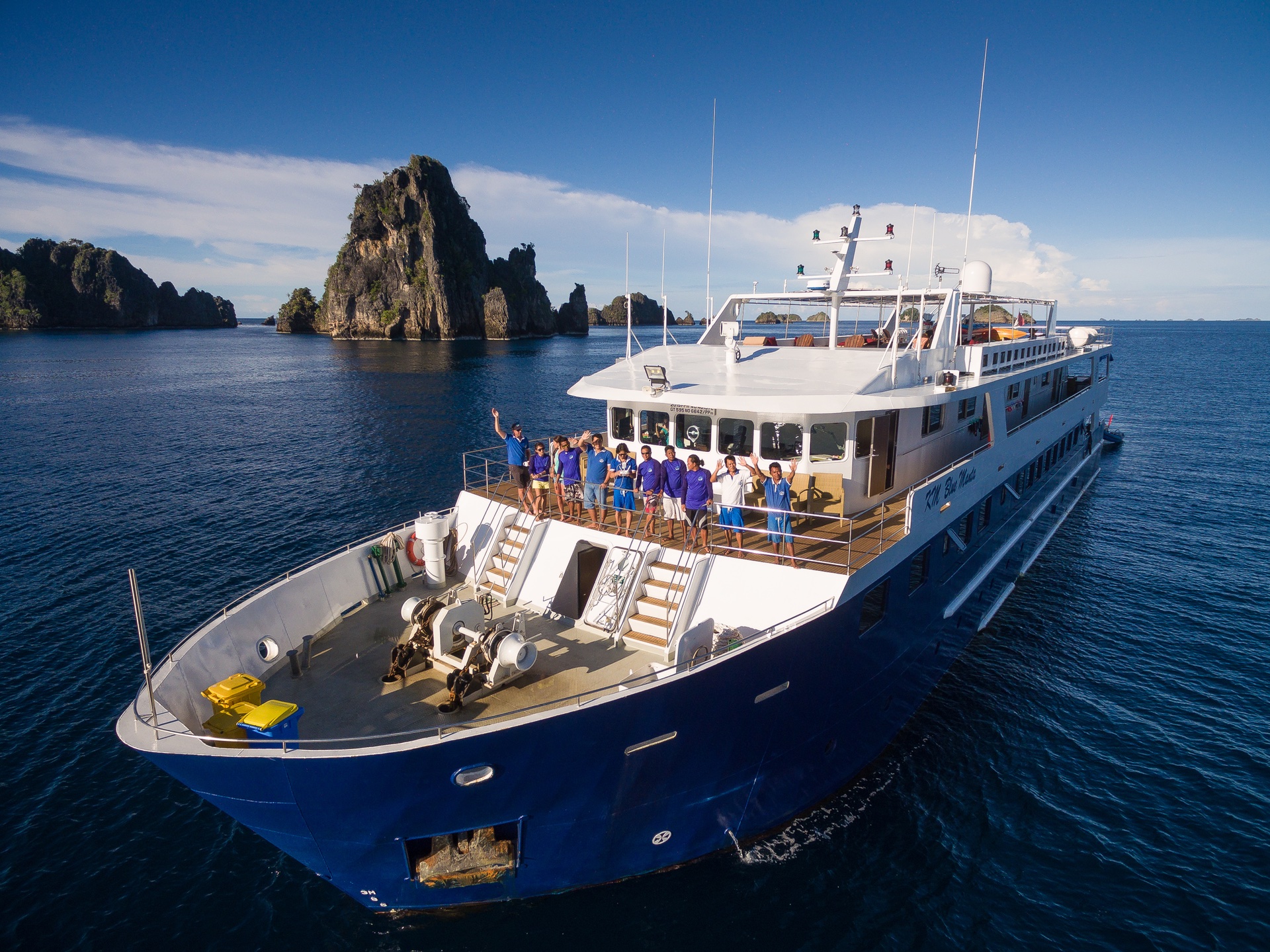
Blue Manta
Indonesia
20 guests45 m
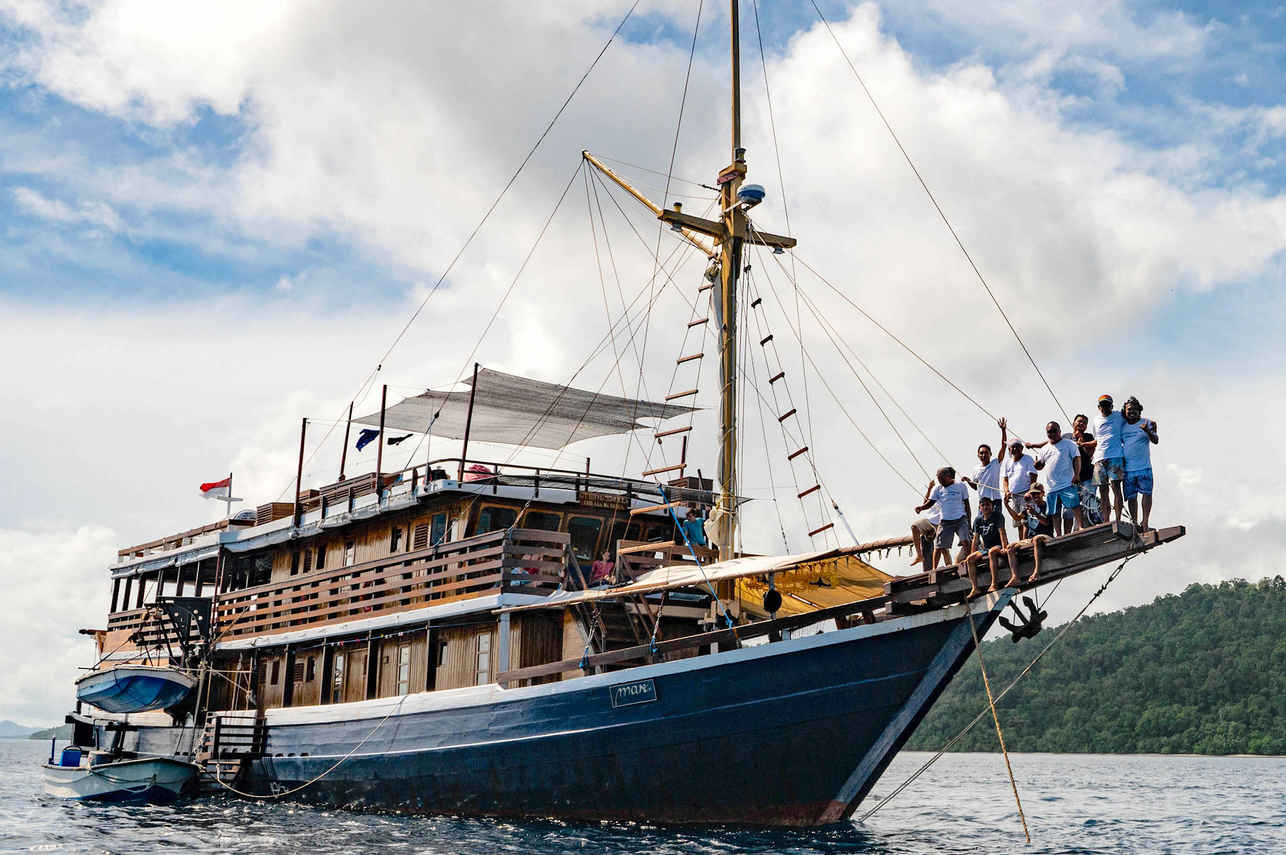
Mari
Indonesia
14 guests32.2 m
$329/day
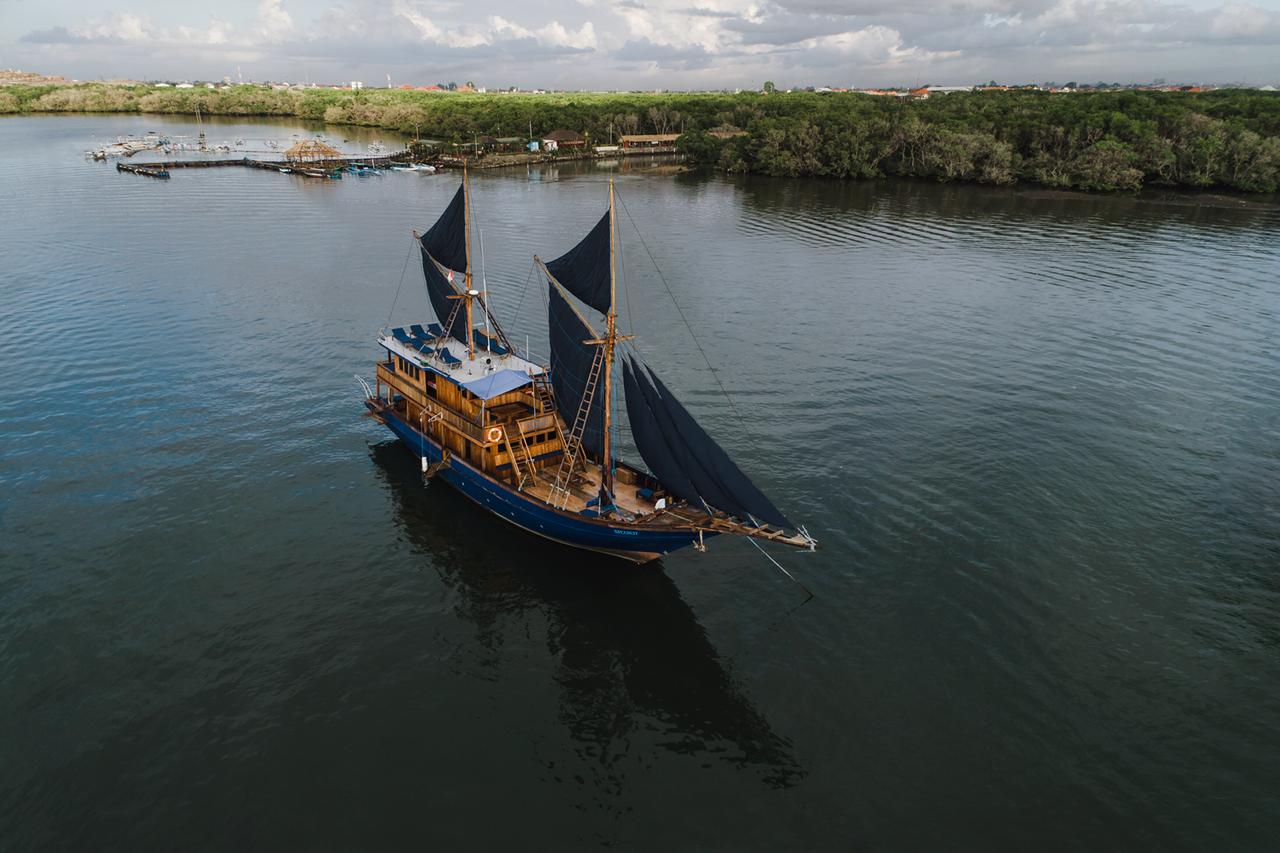
Situju7
Komodo, Indonesia
10 guests32.7 m
$362/day
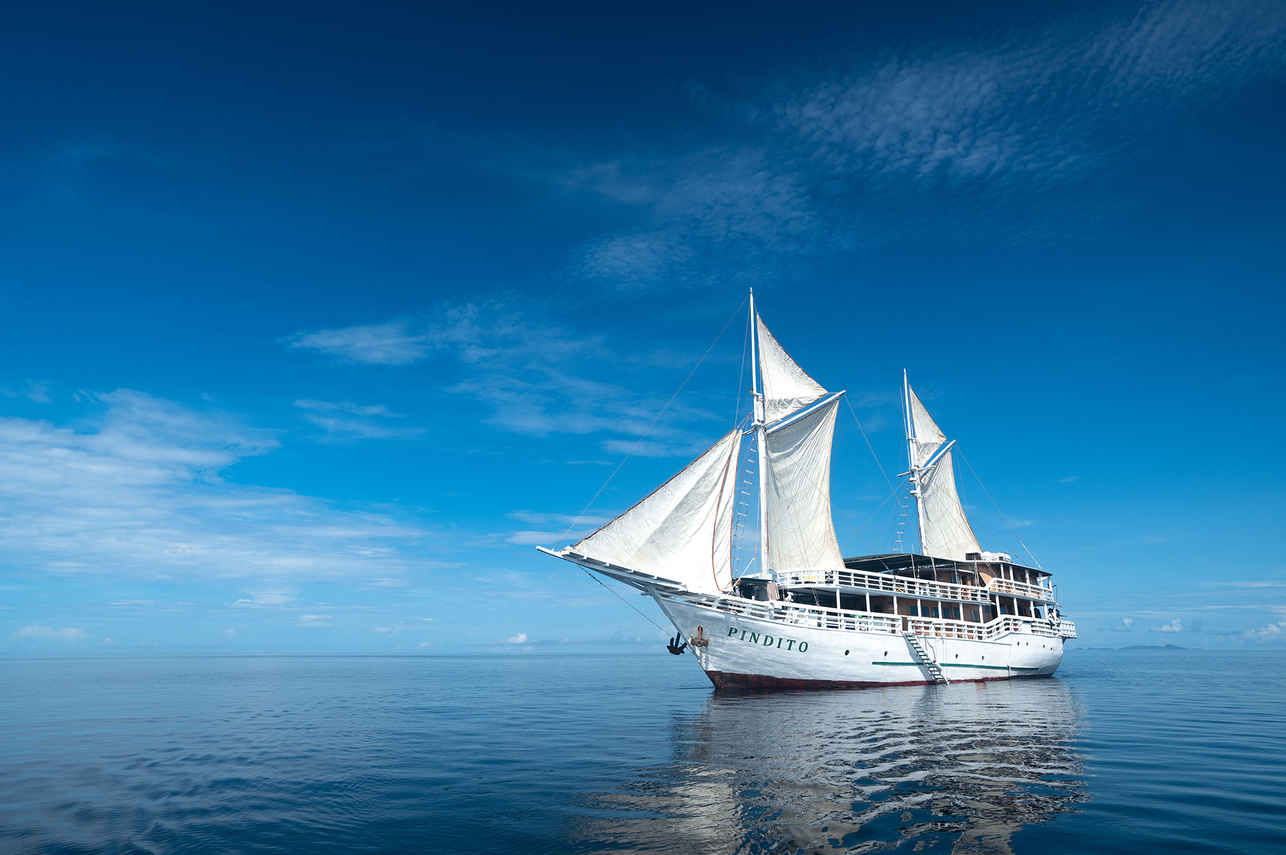
Pindito
Indonesia
16 guests37.79 m
$533/day
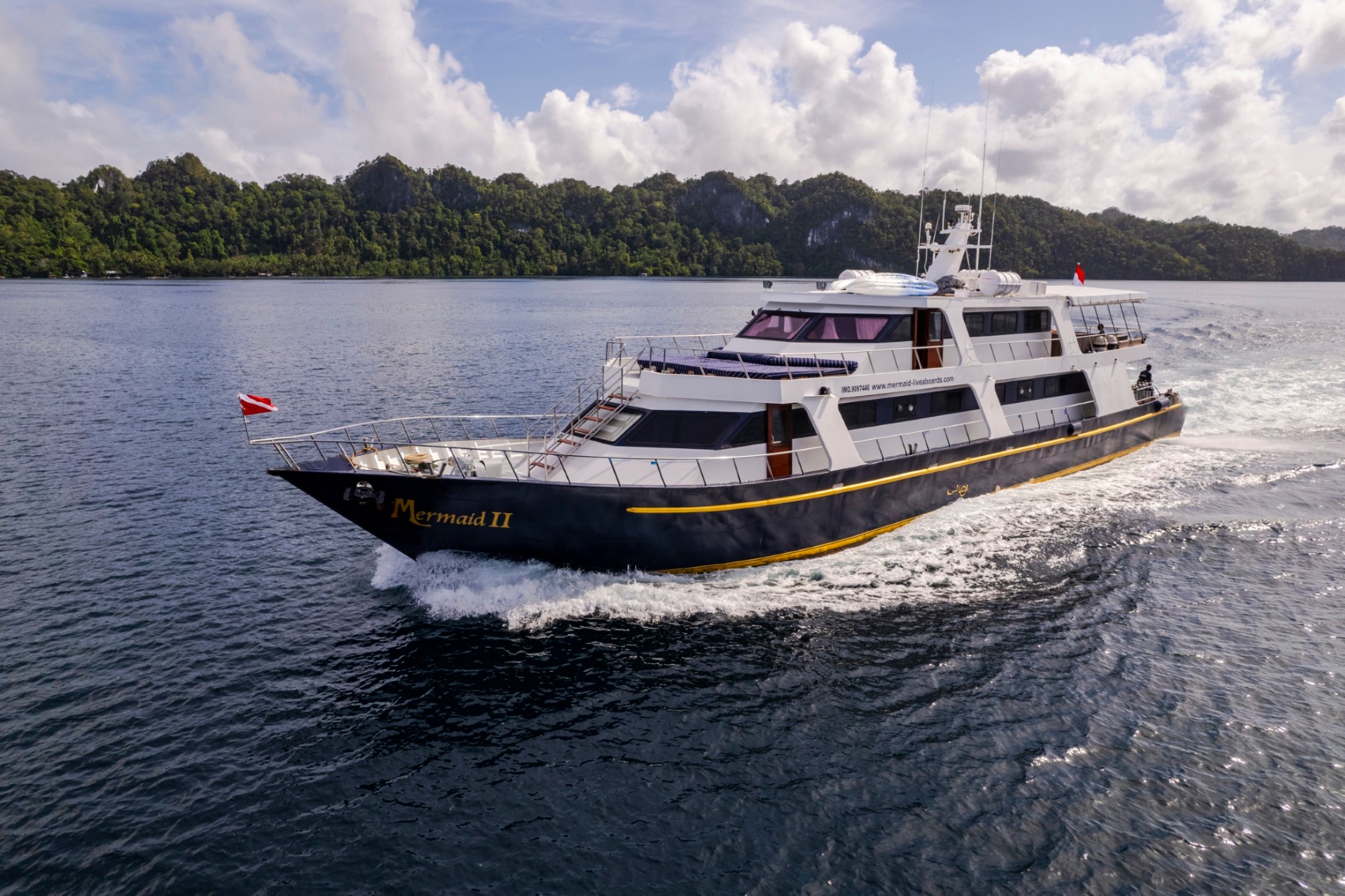
Mermaid II
Komodo, Indonesia
18 guests
$356/day
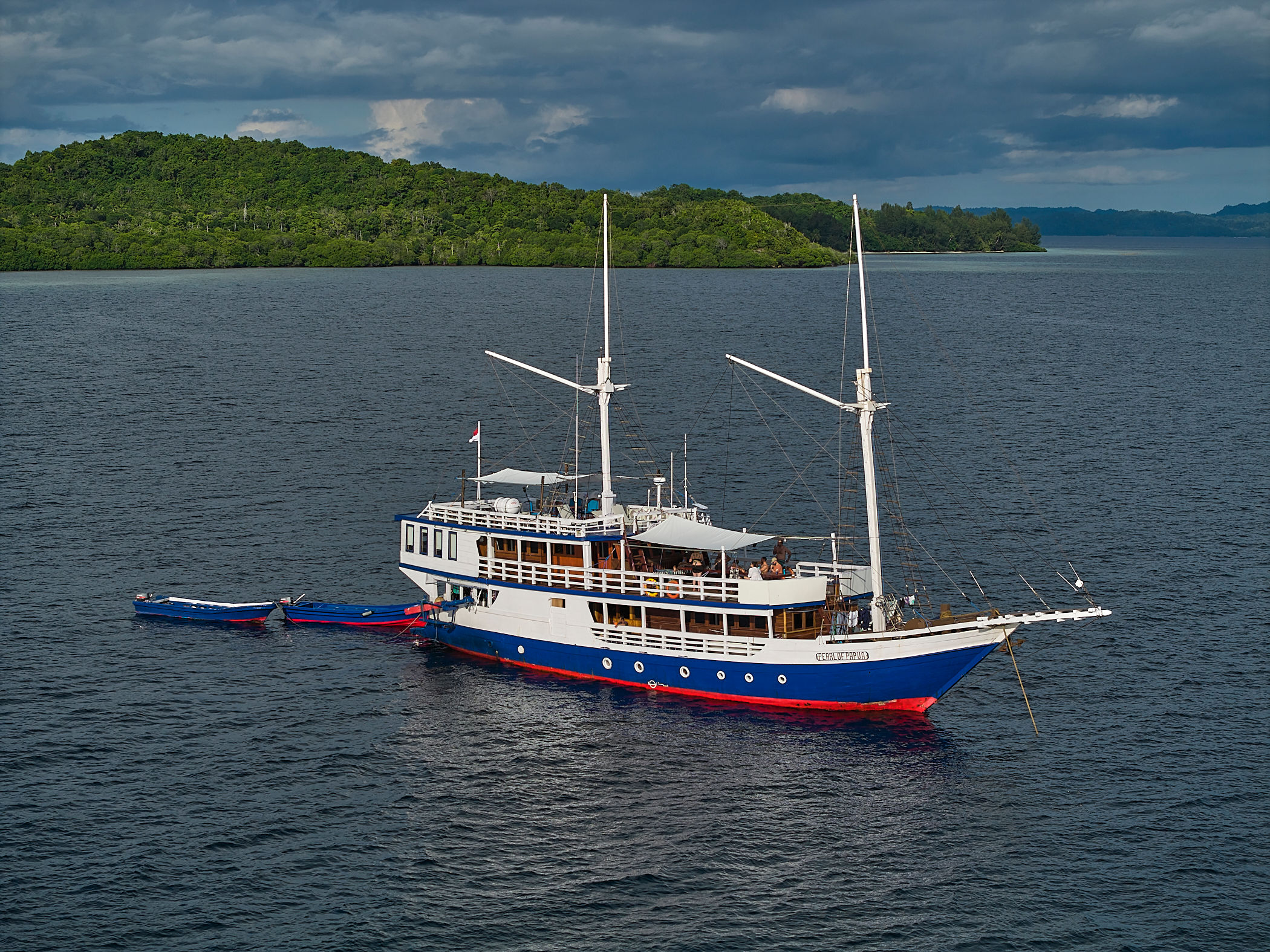
Pearl of Papua
Raja Ampat, Indonesia
14 guests30 m
$303/day
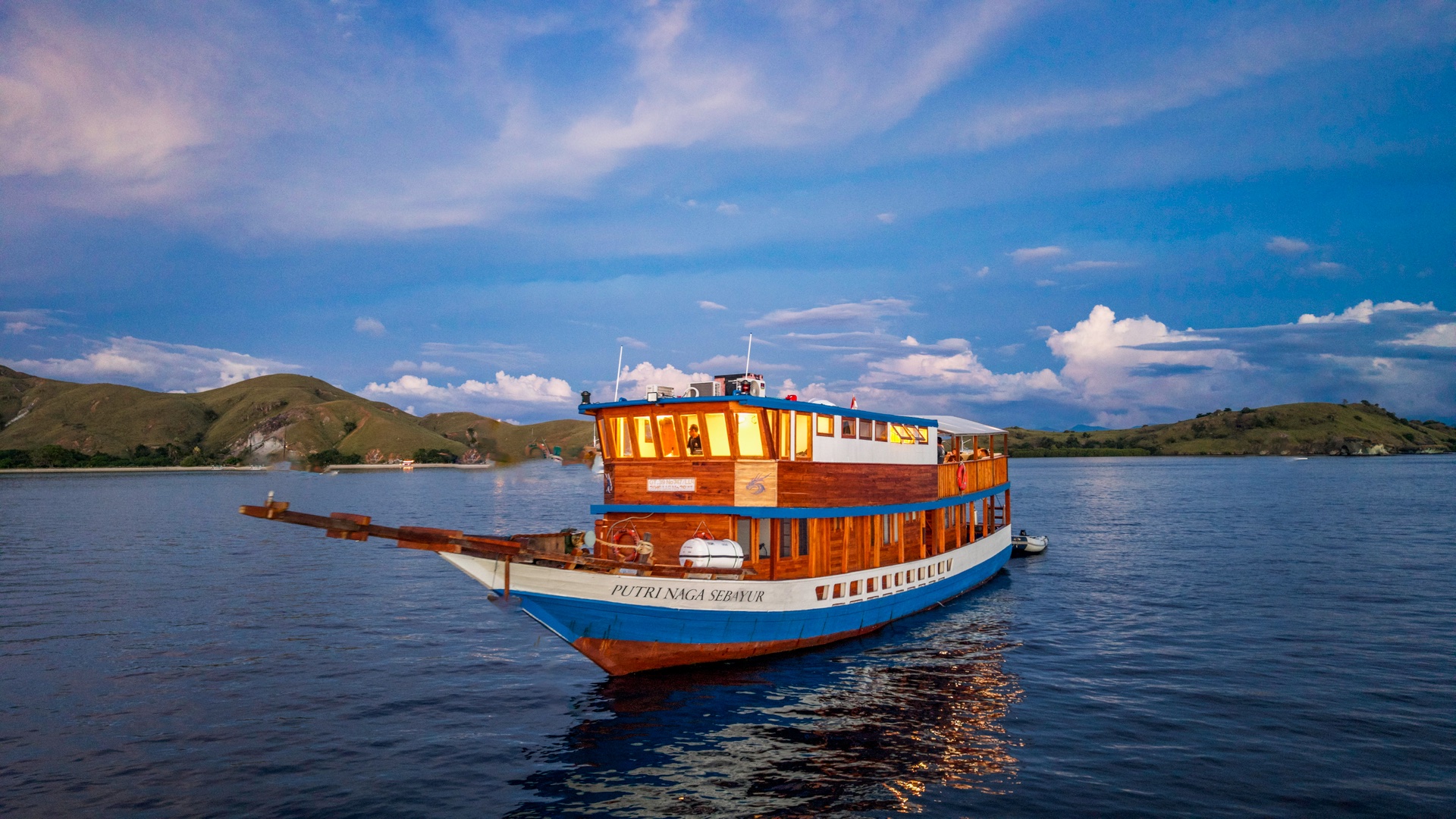
Putri Naga
Komodo, Indonesia
6 guests25 m
Dive sites similar to Moyo Island
Same character, same waters — six more sites divers love for the exact same reasons.Compare seasons, access and liveaboard routes — then pick the site that fits your trip best.
© Esri — Maxar, Earthstar, GIS
Mawali Wreck
Indonesia
The Mawali Wreck, a Japanese cargo ship, rests on its side in the Lembeh Strait, off the northern coast of Sulawesi.
- Suitable for
- Advanced
- Current
- Mild
- Access
- Liveaboard only
- Depth
- 25–40 m
- Theme
- Wreck / Reef
Aljui Bay, located in Raja Ampat's remote northern reaches, was discovered as a premier snorkeling and diving destination by chance in 2011. This bay, situated within the broader…
- Suitable for
- Beginner
- Current
- Mild
- Access
- Liveaboard only
- Depth
- ≤ 20 m
- Theme
- Reef
Babylon is a captivating dive site located in the Alor Sea, renowned for its exceptional visibility and vibrant marine ecosystem.
- Suitable for
- Intermediate
- Current
- Strong
- Access
- Liveaboard or dayboat
- Depth
- 3–20 m
- Theme
- Reef / Wall
Wakatobi, an acronym for the islands of Wangi-Wangi, Kaledupa, Tomia, and Binongko, lies in Southeast Sulawesi, Indonesia, at the heart of the Coral Triangle.
- Suitable for
- Beginner
- Current
- No current
- Access
- Liveaboard only
- Depth
- 5–30 m
- Theme
- Wall / Reef
© Esri — Maxar, Earthstar, GIS
Cornucopia
Indonesia
Cornucopia, aptly named the 'horn of plenty,' is celebrated as Wakatobi's most spectacular wall dive, offering a diverse and nutrient-rich underwater environment.
- Suitable for
- Intermediate
- Current
- Mild
- Access
- Liveaboard only
- Depth
- 5–40 m
- Theme
- Reef
© Esri — Maxar, Earthstar, GIS
Raymond’s Point
Indonesia
Raymond's Point is a distinguished dive site located south of Mike's Point within the Bunaken National Marine Park, renowned for its dramatic vertical wall.
- Suitable for
- Advanced
- Current
- Strong
- Access
- Dayboat
- Depth
- 5–35 m
- Theme
- Reef / Wall