About Manuk
Manuk Island, often referred to as the "Island of Snakes," is a remote volcanic outcrop in the Banda Sea, part of Indonesia's 'Ring of Fire'. This isolated location, along with Gunung Api, is particularly famous for its dense aggregations of sea snakes, offering divers a truly unique interaction with these inquisitive creatures year-round. Beyond its reptilian residents, Manuk is a site of significant pelagic activity, situated on a submerged volcanic structure rising from depths of 4,500 to 6,000 meters. The underwater topography of Manuk features steep drop-offs, walls, and sloping reefs that are swept by currents, decorated with pristine hard corals, large sea fans, and giant sponges. The unique geology supports a rich and healthy reef ecosystem, described as what much of the Coral Triangle aspired to before climate change. The combination of deep-water upwellings and volcanic influence creates an environment that attracts a wide range of marine life. While the sea snakes are a primary draw, divers frequently encounter schools of reef fish, groupers, tuna, and various sharks, including hammerheads, especially at sites like Manuk Ridge and Palm Point. Mobula rays are also sighted here. Diving Manuk is typically part of a liveaboard itinerary through the Banda Sea, which is only accessible during specific weather windows due to its open-ocean exposure. These trips often connect Raja Ampat and Komodo, offering an adventurous diving experience for those comfortable with currents and deeper waters. Liveaboard routes typically include Manuk after visiting the central Banda Islands, making it a key highlight of a Banda Sea exploration. The site provides a distinct pelagic diving experience on the edge of a deep-water feature, characterized by clear blue water and the potential for exceptional big animal encounters.
Highlights
Abundant sea snake aggregationsPotential hammerhead shark sightingsVolcanic island topographyPristine hard coral reefsMobula ray encountersPelagic actionRemote 'Ring of Fire' location
Season calendar
Best months to dive here
Jan
Feb
Mar
Apr
May
Jun
Jul
Aug
Sep
Oct
Nov
Dec
Good
Dive site facts: Manuk
- Current
- Strong currents possible
- Visibility
- Excellent (20-30m+)
- Water temperature
- 28–30°C
- Entry
- Liveaboard tender / negative entry likely
- Level
- Advanced, comfortable with currents
- Dive type
- Pelagic, reef, volcanic
- Region / port
- Banda Sea, Indonesia
- Coordinates
- 4.3210° S, 129.9800° E
Conditions & Currents
Diving at Manuk Island involves current-swept pinnacles and reefs, requiring divers to be comfortable with dynamic water movement. The island is an offshore seamount, meaning sites often rise from very deep water, and currents can be a significant factor due to the deep-water bathymetry and open ocean exposure. Visibility is typically very good, often exceeding 20-30 meters, as there are no rivers or lakes to introduce sediment. Water temperatures are generally warm, ranging from 28 to 30 degrees Celsius during the peak season, potentially slightly warmer near the active volcanic substrate. Divers should anticipate drift diving scenarios and be prepared for potential thermoclines depending on the specific site and depth, though this is not explicitly stated as a common feature for Manuk itself. Entry and exit strategies will typically involve liveaboard tenders and may require negative e
Marine life & sighting chances
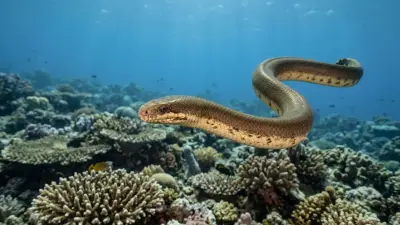
Olive sea snake
Year-round · common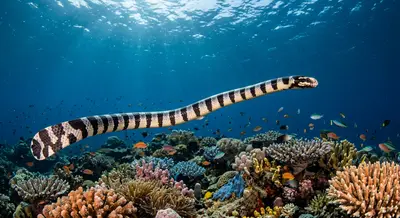
Banded sea krait
Year-round · common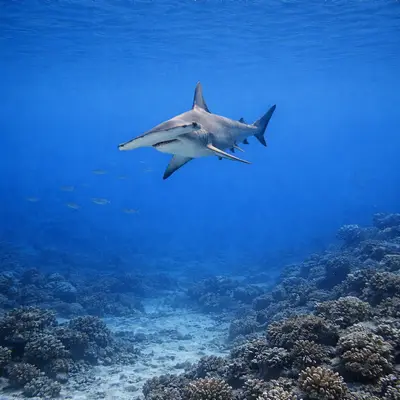
Hammerhead shark
March-April, September-November · occasional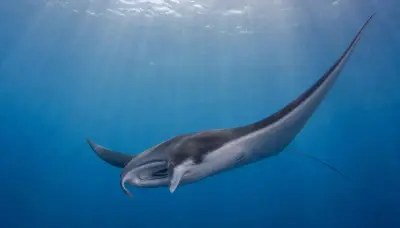
Mobula ray
March-April, September-November · occasional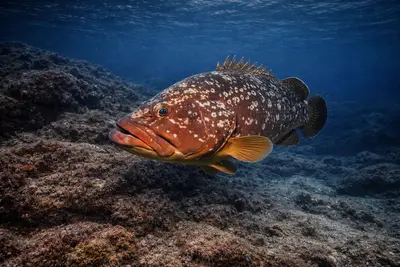
Grouper
commonSchooling fish
common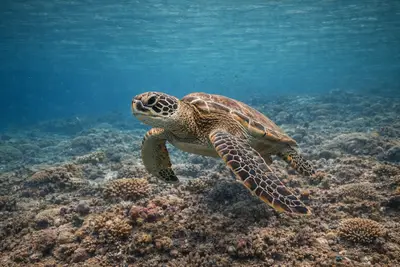
Turtle
occasional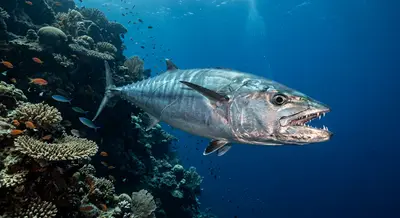
Tuna
occasional
Reef shark
March-April, September-November · occasional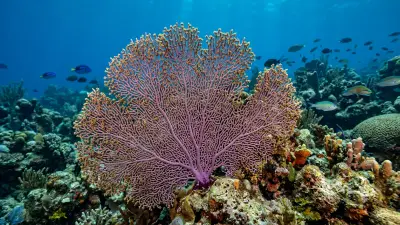
Sea fan
common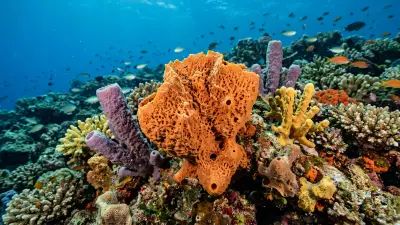
Giant sponge
common
Hard coral
commonDive profile & how the dive runs
Diving at Manuk typically involves exploring pinnacles and walls that plunge into very deep water. After a tender drop, divers often descend quickly, potentially using a negative entry, to reach the reef at sites like Manuk Ridge or Palm Point. The dive profile is often current-dependent, following the reef's contour or traversing a seamount. A common route might involve drifting along a steep drop-off adorned with vibrant hard corals, sea fans, and sponges, while keeping an eye out into the blue for pelagic encounters such as hammerhead sharks and mobula rays. Constant vigilance for the numerous olive and banded sea snakes is also a key part of the experience, as they can be inquisitive. Divers will gradually ascend along the reef, with the safety stop typically conducted in the shallower, current-protected areas if available, or as a mid-water stop in the blue. Due to the pelagic nature and potential for strong currents, accurate buoyancy control and gas management are crucial throughout the dive.
Underwater photography
Manuk Island offers excellent opportunities for both wide-angle and macro photography, though wide-angle is often preferred to capture the pelagic action and extensive reefscapes. For wide-angle, consider a rectilinear wide-angle lens to capture the vast coral formations, deep walls, and schools of fish. Strobes are essential to bring out the vibrant colors of the hard corals and to illuminate subjects in deeper water or against the blue. Be prepared for strong currents, which can make framing challenging; a steady hand and good buoyancy are critical. For the sea snakes, a mid-range macro or standard port setup can be effective for capturing their curious interactions. Maintain respectful distance from marine life, especially the sea snakes, allowing them to approach on their own terms if they choose. Fast shutter speeds may be necessary to freeze the action of pelagic encounters.
Combine with nearby dive sites
Getting there & logistics
Access to Manuk Island is exclusively via liveaboard, typically as part of an extended Banda Sea or Forgotten Islands itinerary. These trips often embark or disembark from Ambon or sometimes Kupang/Maumere. Common starting points are airports like Pattimura Airport (AMQ) in Ambon. Trip durations usually range from 11 to 14 nights, allowing sufficient time to traverse the open ocean between various remote sites. Manuk is often included in routes that combine the central Banda Islands, offshore seamounts, and sometimes the Forgotten Islands chain. The journey across the Banda Sea can involve significant open-ocean crossings, requiring specific weather windows, usually during the inter-monsoon periods. There are typically no separate site-specific fees for Manuk beyond the overall liveaboard package, which includes permits and diving services.
Safety & environment
Diving at Manuk involves open-ocean conditions and potentially strong currents, demanding a high level of dive experience and excellent buoyancy control. Divers should ensure they have comprehensive dive insurance that covers emergency medical evacuation, as Manuk is extremely remote. The nearest recompression chambers would be in major regional centers like Ambon, requiring significant evacuation time in case of a serious incident. Divers must adhere strictly to dive leader instructions, especially concerning currents and safety stop procedures in blue water. While sea snakes are abundant and curious, they are generally not aggressive unless provoked; maintaining a respectful distance and avoiding sudden movements is key. Due to the remote nature, self-sufficiency in gear and a well-stocked first aid kit on the liveaboard are crucial.
Who it suits — and who it doesn't
Suited for
- Experienced liveaboard divers
- Divers comfortable with strong currents
- Marine life enthusiasts seeking pelagic encounters
- Underwater photographers targeting wide-angle and sea snakes
- Those looking for pristine, remote diving
Less suited for
- Beginner divers or those without current experience
- Divers prone to seasickness on open-ocean crossings
- Macro-only photographers (as primary focus)
- Divers with limited bottom time endurance
- Those preferring sheltered, calm dive sites
FAQ
Manuk FAQ
What marine life can I expect to see at Manuk?
Manuk Island is most famous for its extraordinary aggregations of sea snakes, including olive and banded sea kraits, which are commonly encountered. Beyond the snakes, divers also have a good chance of spotting pelagic species like hammerhead sharks and mobula rays, especially at sites such as Manuk Ridge and Palm Point. The reefs are also home to various schooling reef fish, groupers, turtles, and occasional tuna.
When is the best time to dive Manuk Island?
The optimal times to dive Manuk are during the inter-monsoon seasons, specifically from March to April and again from September to early November. These periods offer the calmest surface conditions, which are essential for the extensive open-ocean crossings required to reach this remote volcanic island. Liveaboards typically schedule their Banda Sea itineraries to coincide with these windows.
Is diving at Manuk suitable for all experience levels?
Diving at Manuk Island is best suited for experienced divers, particularly those comfortable with strong currents and open-ocean conditions. The dive sites are often exposed pinnacles and walls that rise from very deep water, and currents can be significant. While it offers incredible marine life, less experienced divers or those not accustomed to challenging conditions may find it demanding.
How do I get to Manuk Island?
Manuk Island is only accessible via liveaboard as part of a Banda Sea or Forgotten Islands itinerary. These trips typically depart from or conclude in Ambon, often requiring flights into Pattimura Airport (AMQ). Due to its remote location and the vast distances involved, Manuk is usually part of longer liveaboard trips, often lasting 11 to 14 nights.
Are the sea snakes at Manuk dangerous?
The sea snakes at Manuk, primarily olive and banded sea kraits, are generally inquisitive rather than aggressive. They are venomous but bites are extremely rare, usually only occurring if they feel threatened or are handled. Divers should maintain a respectful distance, avoid sudden movements, and allow the snakes to approach or pass by naturally. Your dive guide will provide specific conduct rules for interacting with them.
Why dive Manuk from a liveaboard?
Manuk is one of Indonesia's signature dive sites. A liveaboard sleeps you on the water and puts you in the water for three to four guided dives per day, including dawn and night dives that day-boat operators rarely offer. You skip the daily commute back to port and reach quieter, less-crowded sites in the same region on a single trip.
Below are the liveaboards that include Manuk on their Indonesia itineraries.
Liveaboards diving Manuk
These liveaboards may visit Manuk on selected itineraries — the exact dive sites depend on departure, weather and conditions.
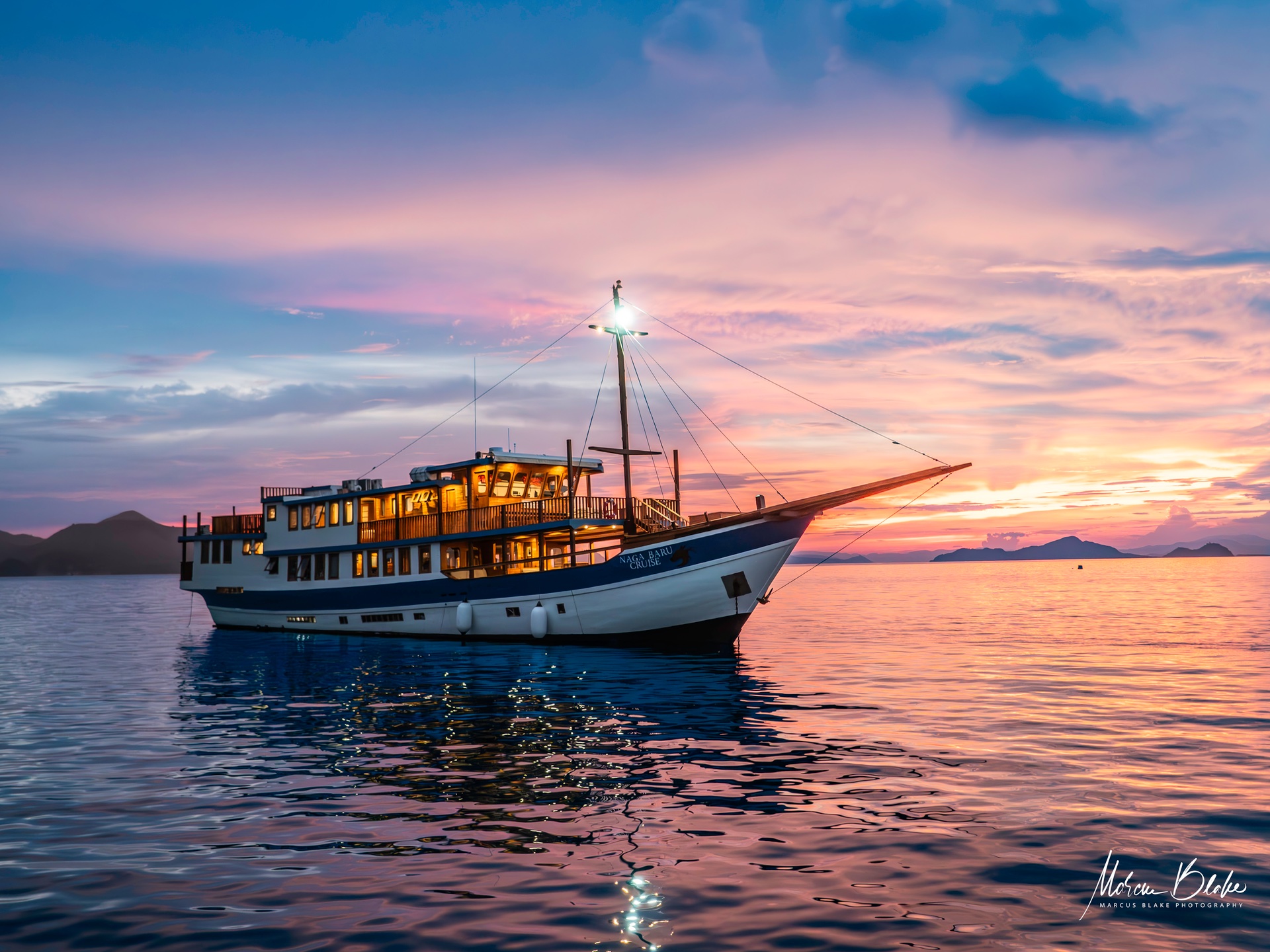
Naga Biru
Indonesia
12 guests40 m
$273/day
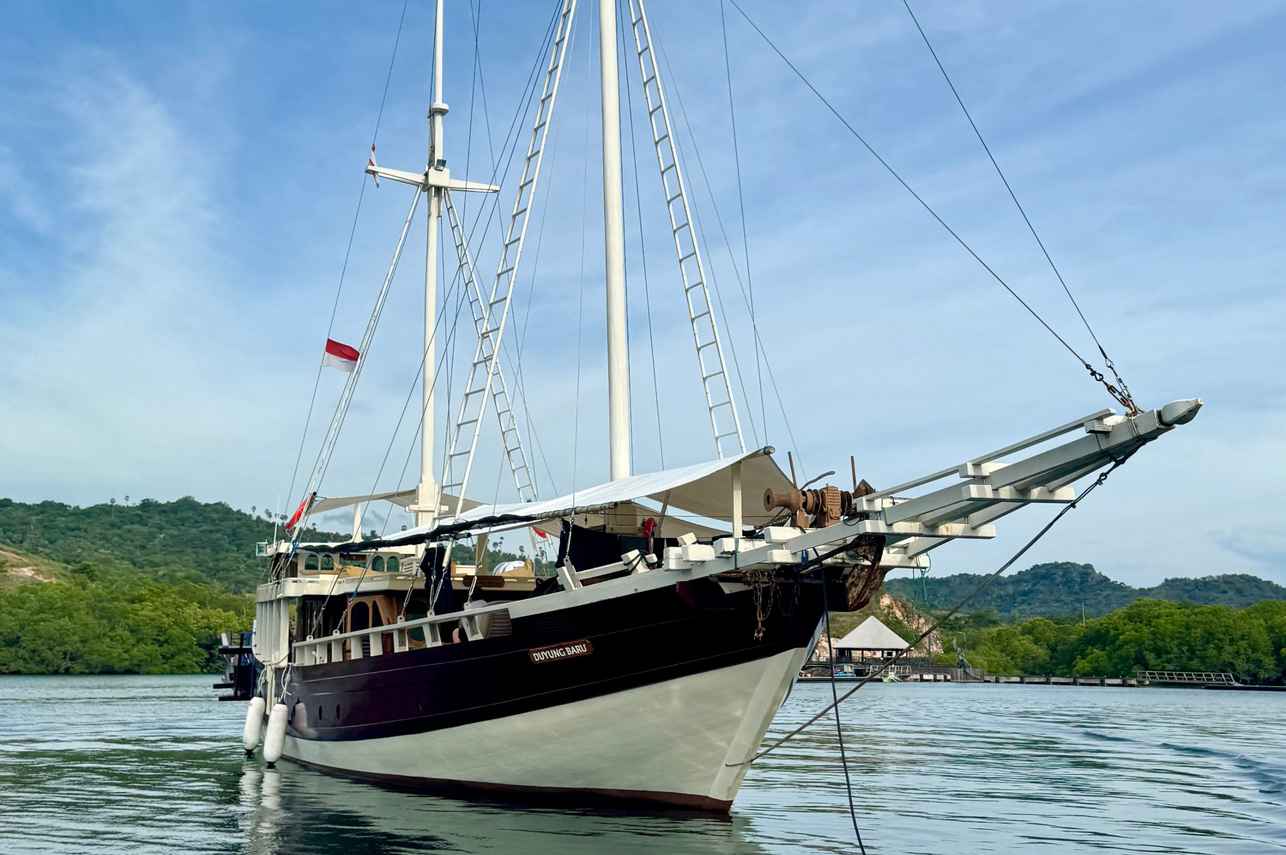
Ecopro Duyung Baru
Indonesia
6 guests27 m
$361/day
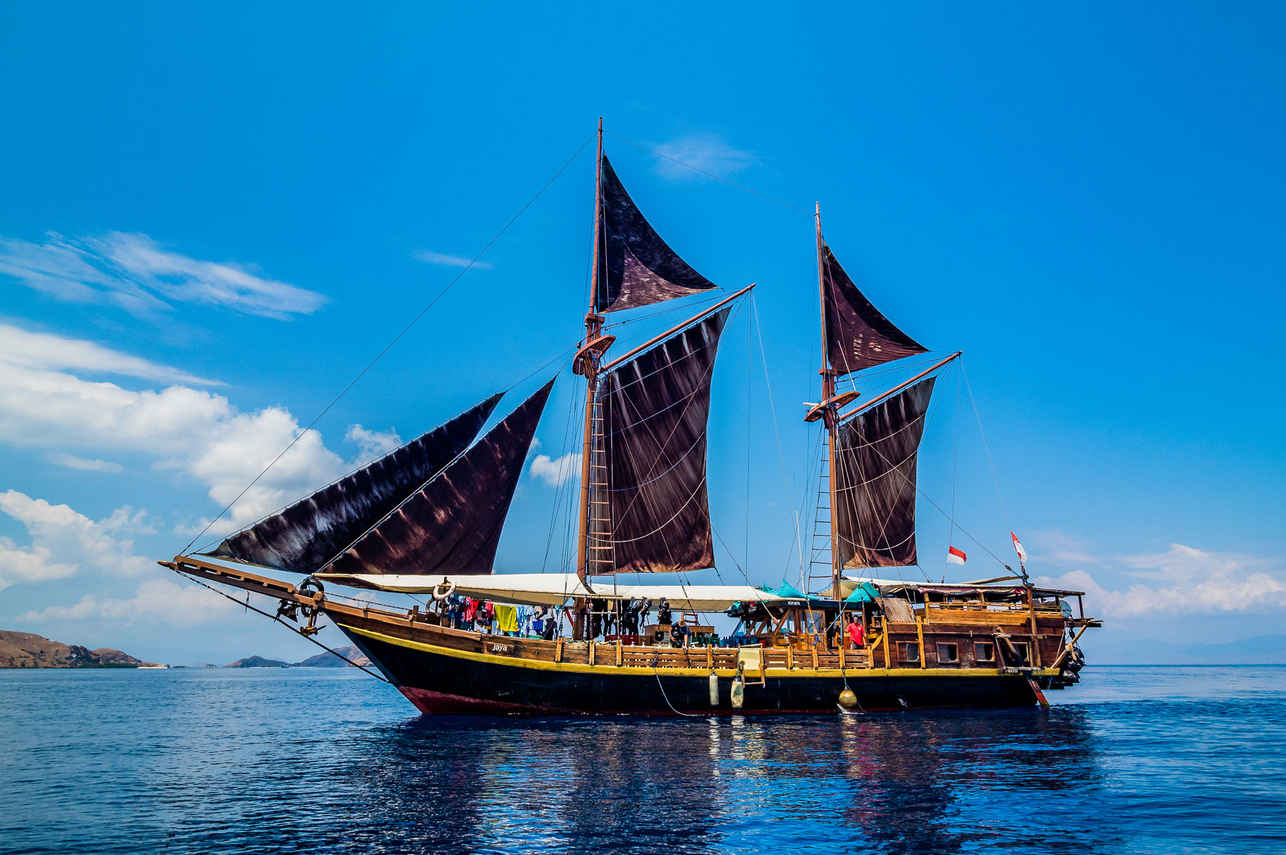
Jaya
Indonesia
14 guests23 m
$280/day
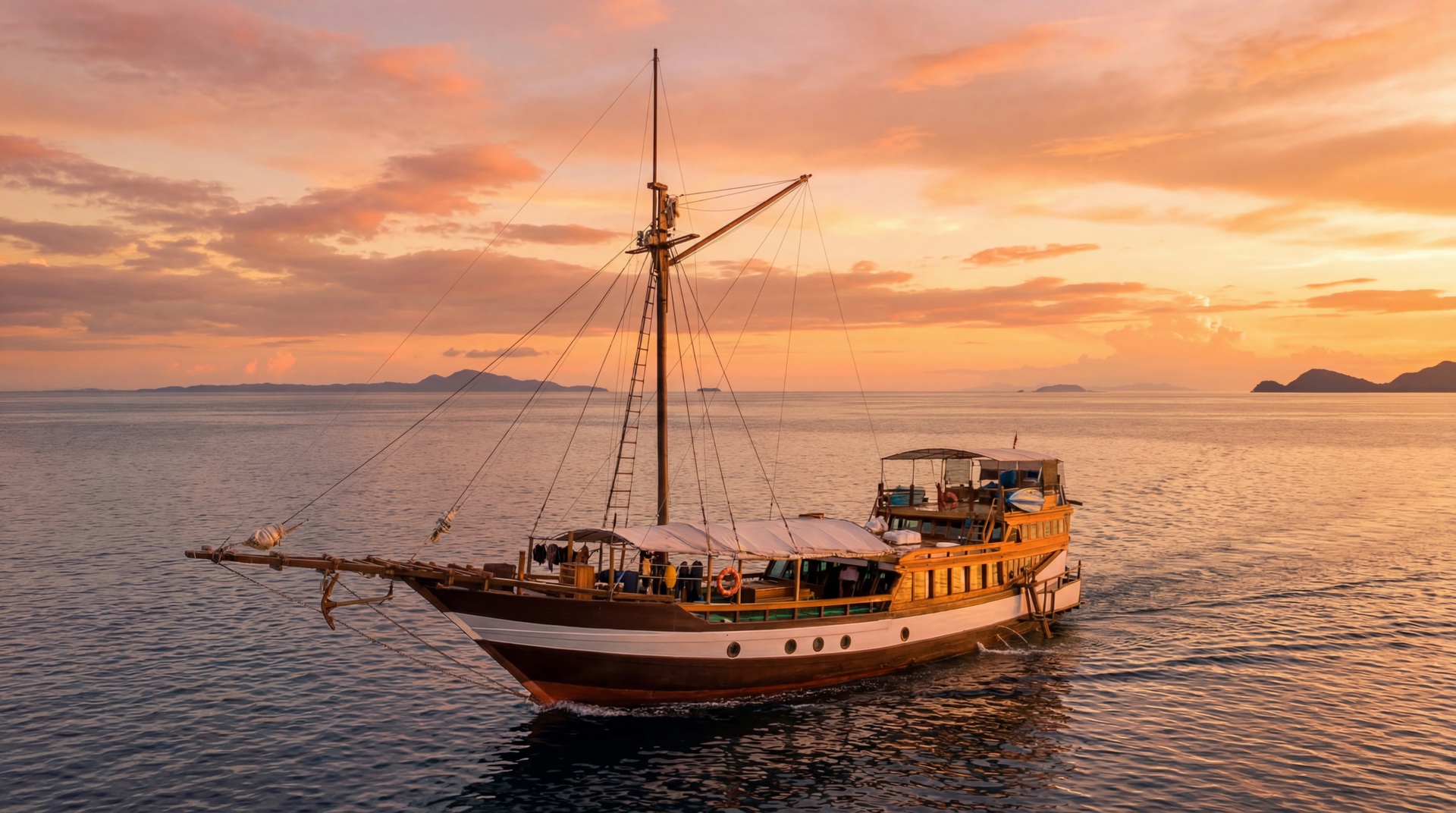
Wellenreng
Indonesia
9 guests25 m
$426/day
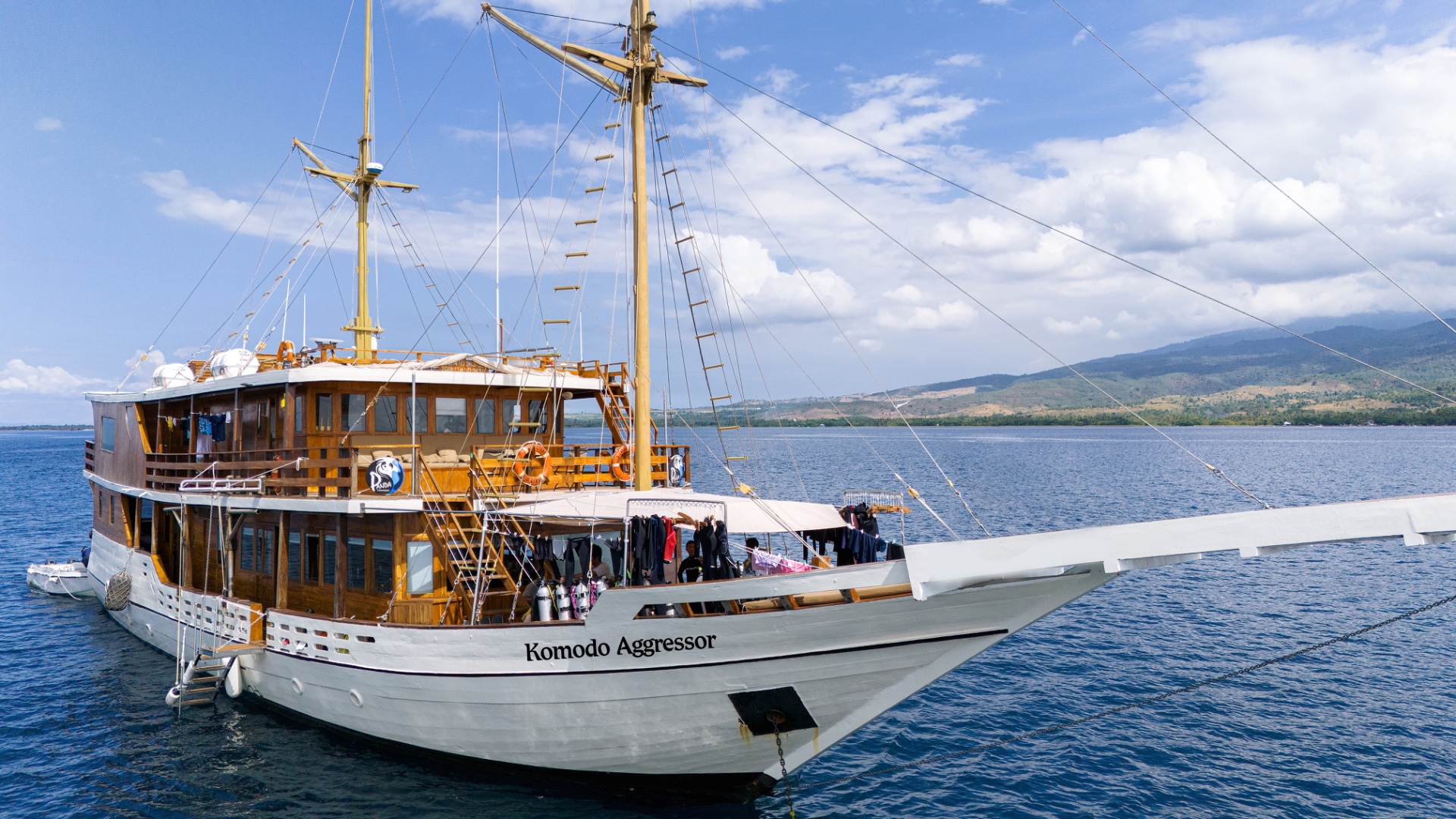
Komodo Aggressor
Komodo, Indonesia
16 guests29 m
$312/day
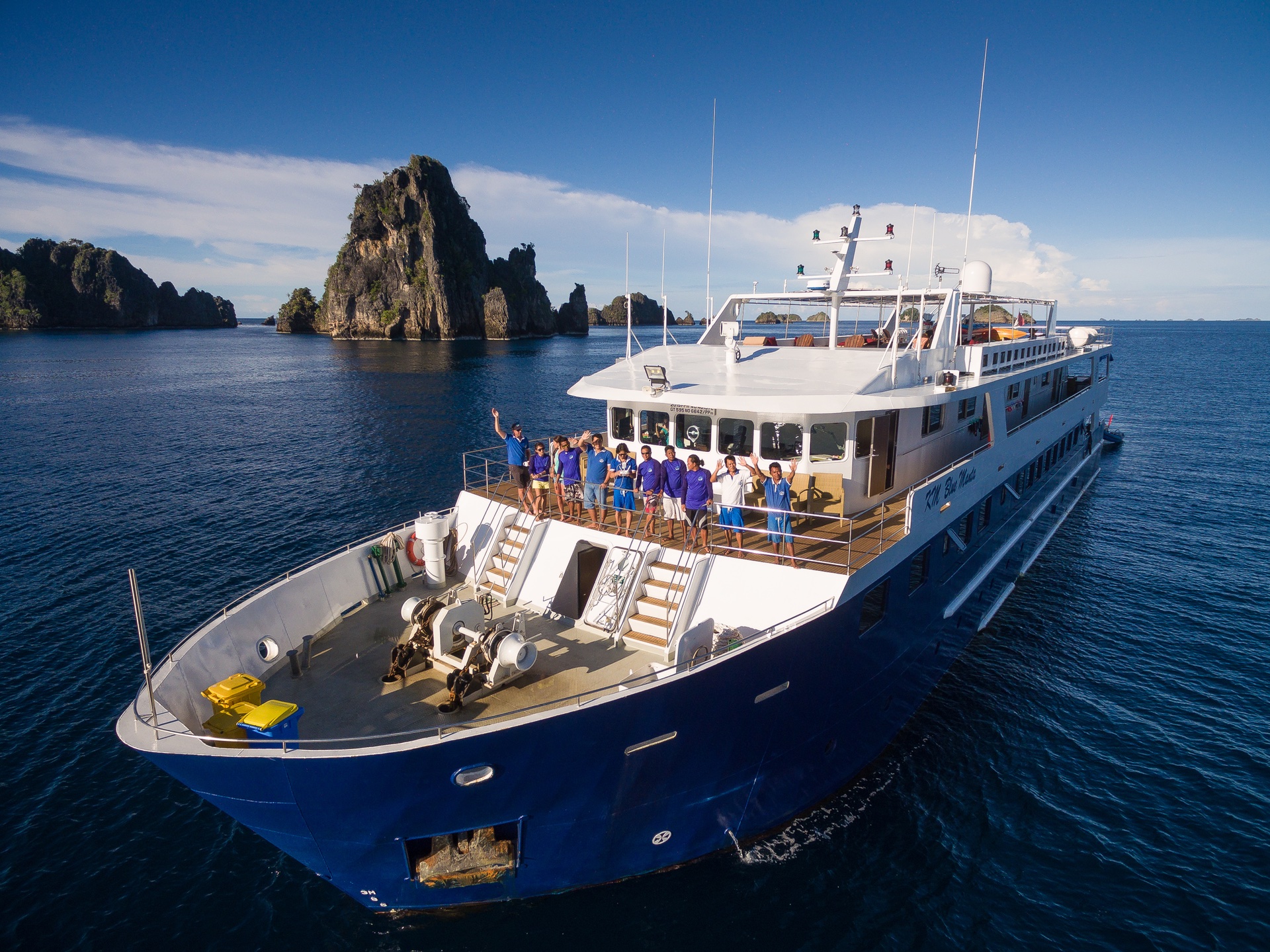
Blue Manta
Indonesia
20 guests45 m
$488/day
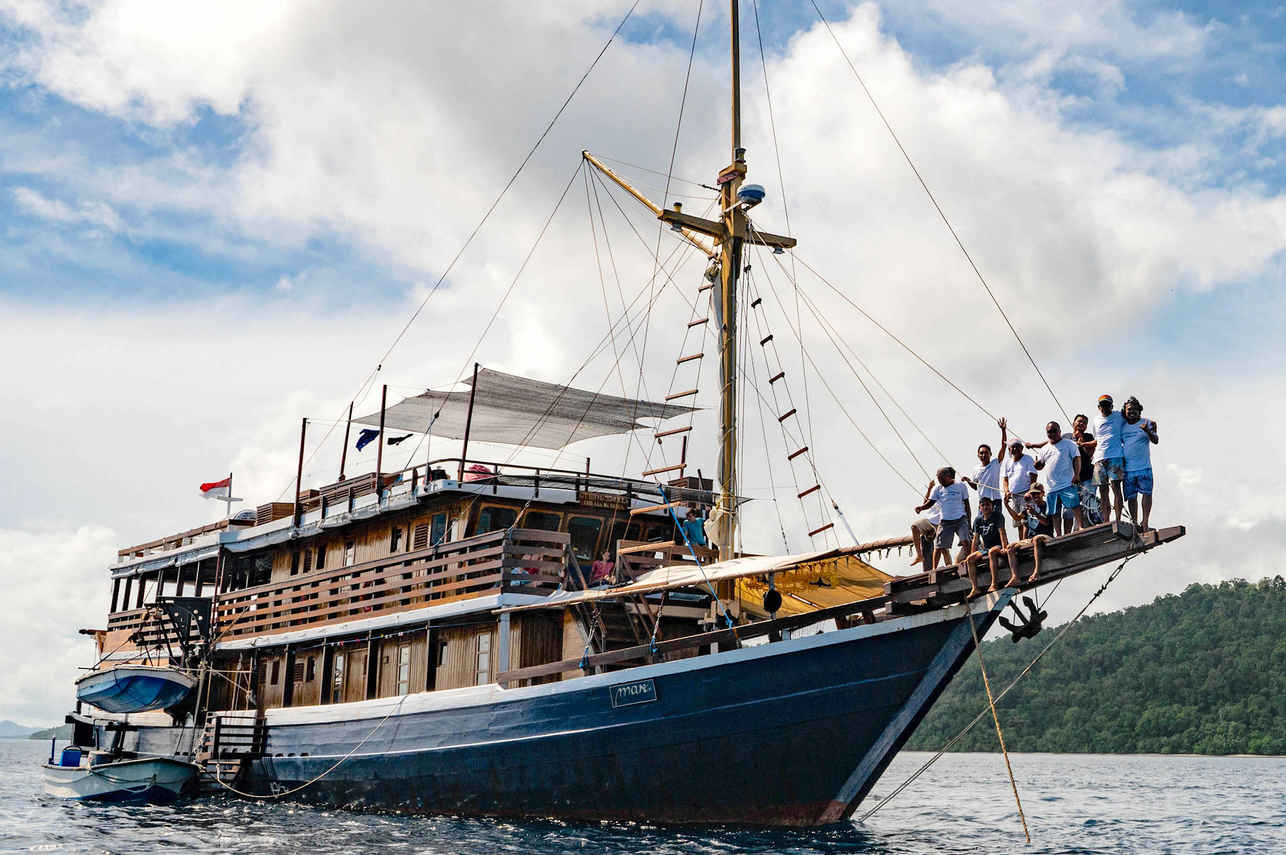
Mari
Indonesia
14 guests32.2 m
$327/day
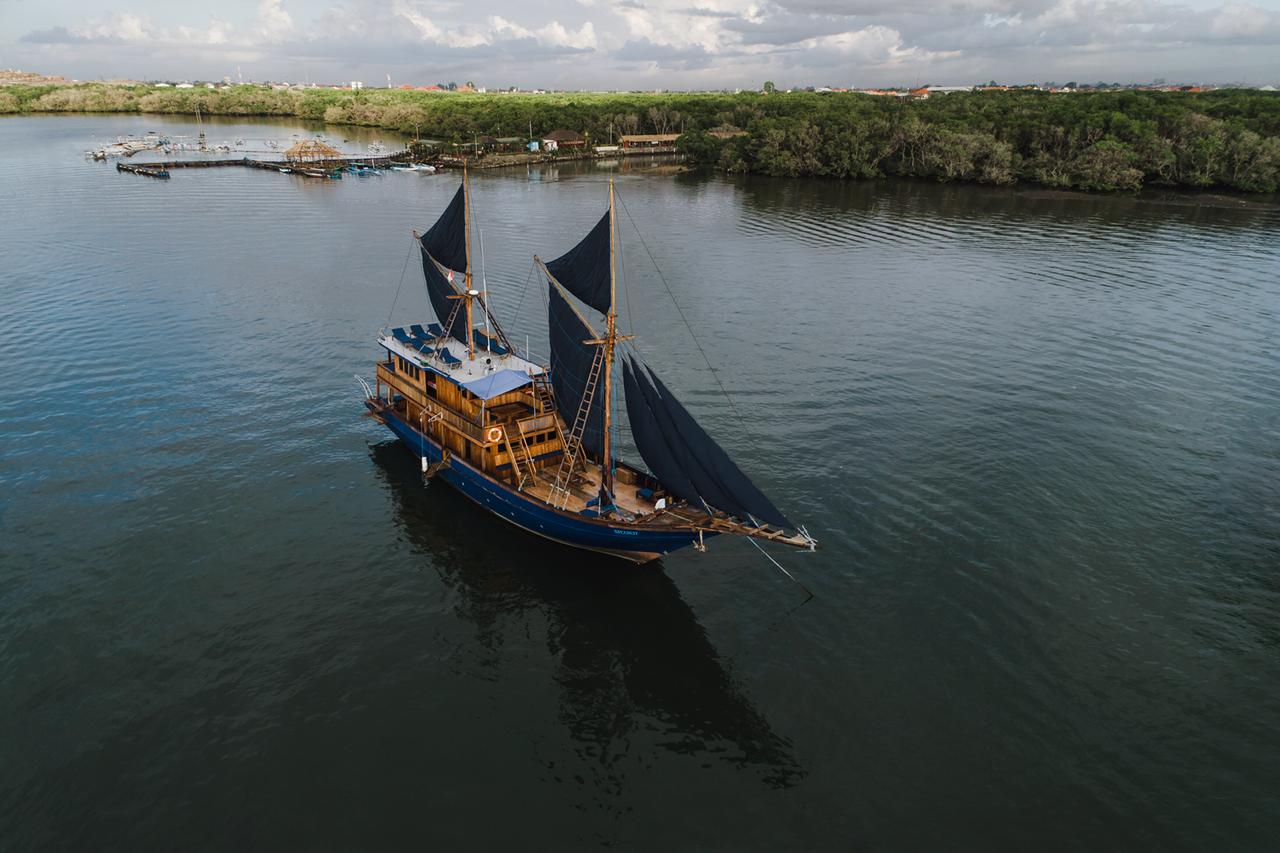
Situju7
Komodo, Indonesia
10 guests32.7 m
$362/day
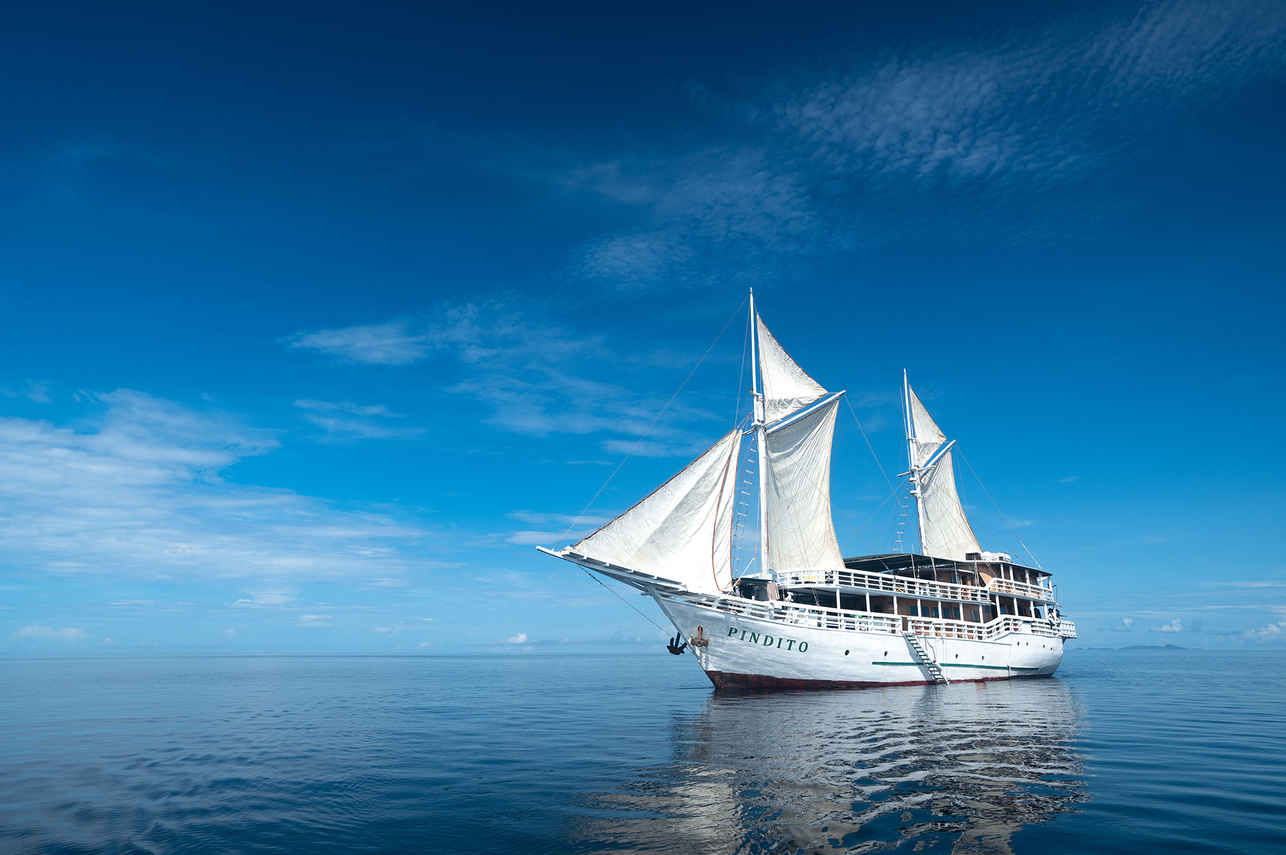
Pindito
Indonesia
16 guests37.79 m
$533/day
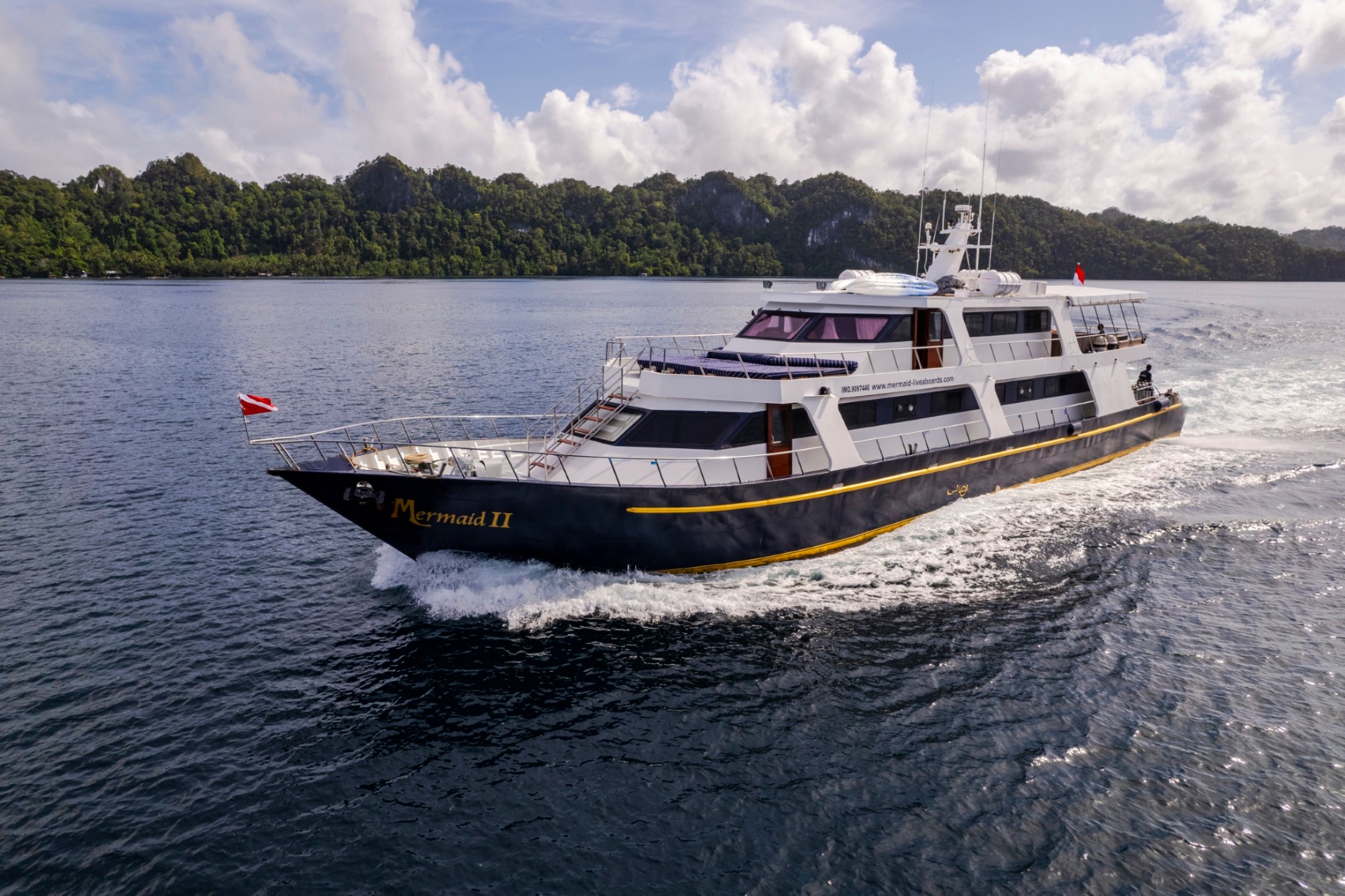
Mermaid II
Komodo, Indonesia
18 guests
$354/day
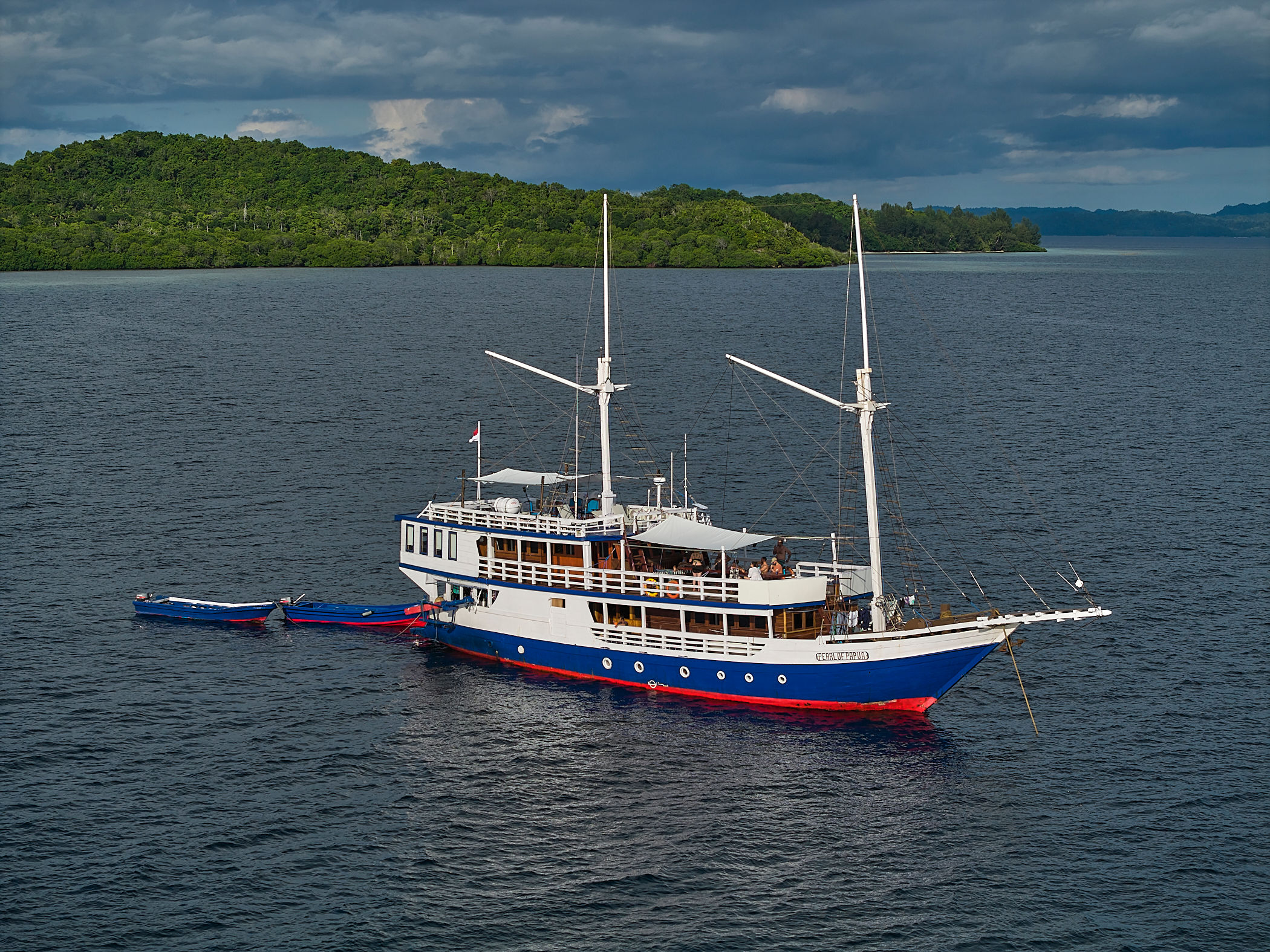
Pearl of Papua
Raja Ampat, Indonesia
14 guests30 m
$303/day
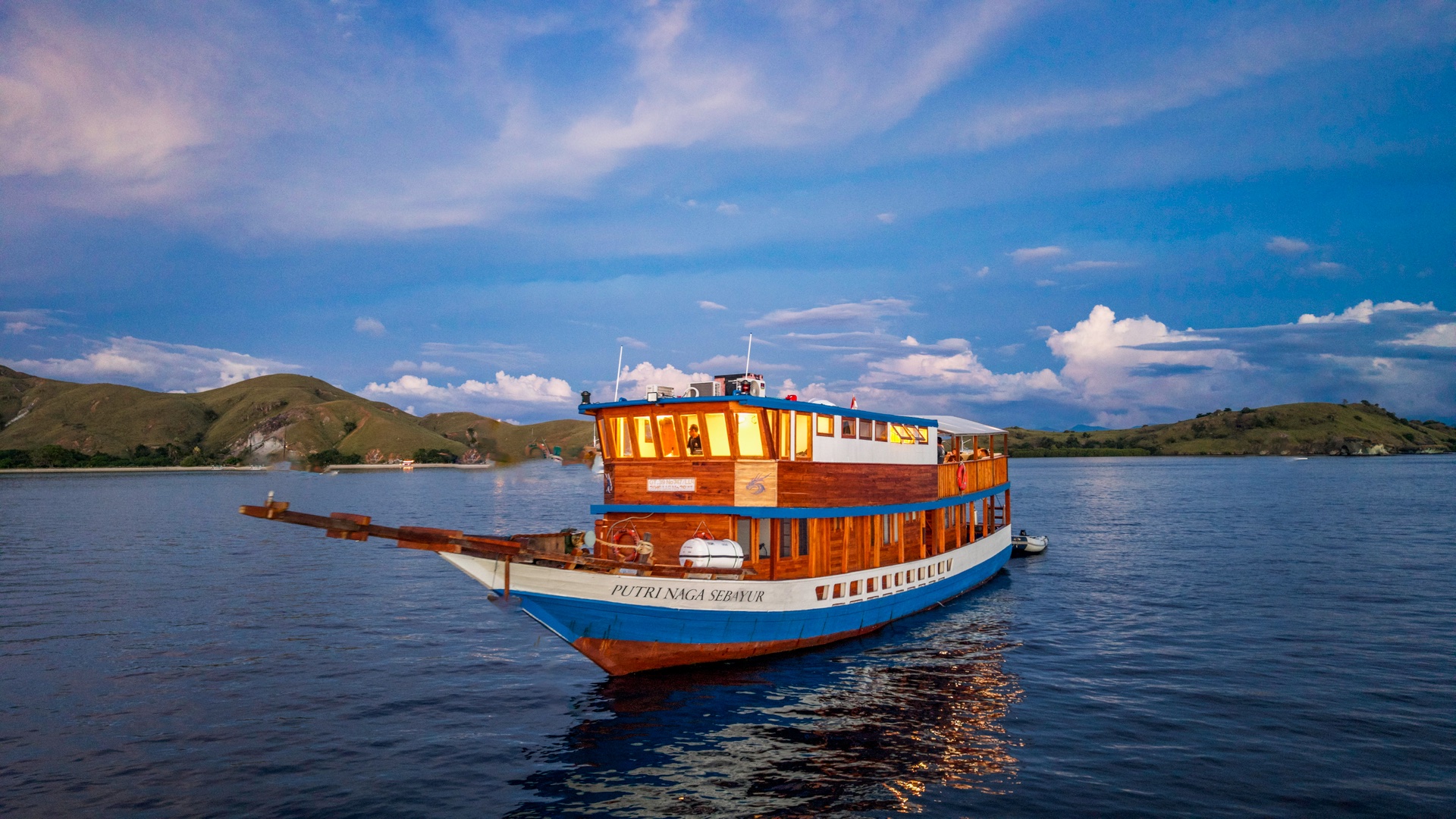
Putri Naga
Komodo, Indonesia
6 guests25 m
$222/day
Dive sites similar to Manuk
Same character, same waters — six more sites divers love for the exact same reasons.Compare seasons, access and liveaboard routes — then pick the site that fits your trip best.
© Esri — Maxar, Earthstar, GIS
Mawali Wreck
Indonesia
The Mawali Wreck, a Japanese cargo ship, rests on its side in the Lembeh Strait, off the northern coast of Sulawesi.
- Suitable for
- Advanced
- Current
- Mild
- Access
- Liveaboard only
- Depth
- 25–40 m
- Theme
- Wreck / Reef
Aljui Bay, located in Raja Ampat's remote northern reaches, was discovered as a premier snorkeling and diving destination by chance in 2011. This bay, situated within the broader…
- Suitable for
- Beginner
- Current
- Mild
- Access
- Liveaboard only
- Depth
- ≤ 20 m
- Theme
- Reef
Wakatobi, an acronym for the islands of Wangi-Wangi, Kaledupa, Tomia, and Binongko, lies in Southeast Sulawesi, Indonesia, at the heart of the Coral Triangle.
- Suitable for
- Beginner
- Current
- No current
- Access
- Liveaboard only
- Depth
- 5–30 m
- Theme
- Wall / Reef
© Esri — Maxar, Earthstar, GIS
Cornucopia
Indonesia
Cornucopia, aptly named the 'horn of plenty,' is celebrated as Wakatobi's most spectacular wall dive, offering a diverse and nutrient-rich underwater environment.
- Suitable for
- Intermediate
- Current
- Mild
- Access
- Liveaboard only
- Depth
- 5–40 m
- Theme
- Reef
© Esri — Maxar, Earthstar, GIS
Raymond’s Point
Indonesia
Raymond's Point is a distinguished dive site located south of Mike's Point within the Bunaken National Marine Park, renowned for its dramatic vertical wall.
- Suitable for
- Advanced
- Current
- Strong
- Access
- Dayboat
- Depth
- 5–35 m
- Theme
- Reef / Wall
Located in Tulamben Bay on Bali’s northeastern coast, Drop Off, also known as the Tulamben Wall, is a rewarding dive site recognized for its dramatic underwater landscape.
- Suitable for
- Intermediate
- Current
- Mild
- Access
- Shore / dayboat
- Depth
- 5–60 m
- Theme
- Muck diving / Reef