About Banda Neira Lava Flow
The Banda Neira Lava Flow dive site, located near the active Gunung Api volcano in Indonesia's Banda Sea, offers a remarkable testament to nature's resilience. Following the devastating 1988 eruption, which sent lava cascading into the sea and destroyed existing coral reefs, this area has been entirely recolonized by an incredible diversity of hard corals. What was once a barren, black volcanic landscape is now a vibrant, continuous carpet of coral, growing on the lava rock. This site showcases an extraordinary rapid recovery, with vast fields of healthy hard corals flourishing across the underwater slopes, hills, and canyons. The shallow areas are dominated by species like Acropora microphthalma and Acropora carduus, transitioning to Mycedium elephantotus and Mycedium robokaki at deeper levels. The coral coverage is dense and extends well past 35 meters, exhibiting excellent health with minimal bleaching or disease, a reflection of its remote location and limited human impact. Divers here experience a unique topography where the black lava substrate contrasts strikingly with the colorful, abundant coral growth. The site is a compelling example of ecological succession, demonstrating how life reclaims even the most devastated environments. While the coral is the main attraction, the thriving reef also supports a variety of reef fish, contributing to the site's rich biodiversity. Exploring the Banda Neira Lava Flow offers an immersive experience into a relatively young yet incredibly robust coral ecosystem, providing insights into the adaptive power of marine life within the nutrient-rich waters of the Coral Triangle.
Highlights
Post-eruption coral resilienceExtensive hard coral gardensUnique lava rock topographyDiverse Acropora speciesMycedium coral fieldsVolcanic underwater landscapeHigh coral coverage
Season calendar
Best months to dive here
Jan
Feb
Mar
Apr
May
Jun
Jul
Aug
Sep
Oct
Nov
Dec
Excellent
Good
Apr – Nov (Apr–Nov)
The dry season brings calm seas, 25–30m+ visibility, and strong currents that attract mantas, sharks, and pelagics to Komodo. Alor offers pristine reef diving with 20–40m visibility. Bali's Nusa Penida delivers Mola Mola encounters from July to October. Water temperatures range from 24–28°C — a 3mm or 5mm wetsuit is recommended.
Dec – Mar (Oct–Apr)
Raja Ampat peaks during the wet season with calmer seas, plankton-rich waters attracting manta rays, and excellent biodiversity. Water is a warm 28–30°C with 15–25m visibility. The Banda Sea opens its rare expedition window from September to December, with hammerhead sharks and pristine seamounts. Lembeh Strait offers world-class muck diving year-round. A 3mm wetsuit is sufficient.
Dive site facts: Banda Neira Lava Flow
- Depth
- 5–35 m+
- Typical dive
- 10–25 m, 50–60 min
- Current
- Mild
- Visibility
- 20–30 m+
- Water temperature
- 27–30°C
- Entry
- Liveaboard tender / drift entry
- Level
- Open Water Diver
- Dive type
- Coral gardens, volcanic landscape, reef fish
- Night dive
- Possible (Mandarin fish)
- Region / port
- Banda Sea, Maluku, Indonesia
- Coordinates
- -4.5234, 129.8912
Conditions & Currents
Currents at Banda Neira Lava Flow are generally mild, making for a relaxed drift over the extensive coral fields. The site is often experienced as a gentle drift dive, allowing divers to effortlessly glide over the undulating topography of corals. Visibility is typically excellent, often reaching 20-30 meters or more, providing clear views of the vast coral structures. The water temperature remains consistently warm, ranging from 27°C to 30°C. Due to the remote nature of the Banda Sea, boat traffic is minimal, ensuring a tranquil underwater experience. The consistent conditions make it suitable for divers of various experience levels, though good buoyancy control is always beneficial to avoid contact with the pristine corals.
Marine life & sighting chances

Staghorn coral (Acropora)
All year · commonPlate coral (Acropora microphthalma)
All year · commonAcropora carduus
All year · commonMycedium elephantotus
All year · commonMycedium robokaki
All year · common
Mandarin fish
All year · occasional
Reef fish diversity
All year · commonPorites coral
All year · occasionalHydnophora coral
All year · occasionalDive profile & how the dive runs
Your dive at Banda Neira Lava Flow typically begins with a tender drop-off from your liveaboard, often allowing for a gentle drift entry. You will primarily follow the contours of the underwater lava flow, which descends as a series of slopes, hills, and canyons. The dive generally starts shallower, around 5-10 meters, immediately revealing vast fields of Acropora coral. As you progress, you'll gradually descend to depths of 15-25 meters, where the coral composition shifts to include extensive Mycedium species. The route is often a slow drift, allowing ample time to observe the intricate coral structures and the marine life inhabiting them. A typical turnaround point might be determined by air consumption or reaching a deeper section of the flow. The safety stop is usually conducted in the shallower, coral-rich areas, offering continued visual interest.
Underwater photography
Banda Neira Lava Flow is an exceptional site for wide-angle photography, capturing the immense scale of the hard coral fields and the unique volcanic backdrop. A fisheye or wide-angle rectilinear lens is ideal for showcasing the continuous carpet of staghorn, plate, and Mycedium corals that stretch as far as the eye can see. Given the excellent visibility and bright conditions, natural light photography can be very effective in shallower areas, but strobes will enhance colors and add definition to the corals, especially as you go deeper. For macro enthusiasts, a keen eye might spot smaller reef inhabitants within the coral branches, and night dives can offer opportunities to photograph Mandarin fish mating rituals. Maintaining excellent buoyancy is crucial to avoid touching the delicate coral structures that cover nearly every surface.
Combine with nearby dive sites
Getting there & logistics
Accessing the Banda Neira Lava Flow primarily involves liveaboard trips departing from Ambon. The nearest major airport is Pattimura International Airport (AMQ) in Ambon. From Ambon, liveaboards embark on itineraries that explore the Banda Sea, including the Banda Islands. These trips typically range from 7 to 14 days, with some luxury vessels offering faster cruising speeds to maximize dive time and cover more sites. Due to the remote nature of the region, liveaboards are the most practical and often only way to experience this dive site and other iconic locations in the Banda Sea. While there are historical sites and nutmeg plantations on Banda Neira, the primary focus for divers is the underwater environment.
Safety & environment
Diving at Banda Neira Lava Flow, like other remote Indonesian sites, requires careful consideration for safety. The nearest recompression chamber is located in Makassar (Sulawesi) or Bali, which are significant distances away, making evacuation complex and time-consuming. It is paramount to have comprehensive dive insurance that covers emergency medical treatment and evacuation. Divers should maintain excellent buoyancy control to prevent accidental contact with the extensive and pristine coral formations. While currents are generally mild, always follow your dive guide's instructions for entry and exit. Ensure all gear is in good working order and adhere to conservative dive profiles, as immediate advanced medical care is not readily available.
Who it suits, and who it doesn't
Suited for
- Coral enthusiasts
- Wide-angle photographers
- Divers interested in ecological resilience
- Liveaboard adventurers
- Intermediate divers
Less suited for
- Beginner divers without good buoyancy control
- Divers expecting only pelagic action
- Those prone to seasickness on longer liveaboard journeys
- Divers seeking shore-based diving options
FAQ
Banda Neira Lava Flow FAQ
What makes the Banda Neira Lava Flow unique?
This site is unique due to its origin from the 1988 eruption of Gunung Api volcano. The lava flow created a new substrate that has since been entirely covered by an astonishingly dense and healthy array of hard corals in a relatively short period, showcasing remarkable ecological recovery.
What kind of marine life can I expect to see at Lava Flow?
The primary attraction is the vast and healthy hard coral gardens, including various species of Acropora and Mycedium. While pelagics are rarer here, the thriving coral provides habitat for a rich diversity of reef fish. Mandarin fish can also be spotted during night dives.
Is the dive site suitable for all experience levels?
The site is generally suitable for Open Water Divers, as currents are typically mild and allow for a relaxed drift. However, good buoyancy control is essential to avoid damaging the extensive coral formations. Advanced Open Water certification is beneficial for deeper explorations.
How do I get to Banda Neira Lava Flow?
The most common way to reach this remote site is via liveaboard cruises, typically departing from Ambon. These expeditions often combine Banda Neira with other dive sites across the Banda Sea and Forgotten Islands, due to the distance and logistical challenges.
Can I see hammerhead sharks at this specific dive site?
While the Banda Sea is renowned for schooling hammerhead sharks, especially during migration seasons, the Banda Neira Lava Flow itself is not a primary hammerhead site. You are more likely to encounter hammerheads at specific seamounts or other pelagic-focused sites within the broader Banda Sea region during a liveaboard itinerary.
Why dive Banda Neira Lava Flow from a liveaboard?
Banda Neira Lava Flow is one of Indonesia's signature dive sites. A liveaboard sleeps you on the water and puts you in the water for three to four guided dives per day, including dawn and night dives that day-boat operators rarely offer. You skip the daily commute back to port and reach quieter, less-crowded sites in the same region on a single trip.
Below are the liveaboards that include Banda Neira Lava Flow on their Indonesia itineraries.
Liveaboards diving Banda Neira Lava Flow
These liveaboards may visit Banda Neira Lava Flow on selected itineraries, the exact dive sites depend on departure, weather and conditions.
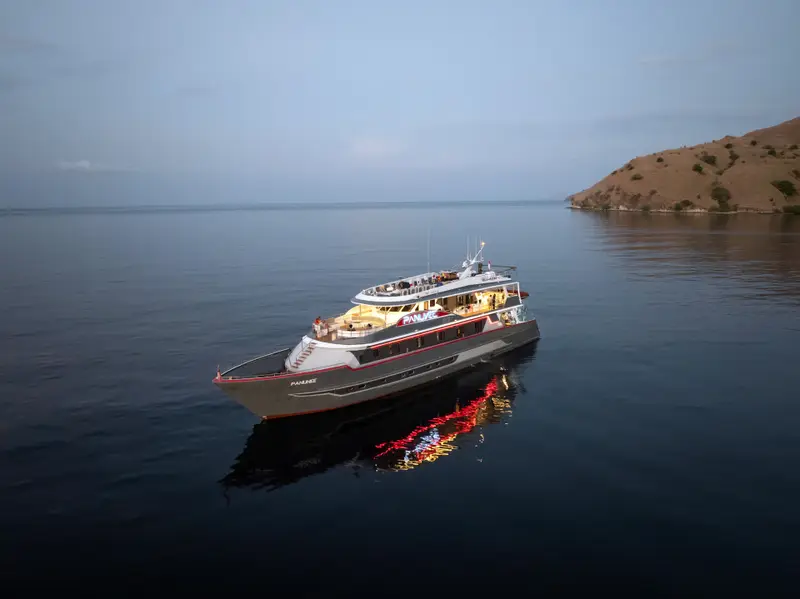
Panunee
Indonesia
18 guests38 m
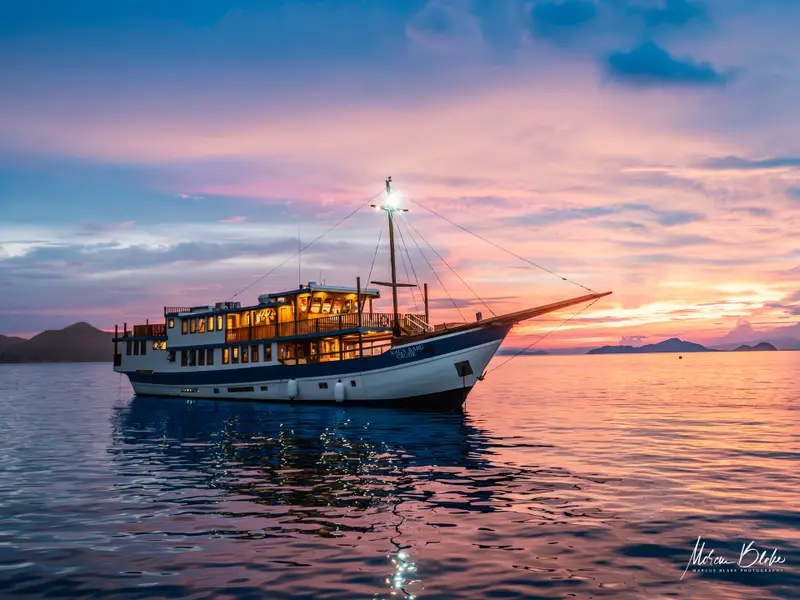
Naga Biru
Indonesia
12 guests40 m
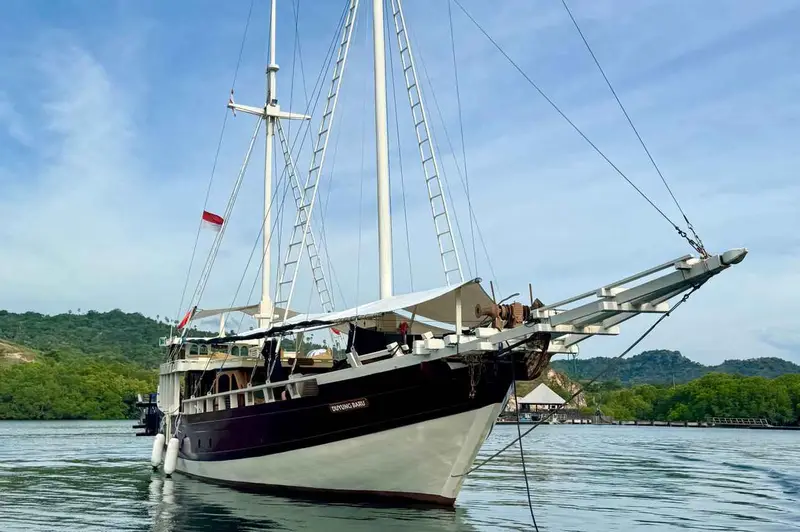
Ecopro Duyung Baru
Indonesia
6 guests27 m
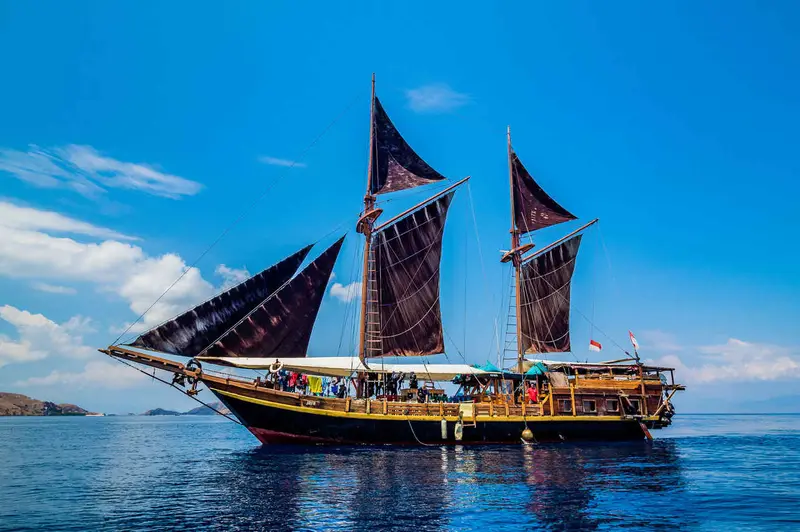
Jaya
Indonesia
14 guests23 m
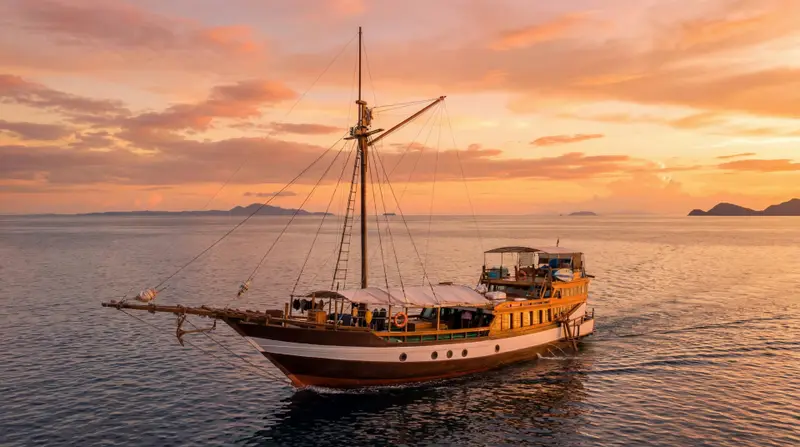
Wellenreng
Indonesia
9 guests25 m

Komodo Aggressor
Komodo, Indonesia
16 guests29 m
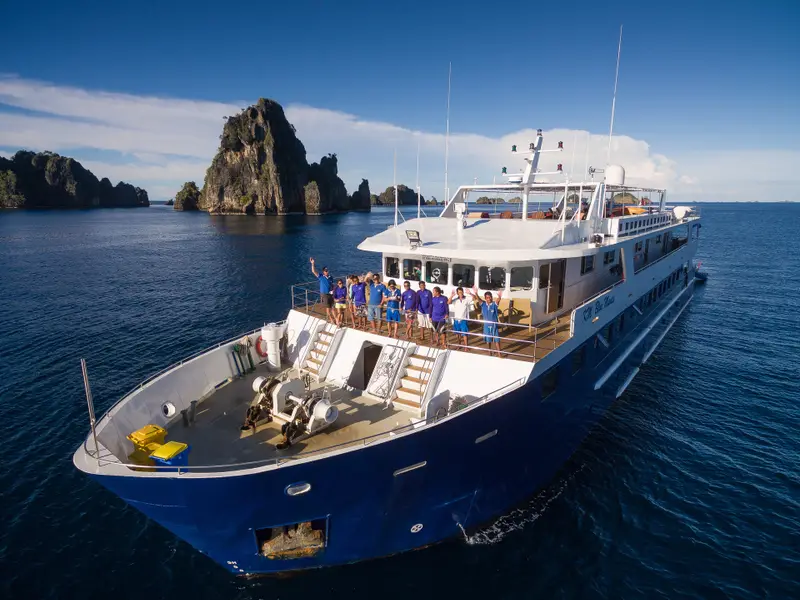
Blue Manta
Indonesia
20 guests45 m
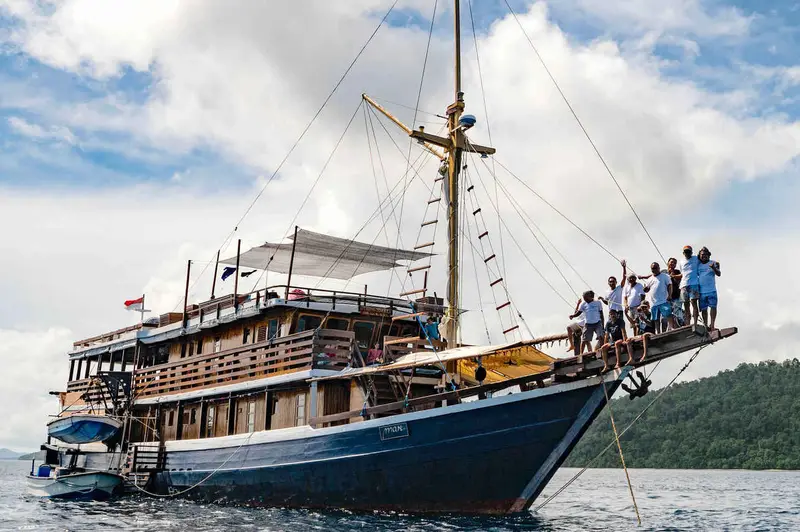
Mari
Indonesia
14 guests32 m
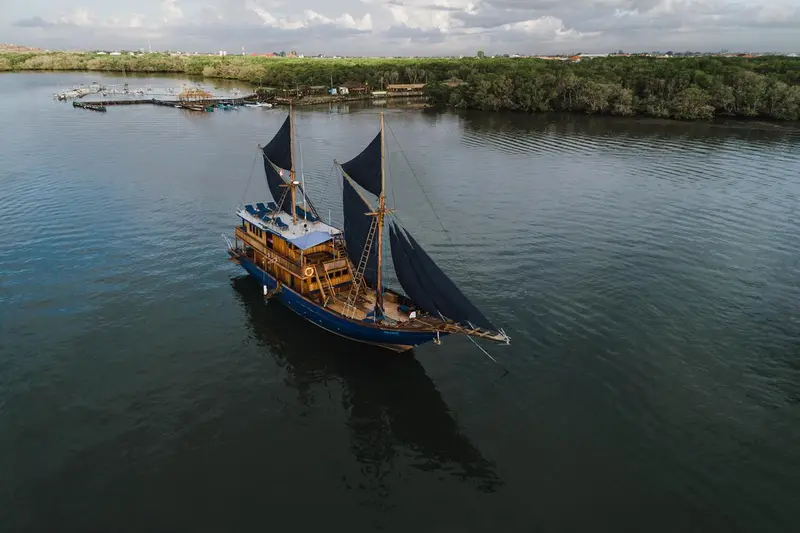
Situju7
Komodo, Indonesia
10 guests33 m
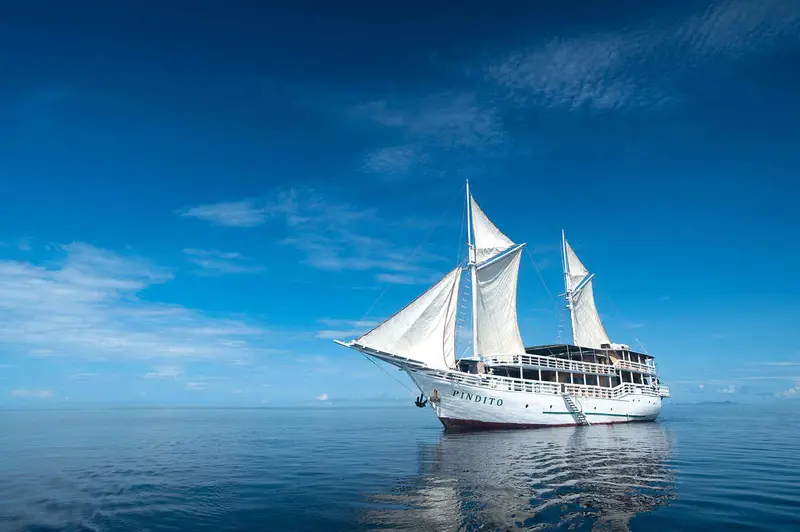
Pindito
Indonesia
16 guests38 m
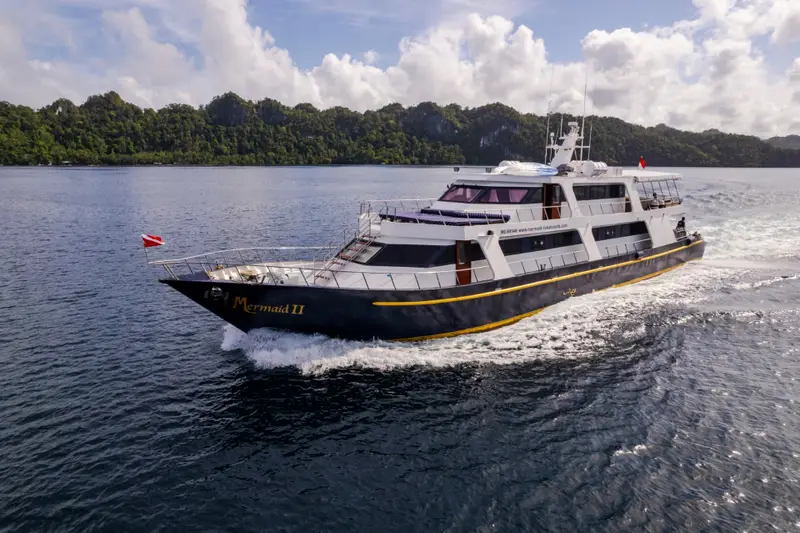
Mermaid II
Komodo, Indonesia
18 guests
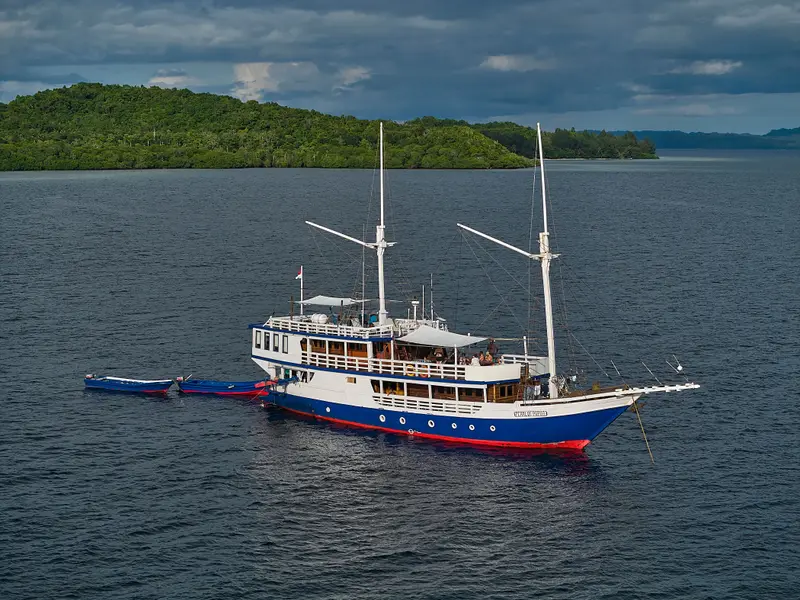
Pearl of Papua
Raja Ampat, Indonesia
14 guests30 m
Dive sites similar to Banda Neira Lava Flow
Same character, same waters, six more sites divers love for the exact same reasons.Compare seasons, access and liveaboard routes, then pick the site that fits your trip best.
Abila is a notable dive site located within the Alor Islands Marine Park, an area celebrated for its rich marine biodiversity due to its position in the Coral Triangle.
- Suitable for
- Beginner
- Current
- Mild
- Access
- Liveaboard only
- Depth
- —
- Theme
- Reef
© EsriMaxar, Earthstar, GIS
Adonara Channel
Alor
Adonara Channel stands as one of Alor's most iconic dive sites, celebrated for its dynamic currents and exceptionally rich biodiversity.
- Suitable for
- Advanced
- Current
- Strong
- Access
- Liveaboard or dayboat
- Depth
- 10–40 m
- Theme
- Drift / Wall
© EsriMaxar, Earthstar, GIS
Adonara Wall
Indonesia
Adonara is an Indonesian island dive site, renowned for its vibrant underwater topography characterized by submerged seamounts.
- Suitable for
- Intermediate
- Current
- Strong
- Access
- Liveaboard or dayboat
- Depth
- 5–35 m
- Theme
- Seamount / Wall
© EsriMaxar, Earthstar, GIS
Agnay Fish Sanctuary
Philippines
Agnay Fish Sanctuary is nestled in a sheltered bay near the village of Agnay in Romblon, a province celebrated for its rich marine biodiversity.
- Suitable for
- Beginner
- Current
- Mild
- Access
- Dayboat
- Depth
- 9–18 m
- Theme
- Reef
© EsriMaxar, Earthstar, GIS
Ai Island Reef
Banda Sea
Ai Island Reef, nestled within the Banda Sea, offers a remarkable diving experience characterized by its rich marine biodiversity and varied underwater topography.
- Suitable for
- Beginner
- Current
- Strong
- Access
- Liveaboard only
- Depth
- 3–30 m
- Theme
- Reef / Seamount
© EsriMaxar, Earthstar, GIS
Akitsushima
Philippines
The Akitsushima is a distinguished World War II Japanese seaplane tender, sunk in September 1944 during an American air raid in Coron Bay, Palawan.
- Suitable for
- Advanced
- Current
- Strong
- Access
- Dayboat
- Depth
- 22–38 m
- Theme
- Wreck