About Banda Sea Seamounts
The Banda Sea seamounts offer an unparalleled pelagic diving experience in Indonesia's remote Ring of Fire. This vast, isolated region, spanning 470,000 square kilometers, is renowned for its pristine marine environment, fueled by deep oceanic trenches and active volcanic geology. Upwellings of cold, nutrient-rich water against these submerged seamounts create an explosive marine food chain, attracting incredible numbers of apex predators and schooling fish. Divers here can expect dramatic underwater topography, characterized by vertical walls plunging into depths of 4,500 to 6,000 meters. The seamounts themselves rise from these abyssal plains, often reaching within 5 to 30 meters of the surface, acting as magnets for oceanic life. Unlike other dive destinations with continuous reef shelves, Banda Sea sites are isolated points where divers encounter the open ocean. The area is particularly famous for its seasonal gatherings of scalloped hammerheads, often found schooling at thermoclines between 15 to 30 meters. Beyond sharks, the seamounts host massive schools of barracuda, batfish, bigeye trevally, and fusiliers, forming dense baitballs that attract even larger pelagic hunters. The health and diversity of hard corals on the seamount walls are exceptional, described as what much of the Coral Triangle aspired to before environmental pressures. Diving the Banda Sea seamounts is an advanced, liveaboard-exclusive adventure, requiring comfort with open-ocean conditions and potentially strong currents. The reward is a profound encounter with marine megafauna in one of the world's most preserved underwater ecosystems.
Highlights
Schooling scalloped hammerhead sharksMassive pelagic fish aggregationsDeep-water upwelling phenomenaPristine, diverse hard coralsDramatic volcanic seamount topographyExceptional clear blue water visibility
Season calendar
Best months to dive here
Jan
Feb
Mar
Apr
May
Jun
Jul
Aug
Sep
Oct
Nov
Dec
Excellent
Good
Dive site facts: Banda Sea Seamounts
- Depth
- 5–40 m
- Typical dive
- 15–30 m, 50–60 min
- Current
- Moderate to strong, often unpredictable
- Visibility
- 30–50 m
- Water temperature
- 25–30°C
- Entry
- Tender / negative entry common
- Level
- Advanced, 50+ logged dives, AOWD required
- Dive type
- Pelagic, schooling fish, deep walls
- Night dive
- Possible (site dependent)
- Region / port
- Banda Sea, Maluku, Indonesia
- Coordinates
- -5.1234, 129.4534
Conditions & Currents
Diving the Banda Sea seamounts is predominantly a blue water experience, often characterized by strong and unpredictable currents that can sweep across open ocean sites. These currents are a key factor in attracting the rich pelagic life, but they demand excellent buoyancy control and comfort with drift diving. Entries are typically negative, and safety stops often occur in blue water, requiring proficiency with SMB deployment. While some sites might experience mild currents, especially closer to islands, the remote seamounts are exposed, and divers must be prepared for variable conditions, including thermoclines where hammerheads aggregate. Visibility is generally outstanding, often exceeding 30-40 meters, but upwellings can sometimes introduce cooler water, creating thermoclines that might slightly reduce clarity locally without impacting the overall experience.
Marine life & sighting chances

Scalloped hammerhead shark
September-November (peak) · common
Chevron barracuda
common
Batfish
common
Bigeye trevally
September-November (peak) · common
Fusiliers
common
Grey reef shark
occasional
Tuna
occasional
Banded sea krait
occasional
Manta ray
occasional
Whale
October · rareDive profile & how the dive runs
Dives on the Banda Sea seamounts typically begin with a negative entry from a tender, especially in stronger currents, to quickly descend to the desired depth. The route often involves descending along the seamount's wall, allowing divers to explore the coral growth and observe pelagic activity in the blue. For hammerhead sightings, divers will typically position themselves at depths between 15 to 30 meters, often at a thermocline, and remain watchful in the open water surrounding the seamount. The dive progresses with a slow drift along the feature, observing schools of fish and larger pelagics drawn in by the upwelling nutrients. Turn points are dictated by air consumption and current, with ascents often requiring careful management in blue water. Safety stops are routinely performed in the open ocean, necessitating good buoyancy and confident SMB deployment.
Underwater photography
The Banda Sea seamounts are a prime location for wide-angle photography, capturing the dramatic schooling hammerheads, massive fish aggregations, and expansive healthy corals. A wide-angle lens is essential for these subjects, and a dome port will enhance clarity. Strong strobes are highly recommended to bring out the vibrant colors of the deeper corals and to properly illuminate large pelagic subjects in the blue. Given the potential for strong currents and open-ocean safety stops, excellent buoyancy control is crucial to avoid stirring up sediment and to maintain stable shots. Be prepared for thermoclines when shooting hammerheads, as cooler water can affect light refraction and color.
Combine with nearby dive sites
- Manuk Island
Famous for high concentrations of sea snakes and pelagic life.
- Suanggi Island
A remote rock magnet for schooling jacks, barracuda, and hammerheads.
- Hatta Island Reef
Known as Karang Hatta, with dramatic drop-offs and large schools of fusiliers.
- Banda Neira Lava Flow
Unique site showcasing accelerated coral regrowth on a historic lava flow.
Getting there & logistics
Access to the Banda Sea seamounts is exclusively via liveaboard, typically embarking from Ambon (Pattimura Airport, AMQ) or sometimes Maumere. Daily flights connect Ambon to major Indonesian hubs like Jakarta (CGK) or Makassar (UPG). Itineraries usually span 10 to 14 nights, covering a wide range of sites across the Banda Sea and sometimes extending into the Forgotten Islands. These trips are considered expedition-style due to the remote nature of the dive sites and significant open-ocean crossings. Marine park fees are generally included in liveaboard packages. It is advisable to arrive at least a day prior to departure in Ambon to account for potential travel delays.
Safety & environment
Diving the remote Banda Sea seamounts demands a high level of diver preparedness due to the challenging conditions and isolation. The nearest recompression chamber is typically in Ambon, but evacuation from distant seamounts can be complex and time-consuming, involving multiple stages of transport. Comprehensive dive insurance, including medical evacuation coverage, is mandatory. Divers should be proficient in managing strong, unpredictable currents and comfortable with negative entries and blue water safety stops using an SMB. Site-specific hazards include potential thermoclines, strong downcurrents, and boat traffic from other liveaboards. Always follow your dive guide's instructions, maintain good buoyancy, and carry a personal signaling device.
Who it suits — and who it doesn't
Suited for
- Advanced Open Water divers with 50+ logged dives
- Divers comfortable with strong currents and drift diving
- Photographers seeking large pelagics and wide-angle opportunities
- Liveaboard enthusiasts desiring remote, expedition-style diving
- Divers seeking unique marine megafauna encounters
Less suited for
- Absolute beginner divers or those with fewer than 50 logged dives
- Divers uncomfortable with deep blue water or potential strong currents
- Those prone to seasickness on open-ocean crossings
- Divers who prefer shallow, sheltered reef environments
- Individuals seeking shore-based diving options
FAQ
Banda Sea Seamounts FAQ
What makes the Banda Sea seamounts unique for diving?
The Banda Sea seamounts are unique due to their remote location, deep-water upwellings, and active volcanic geology. These factors create an incredibly rich ecosystem that attracts massive schools of pelagic fish and apex predators like hammerhead sharks in numbers rarely seen elsewhere. The pristine condition of its coral reefs also sets it apart.
When is the best time to see hammerhead sharks?
The peak season for hammerhead shark sightings around the Banda Sea seamounts is from September to November. During these months, shifting trade winds and cooler water temperatures trigger upwellings, bringing large schools of scalloped hammerheads from deeper waters to recreational diving depths, often between 15-30 meters.
What kind of marine life can I expect beyond sharks?
Beyond the schooling hammerheads, you can expect to encounter massive aggregations of other pelagic species. These include tornadoes of chevron barracuda, walls of batfish, and vast schools of bigeye trevally and fusiliers. Occasional sightings of grey reef sharks, tuna, manta rays, and even whales during migration are also possible.
Are the currents always strong at the seamounts?
Currents at the Banda Sea seamounts can be strong and unpredictable, particularly at exposed open-ocean sites. While some dives might experience milder conditions, divers should be prepared for significant drifts. These currents are a vital part of the ecosystem, fueling the nutrient upwellings that attract the abundant marine life.
Is the Banda Sea suitable for less experienced divers?
The Banda Sea seamounts are generally not recommended for less experienced divers. Due to the remote location, potential for strong currents, and prevalence of deep blue water diving, an Advanced Open Water certification and at least 50 logged dives are highly recommended. Divers should be comfortable with challenging conditions and advanced dive techniques.
Why dive Banda Sea Seamounts from a liveaboard?
Banda Sea Seamounts is one of Indonesia's signature dive sites. A liveaboard sleeps you on the water and puts you in the water for three to four guided dives per day, including dawn and night dives that day-boat operators rarely offer. You skip the daily commute back to port and reach quieter, less-crowded sites in the same region on a single trip.
Below are the liveaboards that include Banda Sea Seamounts on their Indonesia itineraries.
Liveaboards diving Banda Sea Seamounts
These liveaboards may visit Banda Sea Seamounts on selected itineraries — the exact dive sites depend on departure, weather and conditions.
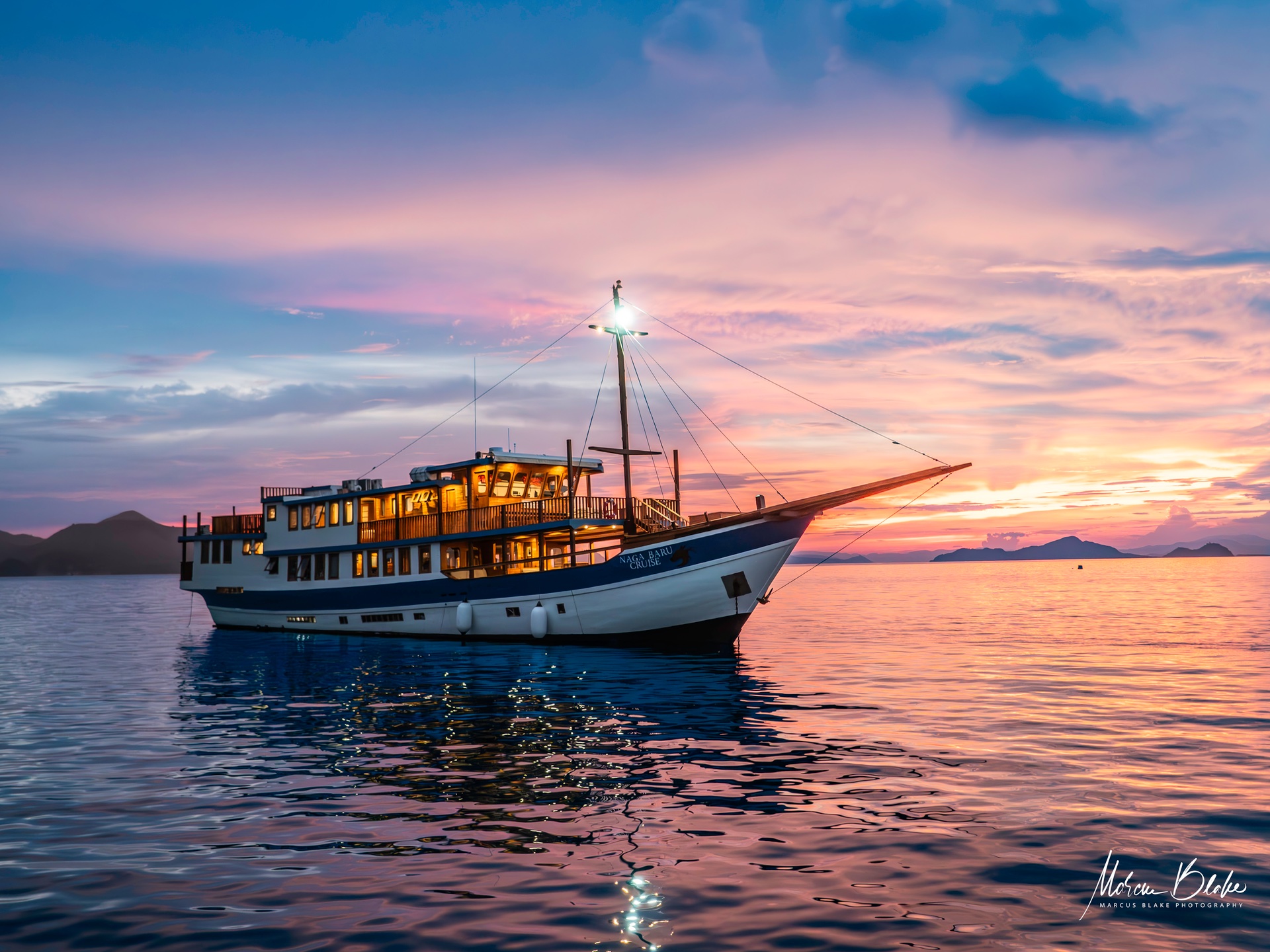
Naga Biru
Indonesia
12 guests40 m
$268/day
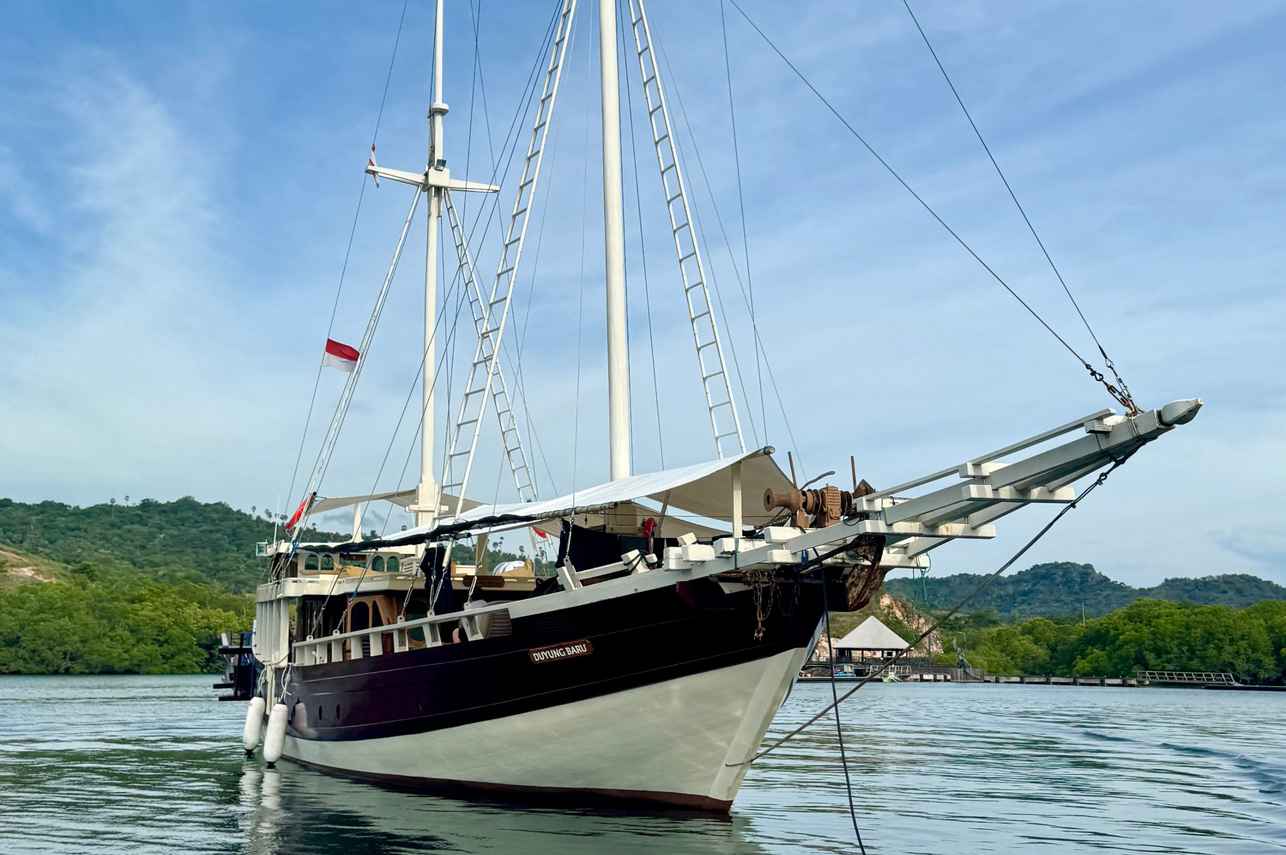
Ecopro Duyung Baru
Indonesia
6 guests27 m
$351/day
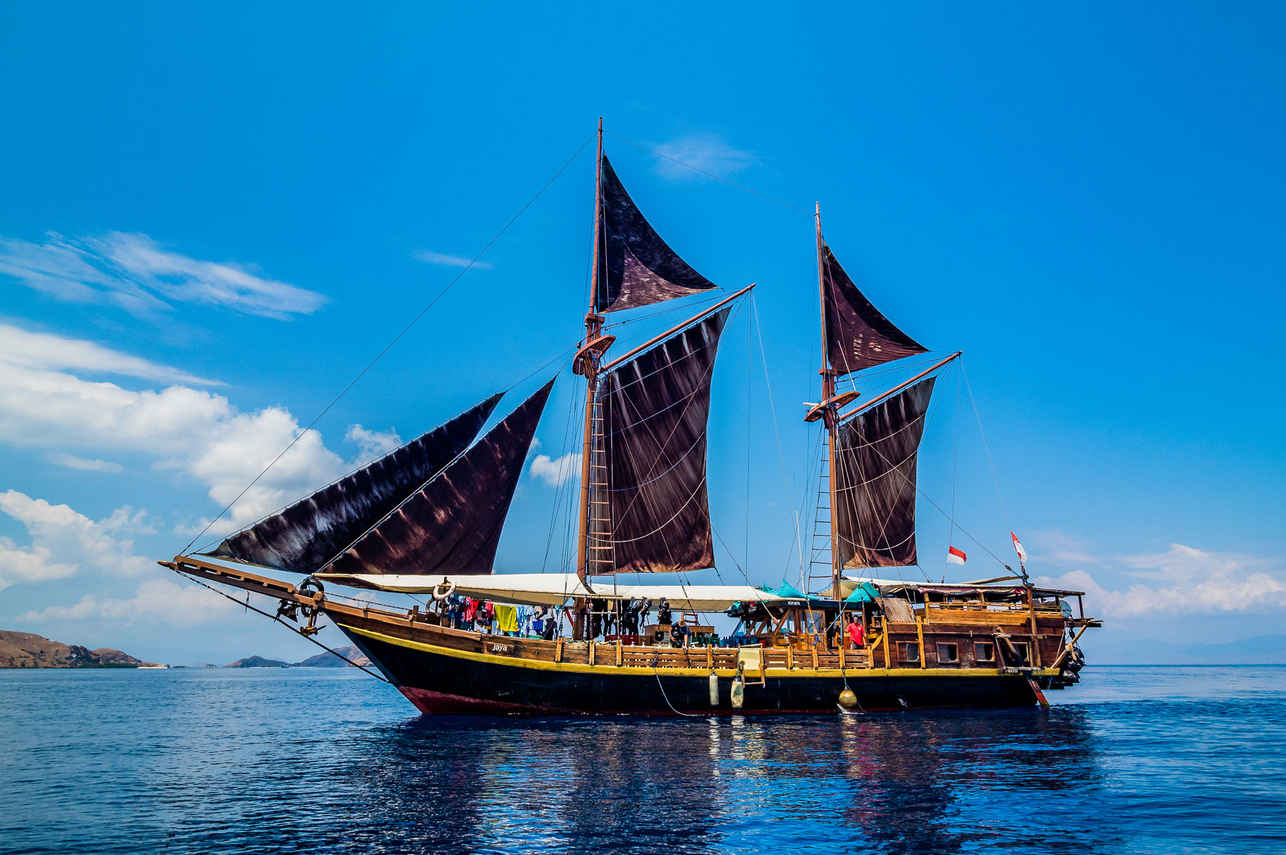
Jaya
Indonesia
14 guests23 m
$280/day
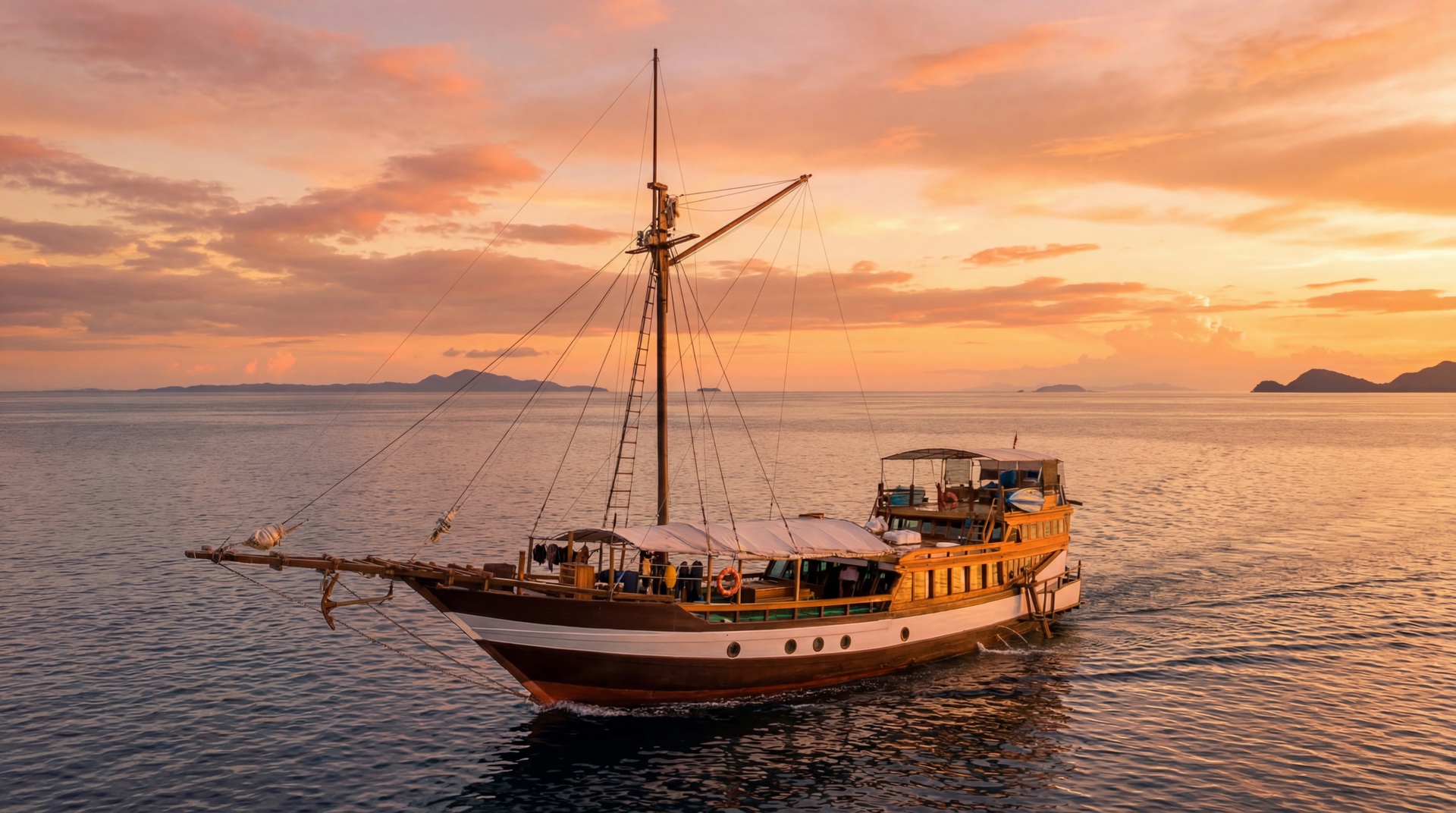
Wellenreng
Indonesia
9 guests25 m
$427/day
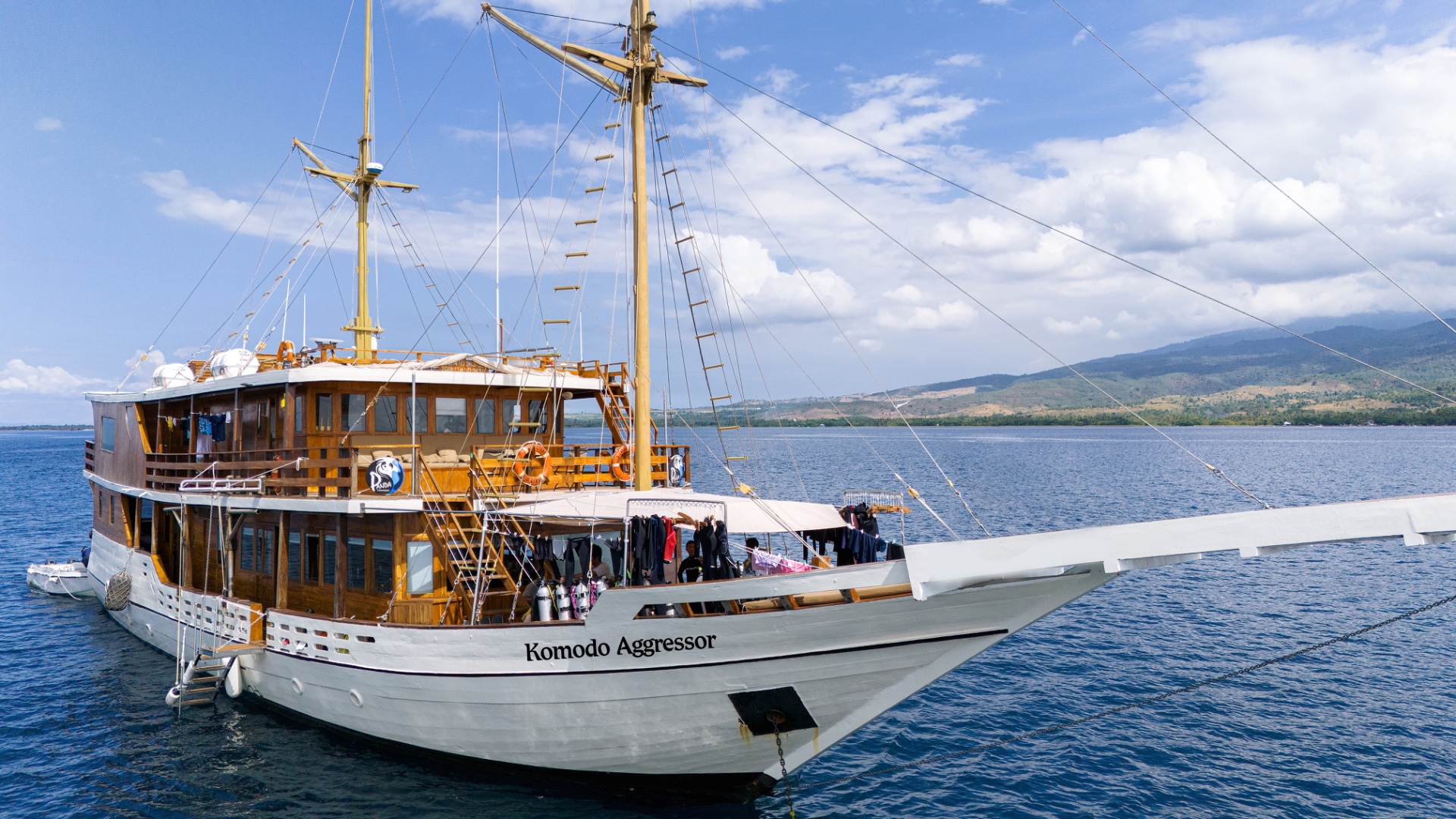
Komodo Aggressor
Komodo, Indonesia
16 guests29 m
$312/day
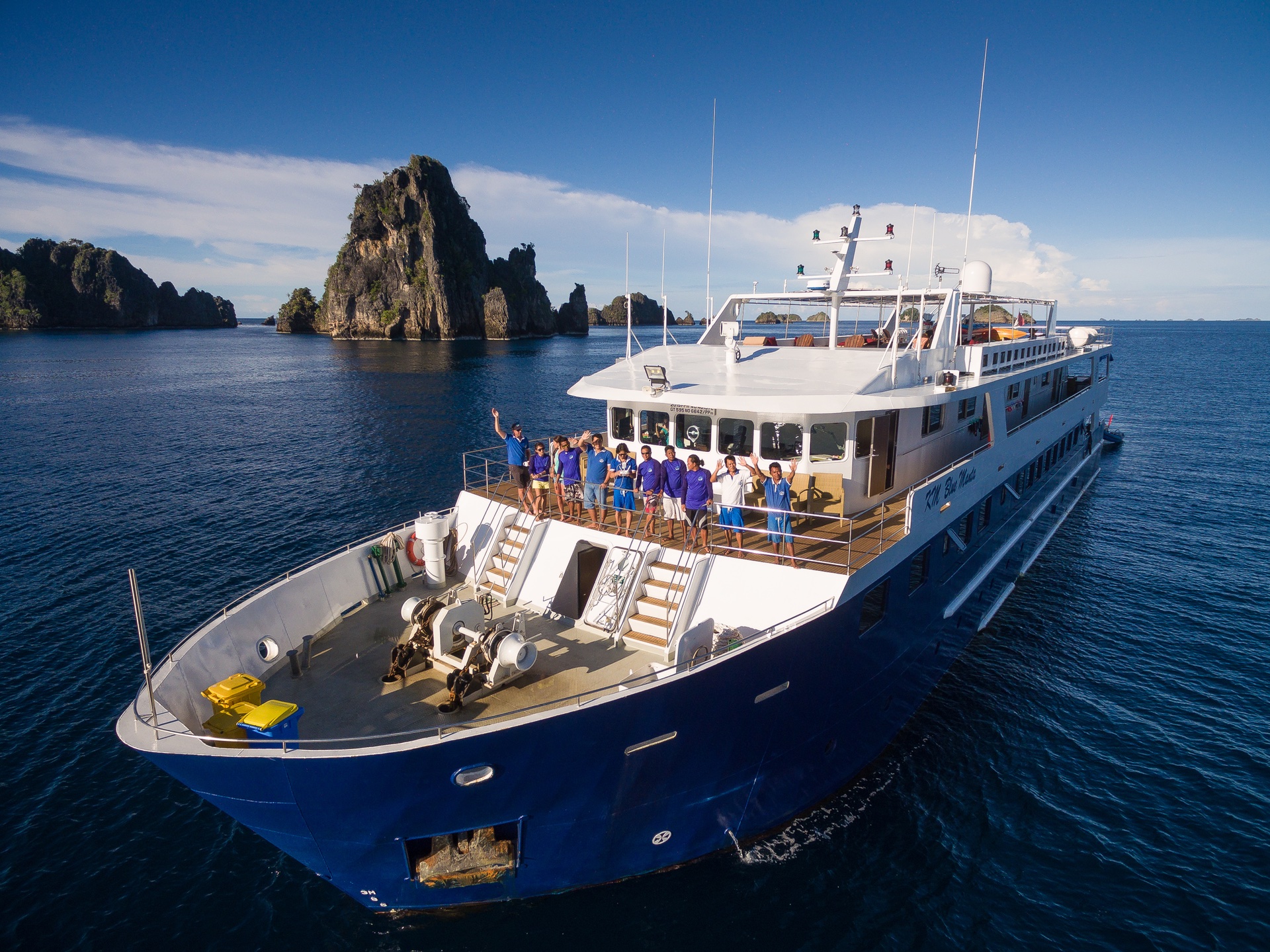
Blue Manta
Indonesia
20 guests45 m
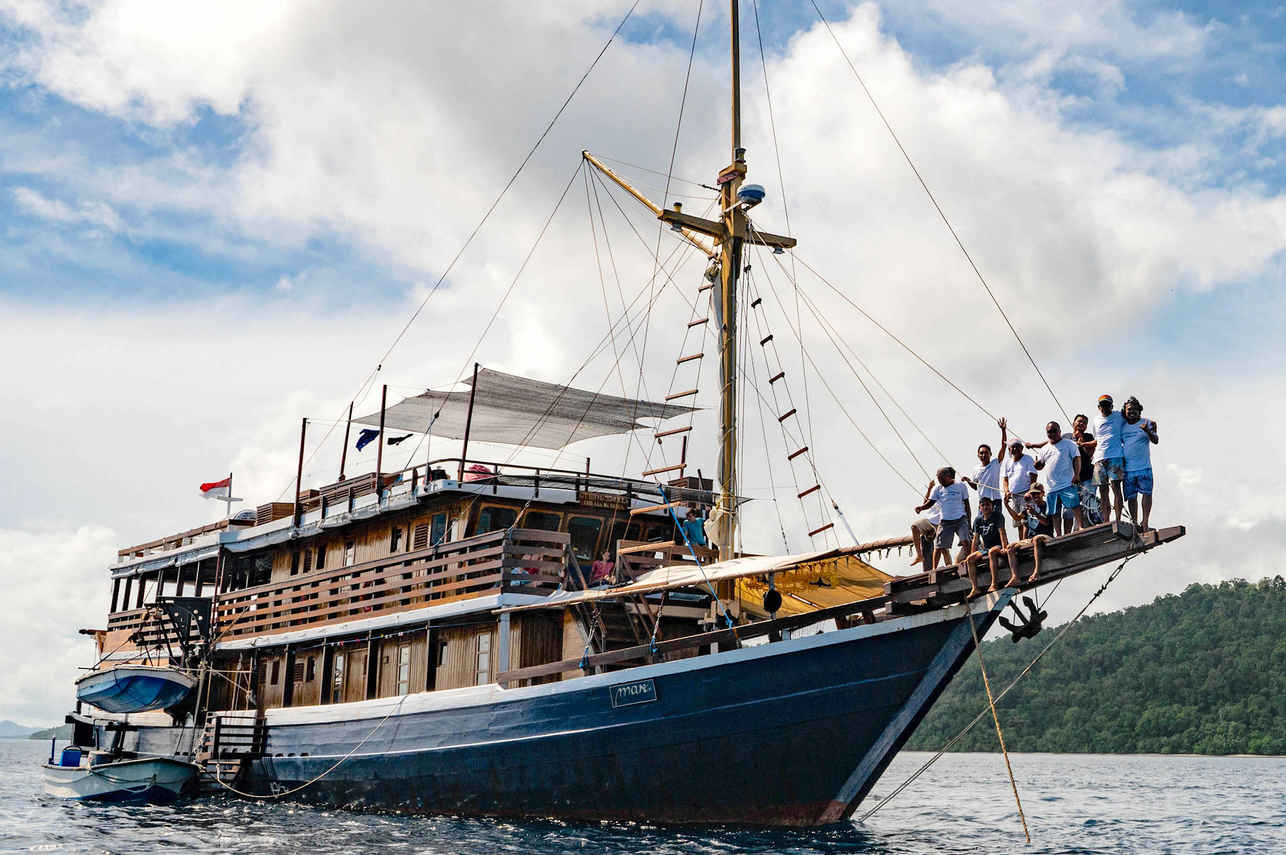
Mari
Indonesia
14 guests32.2 m
$317/day
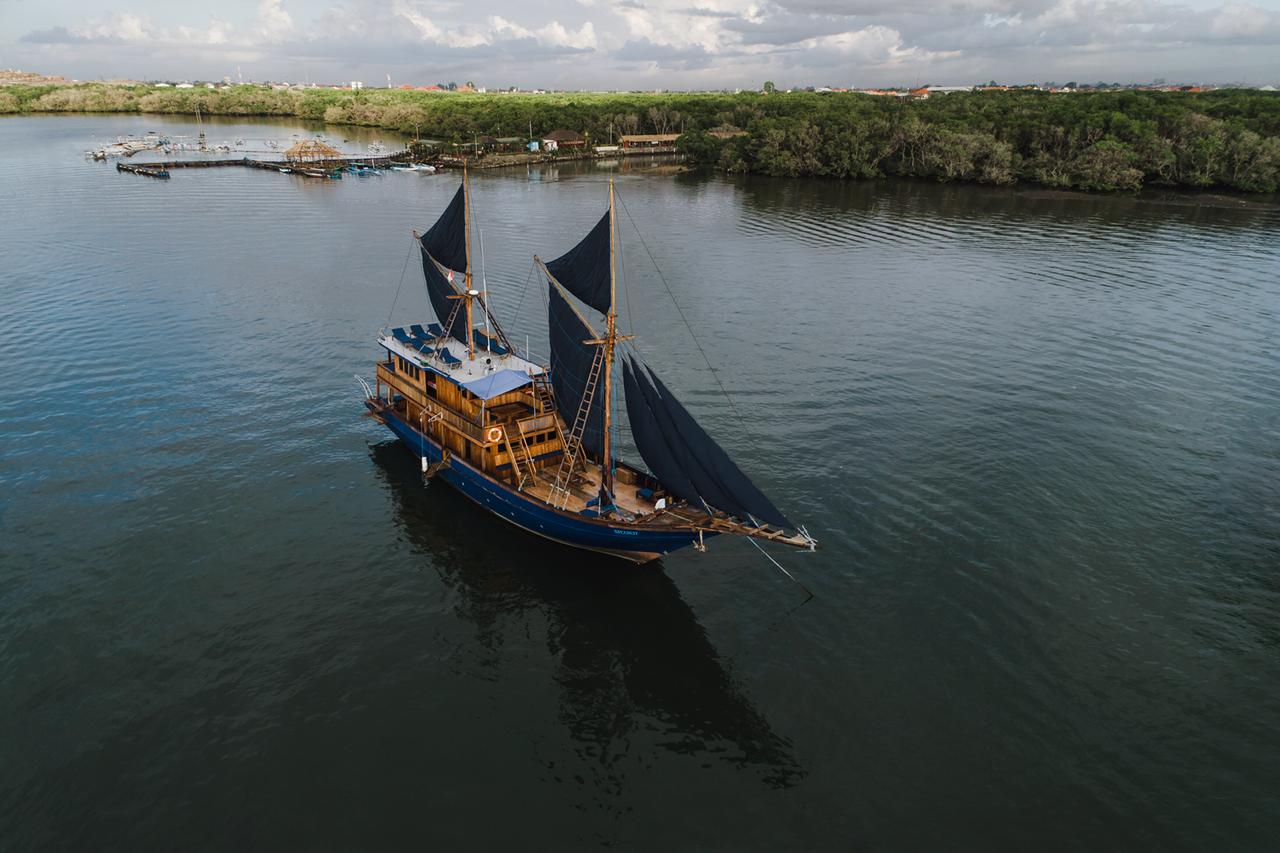
Situju7
Komodo, Indonesia
10 guests32.7 m
$362/day
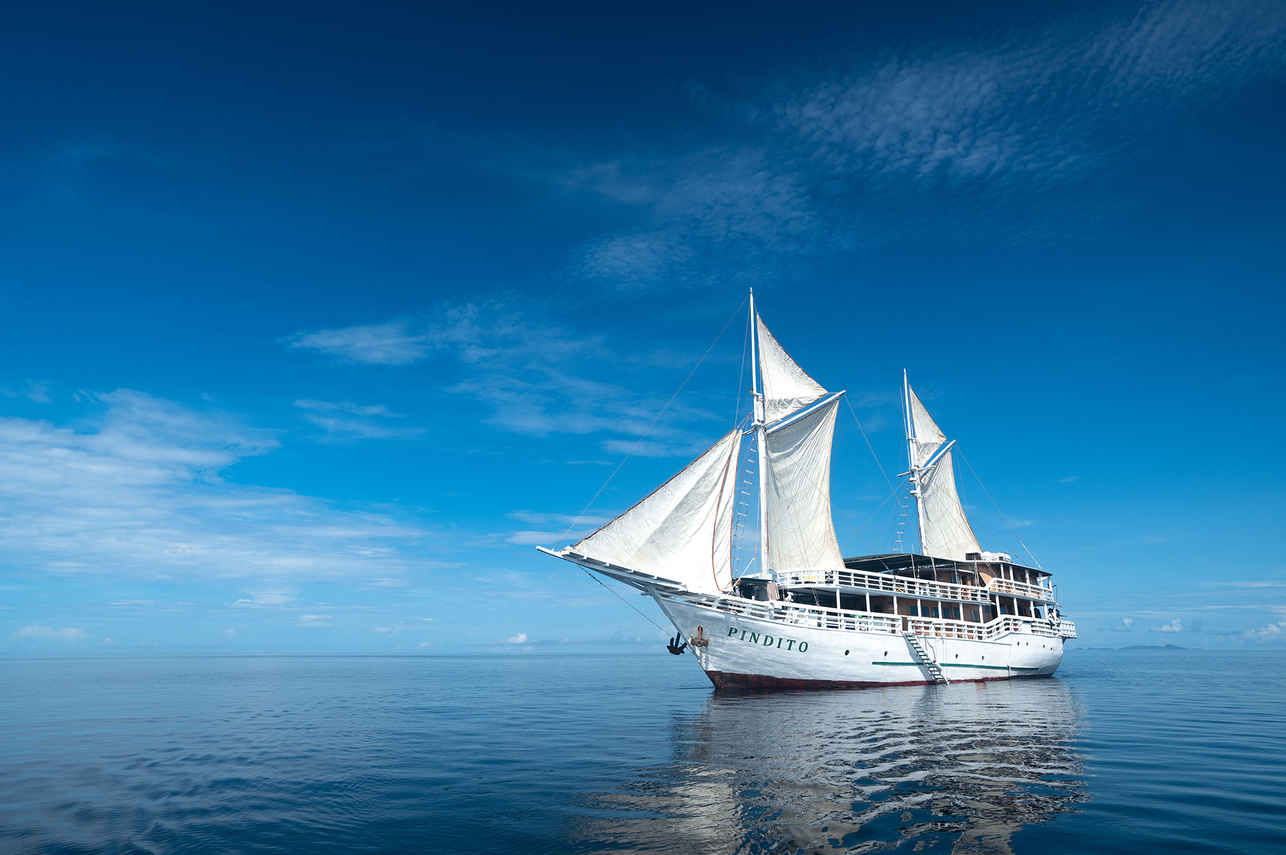
Pindito
Indonesia
16 guests37.79 m
$533/day
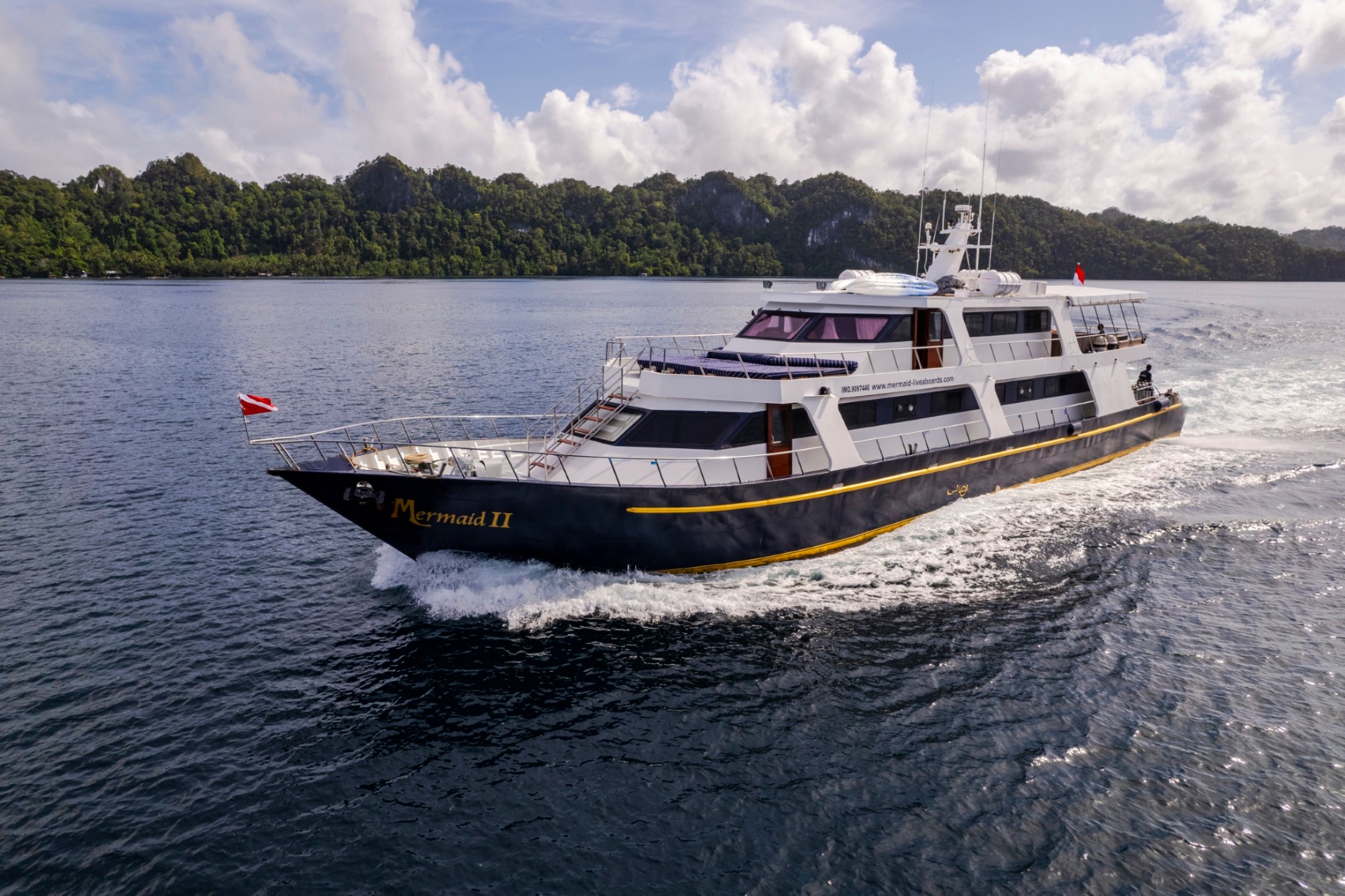
Mermaid II
Komodo, Indonesia
18 guests
$385/day
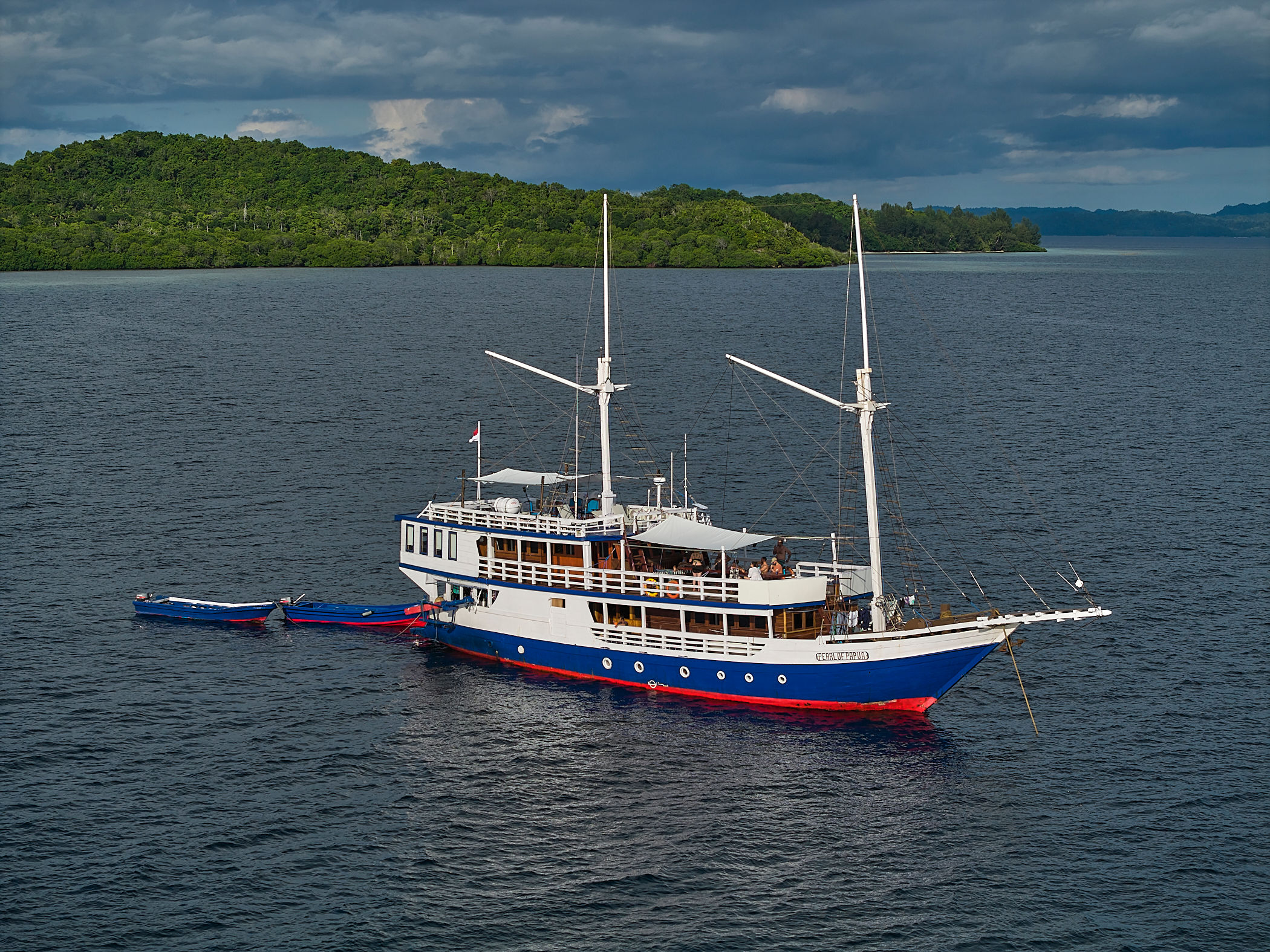
Pearl of Papua
Raja Ampat, Indonesia
14 guests30 m
$303/day
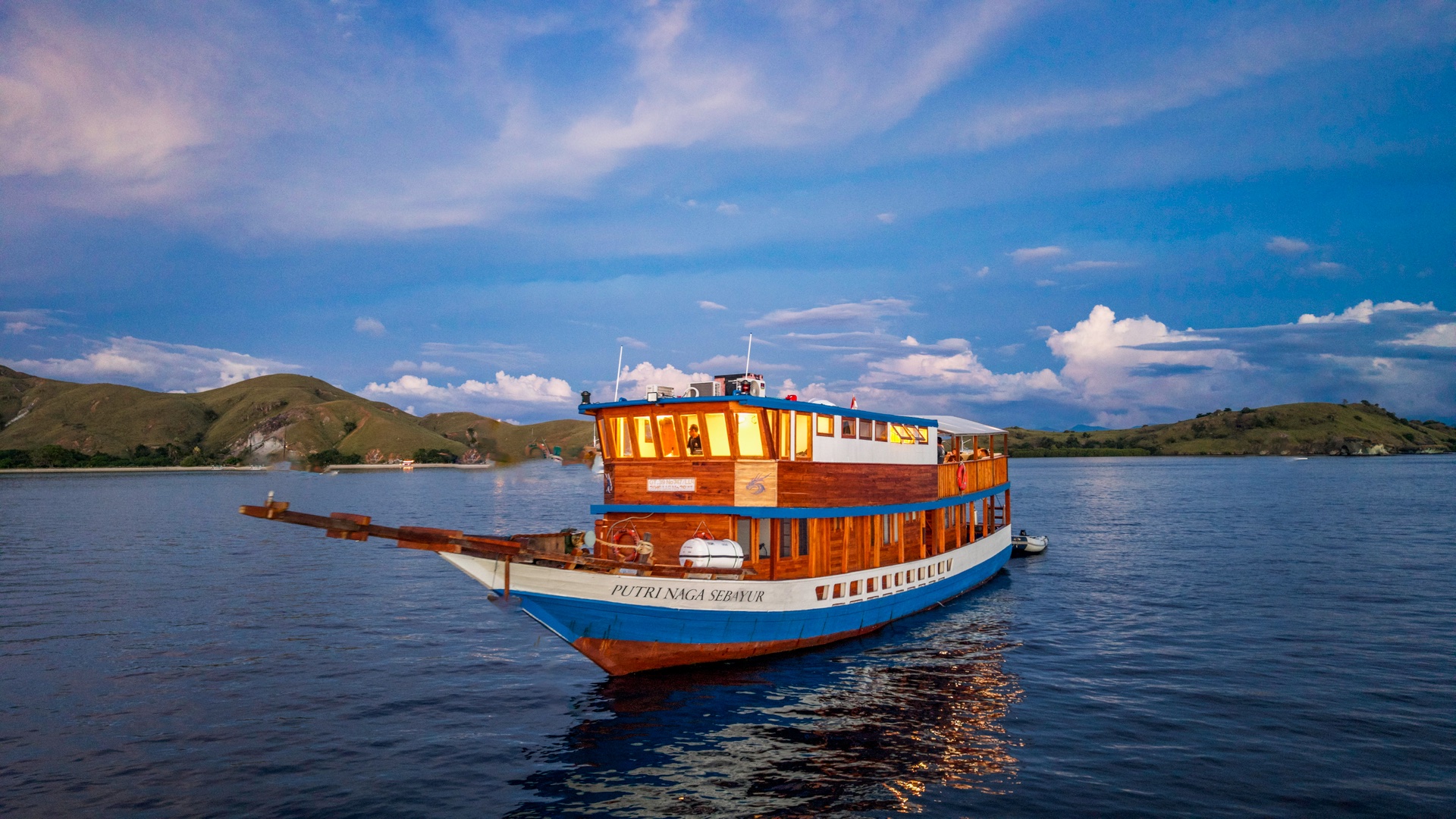
Putri Naga
Komodo, Indonesia
6 guests25 m
$218/day
Dive sites similar to Banda Sea Seamounts
Same character, same waters — six more sites divers love for the exact same reasons.Compare seasons, access and liveaboard routes — then pick the site that fits your trip best.
© Esri — Maxar, Earthstar, GIS
Big La Laguna
Philippines
Big La Laguna is a beach community situated on the western edge of the Sabang Peninsula, a popular dive region on Mindoro Island, Philippines.
- Suitable for
- Intermediate
- Current
- Moderate
- Access
- Dayboat
- Depth
- 5–35 m
- Theme
- Reef / Wall
© Esri — Maxar, Earthstar, GIS
Rusa Pinnacle
Alor
Rusa Pinnacle is a challenging yet highly rewarding dive site situated in the Alor archipelago, part of Indonesia's East Nusa Tenggara.
- Suitable for
- Advanced
- Current
- Strong
- Access
- Liveaboard only
- Depth
- 6–30 m
- Theme
- Reef
Lipah Bay is situated on Bali's northeast coast within the Amed area, nestled against the dramatic backdrop of Gunung Agung.
- Suitable for
- Beginner
- Current
- Mild
- Access
- Liveaboard or dayboat
- Depth
- 5–30 m
- Theme
- Reef / Drift
© Esri — Maxar, Earthstar, GIS
Tangked Cave
Bali
Tangked Cave, sometimes referred to as Tangked Taked Shark Cave, is an advanced dive site situated in the open ocean off Bali's southeastern coast.
- Suitable for
- Advanced
- Current
- Moderate
- Access
- Liveaboard or dayboat
- Depth
- 15–40 m
- Theme
- Cave & cavern / Reef
© Esri — Maxar, Earthstar, GIS
Schools Out
Alor
Schools Out in Alor offers divers an exceptional encounter with healthy coral reefs and a rich variety of marine species.
- Suitable for
- Intermediate
- Current
- Mild
- Access
- Liveaboard only
- Depth
- 20–30 m
- Theme
- Reef
© Esri — Maxar, Earthstar, GIS
Batununggul
Bali
Batununggul, also known as Suana or Batumulapan by some operators, is a dynamic wall and sloping reef dive site situated on the eastern side of Nusa Penida, Bali.
- Suitable for
- Advanced
- Current
- Strong
- Access
- Liveaboard or dayboat
- Depth
- 10–40 m
- Theme
- Wall