About Hatta Island Reef
Hatta Island Reef is a premier dive destination in the Banda Sea, part of Indonesia's Moluccas province, celebrated for its dramatic underwater topography and rich marine biodiversity. The site features a steep coral wall that plunges hundreds of meters into the deep, offering an incredible visual spectacle for divers and snorkelers alike. Its remote location ensures pristine conditions, making it a highlight of liveaboard itineraries exploring this region. The main draw for divers is the offshore submerged atoll, Skaru, sometimes called Karang Hatta. Here, the reef wall typically begins around two meters from the surface and drops almost vertically, providing consistent clear water and vibrant coral growth. Depths for recreational diving usually range to about 25 meters, though the wall extends much further, hinting at its proximity to the 5,900-meter Banda Trench. The marine life at Hatta Island Reef is exceptional, with a southerly current often concentrating large schools of fish on its southeastern corner. Divers frequently encounter diverse species, from colorful reef inhabitants like butterflyfish and angelfish to pelagic species such as jacks, tuna, and various sharks. Hammerhead sharks are occasionally sighted, especially in October and November. Accessibility to Hatta Island Reef is typically via boat from Banda Neira, usually as part of a day trip or liveaboard excursion. Diving here is often a drift experience due to the prevailing currents, requiring careful planning and a good guide to maximize enjoyment and safety. Both snorkelers and divers can appreciate the immediate access to the reef's edge, making it a truly versatile underwater experience.
Highlights
Steep coral wall drop-offAbundant schooling fishOccasional hammerhead sightingsPristine hard and soft coralsDrift diving experienceProximity to Banda Trench
Season calendar
Best months to dive here
Jan
Feb
Mar
Apr
May
Jun
Jul
Aug
Sep
Oct
Nov
Dec
Excellent
Good
Dive site facts: Hatta Island Reef
- Depth
- 2–40 m+
- Typical dive
- 12–25 m, 50–60 min
- Current
- Moderate to strong
- Visibility
- 15–30 m
- Water temperature
- 26–29 °C
- Entry
- Liveaboard / tender
- Level
- Advanced, current experience beneficial
- Dive type
- Wall, drift, pelagic encounters
- Region / port
- Banda Sea
- Coordinates
- -4.5612, 129.8534
Conditions & Currents
Hatta Island Reef is characterized by significant currents, which are an integral part of the dive experience rather than merely a challenge to overcome. The predominant southerly current often concentrates fish life, particularly on the southeastern corner of the offshore atoll, Skaru. Dive operations at this site are typically conducted as drift dives, necessitating a comprehensive briefing on entry procedures, descent timing, and exit strategies to ensure divers stay together and are tracked by the boat. Snorkelers near the island's shore must also be aware of currents and remain close to their entry points. Visibility typically ranges from 15 to 30 meters, and water temperatures are comfortably between 26 and 29 degrees Celsius, allowing for enjoyable drift diving if properly managed.
Marine life & sighting chances

Unicornfish
common
Fusiliers
common
Jacks
common
Rainbow runners
common
White tip sharks
occasional
Napoleon wrasse
occasional
Dogtooth tuna
occasional
Turtles
occasional
Rays
occasional
Hammerhead sharks
October-November · rare
Butterflyfish
common
Triggerfish
common
Angelfish
commonDive profile & how the dive runs
Diving at Hatta Island Reef, especially at the offshore Skaru site, typically begins with a negative entry from a tender directly onto the wall to avoid strong surface currents. Divers descend immediately to approximately 25 meters, where the primary reef activity unfolds along the dramatic vertical drop-off. The dive usually proceeds as a drift along the wall, with the southerly current guiding the group. You'll explore overhangs and coral formations, keeping an eye on the blue for pelagic encounters. Turnaround points are flexible, often dictated by air consumption and current conditions, with the dive leader managing the group's position relative to the boat tracking from above. Safety stops are conducted in the mid-water column, carefully maintaining depth and position in the current, before surfacing for tender pick-up.
Underwater photography
Hatta Island Reef offers excellent wide-angle opportunities due to its dramatic wall topography, clear water, and abundant schooling fish. A fisheye or wide-angle lens is ideal for capturing the expansive coral structures and the bustling schools of fusiliers, jacks, and unicornfish that congregate in the currents. Consider bringing strobes to illuminate the vibrant colors of the hard and soft corals along the wall. For potential pelagic encounters, such as sharks or rays, ensure your camera settings allow for quick adjustments to capture fast-moving subjects in the open water. Buoyancy control is paramount, especially during drift dives, to avoid contact with the pristine reef and to maintain stable shots.
Combine with nearby dive sites
- Manuk Island
Known for sea snakes
- Suanggi Island
Suanggi Island, located in the remote Banda Sea, stands as a premier destination for advanced divers seeking adrenaline-pumping encounters…
- Banda Sea Seamounts
The Banda Sea seamounts offer an unparalleled pelagic diving experience in Indonesia's remote Ring of Fire.
- Nusa Laut
Nusa Laut, a small island in Indonesia's Banda Sea, is renowned for its exceptional marine biodiversity and vibrant, healthy reef systems.
Getting there & logistics
Access to Hatta Island Reef primarily involves travel to Banda Neira, the capital of the Banda archipelago. While Banda Neira has an airport, it is often reached via connecting flights or ferries from larger Indonesian hubs like Ambon. From Banda Neira, Hatta Island is about a 50-minute to one-hour boat ride in calm conditions. Divers typically visit Hatta Island Reef as part of a day trip arranged by local operators or guesthouses, or as a key stop on a liveaboard itinerary through the Banda Sea. Liveaboards repositioning between Raja Ampat and Komodo, particularly during April and October, often include the Banda Sea, allowing divers to experience this remote site. Staying on Hatta Island itself is possible in small homestays. It is advisable to carry sufficient cash as payment on the island is informal.
Safety & environment
Diving at Hatta Island Reef, particularly the offshore Skaru site, requires careful adherence to dive briefings due to potentially strong currents. Divers should always dive with an experienced local guide who is familiar with the site's unique current patterns. Drift diving protocols, including buddy system vigilance, clear communication signals, and precise entry/exit procedures, are crucial. The nearest recompression chamber is likely in Ambon, necessitating a significant evacuation time in case of a dive emergency. Comprehensive dive insurance, covering medical emergencies and evacuation, is highly recommended. Snorkelers exploring the island's reef wall should also be mindful of currents and remain close to their entry points, avoiding straying too far along the immediate drop-off.
Who it suits — and who it doesn't
Suited for
- Experienced drift divers
- Wide-angle underwater photographers
- Divers seeking pelagic encounters
- Enthusiasts of pristine coral walls
- Liveaboard adventurers
Less suited for
- Beginner divers without current experience
- Divers prone to seasickness (due to boat crossings)
- Macro-focused photographers primarily
- Divers expecting static, sheltered dives
- Those with strict time constraints on trips
FAQ
Hatta Island Reef FAQ
Is Hatta Island Reef suitable for snorkeling?
Yes, Hatta Island Reef offers excellent snorkeling opportunities, especially along the island's western coast. The reef flat typically extends only about two meters before dropping almost vertically, allowing snorkelers to quickly access the vibrant reef edge directly from the beach, particularly near the old village on the northern side. However, snorkelers should be aware of currents and stay close to their entry points for safety.
What is Skaru, also known as Karang Hatta?
Skaru, also spelled Sekaru, is an offshore submerged atoll located a few kilometers off Hatta Island's south coast, approximately 500 meters across. It is the primary dive site in the area, featuring a deep wall that drops well beyond recreational limits. This site is renowned for its strong southerly currents that attract schooling fish and occasional sharks.
What kind of marine life can I expect to see at Hatta Island Reef?
Divers and snorkelers can expect to see a rich diversity of marine life. Common sightings include large schools of unicornfish, fusiliers, jacks, and rainbow runners. You might also encounter white tip sharks, Napoleon wrasse, dogtooth tuna, turtles, and various rays. Hammerhead sharks are occasionally reported, particularly in October and November.
How long does it take to reach Hatta Island from Banda Neira?
The boat journey from Banda Neira to Hatta Island typically takes between 50 minutes to an hour in calm sea conditions. This trip is usually arranged through local dive operators or guesthouses, or as part of a liveaboard itinerary. Rough weather can occasionally cancel or delay crossings, so it's wise to factor in buffer days if traveling independently.
When is the best time to see hammerhead sharks at Hatta Island Reef?
Hammerhead sharks are most frequently associated with sightings around Hatta Island Reef during October and November. While not guaranteed, these months fall within the calmer diving season, offering optimal conditions for potential encounters with these pelagic species. Diving with experienced local guides increases the chances of encountering specific marine life.
Why dive Hatta Island Reef from a liveaboard?
Hatta Island Reef is one of Indonesia's signature dive sites. A liveaboard sleeps you on the water and puts you in the water for three to four guided dives per day, including dawn and night dives that day-boat operators rarely offer. You skip the daily commute back to port and reach quieter, less-crowded sites in the same region on a single trip.
Below are the liveaboards that include Hatta Island Reef on their Indonesia itineraries.
Liveaboards diving Hatta Island Reef
These liveaboards may visit Hatta Island Reef on selected itineraries — the exact dive sites depend on departure, weather and conditions.
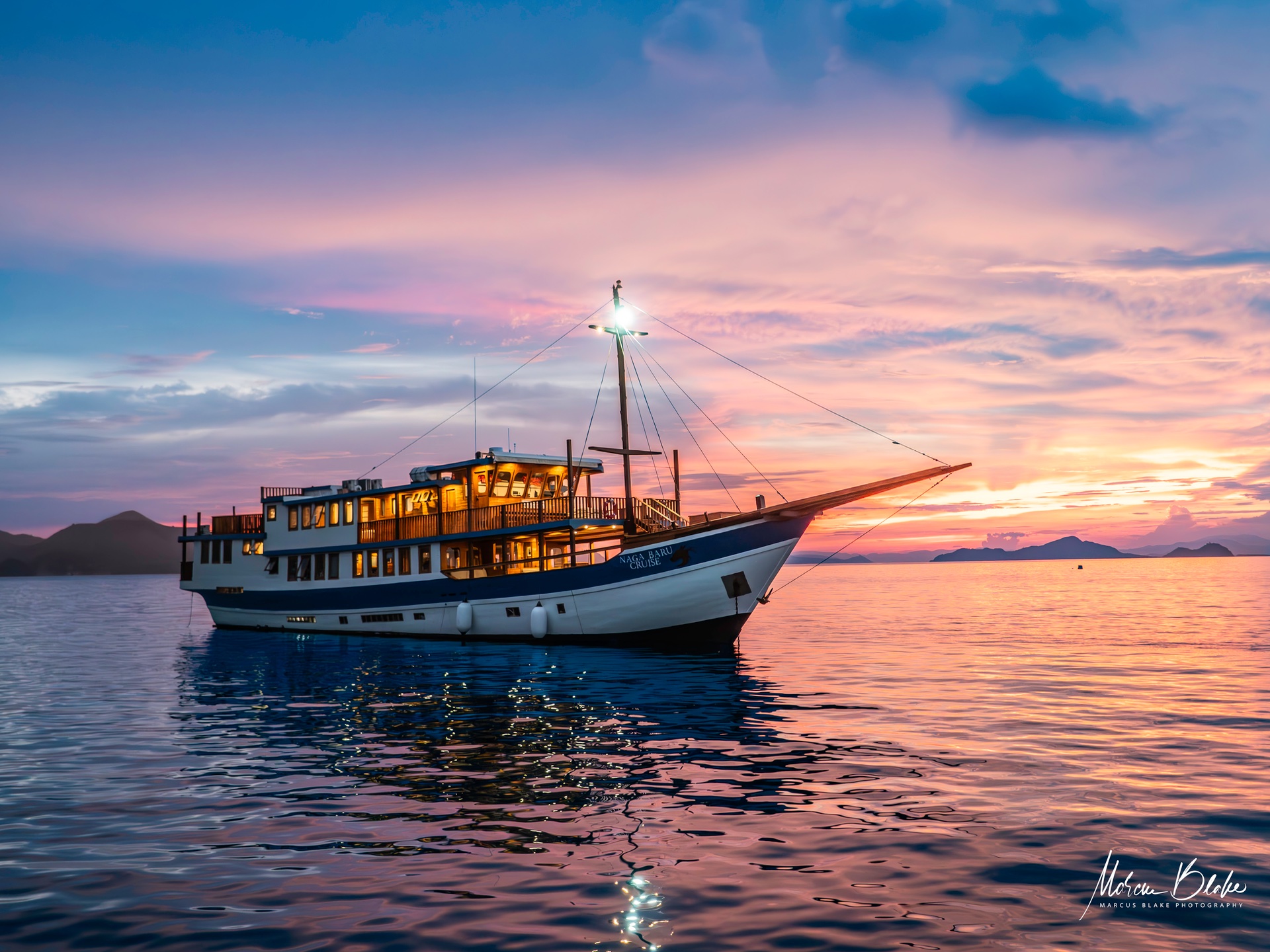
Naga Biru
Indonesia
12 guests40 m
$273/day
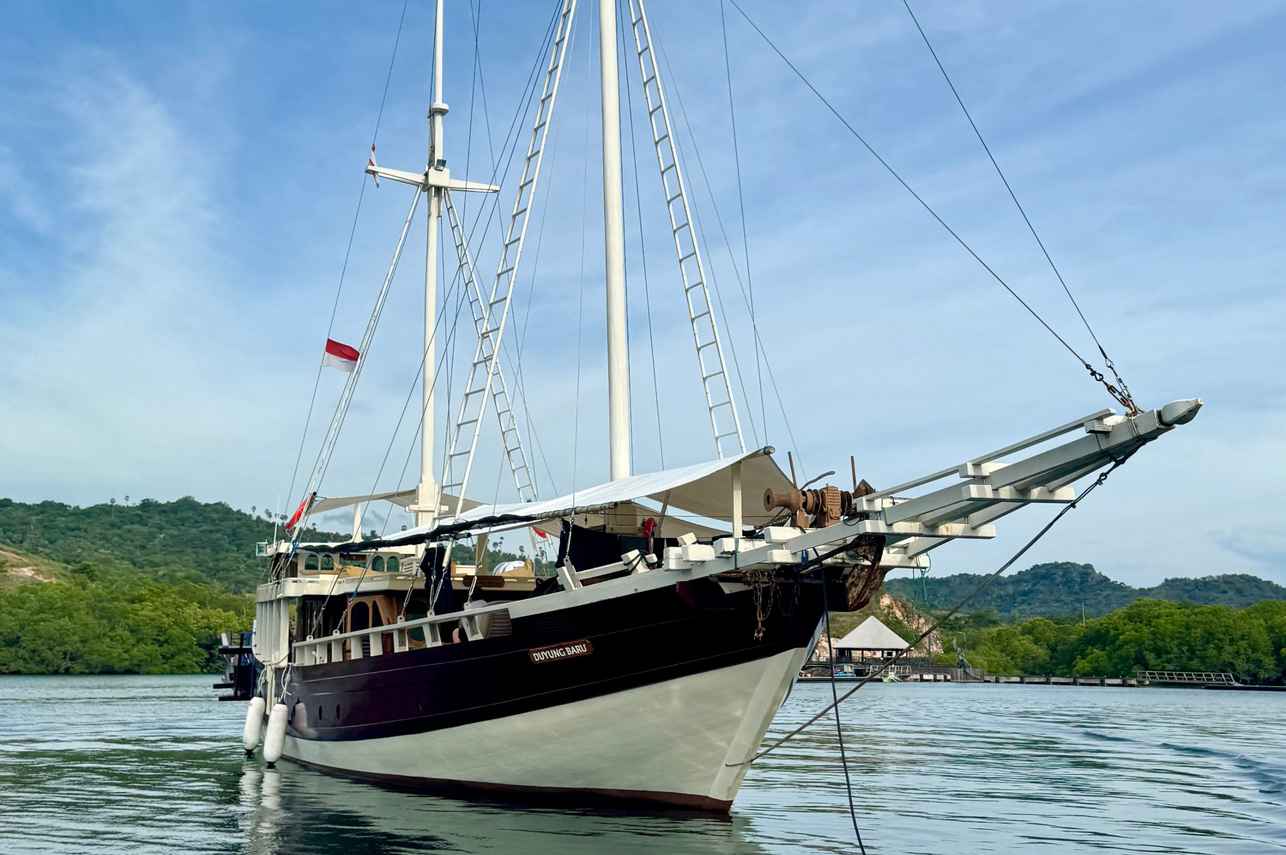
Ecopro Duyung Baru
Indonesia
6 guests27 m
$361/day
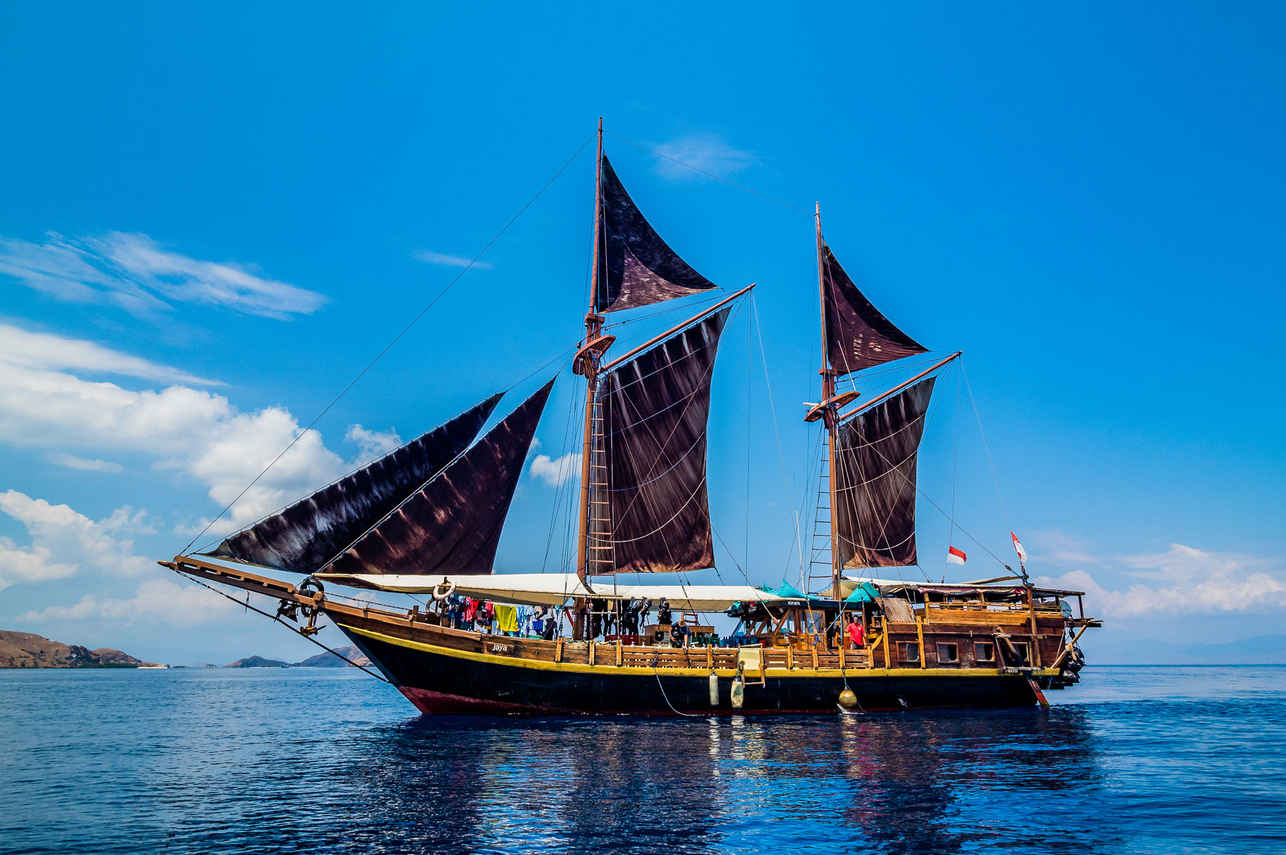
Jaya
Indonesia
14 guests23 m
$280/day
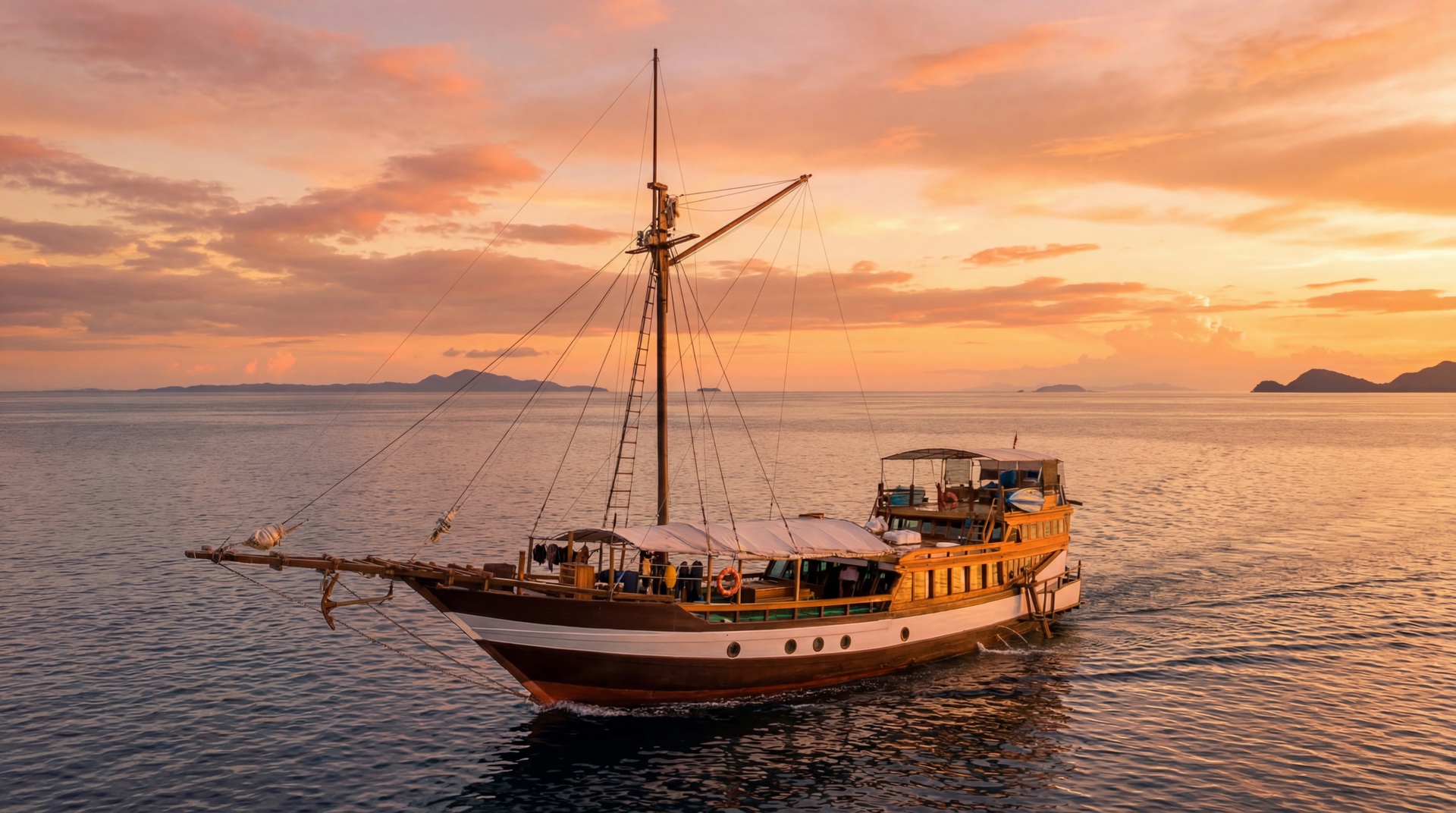
Wellenreng
Indonesia
9 guests25 m
$427/day
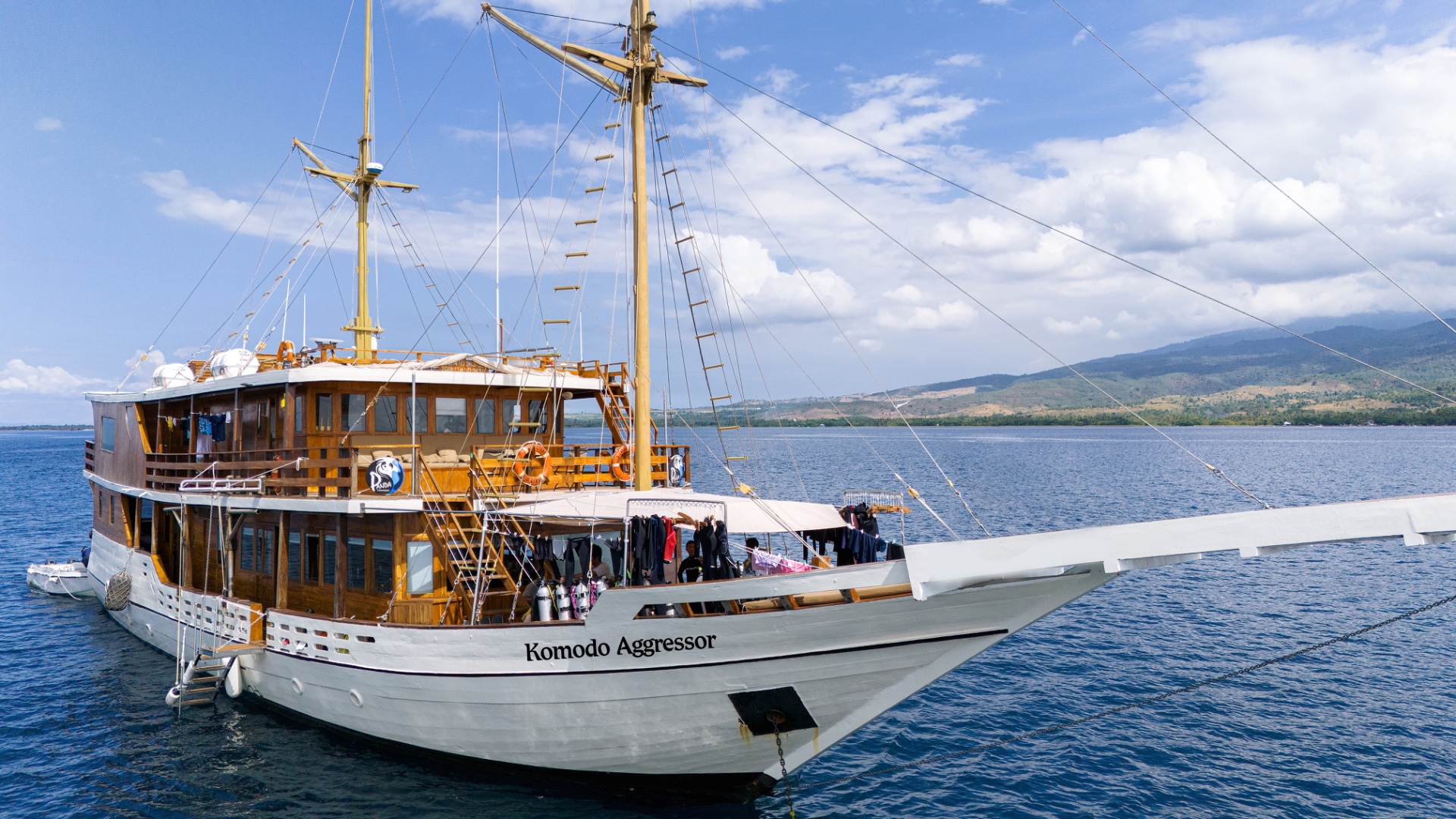
Komodo Aggressor
Komodo, Indonesia
16 guests29 m
$312/day
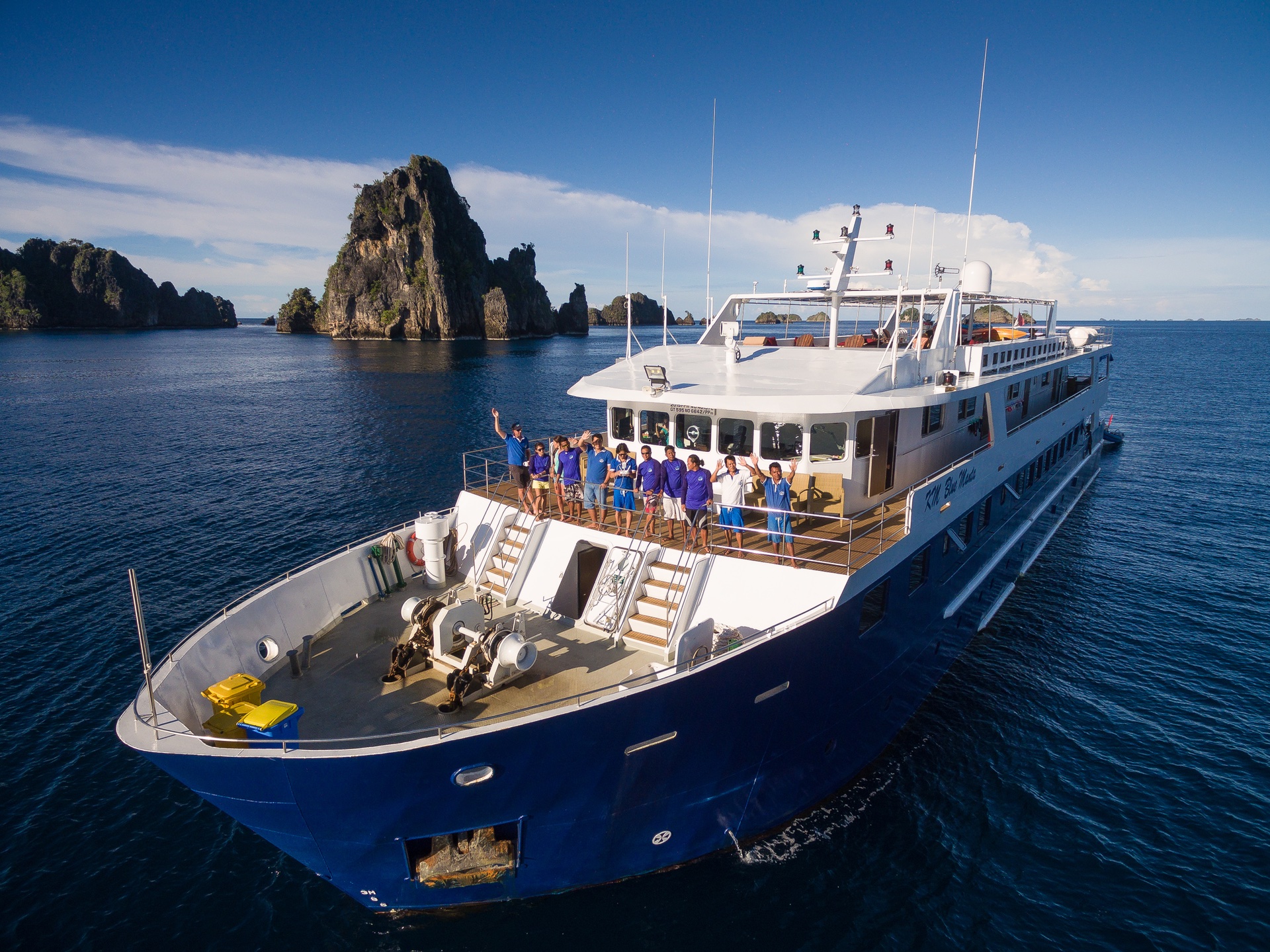
Blue Manta
Indonesia
20 guests45 m
$482/day
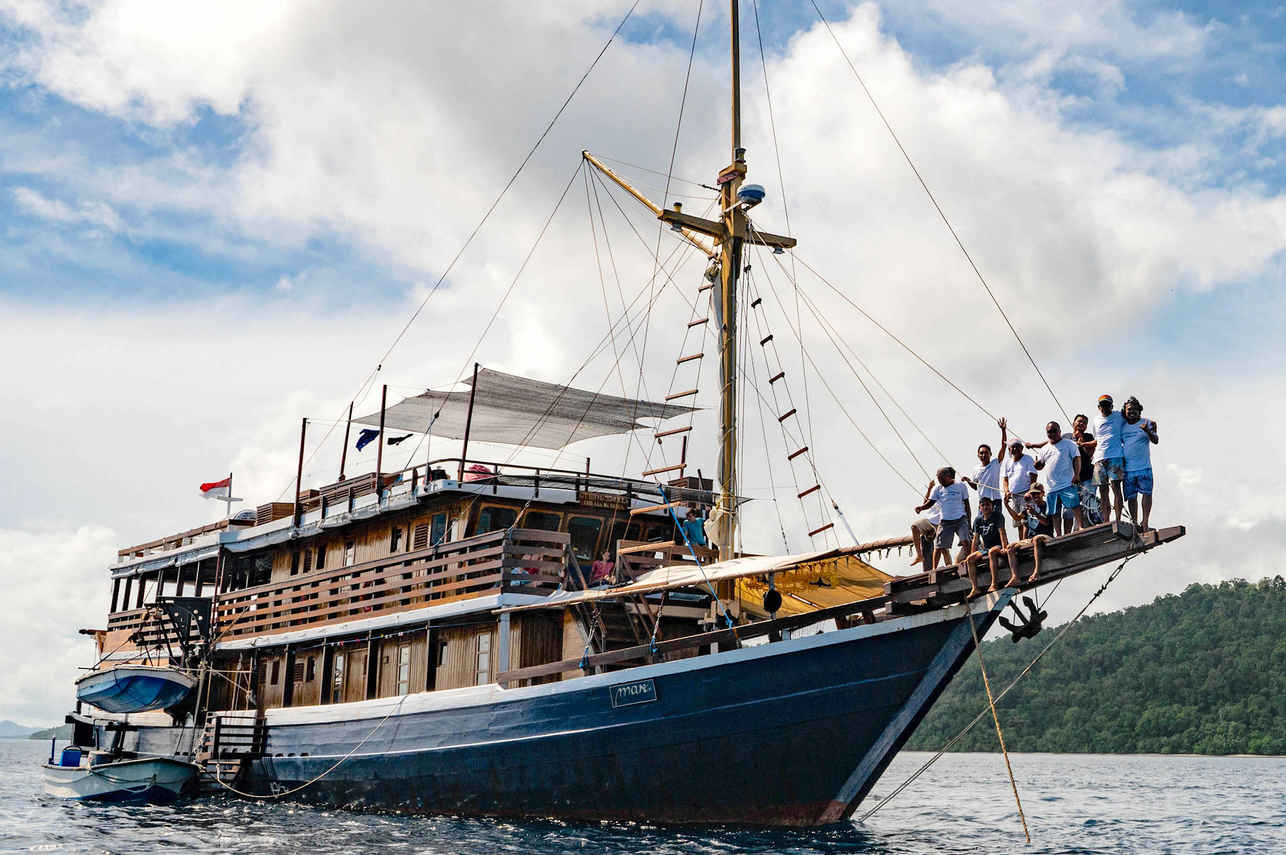
Mari
Indonesia
14 guests32.2 m
$328/day
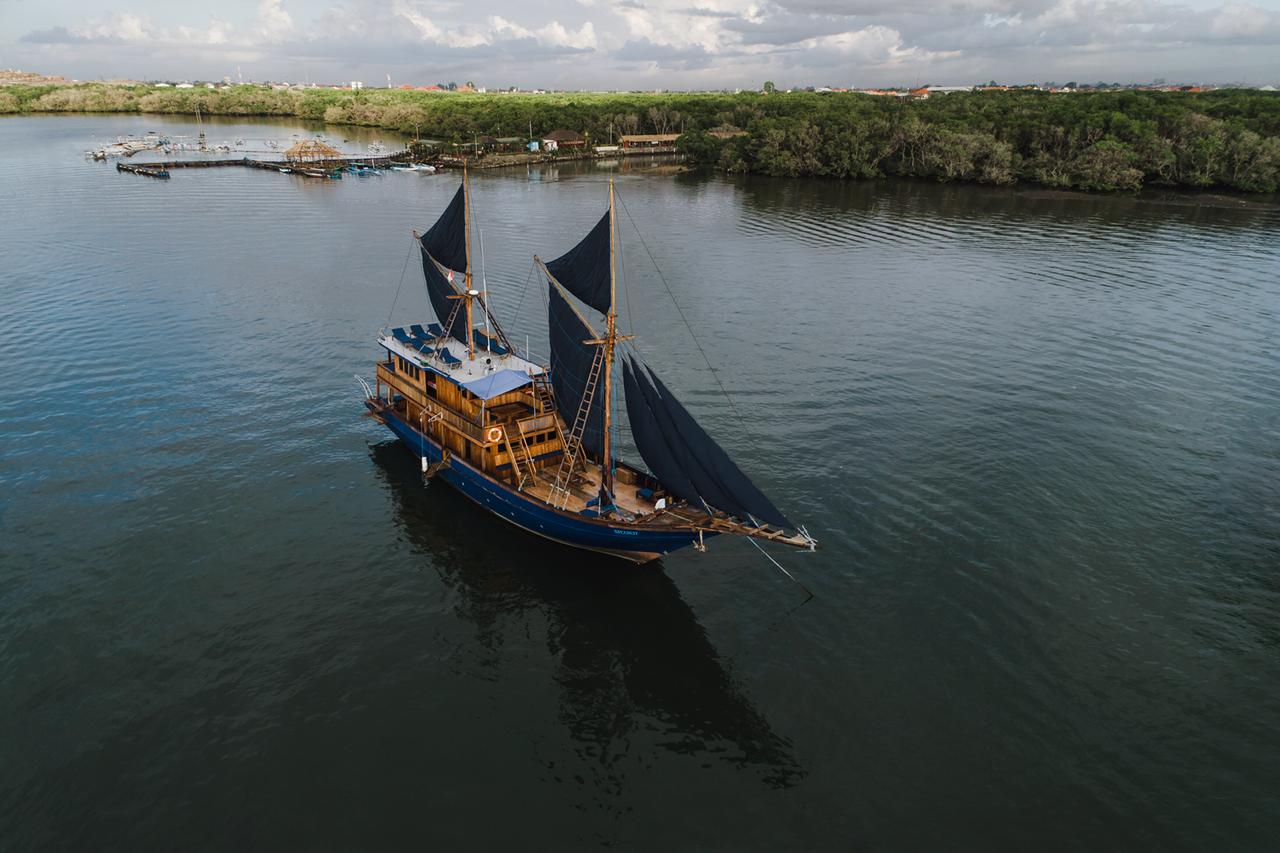
Situju7
Komodo, Indonesia
10 guests32.7 m
$362/day
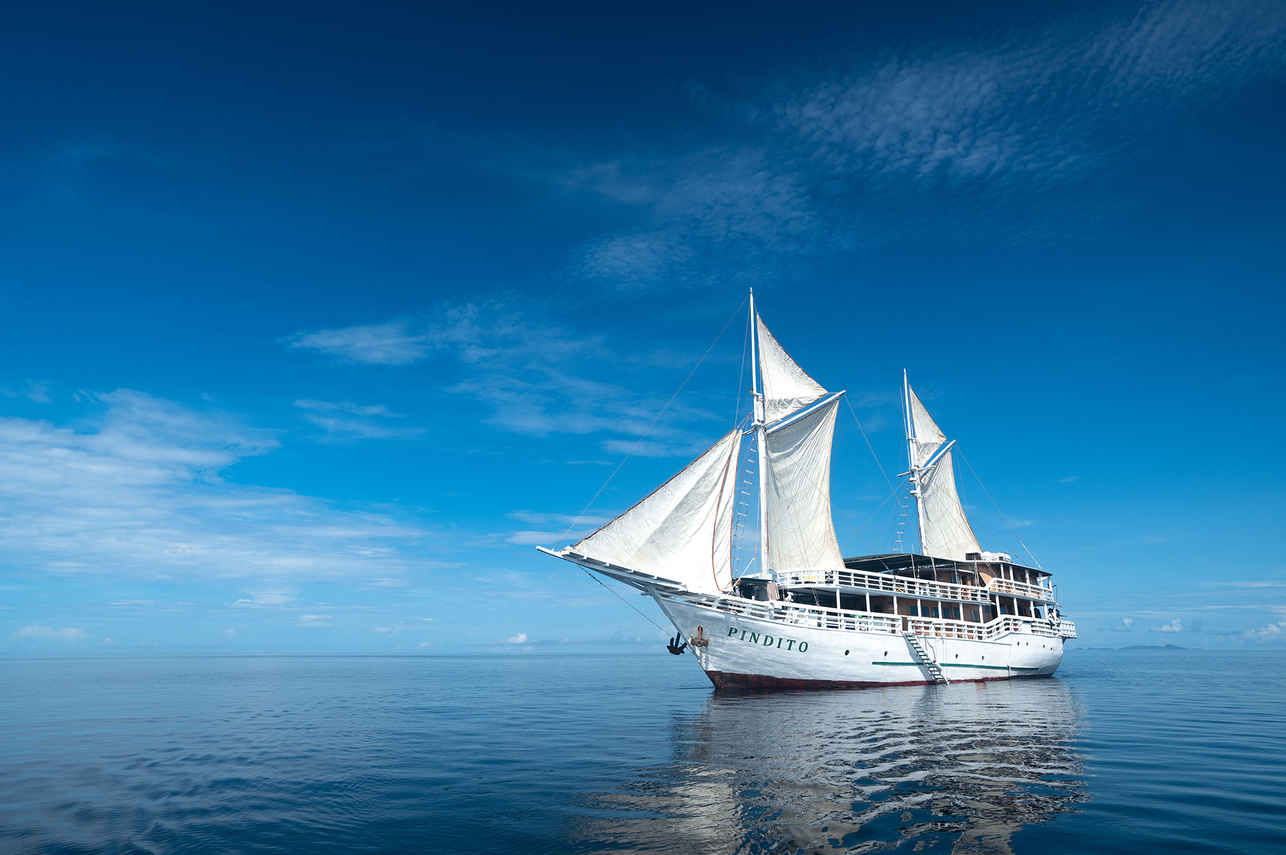
Pindito
Indonesia
16 guests37.79 m
$533/day
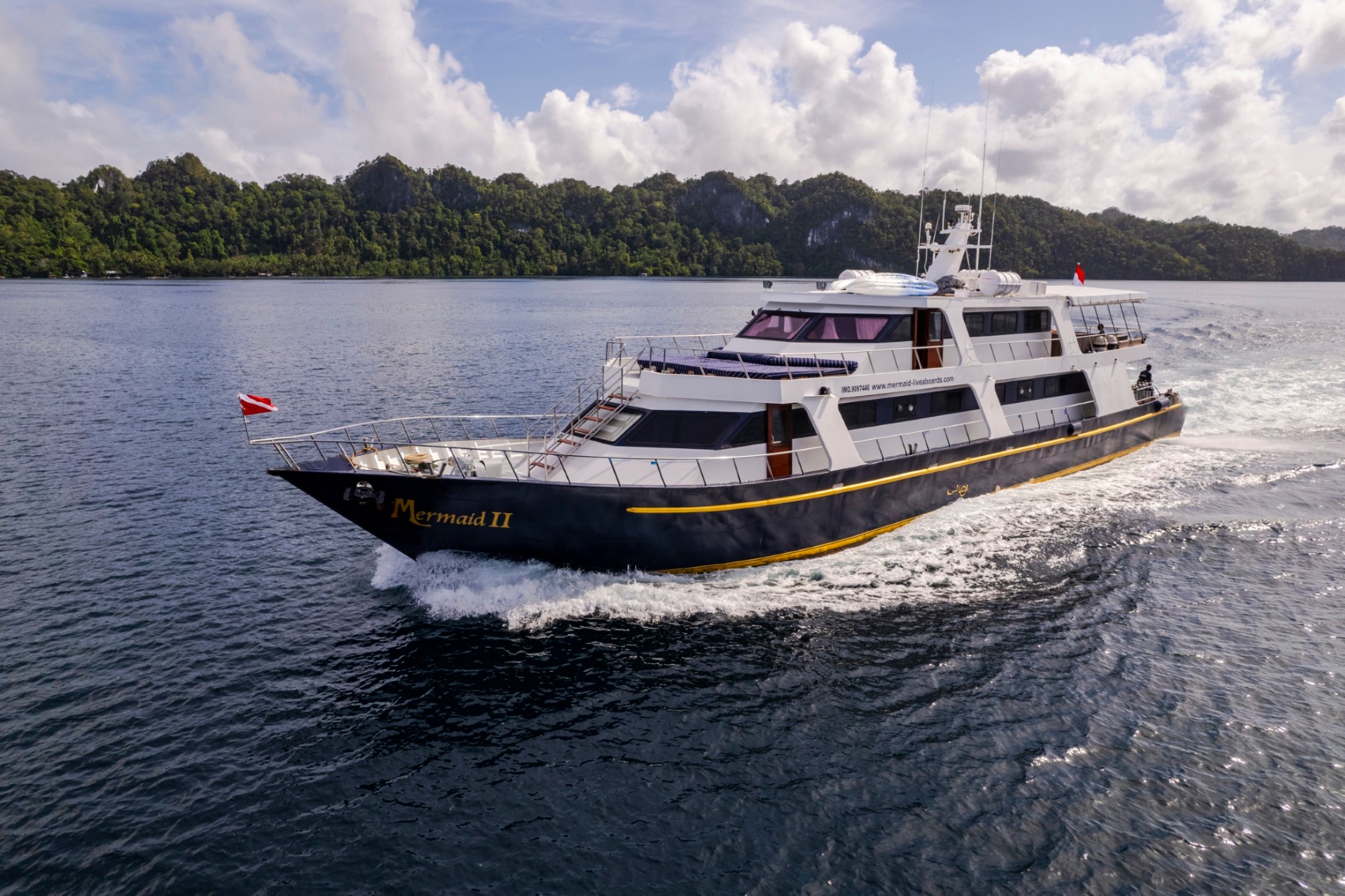
Mermaid II
Komodo, Indonesia
18 guests
$391/day
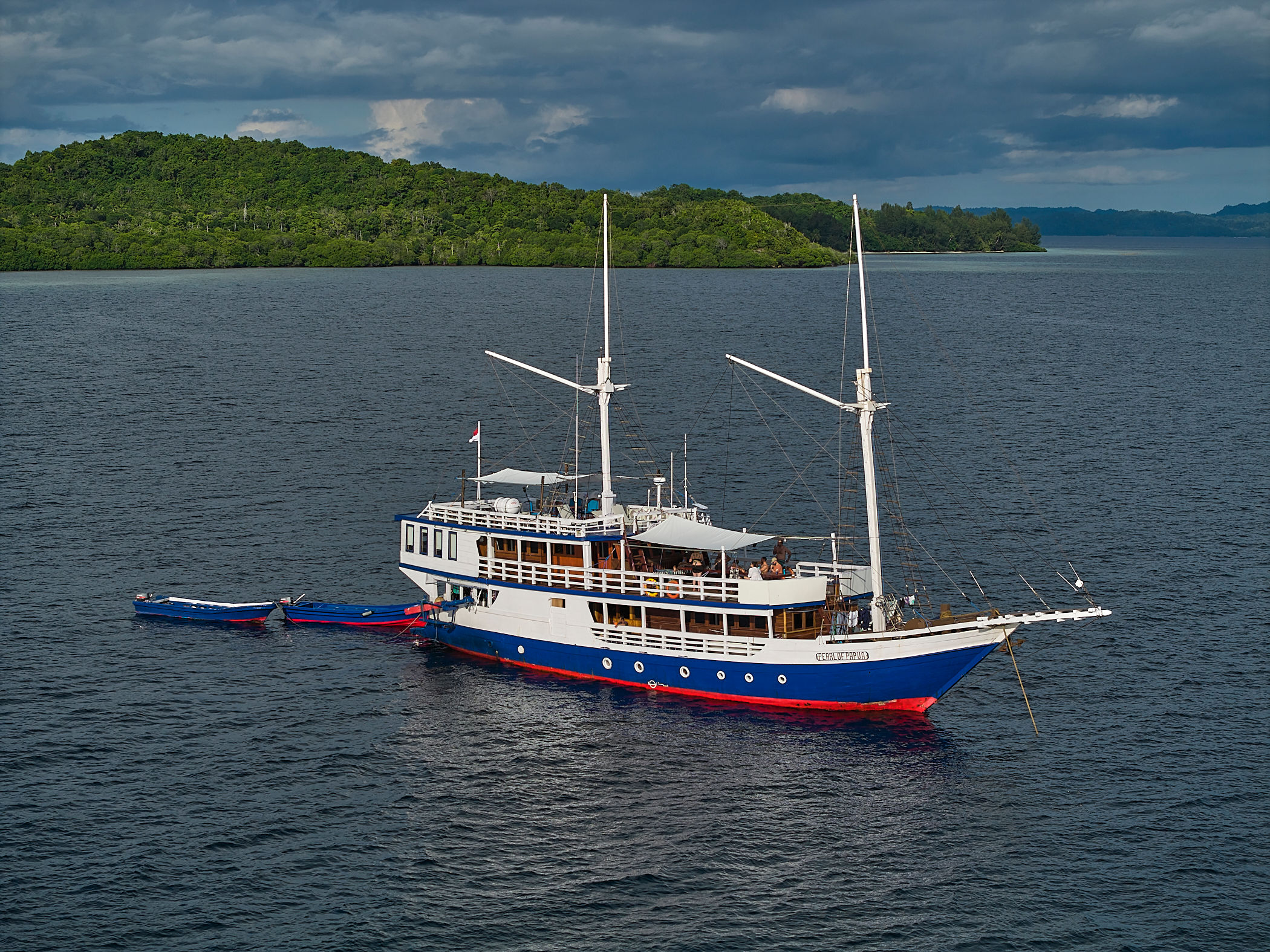
Pearl of Papua
Raja Ampat, Indonesia
14 guests30 m
$303/day
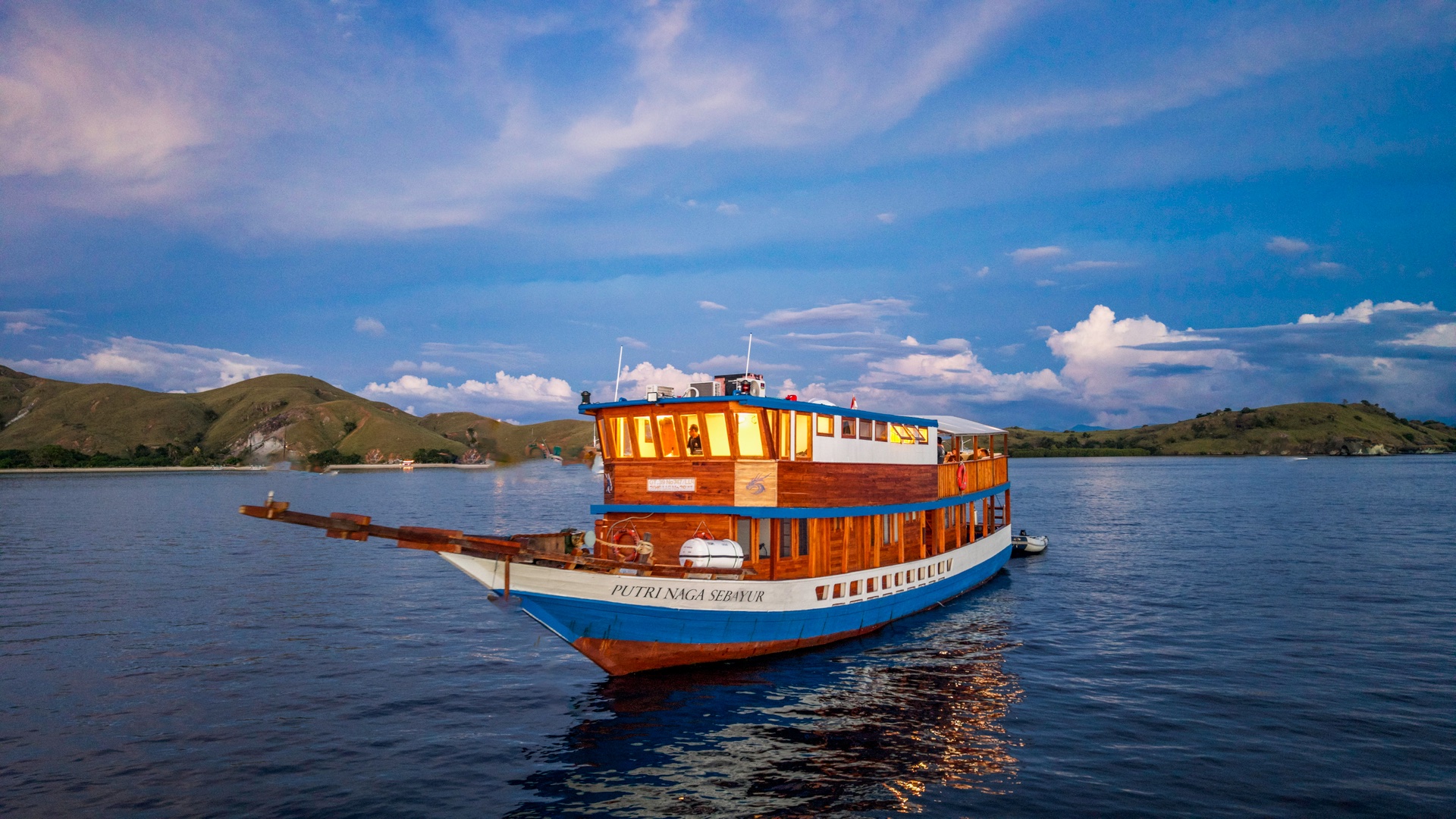
Putri Naga
Komodo, Indonesia
6 guests25 m
Dive sites similar to Hatta Island Reef
Same character, same waters — six more sites divers love for the exact same reasons.Compare seasons, access and liveaboard routes — then pick the site that fits your trip best.
© Esri — Maxar, Earthstar, GIS
Adonara Wall
Indonesia
Adonara is an Indonesian island dive site, renowned for its vibrant underwater topography characterized by submerged seamounts.
- Suitable for
- Intermediate
- Current
- Strong
- Access
- Liveaboard or dayboat
- Depth
- 5–35 m
- Theme
- Seamount / Wall
© Esri — Maxar, Earthstar, GIS
Mawali Wreck
Indonesia
The Mawali Wreck, a Japanese cargo ship, rests on its side in the Lembeh Strait, off the northern coast of Sulawesi.
- Suitable for
- Advanced
- Current
- Mild
- Access
- Liveaboard only
- Depth
- 25–40 m
- Theme
- Wreck / Reef
Aljui Bay, located in Raja Ampat's remote northern reaches, was discovered as a premier snorkeling and diving destination by chance in 2011. This bay, situated within the broader…
- Suitable for
- Beginner
- Current
- Mild
- Access
- Liveaboard only
- Depth
- ≤ 20 m
- Theme
- Reef
Babylon is a captivating dive site located in the Alor Sea, renowned for its exceptional visibility and vibrant marine ecosystem.
- Suitable for
- Intermediate
- Current
- Strong
- Access
- Liveaboard or dayboat
- Depth
- 3–20 m
- Theme
- Reef / Wall
© Esri — Maxar, Earthstar, GIS
Shark Close
Indonesia
Shark Close is an exhilarating dive site in the Indonesian portion of Borneo, renowned for its strong currents and abundant marine life.
- Suitable for
- Advanced
- Current
- Strong
- Access
- Liveaboard or dayboat
- Depth
- 5–25 m
- Theme
- Channel / Drift