About Suanggi Island
Suanggi Island, located in the remote Banda Sea, stands as a premier destination for advanced divers seeking adrenaline-pumping encounters with large pelagic species. This open ocean site is particularly famous for its significant hammerhead shark aggregations, often numbering in the dozens, which makes it a highlight of any Banda Sea itinerary. Beyond the sharks, divers frequently spot oceanic whitetip sharks and other substantial marine life in the deep blue waters surrounding the island. The dive sites around Suanggi typically feature deep-water pinnacles and walls, adorned with vibrant coral formations and colossal pink barrel sponges. These structures plummet to depths well beyond recreational limits, providing an ideal habitat for schooling pelagics that thrive in the nutrient-rich, cooler currents characteristic of the Banda Sea. The diving experience here is often concentrated on blue water encounters, where divers position themselves to observe the schooling hammerheads that emerge from the depths. The pristine coral health, combined with the abundance of large marine creatures, creates a truly wild and unforgettable underwater spectacle. Visibility is generally excellent, enhancing the grandeur of these vast underwater landscapes and the marine life they support. While the primary draw is the pelagic action, the reefs themselves host a healthy ecosystem, contributing to the overall biodiversity. However, the challenging conditions, including strong and unpredictable currents, mean that Suanggi Island is best suited for experienced divers comfortable with demanding environments and deep diving.
Highlights
Schooling hammerhead sharksOceanic whitetip sharksThrilling blue water encountersDeep-water pinnaclesLarge coral formationsHuge pink barrel spongesBig pelagic marine lifePristine coral health
Season calendar
Best months to dive here
Jan
Feb
Mar
Apr
May
Jun
Jul
Aug
Sep
Oct
Nov
Dec
Excellent
Good
Dive site facts: Suanggi Island
- Depth
- 15–40 m
- Current
- Moderate to strong
- Visibility
- 25–40 m
- Water temperature
- 26–29°C
- Entry
- Tender / Negative entry
- Level
- Advanced
- Dive type
- Pelagic, deep wall, drift
- Night dive
- Not typical
- Region / port
- Banda Sea, Indonesia
- Coordinates
- -5.3412, 129.3234
Conditions & Currents
Diving at Suanggi Island is an advanced experience due to the strong and often unpredictable currents. These currents are a primary factor in attracting the large pelagic species, particularly hammerhead sharks, but they demand excellent buoyancy control and comfort with drift diving techniques. Divers must be prepared for vigorous water movement, which can change direction and intensity rapidly. Liveaboards typically use a tender for entry and exit, often requiring negative entries to quickly reach depth and avoid being swept away from the target area. Maintaining close proximity to your buddy and the dive guide is crucial for safety, and dive briefings will emphasize current direction, designated turn points, and specific exit procedures. Surface conditions can also be choppy, adding to the challenge of re-boarding the main vessel or tender.
Marine life & sighting chances

Scalloped hammerhead shark
September - November · common
Oceanic whitetip shark
occasional
Hawksbill sea turtle
occasional
Olive sea snake
occasional
Bumphead parrotfish
occasional
Pink barrel sponge
common
Fusilier
common
Manta ray
occasional

Dive profile & how the dive runs
A typical dive at Suanggi Island involves a negative entry from a tender directly into the current, descending quickly to depths where hammerheads are frequently observed, often around 25-30 meters. Divers generally stay at this depth for approximately 20-25 minutes, positioning themselves along the deep walls or pinnacles, and using current hooks if necessary to observe the schooling pelagics without expending excessive energy. The dive then gradually ascends, drifting with the current along the reef slope, exploring shallower coral formations. The turning point is typically dictated by air consumption or dive time, ensuring sufficient reserve for the safety stop and ascent. The safety stop is conducted while drifting, with the tender tracking and picking up divers once they surface.
Underwater photography
For capturing the large pelagic action at Suanggi Island, a wide-angle lens is essential, particularly a fisheye, to encompass entire schools of hammerheads and the vast blue water environment. Given the potential for deeper encounters and lower light conditions, a powerful strobe setup is highly recommended to bring out color and detail. Buoyancy control is paramount due to strong and unpredictable currents; maintaining a stable position is crucial for sharp images. Patience is key, as the hammerheads can be shy; avoid rapid movements. For capturing expansive reefscapes and enormous sponges, the wide-angle lens remains ideal. Remember to maintain a respectful distance from marine life, particularly the sharks, to avoid disturbing their natural behavior.
Combine with nearby dive sites
Getting there & logistics
Access to Suanggi Island and the wider Banda Sea is exclusively via liveaboard, typically departing from Ambon, the capital city of Maluku province. To reach Ambon, daily local flights are available from major Indonesian hubs like Bali, Jakarta, Makassar, and Manado. Liveaboard trips to the Banda Sea usually range from 7 to 10 days, with some itineraries combining the region with other destinations like Raja Ampat or Ambon's muck diving sites. Travel insurance is highly recommended due to the remote nature of the destination and the extended travel required. Guests should anticipate limited internet connectivity throughout the voyage, embracing the off-the-beaten-path experience.
Safety & environment
Diving at Suanggi Island, given its advanced nature and strong currents, requires meticulous attention to safety. Divers must carry valid dive insurance that covers emergency medical evacuation and recompression. The nearest recompression chamber is typically in Ambon, but evacuation from remote Banda Sea sites can be complex and time-consuming. Strict adherence to dive guides' instructions, particularly regarding current behavior and designated turn times, is crucial. Comfort with negative entries and drift diving is essential. Divers should maintain excellent physical fitness and ensure their gear is in top condition, especially focusing on adequate air supply for deep, current-exposed dives. Always dive within your training and experience limits, and do not attempt to chase pelagics, especially hammerheads.
Who it suits — and who it doesn't
Suited for
- Advanced divers comfortable with strong currents
- Divers seeking large pelagic encounters, especially hammerhead sharks
- Underwater photographers with wide-angle setups
- Experienced liveaboard enthusiasts
- Divers who appreciate remote, wild diving
Less suited for
- Novice or inexperienced divers
- Divers uncomfortable with deep dives and strong currents
- Macro photography specialists (as primary focus)
- Divers prone to seasickness on open ocean crossings
- Those looking for shore-based diving access
FAQ
Suanggi Island FAQ
What marine life can I expect to see at Suanggi Island?
Suanggi Island is most famous for its schooling scalloped hammerhead sharks, which are frequently encountered in large numbers, particularly during peak season. You can also expect to see oceanic whitetip sharks, various species of sea turtles like hawksbills, and abundant schooling fish. Occasional sightings of olive sea snakes and large bumphead parrotfish also occur, alongside massive pink barrel sponges and vibrant coral formations.
What are the diving conditions like at Suanggi Island?
Diving conditions at Suanggi Island are challenging, characterized by strong and often unpredictable currents. Visibility is typically excellent, ranging from 25 to 40 meters, and water temperatures average 26-29°C. These conditions are ideal for pelagic encounters but demand advanced diving skills, including proficiency in drift diving and excellent buoyancy control. Surface conditions can also be choppy.
When is the best time to see hammerhead sharks at Suanggi Island?
The prime time for encountering hammerhead sharks at Suanggi Island is during the migration season, which generally runs from September to December. Peak sightings are most consistent in October and November when large aggregations of hammerheads are frequently observed. During these months, the Banda Sea offers the best visibility and conditions for these thrilling pelagic encounters.
Is Suanggi Island suitable for beginner divers?
No, Suanggi Island is not recommended for beginner divers. The challenging conditions, including strong currents, deep dive profiles, and the need for advanced buoyancy control, make it suitable only for experienced divers. Divers should have an Advanced Open Water certification and be comfortable with drift diving techniques and open ocean environments.
How do I get to Suanggi Island?
Suanggi Island is a remote destination in the Banda Sea and is exclusively accessible via liveaboard. Most liveaboard trips depart from Ambon, the capital of Maluku province, which can be reached by domestic flights from major Indonesian cities like Jakarta or Bali. The journey to Suanggi Island from Ambon typically involves an overnight crossing as part of a multi-day liveaboard itinerary.
Why dive Suanggi Island from a liveaboard?
Suanggi Island is one of Indonesia's signature dive sites. A liveaboard sleeps you on the water and puts you in the water for three to four guided dives per day, including dawn and night dives that day-boat operators rarely offer. You skip the daily commute back to port and reach quieter, less-crowded sites in the same region on a single trip.
Below are the liveaboards that include Suanggi Island on their Indonesia itineraries.
Liveaboards diving Suanggi Island
These liveaboards may visit Suanggi Island on selected itineraries — the exact dive sites depend on departure, weather and conditions.
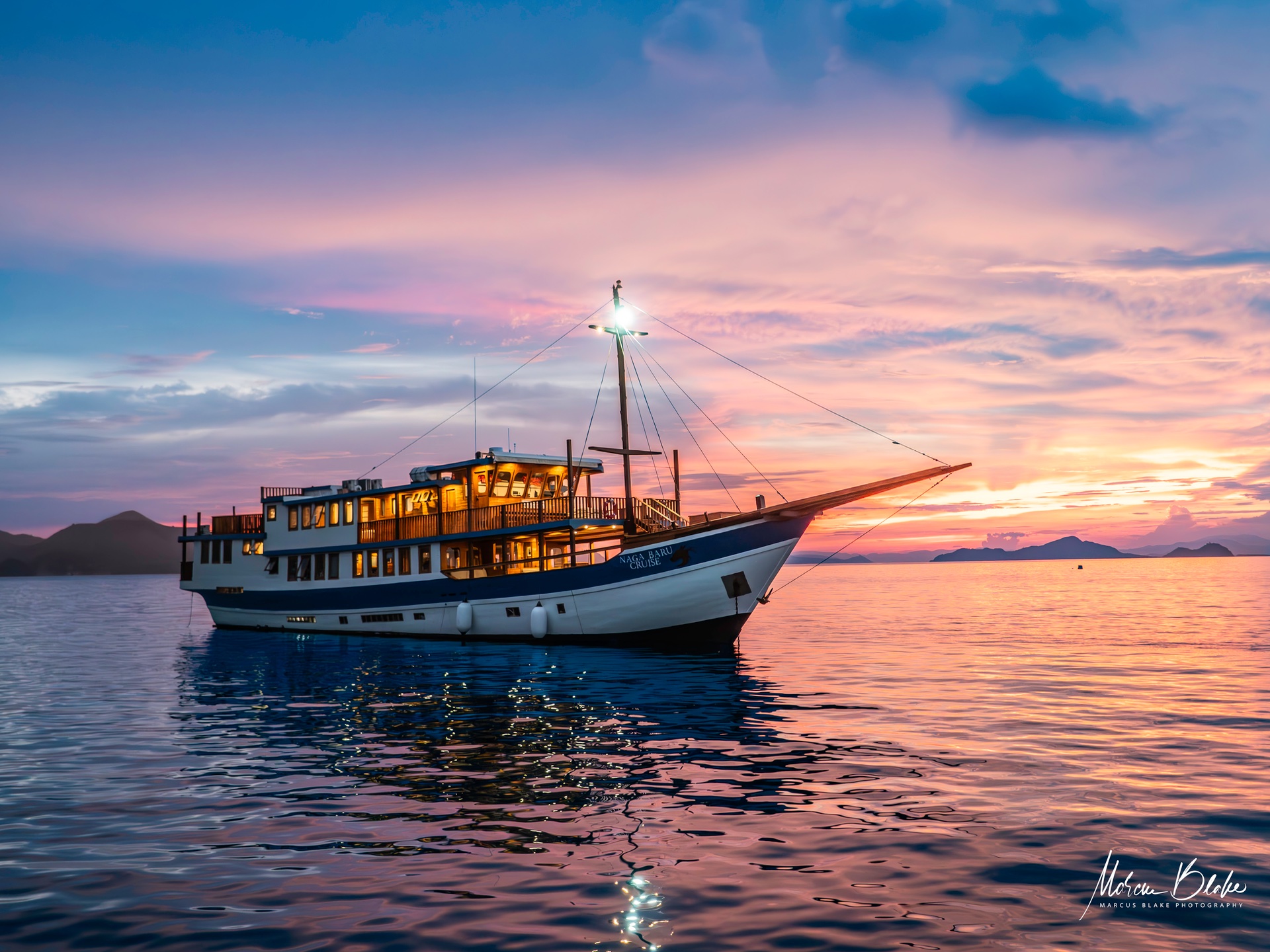
Naga Biru
Indonesia
12 guests40 m
$311/day
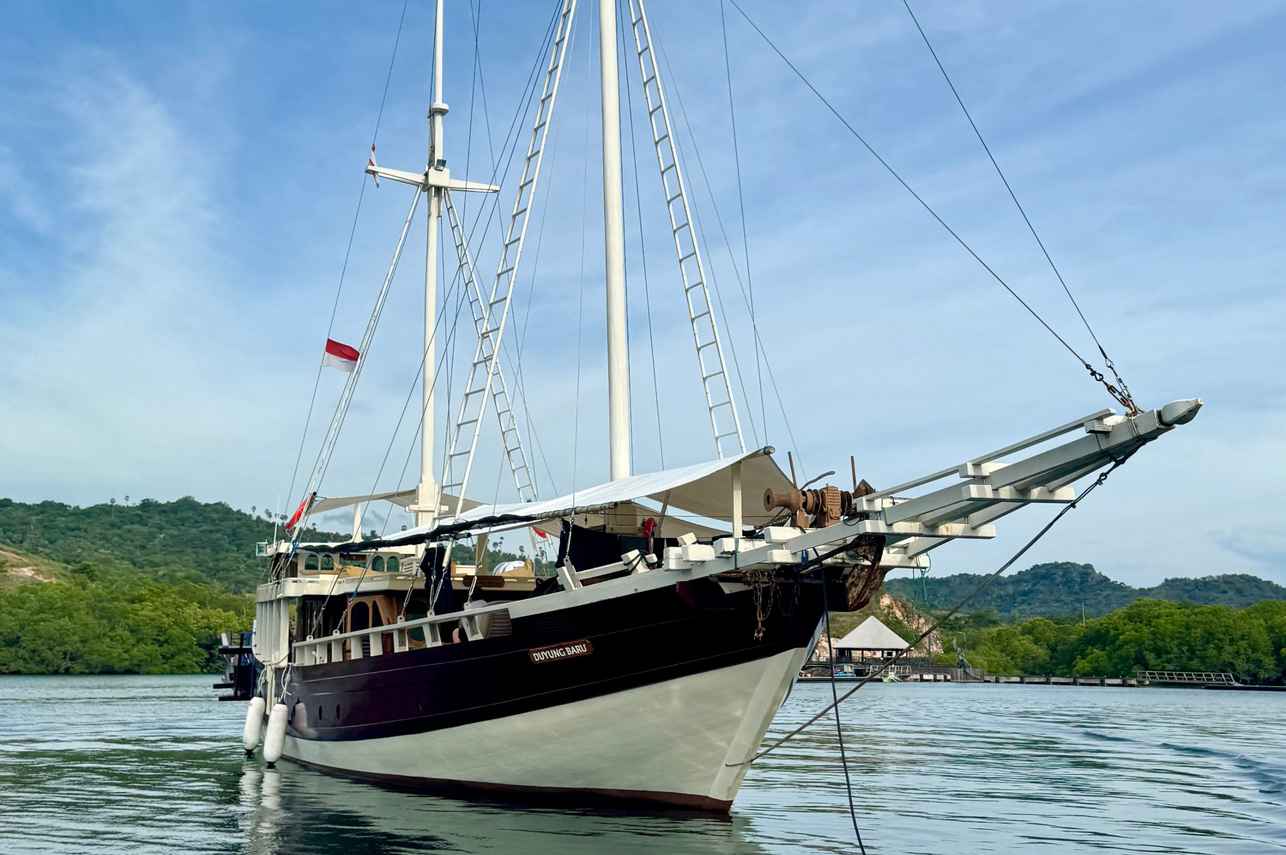
Ecopro Duyung Baru
Indonesia
6 guests27 m
$361/day
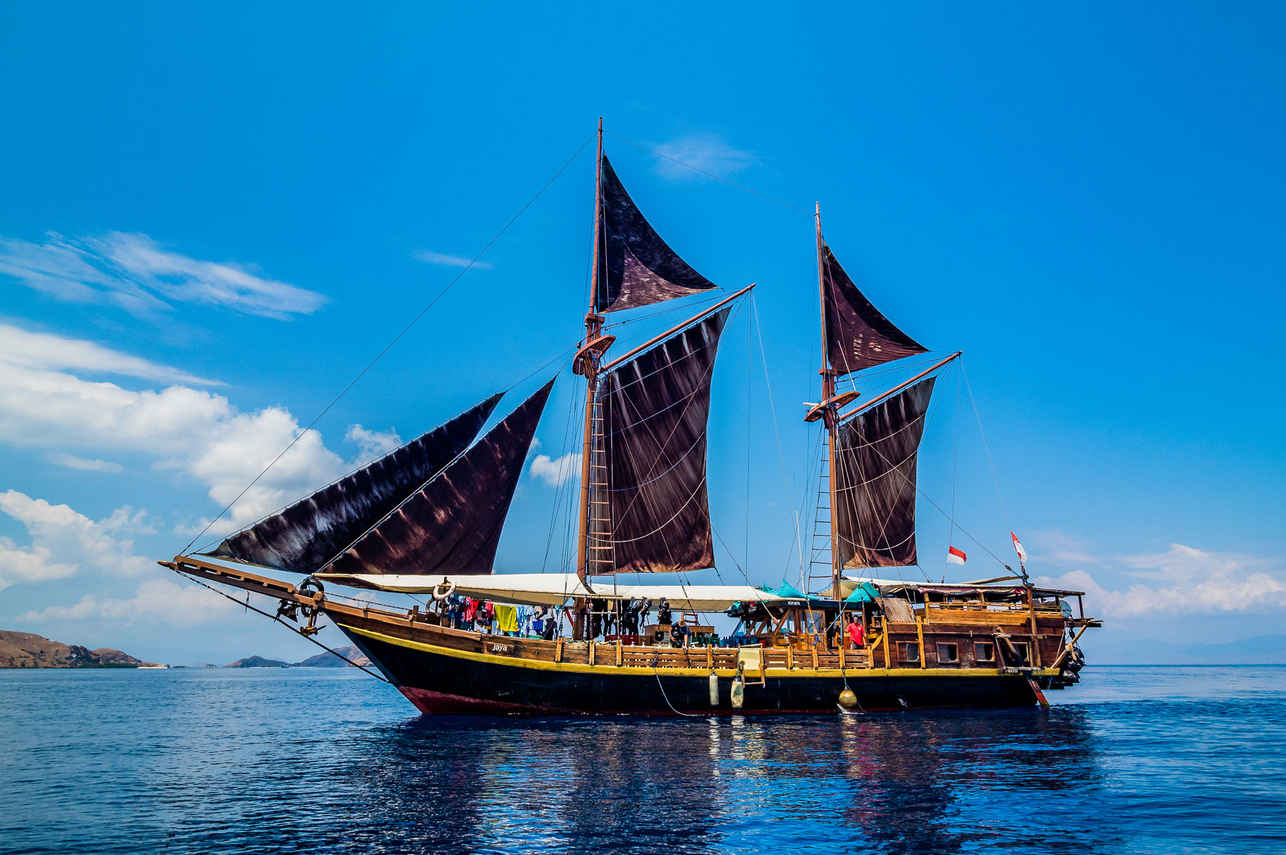
Jaya
Indonesia
14 guests23 m
$280/day
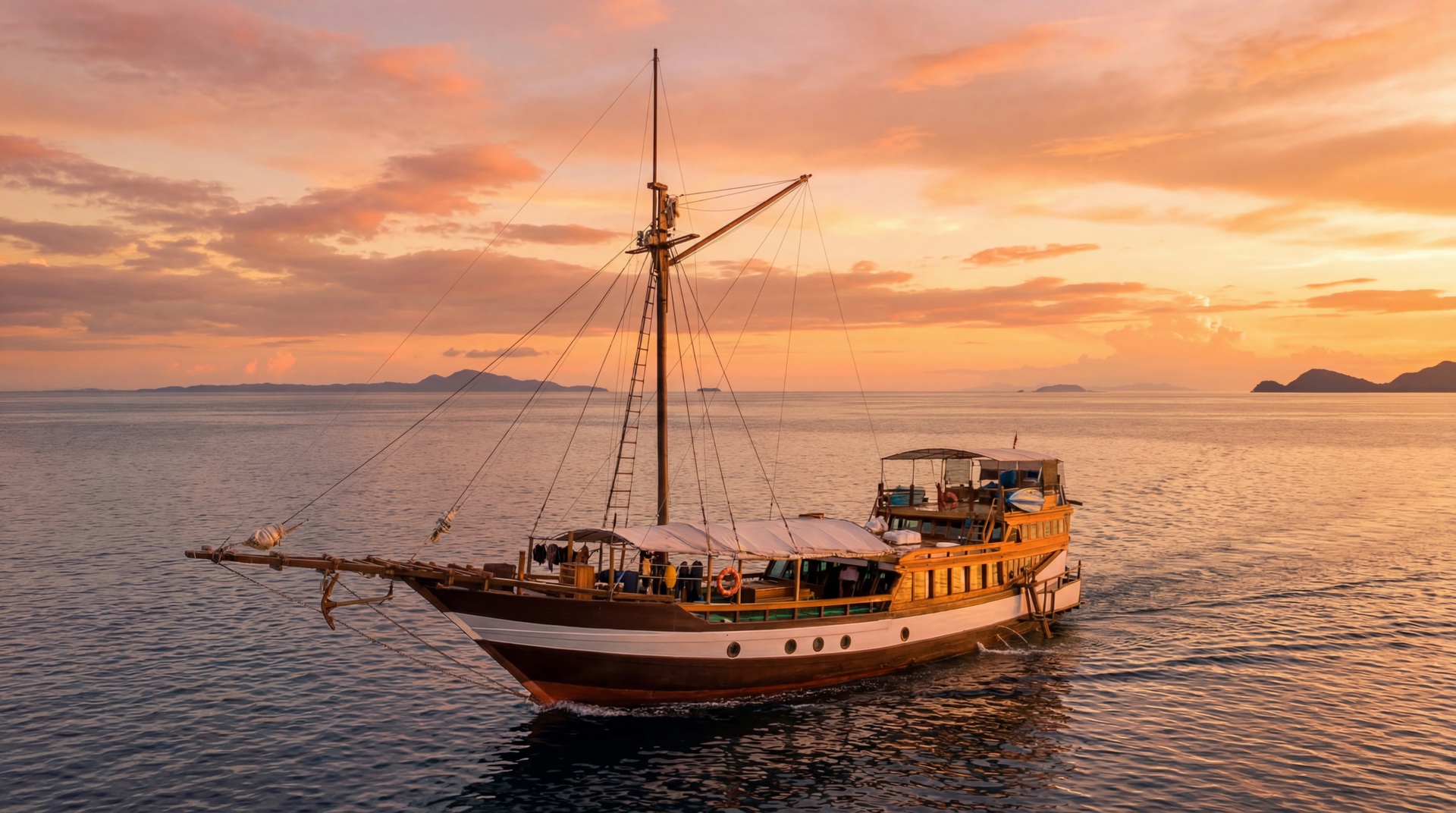
Wellenreng
Indonesia
9 guests25 m
$427/day
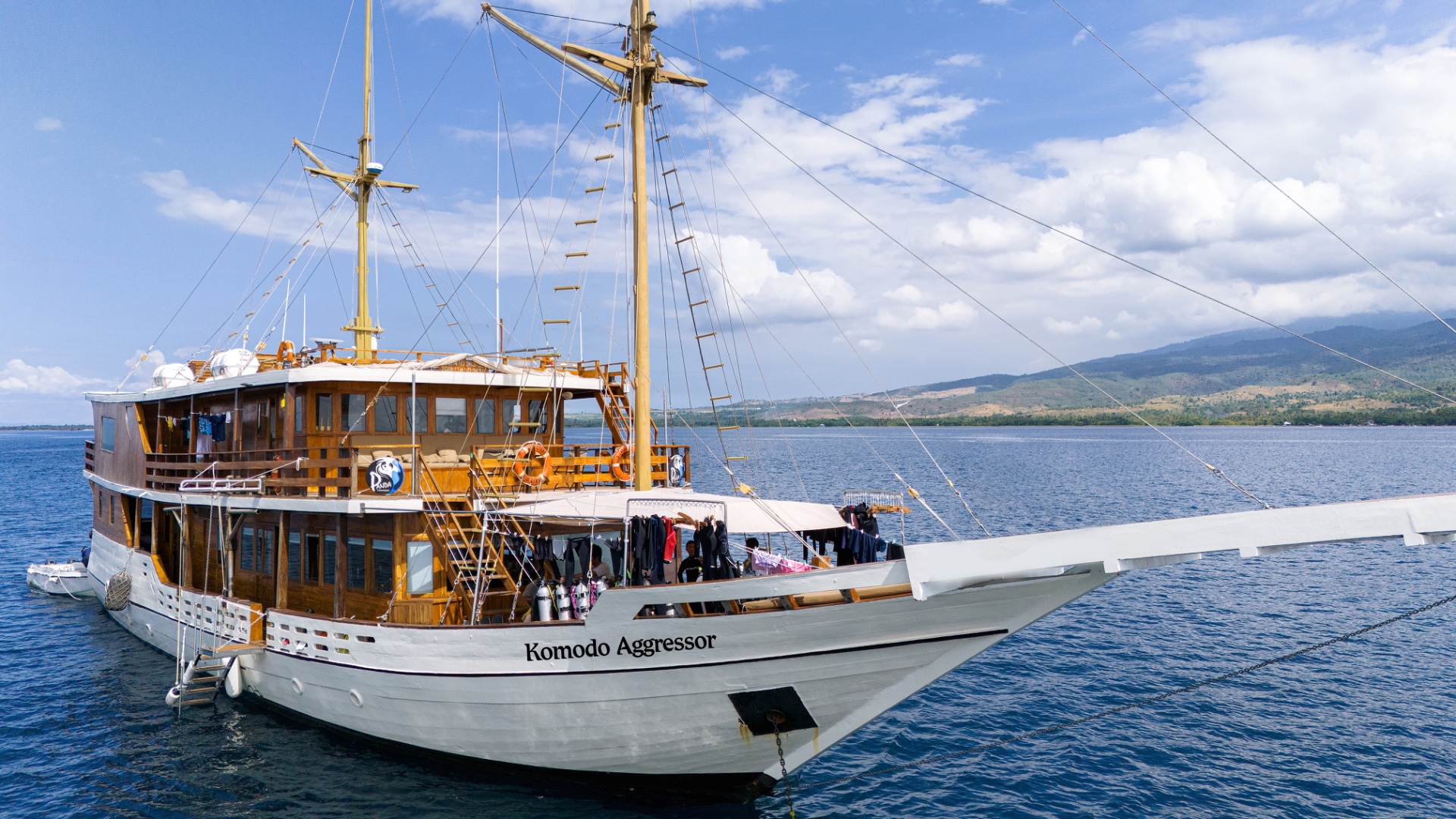
Komodo Aggressor
Komodo, Indonesia
16 guests29 m
$312/day
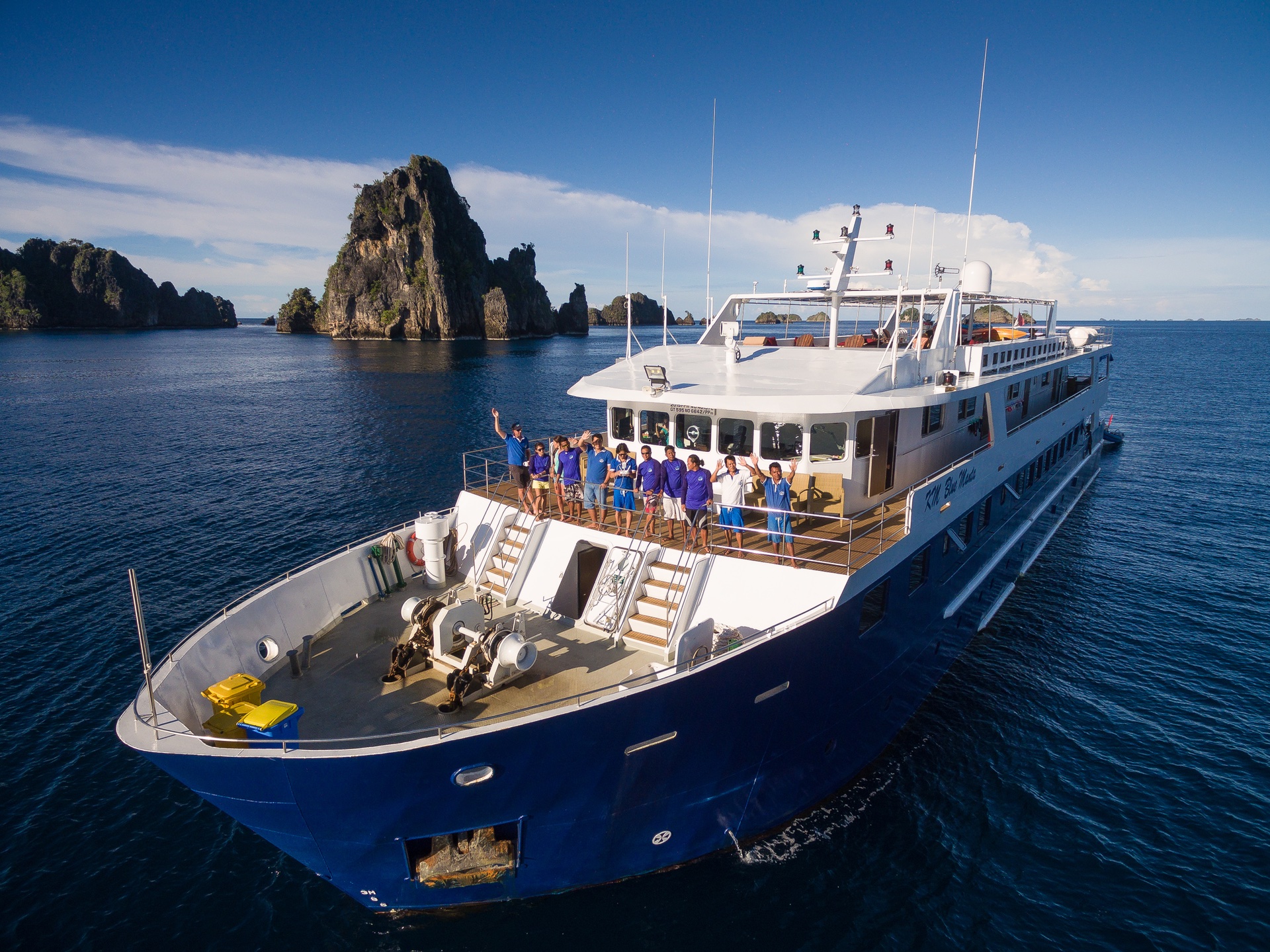
Blue Manta
Indonesia
20 guests45 m
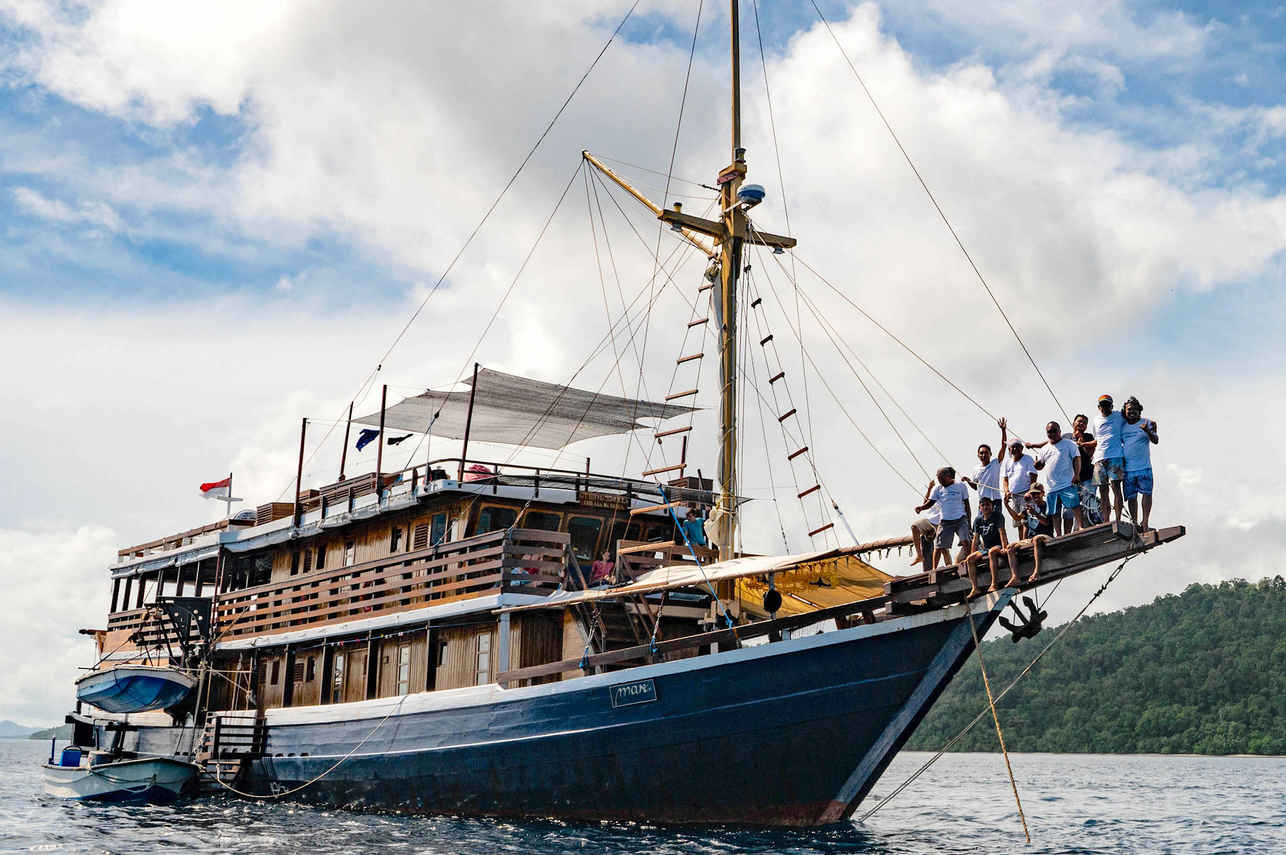
Mari
Indonesia
14 guests32.2 m
$373/day
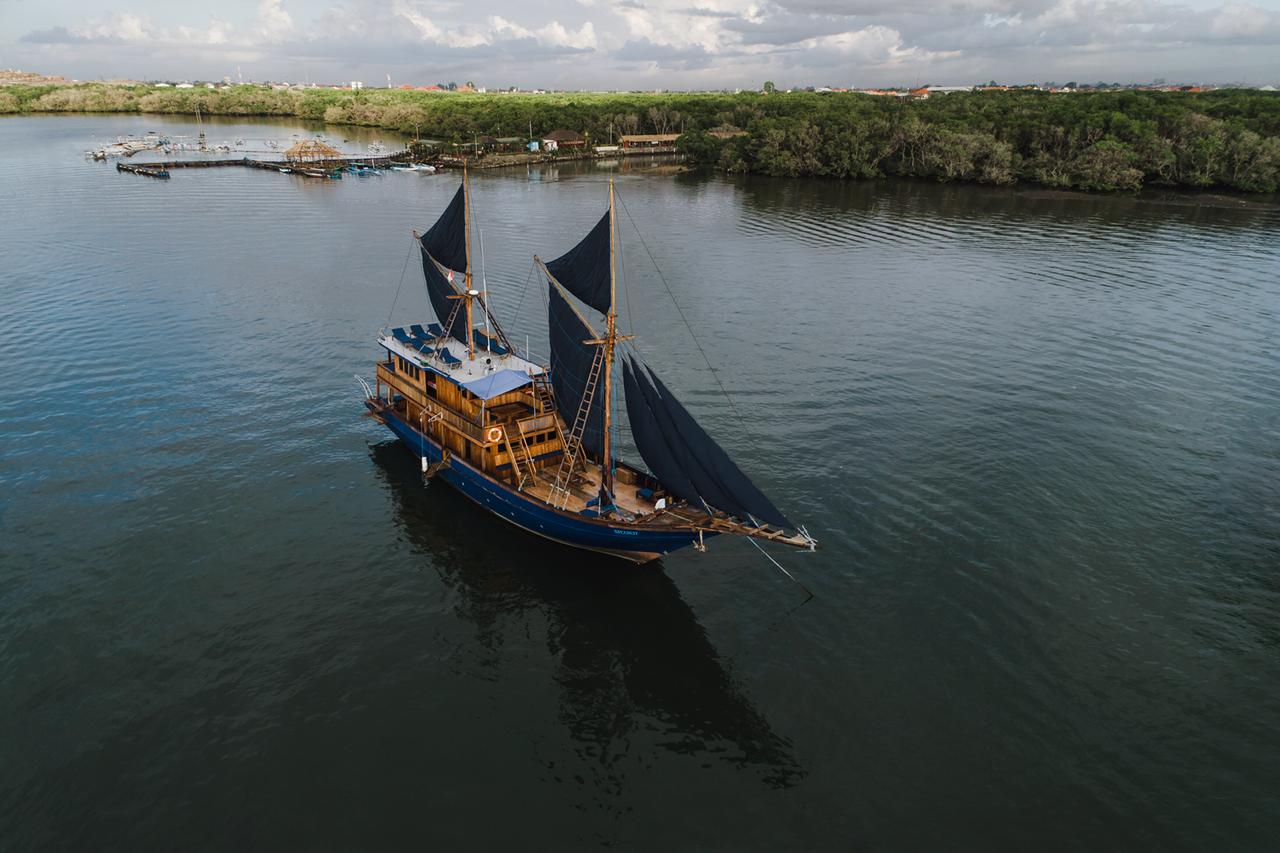
Situju7
Komodo, Indonesia
10 guests32.7 m
$362/day
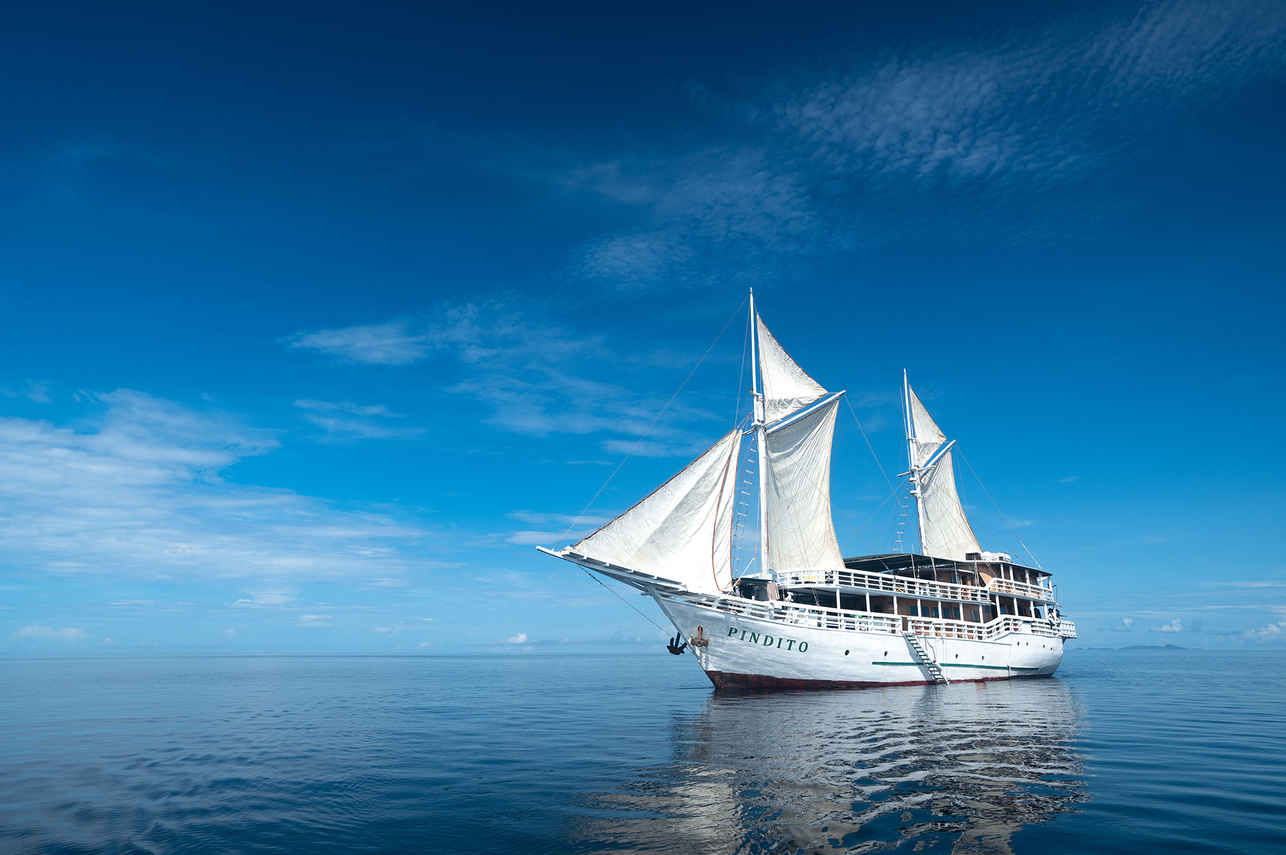
Pindito
Indonesia
16 guests37.79 m
$533/day
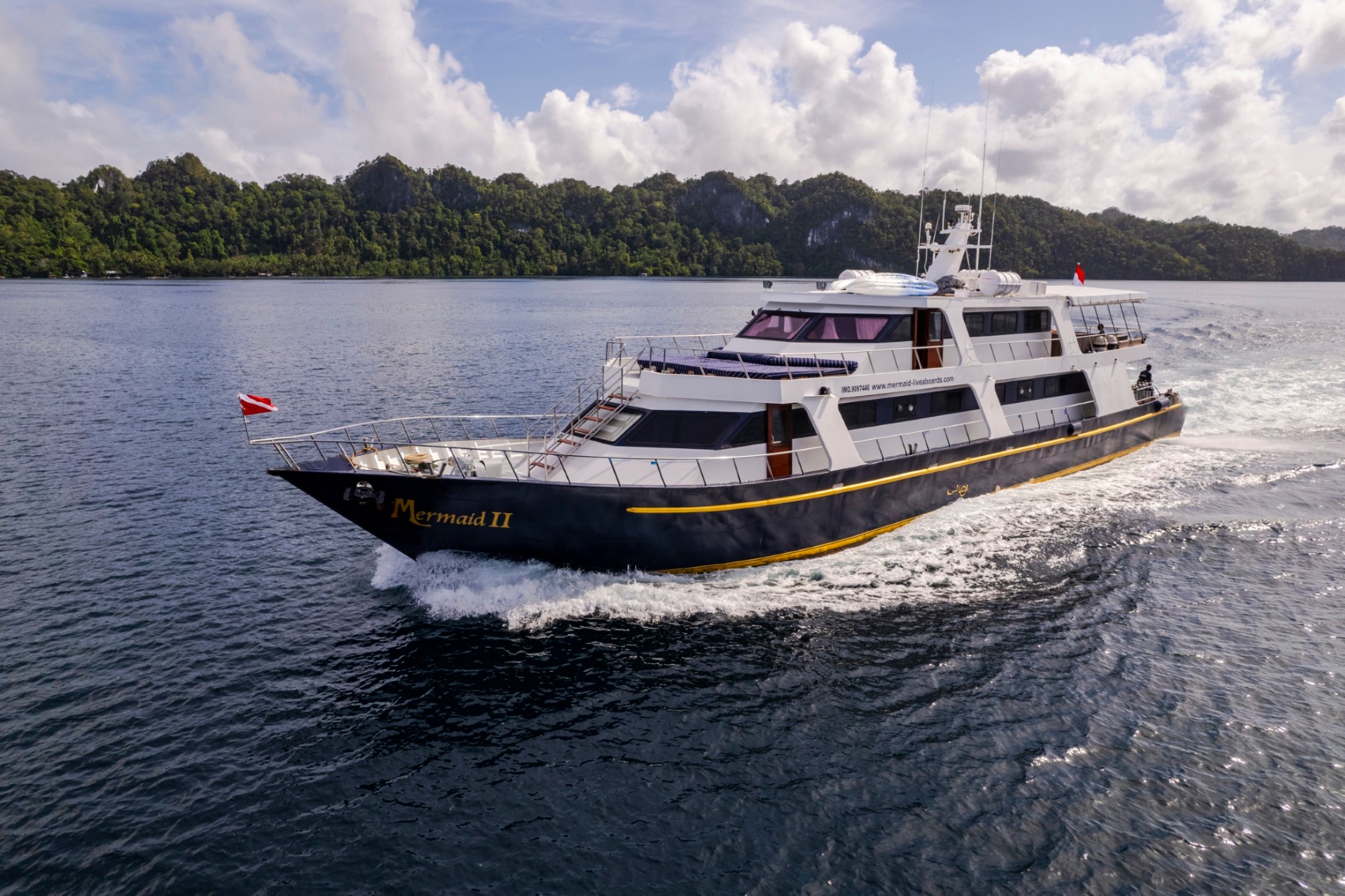
Mermaid II
Komodo, Indonesia
18 guests
$404/day
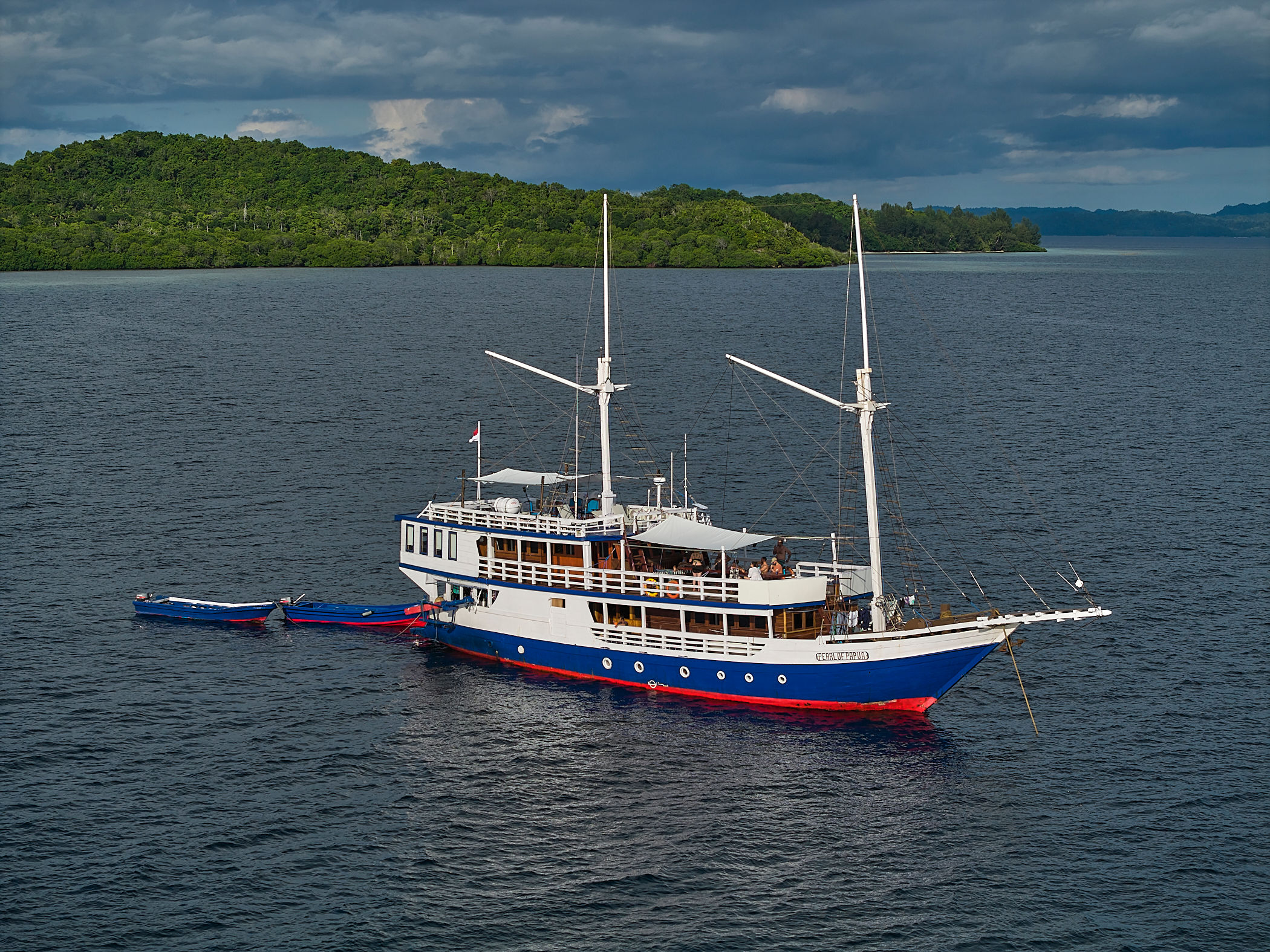
Pearl of Papua
Raja Ampat, Indonesia
14 guests30 m
$303/day
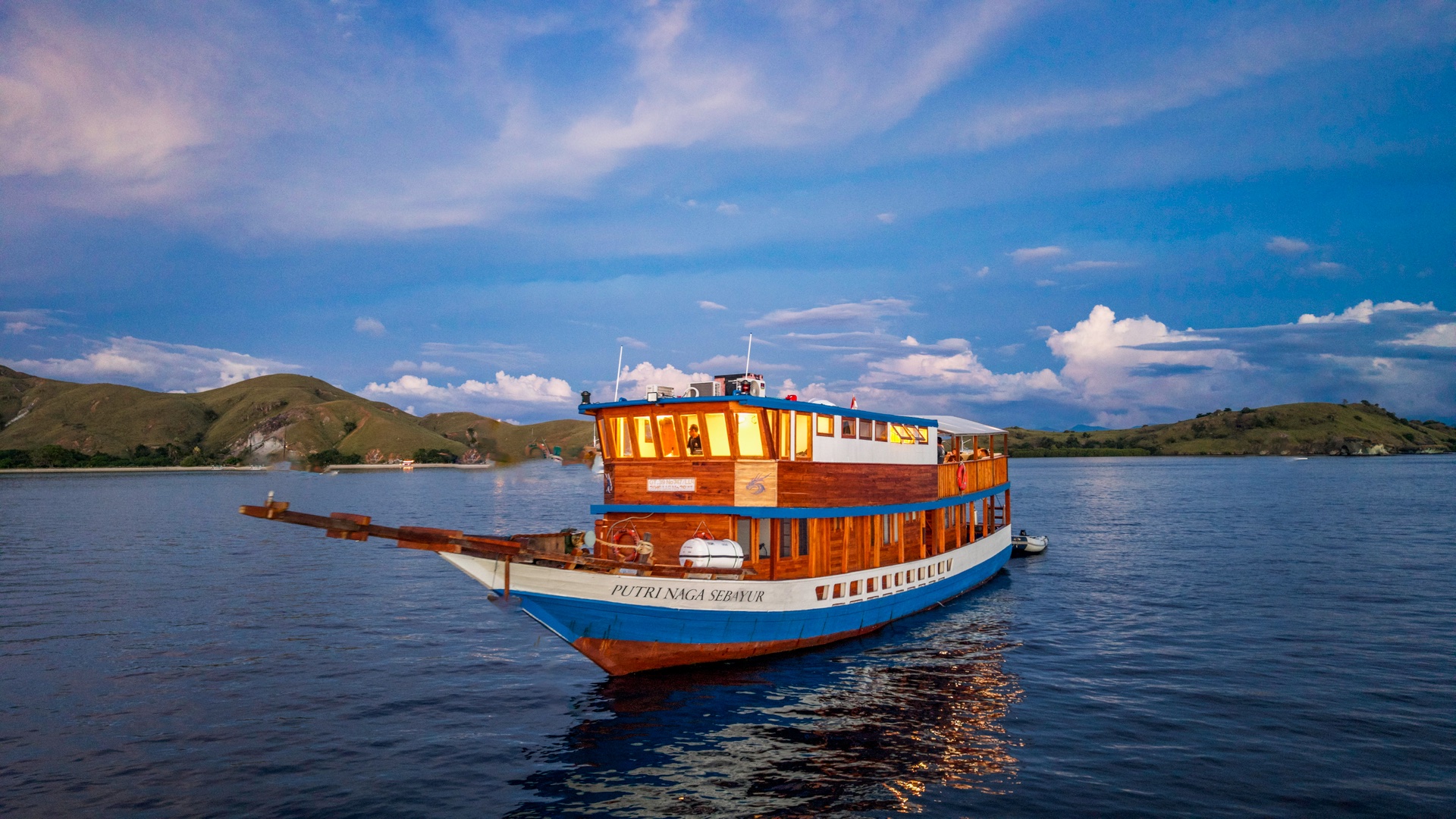
Putri Naga
Komodo, Indonesia
6 guests25 m
Dive sites similar to Suanggi Island
Same character, same waters — six more sites divers love for the exact same reasons.Compare seasons, access and liveaboard routes — then pick the site that fits your trip best.
© Esri — Maxar, Earthstar, GIS
Adonara Wall
Indonesia
Adonara is an Indonesian island dive site, renowned for its vibrant underwater topography characterized by submerged seamounts.
- Suitable for
- Intermediate
- Current
- Strong
- Access
- Liveaboard or dayboat
- Depth
- 5–35 m
- Theme
- Seamount / Wall
Babylon is a captivating dive site located in the Alor Sea, renowned for its exceptional visibility and vibrant marine ecosystem.
- Suitable for
- Intermediate
- Current
- Strong
- Access
- Liveaboard or dayboat
- Depth
- 3–20 m
- Theme
- Reef / Wall
© Esri — Maxar, Earthstar, GIS
Shark Close
Indonesia
Shark Close is an exhilarating dive site in the Indonesian portion of Borneo, renowned for its strong currents and abundant marine life.
- Suitable for
- Advanced
- Current
- Strong
- Access
- Liveaboard or dayboat
- Depth
- 5–25 m
- Theme
- Channel / Drift
Wakatobi, an acronym for the islands of Wangi-Wangi, Kaledupa, Tomia, and Binongko, lies in Southeast Sulawesi, Indonesia, at the heart of the Coral Triangle.
- Suitable for
- Beginner
- Current
- No current
- Access
- Liveaboard only
- Depth
- 5–30 m
- Theme
- Wall / Reef
© Esri — Maxar, Earthstar, GIS
Raymond’s Point
Indonesia
Raymond's Point is a distinguished dive site located south of Mike's Point within the Bunaken National Marine Park, renowned for its dramatic vertical wall.
- Suitable for
- Advanced
- Current
- Strong
- Access
- Dayboat
- Depth
- 5–35 m
- Theme
- Reef / Wall
© Esri — Maxar, Earthstar, GIS
Manado Tua
Indonesia
Manado Tua, or 'Old Manado,' is one of five islands that form the Bunaken Marine Park, a celebrated marine protected area in North Sulawesi, Indonesia.
- Suitable for
- Intermediate
- Current
- Moderate
- Access
- Dayboat
- Depth
- 5–80 m
- Theme
- Wall / Drift