About Nusa Laut
Nusa Laut, a small island in Indonesia's Banda Sea, is renowned for its exceptional marine biodiversity and vibrant, healthy reef systems. Far removed from dense populations and heavy fishing pressure, the underwater environment here thrives, showcasing an extraordinary variety and volume of marine life, from massive pelagics to intricate macro critters. The site is a true gem within the Coral Triangle, offering stunning coral gardens, dramatic walls, and frequent encounters with large schooling fish. Diving around Nusa Laut typically involves exploring these pristine reefs, which feature enormous sea fans, sponges, and monumental hard coral formations. Depths can vary, with spectacular walls plunging into deeper waters, often frequented by pelagic species. While big fish are a major draw, the sheer abundance of smaller reef inhabitants and unique macro subjects ensures a captivating experience for all. The conditions at Nusa Laut are generally comfortable, characterized by mild currents, excellent visibility, and calm waters for much of the year. However, certain sites may experience stronger currents, making them suitable for more experienced divers. The remote location necessitates liveaboard travel, offering a unique opportunity to explore these untouched underwater landscapes as part of a broader Banda Sea itinerary. Divers can anticipate a rewarding experience, whether observing schools of fusiliers and triggerfish, searching for rare endemic species, or encountering larger marine animals like mobula rays and various shark species. The vibrant reef life and rich pelagic action make Nusa Laut a standout destination for those seeking pristine and biodiverse diving.
Highlights
Pristine, healthy reef systemsExtraordinary marine biodiversityAbundant schooling fishFrequent pelagic encountersSpectacular coral formationsDogtooth tuna, mobula raysDramatic walls and deep waters
Season calendar
Best months to dive here
Jan
Feb
Mar
Apr
May
Jun
Jul
Aug
Sep
Oct
Nov
Dec
Excellent
Good
Dive site facts: Nusa Laut
- Depth
- 5–40 m+
- Typical dive
- 15–30 m, 50–60 min
- Current
- Mild to strong, site-dependent
- Visibility
- 20–40 m
- Water temperature
- 27–30°C
- Entry
- Liveaboard tender
- Level
- Intermediate to advanced
- Dive type
- Wall, drift, pelagic, macro
- Night dive
- Possible, site-dependent
- Region / port
- Banda Sea
- Coordinates
- -3.6712, 129.5612
Conditions & Currents
Diving at Nusa Laut generally offers comfortable conditions with mild currents, good visibility, and calm waters. However, its isolated location in the Banda Sea means some sites can experience stronger currents, particularly when exploring walls and deeper sections, necessitating good buoyancy control and drift diving experience. These stronger currents often bring in nutrient-rich water, contributing to the site's rich pelagic life and vibrant reefs. Entry and exit are typically from a liveaboard, and dive guides are adept at planning dives around tidal movements to optimize conditions. While not always extreme, divers should be prepared for potential drift dives, which are a common and exhilarating way to experience the site's extensive reef systems. Visibility tends to be consistently good, often exceeding 20-30 meters, though plankton blooms, which can attract large pelagics, might
Marine life & sighting chances

Hammerhead shark
occasional
Thresher shark
occasional
Silvertip shark
occasional
Mobula ray
common
Dogtooth tuna
common
Wahoo
occasional
Giant trevally
common
Chevron barracuda
common
Bluefin trevally
common
Fusiliers
common
Redtooth triggerfish
common
Mandarinfish
occasional
Ambon scorpionfish
occasionalDive profile & how the dive runs
A typical dive at Nusa Laut often begins with a tender drop close to a vibrant wall or reef edge. Depending on currents, you'll either descend directly into a drift along the wall, maintaining a depth of 15-25 meters, or explore a specific coral garden. The dive often progresses along the reef, showcasing abundant soft and hard corals, while keeping an eye on the blue for pelagic activity. Schools of fusiliers and triggerfish are common sights, and divers frequently encounter mobula rays and various shark species. The turn point is determined by air consumption and current direction, often allowing for a gradual ascent along the reef slope. The safety stop is typically conducted in the shallower, calmer sections of the reef, providing an opportunity for macro observation before a surface buoy is deployed for boat pick-up.
Underwater photography
Nusa Laut offers fantastic opportunities for both wide-angle and macro photography, thanks to its pristine reefs and diverse marine life. For wide-angle, focus on the dramatic walls adorned with monumental hard corals, sea fans, and sponges. A fisheye or wide-angle rectilinear lens will capture the grandeur of these healthy reefscapes and large schools of fish. Keep an eye out for mobula rays and sharks in the blue, which can make for stunning background subjects. For macro, explore the coral gardens and quieter sections of the reef for endemic Ambon scorpionfish, mandarinfish, and other unique critters. A dedicated macro lens with good strobes will highlight the intricate details of smaller subjects. Be mindful of buoyancy to avoid contact with the fragile corals, and always respect marine life by maintaining a safe distance and not disturbing their natural behavior.
Combine with nearby dive sites
- Manuk Island
Known for its unique volcanic activity and abundance of sea snakes.
- Suanggi Island
Another remote Banda Sea site offering pristine reefs and pelagic action.
- Hatta Island Reef
Offers vibrant coral gardens and opportunities for larger fish sightings.
- Banda Sea Seamounts
Deeper dives often associated with hammerhead shark sightings.
Getting there & logistics
Access to Nusa Laut is primarily via liveaboard trips exploring the Banda Sea region. The main departure points for these itineraries are typically Ambon or Sorong, with flights connecting through major Indonesian hubs like Jakarta or Bali. Most liveaboard trips to the Banda Sea are 10-14 nights, covering a range of remote islands and seamounts. Given its isolation, Nusa Laut is usually part of a comprehensive itinerary, often combined with other Banda Islands sites. There are no specific entry fees for Nusa Laut itself, but liveaboard costs include all necessary permits and national park fees for the wider region. Booking well in advance is essential due to the limited number of vessels operating in this remote area.
Safety & environment
Diving at Nusa Laut requires adherence to standard safety protocols, especially given its remote location and potential for stronger currents. Divers should carry valid dive insurance, including coverage for medical emergencies and evacuation, as the nearest recompression chamber is in Ambon, necessitating air or sea transfer. Liveaboards operating in the Banda Sea are equipped with comprehensive first aid and emergency oxygen. Divers should always follow the dive guide's instructions, especially regarding current mitigation and drift diving procedures. Maintaining excellent buoyancy control is crucial to protect the pristine reefs. Due to the isolation, self-sufficiency and attention to personal safety are paramount, reinforcing the need for proper training and experience for the prevailing conditions.
Who it suits — and who it doesn't
Suited for
- Experienced divers comfortable with currents
- Underwater photographers (macro and wide-angle)
- Divers seeking pristine, biodiverse reefs
- Enthusiasts of pelagic encounters
- Liveaboard adventurers
Less suited for
- Beginner divers without current experience
- Divers prone to seasickness
- Those seeking shore-based diving
- Divers with limited buoyancy control
- Those uninterested in remote, multi-day trips
FAQ
Nusa Laut FAQ
What kind of marine life can I expect to see at Nusa Laut?
Nusa Laut is celebrated for its extraordinary marine biodiversity. Divers frequently encounter large schools of fusiliers and redtooth triggerfish, along with pelagic species like mobula rays, dogtooth tuna, and various types of sharks including occasional hammerheads. The reefs are also home to a rich variety of macro life, including the endemic Ambon scorpionfish and mandarinfish.
Are the currents strong at Nusa Laut?
Currents at Nusa Laut can vary from mild to strong, depending on the specific dive site and tidal conditions. While many dives offer comfortable, calm waters, some wall and drift dives may experience significant flow. Divers should be comfortable with current diving techniques and possess good buoyancy control to fully enjoy the site.
What is the best time of year to dive Nusa Laut?
The optimal time to dive Nusa Laut is during the dry season, from October to May. During these months, the seas are generally calmer, and visibility is at its best, often exceeding 20-30 meters. This period offers the most comfortable and predictable conditions for exploring the remote Banda Sea.
Is Nusa Laut suitable for beginner divers?
Nusa Laut is generally recommended for intermediate to advanced divers. While some sites may have mild conditions, the potential for strong currents and its remote, liveaboard-dependent nature means that prior experience with current diving and a high level of comfort in various conditions are beneficial. Good buoyancy control is essential.
How do I get to Nusa Laut?
Nusa Laut is located in the remote Banda Sea and is primarily accessed via liveaboard diving trips. These expeditions typically depart from Ambon or Sorong, which are reachable by domestic flights from major Indonesian cities like Jakarta or Denpasar. Liveaboard itineraries usually combine Nusa Laut with other dive sites in the Banda Islands region.
What are the water temperatures like at Nusa Laut?
Water temperatures around Nusa Laut are consistently warm throughout the year, typically ranging between 27°C and 30°C (81-86°F). This allows for comfortable diving, often with a 3mm wetsuit or even just a rash guard, depending on personal preference and depth.
Why dive Nusa Laut from a liveaboard?
Nusa Laut is one of Indonesia's signature dive sites. A liveaboard sleeps you on the water and puts you in the water for three to four guided dives per day, including dawn and night dives that day-boat operators rarely offer. You skip the daily commute back to port and reach quieter, less-crowded sites in the same region on a single trip.
Below are the liveaboards that include Nusa Laut on their Indonesia itineraries.
Liveaboards diving Nusa Laut
These liveaboards may visit Nusa Laut on selected itineraries — the exact dive sites depend on departure, weather and conditions.
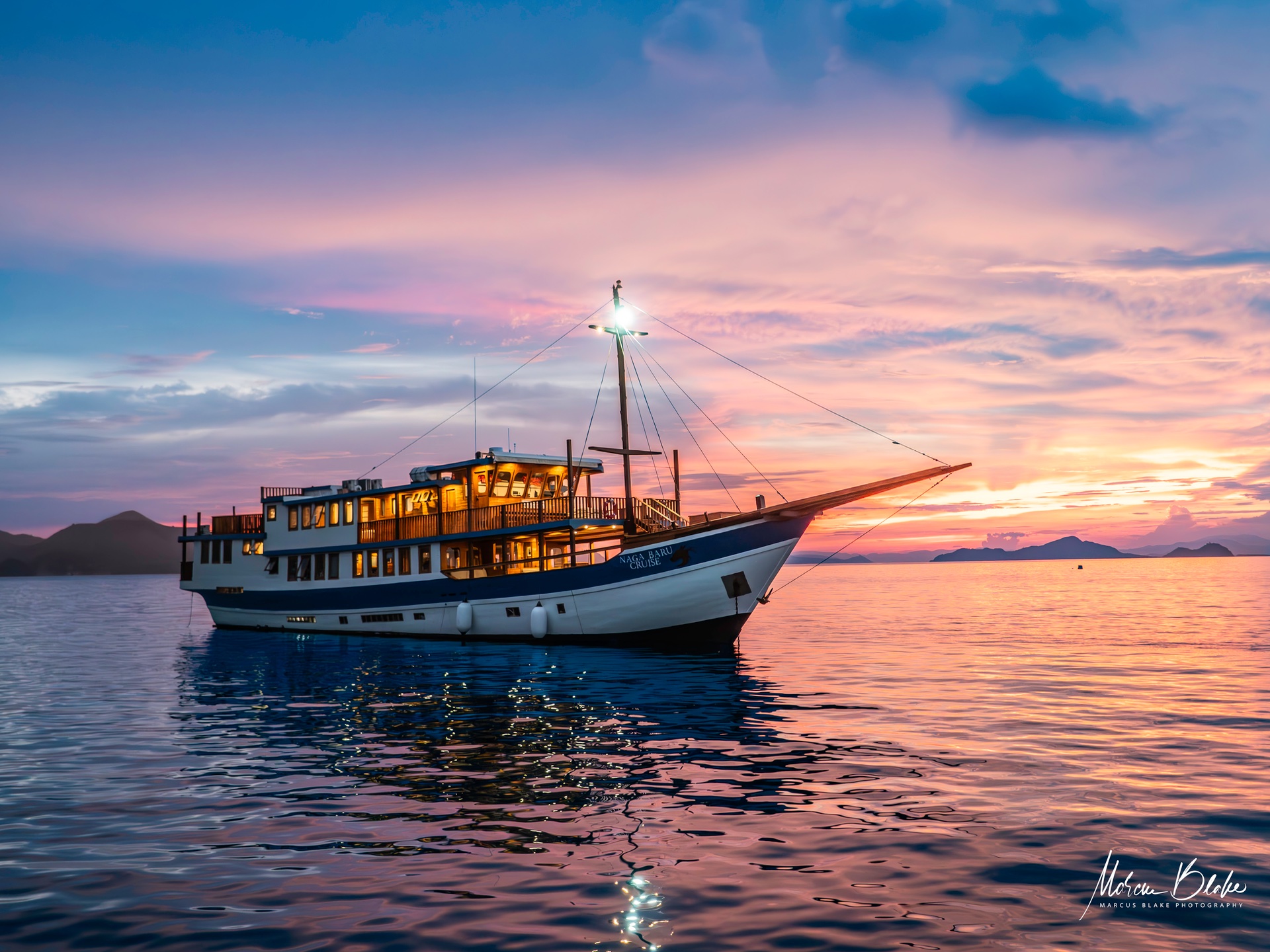
Naga Biru
Indonesia
12 guests40 m
$274/day
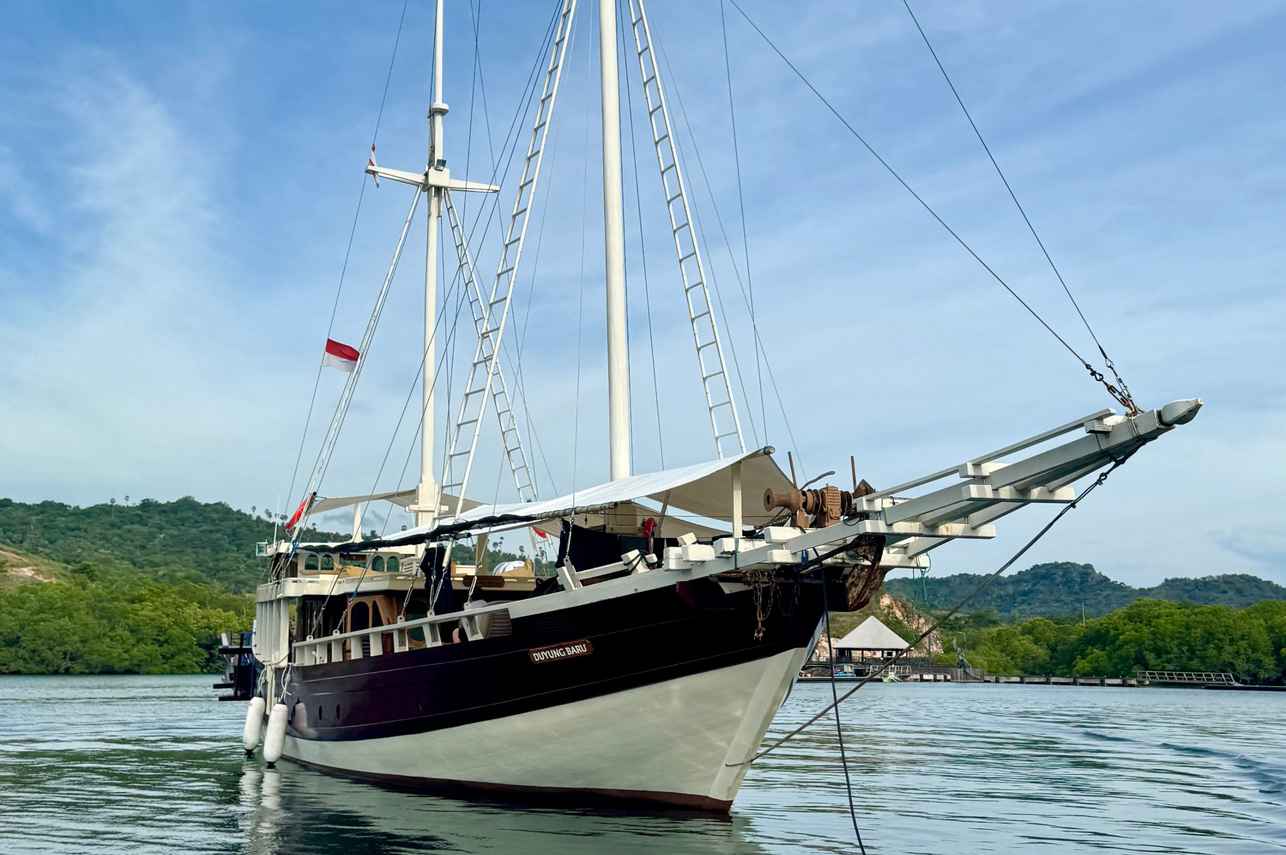
Ecopro Duyung Baru
Indonesia
6 guests27 m
$361/day
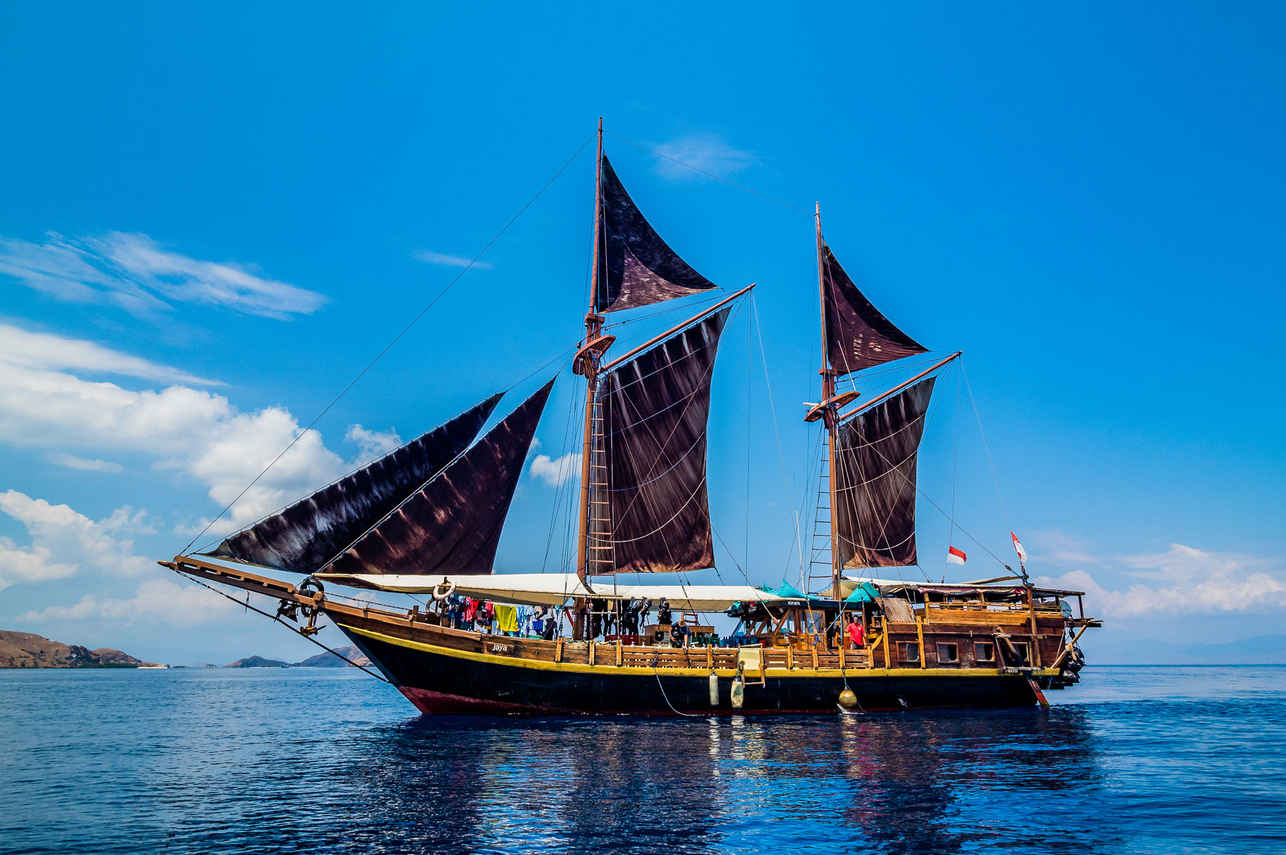
Jaya
Indonesia
14 guests23 m
$280/day
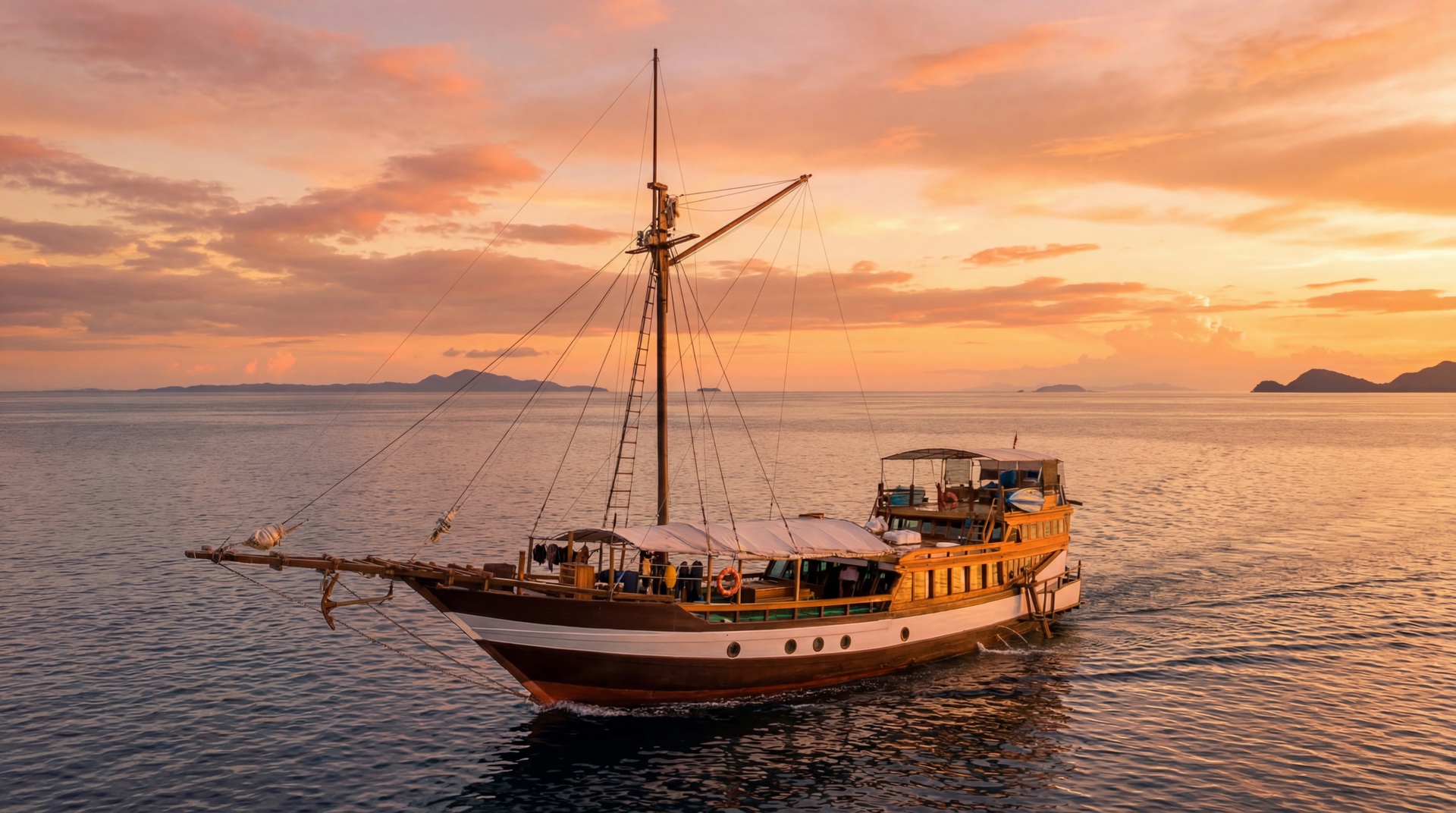
Wellenreng
Indonesia
9 guests25 m
$427/day
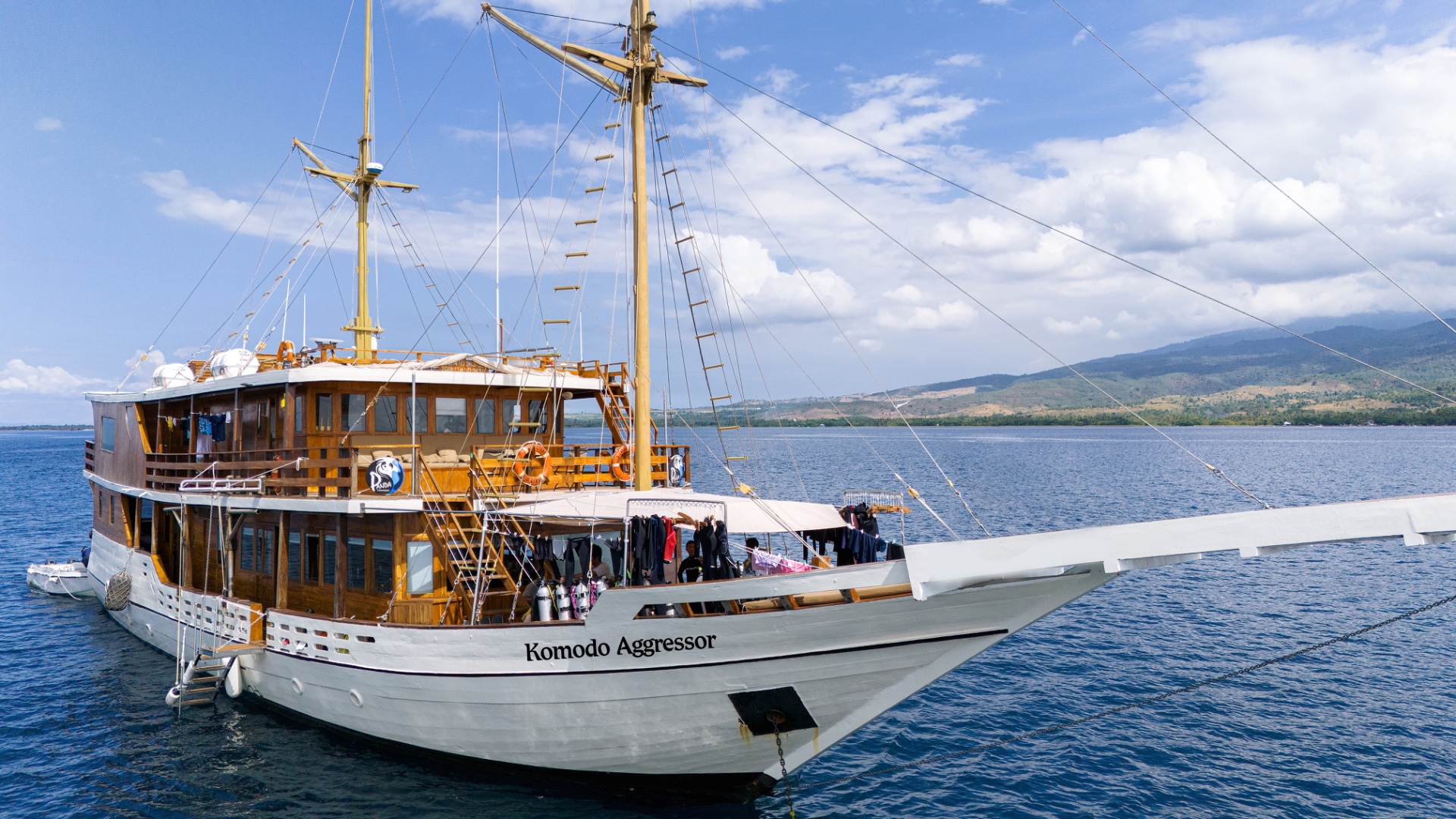
Komodo Aggressor
Komodo, Indonesia
16 guests29 m
$312/day
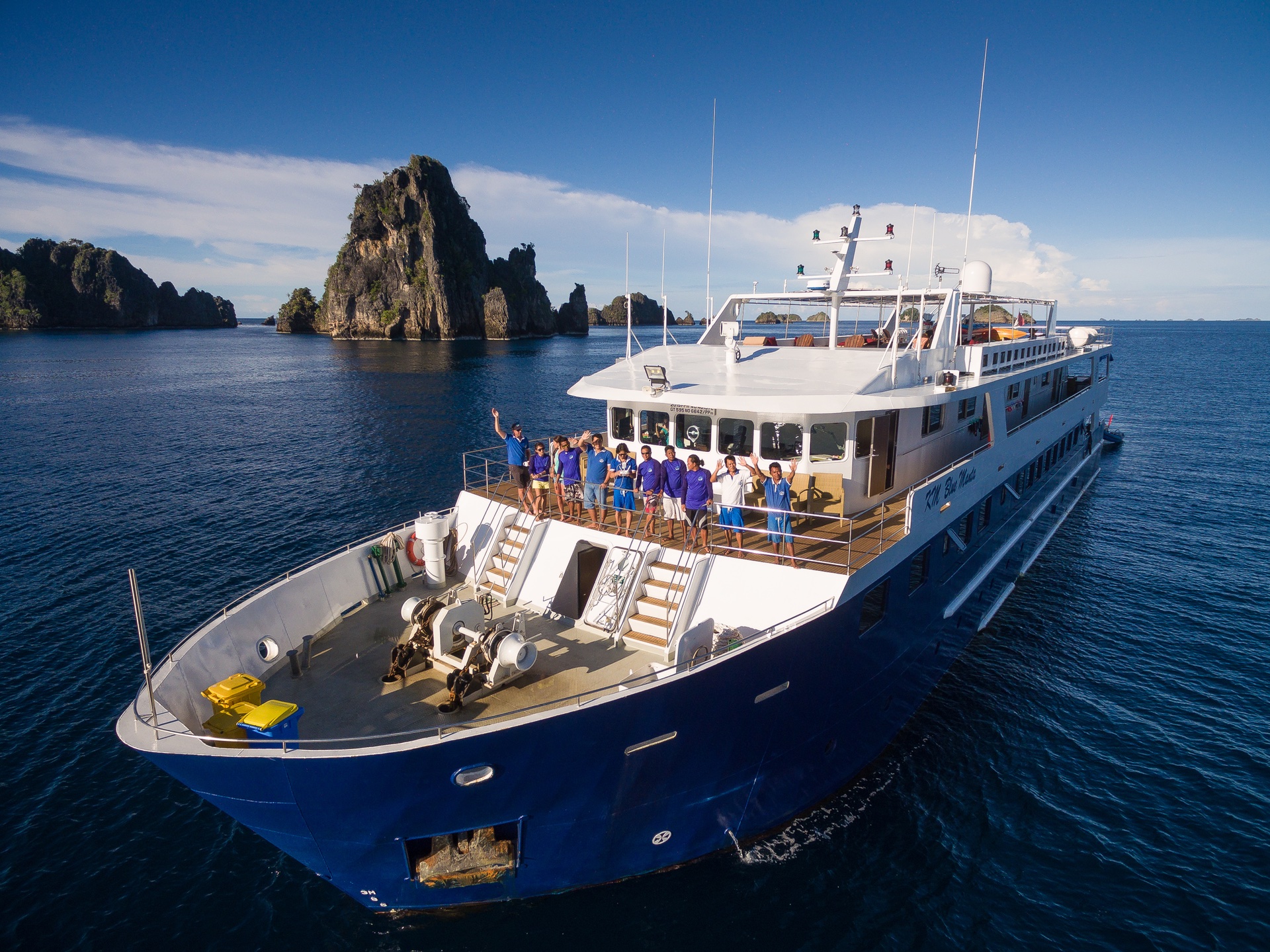
Blue Manta
Indonesia
20 guests45 m
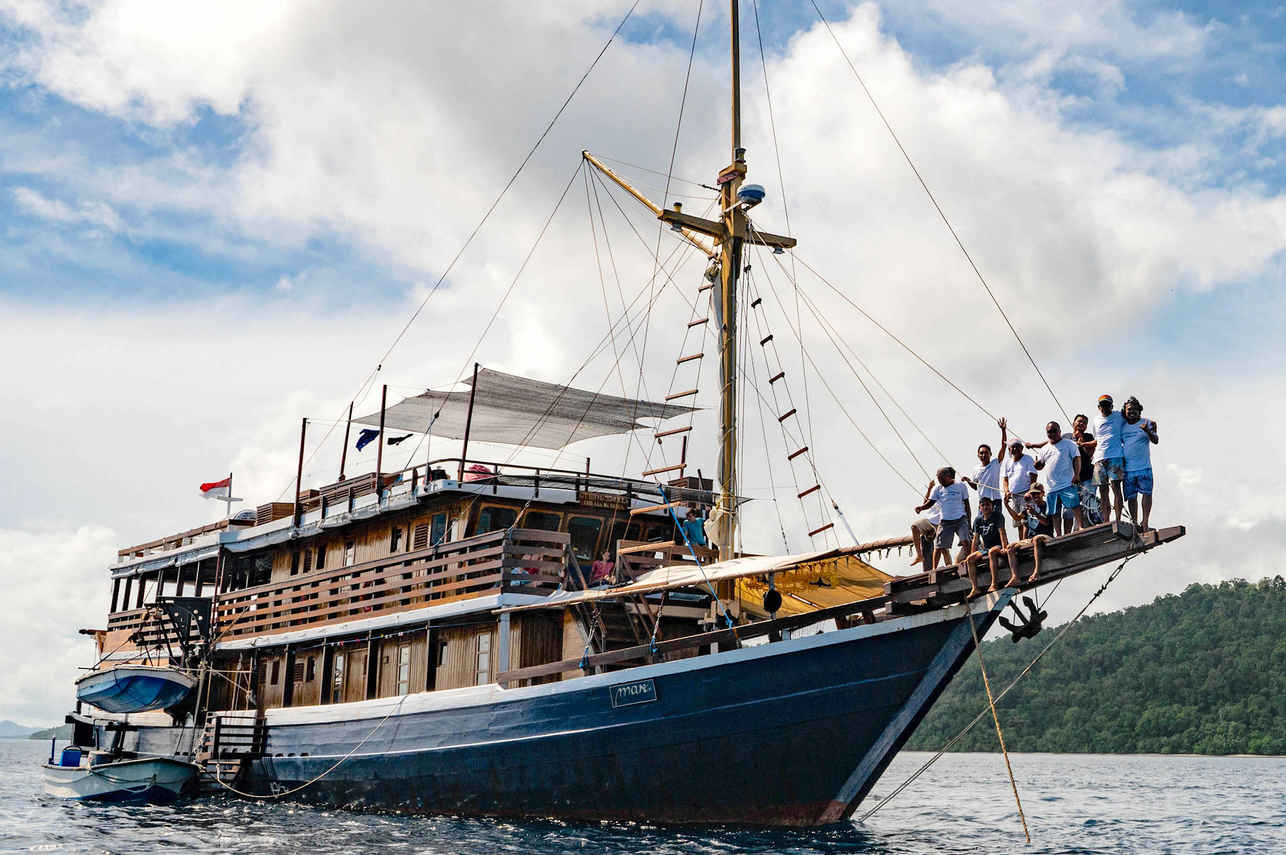
Mari
Indonesia
14 guests32.2 m
$329/day
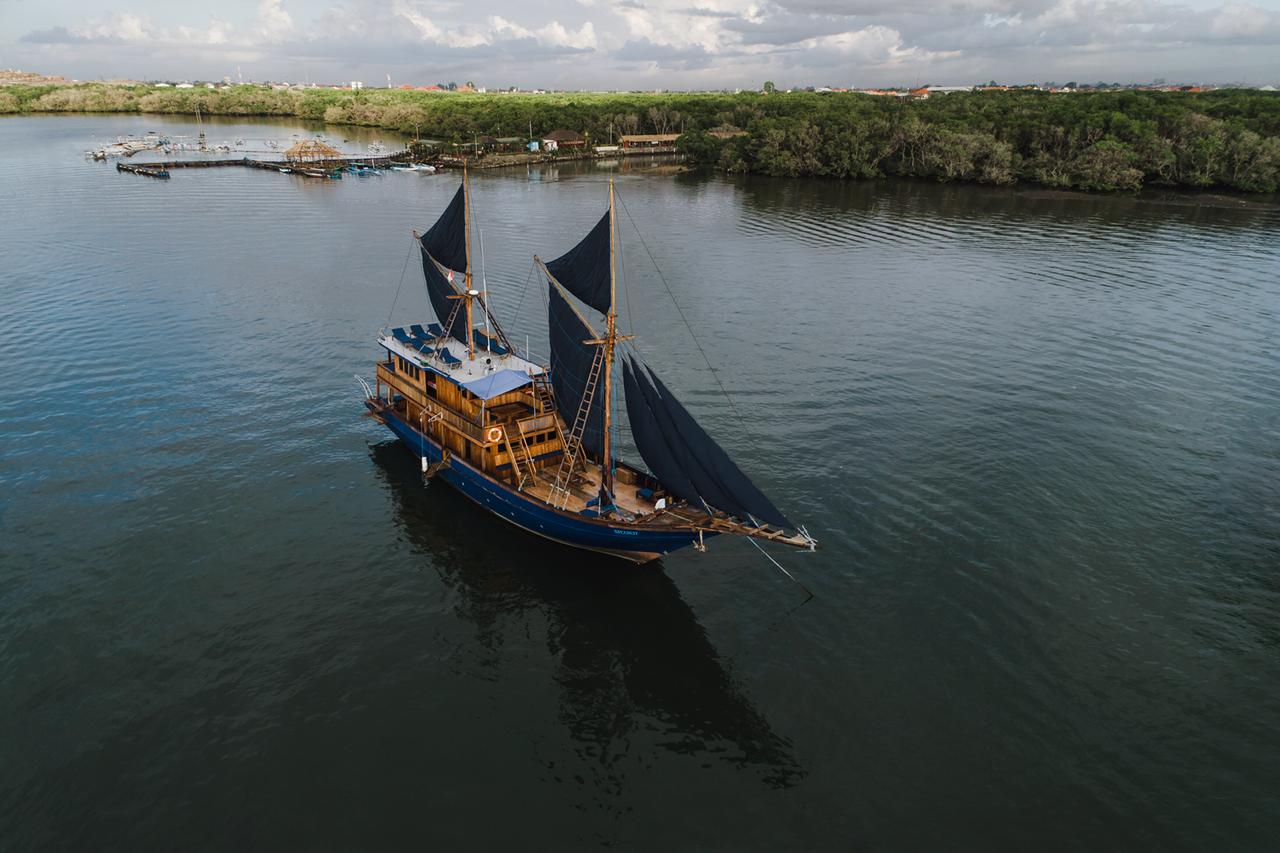
Situju7
Komodo, Indonesia
10 guests32.7 m
$362/day
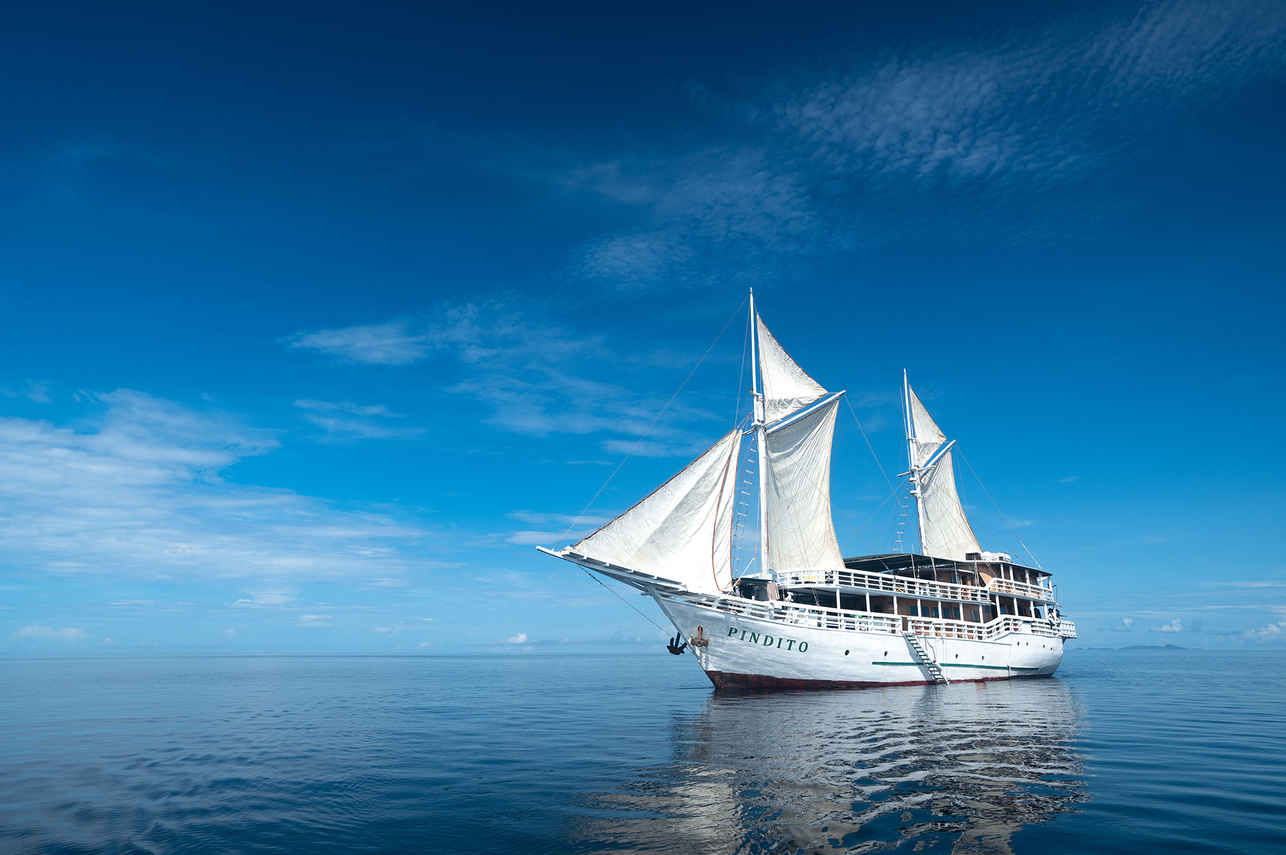
Pindito
Indonesia
16 guests37.79 m
$533/day
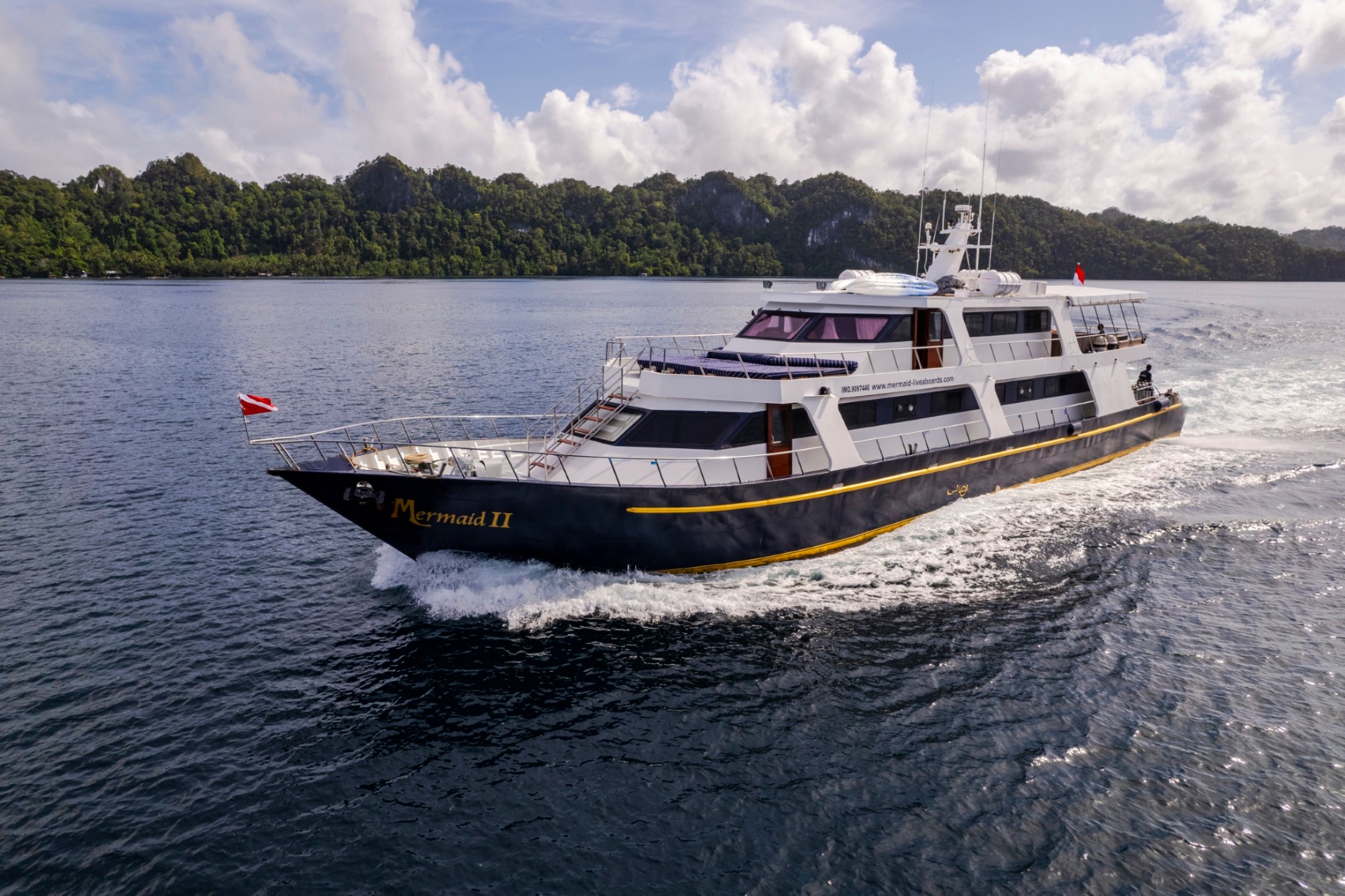
Mermaid II
Komodo, Indonesia
18 guests
$356/day
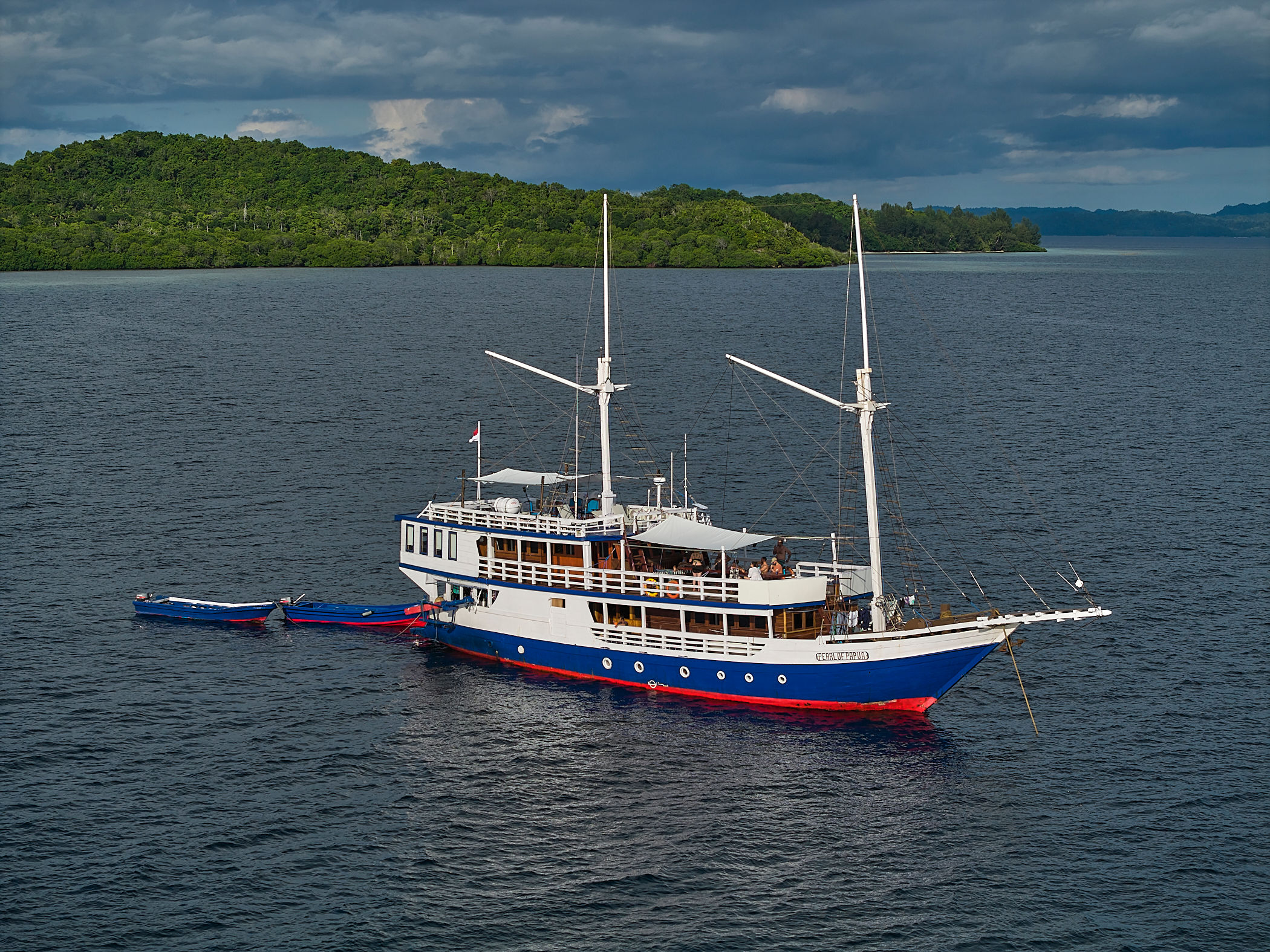
Pearl of Papua
Raja Ampat, Indonesia
14 guests30 m
$303/day
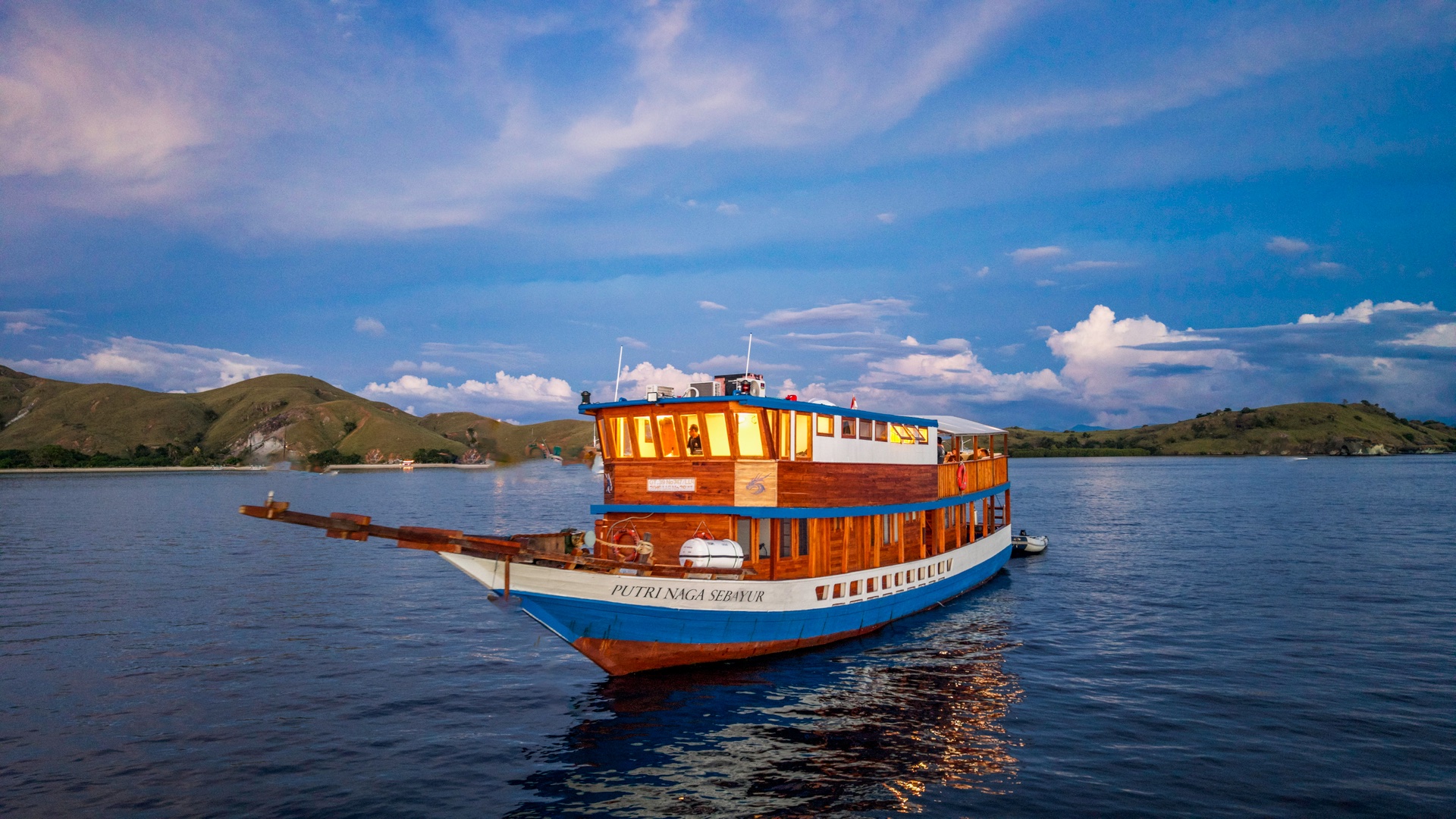
Putri Naga
Komodo, Indonesia
6 guests25 m
Dive sites similar to Nusa Laut
Same character, same waters — six more sites divers love for the exact same reasons.Compare seasons, access and liveaboard routes — then pick the site that fits your trip best.
© Esri — Maxar, Earthstar, GIS
Adonara Wall
Indonesia
Adonara is an Indonesian island dive site, renowned for its vibrant underwater topography characterized by submerged seamounts.
- Suitable for
- Intermediate
- Current
- Strong
- Access
- Liveaboard or dayboat
- Depth
- 5–35 m
- Theme
- Seamount / Wall
Babylon is a captivating dive site located in the Alor Sea, renowned for its exceptional visibility and vibrant marine ecosystem.
- Suitable for
- Intermediate
- Current
- Strong
- Access
- Liveaboard or dayboat
- Depth
- 3–20 m
- Theme
- Reef / Wall
© Esri — Maxar, Earthstar, GIS
Shark Close
Indonesia
Shark Close is an exhilarating dive site in the Indonesian portion of Borneo, renowned for its strong currents and abundant marine life.
- Suitable for
- Advanced
- Current
- Strong
- Access
- Liveaboard or dayboat
- Depth
- 5–25 m
- Theme
- Channel / Drift
Wakatobi, an acronym for the islands of Wangi-Wangi, Kaledupa, Tomia, and Binongko, lies in Southeast Sulawesi, Indonesia, at the heart of the Coral Triangle.
- Suitable for
- Beginner
- Current
- No current
- Access
- Liveaboard only
- Depth
- 5–30 m
- Theme
- Wall / Reef
© Esri — Maxar, Earthstar, GIS
Raymond’s Point
Indonesia
Raymond's Point is a distinguished dive site located south of Mike's Point within the Bunaken National Marine Park, renowned for its dramatic vertical wall.
- Suitable for
- Advanced
- Current
- Strong
- Access
- Dayboat
- Depth
- 5–35 m
- Theme
- Reef / Wall
© Esri — Maxar, Earthstar, GIS
Manado Tua
Indonesia
Manado Tua, or 'Old Manado,' is one of five islands that form the Bunaken Marine Park, a celebrated marine protected area in North Sulawesi, Indonesia.
- Suitable for
- Intermediate
- Current
- Moderate
- Access
- Dayboat
- Depth
- 5–80 m
- Theme
- Wall / Drift