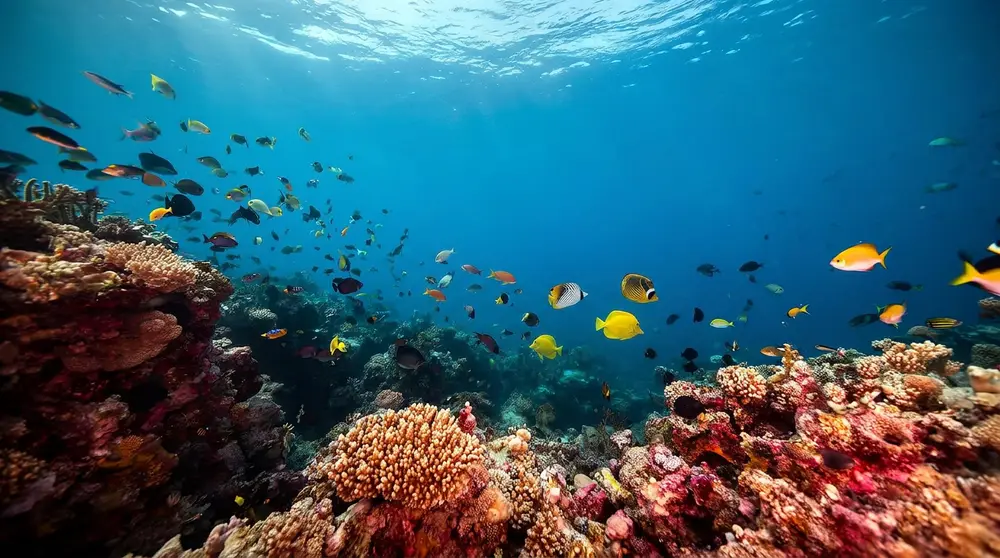
Bluefin Trevally in its natural habitat — diving encounters and best destinations

Bluefin Trevally

Unknown
Up to 25 years
Not Evaluated

Want to dive with this animal?

Only destinations where this animal occurs.

The Bluefin Trevally at a glance

The bluefin trevally (Caranx melampygus), also known as the bluefin jack, omilu, or spotted trevally, is a striking predatory marine fish belonging to the jack family, Carangidae. Widely distributed across the warm tropical waters of the Indo-Pacific and Eastern Pacific, it ranges from the eastern coast of Africa to Central America, extending north to Japan and south to Australia. Celebrated for its remarkable speed, agility, and vibrant appearance, this species is a favourite encounter among scuba divers and marine enthusiasts across tropical coral reef systems.

Behaviour & reproduction

Size
Unknown
Weight
Up to 43.5 kg
Lifespan
Up to 25 years
Status
Not Evaluated

Divers appreciate the bluefin trevally not only for its vivid electric coloration, which contrasts brilliantly against coral structures, but also for its dynamic, bold behaviour. Unafraid and inquisitive, these predators frequently cross paths with divers along reef slopes, offering thrilling opportunities to observe high-speed hunting displays and opportunistic feeding interactions in clear marine environments.


Where to dive with the Bluefin Trevally: 20 top spots

Diving Tips

Scuba divers frequently encounter bluefin trevally while diving along clear, current-swept reef edges, drop-offs, channel passages, and offshore pinnacles. Because these fish favor high water clarity and energetic water movement, positioning yourself along coral slopes where tidal flows funnel baitfish provides the best chance for close observation.

When observing bluefin trevally, maintain steady buoyancy and avoid sudden, aggressive movements. While usually unbothered by human presence, these fast-moving predators prefer to maintain their cruising line. Divers should refrain from chasing them; instead, remaining stationary near the reef structure often prompts curious individuals or small groups to sweep past at close range. Keep a close watch on their fin coloration and hunting posturing, as their electric blue fins become vividly intensified when actively hunting.

Be mindful of their interactions with other marine life. Bluefin trevally often shadow larger bottom-feeding species, such as emperors, or dart around larger predators to snatch escaping prey. Observing these multi-species feeding dynamics provides a fascinating spectacle, but divers should maintain a respectful distance to avoid disrupting natural predatory behaviours.

Fun facts about the Bluefin Trevally

  • The species name 'melampygus' translates from Latin as 'black spotted', referring to the dark spots scattered across adult bodies.
  • Bluefin trevally can adjust their skin coloration to a darker hue when preparing to ambush prey along reef contours.
  • They exhibit bold feeding behaviour, often shadowing bottom-feeding emperors to snatch disturbed prey or stealing food directly from feeding sharks.
  • Larger individuals exceeding 0.5 metres in length can accumulate toxins and cause ciguatera poisoning if consumed.

Best time to see the Bluefin Trevally

Bluefin trevally can be encountered year-round across their expansive tropical Indo-Pacific and Eastern Pacific distribution, provided water temperatures remain within their preferred range of 22°C to 29°C (72°F to 84°F). Seasonal peaks in sightings often correspond with local baitfish migrations and reproductive cycles, as the species responds strongly to concentrations of prey along outer reef walls and channels.

Reproduction occurs via broadcast spawning in open ocean environments. Throughout much of their range, spawning activity peaks during the warmer months from May to August. During this period, female bluefin trevally function as multiple spawners, capable of releasing eggs as frequently as every five days and spawning up to eight times per year.

For divers, the months from May through August often represent optimal viewing opportunities, as heightened reproductive activity and warm sea conditions bring these fish into active midwater aggregations near reef drop-offs and open ocean passages. Clear water conditions during dry seasons further enhance visibility for observing their fast-paced hunting tactics and striking coloration.

Where the Bluefin Trevally lives

The bluefin trevally is a wide-ranging tropical to subtropical species inhabiting marine waters across the Indian and Pacific Oceans. Its distribution extends from East Africa and the Red Sea across to the Central American coast from Mexico to Panama, stretching northwards to Japan and southwards to Australia, where it occurs from Margaret River in Western Australia around the northern coast to central New South Wales, as well as throughout Hawaii and oceanic atolls.

Adult bluefin trevally occupy both coastal and pelagic habitats, utilizing water depths from the surface down to 190 metres (623 feet), though encounters mostly take place between 3 and 25 metres. They inhabit coastal coral reefs, rocky shorelines, channels, lagoons, bomboras, outer reef slopes, and isolated offshore pinnacles where currents are strong. High water clarity is a key habitat preference for this active predator.

In contrast to adults, juvenile bluefin trevally prefer shallow, protected inshore environments. They use shallow lagoons, sheltered bays, and occasionally estuaries as nursery grounds, staying in calm waters until they attain sufficient size to transition to deeper reef systems and the open ocean.

What the Bluefin Trevally eats

Bluefin trevally are opportunistic, voracious, and highly aggressive diurnal predators. Their diet consists primarily of small teleost fishes, including sardines, anchovies, and small mackerel. In addition to reef and schooling fish, adults supplement their diet with cephalopods such as squid, as well as crustaceans including crabs and shrimp. Essentially, they will target almost any live prey small enough to be swallowed whole.

These fish employ a versatile range of hunting strategies during daylight hours. They launch high-speed midwater pursuits directly into baitfish schools, execute swift ambushes from cover along the reef edge, and use tactical camouflage by darkening their skin coloration to blend into shady reef contours while waiting for unsuspecting prey.

Furthermore, bluefin trevally demonstrate opportunistic feeding associations. They frequently follow large, bottom-rooting emperors (lethrinids), snapping up small prey organisms displaced from the substrate by the larger fish. On occasion, their aggressive nature even leads them to steal food directly from feeding sharks. In contrast to adults, juvenile bluefin trevally consume a higher proportion of small crustaceans before shifting toward a predominantly fish-based diet as they mature.

Bluefin Trevally: frequently asked questions

When is the best time to see Bluefin Trevally?
Bluefin trevally can be encountered year-round across their expansive tropical Indo-Pacific and Eastern Pacific distribution, provided water temperatures remain within their preferred range of 22°C to 29°C (72°F to 84°F). Seasonal peaks in sightings often correspond with local baitfish migrations and reproductive cycle
How big does Bluefin Trevally get?
Bluefin Trevally: Unknown
Is Bluefin Trevally dangerous for divers?
Scuba divers frequently encounter bluefin trevally while diving along clear, current-swept reef edges, drop-offs, channel passages, and offshore pinnacles. Because these fish favor high water clarity and energetic water movement, positioning yourself along coral slopes where tidal flows funnel baitfish provides the bes
What is the conservation status of Bluefin Trevally?
Bluefin Trevally: Not Evaluated
Plan your trip

Ready to dive with these animals?

Choose a destination or search every available vessel to find the liveaboard that matches the marine life you want to see.