About Reta Wall
Reta Wall in Alor presents a dramatic wall dive topography, an extraordinary feature often found in this region. Alor's unique geographical position at the confluence of the Indian and Pacific Oceans ensures strong tidal exchanges, sweeping nutrient-rich waters through narrow volcanic channels. This process cultivates a thriving, productive marine ecosystem, leading to an impressive diversity of underwater habitats. The coral life here is generally healthy, with a mix of hard corals and large sponges, though gorgonians are less common. Visibility can vary, ranging from crystal clear to somewhat murky, similar to conditions in other parts of Indonesia. The marine life at Reta Wall, and Alor in general, is remarkably diverse. While larger pelagics like sharks and rays are not primarily featured here, the site teems with a 'bazillion' small reef fish. You might also encounter fusiliers, surgeonfish, and unicornfish schooling along the wall. The wall itself likely provides a habitat for various macro critters, though specific rare finds may require keen searching. The rich ecosystem supports numerous species, making every dive an opportunity for discovery. Diving at Reta Wall requires an intermediate to advanced skill level, largely due to the currents. Alor is known for its Komodo-esque currents, which include significant upwellings and unpredictable whirlpools during tidal changes. Divers can expect to be swept off sites near the end of a dive, a common occurrence in these strong currents. Water temperatures can fluctuate significantly, ranging from warm 82-83°F (28°C) to cooler 68°F (20°C). Entry and exit typically involve boat diving with experienced guides who navigate the variable conditions by adapting to tides and currents.
Highlights
Sea turtlesBarrel spongesReef sharks
Season calendar
Best months to dive here
Jan
Feb
Mar
Apr
May
Jun
Jul
Aug
Sep
Oct
Nov
Dec
Excellent
Good
Dive site facts: Reta Wall
- Depth
- 5–40m+
- Typical dive
- 15–30m, 45–60 min
- Current
- Moderate to strong
- Visibility
- 20–30m
- Water temperature
- 24–28°C
- Entry
- Tender / negative entry often required
- Level
- Advanced recommended, current experience helpful
- Dive type
- Wall, drift, pelagic
- Night dive
- Not typical
- Region / port
- Alor, East Nusa Tenggara
- Coordinates
- -8.385, 124.05
Conditions & Currents
Reta Wall frequently experiences moderate to strong currents due to its location in an area where major ocean currents converge. These currents are a key factor in the site's rich biodiversity, sweeping nutrients past the reef, but they also necessitate careful dive planning and good buoyancy control. Divers should be prepared for potential drift diving conditions, where the boat follows the divers' progress along the wall. Negative entries are sometimes required to quickly descend below the surface turbulence and into the calmer water closer to the reef. The strength of the current can vary, occasionally becoming strong enough to alter dive plans. While visibility is generally good, strong currents can sometimes stir up sediment, though this is less common on wall dives. Surface marker buoys and current hooks are advisable for safety and ease of retrieval.
Marine life & sighting chances

Hammerhead shark
September · occasional
Thresher shark
August · occasional
White-tip reef shark
occasional
Eagle ray
occasional
Manta ray
occasional
Mola mola
rare
Dolphin
common
Pilot whale
November · occasional
Giant trevally
common
Barracuda school
common
Napoleon wrasse
occasional
Bumphead parrotfish
occasional
Sea snake
occasional
Bluefin trevally
commonDive profile & how the dive runs
Diving Reta Wall typically begins with a boat entry, often a negative entry or swift giant stride, to quickly descend below potential surface currents. Divers then follow the reef profile, which drops as a steep wall, usually maintaining a depth between 15-30 meters. The dive becomes a drift along the wall, allowing the current to carry you past diverse coral formations and schooling fish. Keep an eye on the blue for pelagic activity drawn in by the nutrient-rich flow. The dive master will manage the direction and pace, utilizing the current to cover a significant section of the wall. The turn point is determined by air consumption and bottom time. The ascent usually involves deploying a surface marker buoy at approximately 5 meters for a safety stop, after which the boat picks up divers downstream.
Underwater photography
Reta Wall offers fantastic opportunities for wide-angle photography, especially given its dramatic wall topography and potential for pelagic encounters. A wide-angle lens is ideal for capturing the expansive coral formations, schools of fish, and the sheer scale of the drop-off. For macro enthusiasts, while the wall itself isn't a dedicated critter site, smaller reef residents can still be found amongst the corals; however, strong currents may make focused macro photography challenging. Consider external strobes to bring out the vibrant colors of the corals and fish against the deep blue. Practicing excellent buoyancy control is crucial to avoid contact with the reef in potentially strong currents and to maintain stable shots. Be prepared for rapid changes in current, which can affect camera stability.
Combine with nearby dive sites
- The Arch
Natural underwater rock arch with soft corals and resident sweetlips.
- Pura Island Drop-off
Offers vibrant reef life on steep drop-offs.
- Clown Valley
Famous black sand muck dive site teeming with macro life, including clownfish and nudibranchs.
- Kal's Dream
Pristine coral wall attracting fusiliers, barracuda, and hammerheads.
- Beang Abang
Night dive heaven on Pantar Island for mimic octopus and rare critters on black sand slopes.
Getting there & logistics
Access to Alor typically involves flying into Kupang (KOE) in West Timor, followed by a domestic flight to Alor's Mali Airport (ARD). Alternatively, liveaboards frequently include Alor in their itineraries, often departing from Maumere or Labuan Bajo, offering comprehensive diving experiences. Land-based dive resorts usually arrange transfers from Mali Airport to their facilities. Dive trips are commonly 7-10 days to allow for exploration of Alor's diverse sites. Marine park fees may apply. Combining Alor with other Indonesian destinations like Komodo or Raja Ampat is a popular option for extended dive holidays, though Alor itself offers enough variety for a dedicated trip.
Safety & environment
Safety at Reta Wall, and throughout Alor, requires careful attention to current conditions, as they can be strong and unpredictable. Always follow your dive guide's instructions regarding entry techniques, dive profiles, and planned safety stops. The nearest recompression chamber is located in Bali, emphasizing the importance of conservative dive planning and maintaining adequate insurance that covers emergency medical evacuation and hyperbaric treatment. Divers should be proficient in drift diving techniques and comfortable with negative entries. Carry a surface marker buoy (SMB) and know how to deploy it, as well as a whistle or other signaling device. Always dive with a reliable buddy and stay in close proximity to your group. Given Alor's remote nature, emergency response times can be longer than in more developed areas.
Who it suits — and who it doesn't
Suited for
- Experienced drift divers
- Advanced Open Water divers with current experience
- Photographers seeking wide-angle opportunities
- Divers interested in pelagic encounters
- Those who appreciate pristine, uncrowded dive sites
Less suited for
- Novice divers
- Divers uncomfortable with strong currents
- Those without good buoyancy control
- Divers seeking only muck diving or macro-specific sites
- Travelers expecting luxury resorts and bustling nightlife
FAQ
Reta Wall FAQ
What kind of currents can I expect at Reta Wall?
Reta Wall is known for its moderate to strong currents, which are a defining characteristic of Alor's dive sites. These currents bring rich nutrients, supporting abundant marine life but also requiring divers to have good buoyancy and current diving experience. Your dive guide will assess the conditions and plan the dive accordingly, often as a drift dive.
Is Reta Wall suitable for beginner divers?
Reta Wall is generally not recommended for beginner divers due to the unpredictable and often strong currents. It requires divers to have advanced certification and prior experience with drift diving and maintaining control in challenging conditions. Novice divers may find the conditions overwhelming and potentially unsafe.
What marine life is commonly seen at Reta Wall?
At Reta Wall, you can expect to see a variety of marine life, from schooling fish like barracuda and trevally, to larger pelagics like eagle rays and occasionally sharks. The vibrant corals also host numerous reef fish. The nutrient-rich waters make it a dynamic site where anything can pass by.
What is the best time of year to dive Reta Wall?
The best time to dive Reta Wall, and Alor in general, is during the dry season from April to November. During these months, the weather is more stable, visibility is excellent, and water temperatures are comfortable. This period offers the most consistent and enjoyable diving conditions.
What type of dive is Reta Wall?
Reta Wall is primarily a wall dive, characterized by its dramatic vertical drop-offs covered in healthy corals. It's often conducted as a drift dive, where divers are carried along by the current, observing the vibrant reef and looking out into the blue for larger marine species. It offers a classic Alor diving experience with dynamic conditions.
Why dive Reta Wall from a liveaboard?
Reta Wall is one of Alor's signature dive sites. A liveaboard sleeps you on the water and puts you in the water for three to four guided dives per day, including dawn and night dives that day-boat operators rarely offer. You skip the daily commute back to port and reach quieter, less-crowded sites in the same region on a single trip.
Below are the liveaboards that include Reta Wall on their Alor itineraries.
Liveaboards diving Reta Wall
These liveaboards may visit Reta Wall on selected itineraries — the exact dive sites depend on departure, weather and conditions.
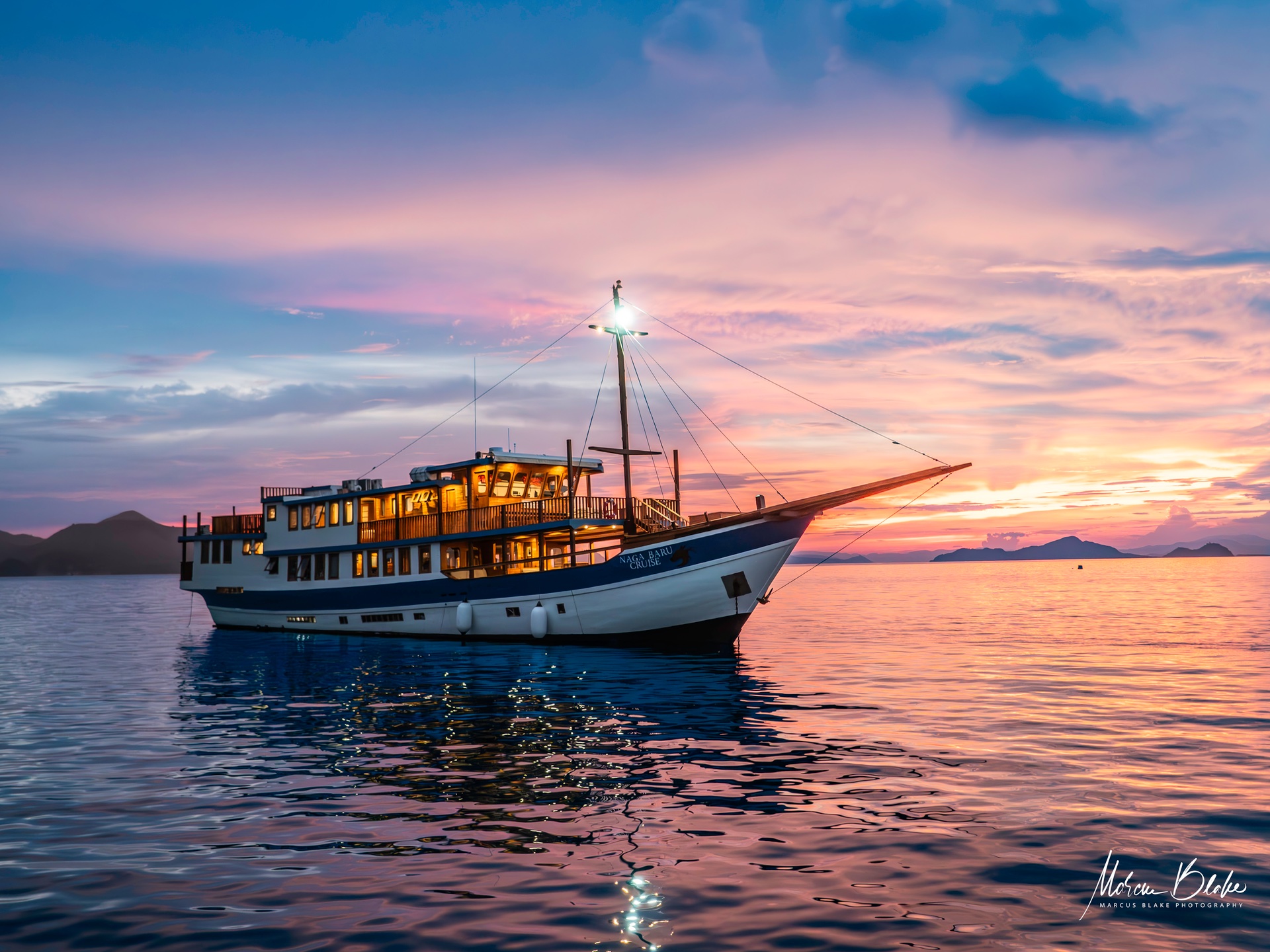
Naga Biru
Indonesia
12 guests40 m
$273/day
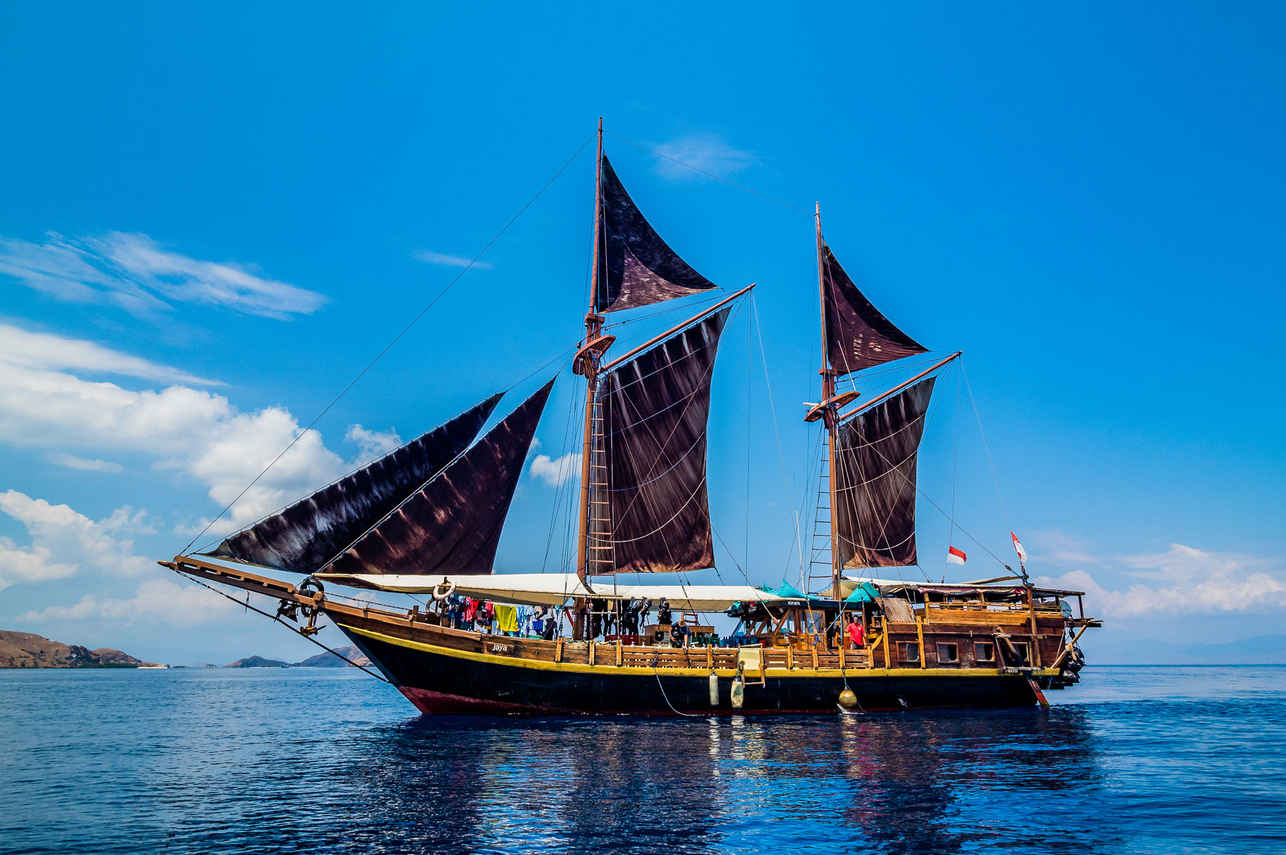
Jaya
Indonesia
14 guests23 m
$280/day
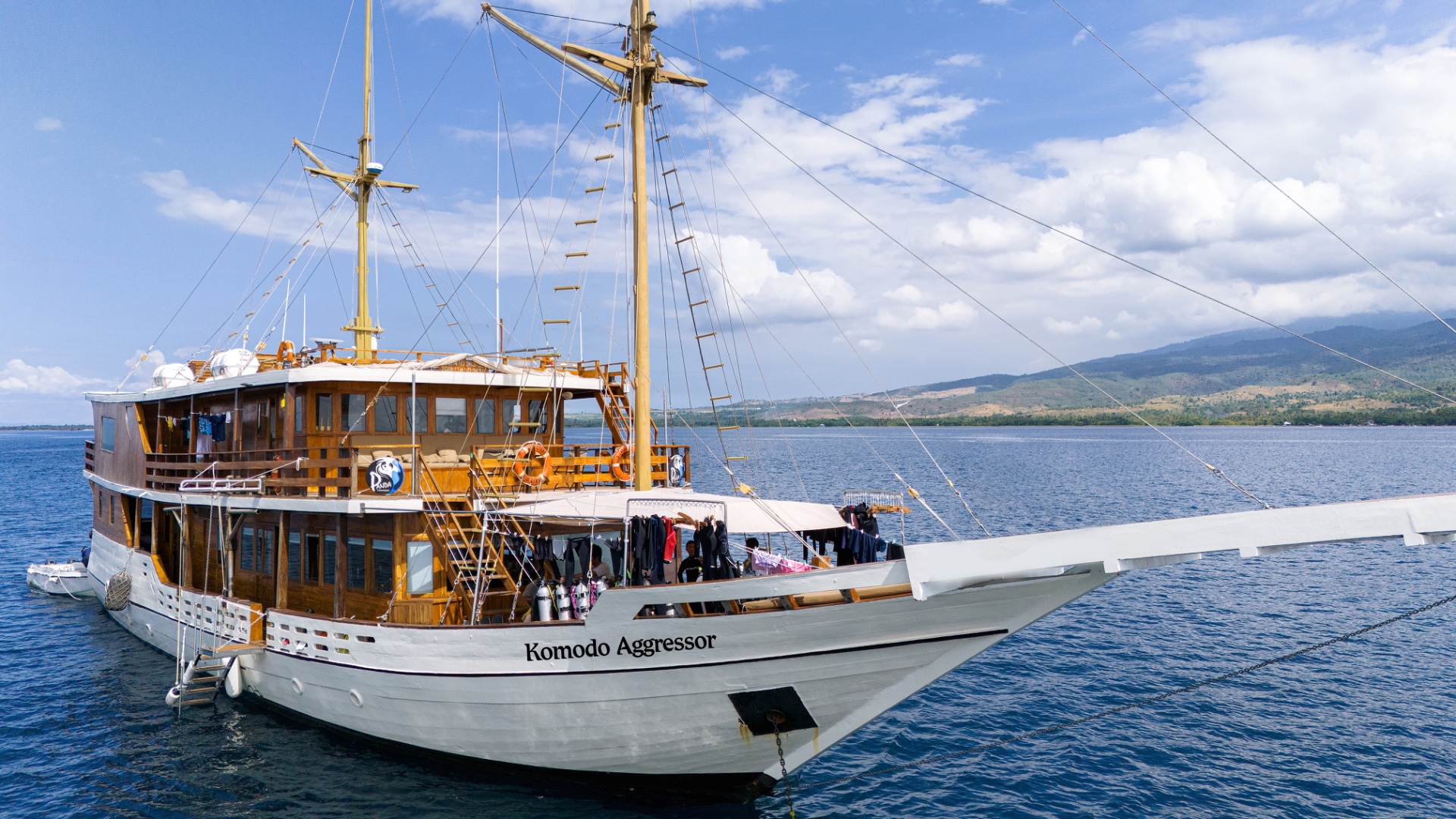
Komodo Aggressor
Komodo, Indonesia
16 guests29 m
$312/day
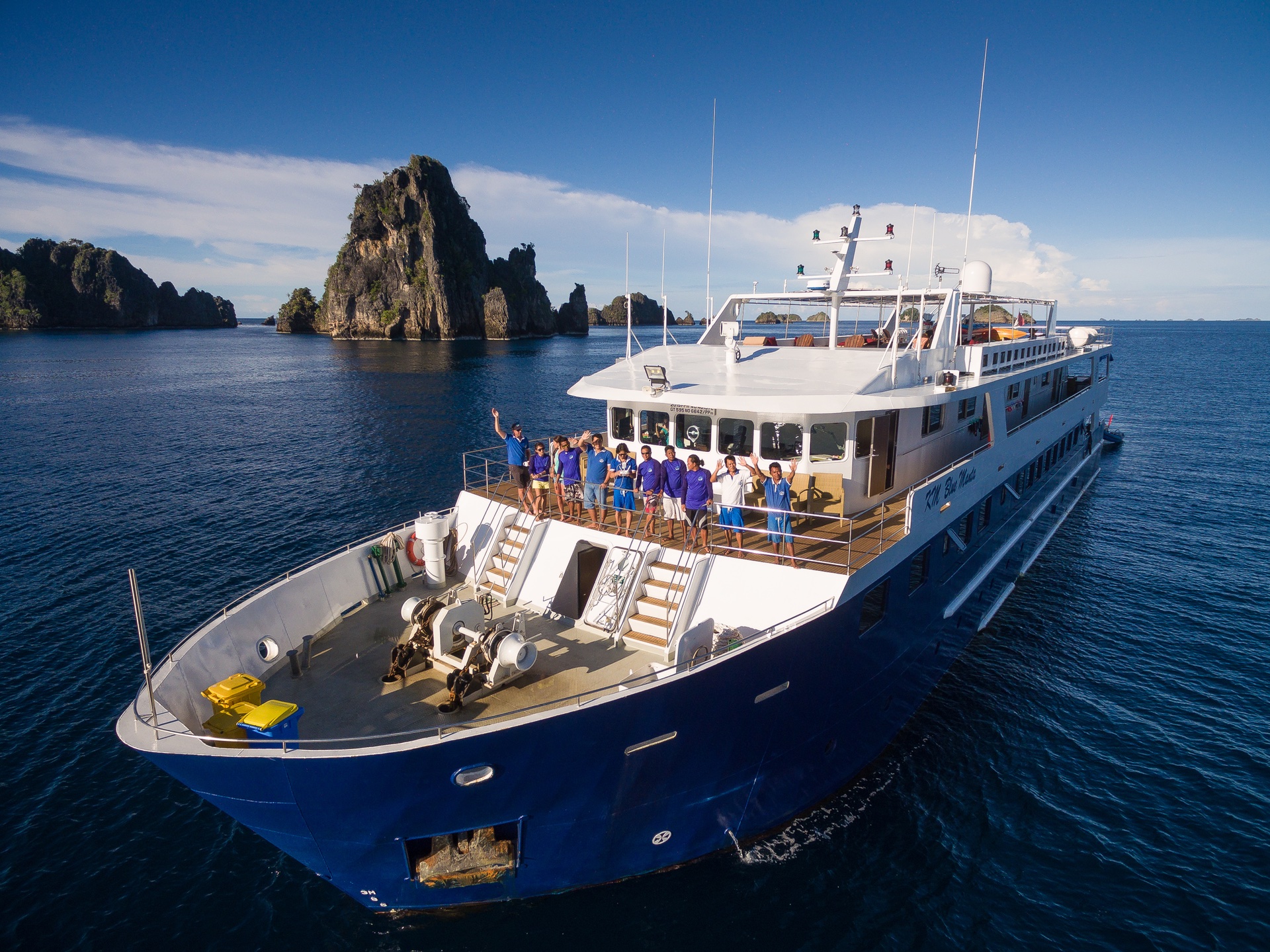
Blue Manta
Indonesia
20 guests45 m
$482/day
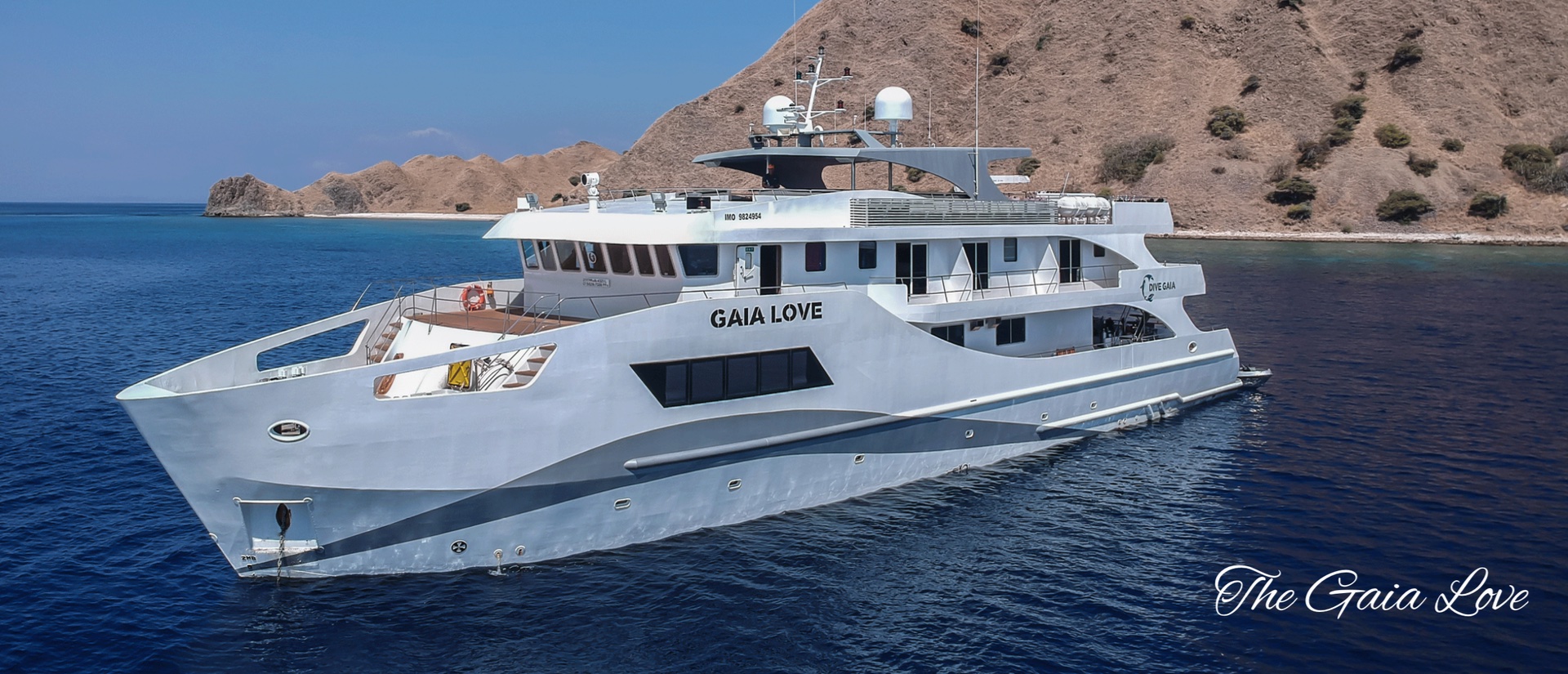
Gaia Love
Alor
20 guests
$554/day
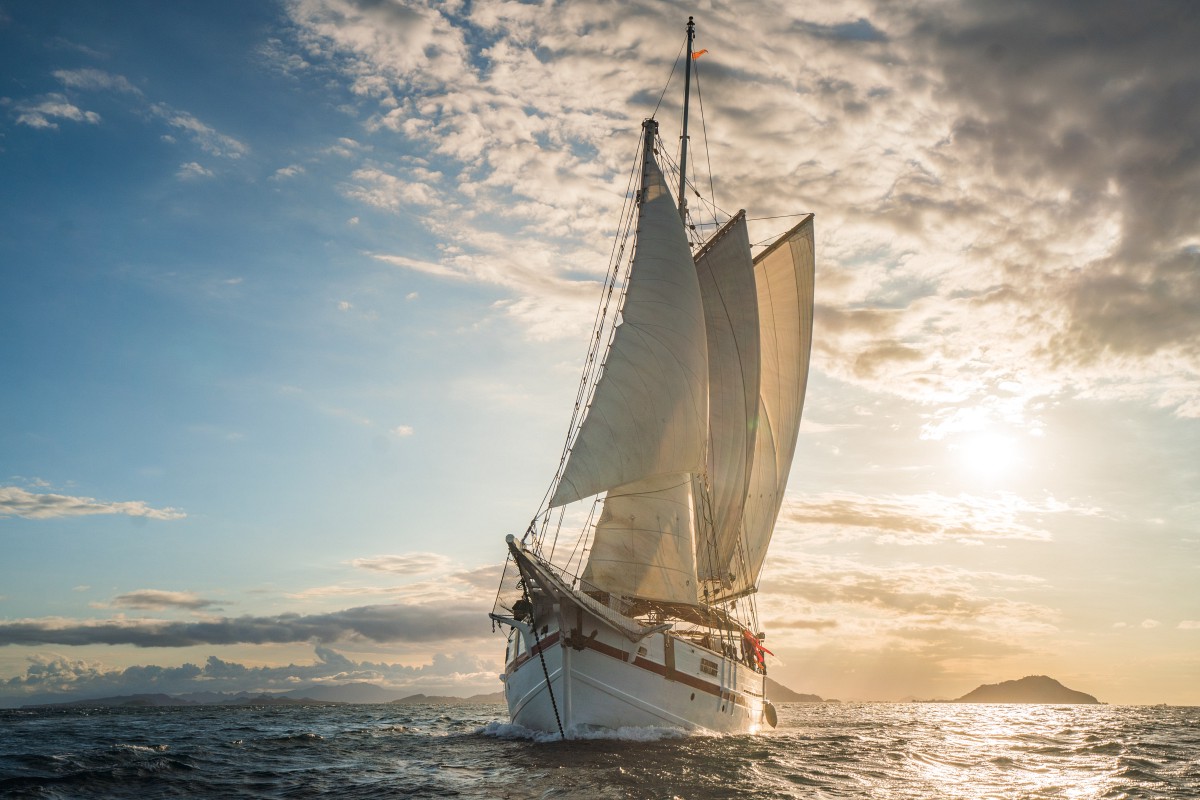
Emperor Raja Laut
Raja Ampat, Indonesia
12 guests31 m
$413/day
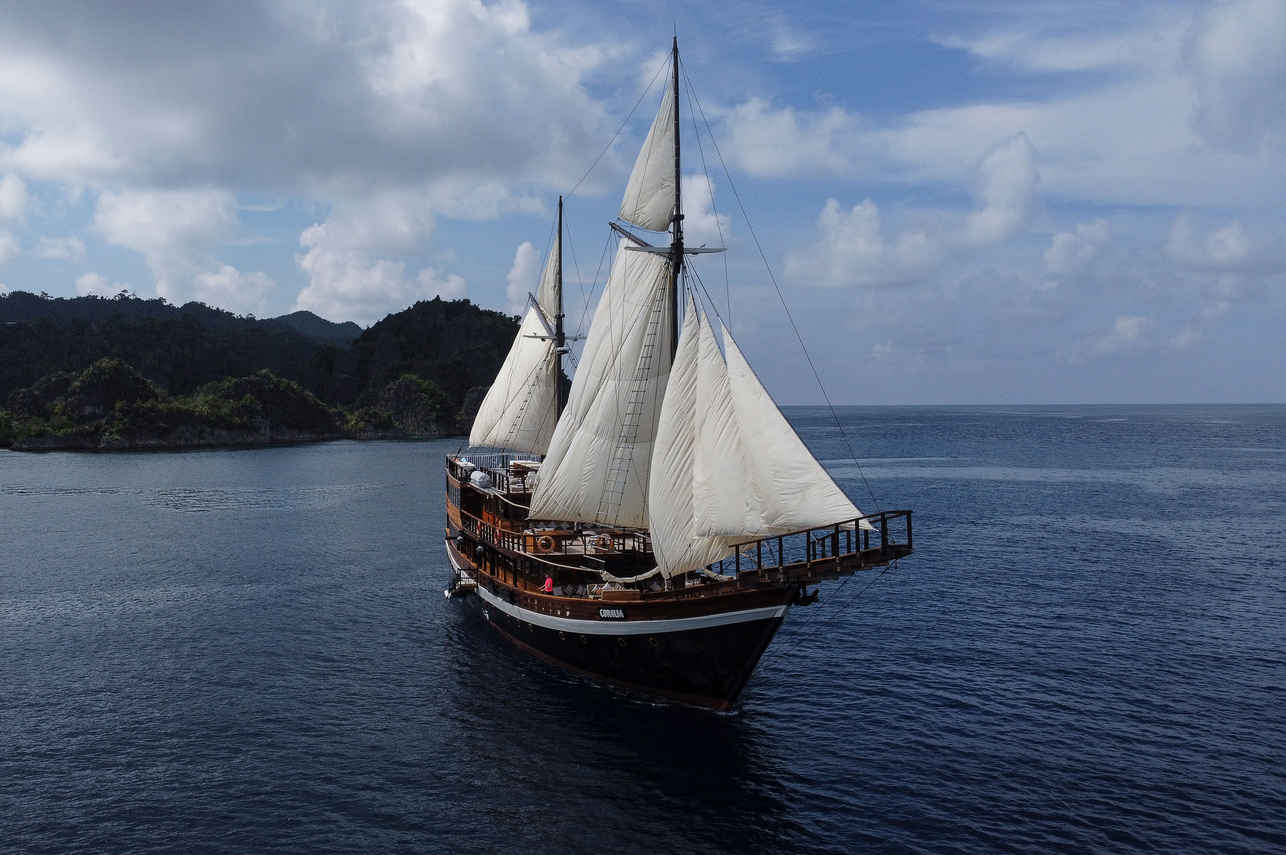
Coralia
Indonesia
16 guests48 m
$563/day
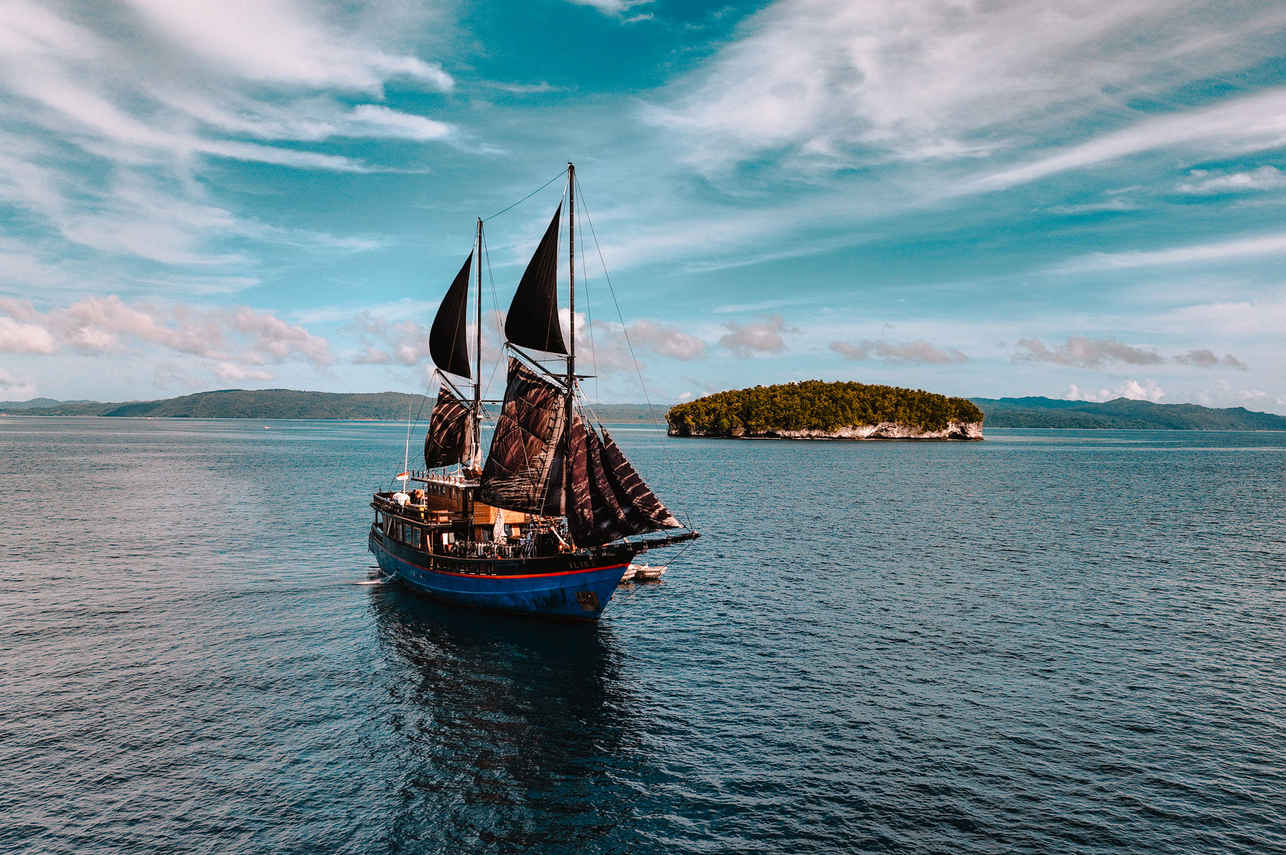
Ilike
Indonesia
16 guests40 m
$350/day
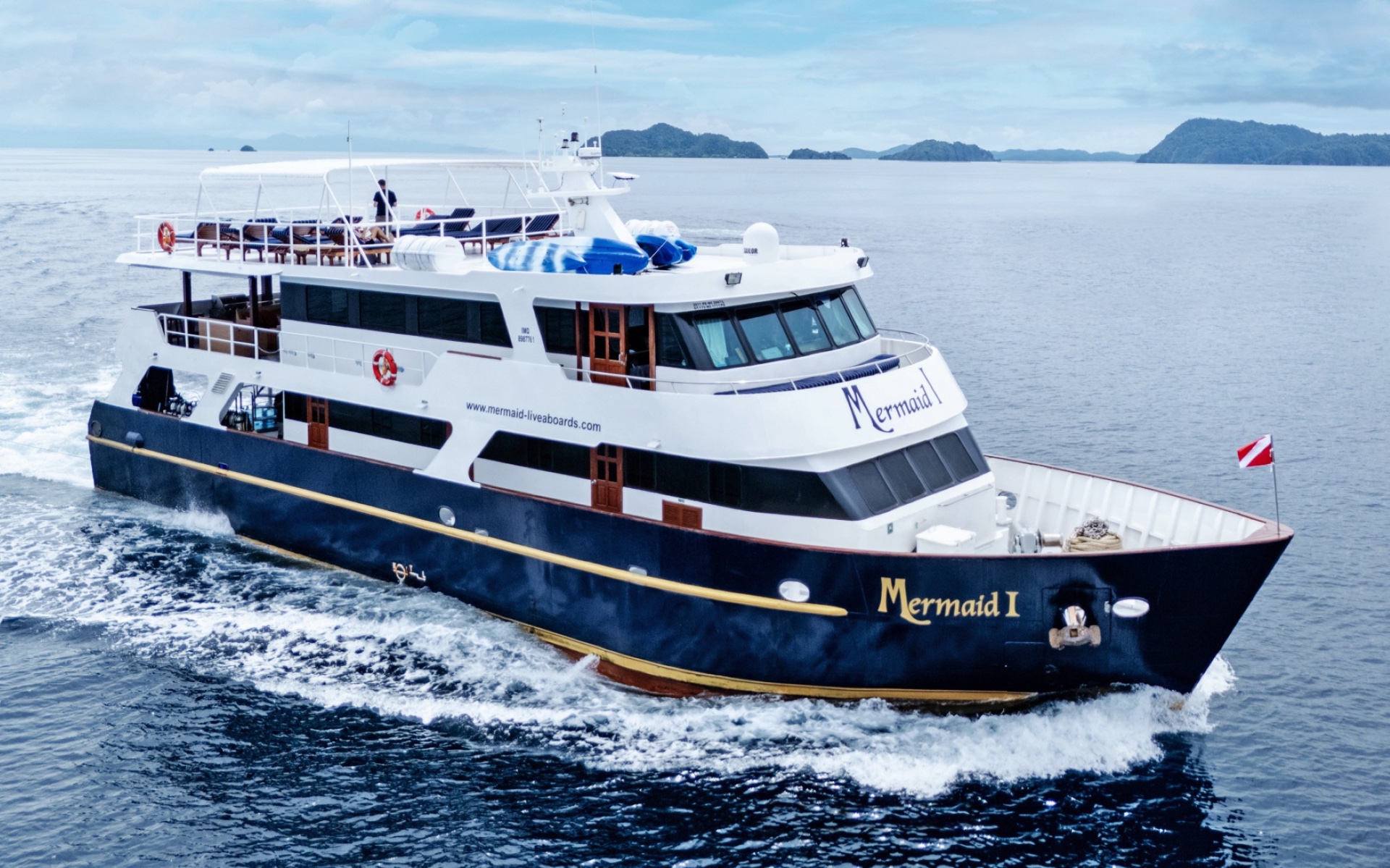
Mermaid I
Alor
15 guests28 m
$478/day
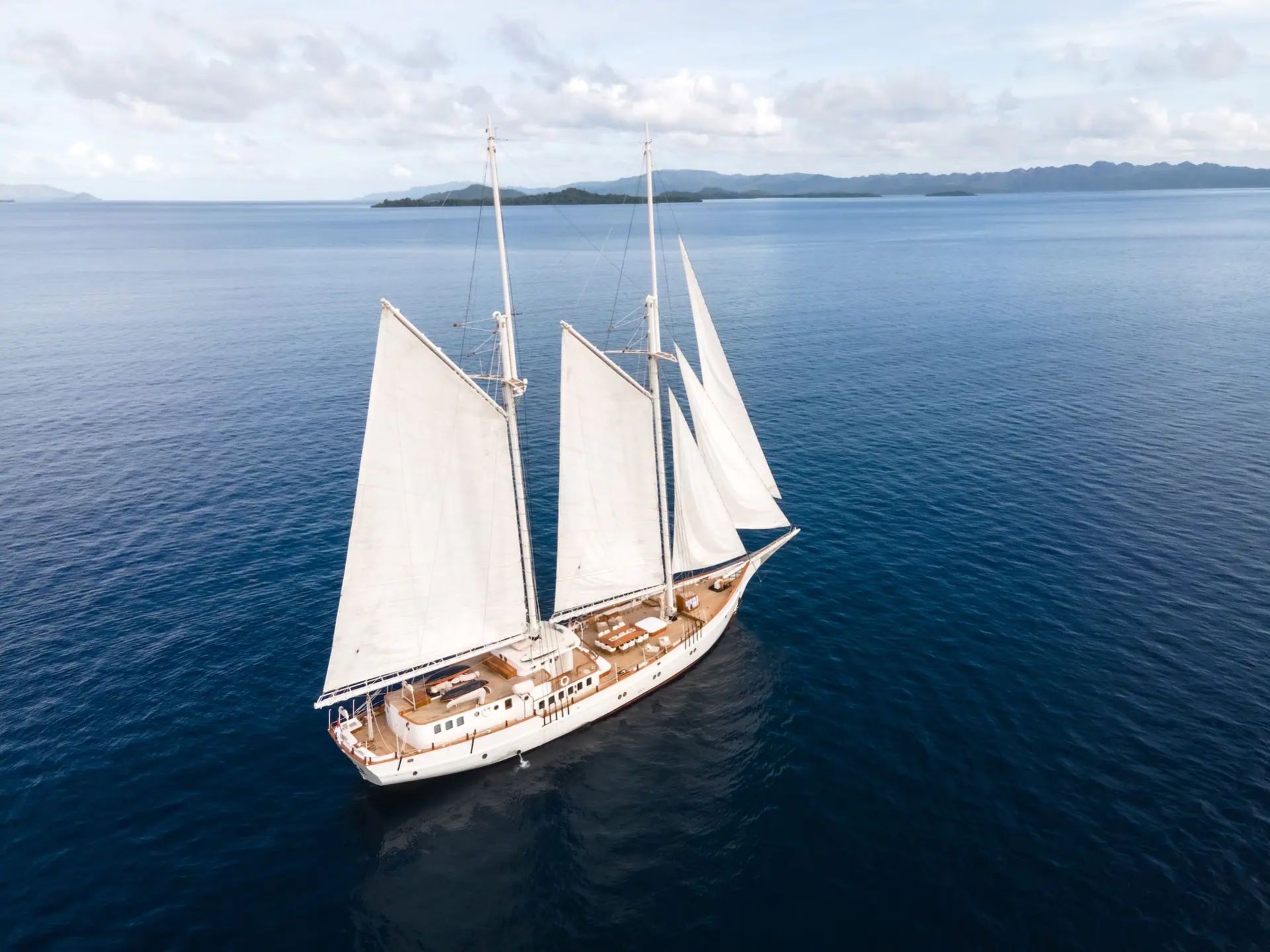
Mutiara Laut
Indonesia
14 guests46 m
$741/day
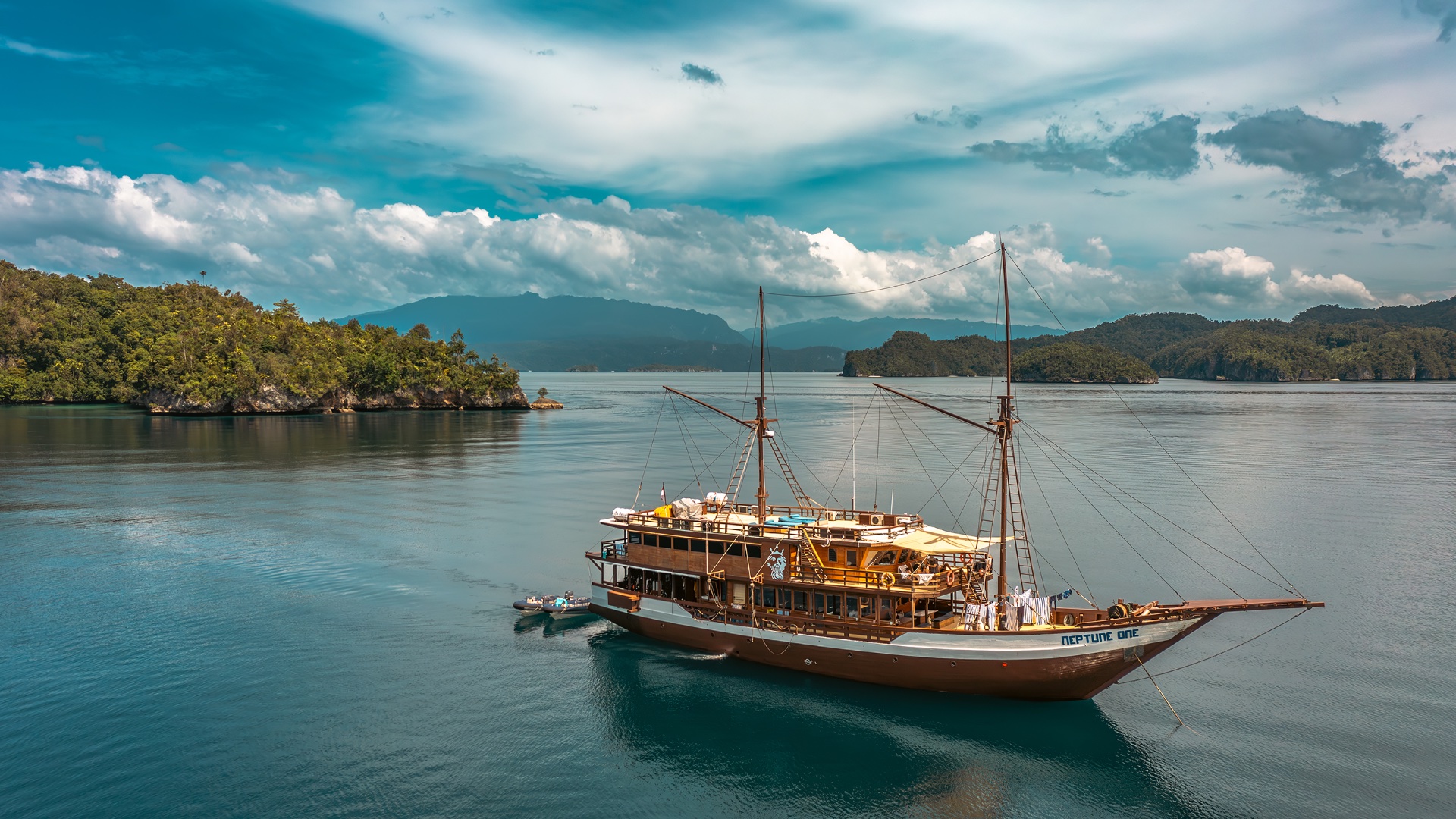
Neptune One
Indonesia
16 guests38 m
$332/day
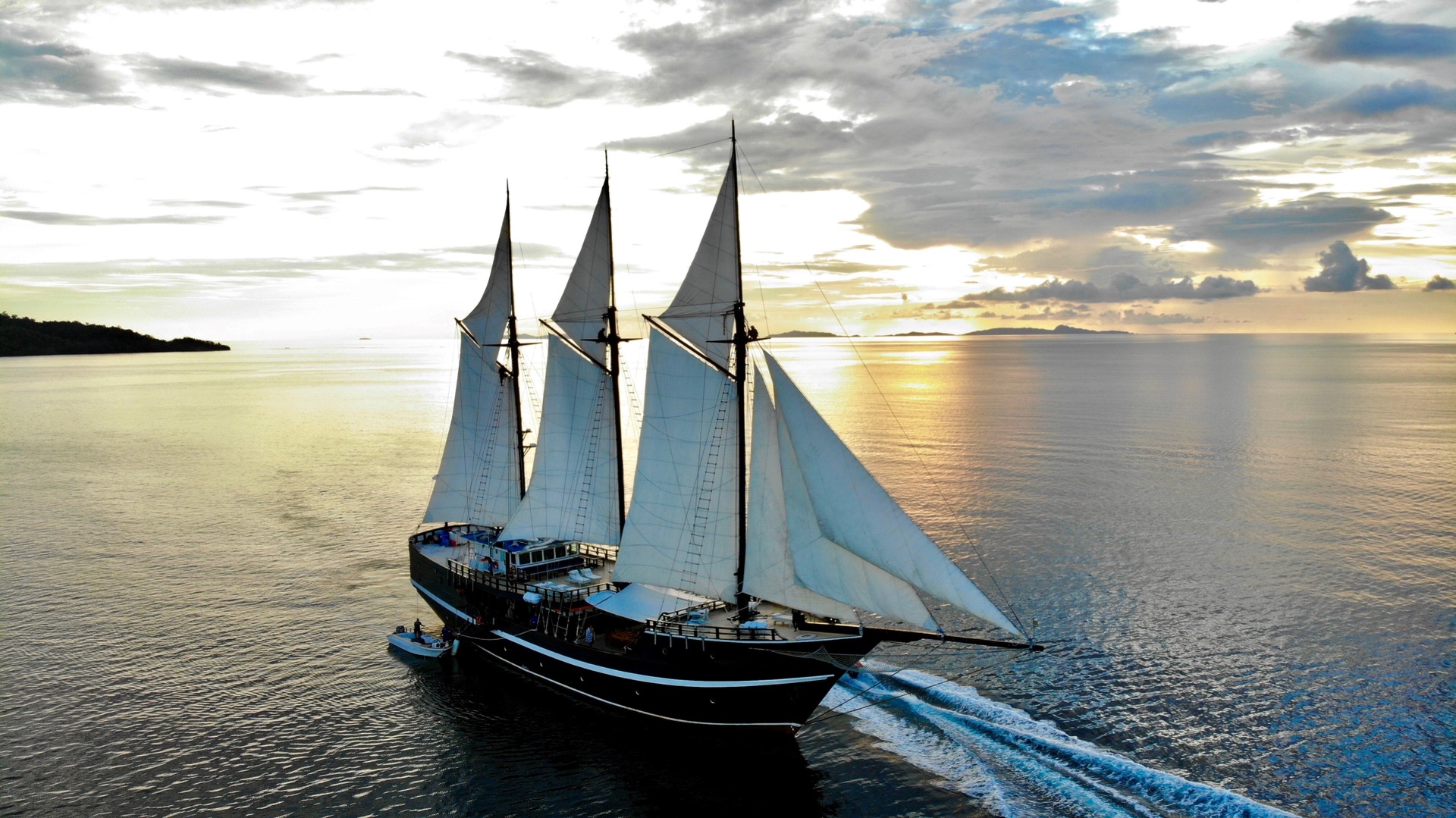
Dewi Nusantara
Indonesia
18 guests57 m
$599/day
Dive sites similar to Reta Wall
Same character, same waters — six more sites divers love for the exact same reasons.Compare seasons, access and liveaboard routes — then pick the site that fits your trip best.
Halerman is a prominent dive site located in the southern part of Alor, known for its distinct underwater landscape and varied marine life.
- Suitable for
- Advanced
- Current
- Strong
- Access
- Liveaboard or dayboat
- Depth
- —
- Theme
- Wall / Drift
© Esri — Maxar, Earthstar, GIS
Sharks Galore
Alor
Sharks Galore, an iconic drift-dive in Alor, offers thrilling encounters with diverse marine life.
- Suitable for
- Advanced
- Current
- Ripping
- Access
- Liveaboard or dayboat
- Depth
- 15–40 m
- Theme
- Channel / Drift
© Esri — Maxar, Earthstar, GIS
Goa Wolang
Alor
Goa Wolang, also known as Wolang Cave, is a distinctive dive site located in South Alor, renowned for its intriguing topography and diverse marine life.
- Suitable for
- Advanced
- Current
- Strong
- Access
- Dayboat
- Depth
- 5–30 m
- Theme
- Cavern / Wall
Munaseli is a prominent dive site situated off the northern coast of Pantar Island in the Alor archipelago, an area celebrated for its rich marine biodiversity within the Coral Triangle.
- Suitable for
- Advanced
- Current
- Strong
- Access
- Liveaboard or dayboat
- Depth
- ≤ 40 m
- Theme
- Wall / Drift
© Esri — Maxar, Earthstar, GIS
Ipet Drop-off
Alor
Situated off Adonara Island, Ipet Drop-off is a renowned dive site in the Alor region, celebrated for its vibrant and densely populated reef.
- Suitable for
- Advanced
- Current
- Strong
- Access
- Liveaboard only
- Depth
- —
- Theme
- Reef / Wall
© Esri — Maxar, Earthstar, GIS
Crocodile Rock
Alor
Crocodile Rock is a captivating dive site situated within the Alor Archipelago, a remote Indonesian region celebrated for its untouched marine ecosystems.
- Suitable for
- Advanced
- Current
- Strong
- Access
- Liveaboard or dayboat
- Depth
- 6–28 m
- Theme
- Drift / Wall