About Beang Abang
Beang Abang is a renowned night dive site located on Pantar Island in the Alor archipelago, an area celebrated for its rich marine biodiversity where the Pacific and Indian Oceans converge. This site features a volcanic black sand slope that descends from 8 to 30 meters, creating a unique habitat that contrasts sharply with the vibrant coral reefs found elsewhere in Alor. The black sand environment during daylight is relatively barren, but it truly comes alive after dusk, transforming into a bustling hunting ground for fascinating macro life. Divers explore this dynamic muck site to discover a wide array of cryptic creatures that emerge under the cover of night. The unique topography and substrate make it an excellent location for spotting rare critters and observing their nocturnal behaviors. The currents in Alor are consistently present, influenced by strong tidal movements, which contribute to the region's diverse ecosystem. While Beang Abang is particularly famous for its night dives, its black sand slopes can be explored during the day for macro photography. Visibility here can range from 15 meters during the rainy season to an impressive 40 meters in the dry season. Entry is typically by boat, and the dive requires moderate experience due to the potential for currents. Beang Abang offers an unparalleled opportunity to witness a different side of Alor's underwater world, focusing on the intricate and often bizarre inhabitants of its volcanic sands.
Highlights
WonderpusFrogfishMimic Octopus
Season calendar
Best months to dive here
Jan
Feb
Mar
Apr
May
Jun
Jul
Aug
Sep
Oct
Nov
Dec
Excellent
Good
Dive site facts: Beang Abang
- Depth
- 8–30 m
- Typical dive
- 9–20 m, 50–60 min
- Current
- Moderate to strong
- Visibility
- 15–30 m
- Water temperature
- 24–28°C
- Entry
- Tender / liveaboard
- Level
- Intermediate
- Dive type
- Muck, critter, night dive
- Night dive
- Excellent
- Region / port
- Alor, East Nusa Tenggara
- Coordinates
- -8.283, 124.172
Conditions & Currents
Currents at Beang Abang, and throughout the Alor region, are a consistent and influential feature due to strong tidal movements in the Pantar Strait. While Beang Abang is noted for its night diving, current strength can vary from moderate to strong, impacting drift and subject stability. Diving around the half moon phase generally offers milder conditions for those who prefer less current, while new and full moon phases bring stronger currents that can enhance pelagic encounters. Divers should be prepared for potential drift and understand entry and exit strategies that account for current direction. Visibility generally ranges from 15–30 meters, though it can decrease during the rainy season or with strong currents stirring up sediment. Occasional thermoclines can be experienced, particularly in deeper sections, which may necessitate a thicker wetsuit for comfort.
Marine life & sighting chances

Mimic octopus
occasional
Bobtail squid
occasional
Flamboyant cuttlefish
occasional
Robust ghost pipefish
occasional
Frogfish
occasional
Nudibranchs
common
Scorpionfish
occasional
Long arm octopus
occasional
Harlequin shrimp
rareWonderpus octopus
occasionalDive profile & how the dive runs
Dives at Beang Abang typically begin with a negative entry from a tender onto the black sand slope of Pantar Island. Descending gently, divers explore the contours of the volcanic sandy bottom, which gradually slopes from about 8 meters down to 30 meters. The focus is on meticulous critter hunting along the sand, paying close attention to small details and camouflage. Divers usually follow the slope's contours, often in a zigzag pattern to maximize coverage for macro subjects. During night dives, torches illuminate the nocturnal activity, revealing many hidden creatures. The turn point is often dictated by air consumption or bottom time, ascending slowly along the same slope, with the safety stop conducted in the shallower sandy areas, usually around 5 meters, before resurfacing to the waiting tender.
Underwater photography
Beang Abang is a macro photographer's dream, especially for night diving. A macro lens (60mm or 100/105mm) is essential for capturing the intricate details of the small and often camouflaged critters. Utilize a snoot with your strobe to isolate subjects and create dramatic lighting effects against the dark sand, or use dual strobes for even illumination. Good buoyancy control is critical here, as the silty black sand can be easily disturbed, impacting visibility and image quality. Take your time to locate subjects and approach them slowly to avoid startling them. During night dives, a strong focus light is invaluable for assisting your camera's autofocus and highlighting creatures that might otherwise be missed. Patience and a keen eye will be richly rewarded with unique shots of rare critters.
Combine with nearby dive sites
- The Arch
The Arch is a captivating intermediate dive site located off Ternate Island in the Alor Archipelago, Indonesia.
- Clown Valley
Clown Valley, also known as Anemone City or Anemone Valley, is a renowned dive site near Pura Island in Alor, famous for its extraordinary…
- Kal's Dream
Kal's Dream is a prominent seamount located between Kepa and Pura islands, named in honor of Indonesian diving pioneer Kal Muller.
- Pura Island Drop-off
A short boat ride away, offering diverse reef and wall diving.
- Mahi Point
Mahi Point, often referred to as Mahi's Reef, is a celebrated shallow dive site within the Alor archipelago, distinguished by its…
Getting there & logistics
Access to Alor typically involves flying into Alor Mali Airport (ARD), usually with connections through larger Indonesian hubs like Bali (DPS) or Kupang (KOE). From the airport, resorts like Alor Tanapi Dive Resort are a short transfer away. Beang Abang is commonly visited via speedboat on day trips from these resorts, located within a 30-45 minute radius. Liveaboards operating in the Alor region also frequently include this site in their itineraries. It is recommended to plan a trip of at least one to two weeks to fully explore the diverse dive sites of Alor. Marine park fees may apply and are often included in dive package costs.
Safety & environment
Diving in Alor, including Beang Abang, requires careful planning due to potentially strong currents. Divers should always carry a surface marker buoy (SMB) and know how to deploy it. Dive guides are experienced with local conditions and their instructions should be followed strictly. The nearest recompression chamber is likely located in Bali, necessitating a potentially lengthy evacuation procedure in case of a serious dive emergency. Comprehensive dive insurance, including coverage for medical emergencies and evacuation, is therefore highly recommended. Be mindful of potential thermoclines, which can cause sudden temperature drops, and consider a 5mm wetsuit for comfort, especially on deeper or longer dives.
Who it suits — and who it doesn't
Suited for
- Macro photography enthusiasts
- Night diving specialists
- Critter hunters
- Divers seeking unique marine life
- Intermediate to advanced divers comfortable with currents
Less suited for
- Beginner divers without current experience
- Divers solely interested in large pelagics
- Those who dislike muck diving environments
- Divers uncomfortable with potential thermoclines
- Divers who prefer calm, current-free conditions
FAQ
Beang Abang FAQ
What kind of marine life can I expect to see at Beang Abang?
Beang Abang is a renowned spot for rare and unusual critters, particularly during night dives. You can anticipate encountering fascinating creatures such as mimic octopuses, bobtail squids, and flamboyant cuttlefish. Robust ghost pipefish, various nudibranchs, and other camouflaged bottom dwellers are also commonly spotted here.
Is Beang Abang suitable for beginners?
Beang Abang is generally recommended for intermediate to advanced divers. The site can experience moderate to strong currents, which requires a certain level of comfort and experience in varying conditions. Beginners without prior current diving experience might find the conditions challenging.
Why is Beang Abang known for night diving?
The volcanic black sand slopes of Beang Abang come alive after dark, revealing a different array of marine life compared to daytime dives. Many nocturnal critters, such as various species of octopus, squid, and other benthic organisms, emerge from their hiding spots, offering unique photographic opportunities and encounters.
What is the visibility like at Beang Abang?
Visibility at Beang Abang typically ranges from 15 to 30 meters, often depending on the season and current activity. While generally good, strong currents can sometimes stir up the silty black sand, temporarily reducing clarity. Despite this, the focus on macro life often means excellent visibility isn't always the primary concern.
Are there thermoclines at Beang Abang?
Yes, occasional thermoclines can be experienced at Beang Abang, especially in the deeper sections of the dive site. Water temperatures typically range from 24-28°C, but drops down to 22°C or even lower can occur. It's advisable to bring a 5mm wetsuit for comfort during these cooler patches.
Why dive Beang Abang from a liveaboard?
Beang Abang is one of Alor's signature dive sites. A liveaboard sleeps you on the water and puts you in the water for three to four guided dives per day, including dawn and night dives that day-boat operators rarely offer. You skip the daily commute back to port and reach quieter, less-crowded sites in the same region on a single trip.
Below are the liveaboards that include Beang Abang on their Alor itineraries.
Liveaboards diving Beang Abang
These liveaboards may visit Beang Abang on selected itineraries — the exact dive sites depend on departure, weather and conditions.
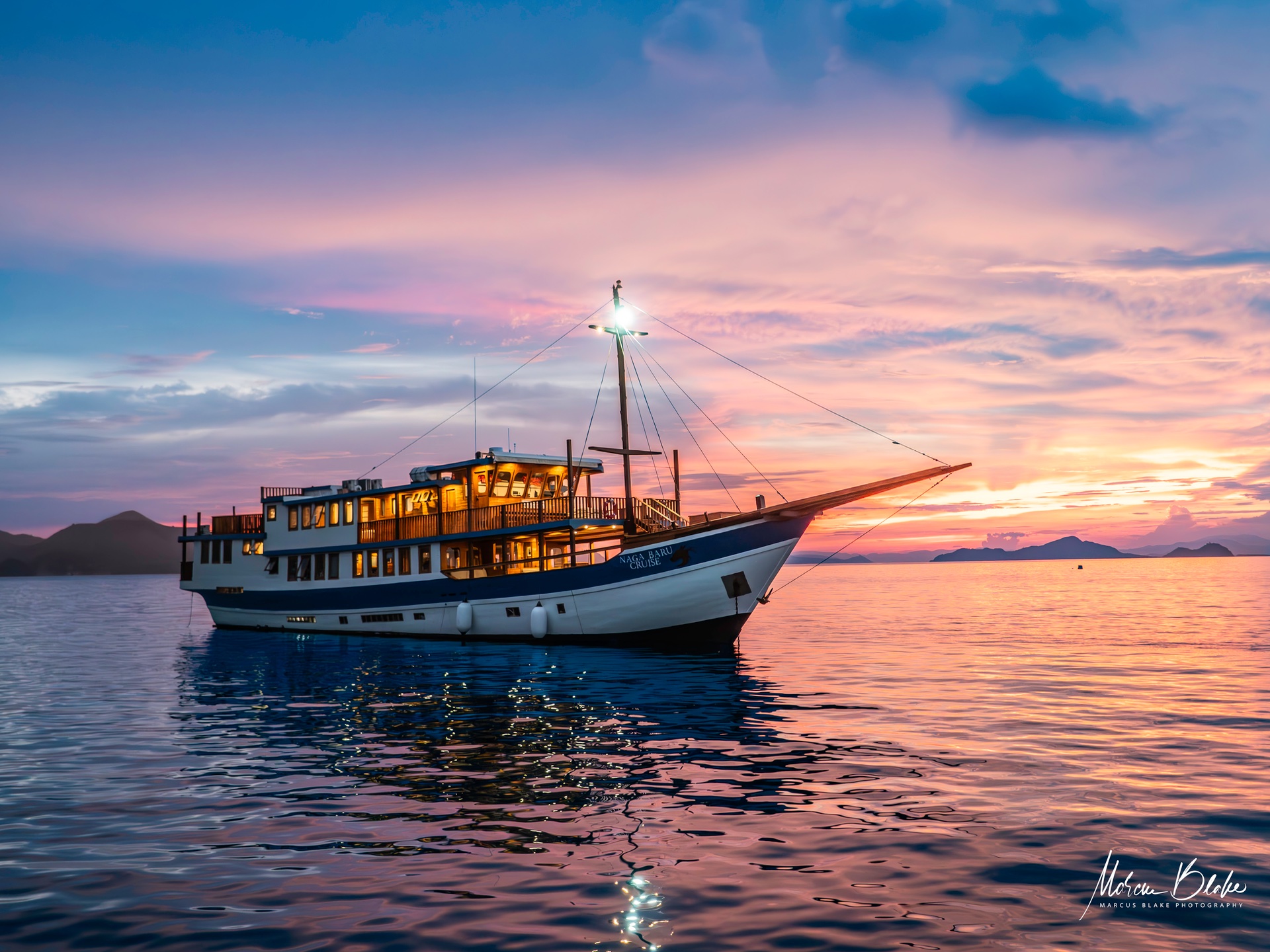
Naga Biru
Indonesia
12 guests40 m
$273/day
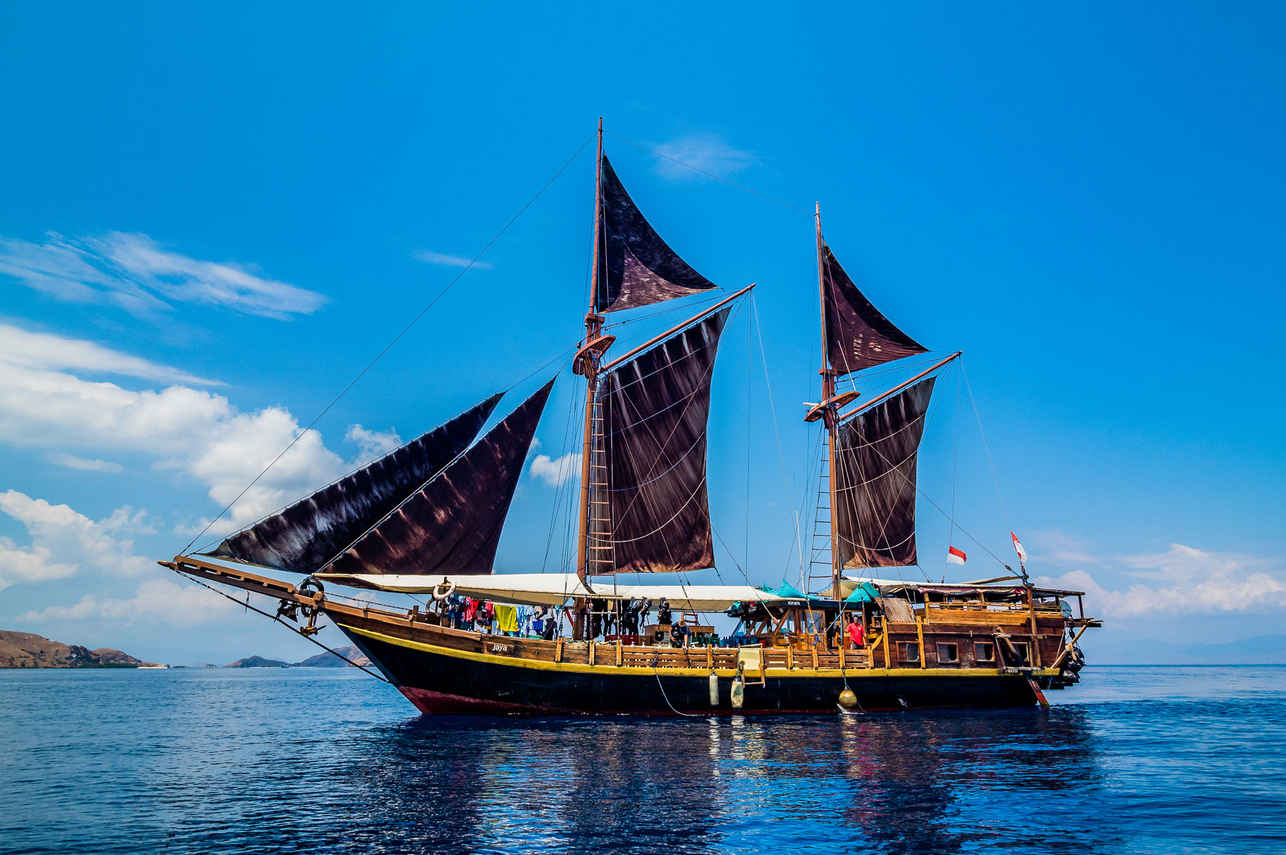
Jaya
Indonesia
14 guests23 m
$280/day
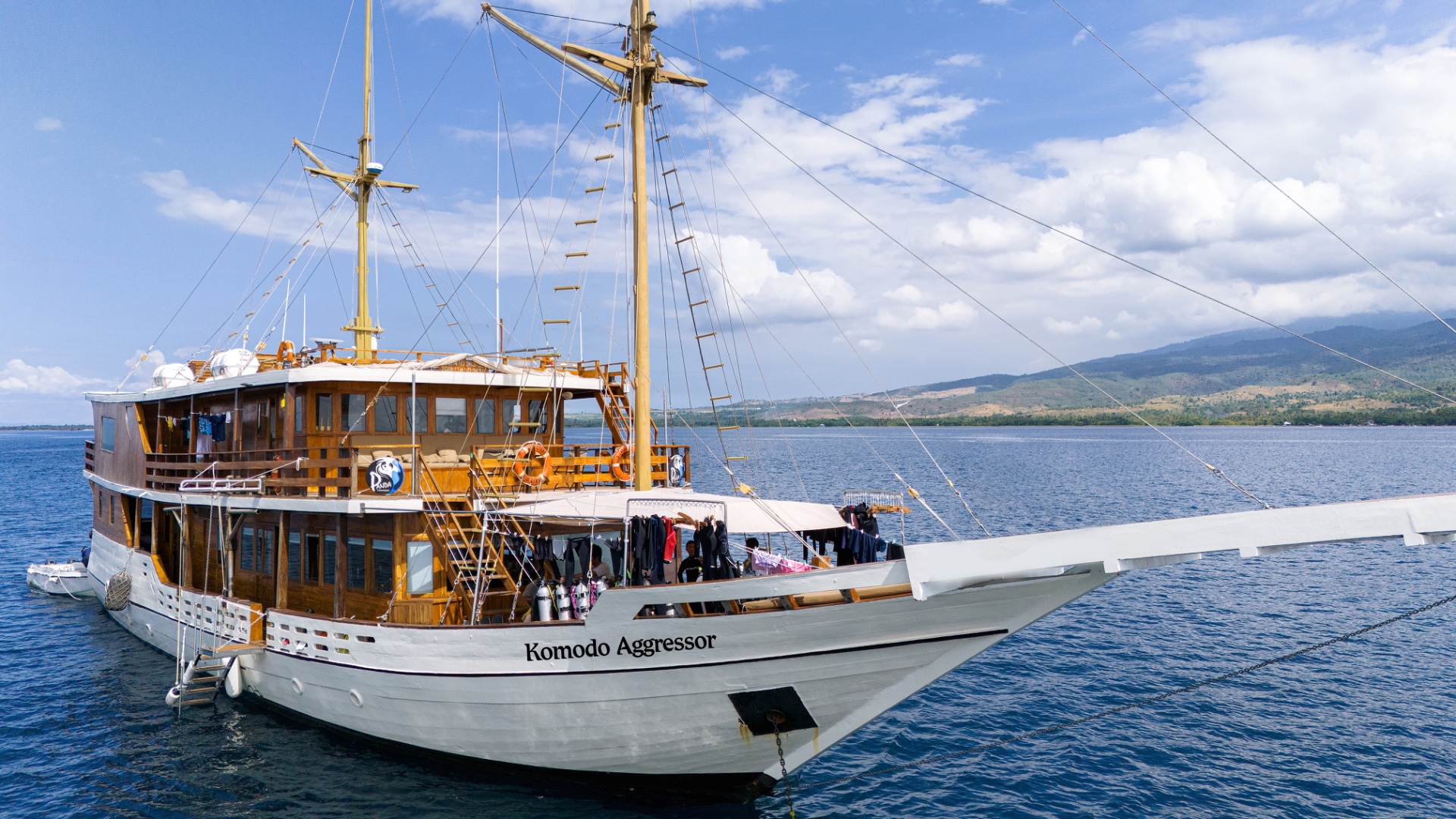
Komodo Aggressor
Komodo, Indonesia
16 guests29 m
$312/day
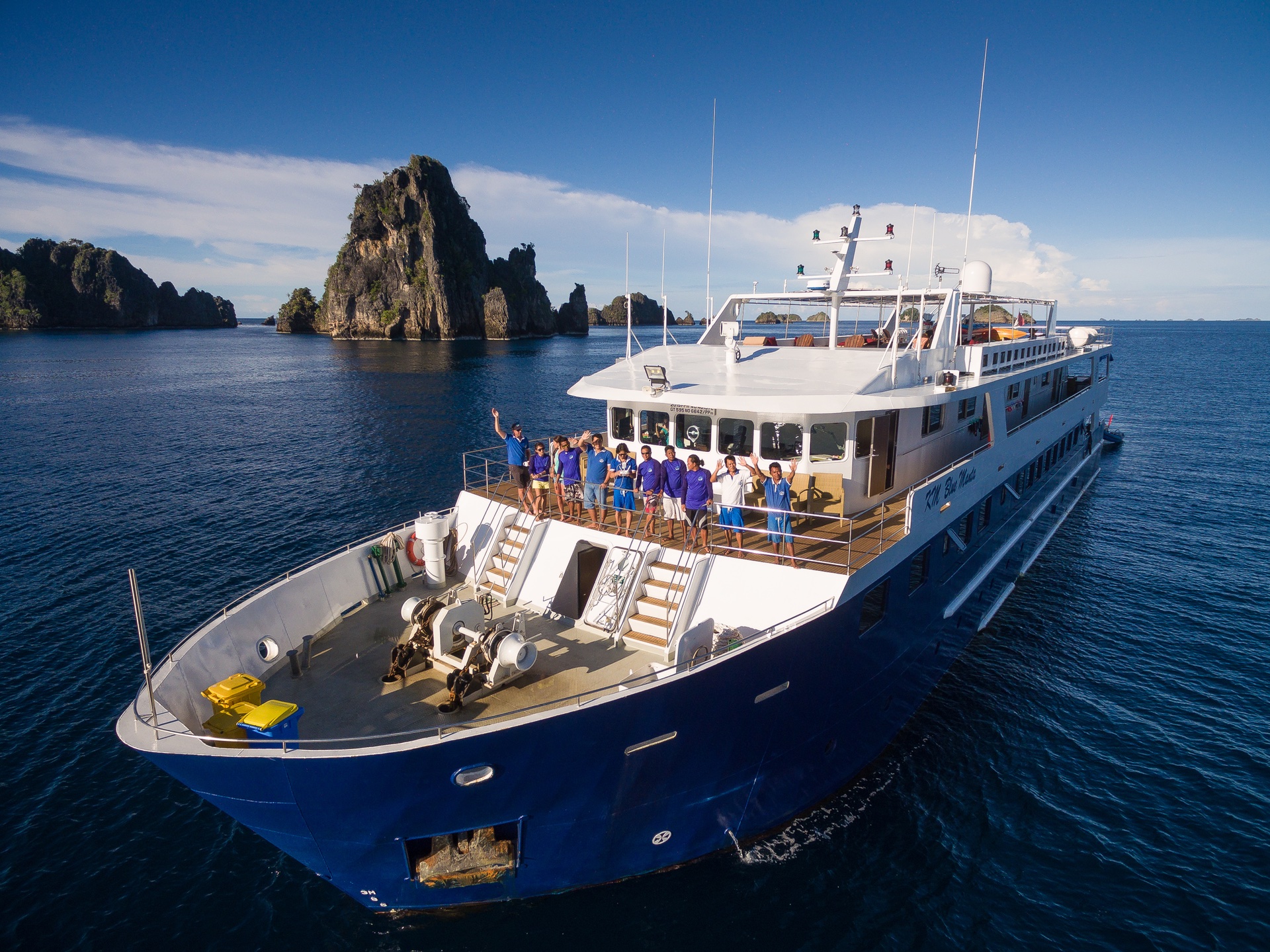
Blue Manta
Indonesia
20 guests45 m
$482/day
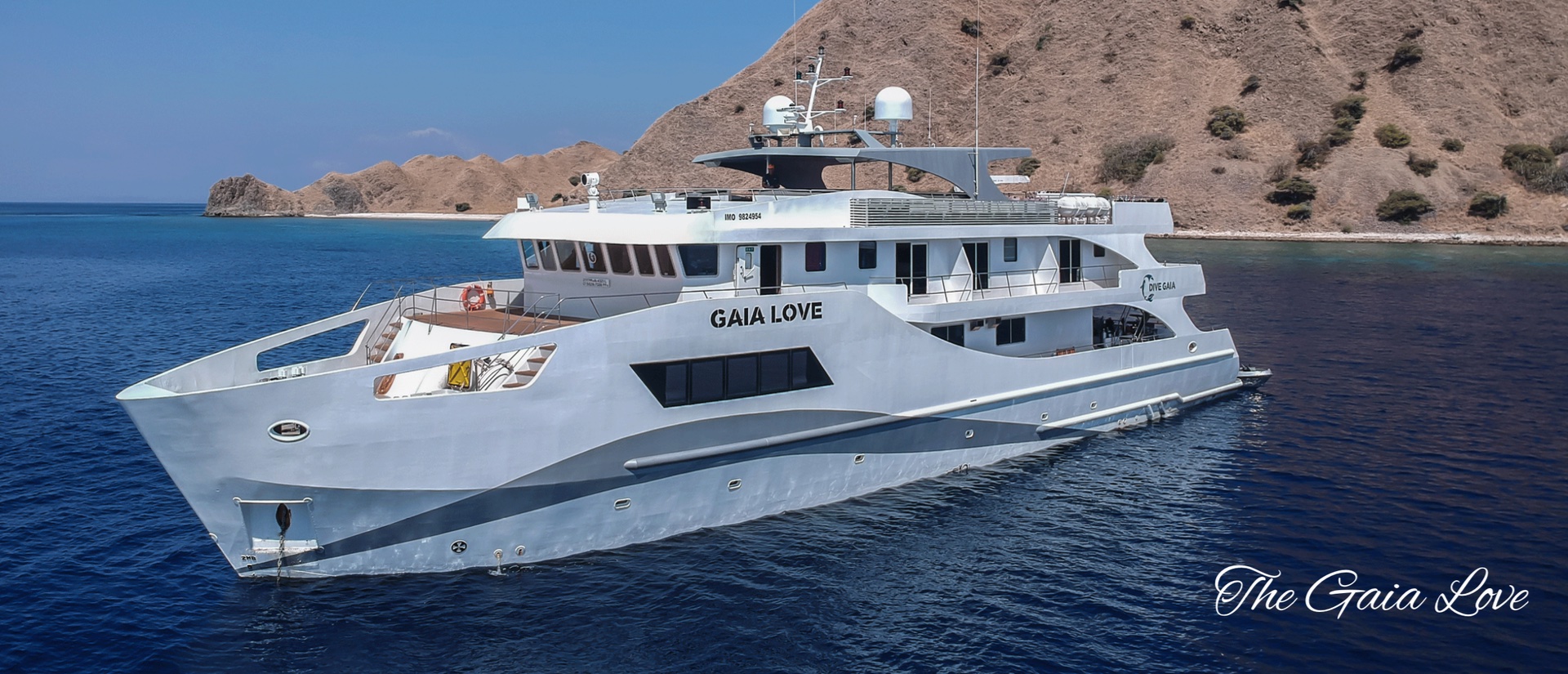
Gaia Love
Alor
20 guests
$554/day
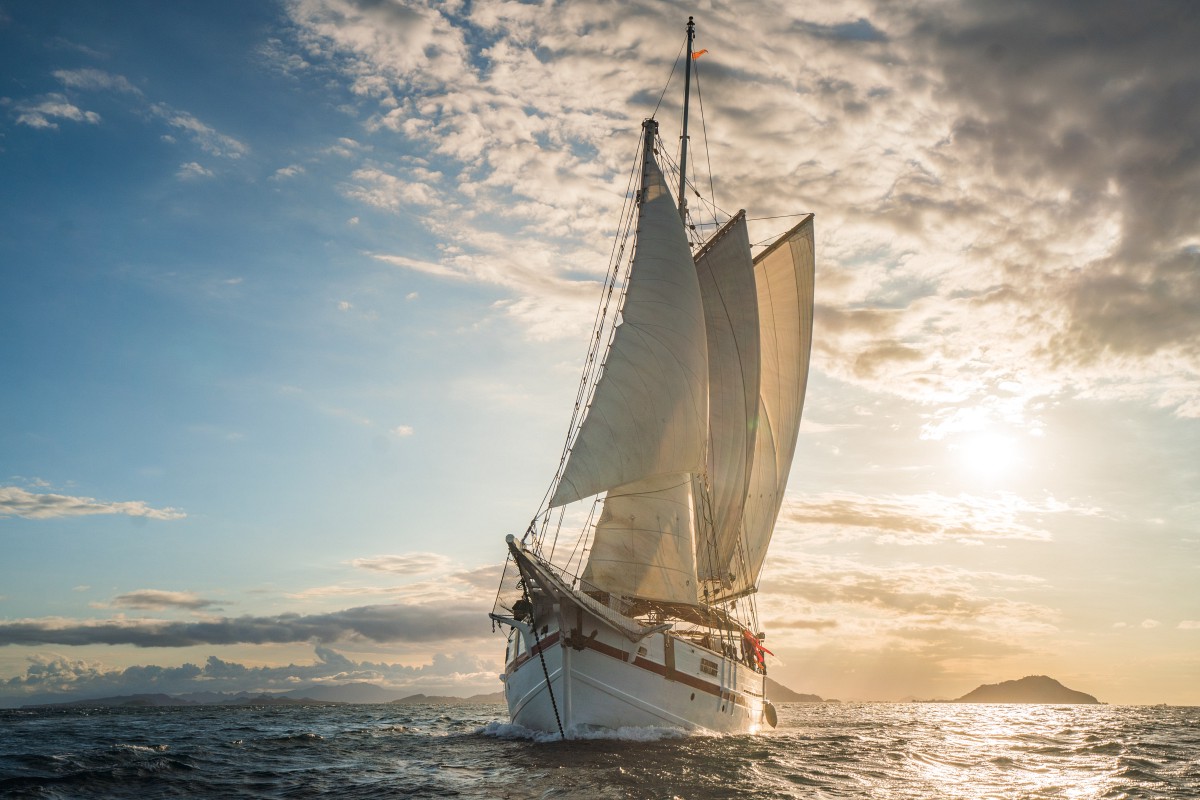
Emperor Raja Laut
Raja Ampat, Indonesia
12 guests31 m
$413/day
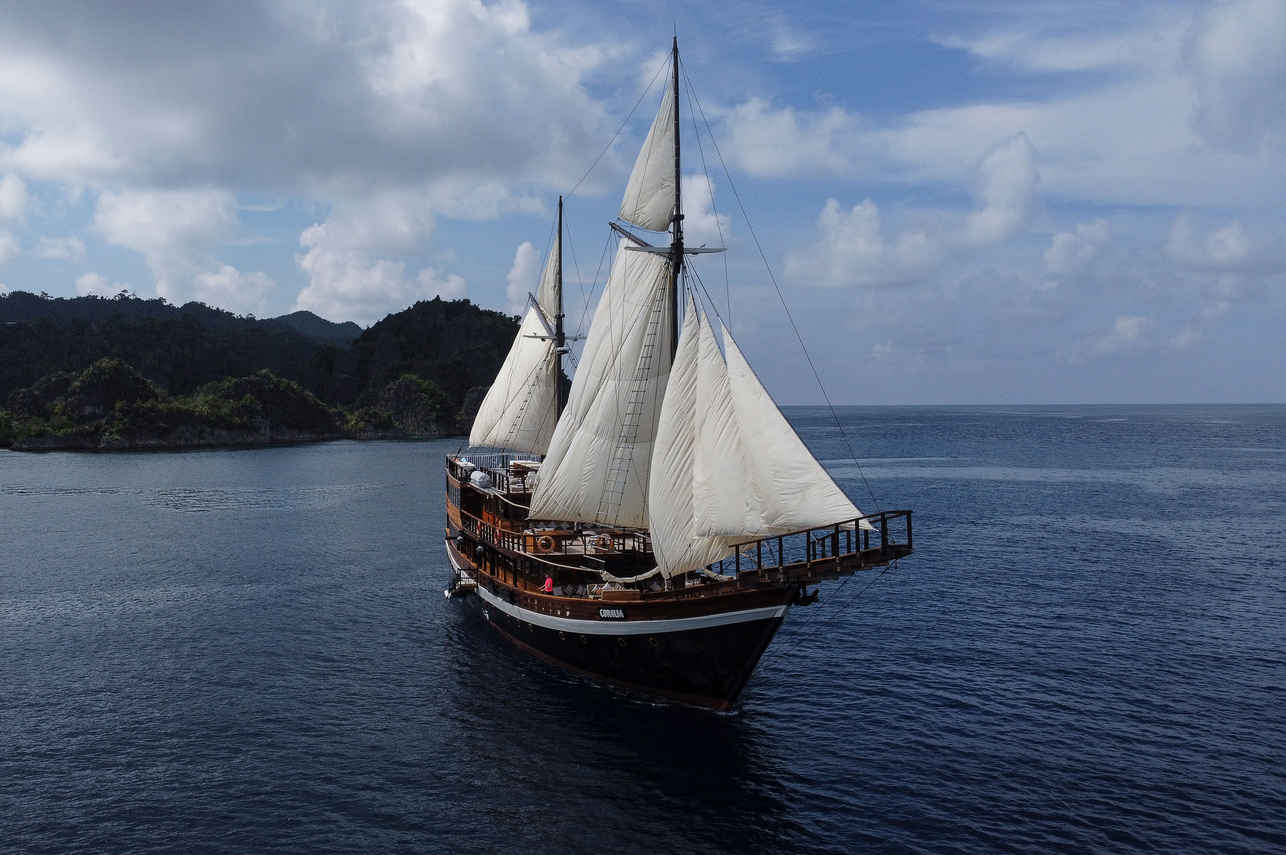
Coralia
Indonesia
16 guests48 m
$563/day
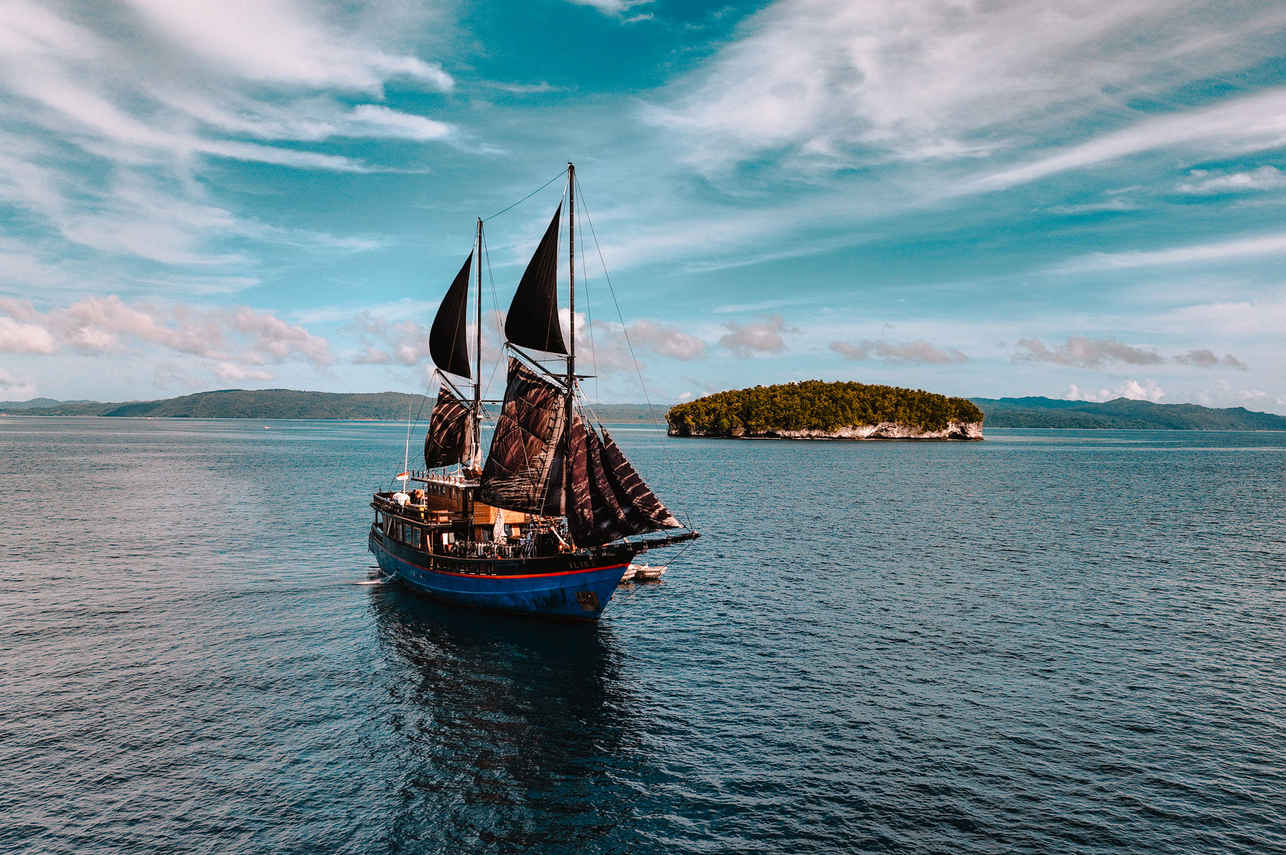
Ilike
Indonesia
16 guests40 m
$350/day
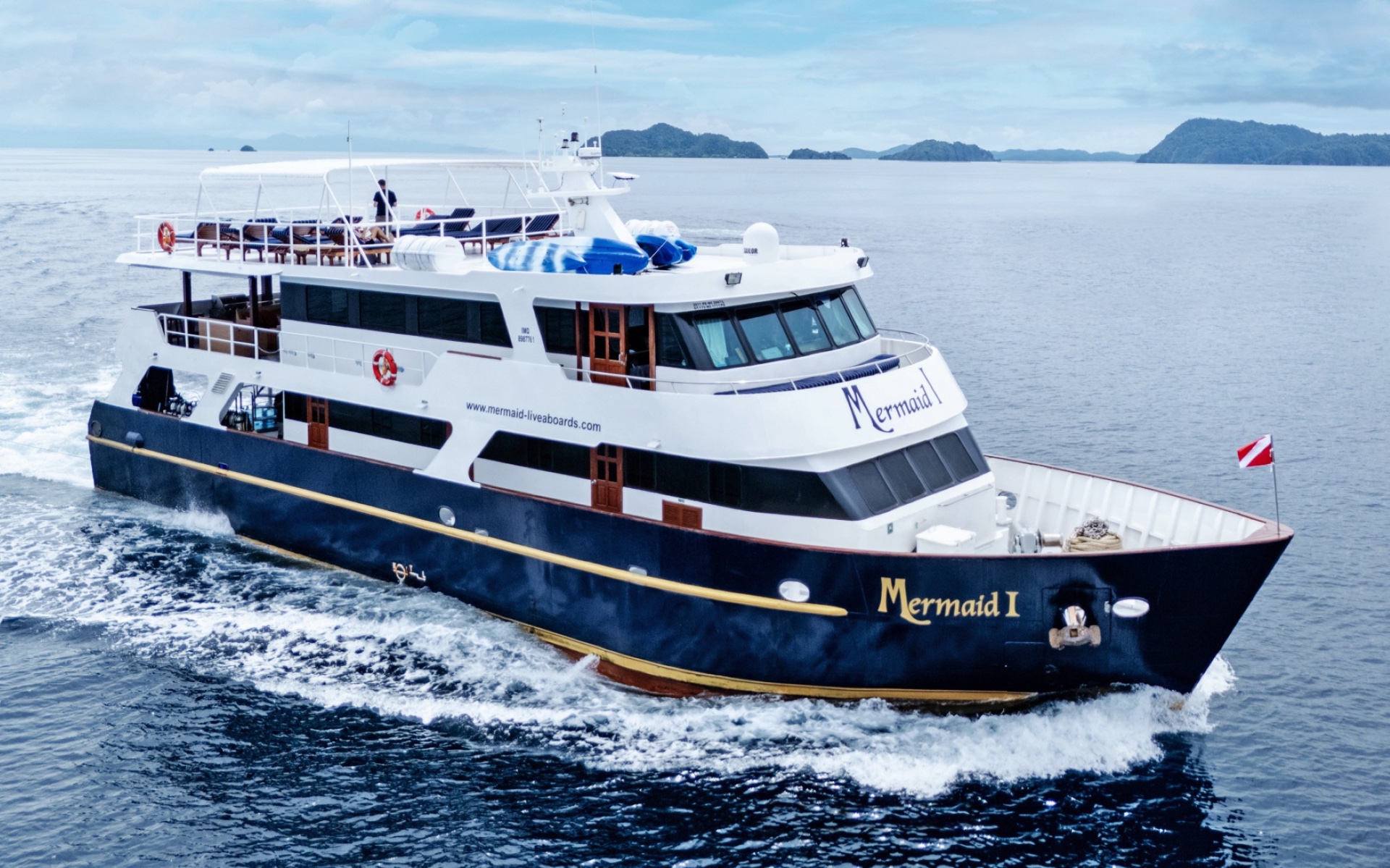
Mermaid I
Alor
15 guests28 m
$478/day
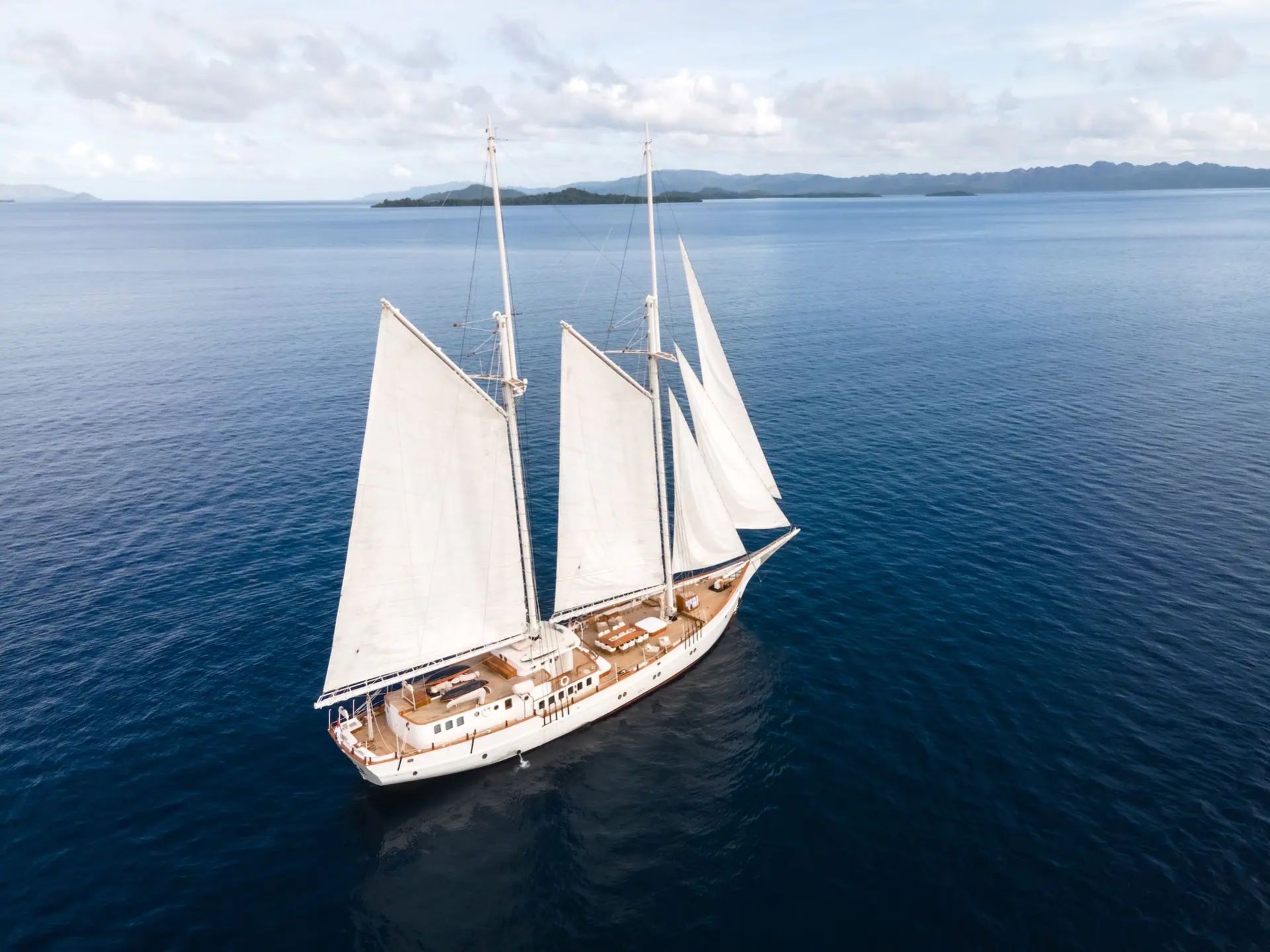
Mutiara Laut
Indonesia
14 guests46 m
$741/day
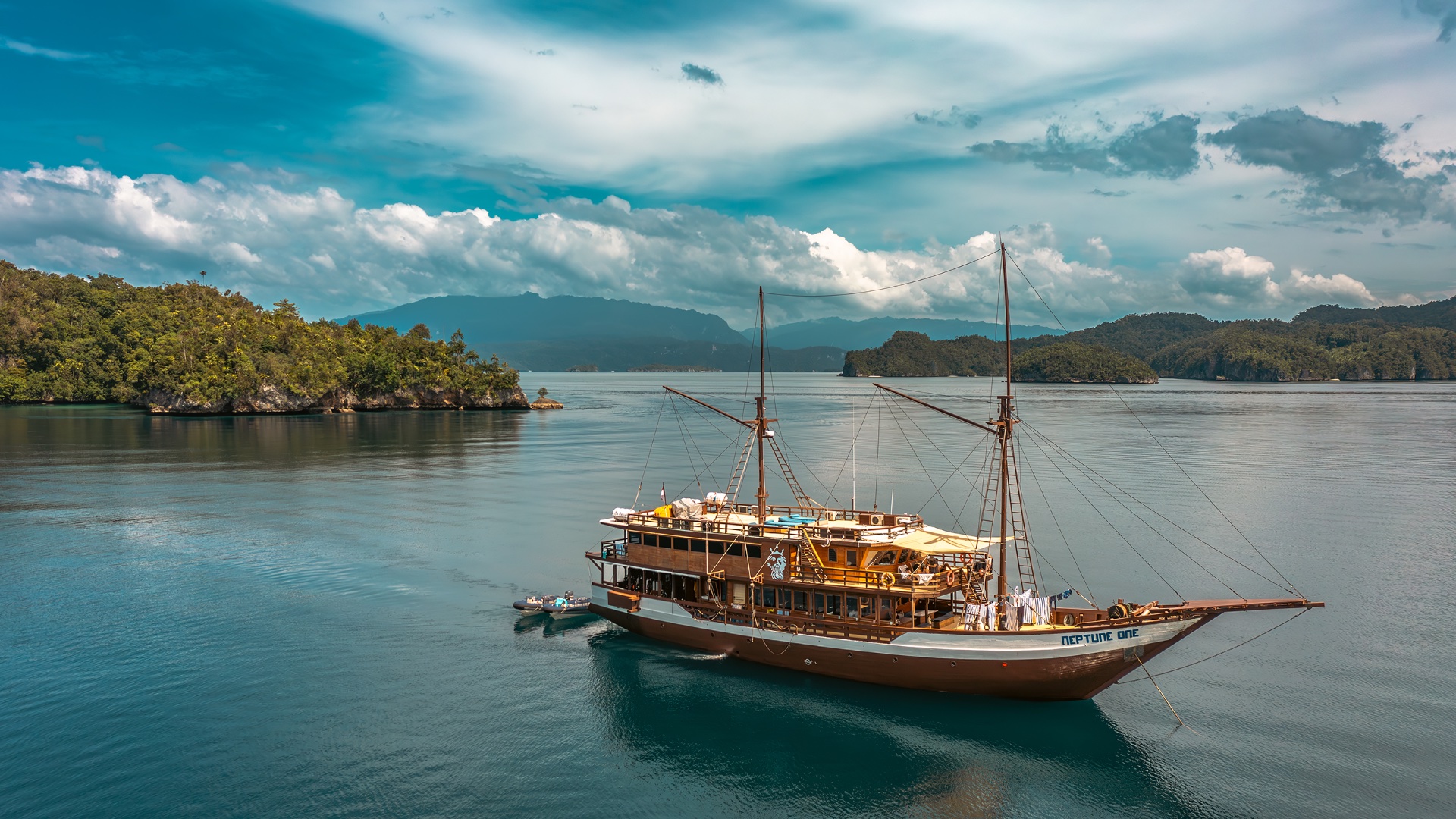
Neptune One
Indonesia
16 guests38 m
$332/day
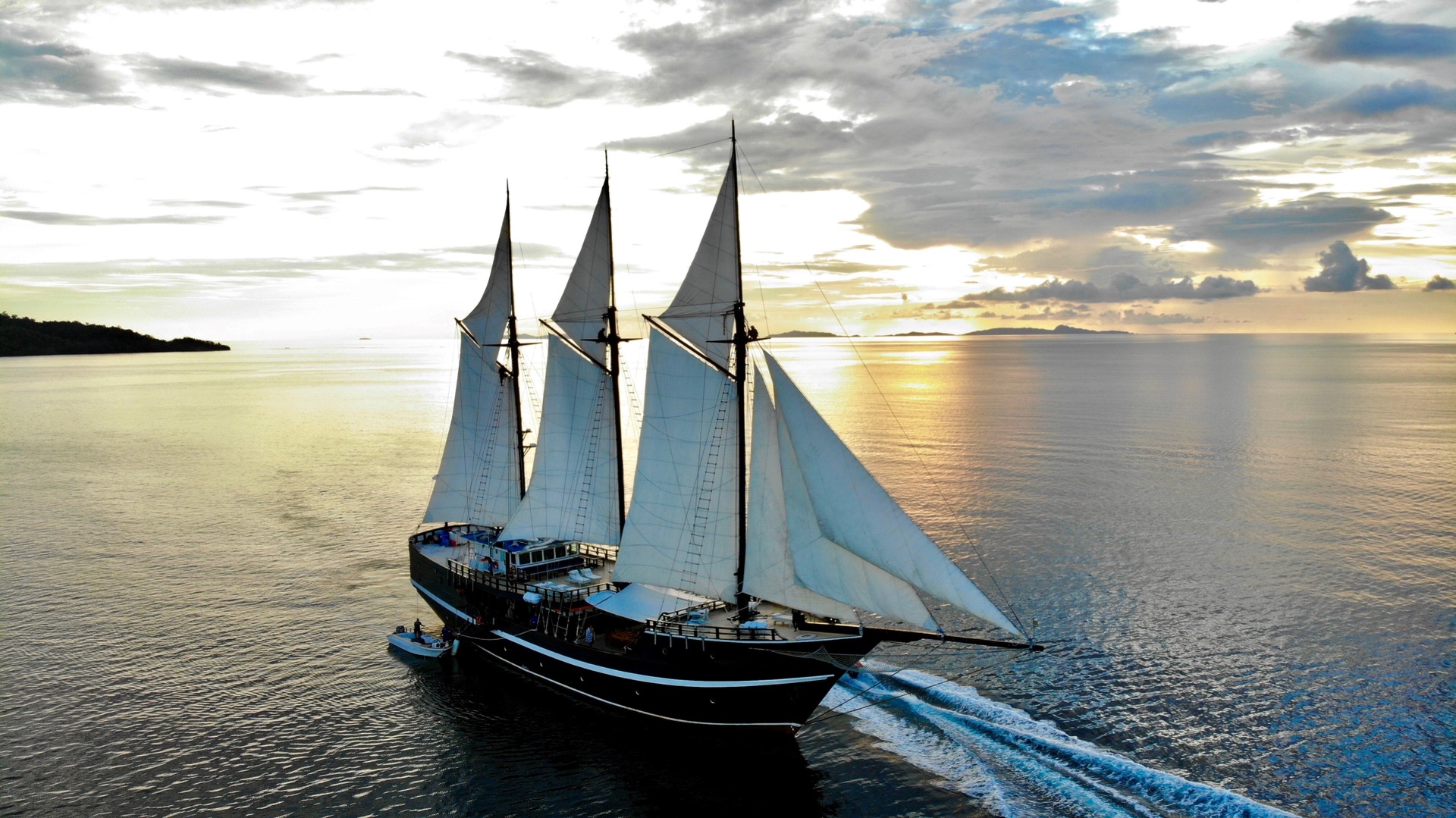
Dewi Nusantara
Indonesia
18 guests57 m
$599/day
Dive sites similar to Beang Abang
Same character, same waters — six more sites divers love for the exact same reasons.Compare seasons, access and liveaboard routes — then pick the site that fits your trip best.
© Esri — Maxar, Earthstar, GIS
Pasir Merah
Alor
Pasir Merah, or Red Sand, is a distinctive dive site situated north of Pura Island in the Alor Archipelago, East Nusa Tenggara.
- Suitable for
- Intermediate
- Current
- Moderate
- Access
- Liveaboard or dayboat
- Depth
- 5–35 m
- Theme
- Muck diving / Reef
© Esri — Maxar, Earthstar, GIS
Masjid Ampera
Alor
Masjid Ampera, often referred to as Mucky Mosque, is a celebrated dive site located within Alor's sheltered Kalabahi Bay.
- Suitable for
- Beginner
- Current
- Mild
- Access
- Dayboat
- Depth
- 5–25 m
- Theme
- Muck diving
© Esri — Maxar, Earthstar, GIS
Night Snapper
Alor
Alor's underwater topography is a diver's dream, featuring a dynamic blend of deep walls, vibrant coral gardens, and intriguing muck sites, all nourished by nutrient-rich currents flowing through the Pantar Strait.
- Suitable for
- Intermediate
- Current
- Strong
- Access
- Liveaboard or dayboat
- Depth
- 5–27 m
- Theme
- Drift / Muck diving
© Esri — Maxar, Earthstar, GIS
Mandarin House
Alor
Mandarin House is a vibrant dive site in Alor, renowned for its rich macro life and dynamic topography.
- Suitable for
- Intermediate
- Current
- Strong
- Access
- Liveaboard or dayboat
- Depth
- 2–12 m
- Theme
- Drift / Muck diving
© Esri — Maxar, Earthstar, GIS
Clown Valley
Alor
Clown Valley, also known as Anemone City or Anemone Valley, is a renowned dive site near Pura Island in Alor, famous for its extraordinary concentration of anemones.
- Suitable for
- Beginner
- Current
- Strong
- Access
- Liveaboard or dayboat
- Depth
- 5–25 m
- Theme
- Muck diving / Reef