About Mahi Point
Mahi Point, often referred to as Mahi's Reef, is a celebrated shallow dive site within the Alor archipelago, distinguished by its exceptional macro photography opportunities. This reef is a haven for diverse, tiny marine critters, thriving within an ecosystem supported by nutrient-rich waters. Unlike the dramatic walls and pelagic currents found at other Alor sites, Mahi Point offers a more relaxed, intricate exploration of its vibrant, shallow coral gardens. The site's topography features a healthy, extensive shallow reef, generally spanning depths from 5 to 18 meters. It is characterized by an abundance of hard and soft corals that provide intricate habitats for a multitude of small marine species. The relatively calm conditions and clear waters make it an ideal environment for spotting rare and elusive creatures that camouflage perfectly within the colorful reef. Divers can expect consistent sightings of pygmy seahorses, various ghost pipefish species, and a remarkable diversity of nudibranchs, often showcasing over a hundred different species throughout the year. The site also hosts ornate pipefish and a kaleidoscope of other macro subjects, establishing its reputation as a premier location for critter hunting. While large pelagics are not the focus here, the sheer density and variety of macro life offer an equally captivating experience. Diving at Mahi Point is typically a relaxed affair, allowing ample time for meticulous exploration and photography. The gentle currents generally present at the site, combined with its shallow profile, make it accessible and enjoyable for divers of all experience levels seeking to immerse themselves in the intricate beauty of Alor's smaller inhabitants.
Highlights
Shallow reef paradiseExceptional macro photographyPygmy seahorses sightingsDiverse ghost pipefishVibrant nudibranchsOrnate pipefish habitatAbundant healthy coralsRelaxed critter hunting
Season calendar
Best months to dive here
Jan
Feb
Mar
Apr
May
Jun
Jul
Aug
Sep
Oct
Nov
Dec
Excellent
Good
Dive site facts: Mahi Point
- Depth
- 5–18 m
- Current
- Mild
- Visibility
- 15–40 m
- Water temperature
- 25–28°C
- Entry
- Boat
- Level
- All Levels
- Dive type
- Macro, coral reef
- Region / port
- Alor, East Nusa Tenggara
- Coordinates
- -8.358, 124.495
Conditions & Currents
Mahi Point generally experiences mild currents, making it an accessible and enjoyable site for macro photography and detailed exploration. While the broader Alor region is known for strong and unpredictable currents, this specific shallow reef tends to be less affected, allowing for more relaxed diving. Visibility here is consistently good, ranging from 15 meters during shoulder seasons to an impressive 40 meters in the dry season, providing clear views of the intricate marine life. Water temperatures are comfortably warm, typically between 25–28°C. Divers should still be aware of the potential for occasional thermoclines that can bring slightly cooler water.
Marine life & sighting chances

Pygmy seahorse
common
Ghost pipefish
common
Ornate pipefish
common
Nudibranchs
common
Blue-ringed octopus
occasional
Flamboyant cuttlefish
occasional
Mimic octopus
occasional
Clownfish
common
Frogfish
occasionalDive profile & how the dive runs
Diving at Mahi Point typically starts with a boat entry, directly over the shallow reef. You will descend onto the vibrant coral garden, usually staying within the 5 to 18-meter depth range, which maximizes bottom time and light for macro photography. The dive follows the contours of the reef, allowing for slow, deliberate exploration of cracks, crevices, and coral formations where pygmy seahorses, ghost pipefish, and numerous nudibranchs hide. Given the site's primary focus on macro life, the route is flexible, often guided by your dive guide's knowledge of critter locations. The turn point is determined by air consumption and no-decompression limits, after which you'll slowly ascend. The safety stop is comfortably conducted in the shallowest sections of the reef, offering additional opportunities for observing shallow-water critters before surfacing.
Underwater photography
Mahi Point is a macro photographer's dream, requiring a dedicated macro lens to capture the intricate details of its tiny inhabitants. The shallow depths and generally mild currents allow for stable positioning and ample natural light, though a good focus light and external strobes are essential to illuminate subjects and bring out their vibrant colors. Practice excellent buoyancy control to avoid disturbing the delicate corals and to get close to elusive critters without contact. Patience is key when seeking out pygmy seahorses, ghost pipefish, and the myriad of nudibranchs. Take your time, move slowly, and observe the behavior of the marine life for unique shots.
Combine with nearby dive sites
- Clown Valley
A famous black sand muck dive teeming with macro life, including blue-ringed octopus and frogfish.
- Kal's Dream
A pristine coral wall known for fusiliers, barracuda, and potential hammerhead shark sightings.
- The Arch
A wall dive featuring a natural arch, vibrant soft corals, and abundant reef fish.
- Beang Abang
A volcanic black sand slope, ideal for night dives and spotting rare critters like mimic octopus.
- Pura Island Drop-off
Features stunning soft coral gardens with rich biodiversity.
Getting there & logistics
Access to Mahi Point and other Alor dive sites is primarily through liveaboard trips departing from Kalabahi, the main town on Alor Island, or Maumere on Flores. Flights to Alor typically connect via Kupang, Timor. Dive trips usually range from 7 to 10 days, allowing ample time to explore the diverse sites around the Alor Archipelago. Liveaboards generally handle all necessary fees and park permits. This site is frequently combined with other northern Alor sites and sometimes integrated into longer itineraries that also visit the Banda Sea or Komodo National Park.
Safety & environment
The nearest recompression chamber is located in Bali, highlighting the critical need for comprehensive dive insurance that covers emergency medical care and evacuation from remote locations like Alor. While Mahi Point is generally a mild-current site, maintaining excellent buoyancy control is always essential to protect the delicate reef and avoid accidental contact. Divers should always carry a surface marker buoy (SMB) and a dive computer. Listen carefully to your dive guide's briefing regarding local conditions and conduct, ensuring a safe and enjoyable dive experience.
Who it suits — and who it doesn't
Suited for
- Macro photography enthusiasts
- Beginner and intermediate divers
- Divers seeking relaxed dives
- Critter hunting specialists
- Divers interested in coral health
Less suited for
- Divers exclusively seeking large pelagics
- Divers who prefer strong drift dives
- Those uninterested in macro life
- Divers with poor buoyancy control
- Divers expecting deep, challenging profiles
FAQ
Mahi Point FAQ
What kind of marine life can I expect at Mahi Point?
Mahi Point is a macro paradise, renowned for its incredible diversity of small marine creatures. You can expect to find pygmy seahorses, various species of ghost pipefish and ornate pipefish, and an extensive collection of nudibranchs. It's also possible to spot blue-ringed octopus, flamboyant cuttlefish, and mimic octopus.
Is Mahi Point suitable for beginner divers?
Yes, Mahi Point is well-suited for divers of all levels, including beginners. The site is characterized by shallow depths and generally mild currents, providing a relaxed and safe environment. This allows new divers to focus on buoyancy and marine life observation without the challenges of strong currents or deep profiles.
What are the typical dive conditions at Mahi Point?
Dive conditions at Mahi Point are usually very favorable. The depth ranges from 5 to 18 meters, and currents are typically mild, making for easy diving. Visibility is consistently good, often ranging from 15 to 40 meters depending on the season, and water temperatures are warm, between 25–28°C.
Is Mahi Point good for underwater photography?
Mahi Point is an exceptional site for underwater photography, particularly for macro subjects. Its shallow depths provide ample natural light, and the abundance of diverse and often rare critters offers countless photographic opportunities. A macro lens is highly recommended to capture the intricate details of its unique inhabitants.
How does Mahi Point compare to other dive sites in Alor?
Mahi Point stands out as a dedicated macro site, contrasting with other Alor sites known for strong currents and pelagic encounters, like Kal's Dream, or dramatic topography such as The Arch. While Alor is diverse, Mahi Point's focus on small, intricate marine life within a shallow, gentle reef environment offers a unique experience tailored for critter enthusiasts and photographers.
Why dive Mahi Point from a liveaboard?
Mahi Point is one of Alor's signature dive sites. A liveaboard sleeps you on the water and puts you in the water for three to four guided dives per day, including dawn and night dives that day-boat operators rarely offer. You skip the daily commute back to port and reach quieter, less-crowded sites in the same region on a single trip.
Below are the liveaboards that include Mahi Point on their Alor itineraries.
Liveaboards diving Mahi Point
These liveaboards may visit Mahi Point on selected itineraries — the exact dive sites depend on departure, weather and conditions.
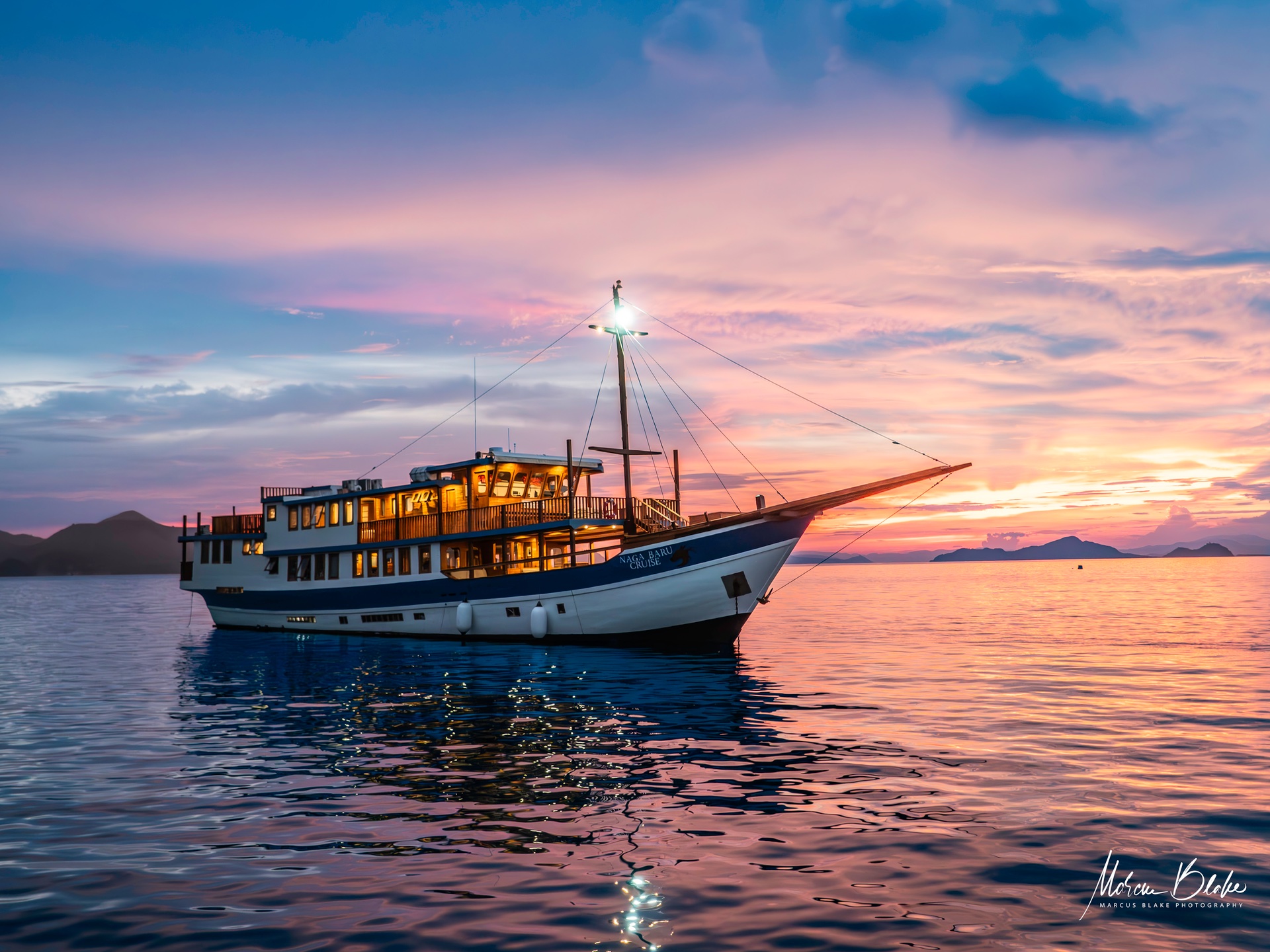
Naga Biru
Indonesia
12 guests40 m
$273/day
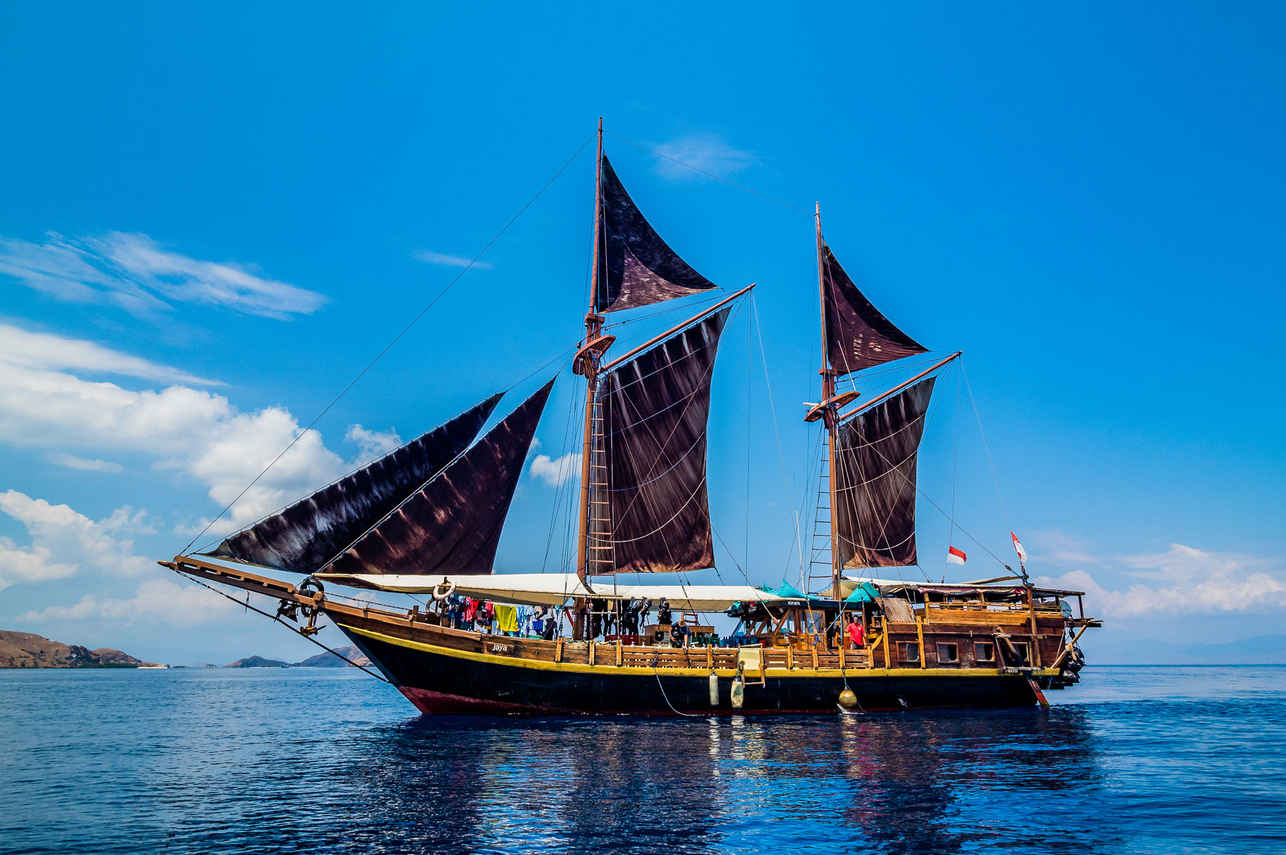
Jaya
Indonesia
14 guests23 m
$280/day
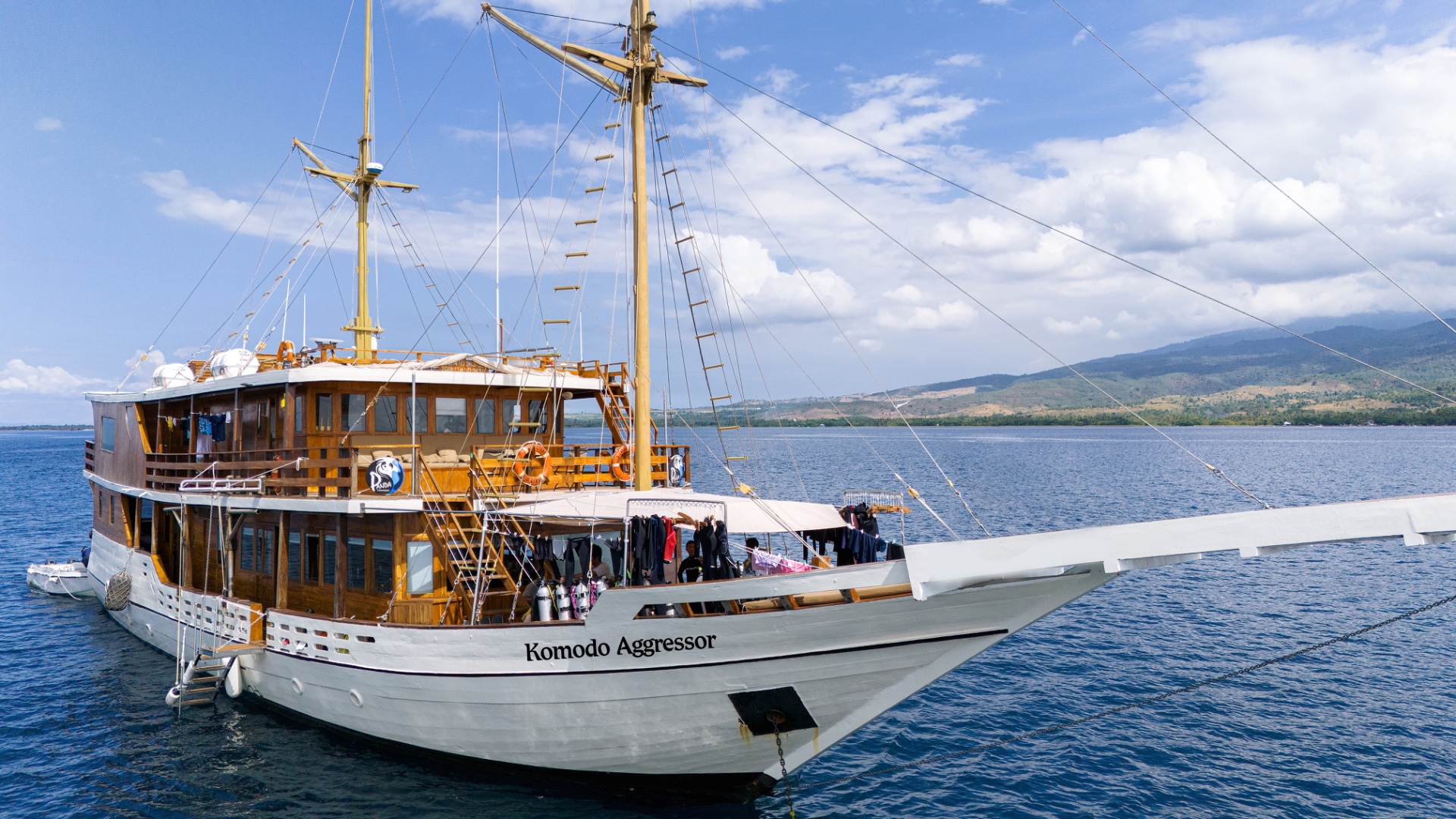
Komodo Aggressor
Komodo, Indonesia
16 guests29 m
$312/day
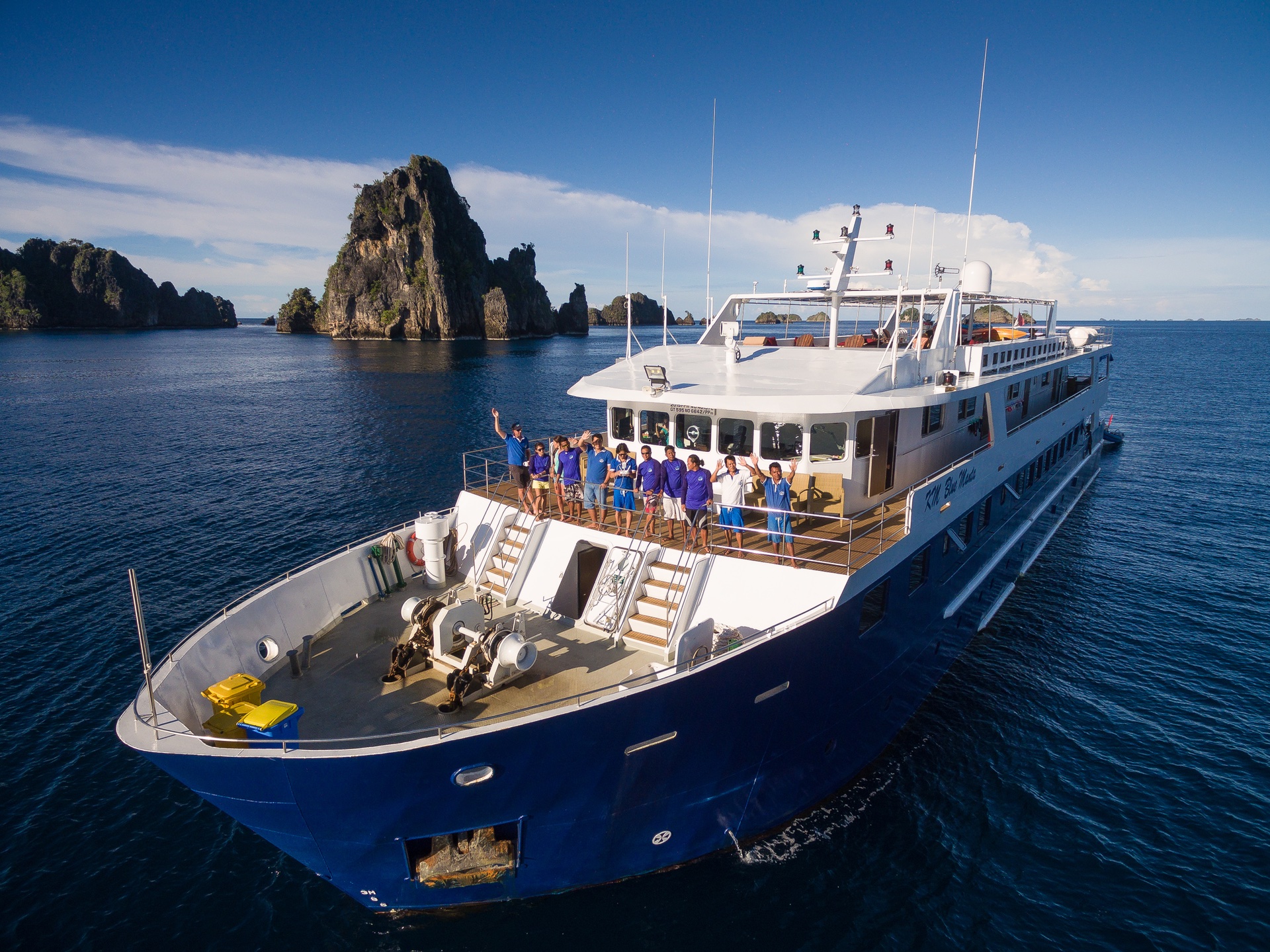
Blue Manta
Indonesia
20 guests45 m
$482/day
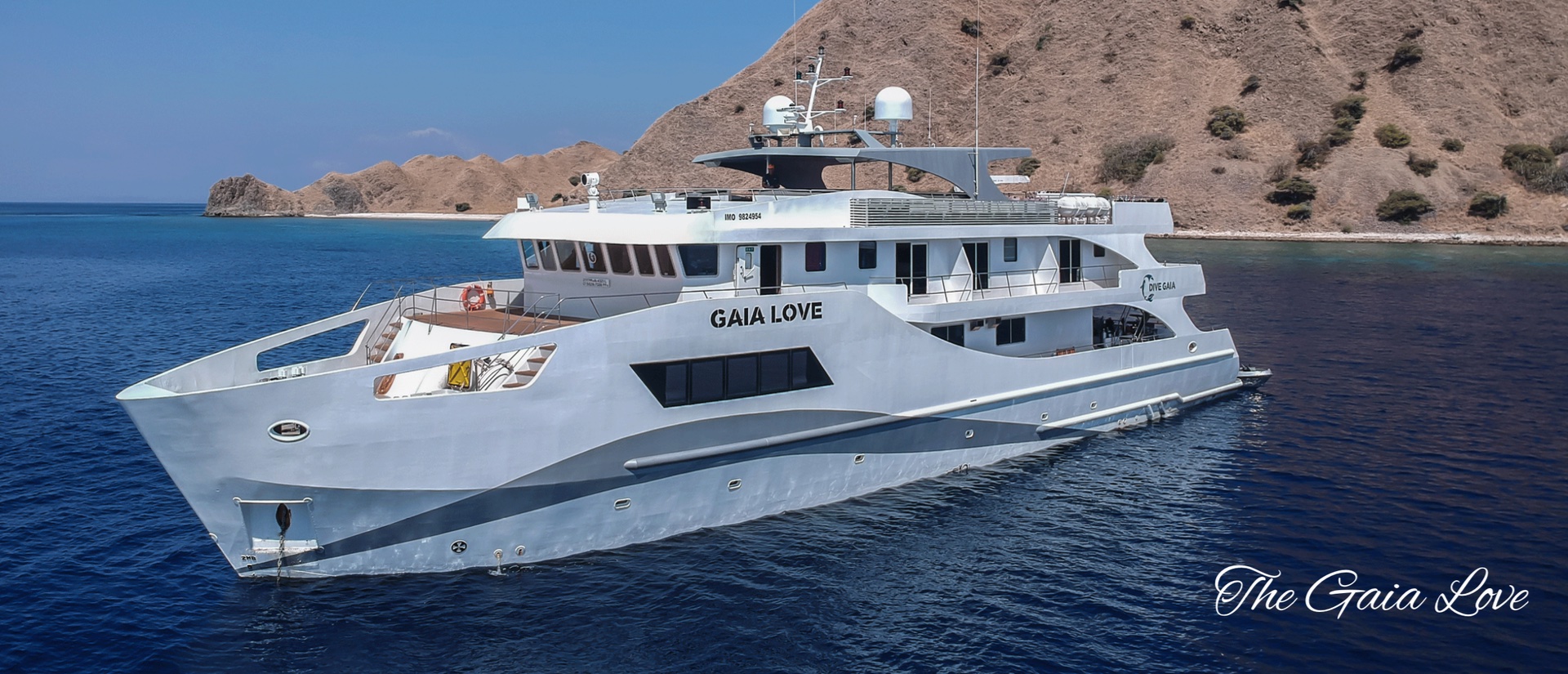
Gaia Love
Alor
20 guests
$554/day
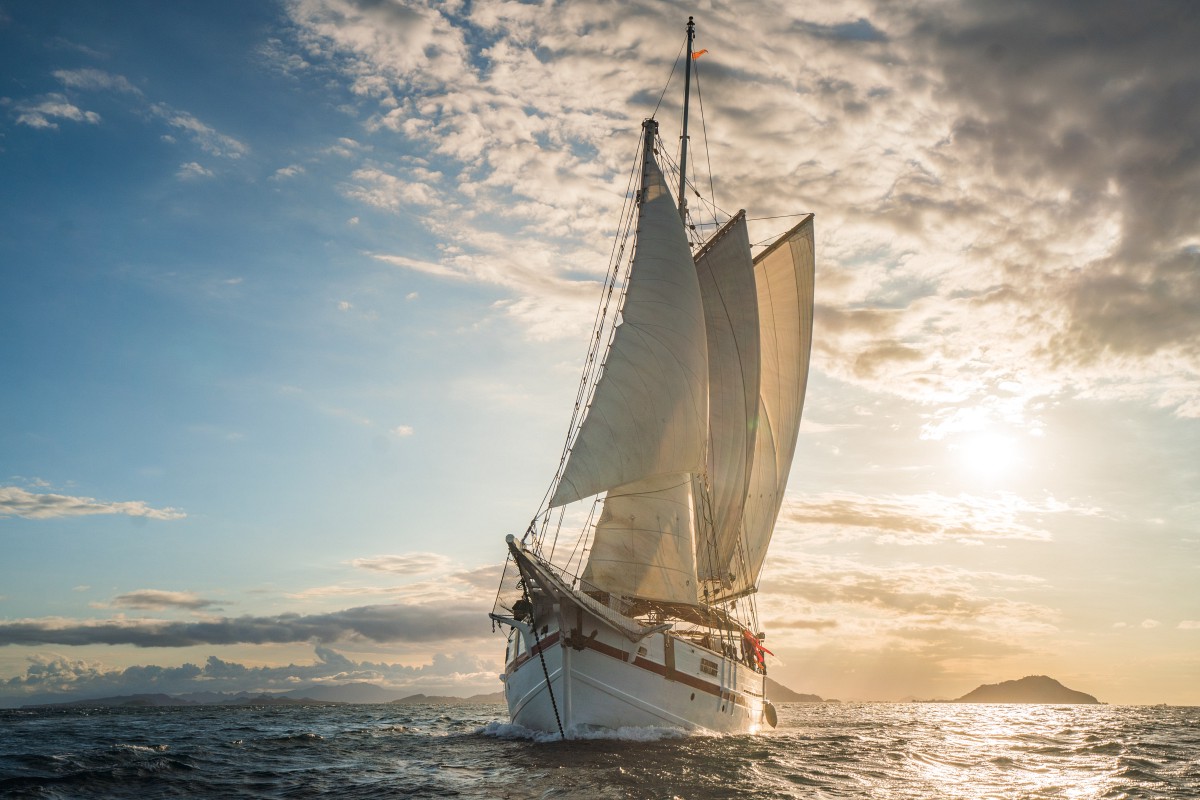
Emperor Raja Laut
Raja Ampat, Indonesia
12 guests31 m
$413/day
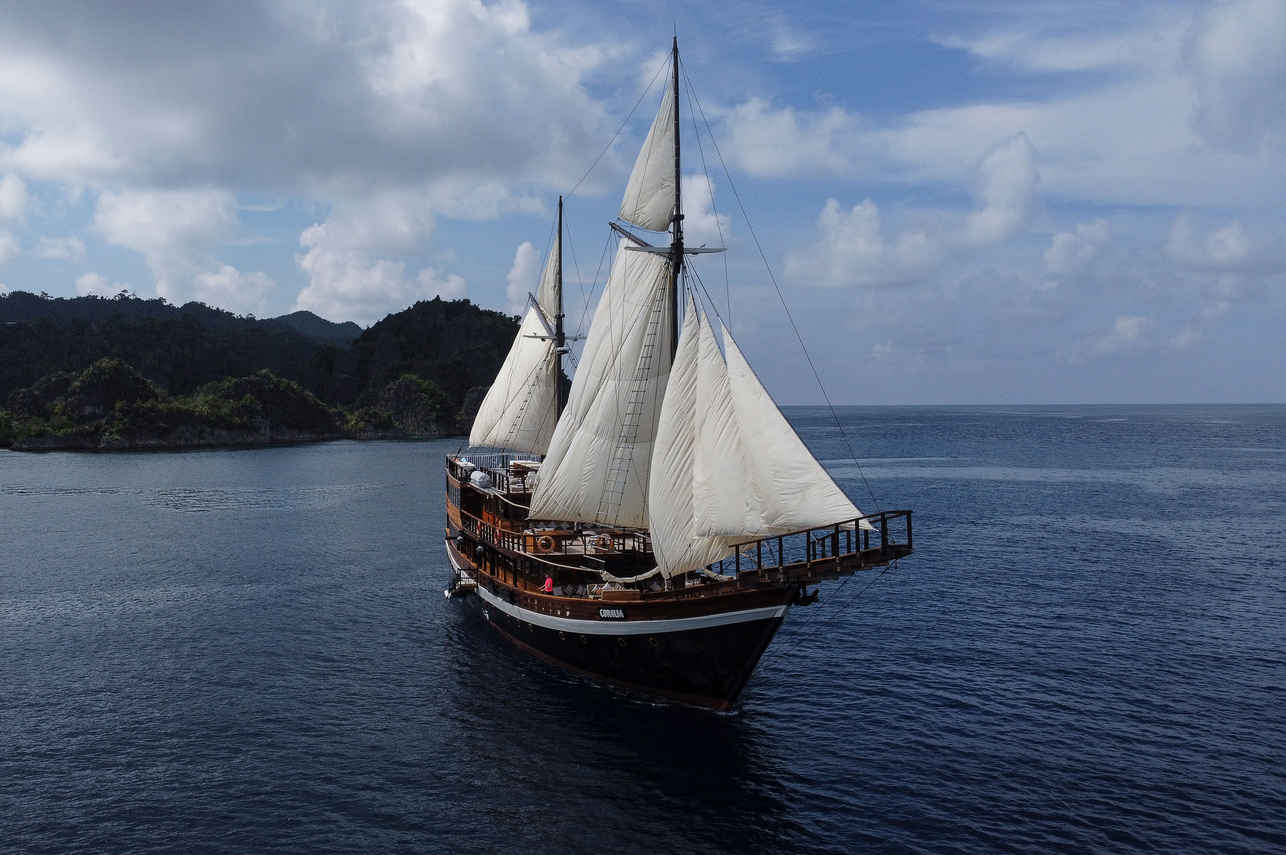
Coralia
Indonesia
16 guests48 m
$563/day
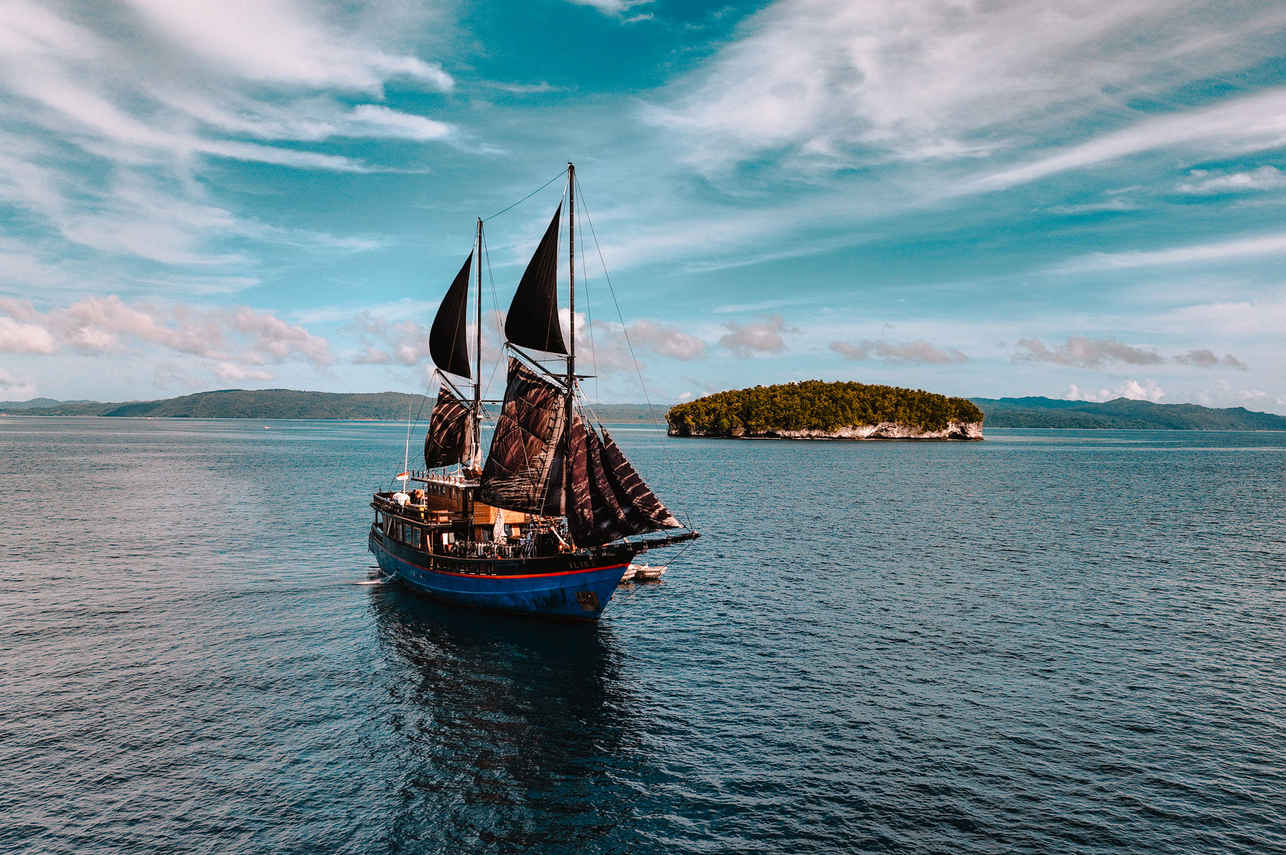
Ilike
Indonesia
16 guests40 m
$350/day
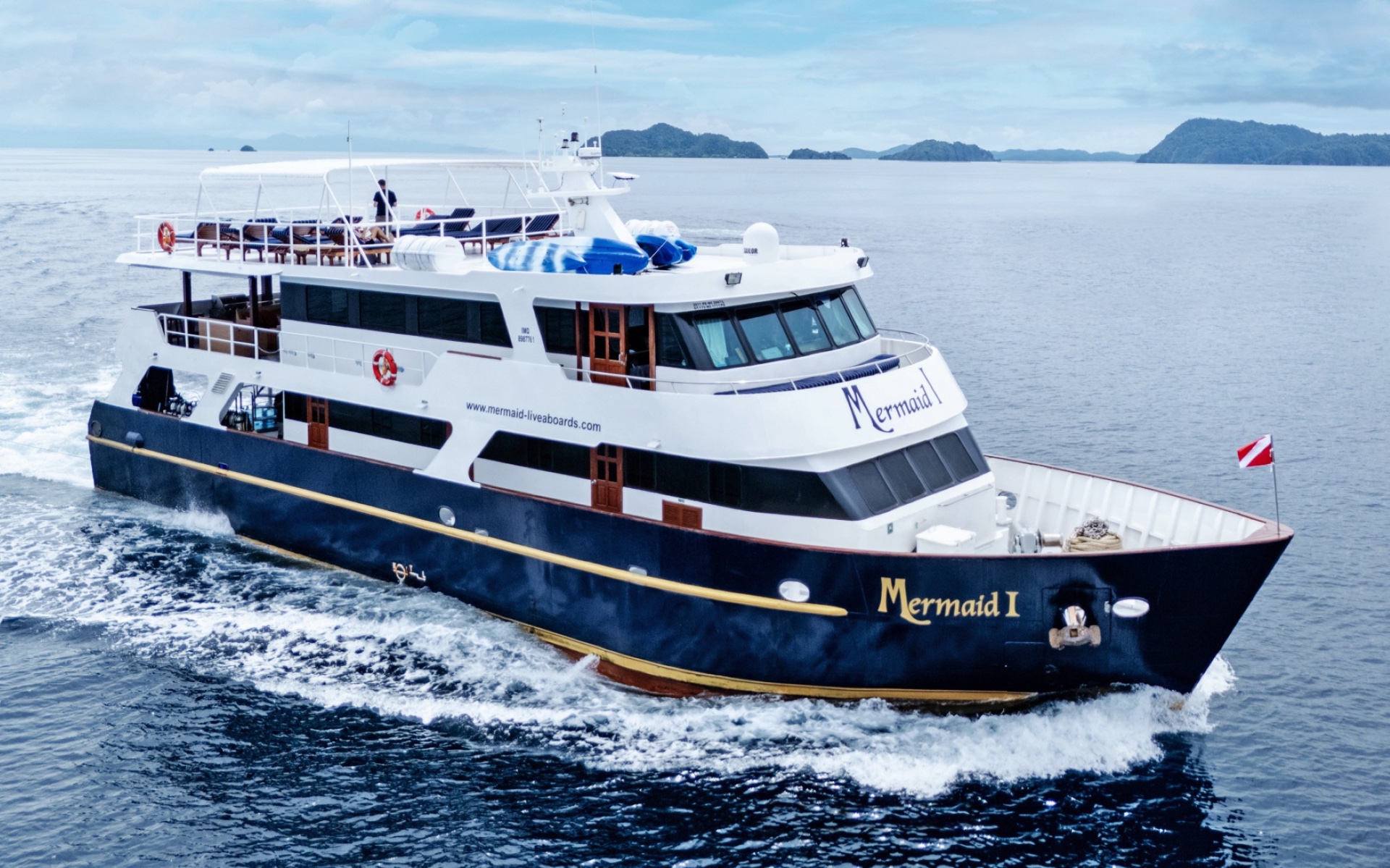
Mermaid I
Alor
15 guests28 m
$479/day
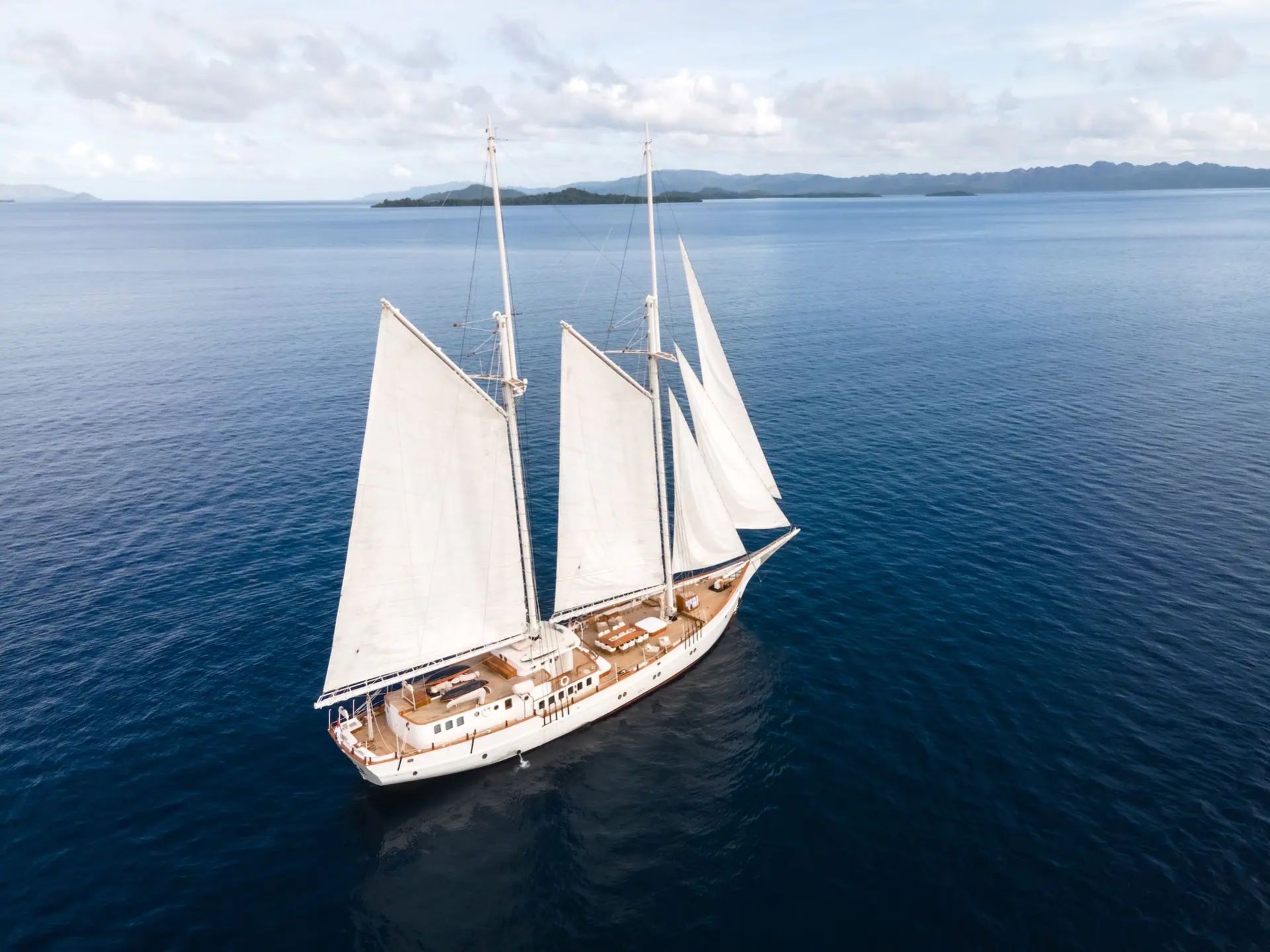
Mutiara Laut
Indonesia
14 guests46 m
$741/day
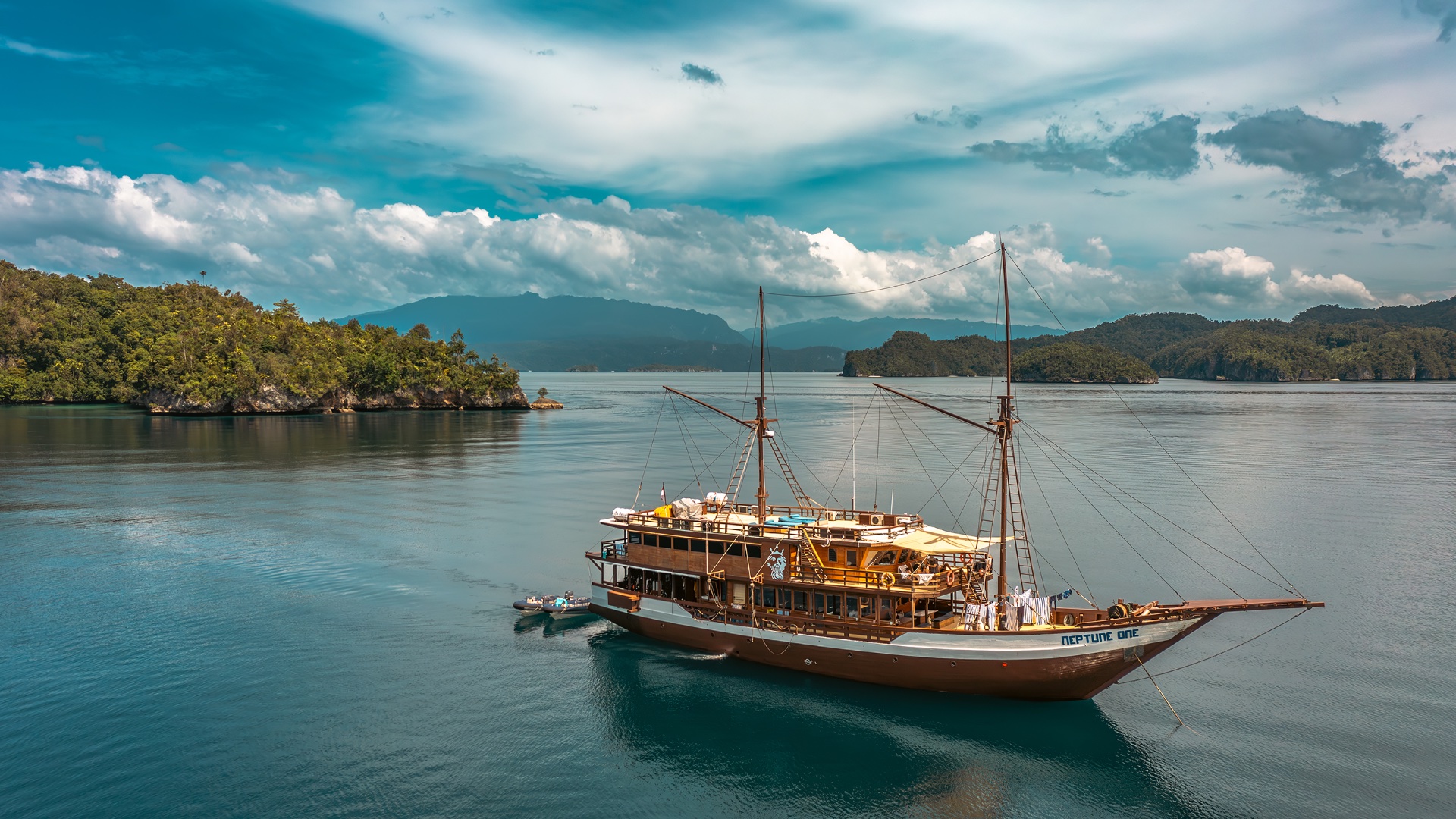
Neptune One
Indonesia
16 guests38 m
$332/day
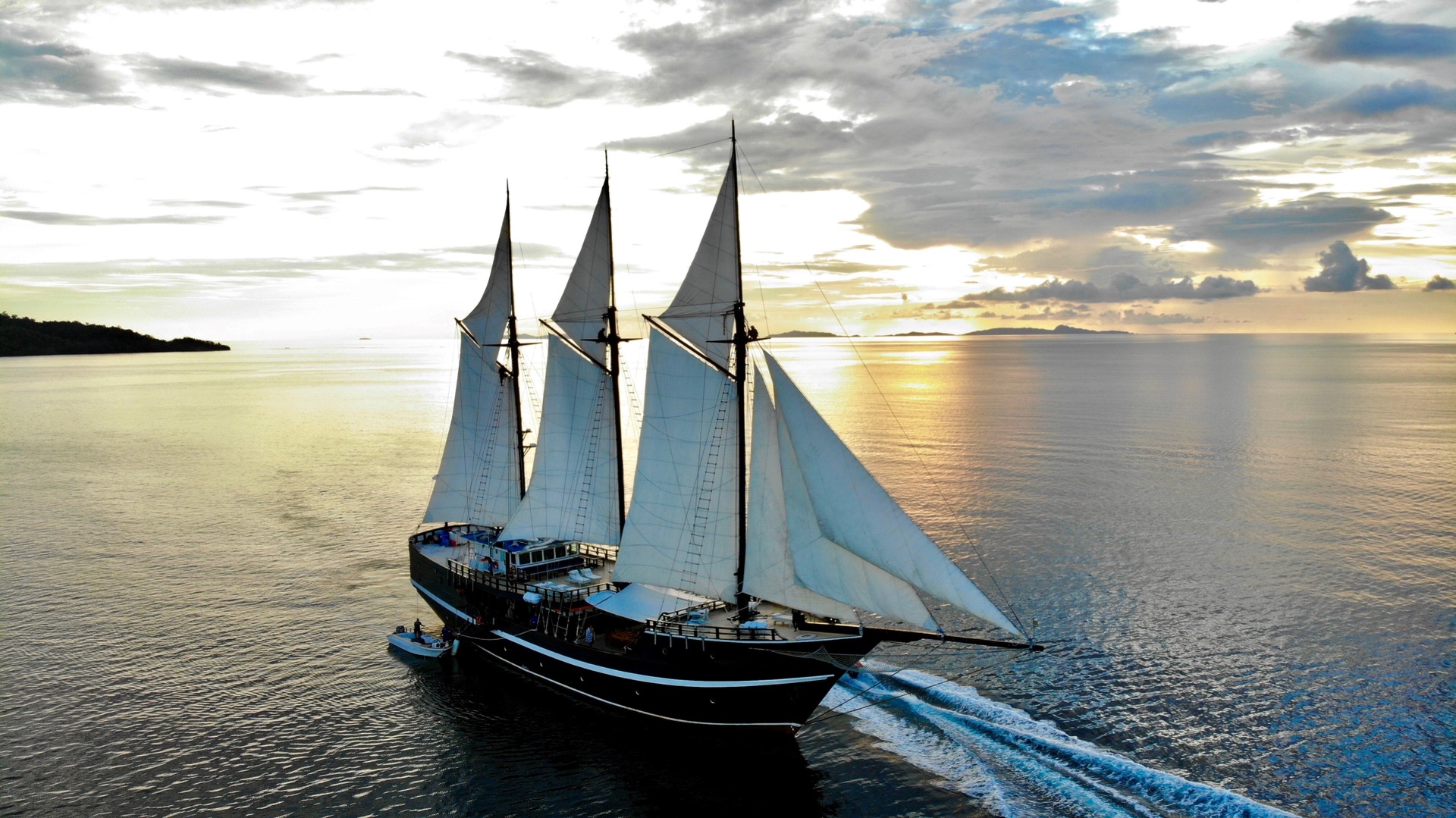
Dewi Nusantara
Indonesia
18 guests57 m
$599/day
Dive sites similar to Mahi Point
Same character, same waters — six more sites divers love for the exact same reasons.Compare seasons, access and liveaboard routes — then pick the site that fits your trip best.
Halerman is a prominent dive site located in the southern part of Alor, known for its distinct underwater landscape and varied marine life.
- Suitable for
- Advanced
- Current
- Strong
- Access
- Liveaboard or dayboat
- Depth
- —
- Theme
- Wall / Drift
© Esri — Maxar, Earthstar, GIS
Sharks Galore
Alor
Sharks Galore, an iconic drift-dive in Alor, offers thrilling encounters with diverse marine life.
- Suitable for
- Advanced
- Current
- Ripping
- Access
- Liveaboard or dayboat
- Depth
- 15–40 m
- Theme
- Channel / Drift
© Esri — Maxar, Earthstar, GIS
Yellow Corner
Alor
Yellow Corner, also known as Current Alley, is a challenging dive site specifically suited for advanced divers due to its strong and potentially ripping currents.
- Suitable for
- Advanced
- Current
- Strong
- Access
- Liveaboard only
- Depth
- 18–40 m
- Theme
- Drift
© Esri — Maxar, Earthstar, GIS
Goa Wolang
Alor
Goa Wolang, also known as Wolang Cave, is a distinctive dive site located in South Alor, renowned for its intriguing topography and diverse marine life.
- Suitable for
- Advanced
- Current
- Strong
- Access
- Dayboat
- Depth
- 5–30 m
- Theme
- Cavern / Wall
Munaseli is a prominent dive site situated off the northern coast of Pantar Island in the Alor archipelago, an area celebrated for its rich marine biodiversity within the Coral Triangle.
- Suitable for
- Advanced
- Current
- Strong
- Access
- Liveaboard or dayboat
- Depth
- ≤ 40 m
- Theme
- Wall / Drift
© Esri — Maxar, Earthstar, GIS
Ipet Drop-off
Alor
Situated off Adonara Island, Ipet Drop-off is a renowned dive site in the Alor region, celebrated for its vibrant and densely populated reef.
- Suitable for
- Advanced
- Current
- Strong
- Access
- Liveaboard only
- Depth
- —
- Theme
- Reef / Wall