About Lucipara Atoll
Lucipara Atoll, often referred to as the Forgotten Islands, is a collection of five small, uninhabited atolls located in the central Banda Sea. These atolls are the exposed peaks of submerged seamounts, rising dramatically from depths exceeding a mile to within a few meters of the surface. Its isolation has preserved an utterly pristine marine environment, characterized by virtually undamaged reefs and an extraordinary density of marine life. Diving here primarily involves exploring breathtaking drop-offs and vertical walls, adorned with some of Indonesia's finest soft corals. Divers encounter lush growths of colorful fans, sponges, and hard corals, often obscured by dense schools of reef fish. The deep-water bathymetry surrounding Lucipara draws significant pelagic activity, making it a prime location for encountering larger marine species. The atoll is a significant nesting ground for green turtles, with its uninhabited beaches providing ideal conditions. Underwater, the constant upwelling of cold, deep water along the seamounts contributes to rich plankton blooms, attracting large schools of fish and apex predators. While accessible for much of the year, the best diving conditions align with the inter-monsoon periods, offering calm seas and exceptional visibility. Liveaboard itineraries typically incorporate Lucipara Atoll for its unique combination of vibrant reef ecosystems and opportunities for pelagic encounters. It represents a truly off-the-beaten-path diving experience, rewarding those who venture to this remote part of the Banda Sea.
Highlights
Pristine soft coral wallsDense schooling reef fishLarge pelagic fish sightingsExceptional visibilityUninhabited atoll experienceGreen turtle nesting beachesDeep-water seamount topography
Season calendar
Best months to dive here
Jan
Feb
Mar
Apr
May
Jun
Jul
Aug
Sep
Oct
Nov
Dec
Excellent
Good
Dive site facts: Lucipara Atoll
- Depth
- 5–35 m
- Current
- Mild to strong
- Visibility
- 15–40 m
- Water temperature
- 27–30°C
- Entry
- Tender / drift entry
- Level
- Advanced, experienced divers
- Dive type
- Wall, drift, pelagic, coral
- Region / port
- Banda Sea
- Coordinates
- -5.5833, 128.75
Conditions & Currents
Currents at Lucipara Atoll can range from mild to strong, depending on the specific dive site and tidal conditions. The exposed nature of the atoll and its rise from deep waters mean divers should be prepared for drift diving. Liveaboard operators will select dive plans and entry points that accommodate the prevailing currents, often favoring sites where pelagic action is enhanced by the flow. Visibility is typically excellent, often exceeding 30 meters, though localized upwellings can sometimes reduce it slightly while simultaneously attracting pelagic species. Divers should be comfortable with varied current conditions and maintain good buoyancy control, especially on wall dives. Strong currents are common here and make this an advanced dive destination.
Marine life & sighting chances

Hammerhead sharks
October · occasional
Dogtooth tuna
common
Manta rays
occasional
Green turtles
common
Napoleon wrasse
occasional
Jacks
common
Giant trevally
occasional
Chevron barracuda
occasional
Bluefin trevally
occasional
Fusiliers
common
Redtooth triggerfish
common
Flashlight fish
rareDive profile & how the dive runs
Diving at Lucipara Atoll typically begins with a tender drop-off directly onto a specific section of the reef wall. Divers descend along the vertical or steeply sloping reef, keeping the wall to their side, often encountering strong currents that necessitate a drift dive profile. The dive progresses along the wall, showcasing abundant soft corals and schooling fish. Depth management is crucial due to the dramatic drop-offs into deep water. The turning point is usually dictated by air consumption or current conditions, at which point divers slowly ascend along the reef, performing a safety stop in the shallower sections where coral gardens are particularly vibrant. The boat will follow the divers' bubbles for an easy pick-up.
Underwater photography
Lucipara Atoll presents fantastic opportunities for both wide-angle and macro photography, but wide-angle is particularly rewarding due to the expansive coral walls and schooling fish. A fisheye or wide-angle rectilinear lens will capture the grandeur of the untouched reefs and the vast schools of pelagics that frequent the deeper sections. External strobes are highly recommended to bring out the true colors of the soft corals and sponges, which are exceptionally vibrant. For macro subjects, patience and excellent buoyancy control are paramount, especially in currents, to capture the smaller critters hidden among the corals. Pay attention to subject placement against the blue water background to emphasize the isolation and pristine nature of the site.
Combine with nearby dive sites
Getting there & logistics
Access to Lucipara Atoll is exclusively via liveaboard, typically embarking from Ambon (AMQ), which has direct flights from major Indonesian hubs like Jakarta (CGK), Makassar (UPG), and Surabaya (SUB). Most Banda Sea liveaboard itineraries span 10 to 14 nights, covering Lucipara as part of a wider route that includes the Banda Islands, Gunung Api, and other Forgotten Islands. Longer trips, 14 to 21 days, might combine Banda Sea with Alor or even Raja Ampat, often as repositioning cruises. Booking well in advance is essential due to the limited season and remote nature of the destination. Park fees are usually included in the liveaboard package.
Safety & environment
Diving in Lucipara Atoll requires a high level of self-sufficiency and awareness, as it is extremely remote. The nearest recompression chamber is in Ambon, which can be several days' journey away by boat, making rapid evacuation challenging. Comprehensive dive insurance, including coverage for emergency medical treatment and evacuation, is mandatory. Divers must be proficient in managing strong currents and deep-water environments, maintaining excellent buoyancy, and monitoring air consumption diligently. Always dive with a surface marker buoy (SMB) and a dive computer. Follow your dive guide's instructions precisely, as site-specific hazards like unpredictable currents or thermoclines can occur.
Who it suits — and who it doesn't
Suited for
- Experienced expedition divers
- Advanced certified divers comfortable with currents
- Underwater photographers seeking pristine reefs
- Divers interested in pelagic encounters
- Adventure seekers desiring remote destinations
Less suited for
- Beginner divers or those without drift experience
- Divers uncomfortable with remote locations
- Individuals prone to seasickness on open ocean crossings
- Divers who prefer resort-based diving
FAQ
Lucipara Atoll FAQ
What kind of marine life can I expect to see at Lucipara Atoll?
Lucipara Atoll is rich in both pelagic and reef life. You can anticipate seeing large schools of fusiliers and redtooth triggerfish, while dogtooth tuna are common. Occasional sightings include hammerhead sharks, manta rays, and various species of trevally and barracuda. The reefs are also home to green turtles and numerous species of colorful reef fish.
Are the currents strong at Lucipara Atoll?
Yes, currents at Lucipara Atoll can range from mild to strong. As the atoll rises from deep ocean, drift diving is common. Divers should be comfortable and experienced with varying current conditions and maintain good buoyancy control, especially on wall dives, to fully enjoy the experience.
What is the best time of year to dive Lucipara Atoll?
The prime diving seasons for Lucipara Atoll are during the inter-monsoon periods: March to early May and September to early November. These months offer the calmest seas, optimal visibility between 15 to 40 meters, and consistent water temperatures of 27–30°C, making for the best diving conditions.
Is Lucipara Atoll suitable for beginner divers?
Lucipara Atoll is generally not recommended for beginner divers. The remote location, potential for strong currents, and deep-water diving profiles make it more suitable for advanced and experienced divers who are comfortable with drift diving and managing challenging conditions.
How do I get to Lucipara Atoll?
Lucipara Atoll is exclusively accessed by liveaboard boats, typically departing from Ambon, Indonesia. Ambon has an airport with direct flights from major Indonesian cities. Liveaboard itineraries usually span 10 to 14 nights, covering Lucipara as part of a broader Banda Sea exploration.
What makes Lucipara Atoll unique compared to other dive sites in Indonesia?
Lucipara Atoll stands out due to its extreme remoteness and pristine, untouched coral reefs. Its dramatic seamount topography creates breathtaking drop-offs adorned with some of Indonesia's most vibrant soft corals. The combination of its isolated location and deep-water upwellings ensures abundant pelagic life, offering a truly unique and wild diving experience.
Why dive Lucipara Atoll from a liveaboard?
Lucipara Atoll is one of Banda Sea's signature dive sites. A liveaboard sleeps you on the water and puts you in the water for three to four guided dives per day, including dawn and night dives that day-boat operators rarely offer. You skip the daily commute back to port and reach quieter, less-crowded sites in the same region on a single trip.
Below are the liveaboards that include Lucipara Atoll on their Banda Sea itineraries.
Liveaboards diving Lucipara Atoll
These liveaboards may visit Lucipara Atoll on selected itineraries — the exact dive sites depend on departure, weather and conditions.
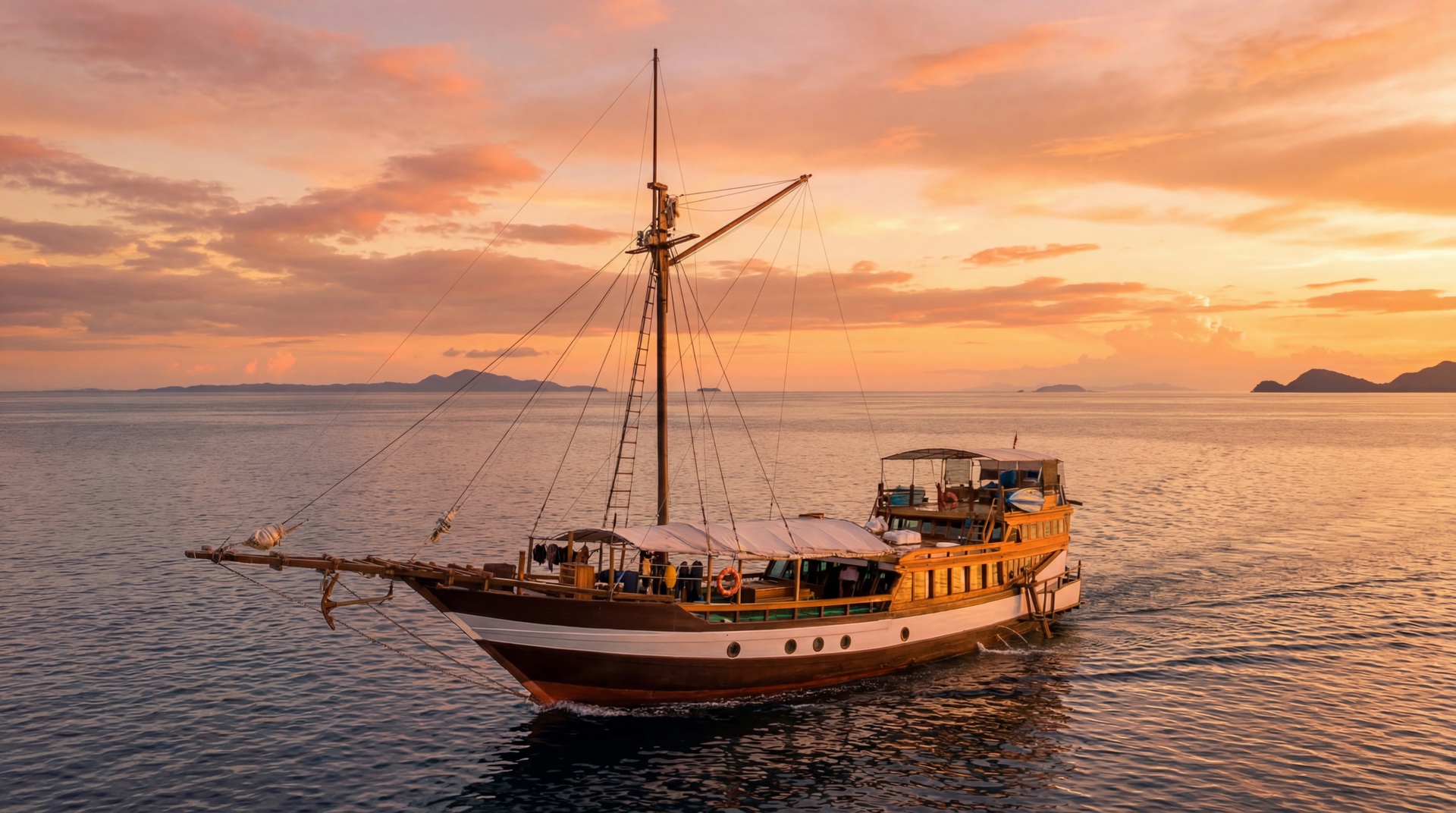
Wellenreng
Indonesia
9 guests25 m
$427/day
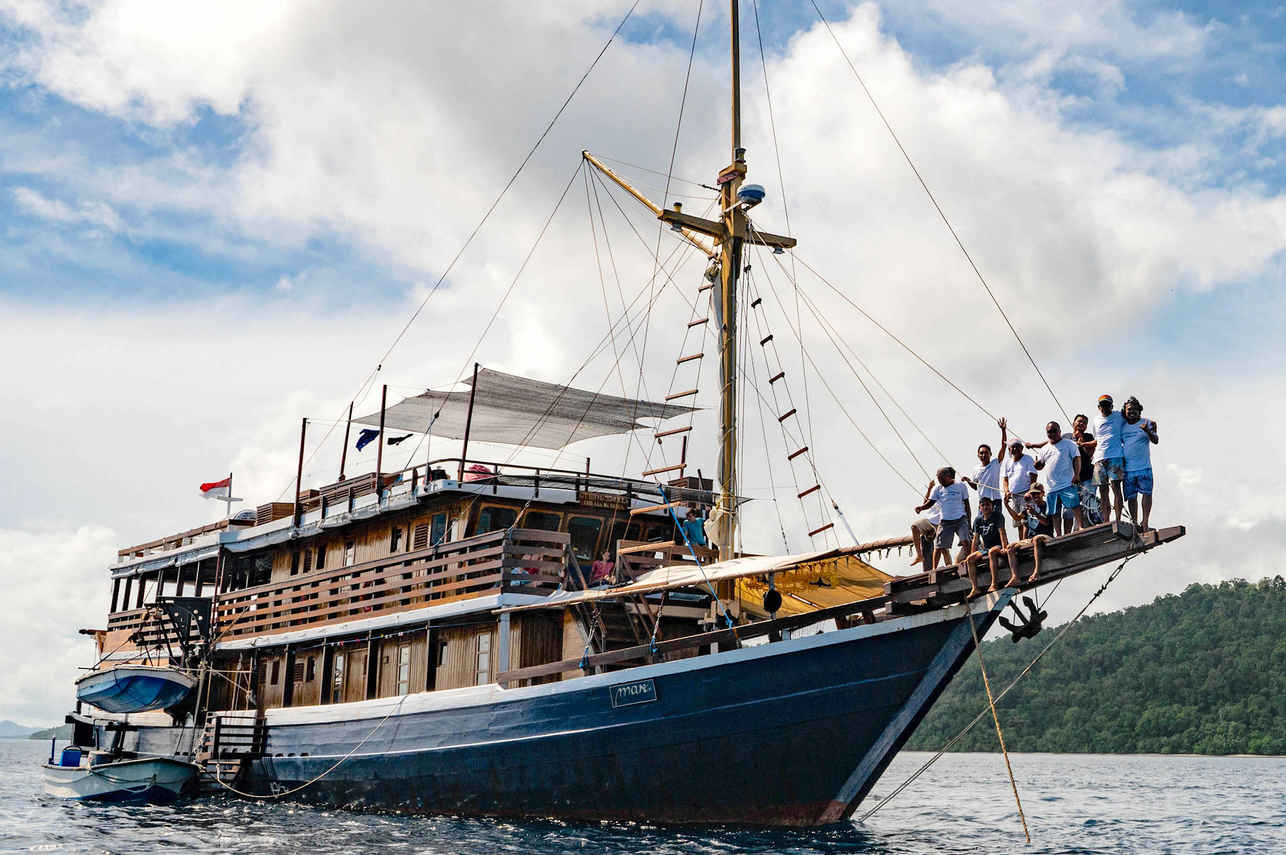
Mari
Indonesia
14 guests32.2 m
$319/day
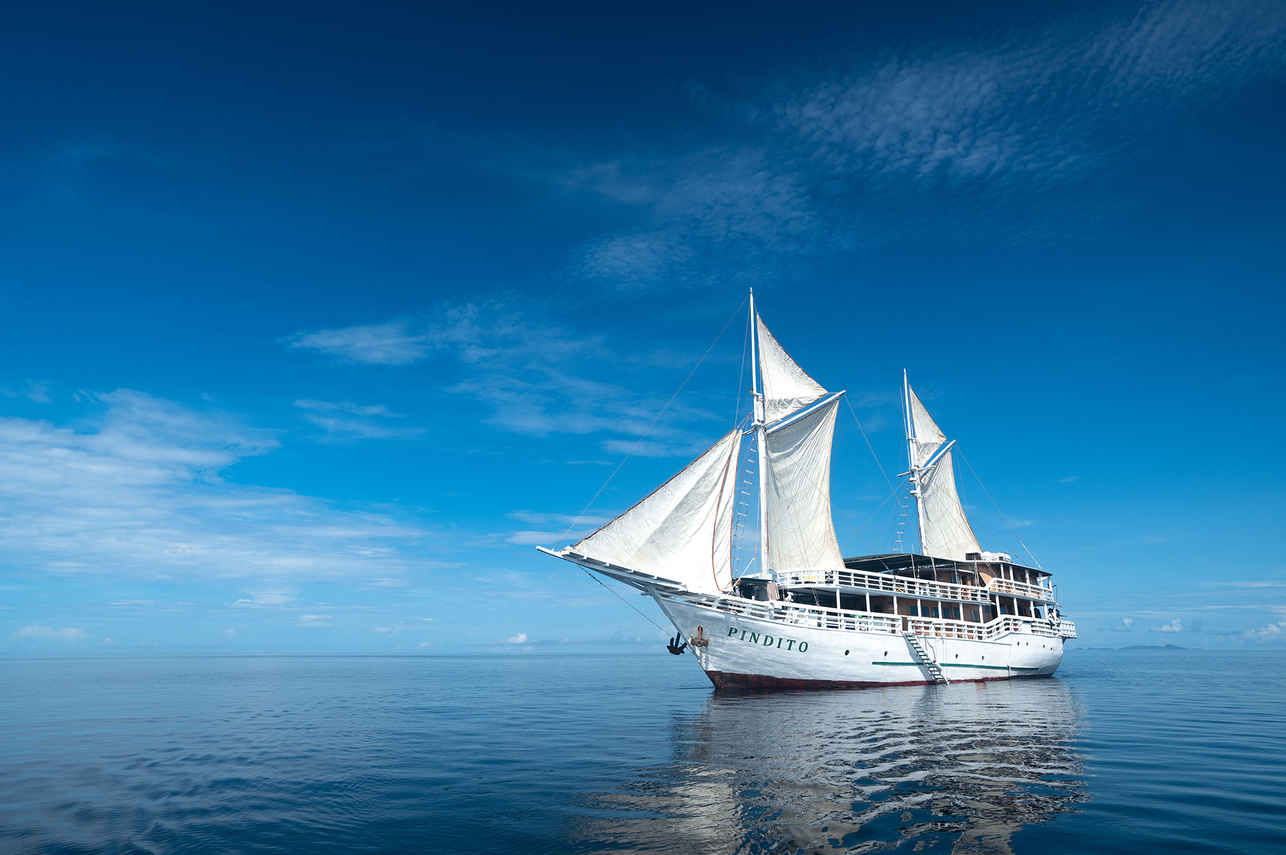
Pindito
Indonesia
16 guests37.79 m
$533/day
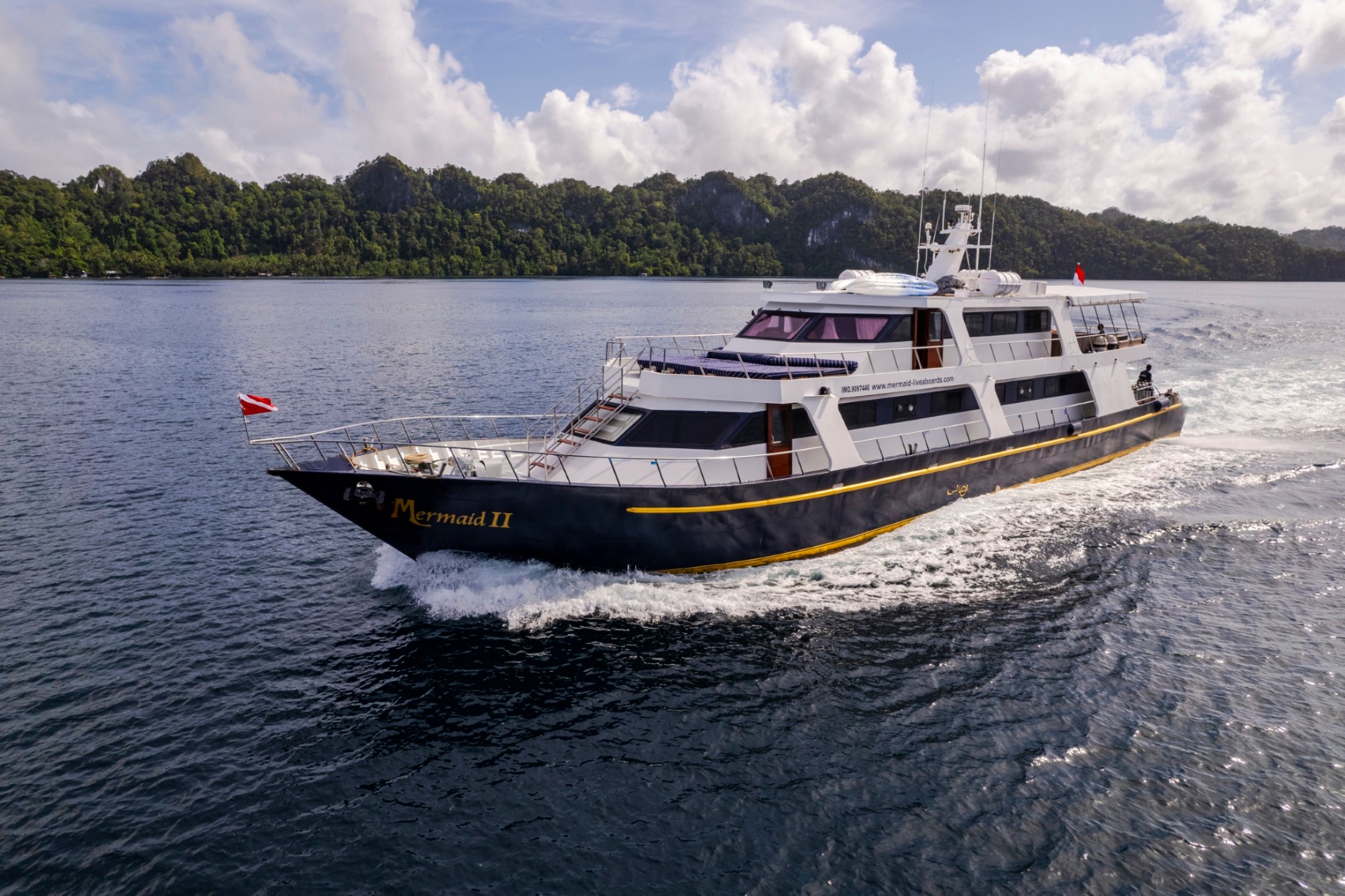
Mermaid II
Komodo, Indonesia
18 guests
$386/day
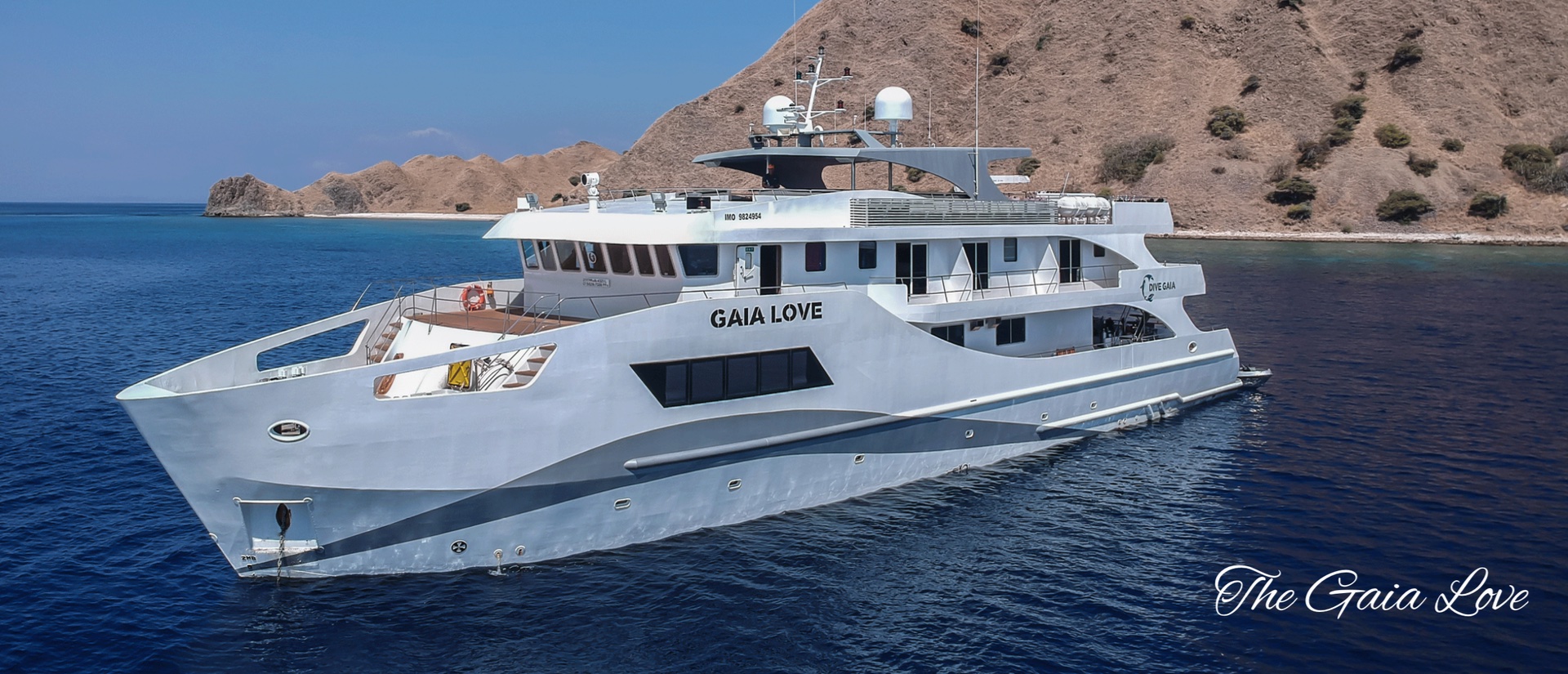
Gaia Love
Alor
20 guests
$554/day
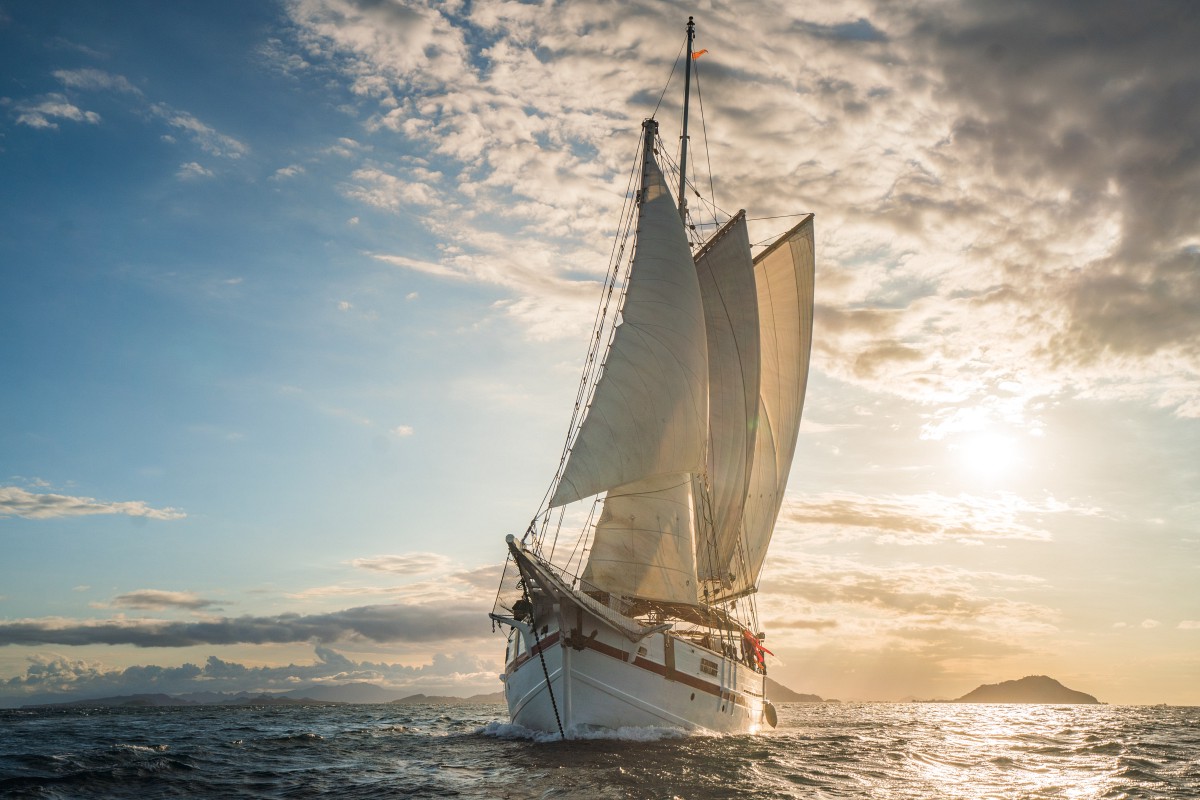
Emperor Raja Laut
Raja Ampat, Indonesia
12 guests31 m
$423/day
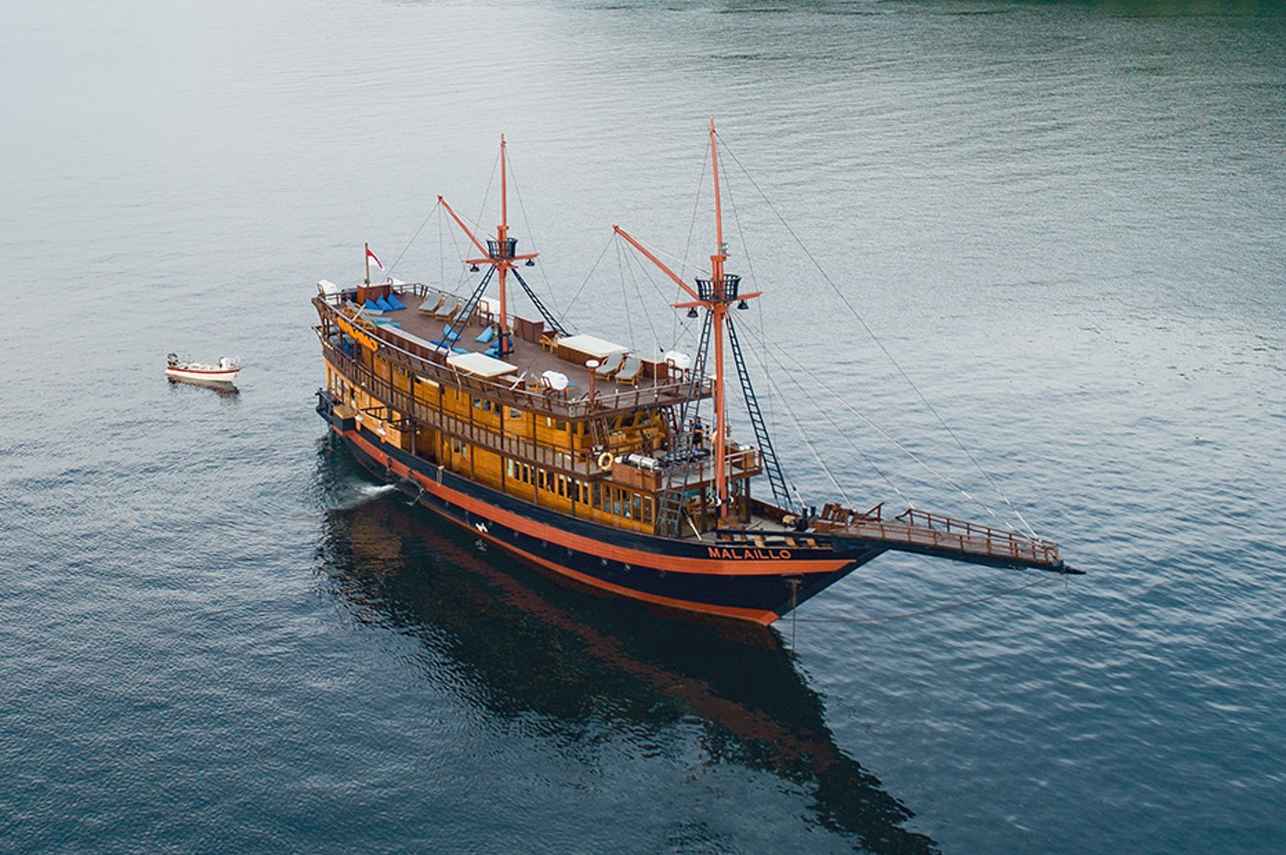
Malaillo
Indonesia
14 guests45.57 m
$348/day
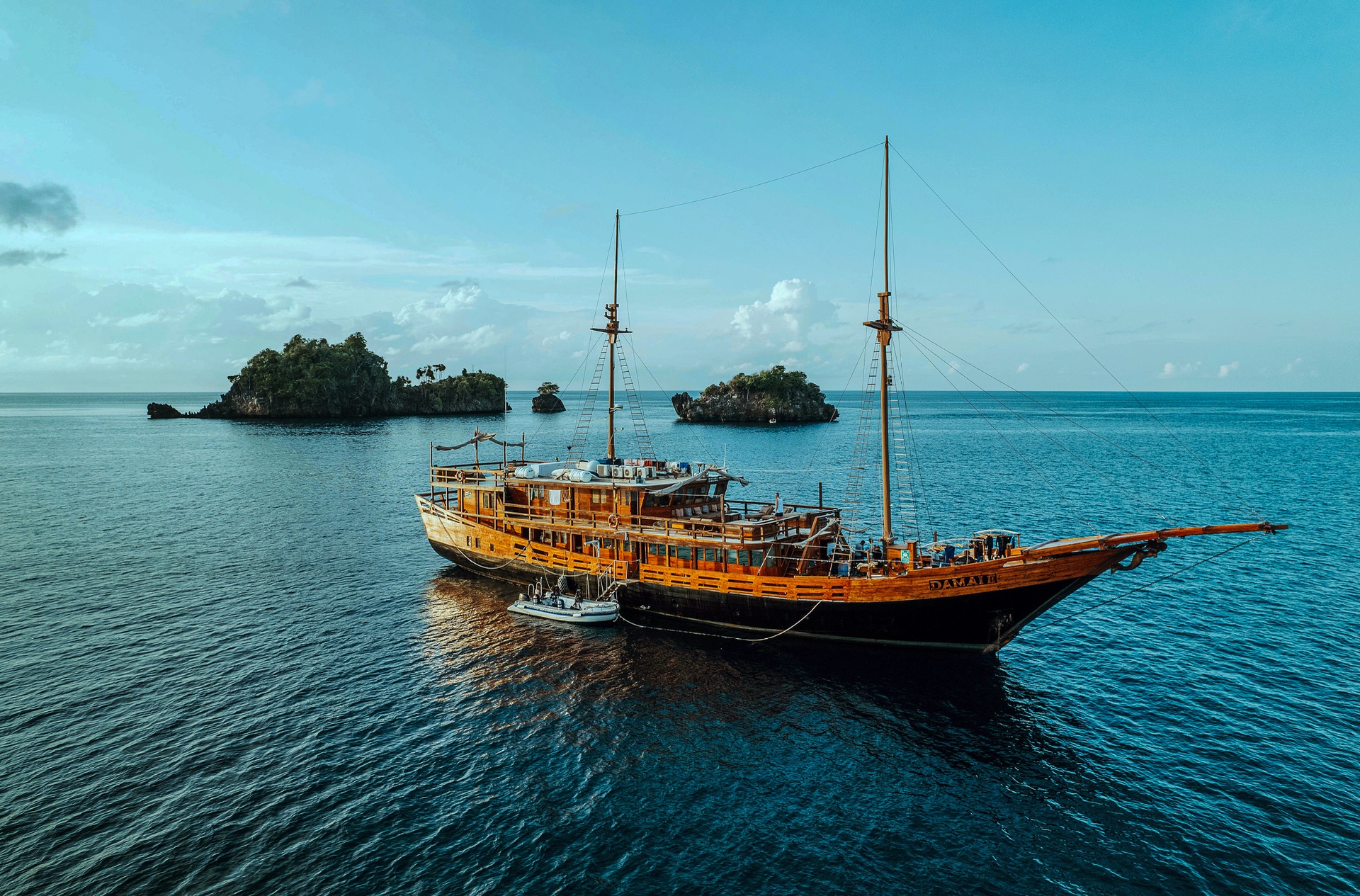
Damai II
Komodo, Indonesia
14 guests
$441/day
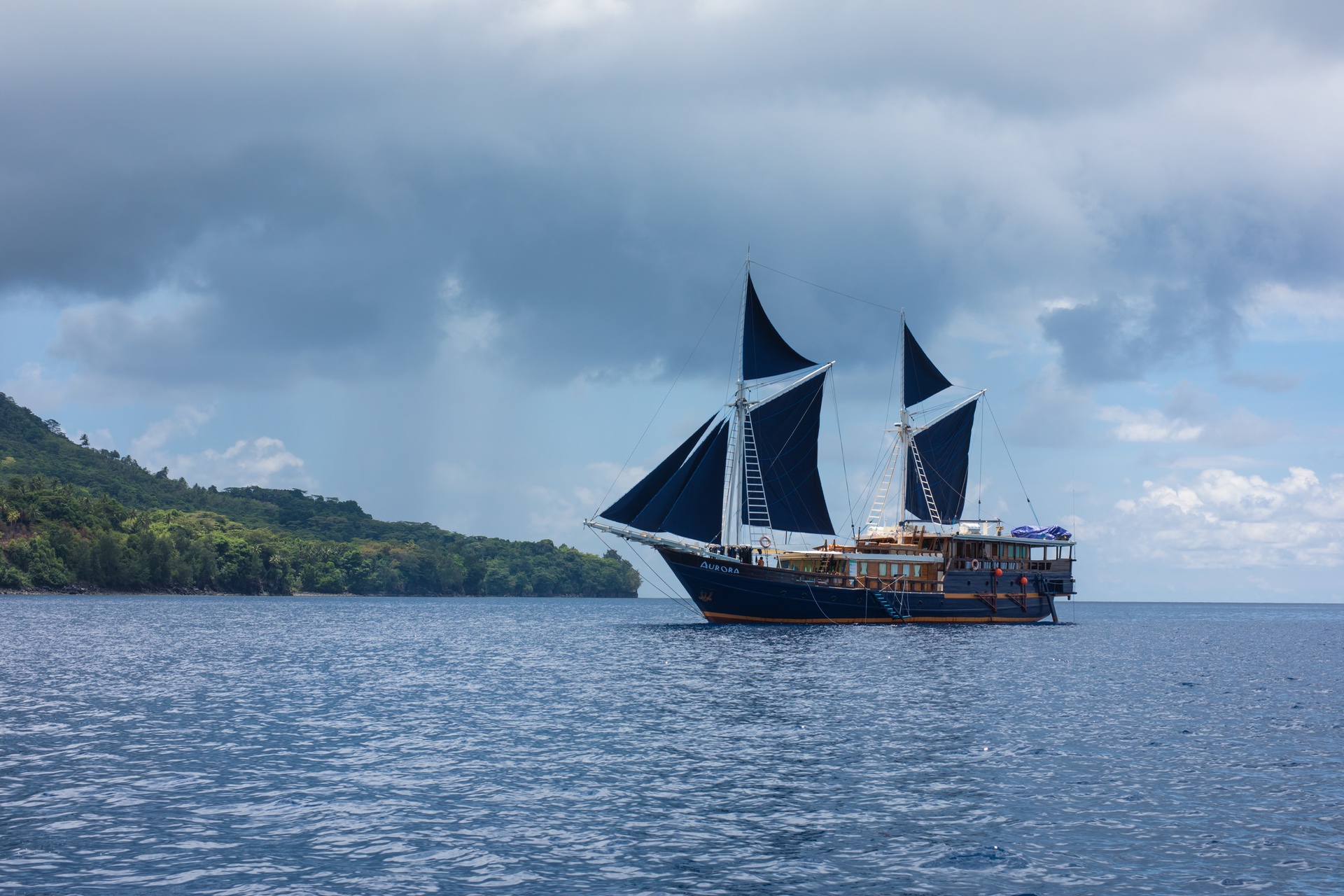
DUNE Aurora
Indonesia
18 guests
$344/day
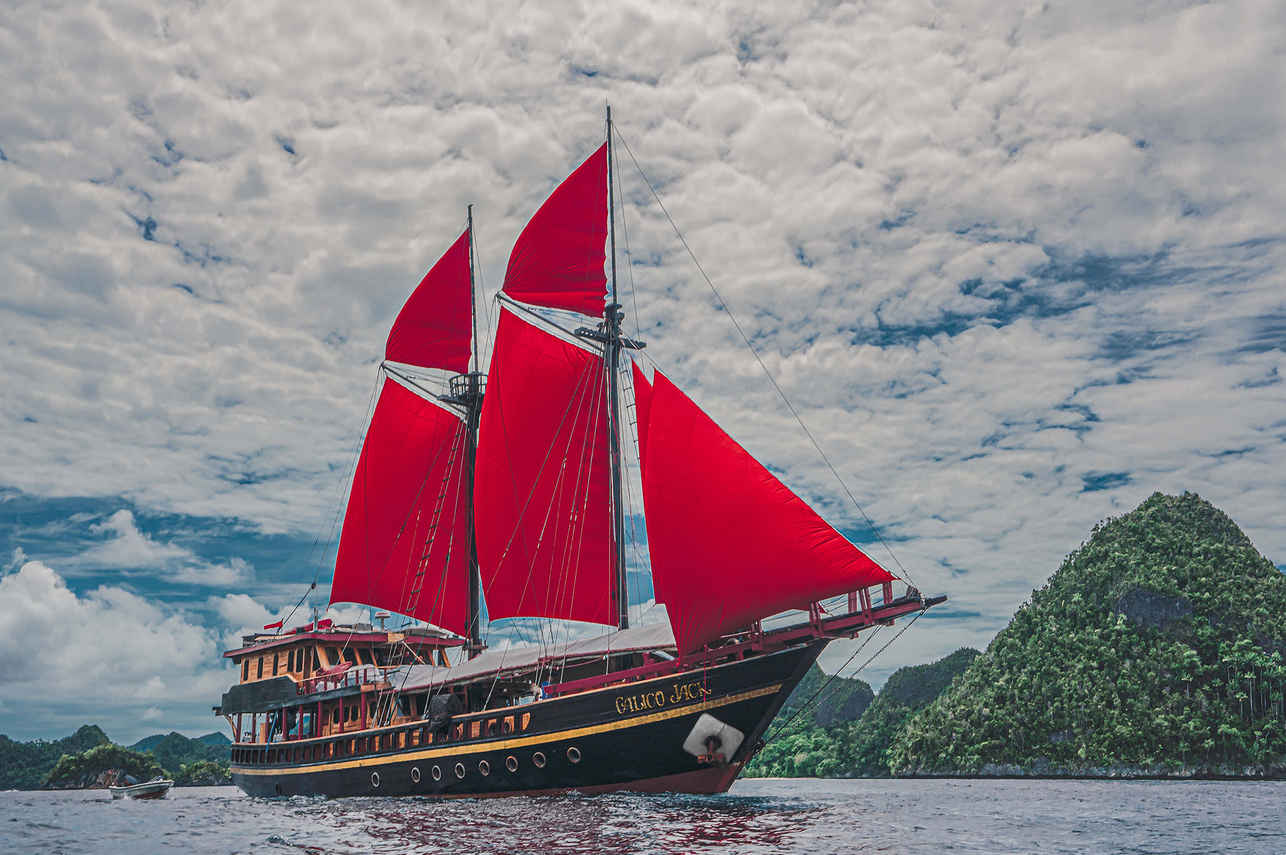
Calico Jack
Indonesia
10 guests30 m
$398/day
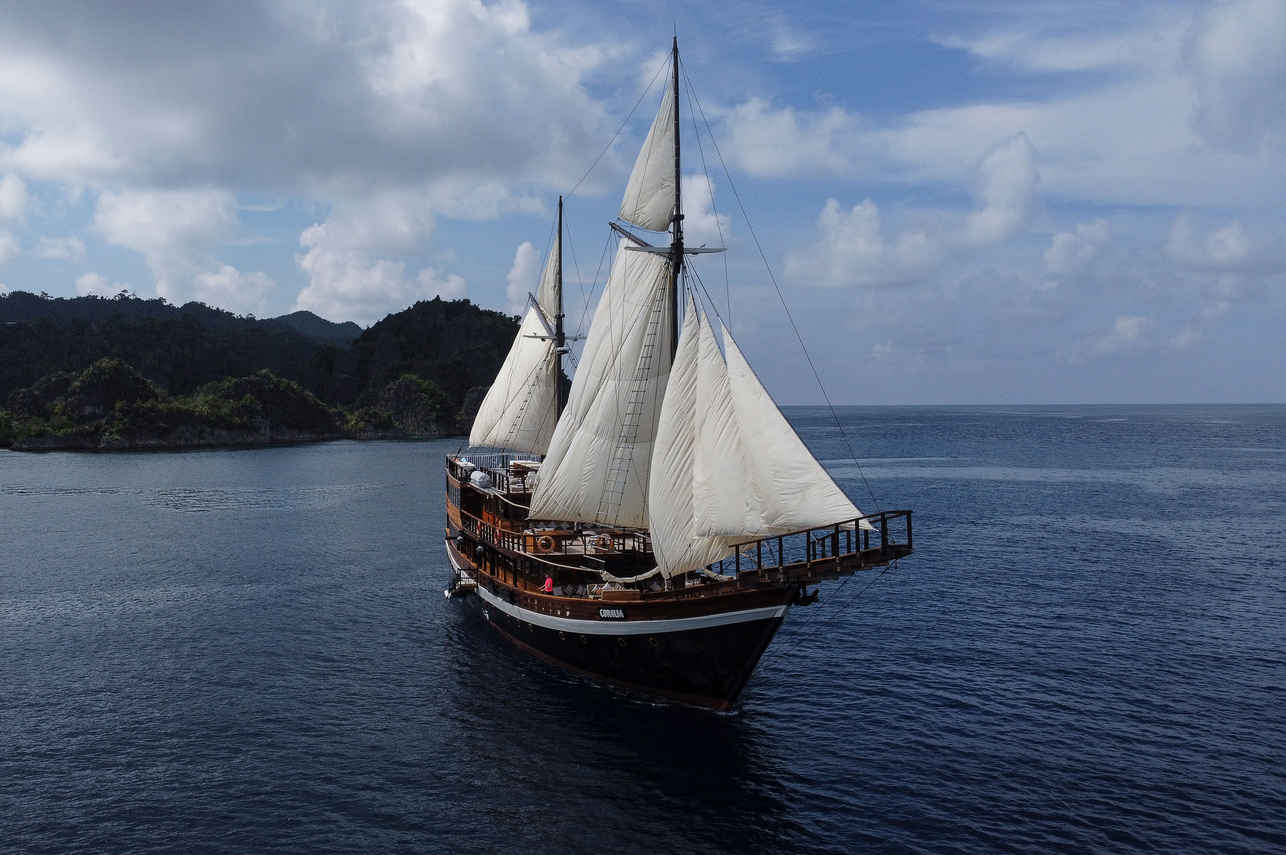
Coralia
Indonesia
16 guests48 m
$591/day
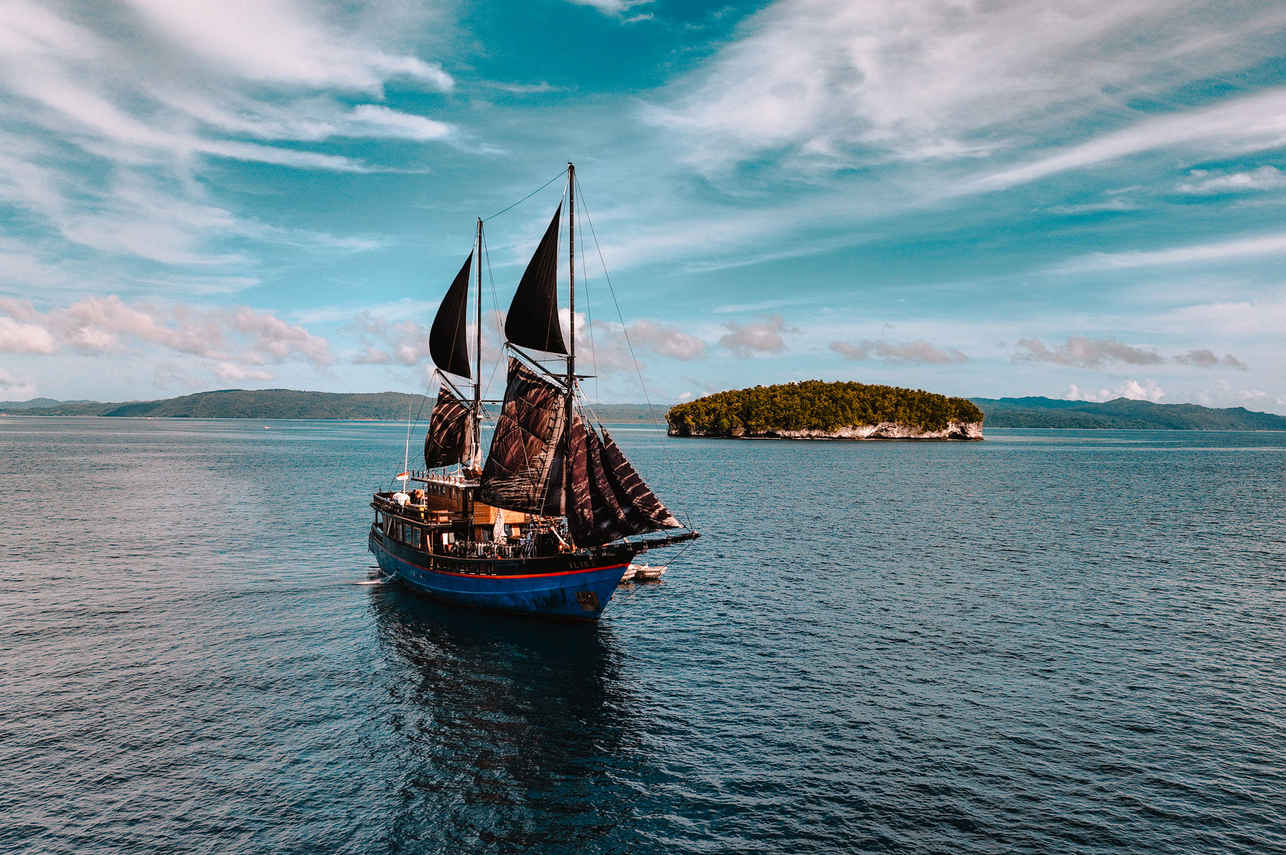
Ilike
Indonesia
16 guests40 m
$350/day
Dive sites similar to Lucipara Atoll
Same character, same waters — six more sites divers love for the exact same reasons.Compare seasons, access and liveaboard routes — then pick the site that fits your trip best.
© Esri — Maxar, Earthstar, GIS
Big La Laguna
Philippines
Big La Laguna is a beach community situated on the western edge of the Sabang Peninsula, a popular dive region on Mindoro Island, Philippines.
- Suitable for
- Intermediate
- Current
- Moderate
- Access
- Dayboat
- Depth
- 5–35 m
- Theme
- Reef / Wall
© Esri — Maxar, Earthstar, GIS
Rusa Pinnacle
Alor
Rusa Pinnacle is a challenging yet highly rewarding dive site situated in the Alor archipelago, part of Indonesia's East Nusa Tenggara.
- Suitable for
- Advanced
- Current
- Strong
- Access
- Liveaboard only
- Depth
- 6–30 m
- Theme
- Reef
Lipah Bay is situated on Bali's northeast coast within the Amed area, nestled against the dramatic backdrop of Gunung Agung.
- Suitable for
- Beginner
- Current
- Mild
- Access
- Liveaboard or dayboat
- Depth
- 5–30 m
- Theme
- Reef / Drift
© Esri — Maxar, Earthstar, GIS
Tangked Cave
Bali
Tangked Cave, sometimes referred to as Tangked Taked Shark Cave, is an advanced dive site situated in the open ocean off Bali's southeastern coast.
- Suitable for
- Advanced
- Current
- Moderate
- Access
- Liveaboard or dayboat
- Depth
- 15–40 m
- Theme
- Cave & cavern / Reef
© Esri — Maxar, Earthstar, GIS
Schools Out
Alor
Schools Out in Alor offers divers an exceptional encounter with healthy coral reefs and a rich variety of marine species.
- Suitable for
- Intermediate
- Current
- Mild
- Access
- Liveaboard only
- Depth
- 20–30 m
- Theme
- Reef
© Esri — Maxar, Earthstar, GIS
Batununggul
Bali
Batununggul, also known as Suana or Batumulapan by some operators, is a dynamic wall and sloping reef dive site situated on the eastern side of Nusa Penida, Bali.
- Suitable for
- Advanced
- Current
- Strong
- Access
- Liveaboard or dayboat
- Depth
- 10–40 m
- Theme
- Wall