About Gunung Api Lava Flow
Gunung Api Lava Flow is a truly unique dive site found in the Banda Sea, specifically located around the volcanic island of Gunung Api. This site stands out for its extraordinary geological features, where the lava flows from a 1988 eruption have been spectacularly recolonized by marine life. Divers can explore an alien-like underwater landscape shaped by volcanic activity, contrasting sharply with the vivid colors of flourishing coral. The site is a testament to nature's resilience, showcasing how life reclaims and transforms even the harshest environments. It is renowned for having some of the fastest-growing table corals on Earth, reaching impressive sizes of 3–4 meters wide, triple the normal growth rate, due to the nutrient-rich volcanic substrate. The topography transitions from shallow coral gardens to unique lava formations, offering diverse environments for exploration. Depths typically range from 5 to 30 meters, making it accessible for a wide range of diver experience levels. The unique structure provides shelter and a rich habitat for various species, from macro life to schooling fish. Currents are generally mild to moderate, allowing for relaxed exploration of the volcanic terrain and coral formations. Marine life here includes numerous banded sea snakes, which are a signature sight, alongside vibrant reef fish and macro subjects like pygmy seahorses. The site is also famous for reliable mandarinfish mating displays, especially at dusk during the new moon. Diving here provides an incredible opportunity to witness the recovery and flourishing of a marine ecosystem following a volcanic event, offering both geological interest and rich biodiversity. The area's volcanic influence contributes to rich upwellings, fostering a healthy marine environment overall. Access to Gunung Api Lava Flow is typically via liveaboard, which allows divers to experience this remote and pristine environment. The dive usually involves exploring the lava formations and coral r
Highlights
Volcanic lava formationsFast-growing table coralsBanded sea snake coloniesMandarinfish mating displayPristine coral gardensUnique geological landscape
Season calendar
Best months to dive here
Jan
Feb
Mar
Apr
May
Jun
Jul
Aug
Sep
Oct
Nov
Dec
Excellent
Good
Dive site facts: Gunung Api Lava Flow
- Depth
- 5–30 m
- Current
- Mild to Moderate
- Visibility
- 25–40 m
- Water temperature
- 25–30°C
- Entry
- Tender
- Level
- All Levels
- Dive type
- Lava reef, coral garden, macro
- Night dive
- Possible
- Region / port
- Banda Sea
- Coordinates
- -4.5292, 129.8714
Conditions & Currents
Currents at Gunung Api Lava Flow are typically mild, although they can occasionally be moderate depending on tidal shifts and weather patterns. Dive entry is usually from a tender, with descent planned to minimize effort against any gentle currents. The site's unique volcanic structures often provide natural shelter from stronger flows, allowing for relaxed exploration of the coral and lava formations.
Marine life & sighting chances

Banded sea snake
common
Pygmy seahorse
occasional
Mandarinfish
common
Napoleon wrasse
occasional
Blacktip reef shark
occasional
Moray eel
common
Cuttlefish
occasional
Sea turtle
occasional
Jackfish
occasional
Barracuda
occasional
Manta ray
rare
Whale shark
rareDive profile & how the dive runs
Diving at Gunung Api Lava Flow typically begins with a tender drop-off directly onto the reef, allowing for immediate descent into the unique underwater landscape. The dive often follows the contours of the 1988 lava flows, which have become overgrown with rapidly growing hard and soft corals. You will explore depths ranging from 5 to 30 meters, navigating between dramatic volcanic formations and vibrant coral gardens. The route usually involves a gentle drift along the reef, with the turn point determined by current and air consumption, focusing on areas with high concentrations of banded sea snakes or specific coral features. Mandarin fish sightings are a highlight, especially during dusk dives near the shallowest parts of the lava flow. Your safety stop will be conducted in the shallower, coral-rich sections, providing ample opportunity to observe reef fish and enjoy the impressive coral coverage before surfacing.
Underwater photography
Gunung Api Lava Flow presents fantastic opportunities for both wide-angle and macro photography. For wide-angle, a rectilinear lens is ideal to capture the expansive lava formations and the incredible regrowth of massive table corals. Good ambient light is usually present, but strobes will enhance color and detail, especially on the deeper sections of the lava flow. For macro, a 60mm or 100mm lens is essential for capturing the intricate details of pygmy seahorses and other small critters hiding within the corals. Night dives offer exceptional chances to photograph the mandarinfish mating ritual, requiring a fast lens and careful strobe placement to avoid disturbing the subjects. Buoyancy control is paramount to avoid damaging the delicate, fast-growing corals that are a hallmark of this site. Maintain respectful distances from banded sea snakes, observing their natural behavior without interference.
Combine with nearby dive sites
- Hatta Island Wall
A vertical wall with a hammerhead cleaning station and large schools of fish.
- Nusa Laut Corner
Current-swept point known for schooling hammerheads and pelagic encounters.
- Banda Neira Jetty
Historical harbor with pristine coral gardens and macro life, ideal for mandarinfish.
- Run Island Wall
Dramatic wall dive featuring pristine hard coral terraces and potential whale sightings.
- Banda Api North
Another section of the same volcanic island with varied topography and marine life.
Getting there & logistics
Accessing Gunung Api Lava Flow typically involves flying into Ambon (AMQ) from major Indonesian hubs like Jakarta (CGK) or Bali (DPS). From Ambon, most divers embark on a liveaboard cruise that traverses the Banda Sea. Itineraries often combine Banda Sea diving with other regions like Raja Ampat or Triton Bay, particularly during transitional seasons, offering extended trips of 10 to 15 days. Make sure to factor in potential overnight stays in transit cities before and after your liveaboard. Marine park fees are generally included in liveaboard packages, but it's always wise to confirm. This site is exclusively reachable by liveaboard due to its remote location and the vastness of the Banda Sea.
Safety & environment
The nearest recompression chamber is located in Ambon, which can be several days' journey from Gunung Api Lava Flow, underscoring the importance of conservative diving practices. Emergency evacuation from this remote region is complex and time-consuming, usually requiring coordination with liveaboard operators and potentially involving airlifts, which can be very costly. Comprehensive dive insurance, including coverage for emergency medical and evacuation expenses, is therefore strongly recommended. Site-specific hazards include potential strong currents at certain times, although Gunung Api Lava Flow generally has milder conditions. Divers should always maintain excellent buoyancy control to avoid damaging the unique coral formations and lava structures, and refrain from touching marine life, especially the banded sea snakes which, while generally docile, are venomous. Always dive within your training and experience limits.
Who it suits — and who it doesn't
Suited for
- All levels of certified divers
- Underwater photographers (macro and wide-angle)
- Divers interested in unique volcanic topography
- Marine biology enthusiasts
- Liveaboard adventurers
Less suited for
- Shore divers (access only by liveaboard)
- Divers seeking only large pelagic encounters
- Those sensitive to remote, long-haul travel
- Beginners without basic open water certification
FAQ
Gunung Api Lava Flow FAQ
What makes Gunung Api Lava Flow unique for diving?
Gunung Api Lava Flow is unique due to its active volcanic history, featuring lava formations from a 1988 eruption that are now covered in rapidly growing corals. This creates an otherworldly underwater landscape where diverse marine life thrives on a nutrient-rich volcanic substrate. It's a rare opportunity to witness an ecosystem in recovery, displaying extraordinary coral growth and a vibrant mix of species.
Are there any specific marine animals to look for at Gunung Api Lava Flow?
Yes, the site is particularly famous for its banded sea snakes, which are frequently encountered. Divers can also spot pygmy seahorses within the corals, and the site is one of the most reliable places in Indonesia to observe mandarinfish mating dances, especially during dusk dives. Additionally, a wide variety of reef fish and invertebrates inhabit the flourishing coral gardens.
What is the best time of year to dive Gunung Api Lava Flow?
The prime diving season for Gunung Api Lava Flow and the Banda Sea generally runs from March to May and from September to December. These months offer the calmest seas, best visibility, and comfortable water temperatures. October and November are particularly favored for overall excellent conditions and higher chances of encountering significant marine activity.
What level of diving experience is required for Gunung Api Lava Flow?
Gunung Api Lava Flow is suitable for divers of all levels, from Open Water to Advanced. Its depths range from 5 to 30 meters, and while currents can be moderate, there are usually sheltered areas for easier exploration. This accessibility makes it a great site for both novice divers looking to experience unique topography and experienced divers seeking vibrant marine life.
How do I get to Gunung Api Lava Flow?
Access to Gunung Api Lava Flow is exclusively via liveaboard, as it is a remote site in the Banda Sea. Most liveaboard trips depart from Ambon, which is reachable by domestic flights from major Indonesian cities like Jakarta or Bali. Liveaboards provide comprehensive itineraries, combining this site with other highlights of the Banda Sea and sometimes adjacent regions like Raja Ampat.
Can I do night dives at Gunung Api Lava Flow?
Yes, night dives are possible and highly recommended at Gunung Api Lava Flow. The site is renowned for its mandarinfish mating displays, which occur at dusk, particularly around the new moon. Night dives also reveal a different array of nocturnal marine life and allow for unique photographic opportunities against the dark volcanic backdrop.
Why dive Gunung Api Lava Flow from a liveaboard?
Gunung Api Lava Flow is one of Banda Sea's signature dive sites. A liveaboard sleeps you on the water and puts you in the water for three to four guided dives per day, including dawn and night dives that day-boat operators rarely offer. You skip the daily commute back to port and reach quieter, less-crowded sites in the same region on a single trip.
Below are the liveaboards that include Gunung Api Lava Flow on their Banda Sea itineraries.
Liveaboards diving Gunung Api Lava Flow
These liveaboards may visit Gunung Api Lava Flow on selected itineraries — the exact dive sites depend on departure, weather and conditions.
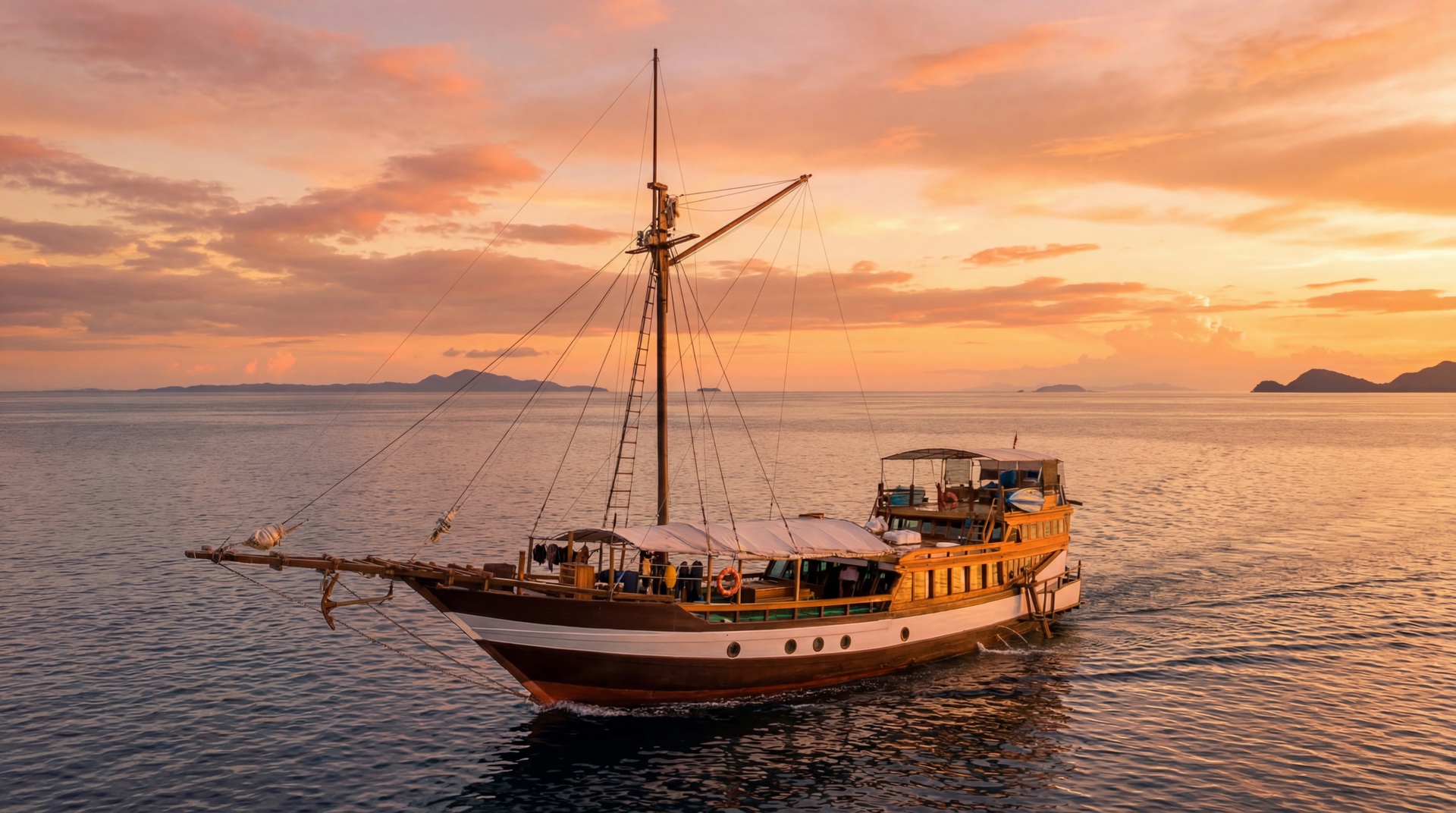
Wellenreng
Indonesia
9 guests25 m
$427/day
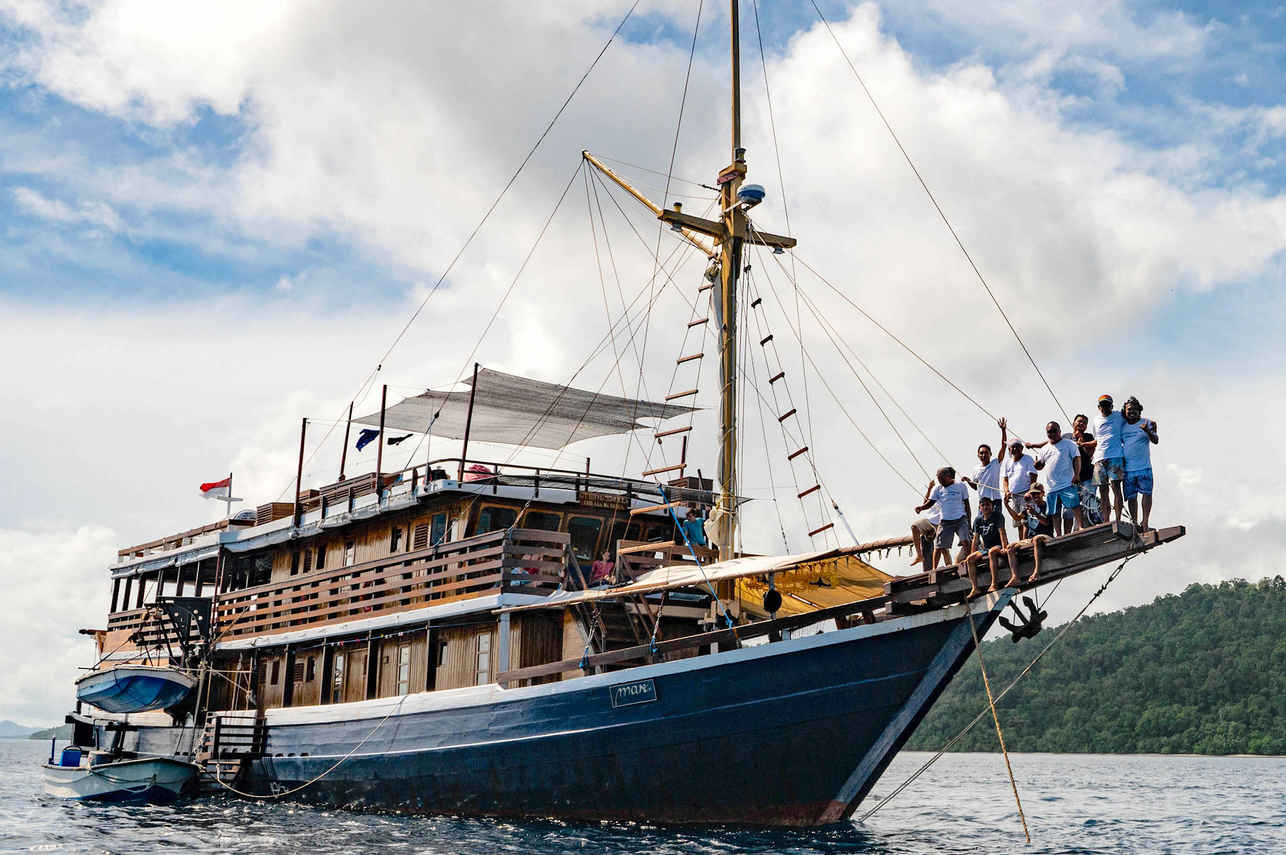
Mari
Indonesia
14 guests32.2 m
$328/day
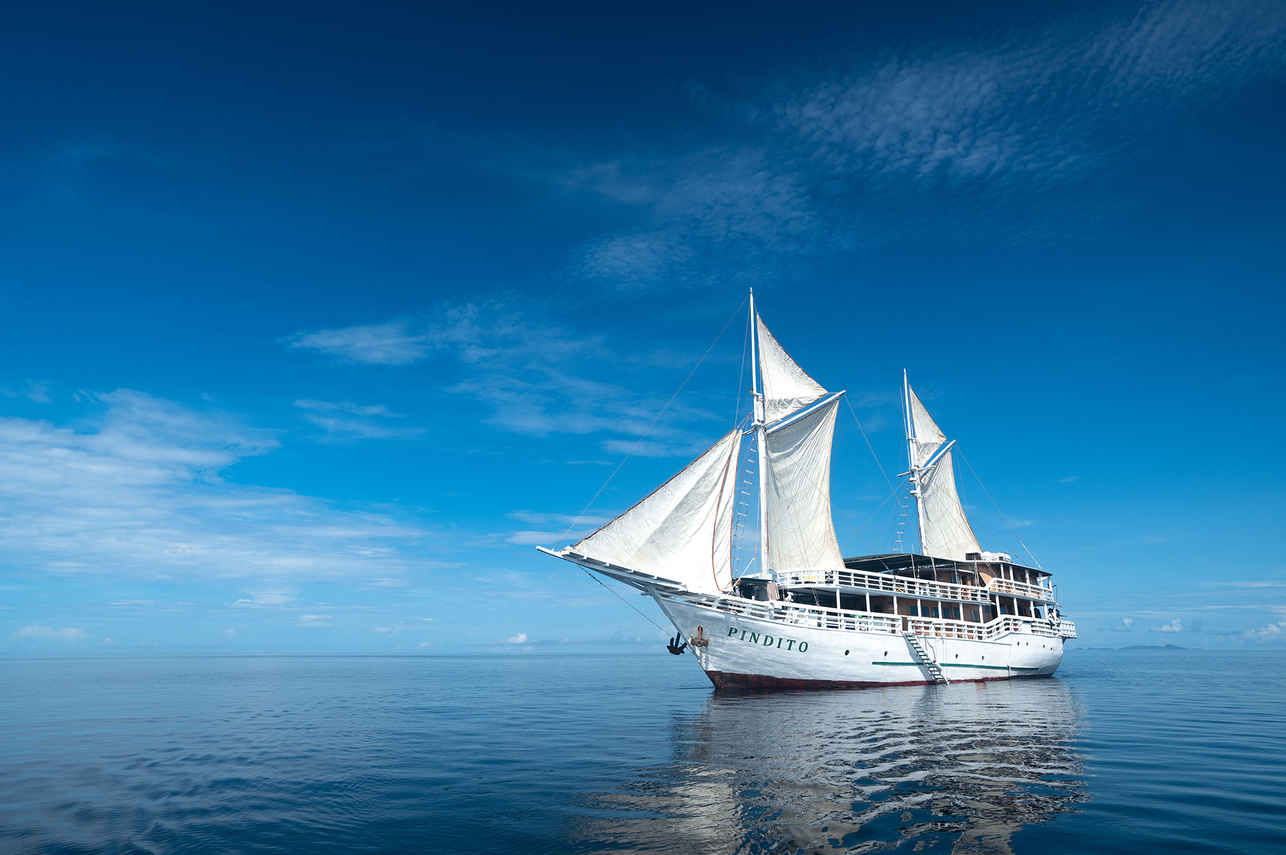
Pindito
Indonesia
16 guests37.79 m
$533/day
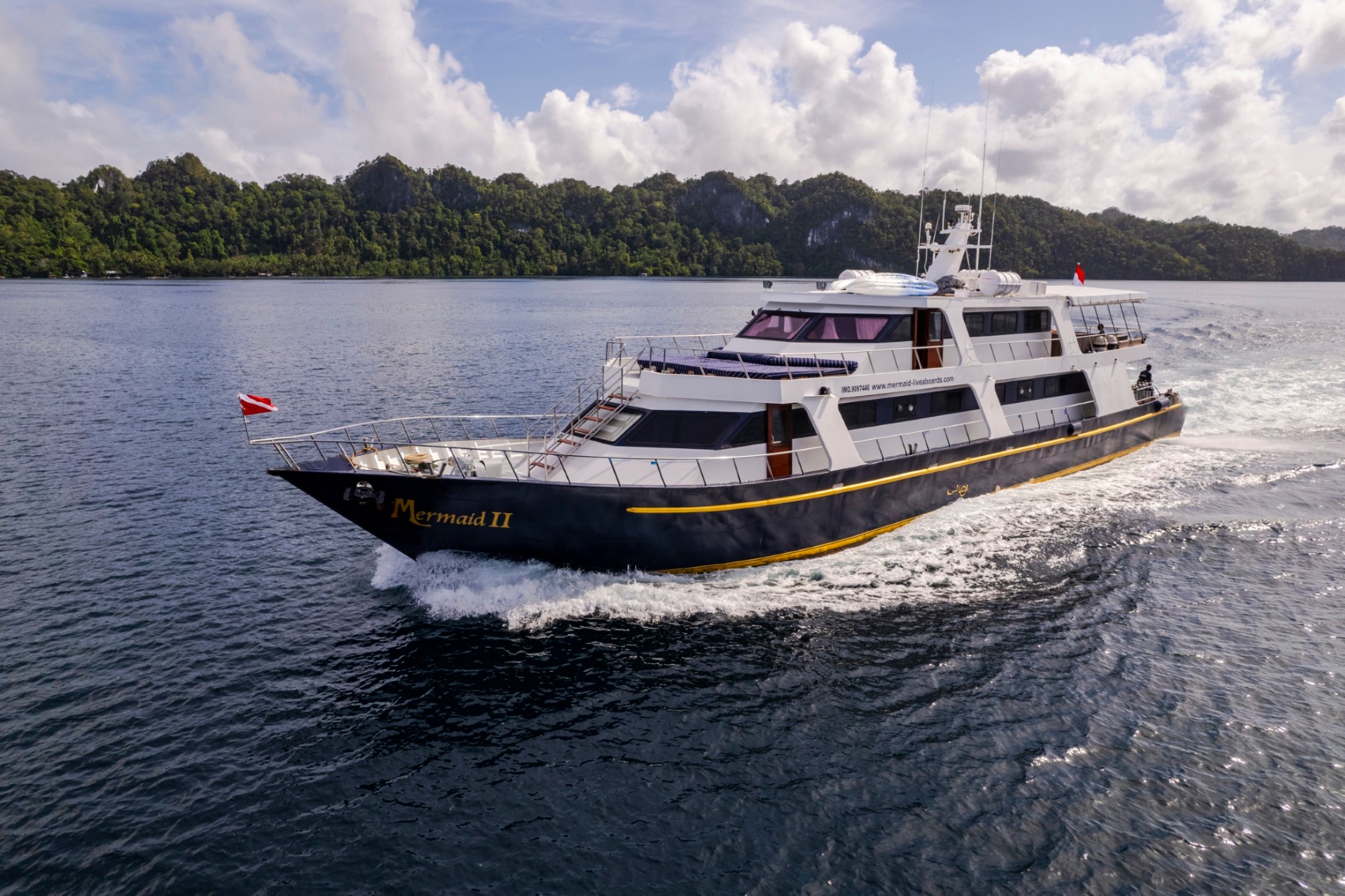
Mermaid II
Komodo, Indonesia
18 guests
$391/day
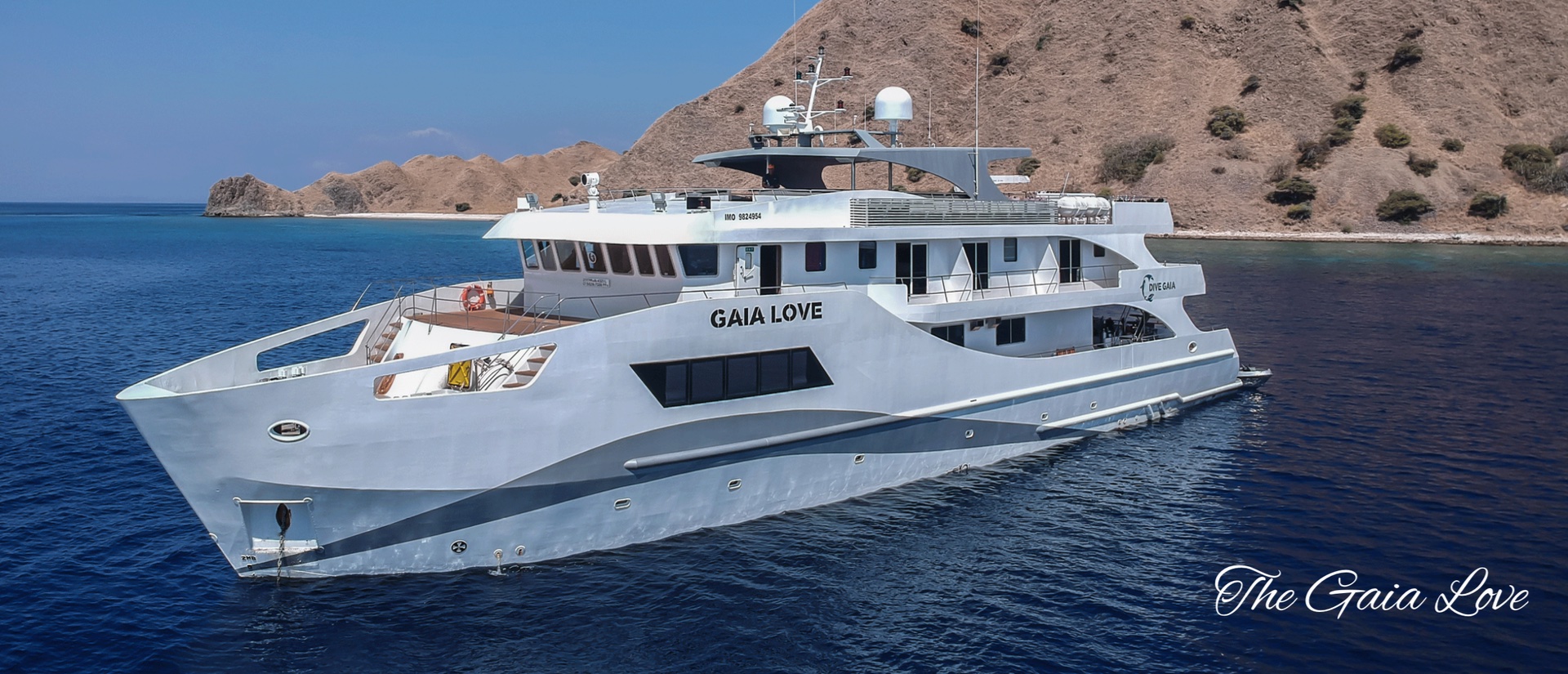
Gaia Love
Alor
20 guests
$554/day
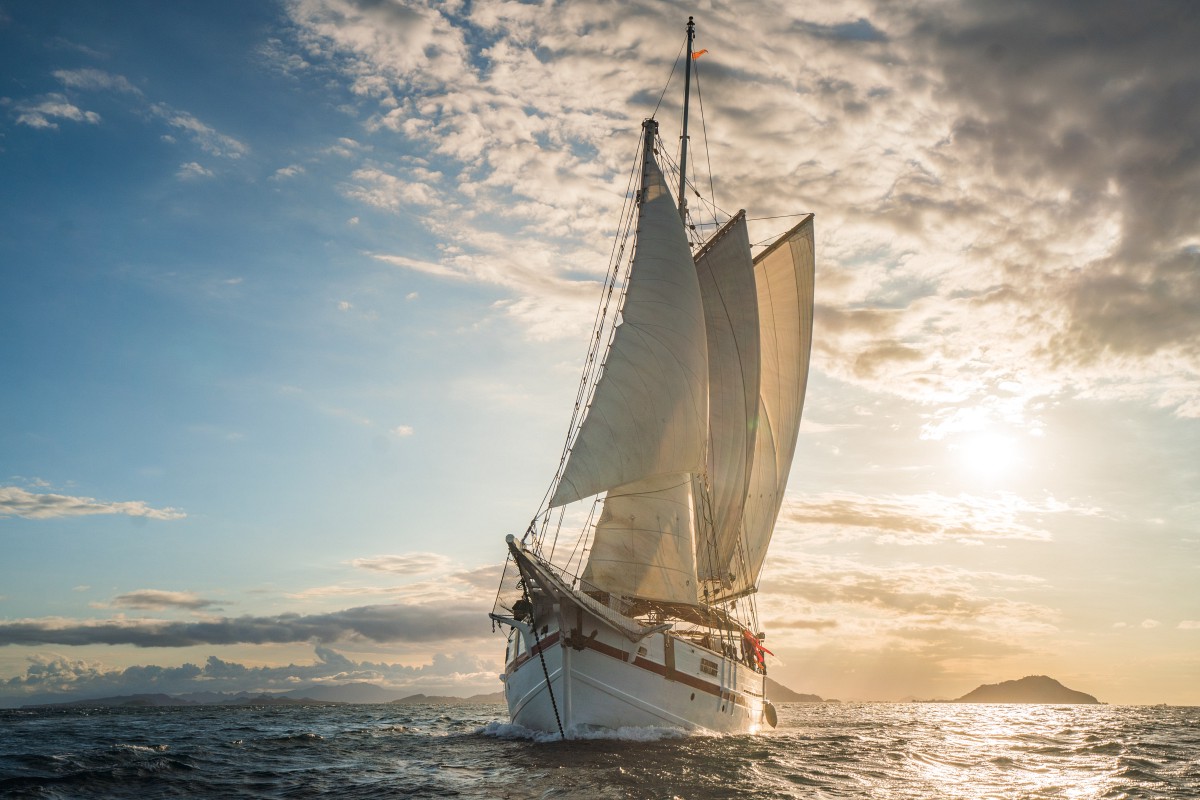
Emperor Raja Laut
Raja Ampat, Indonesia
12 guests31 m
$413/day
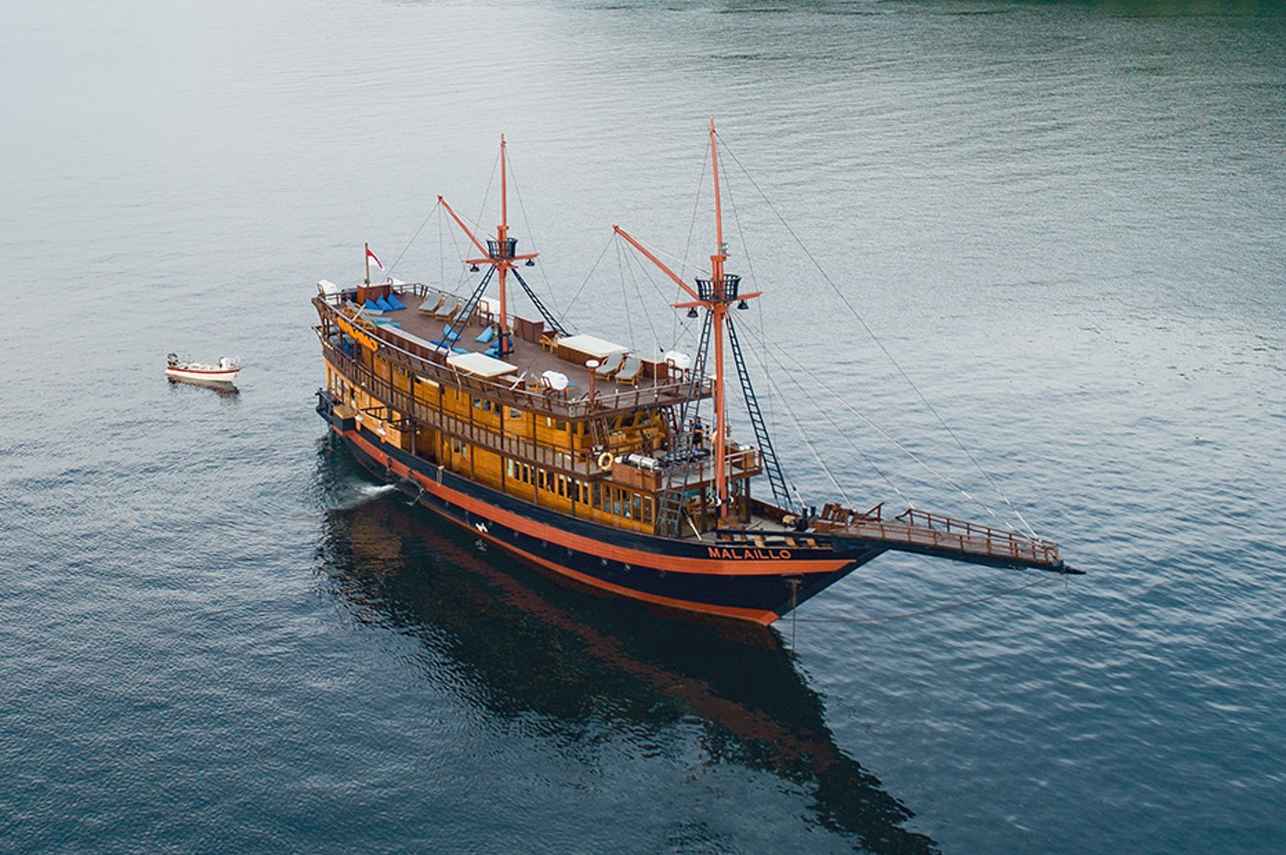
Malaillo
Indonesia
14 guests45.57 m
$348/day
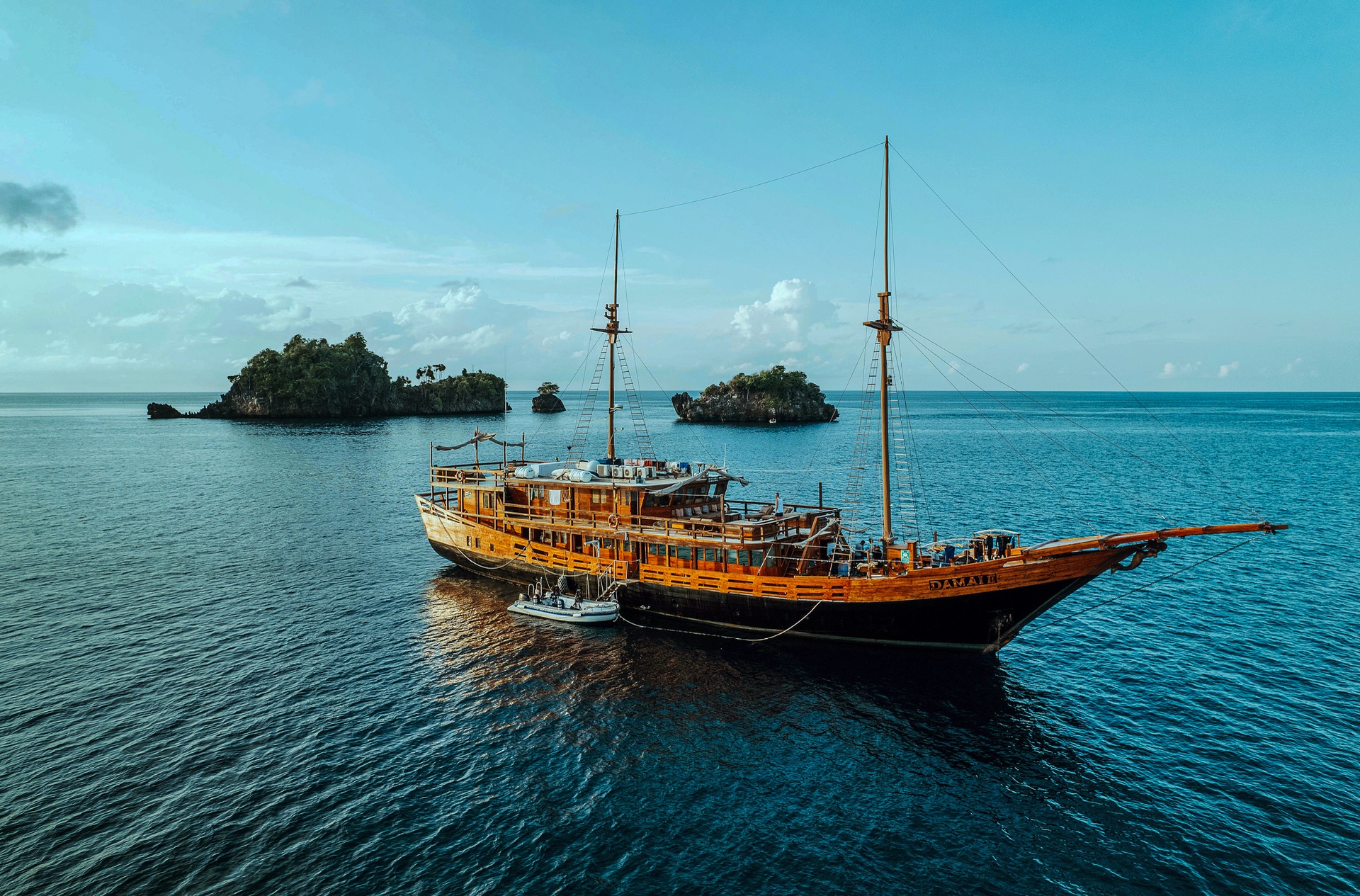
Damai II
Komodo, Indonesia
14 guests
$441/day
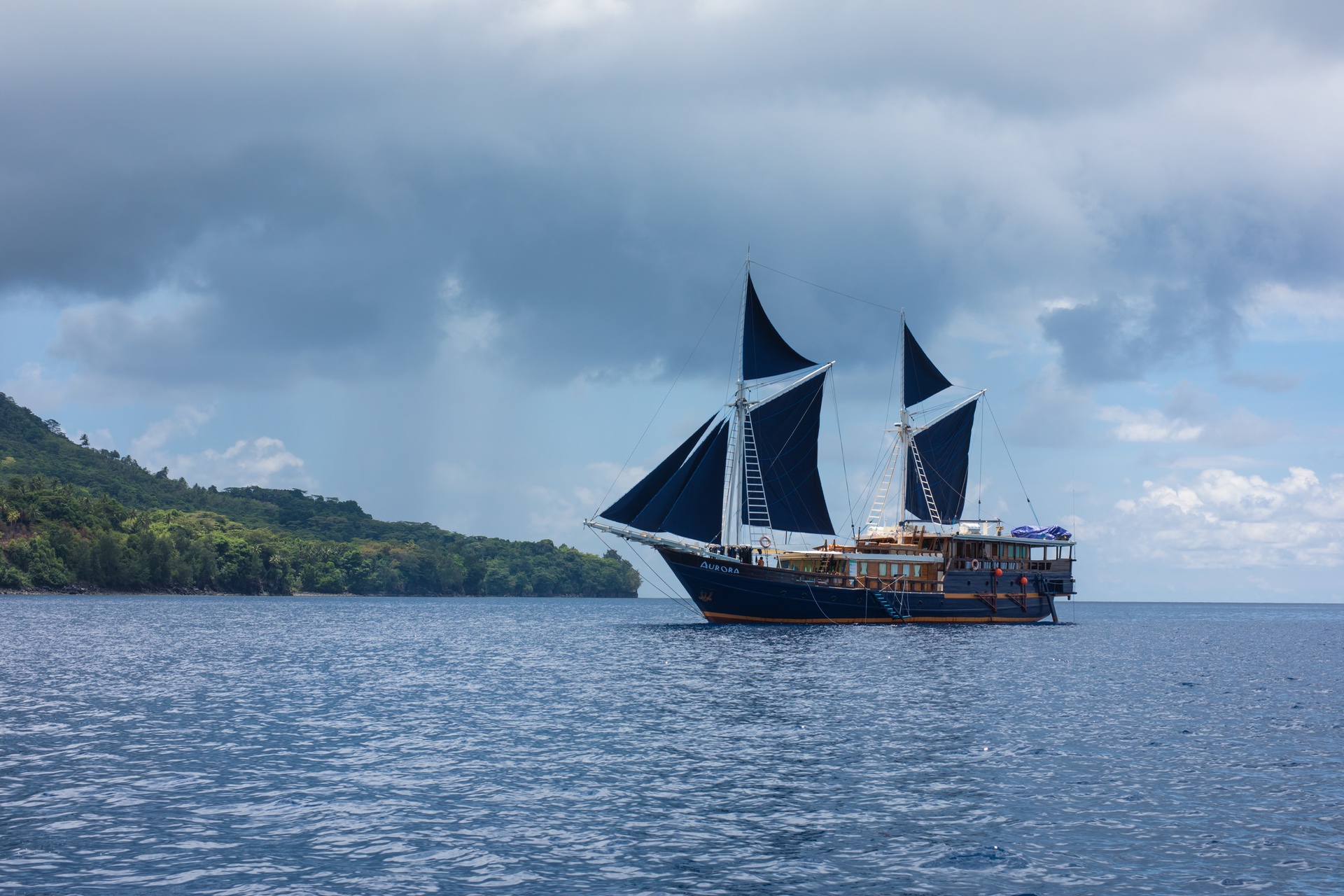
DUNE Aurora
Indonesia
18 guests
$344/day
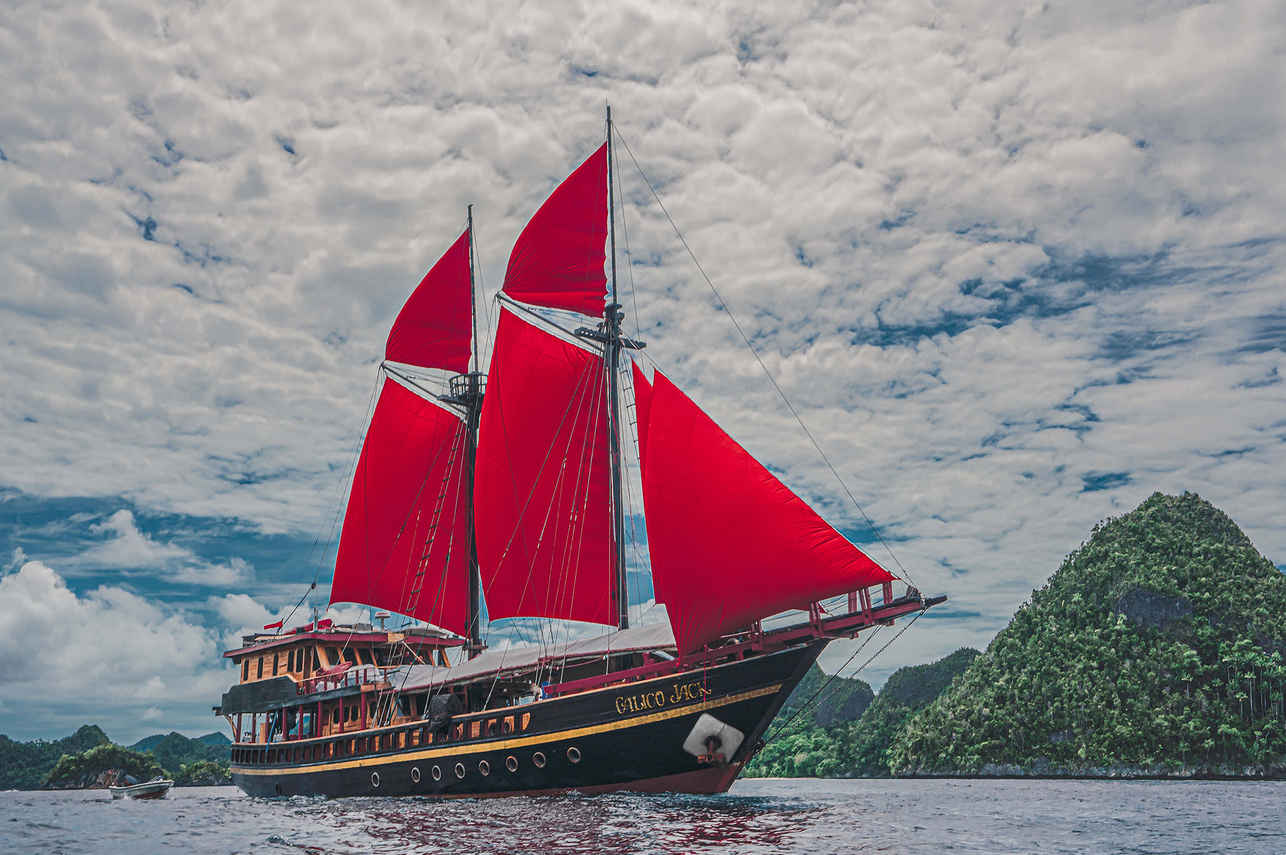
Calico Jack
Indonesia
10 guests30 m
$398/day
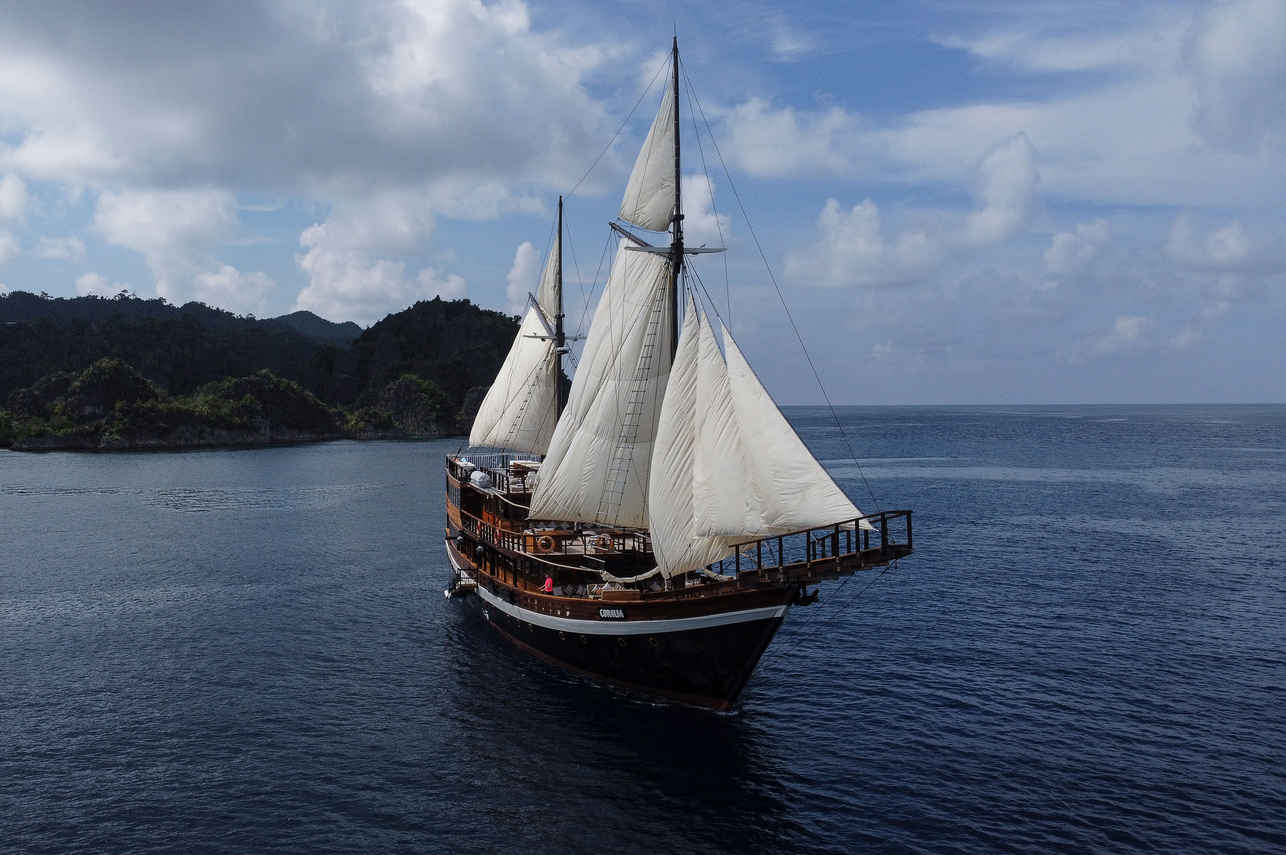
Coralia
Indonesia
16 guests48 m
$563/day
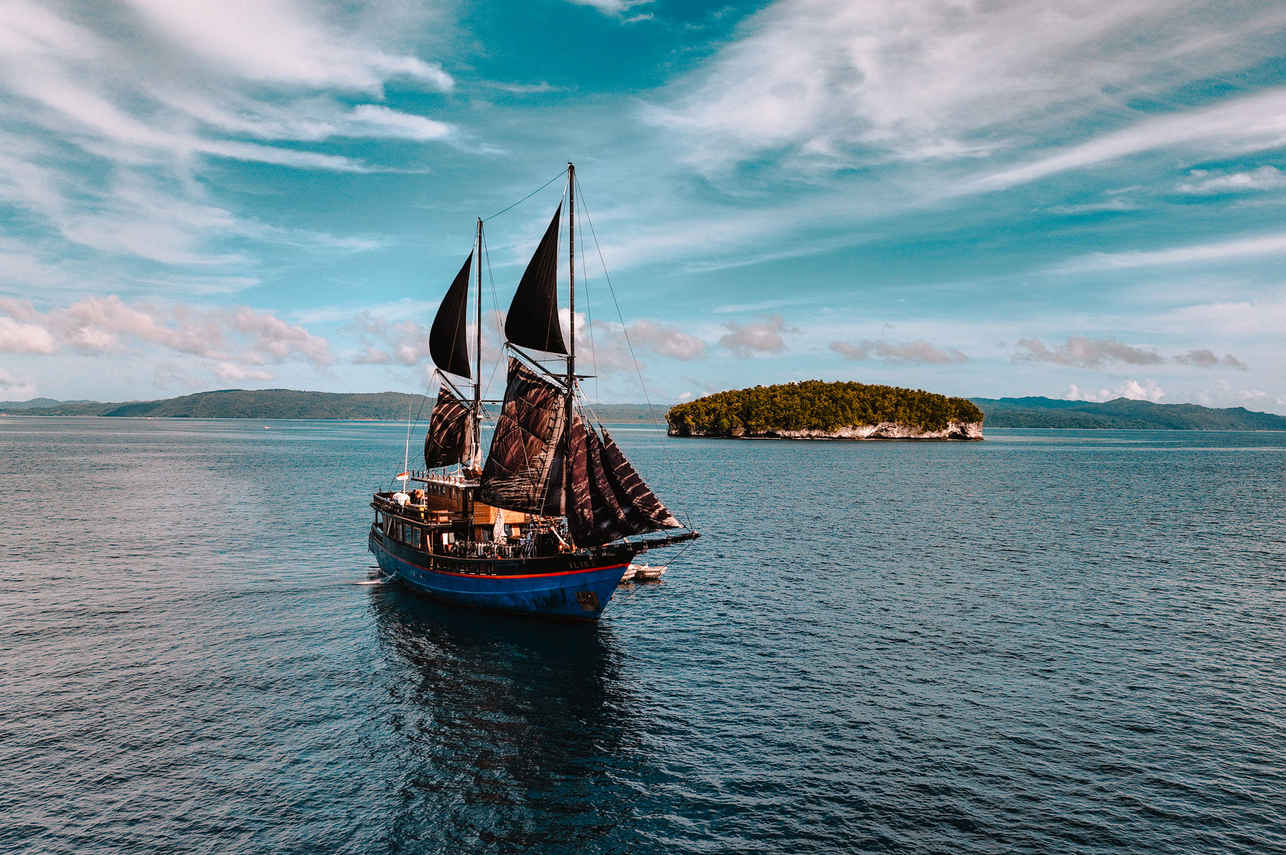
Ilike
Indonesia
16 guests40 m
$350/day
Dive sites similar to Gunung Api Lava Flow
Same character, same waters — six more sites divers love for the exact same reasons.Compare seasons, access and liveaboard routes — then pick the site that fits your trip best.
© Esri — Maxar, Earthstar, GIS
Patinti Strait
Banda Sea
The Patinti Strait, also known as Selat Patiente, is a renowned dive site located in South Halmahera, nestled between the main island of Halmahera and Bacan Island.
- Suitable for
- Advanced
- Current
- Strong
- Access
- Liveaboard only
- Depth
- 5–30 m
- Theme
- Drift / Reef
© Esri — Maxar, Earthstar, GIS
Banda Api North
Banda Sea
Banda Api North, nestled within Indonesia's remote Banda Sea, offers an extraordinary dive experience shaped by its active volcanic past.
- Suitable for
- Intermediate
- Current
- Strong
- Access
- Liveaboard only
- Depth
- 5–30 m
- Theme
- Reef
© Esri — Maxar, Earthstar, GIS
Pohon Miring
Banda Sea
Pohon Miring, located near Banda Neira, is a dive site within the central Banda Islands group, offering a unique blend of marine biodiversity and accessibility.
- Suitable for
- Beginner
- Current
- Strong
- Access
- Liveaboard only
- Depth
- 3–20 m
- Theme
- Reef / Seamount
© Esri — Maxar, Earthstar, GIS
Dawera Island
Banda Sea
Dawera Island is a captivating dive destination nestled within the Forgotten Islands, a remote chain of islands in the vast Banda Sea, Indonesia.
- Suitable for
- Advanced
- Current
- Moderate
- Access
- Liveaboard only
- Depth
- ≥ 15 m
- Theme
- Reef / Wall
© Esri — Maxar, Earthstar, GIS
Tanjung Button
Banda Sea
Tanjung Button is an exceptional dive site located in the Banda Sea, specifically within the Banda Islands archipelago of Indonesia.
- Suitable for
- Advanced
- Current
- Strong
- Access
- Liveaboard only
- Depth
- —
- Theme
- Reef
Sermata is part of the Forgotten Islands, a long chain of remote islands and atolls in the Southern Maluku, Indonesia, situated between the nutrient-rich Banda Sea and the Arafura Sea.
- Suitable for
- Advanced
- Current
- Moderate
- Access
- Liveaboard only
- Depth
- 15–40 m
- Theme
- Reef / Wall